Hybrid tea rose

20-289-1
20-289-2

Alexandra - P. de Luxembourg ®

MärchenRosen®

KORjuknei – Tim -Hermann Kordes

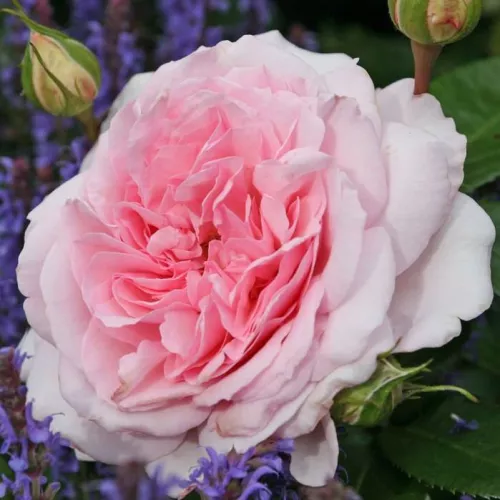
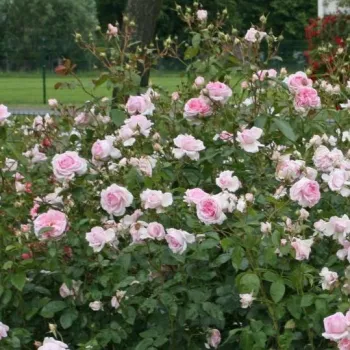
Clear, warm salmon-pink with a delicate coral tinge. - hybrid tea rose - strong, distinctly fragrant rose - sweet, fruity

– Strong, distinctly sweet, fruity fragrance
– Elegant salmon-pink rosette blooms
– Remontant flowering with generous second flush
– Compact, bushy habit for beds and pots
– Reliable hardiness to around −29 °C
Special feature: Internationally awarded, including Kortrijk silver medal.
Exclusive finished product
Alexandra - P. de Luxembourg ®
pharmaROSA® NEONATAL rooted rose cutting
29,63 £
Due to courier service regulations – and the introduction of customs clearance – delivery to Ireland is temporarily suspended.
3 (4616)
facebook   twitter

Alexandra - P. de Luxembourg ® – salmon-pink hybrid tea rose – Kordes

Premium own-root pharmaROSA® NEONATAL propagation of Alexandra - P. de Luxembourg ® provides reliable input stock for nurseries targeting an exclusive hybrid tea offer with strong retail pull through its flower quality and classic form. The bush-trained, 3–5-cane framework supports a bushy finished habit, well suited to 5–7 L premium containers and border or specimen use where consistent presentation matters for reseller partners. Own-root production helps underpin long-term stability in thematic and collection plantings, with predictable renewal and low replacement rates over time, beneficial where winters can be severe and winds persistent in northern and exposed UK settings. With medium maintenance needs and occasional plant protection, this cultivar aligns with professional programmes that value planned inputs, structured scheduling and clear differentiation in the premium hybrid tea rose segment.


Usage options

Target area Reasoning
Premium 5–7 L container production for retail/reseller programmes The premium container route is a natural fit for this hybrid tea, with its exclusive finished-product positioning and strong flower quality in 5–7 L formats. The bush-trained, 3–5 cane structure builds a balanced crown that reads well at point of sale, and own-root material provides predictable regrowth after pruning in nursery cycles. Medium maintenance needs remain manageable in container blocks, supporting consistent batches for planned launch dates in retail and reseller networks focused on premium rose ranges for discerning end-customers. Retail / reseller
Border and specimen roses for thematic and show gardens The bushy, medium-height framework and dense, mid-green foliage make this cultivar suitable as a repeat-flowering specimen or border element in thematic rose gardens and curated collections. Its remontant, strongly fragrant flowers deliver the visual and olfactory focus expected from an exclusive hybrid tea line. Own-root propagation supports long-term border stability and easier renewal of ageing plants, aligning with collection maintenance where identity and continuity are critical over years of replanting cycles. Thematic rose garden / collection
Collection and gene-bank style maintenance planting Verified cultivar authenticity and a clear registration background give confidence for collection and gene-bank style stands, where accurate identity and traceability are essential. Own-root NEONATAL propagation supports repeat propagation cycles from uniform base material, reducing variability between batches. Using the bush-trained form as a standard production template simplifies layout in nursery propagation beds dedicated to long-term cultivar maintenance, aligning with professional suppliers managing broader hybrid tea collections. Cultivar collections
Fragrance-led premium hybrid tea assortments The strong, distinctly sweet-fruity fragrance and warm salmon-pink, rosette-shaped blooms allow inclusion in fragrance-focused hybrid tea assortments that justify higher unit prices. The premium container path and 5–7 L target pot size give sufficient root volume to express fragrance and flower quality reliably by the second sales season. This supports retail and reseller partners developing signature scented rose selections without compromising on a manageable, medium maintenance profile. Fragrance-focused retail
Colour-coordinated salmon-pink and coral display concepts The stable salmon-pink tonality with a soft coral tinge and controlled fading to pastel, creamy-edged blooms enables precise colour-blocked merchandising and project planning. Cluster-flowered, double rosette blooms give generous colour surfaces per plant, important in premium container or border use. Own-root plants provide a uniform colour expression over years, facilitating repeatable schemes for retailers and project suppliers specifying consistent salmon-pink hybrid teas across seasons. Colour-themed assortments
Cold-climate and northern UK nursery production With hardiness down to approximately –29 to –26 °C (H7, USDA 5a, Swedish Zone 4), this cultivar is suitable for nurseries and projects in colder and more exposed parts of the UK. Own-root stock supports recovery after winter damage, reducing replacement rates in block plantings and ensuring dependable supply for premium container programmes. This is particularly relevant where reliable winter and wind tolerance is required for repeated call-off orders in northern nursery networks and public-realm supply chains. Scottish / North England supply
Long-term own-root production blocks for predictable capacity Own-root material allows the establishment of durable mother blocks in nursery beds, supporting renewable cutting supply over multiple years. The bushy structure and dense foliage create efficient light interception in production stands, while medium maintenance demands are compatible with standard protective regimes. This improves predictability in premium container production, with year-on-year capacity planning and homogeneous quality for exclusive hybrid tea assortments serving retailers and reseller partners. Professional rose growers
High-visibility specimen containers 40–50 L for institutional projects For public-realm or institutional projects requiring strong visual impact, selected plants can be grown on from 5–7 L up to 40–50 L containers to deliver fully developed bushes. The dense foliage, bushy habit and generous, cluster-borne blooms create a strong, premium effect in entrances or representative spaces. Own-root resilience supports longevity in large-planter installations, offering stable ornamental value and predictable re-supply options for institutional and project-focused channels. Public-realm suppliers

Finished-product ideas

  • Premium 5–7 L hybrid tea feature pot – Bush-trained, 3–5 cane plants in 5–7 L containers showcasing salmon-pink, rosette blooms and strong fragrance; positioned as an exclusive feature rose within retailer premium benches – retail / reseller.
  • Fragrance highlight collection container – Curated multi-cultivar scented range where this strongly fragrant hybrid tea forms the warm salmon-pink anchor; grown in uniform 5–7 L NEONATAL-based stock for consistent presentation – garden centre groups.
  • Thematic princess and commemorative range – Use the cultivar’s dedicated name story within a small, exclusive commemorative rose line, supported by its premium flower form and own-root longevity; supplied as premium container specimens – specialist rose retailers.
  • Cold-climate hybrid tea border line – Market as part of a hardy H7 / USDA 5a hybrid tea selection with bushy, medium-height plants for borders, drawing on own-root resilience and medium maintenance requirements – northern UK nurseries.
  • Large 40–50 L statement container – Individually trained, bushy specimens grown on from NEONATAL material into 40–50 L containers, highlighting dense foliage, strong fragrance and exclusive flower quality for representative entrances – public and institutional projects.

Technical cultivar profile
Parameter Data
Name and registration Hybrid tea rose from the MärchenRosen® collection with registered name KORjuknei; traded as Alexandra - P. de Luxembourg ® and Alexandra Princesse de Luxembourg in exhibition use.
Origin and breeding Bred by Tim-Hermann Kordes in Germany in 2000; registration recorded in 2012 (US PP 22 499), with introduction to the market after 2012; detailed parentage and initial distributor not provided.
Awards and recognition Recognised in international competition, including a silver medal at the Kortrijk International Rose Competition, alongside further unspecified awards, indicating strong ornamental and garden performance assessment.
Growth and structural characteristics Bushy habit to around 80–105 cm high and 50–70 cm spread, with dense, mid-green, slightly glossy foliage; moderately thorny canes and a framework suited to bush training with 3–5 strong structural shoots.
Flower morphology Large, double, rosette-shaped blooms with 26–39 petals, typically borne in clusters; remontant, with a generous second flowering flush; self-cleaning is weak, so deadheading is advised for continued performance.
Colour data and phenology Warm salmon-pink flowers with a delicate coral tinge, ARS OPk, RHS 38C outer and 36B inner; buds darker at the tip; colour fades from vivid salmon-pink to pastel shades with creamy petal edges at decline.
Fragrance and aroma Strong, distinctly fragrant rose with a sweet, fruity character; highly ornamental but with double, bi-coloured blooms that limit pollinator access, so pollinator friendliness is relatively low compared with more open forms.
Hip characteristics Hip set is generally scant because of the double flowers and self-cleaning tendency; occasional small ellipsoidal orange-red hips, around 8–12 mm in diameter, may be produced under favourable conditions.
Resistance and winter hardiness Hardy to approximately –29 to –26 °C (RHS H7, Swedish Zone 4, USDA 5a); disease profile includes moderate powdery mildew tolerance, with black spot and rust rated as resistant; heat and drought tolerance not provided.
Horticultural recommendations Suitable for borders, specimen uses and container culture; best as bush-trained plants with 3–5 canes for premium container production; maintenance needs are medium, with occasional plant protection recommended.

Alexandra - P. de Luxembourg ® combines hardy bushy structure, strong fragrance and premium flower quality in an own-root form that supports predictable, regenerative stands; we would be pleased to align on volumes, timing and integration into your programmes.

Detailed product attributes

Product Identification Data

Product Name: ALEXANDRA - P. DE LUXEMBOURG ® – salmon-pink hybrid tea rose - Kordes
Product Type: pharmaROSA® NEONATAL - rooted rose cutting
Cultivar Authenticity: Verified:04.09.2025
Cultivar Quality Rating: premium silver
Item Number: [749] 20-289 (14.02.2026) pharmarosaneonatal.co.uk

Name and Registration

Meaning of Cultivar Name: The name is a cultivar dedicated to Princess Alexandra of Luxembourg's 18th birthday.
Original Trade Name: Alexandra – Princesse de Luxembourg®
Current Trade Name: Alexandra - P. de Luxembourg ® MärchenRosen® KORjuknei
American Rose Society Approved Exhibition Name: Alexandra Princesse de Luxembourg
Rose Group: Hybrid Tea
Commercial Type: hybrid tea rose
Commercial Group: Hybrid tea rose
Collection: MärchenRosen®

Origin and Breeding

Introduction Year: after 2012
Registration Year: 2012 (US PP 22 499)
Breeder: Tim -Hermann Kordes
Breeding Company / Institution: unknown / no data
Breeding Year: Germany, 2000
Parentage: unknown

Awards and Honours

Competition and Show Awards: Kortrijk International Rose Competition – silver medal; other international rose competition awards

Growth and Structural Characteristics

Height: 2.6-3.4ft (80-105 cm)
Spread: 1.6-2.3ft (50-70 cm)
Growth Habit: bushy
Foliage: The variety has dense foliage. Its leaves have a slightly glossy surface and a mid-green shade.
Prickliness: moderately thorny
Self-Cleaning Description: Most spent flowers remain on the plant; deadheading is recommended to encourage further flowering.
Self-Cleaning Intensity: Self-cleaning: weak

Flower Morphology

Petal Count: 26-39
Flower Fullness: double-flowered
Flower Shape: rosette
Flower Size: L (2,75-3,95 in)
Inflorescence Type: cluster-flowered
Colour Code: ARS code: OPk RHS code: 38C (outer), 36B (inner)
Repeat Flowering: Remontant, with a generous second flowering.

Colour Data and Phenology

Colour: salmon-pink
Flower Colour Description: Clear, warm salmon-pink with a delicate coral tinge.
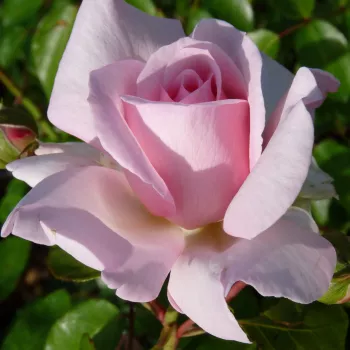
Closed Bud: Warm salmon pink, slightly darkening towards the tip.
Newly Opened Flower: Paler salmon-pink with a soft creamy hue on the outer petal edges.
Full Bloom: Uniform, vivid salmon pink with a slight coral tone in the centre.
Before Fading: Fading to pastel salmon pink, with a pale creamy tinge at the petal edges.
Colour Fading Description: Slightly paler on opening, vivid salmon-pink at full bloom, then fades to pastel salmon-pink with a creamy edge before the flowers decline.

Fragrance and Aroma

Fragrance Strength: strong, distinctly fragrant rose
Fragrance Character: sweet, fruity
Pollinator Attraction: The double, bi‑coloured blooms attract pollinators poorly, as the full flower form conceals the stamens and reduces their accessibility.
Pollinator-Friendly Rating: Its double, bicoloured flowers attract few pollinators, so it is mainly ornamental; pollinator friendliness limited

Hip Characteristics

Hip Shape: ellipsoidal
Hip Colour: orange-red (RHS 41A)
Hip Comment: Rose hip formation is expected to be scant due to the double flowers and good self‑cleaning; occasionally an ellipsoid, orange‑red (RHS 41A) rose hip 8–12 mm in diameter may appear.

Resistance and Hardiness

Hardiness (°C): -29–-26 °C
Heat and Drought Tolerance Description: No data are available on heat–drought tolerance.
Disease Resistance: moderate
  • powdery mildew – moderate
  • black spot – resistant
  • rust – resistant

Horticultural Recommendations

Recommended product path: Premium container
Release form: Bush-trained, with 3–5 strong framework canes
Recommended use: Maintenance requirement medium; generally easy to maintain, but may occasionally require plant protection.
Primary Uses: border, specimen, container

Comments

Positioning: Exclusive finished product
Target customer/channel: Retail / reseller
Main value proposition: Flower quality, form
ALEXANDRA - P. DE LUXEMBOURG ® – salmon-pink hybrid tea rose - Kordes
Clear, warm salmon-pink with a delicate coral tinge. - hybrid tea rose - strong, distinctly fragrant rose - sweet, fruity
Online rose purchase - salmon-pink - strong, distinctly fragrant rose - Alexandra - P. de Luxembourg ® - hybrid tea rose - (2.6-3.4ft (80-105 cm))
Inflorescence: cluster-flowered Height: 2.6-3.4ft (80-105 cm) Flower shape: rosette Winter hardiness: 5b salmon-pink - - hybrid tea rose - Flower size: L (2,75-3,95 in) Flower size: L (2,75-3,95 in) - Height: 2.6-3.4ft (80-105 cm) Height: 2.6-3.4ft (80-105 cm) - Flower fullness: double-flowered Alexandra - P. de Luxembourg ® - Roses in the garden | pharmaROSA® Neonatal - premium silver Tim -Hermann Kordes

We showcase the external appearance of the roses available for online purchase from our webshop.


Which product type is right for you?


PharmaRosa® NEONATAL is the cost‑effective starting point for rose product production.

As a uniform, own‑rooted propagation material, it provides a stable basis for further growing-on and can be integrated flexibly into different finished product production technologies.
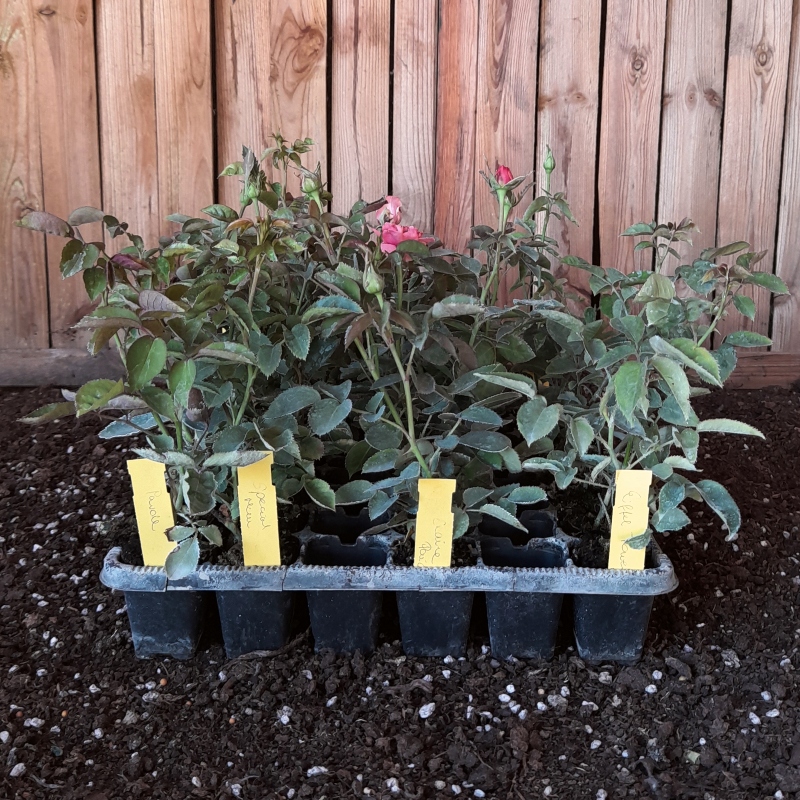
Rooted in trays (rooted), 3–6‑month‑old, own‑rooted rose cutting.
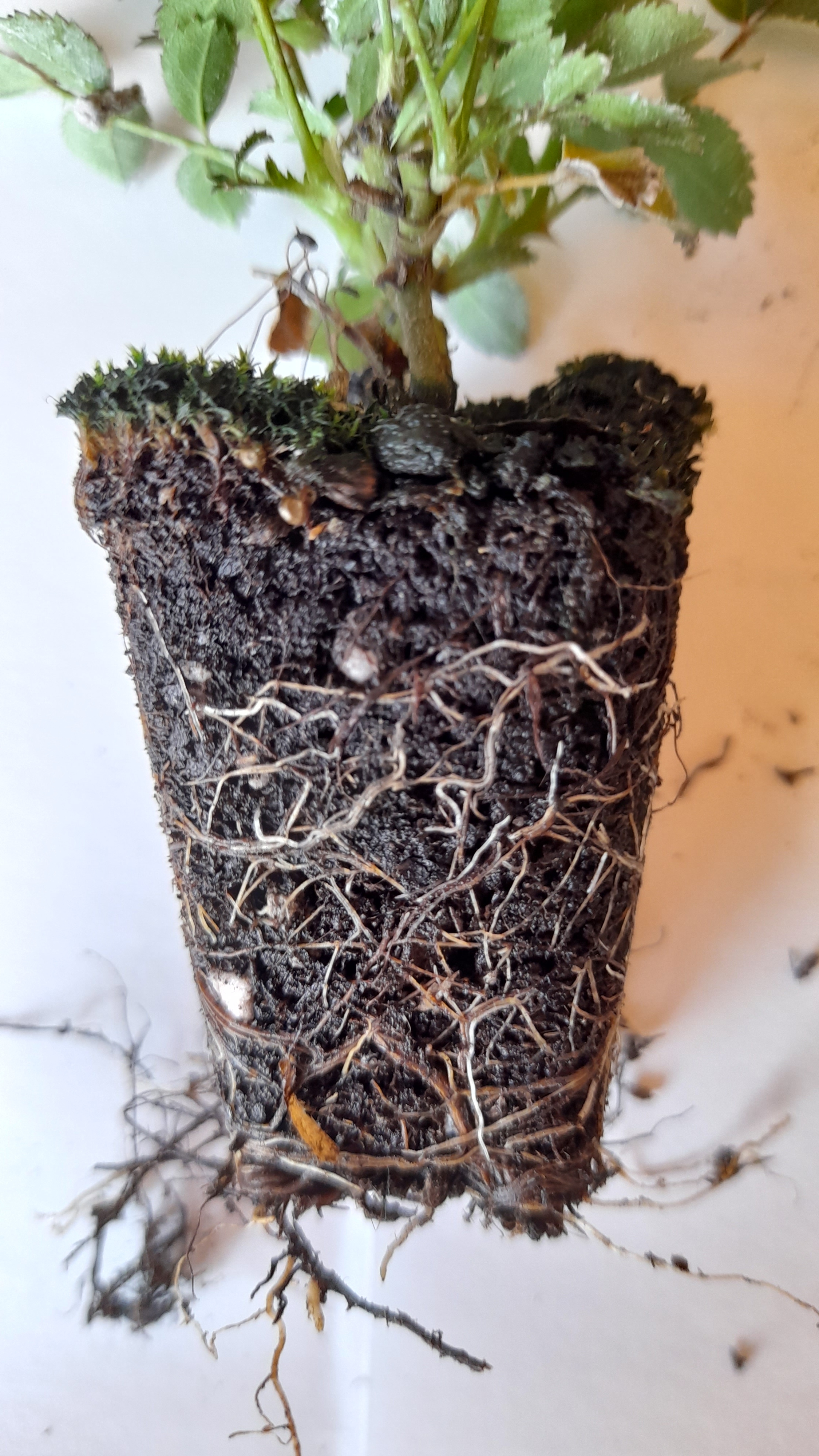
Uniform developmental stage, with a root system that has thoroughly penetrated the plug.
For professional growing‑on.
Tray packaging: 10 pcs/tray.
Quality and varietal identity: production supported by a dedicated identification and traceability logic.
Can be transplanted during frost‑free periods, designed for finished product production.

PharmaRosa® NEONATAL provides a controlled, uniform starting stock for planned growing‑on that can be integrated into your own technology – especially where scheduling and varietal identity are paramount.


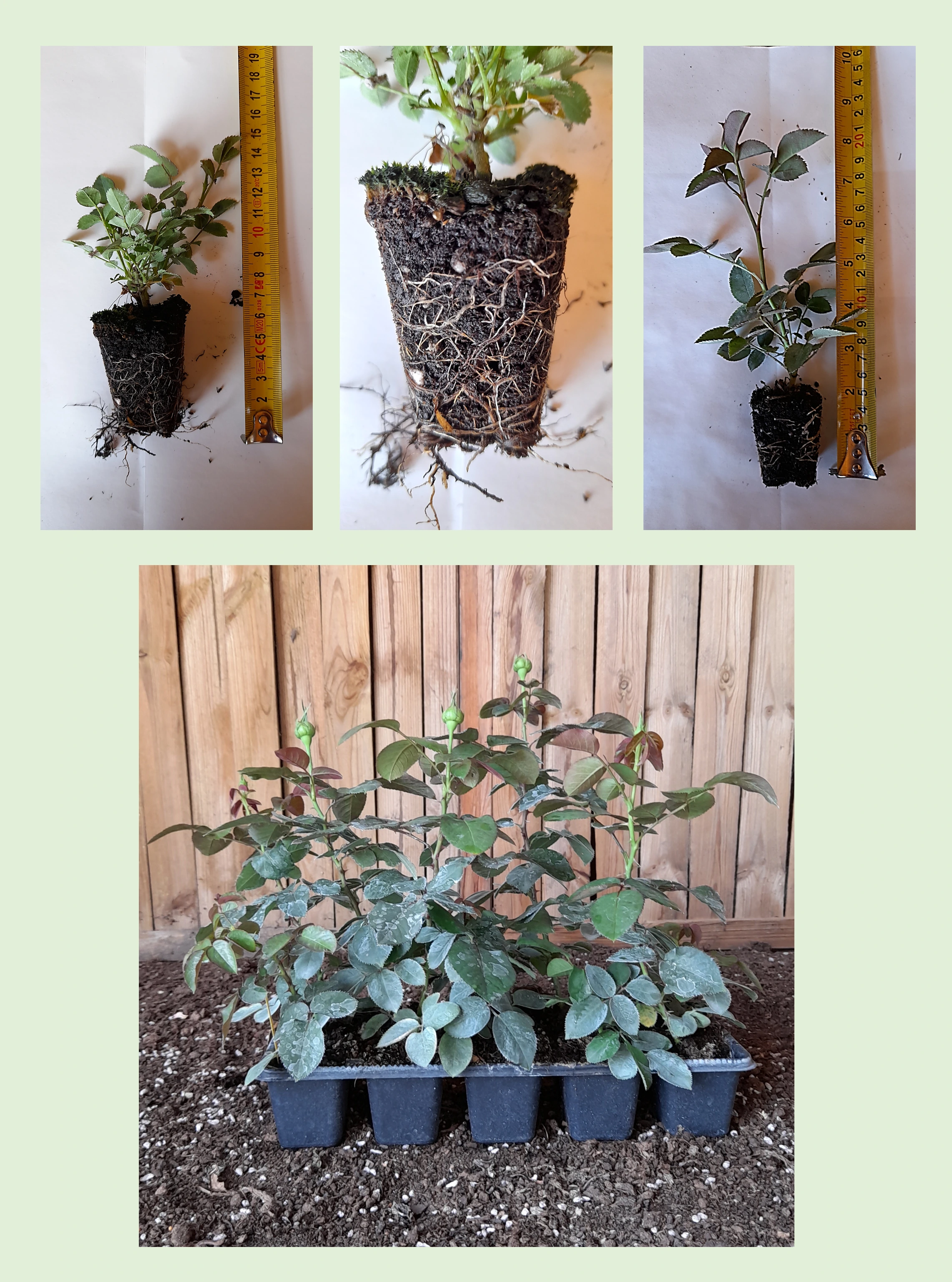
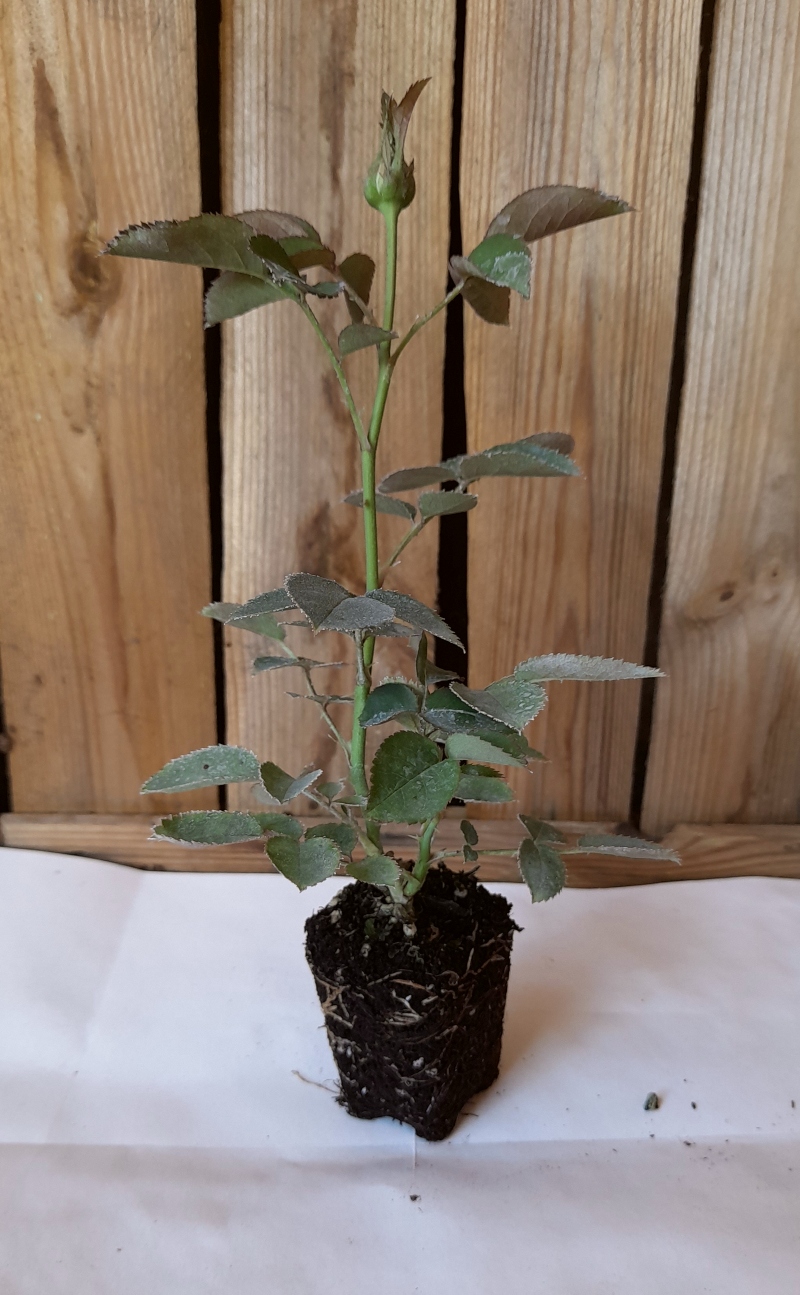
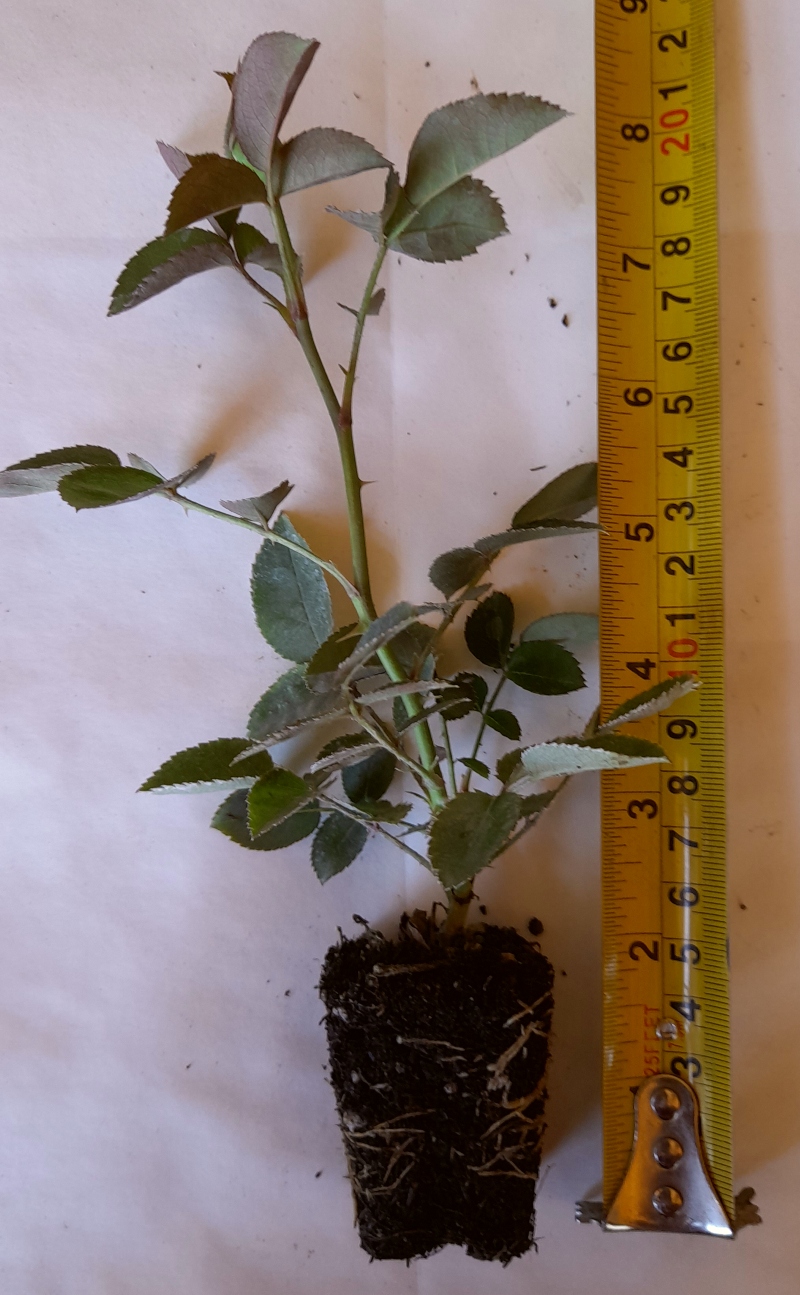
PharmaRosa® NEONATAL own-rooted rose propagation material in a plug, with a root system penetrating the plug (semi-finished product / semi-finished rose). PharmaRosa® NEONATAL rose propagation material size: 3–6‑month‑old, own-rooted cutting with a uniform developmental stage. PharmaRosa® NEONATAL rose propagation material root system: plug densely penetrated by well-developed white roots (root system detail). PharmaRosa® NEONATAL tray stock: own-rooted rose propagation material in trays, uniform developmental stage (10 pcs/tray).

Captions (from left to right): Semi-finished product (NEONATAL own-rooted rose propagation material in a plug with a fully developed root system) • Size demonstration (3–6‑month‑old, uniform cutting) • Root system detail (plug penetrated by the root system) • Tray stock (10 pcs/tray, uniform developmental stage)

pharmarosaneonatal.hupharmarosaneonatal.atpharmarosaneonatal.co.ukpharmarosaneonatal.czpharmarosaneonatal.depharmarosaneonatal.ropharmarosaneonatal.sipharmarosaneonatal.skpharmarosaneonatal.itpharmarosaneonatal.frpharmarosaneonatal.nlpharmarosaneonatal.plpharmarosaneonatal.lupharmarosaneonatal.ptpharmarosaneonatal.espharmarosaneonatal.ltpharmarosaneonatal.sepharmarosaneonatal.lvpharmarosaneonatal.eepharmarosaneonatal.fi

Which product type is right for you?

Pages for private customers
Garden roses for the family garden, with minimal care  → ORIGINAL®
Premium garden roses – instant impact, a truly showpiece garden  → EXTRA®
Pages for professionals and private customers
Roses for public spaces – large areas, sustainable maintenance  → NATURAL®
Roses for projects – hedge and row planting, fast implementation  → RAPID®
For professional partners only
Production – propagation material for garden roses, wholesale  → NEONATAL®

Company details

PharmaRosa Ltd.
Company registration number: 01-09-717479
VAT number: 13075314-2-43
Plant health registration no.: HU130721
Bank account (IBAN):
HU85117631891388688400000000
BIC (SWIFT): OTPVHUHB
Bank name: OTP Bank Nyrt.