Climbing rose

21-220-1
21-220-2

Alister Stella Gray

Climbing rose

- – Alexander Hill Gray; Alexander Dickson II

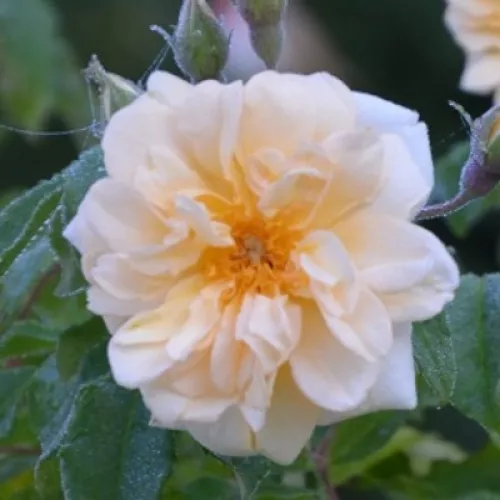
A buttery, pale lemon-yellow tone that gradually fades to creamy white. - rambler, climbing rose - medium-strength, well-scented rose - soft tea, fruity

– Abundant remontant flowering on long canes.
– Soft tea, fruity fragrance of medium strength.
– Excellent heat and drought tolerance outdoors.
– High resistance to mildew, black spot and rust.
– Hardy to around –25 °C, reliable in cold zones.
– Special feature: Historic rambler (1894) with softly fading lemon‑cream blooms, ideal for romantic pergolas and walls.
Exclusive, space-defining – specialty
Alister Stella Gray
pharmaROSA® NEONATAL rooted rose cutting
27,66 £
Due to courier service regulations – and the introduction of customs clearance – delivery to Ireland is temporarily suspended.
3.5 (5583)
facebook   twitter

ALISTER STELLA GRAY – pale yellow rambler climbing rose - Gray & Dickson

Climbing own-root propagation of Alister Stella Gray provides a robust, long-term base for pergola and wall production where professional partners need predictable structure and colour in demanding public and retail contexts, including sites with strong wind and winter exposure in the north of the United Kingdom. Its remontant flowering and fragrant semi-double lemon-yellow blooms support a clearly differentiated, space-defining finished product for arches, pillars and specimen vertical features. The cultivar’s vigour, heat and drought tolerance and low-intervention maintenance profile complement the pharmaROSA® NEONATAL 3–6‑month tray-rooted format, helping You schedule trained 3–5‑cane climbers efficiently in 5–7 L containers. As an own-root rambler, it delivers durable framework wood and reliable regrowth, aligning well with nursery propagation beds and wholesale networks building thematic or historic collections. With good disease resistance and mid-green glossy foliage, it supports stable ornamental value over successive years, progressing from root establishment in year one to structural shoot development in year two and full visual performance from year three onwards.


Usage options

Target area Reasoning
Pergola and arch production lines The cultivar’s rambling climbing habit and vigorous framework make it well suited to trained pergola and arch formats, using the NEONATAL rooted cutting as a stable propagation base. Staked, trained 3–5 cane material can be moved predictably into 5–7 L as a trained climber finished product, providing an exclusive, space-defining SKU for vertical garden features. This answers UK demand for reliable pergola lines within thematic rose gardens and collection plantings, supporting consistent ranges for retail / reseller.
Wall and façade climber programmes Heat and drought tolerance, combined with good disease resistance, support low-intervention wall and façade plantings where access is restricted and maintenance needs to stay minimal. NEONATAL own-root supply gives nurseries a uniform starting point for training against frames before potting to 5–7 L for release as trained climber finished product. With an exclusive, space-defining positioning and a clear vertical garden feature promise, this cultivar fits structured ranges aimed at design-led retail / reseller.
Pillar and column features for show gardens Alister Stella Gray builds strong vertical structure with semi-double clusters, ideal for pillar and column forms in thematic or historic rose collections. Starting from 3–6‑month tray-rooted own-root material allows nurseries to standardise training and timing, moving plants into 5–7 L and beyond, including 40–50 litre containers for premium specimen pillars. The vertical garden feature value proposition supports high-visibility installations in show gardens and curated projects supplied through specialist retail / reseller.
Specimen climber in large containers The cultivar’s vigour, remontant flowering and tea-fruity fragrance deliver strong impact when grown on into 40–50 litre containers as specimen climbers for patios, courtyards or public courtyard schemes. Starting from NEONATAL rooted cuttings enables predictable cane selection and staking, matching capacity planning for trained climber finished product lines. The exclusive, space-defining character works well for nurseries building premium vertical garden feature assortments for design-focused retail / reseller.
Cut flower side-line from climber blocks Clustered, cup-shaped, medium-scented blooms in a soft lemon-yellow to creamy palette provide a niche cut stem option from pergola or wall production beds. Using NEONATAL own-root plants as mother stock supports long-term productivity and cane renewal with low replacement rates, while 5–7 L trained climber finished product remains the primary commercial route. This dual-purpose approach strengthens the vertical garden feature positioning for professional partners supplying premium retail / reseller.
Historic and collector rose collections As a historic rambler/Noisette-type rose with documented origin and naming, Alister Stella Gray suits thematic collections and dedicated rose gardens where authenticity and continuity matter. NEONATAL own-root propagation helps maintain cultivar identity and renew stands over time with stable traits. With an exclusive, space-defining character and clear vertical garden feature role, it fits curated ranges for heritage-focused retail / reseller.
Low-intervention public-realm vertical plantings Good resistance to key foliar diseases and generally low maintenance needs suit public or institutional pergolas and walls where regular spraying and frequent pruning are impractical. Own-root NEONATAL material supports homogeneous, long-lived stands, helping planners rely on steady vertical coverage within trained climber finished product schemes. This complements the exclusive, space-defining vertical garden feature positioning for specification-driven retail / reseller.
Climate-resilient climber offerings for warmer sites Excellent tolerance of heat and drought makes this cultivar a strong candidate for southern or exposed UK sites where water stress can challenge standard climbers, particularly on sun-baked walls and arches. NEONATAL own-root supply offers a reliable propagation base for trained 3–5 cane climbers in 5–7 L, giving nurseries confidence to schedule higher volumes for such locations. This supports an exclusive, space-defining vertical garden feature range for climate-aware retail / reseller.

Finished-product ideas

  • Pergola-Line 5–7 L Climber – NEONATAL own-root plants trained to 3–5 canes and finished in 5–7 L as a vertical feature for pergolas, capitalising on vigorous climbing habit and low maintenance for an exclusive, space-defining retail / reseller pergola range.
  • Façade-Climber 40 L Specimen – Grow on selected plants into 40–50 litre containers with pre-trained canes for immediate wall or façade impact, leveraging heat/drought resilience and good disease resistance for design-led retail / reseller exterior collections.
  • Historic Collection Arch Pair – Produce matched, trained climbers in 5–7 L as arch pairs for thematic or heritage gardens, using authentic own-root propagation and remontant flowering to underpin curated vertical garden feature programmes for specialist retail / reseller partners.
  • Premium Pillar Feature Pot – Develop pillar-trained specimens in 40–50 litre containers, focusing on structured vigour and medium, tea-fruity fragrance to deliver a space-defining vertical element targeted at premium retail / reseller outlets.
  • Dual-Use Climber-Cut Block Stock – Establish own-root nursery blocks from NEONATAL material for both cane selection and niche cut flower harvesting, then channel surplus as trained 5–7 L climbers supporting exclusive vertical garden feature assortments for retail / reseller networks.

Technical cultivar profile
Parameter Data
Name and registration Current trade name Alister Stella Gray Climbing rose Gray & Dickson; exhibition names Alister Stella Gray and Alexander Hill Gray; unregistered cultivar with no separate registered denomination recorded.
Origin and breeding Bred in the United Kingdom in 1894 by Alexander Hill Gray and Alexander Dickson II, with parentage recorded as ‘William Allen Richardson’ × ‘Madame Pierre Guillot’ and partial unknown background.
Growth and structural characteristics Climbing, rambling habit reaching approximately 200–360 cm in height and 200–400 cm spread, with moderately dense, mid-green glossy foliage and a moderately thorny framework suited to training.
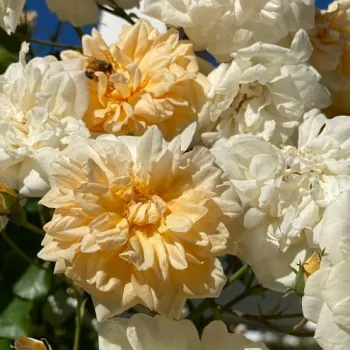
Flower morphology Semi-double, cup-shaped flowers, typically 13–25 petals, small size around 0.5–1.5 inches, borne in clusters, with weak self-cleaning so spent blooms often require deadheading for best presentation.
Colour data and phenology Buds egg-yellow deepening to golden-yellow, opening soft lemon-yellow (RHS 8C outer, 11D inner), then fading to creamy white; colour retention good, though strong sunlight accelerates lightening of the petals.
Fragrance and aroma Medium-strength, well-scented rose with a soft tea and fruity fragrance character, providing noticeable but not overpowering scent suitable for vertical display and nearby seating areas.
Hip characteristics Rose hip formation is expected to be minimal under normal management; occasional hips may develop but are not a defining ornamental or production feature of this cultivar.
Resistance and winter hardiness Rated resistant to powdery mildew, black spot and rust, with RHS hardiness H7, Swedish zone 4 and USDA 5b; tolerates approximately −26 to −23 °C, as well as heat and drought in professional assessments.
Horticultural recommendations Recommended for pergolas, walls, arches, pillars, cut flower use and specimen roles; low maintenance with generally little intervention, but deadheading improves display in production and finished plantings.

Alister Stella Gray Climbing rose Gray & Dickson combines vigorous vertical structure, remontant, scented pale-yellow flowering and disease-tolerant, own-root reliability to support predictable, long-lived climber ranges; please contact us to align capacity and scheduling.

Detailed product attributes

Product Identification Data

Product Name: ALISTER STELLA GRAY – pale yellow rambler climbing rose - Gray & Dickson
Product Type: pharmaROSA® NEONATAL - rooted rose cutting
Cultivar Authenticity: Verified:26.06.2025
Cultivar Quality Rating: premium bronze
Item Number: [1022] 21-220 (14.02.2026) pharmarosaneonatal.co.uk

Name and Registration

Meaning of Cultivar Name: The name "Alister Stella Gray" honours the breeder's only son, Alister Stella Gray, while "Alexander Hill Gray" was given in tribute to Alexander Hill Gray, a Scottish rose enthusiast and exhibitor.
Cultivar Synonym: Golden Rambler; Yellow Maman Cochet; Alex. Hill Gray
Original Trade Name: Alister Stella Gray
Current Trade Name: Alister Stella Gray Climbing rose Gray & Dickson
American Rose Society Approved Exhibition Name: Alister Stella Gray; Alexander Hill Gray
Rose Group: Rambler, Noisette
Commercial Type: rambler, climbing rose
Commercial Group: Climbing rose
Exhibition Category: shrub rose / climbing rose trained for pergola and wall systems
Collection: Climbing rose

Origin and Breeding

Initial Distributor: A. Paul & Son (United Kingdom); Dickson & Sons (United Kingdom); Arthur Yates & Co. (Australia)
Introduction Year: 1894; 1909 (United Kingdom)
Registration Year: unregistered cultivar
Breeder: Alexander Hill Gray; Alexander Dickson II
Breeding Company / Institution: unknown; Dickson & Sons (Newtownards, Northern Ireland)
Breeding Year: United Kingdom, 1894
Parentage: ‘William Allen Richardson’ × ‘Madame Pierre Guillot’; unknown

Growth and Structural Characteristics

Height: 6.6-11.8ft (200-360 cm)
Spread: 6.6-13.1ft (200-400 cm)
Growth Habit: climbing (rambling climbing rose)
Foliage: The variety has moderately dense foliage. The leaves have a glossy surface and a mid-green colour.
Prickliness: moderately thorny
Self-Cleaning Description: Most faded flowers remain on the plant and will require later deadheading.

Self-Cleaning Intensity: self-cleaning weak

Flower Morphology

Petal Count: 13-25
Flower Fullness: semi-double
Flower Shape: cup-shaped
Flower Size: S (0,5-1,5 in)
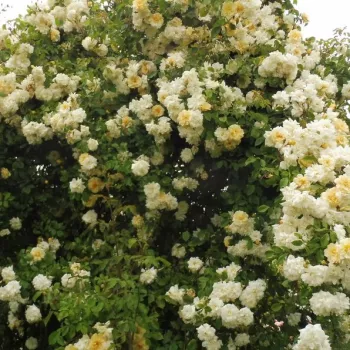
Inflorescence Type: clustered
Colour Code: ARS code: YL RHS code: 8C (outer), 11D (inner)
Repeat Flowering: Remontant, with an equally abundant second flowering.

Colour Data and Phenology

Colour: pale-yellow
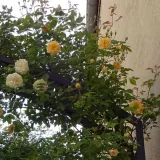
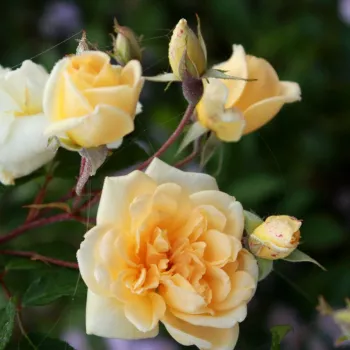
Flower Colour Description: A buttery, pale lemon-yellow tone that gradually fades to creamy white.
Closed Bud: A deeper golden-yellow hue with a slightly greenish tip.
Newly Opened Flower: Full, soft lemon-yellow centre with paler outer petals.
Full Bloom: Evenly pale yellow, fading to a creamy hue towards the edges of the outer petals.
Before Fading: Almost white, with a delicate buttery tinge at the base of the petals.
Colour Fading Description: The buds are egg-yellow, opening to buttery yellow and then fading to creamy white; in strong sunlight they lighten more quickly.

Fragrance and Aroma

Fragrance Strength: medium-strength, well-scented rose
Fragrance Character: soft tea, fruity
Pollinator Attraction: Its semi-double flower form and limited fragrance, combined with reduced accessibility of the stamens, mean it is likely to be of low attractiveness to pollinating insects.
Pollinator-Friendly Rating: Limited pollinator-friendly due to semi-double flowers and low scent

Hip Characteristics

Hip Comment: Rose hip formation is expected to be minimal; rose hips may occasionally be present.

Resistance and Hardiness

Hardiness (°C): -26–-23 °C
Heat and Drought Tolerance Description: Tolerates heat well. Professional studies indicate it has very good drought tolerance.
Disease Resistance: resistant
  • powdery mildew – resistant
  • black spot – resistant
  • rust – resistant

Horticultural Recommendations

Recommended product path: Trained climber finished product
Release form: Staked, trained (3–5 main canes)
Recommended use: Maintenance requirement low; good disease resistance, generally requires little intervention.
Primary Uses: pergola, wall, arches, pillar, cut flower, specimen

Comments

Positioning: Exclusive, space-defining – specialty
Target customer/channel: Retail / reseller
Main value proposition: Vertical garden feature, distinctive habit
ALISTER STELLA GRAY – pale yellow rambler climbing rose - Gray & Dickson
A buttery, pale lemon-yellow tone that gradually fades to creamy white. - rambler, climbing rose - medium-strength, well-scented rose - soft tea, fruity
Online rose order - pale-yellow - medium-strength, well-scented rose - Alister Stella Gray - rambler, climbing rose - (6.6-11.8ft (200-360 cm))
Inflorescence: clustered Height: 6.6-11.8ft (200-360 cm) Flower shape: cup-shaped Winter hardiness: 6b pale-yellow - A. Paul & Son (United Kingdom); Dickson & Sons (United Kingdom); Arthur Yates & Co. (Australia) rambler, climbing rose - Flower size: S (0,5-1,5 in) Flower size: S (0,5-1,5 in) - Height: 6.6-11.8ft (200-360 cm) Height: 6.6-11.8ft (200-360 cm) - Flower fullness: semi-double Alister Stella Gray - Roses in the garden | pharmaROSA® Neonatal - premium bronze Alexander Hill Gray; Alexander Dickson II

We showcase the external appearance of the roses available for online purchase from our webshop.


Which product type is right for you?


PharmaRosa® NEONATAL is the cost‑effective starting point for rose product production.

As a uniform, own‑rooted propagation material, it provides a stable basis for further growing-on and can be integrated flexibly into different finished product production technologies.
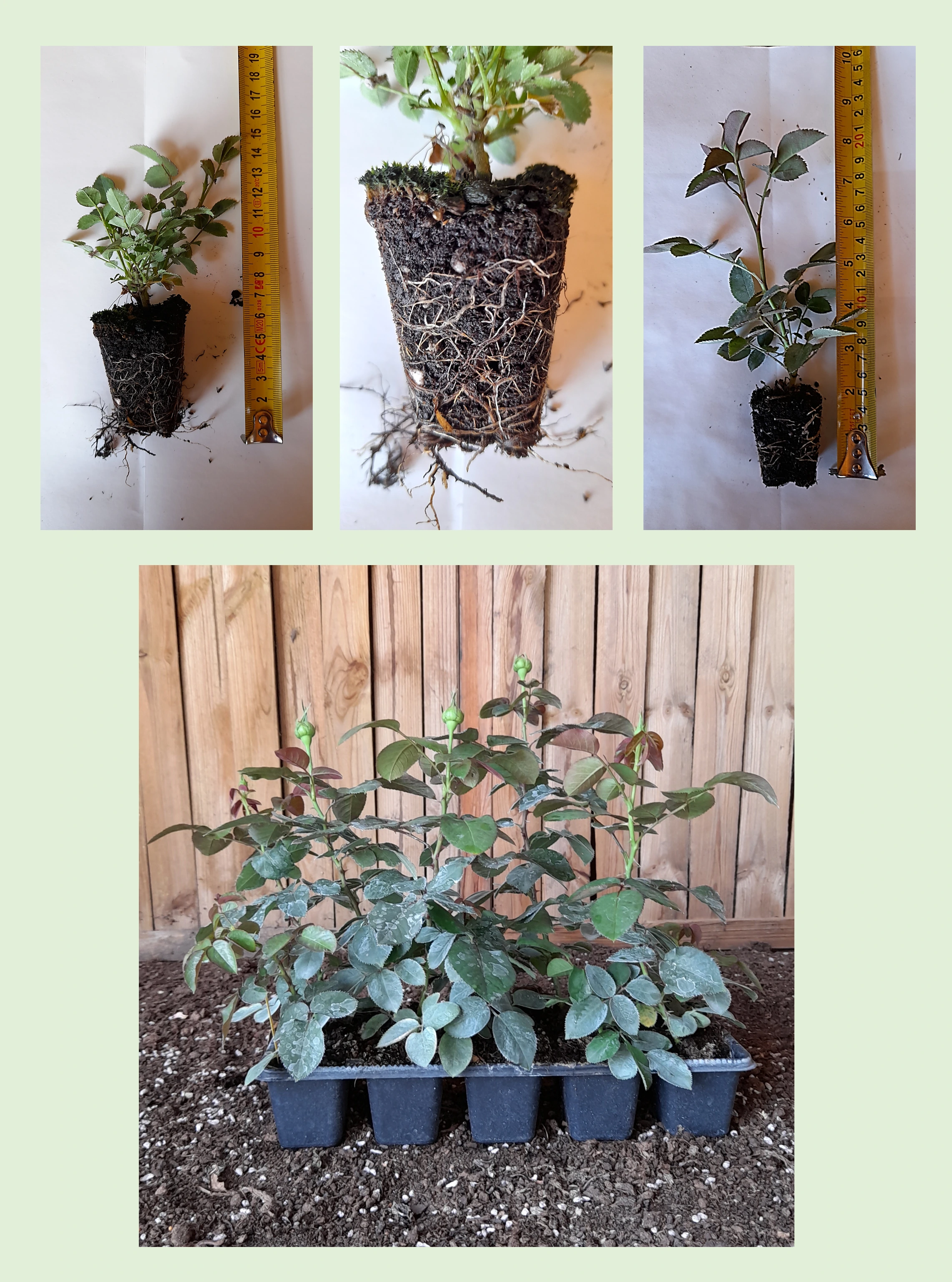
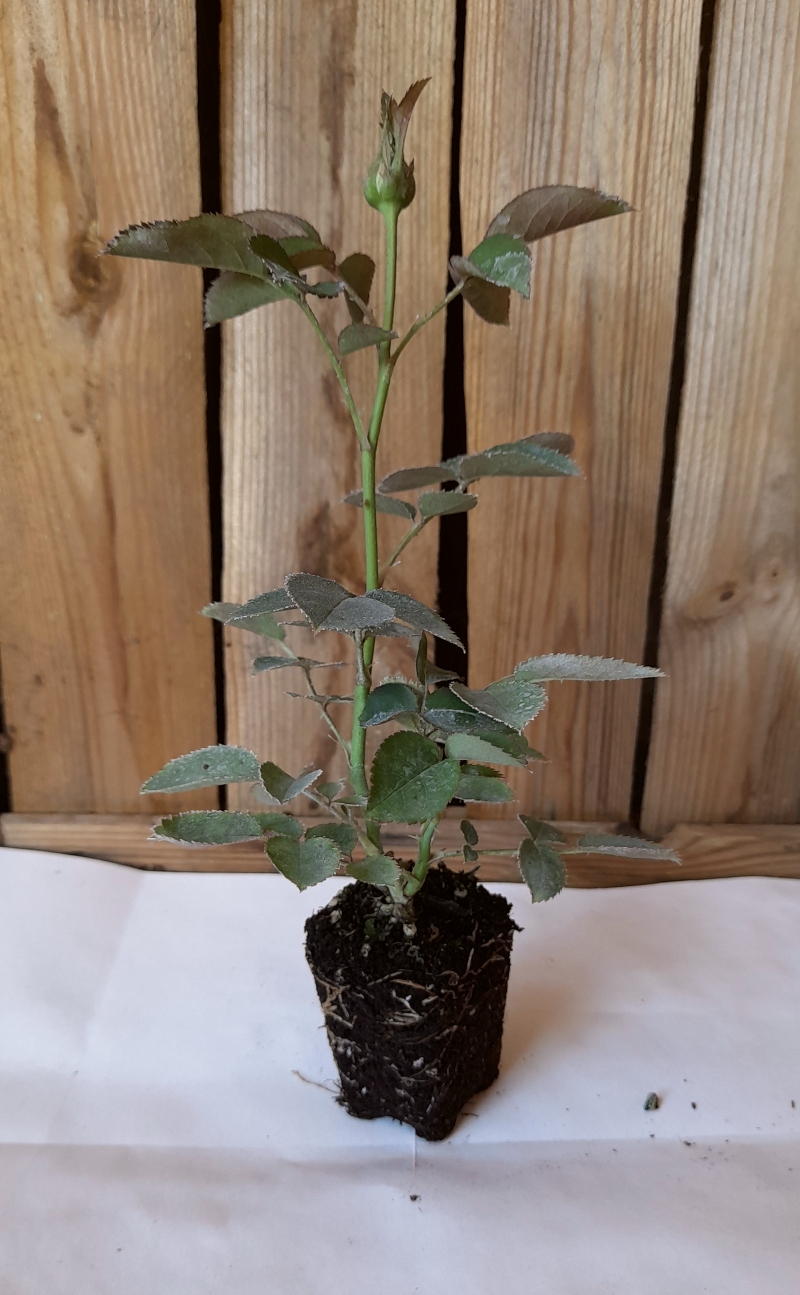
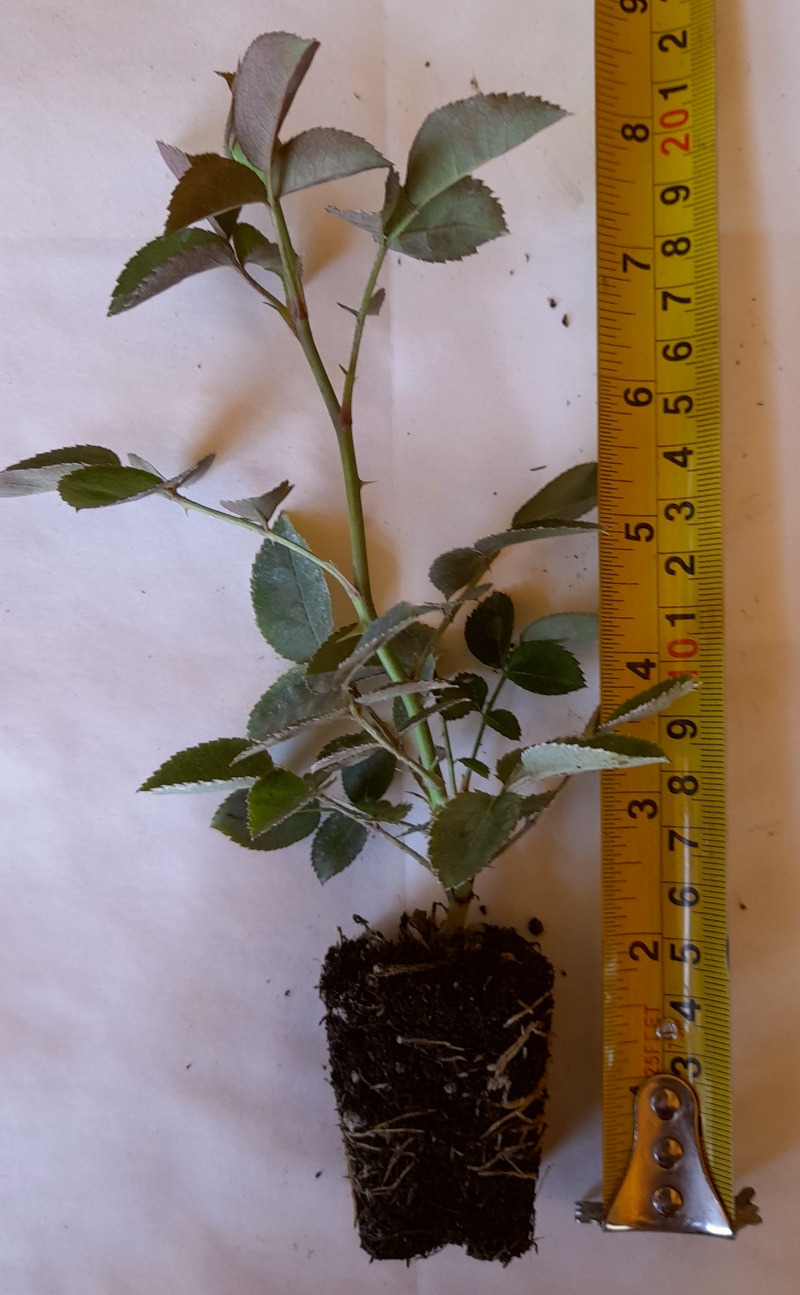
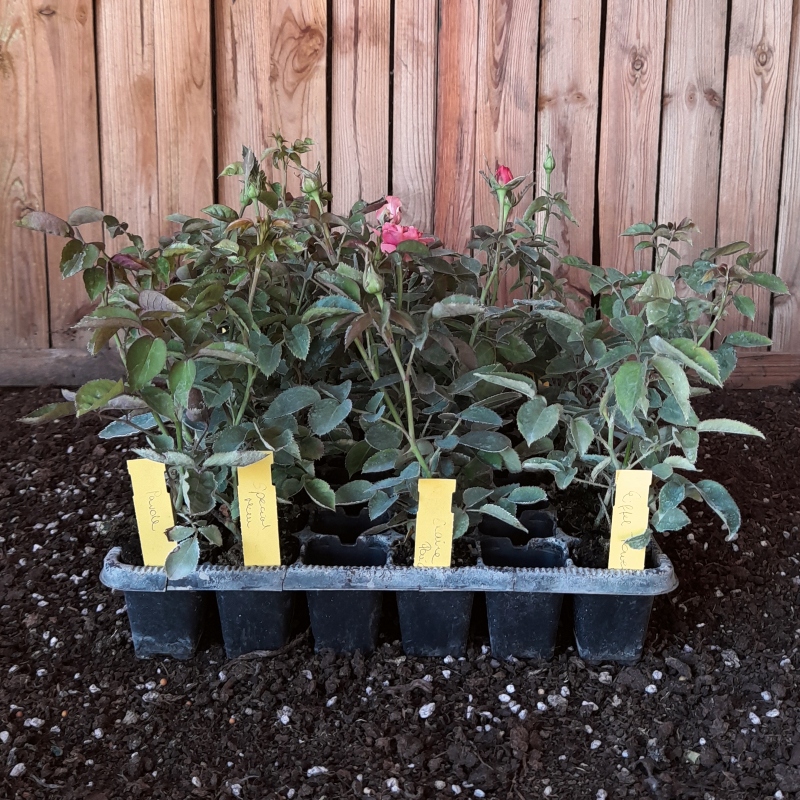
Rooted in trays (rooted), 3–6‑month‑old, own‑rooted rose cutting.
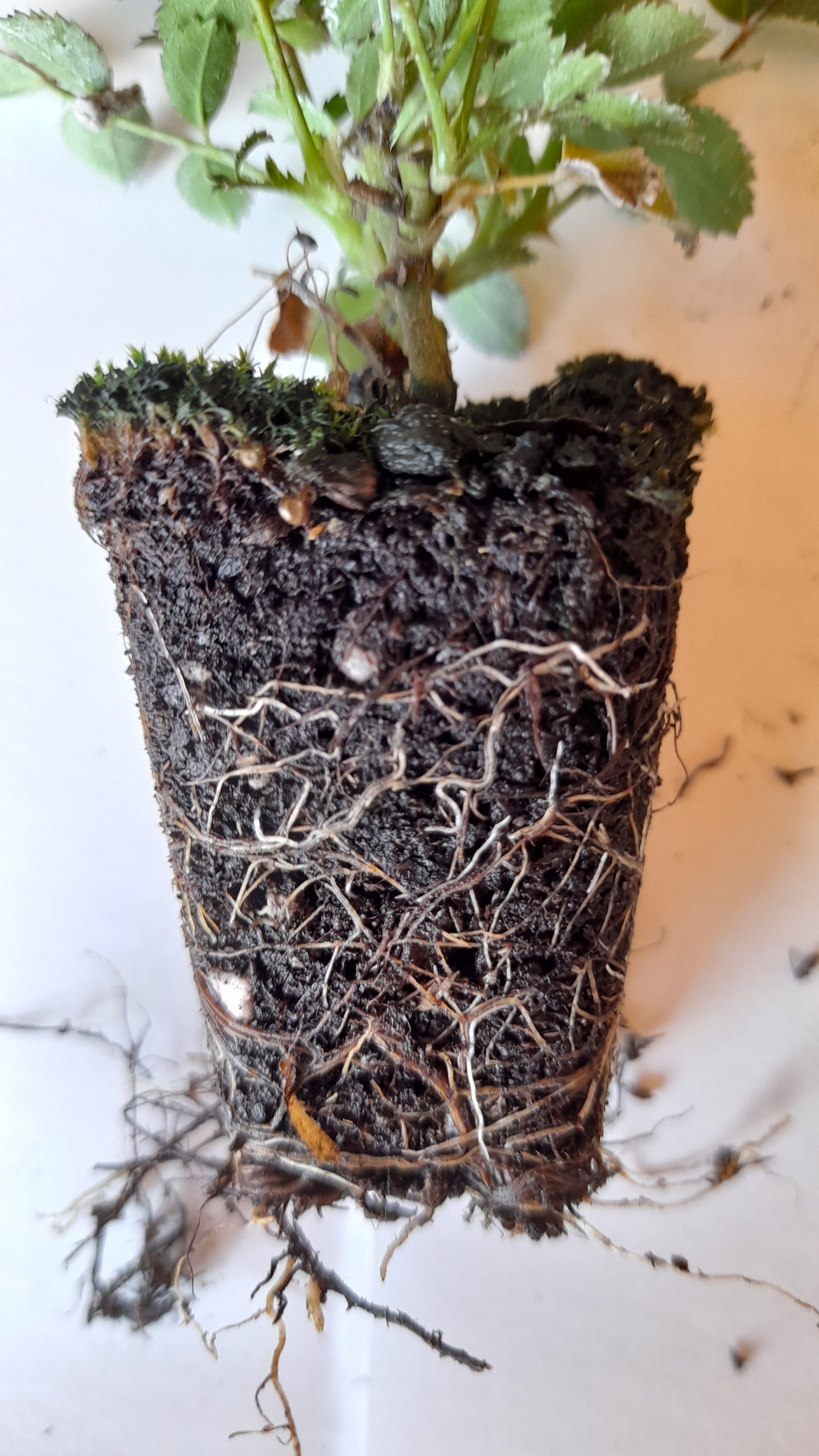
Uniform developmental stage, with a root system that has thoroughly penetrated the plug.
For professional growing‑on.
Tray packaging: 10 pcs/tray.
Quality and varietal identity: production supported by a dedicated identification and traceability logic.
Can be transplanted during frost‑free periods, designed for finished product production.

PharmaRosa® NEONATAL provides a controlled, uniform starting stock for planned growing‑on that can be integrated into your own technology – especially where scheduling and varietal identity are paramount.


PharmaRosa® NEONATAL own-rooted rose propagation material in a plug, with a root system penetrating the plug (semi-finished product / semi-finished rose). PharmaRosa® NEONATAL rose propagation material size: 3–6‑month‑old, own-rooted cutting with a uniform developmental stage. PharmaRosa® NEONATAL rose propagation material root system: plug densely penetrated by well-developed white roots (root system detail). PharmaRosa® NEONATAL tray stock: own-rooted rose propagation material in trays, uniform developmental stage (10 pcs/tray).

Captions (from left to right): Semi-finished product (NEONATAL own-rooted rose propagation material in a plug with a fully developed root system) • Size demonstration (3–6‑month‑old, uniform cutting) • Root system detail (plug penetrated by the root system) • Tray stock (10 pcs/tray, uniform developmental stage)

pharmarosaneonatal.hupharmarosaneonatal.atpharmarosaneonatal.co.ukpharmarosaneonatal.czpharmarosaneonatal.depharmarosaneonatal.ropharmarosaneonatal.sipharmarosaneonatal.skpharmarosaneonatal.itpharmarosaneonatal.frpharmarosaneonatal.nlpharmarosaneonatal.plpharmarosaneonatal.lupharmarosaneonatal.ptpharmarosaneonatal.espharmarosaneonatal.ltpharmarosaneonatal.sepharmarosaneonatal.lvpharmarosaneonatal.eepharmarosaneonatal.fi

Which product type is right for you?

Pages for private customers
Garden roses for the family garden, with minimal care  → ORIGINAL®
Premium garden roses – instant impact, a truly showpiece garden  → EXTRA®
Pages for professionals and private customers
Roses for public spaces – large areas, sustainable maintenance  → NATURAL®
Roses for projects – hedge and row planting, fast implementation  → RAPID®
For professional partners only
Production – propagation material for garden roses, wholesale  → NEONATAL®

Company details

PharmaRosa Ltd.
Company registration number: 01-09-717479
VAT number: 13075314-2-43
Plant health registration no.: HU130721
Bank account (IBAN):
HU85117631891388688400000000
BIC (SWIFT): OTPVHUHB
Bank name: OTP Bank Nyrt.