Climbing rose

20-298-1
20-298-2

Perseus

Climbing rose

- – Discovered by - pharmaROSA®

A rich, saturated lemon-yellow tone that radiates a vivid, warm glow in sunlight. - climber, climbing rose - no reliable data on fragrance strength - scent description not available

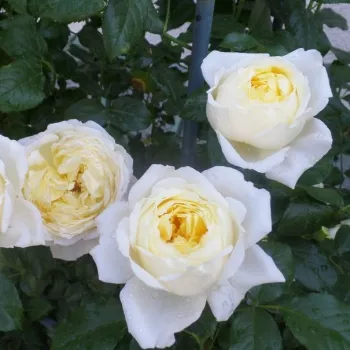
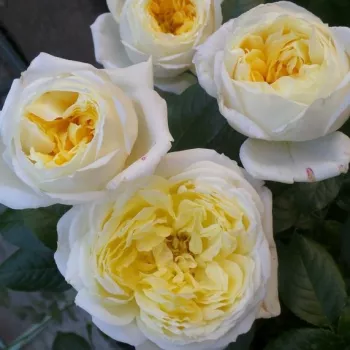
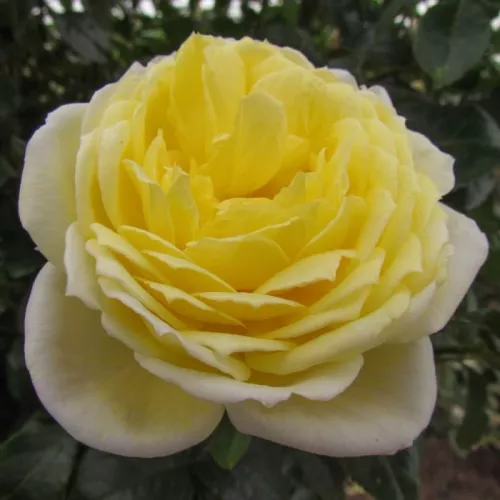
– Warm lemon-yellow blooms, softly fading to cream.
– remontant flowering with abundant second flush.
– Compact, bushy climber for vertical accents.
– Dense, slightly glossy mid‑green foliage.
– Hardy to H7, tolerates down to –21 °C.
– Special feature: Also forms neat orange‑red hips in autumn.
Exclusive, space-defining – specialty
Perseus
pharmaROSA® NEONATAL rooted rose cutting
26,84 £
Due to courier service regulations – and the introduction of customs clearance – delivery to Ireland is temporarily suspended.
3 (3708)
facebook   twitter

Perseus Climbing rose pharmaROSA® NEONATAL rooted cutting

Perseus offers professional, own-root production reliability for nurseries building trained climber ranges, with dense, mid-green foliage and bushy growth ideal for staked, pre-trained lines in 5–7 L. Its vivid lemon-yellow flowers, fading through buttery cream to near white, provide a vertical focal point well suited to thematic rose gardens and space-defining collection plantings, while hardiness to H7 and USDA 6b offers reassuring winter security under UK conditions including colder Scottish and northern sites where winter and wind resilience is valuable. Moderate disease resistance with black spot resistance supports manageable maintenance programmes in nursery networks and public-realm supply chains. Own-root architecture underpins long-term longevity and regeneration, helping you secure homogeneous stands, low replacement rates and dependable propagation beds over successive cropping cycles as plants move from root establishment in year one through structural shoot development in year two to full ornamental expression from year three onwards. The medium maintenance requirement and climbing, collection-grade character align well with exclusive, space-defining projects and wholesale programmes targeting retail/reseller partners seeking distinctive vertical rose features for trained climber finished products.


Usage options

Target area Reasoning
Trained climber in 5–7 L containers The bushy habit and dense foliage structure lend themselves to an attractive, sale-ready trained climber in the recommended 5–7 L route, using the supplied staked, 3–5 cane form. Own-root material supports predictable canopy build-up for a reliable trained climber finished product aligned with exclusive, space-defining vertical garden ranges for retail/reseller.
Collection and show-garden plantings The distinctive colour evolution from strong lemon-yellow to cream and near white gives high visual interest over time, adding value in thematic rose gardens and curated collections. Using NEONATAL material as a propagation base allows nurseries to maintain cultivar identity and structure for trained climber finished products, supporting vertical garden feature concepts in premium project and display schemes for public-realm suppliers.
Nursery propagation beds for own-root climbers Own-root propagation of Perseus enables renewable stock for nursery beds, with long-term stand stability and reduced replacement compared with grafted material. Staked, pre-trained cuttings can be lined out efficiently, then moved into the trained climber finished path as canes mature, backing exclusive, space-defining climber assortments for integrator networks.
Public-realm and institutional vertical features Hardiness to H7 and USDA 6b supports confident specification in exposed or colder UK locations, making Perseus a dependable option where vertical rose features must persist over seasons with moderate maintenance. The recommended trained climber route in 5–7 L suits contracting chains supplying civic schemes that require distinctive, space-defining vertical garden elements for municipal projects.
Medium-maintenance premium ranges Moderate disease resistance, including black spot resistance, sits well within a medium-maintenance profile, allowing growers to plan protection schedules without excessive inputs. This predictability complements own-root resilience under nursery loading, delivering visually strong trained climber products that justify positioning as exclusive, space-defining items for specialist retailers.
Colour-focused vertical garden concepts The saturated lemon-yellow, warm glow and subsequent soft cream tones translate into clear, communicable colour concepts for vertical displays. Finished trained climbers in 5–7 L can be grouped as yellow-led feature lines, simplifying bench planning and range building for retail/reseller partners seeking vertical garden feature statements for colour-themed collections.
Own-root longevity for long-term projects Perseus on its own roots offers long lifespan and regeneration after pruning, suiting schemes where structures must remain serviceable over many years, with stands staying homogeneous and productive under repeated cutting and training. The trained climber path ensures a recognisable, structurally consistent product for exclusive, space-defining collection and project work for long-term contracts.
Wind-exposed nursery and project sites The combination of robust framework development on staked, 3–5 cane material and reliable hardiness makes crop planning more secure in cooler, wind-exposed production or planting locations, supporting year-on-year supply. This stability helps nursery networks servicing thematic and public rose gardens in regions where winter and wind exposure are significant for UK-wide wholesalers.

Finished-product ideas

  • 5–7 L trained climber feature line – Own-root, staked 3–5 cane plants with dense foliage and lemon-yellow to cream blooms, sold as a ready-to-place trained climber in 5–7 L, positioned as an exclusive, space-defining vertical feature for retail garden centres – target audience/channel: retail / reseller.
  • Collection-grade climber for show gardens – Propagate NEONATAL stock into uniform own-root lines, then finish as trained climbers showcasing the colour fade and bushy habit for thematic rose or collector gardens – target audience/channel: public-realm and collection project suppliers.
  • Vertical colour-focus programme – Build a yellow-themed vertical garden assortment using Perseus as the primary climber, finished in 5–7 L with medium-maintenance positioning and own-root longevity as a technical selling point – target audience/channel: branded retail programmes.
  • Public-realm pergola and arch supply – Use robust, own-root trained climbers to service framework planting schemes where hardiness and long-term regeneration are crucial, delivering predictable, space-defining vertical impact – target audience/channel: municipal and institutional contractors.
  • Propagation-bed mother block – Establish nursery propagation stands from NEONATAL material to secure long-term, cultivar-true own-root supply of Perseus for ongoing trained climber production – target audience/channel: nursery groups and integrator systems.

Technical cultivar profile
Parameter Data
Name and registration Perseus Climbing rose pharmaROSA®, climbing rose in the Climber, Large-Flowered Climber group; current trade name used commercially, other registration data not provided.
Origin and breeding Discovered in France in 2007, breeder recorded as pharmaROSA®; parentage, breeding company and exact registration details are not provided, with initial distribution by PharmaRosa® Ltd. (Hungary).
Awards and recognition not provided
Growth and structural characteristics Bushy climber habit reaching around 80–140 cm in height with a 60–110 cm spread, moderately thorny canes and dense, mid-green, slightly glossy foliage, suitable for training on stakes and supports.
Flower morphology Large, double, cupped blooms with approximately 26–39 petals, produced mainly in clusters; remontant with an abundant second flowering phase, offering repeated ornamental display through the season.
Colour data and phenology Rich lemon-yellow flowers that glow warmly in sun, fading through buttery yellow to cream and near white; buds and newly opened blooms show stronger yellow tones before progressive fading.
Fragrance and aroma Fragrance character and strength are not provided, and the fully double flower form, while ornamental, reduces stamen access, meaning it is recorded as not particularly attractive to pollinators.
Hip characteristics Moderate production of ellipsoidal hips, approximately 11–18 mm in diameter, coloured orange-red corresponding to RHS 40A; hips can contribute additional seasonal interest where left unpruned.
Resistance and winter hardiness Hardiness rated to about -21 to -18 °C (RHS H7, Swedish zone 3, USDA 6b); disease profile recorded as moderate overall, with resistant black spot response and moderate reactions to powdery mildew and rust.
Horticultural recommendations Recommended as a trained climber finished product, supplied staked and trained with 3–5 main canes; medium maintenance needs with occasional pest and disease control, primary uses beyond this are not provided.

Perseus Climbing rose pharmaROSA® combines hardiness, distinctive yellow-to-cream flowering and own-root longevity to support predictable, long-term trained climber production; please contact us to coordinate volumes and scheduling for your programmes.

Detailed product attributes

Product Identification Data

Product Name: PERSEUS – yellow climbing rose - pharmaROSA®
Product Type: pharmaROSA® NEONATAL - rooted rose cutting
Cultivar Authenticity: Verified:20.02.2025
Item Number: [770] 20-298 (14.02.2026) pharmarosaneonatal.co.uk

Name and Registration

Meaning of Cultivar Name: The name is a male given name.
Current Trade Name: Perseus Climbing rose pharmaROSA®
Rose Group: Climber, Large -Flowered Climber
Commercial Type: climber, climbing rose
Commercial Group: Climbing rose
Collection: Climbing rose

Origin and Breeding

Initial Distributor: PharmaRosa® Ltd. (Hungary)
Introduction Year: Data not available
Registration Year: Data not available
Breeder: Discovered by - pharmaROSA®
Breeding Company / Institution: unknown / no data
Breeding Year: France, 2007
Parentage: unknown

Growth and Structural Characteristics

Height: 2.6-4.6ft (80-140 cm)
Spread: 2-3.6ft (60-110 cm)
Growth Habit: bushy
Foliage: The cultivar has dense foliage. The leaves have a slightly glossy surface and a mid-green shade (RHS 137A).
Prickliness: moderately thorny
Self-Cleaning Description: No data on self-cleaning.
Self-Cleaning Intensity: No data available on self-cleaning strength.

Flower Morphology

Petal Count: 26-39
Flower Fullness: double-flowered
Flower Shape: cupped
Flower Size: L (2,75-3,95 in)
Inflorescence Type: clustered
Colour Code: ARS code: no data RHS code: no data
Repeat Flowering: Remontant, with an abundant second flowering.

Colour Data and Phenology

Colour: yellow
Flower Colour Description: A rich, saturated lemon-yellow tone that radiates a vivid, warm glow in sunlight.
Closed Bud: Pale lemon-buttery yellow, more golden towards the tips, with a creamy hint on the outside.
Newly Opened Flower: Sunlit lemon-yellow centre, the outer petal whorl fading to creamy white.
Full Bloom: Petals with a strong yellow centre (with a golden sheen), gradually fading outward to buttery yellow and then to cream.
Before Fading: The yellow quickly fades to straw-yellow to cream, finally becoming almost white; the edges have a cool, pearly-white appearance.
Colour Fading Description: As it opens the bright lemon-yellow fades markedly through mid butter-yellow and cream, becoming almost white before the bloom fades.

Fragrance and Aroma

Fragrance Strength: no reliable data on fragrance strength
Fragrance Character: scent description not available
Pollinator Attraction: Its fully double flower form restricts stamen accessibility, making it relatively unattractive to pollinators.
Pollinator-Friendly Rating: Not pollinator-friendly. High ornamental value variety.

Hip Characteristics

Hip Shape: ellipsoidal
Hip Colour: orange-red (RHS 40A)
Hip Comment: Moderately produced, 11–18 mm in diameter, ellipsoid, orange-red (RHS 40A) rose hip.

Resistance and Hardiness

Hardiness (°C): -21–-18 °C
Heat and Drought Tolerance Description: No data are available on heat–drought tolerance.
Disease Resistance: moderate
  • powdery mildew – moderate
  • black spot – resistant
  • rust – moderate

Horticultural Recommendations

Recommended product path: Trained climber finished product
Release form: Staked, trained (3–5 main canes)
Recommended use: Maintenance requirement medium; occasionally requires pest and disease control.
Primary Uses: no data

Comments

Positioning: Exclusive, space-defining – specialty
Target customer/channel: Retail / reseller
Main value proposition: Vertical garden feature, distinctive habit
PERSEUS – yellow climbing rose - pharmaROSA®
A rich, saturated lemon-yellow tone that radiates a vivid, warm glow in sunlight. - climber, climbing rose - no reliable data on fragrance strength - scent description not available
Online rose purchase - yellow - no reliable data on fragrance strength - Perseus - climber, climbing rose - (2.6-4.6ft (80-140 cm))
Inflorescence: clustered Height: 2.6-4.6ft (80-140 cm) Flower shape: cupped Winter hardiness: 6b yellow - PharmaRosa® Ltd. (Hungary) climber, climbing rose - Flower size: L (2,75-3,95 in) Flower size: L (2,75-3,95 in) - Height: 2.6-4.6ft (80-140 cm) Height: 2.6-4.6ft (80-140 cm) - Flower fullness: double-flowered Perseus - Roses in the garden | pharmaROSA® Neonatal - standard Discovered by - pharmaROSA®

We showcase the external appearance of the roses available for online purchase from our webshop.


Which product type is right for you?


PharmaRosa® NEONATAL is the cost‑effective starting point for rose product production.

As a uniform, own‑rooted propagation material, it provides a stable basis for further growing-on and can be integrated flexibly into different finished product production technologies.
Rooted in trays (rooted), 3–6‑month‑old, own‑rooted rose cutting.
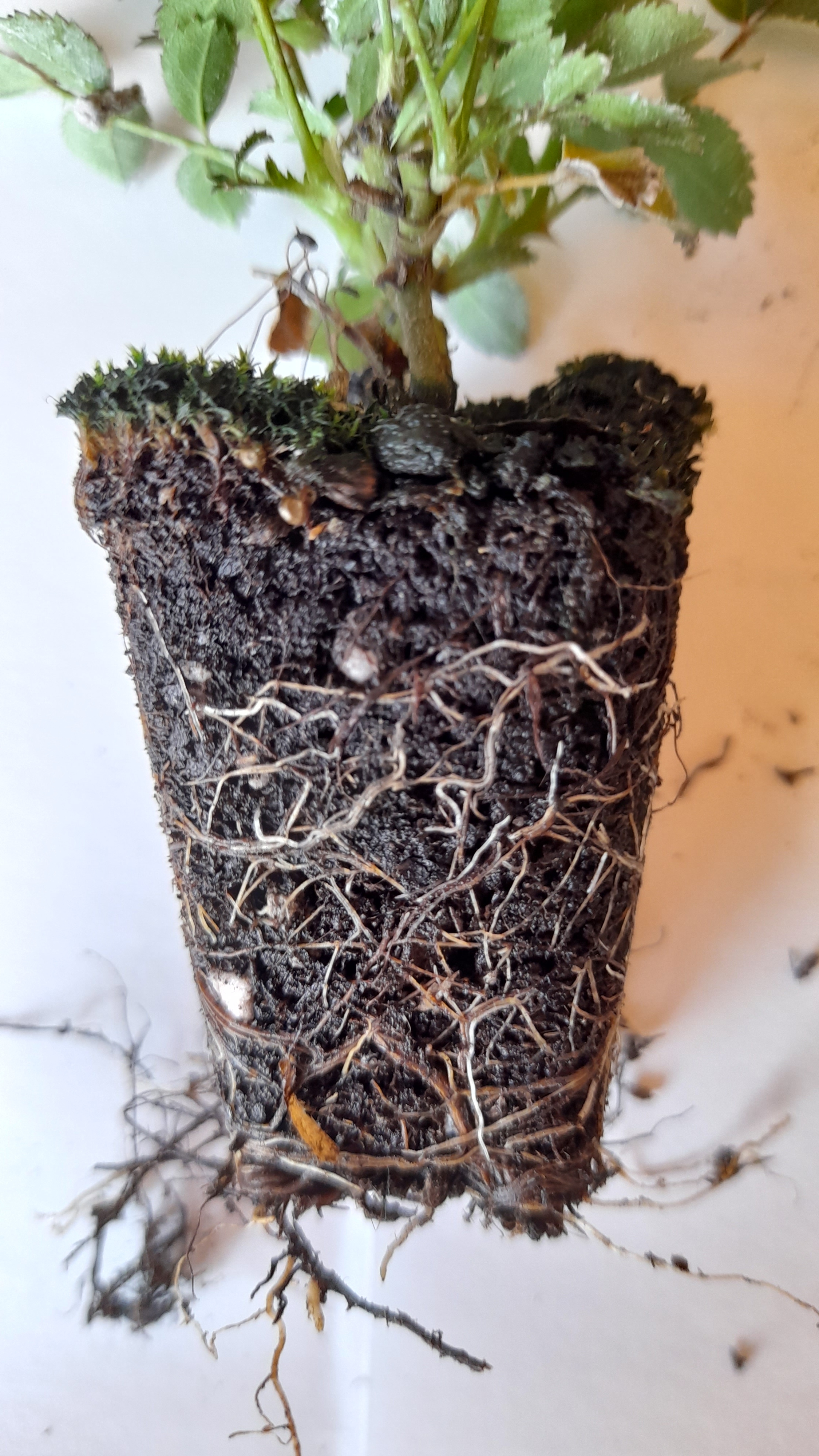
Uniform developmental stage, with a root system that has thoroughly penetrated the plug.
For professional growing‑on.
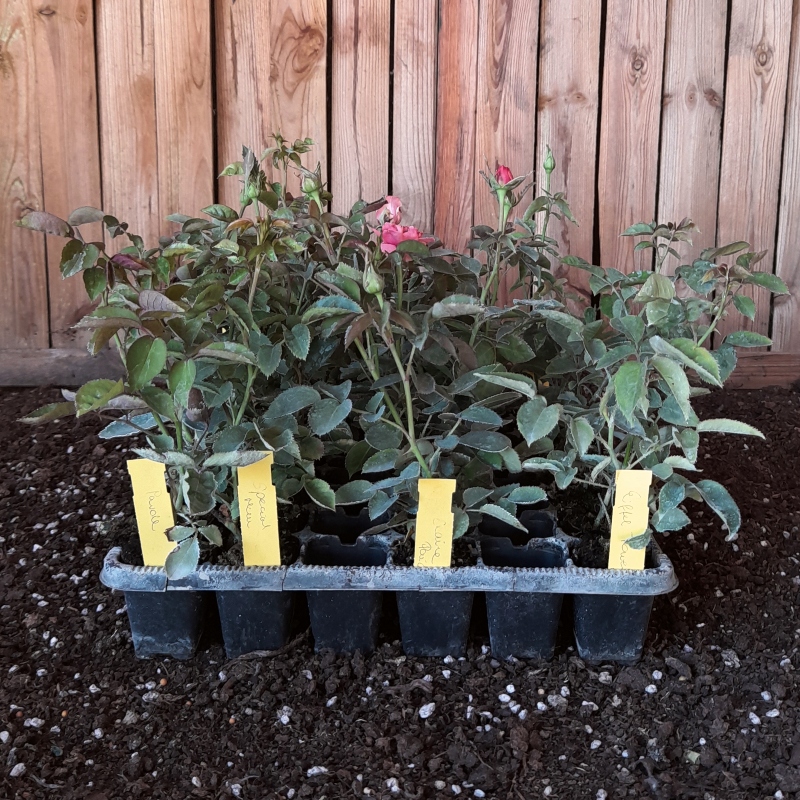
Tray packaging: 10 pcs/tray.
Quality and varietal identity: production supported by a dedicated identification and traceability logic.
Can be transplanted during frost‑free periods, designed for finished product production.

PharmaRosa® NEONATAL provides a controlled, uniform starting stock for planned growing‑on that can be integrated into your own technology – especially where scheduling and varietal identity are paramount.


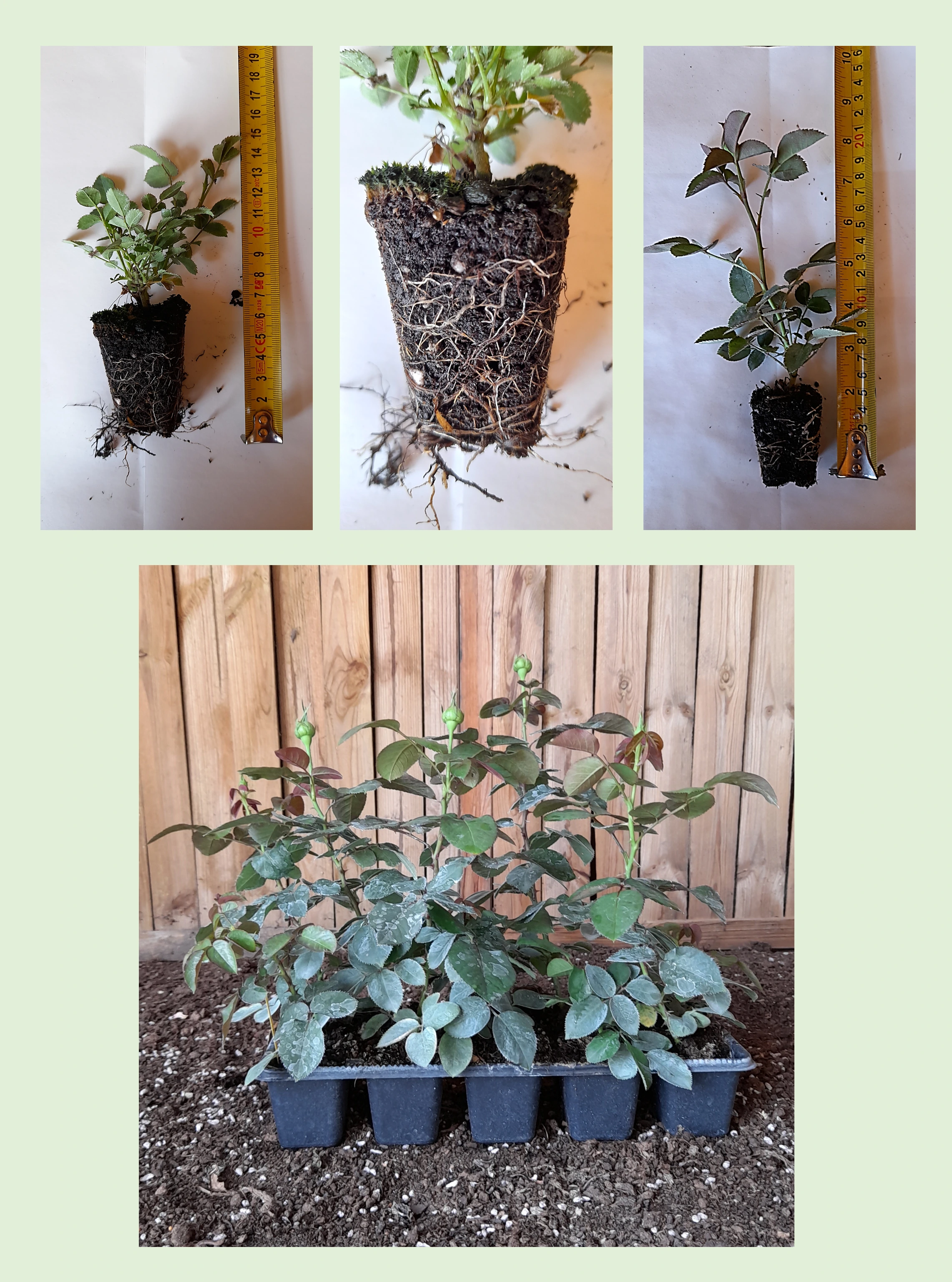
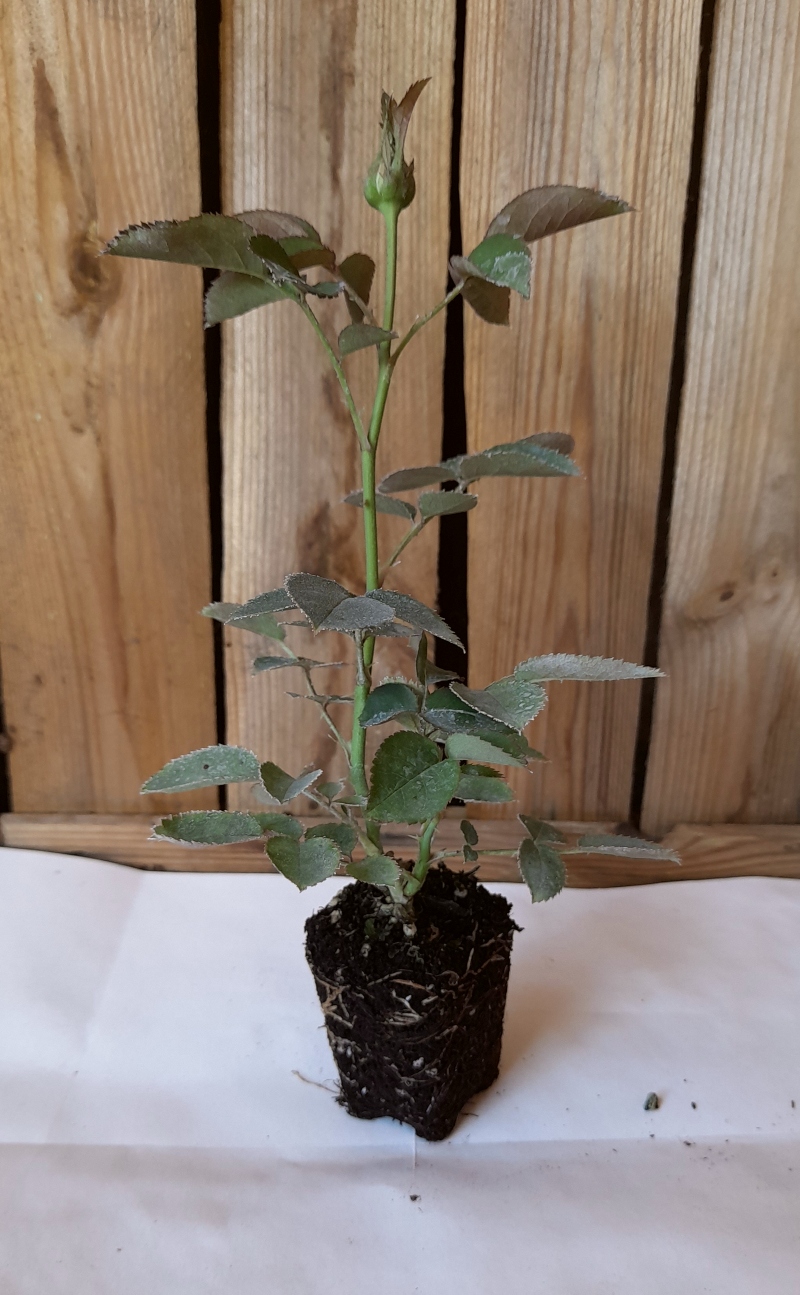
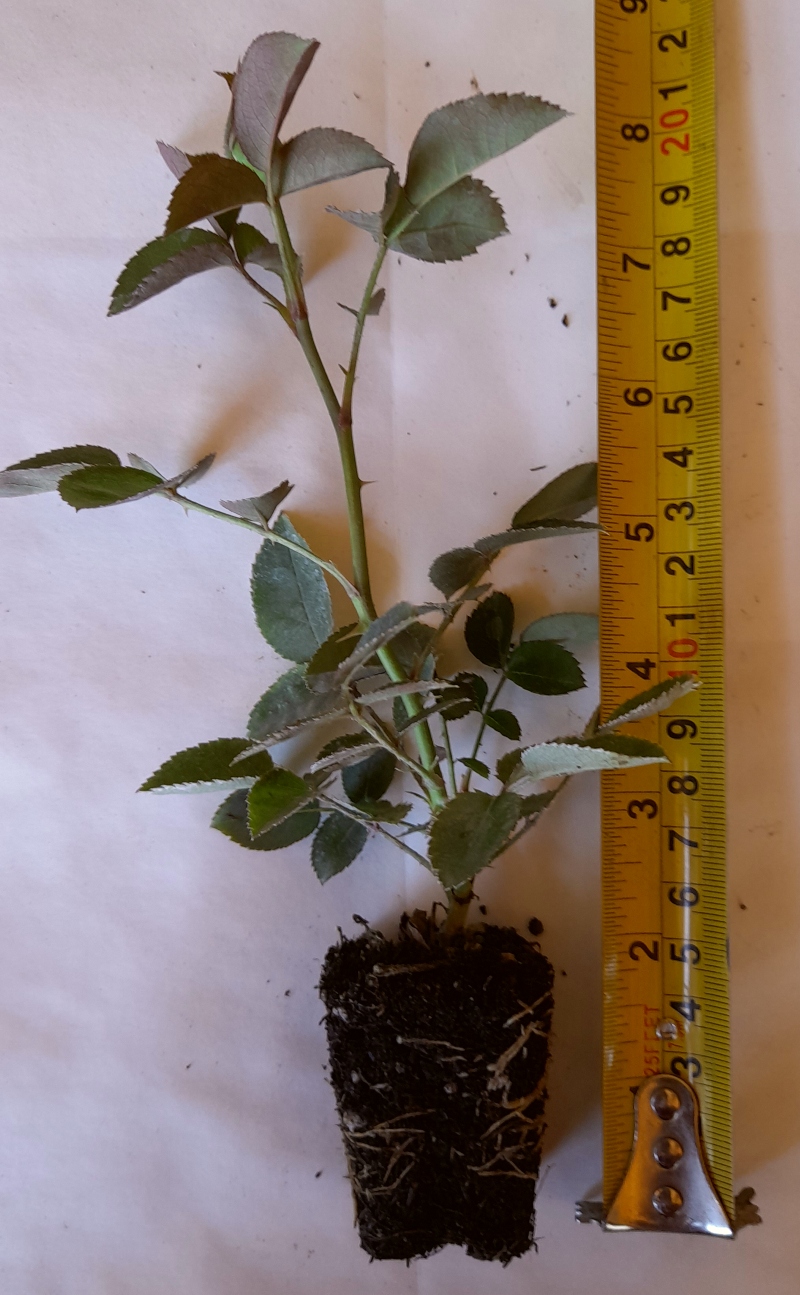
PharmaRosa® NEONATAL own-rooted rose propagation material in a plug, with a root system penetrating the plug (semi-finished product / semi-finished rose). PharmaRosa® NEONATAL rose propagation material size: 3–6‑month‑old, own-rooted cutting with a uniform developmental stage. PharmaRosa® NEONATAL rose propagation material root system: plug densely penetrated by well-developed white roots (root system detail). PharmaRosa® NEONATAL tray stock: own-rooted rose propagation material in trays, uniform developmental stage (10 pcs/tray).

Captions (from left to right): Semi-finished product (NEONATAL own-rooted rose propagation material in a plug with a fully developed root system) • Size demonstration (3–6‑month‑old, uniform cutting) • Root system detail (plug penetrated by the root system) • Tray stock (10 pcs/tray, uniform developmental stage)

pharmarosaneonatal.hupharmarosaneonatal.atpharmarosaneonatal.co.ukpharmarosaneonatal.czpharmarosaneonatal.depharmarosaneonatal.ropharmarosaneonatal.sipharmarosaneonatal.skpharmarosaneonatal.itpharmarosaneonatal.frpharmarosaneonatal.nlpharmarosaneonatal.plpharmarosaneonatal.lupharmarosaneonatal.ptpharmarosaneonatal.espharmarosaneonatal.ltpharmarosaneonatal.sepharmarosaneonatal.lvpharmarosaneonatal.eepharmarosaneonatal.fi

Which product type is right for you?

Pages for private customers
Garden roses for the family garden, with minimal care  → ORIGINAL®
Premium garden roses – instant impact, a truly showpiece garden  → EXTRA®
Pages for professionals and private customers
Roses for public spaces – large areas, sustainable maintenance  → NATURAL®
Roses for projects – hedge and row planting, fast implementation  → RAPID®
For professional partners only
Production – propagation material for garden roses, wholesale  → NEONATAL®

Company details

PharmaRosa Ltd.
Company registration number: 01-09-717479
VAT number: 13075314-2-43
Plant health registration no.: HU130721
Bank account (IBAN):
HU85117631891388688400000000
BIC (SWIFT): OTPVHUHB
Bank name: OTP Bank Nyrt.