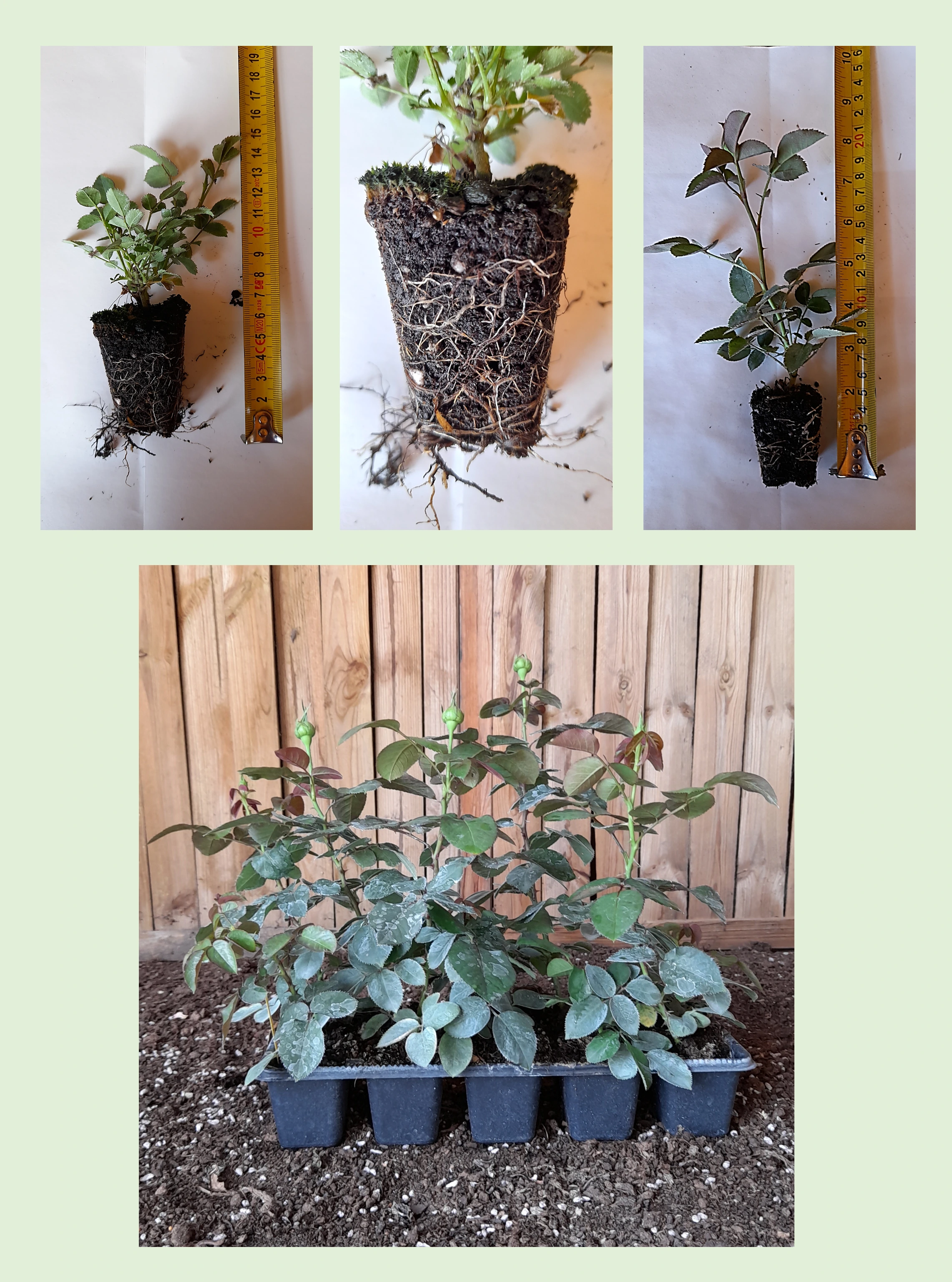
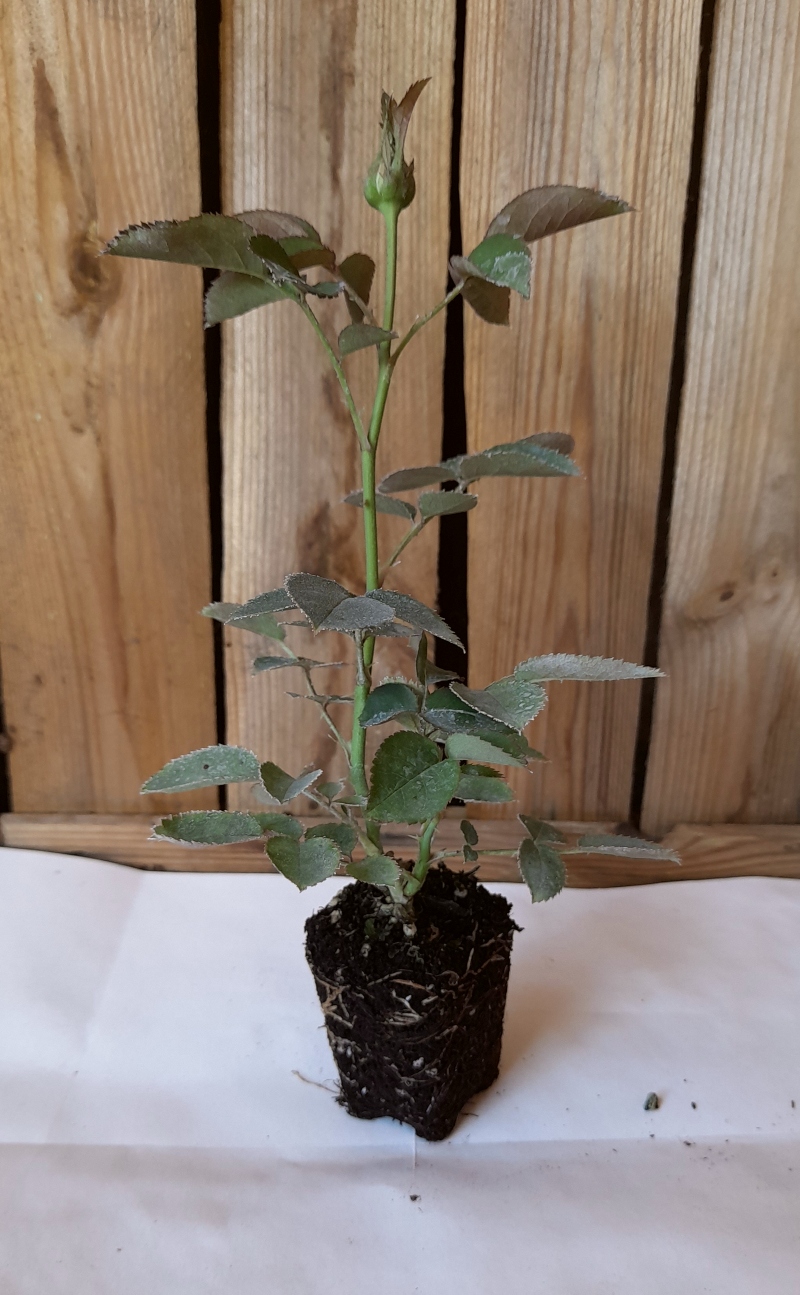
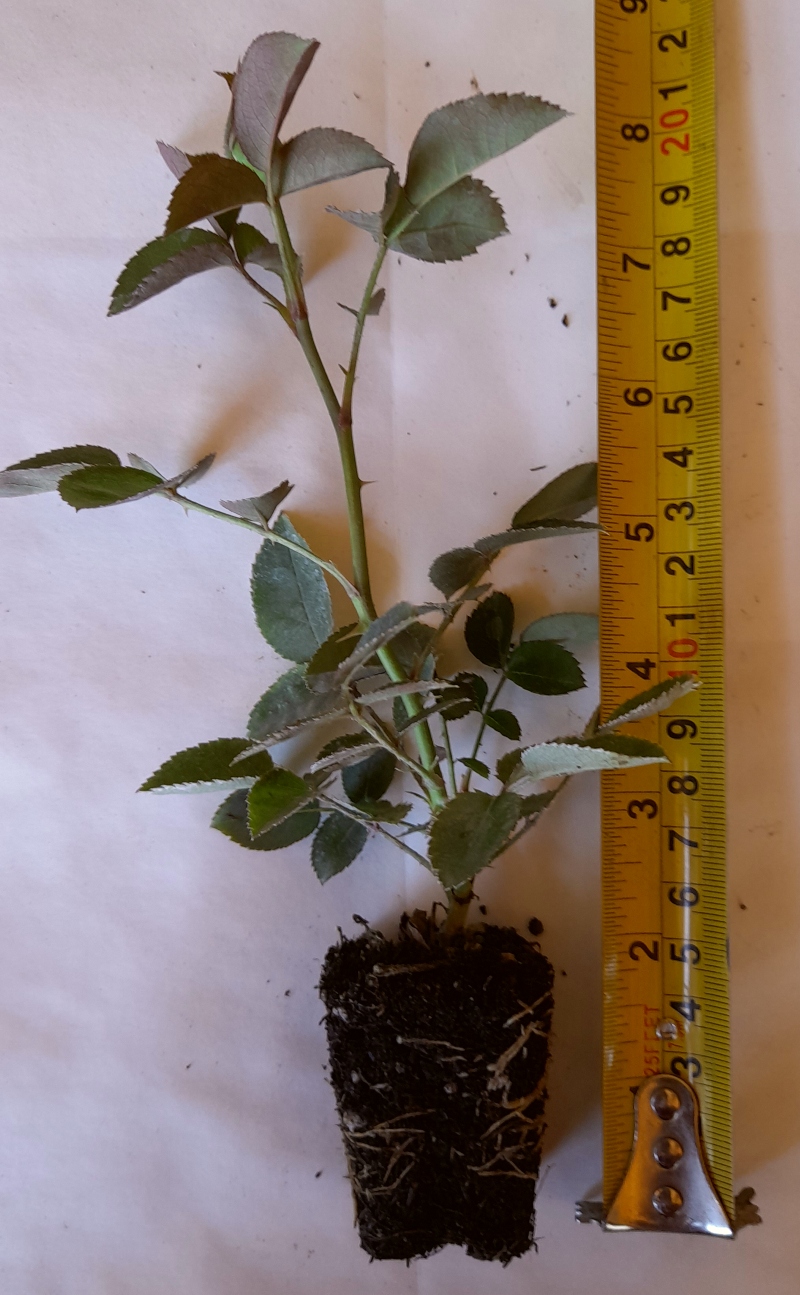
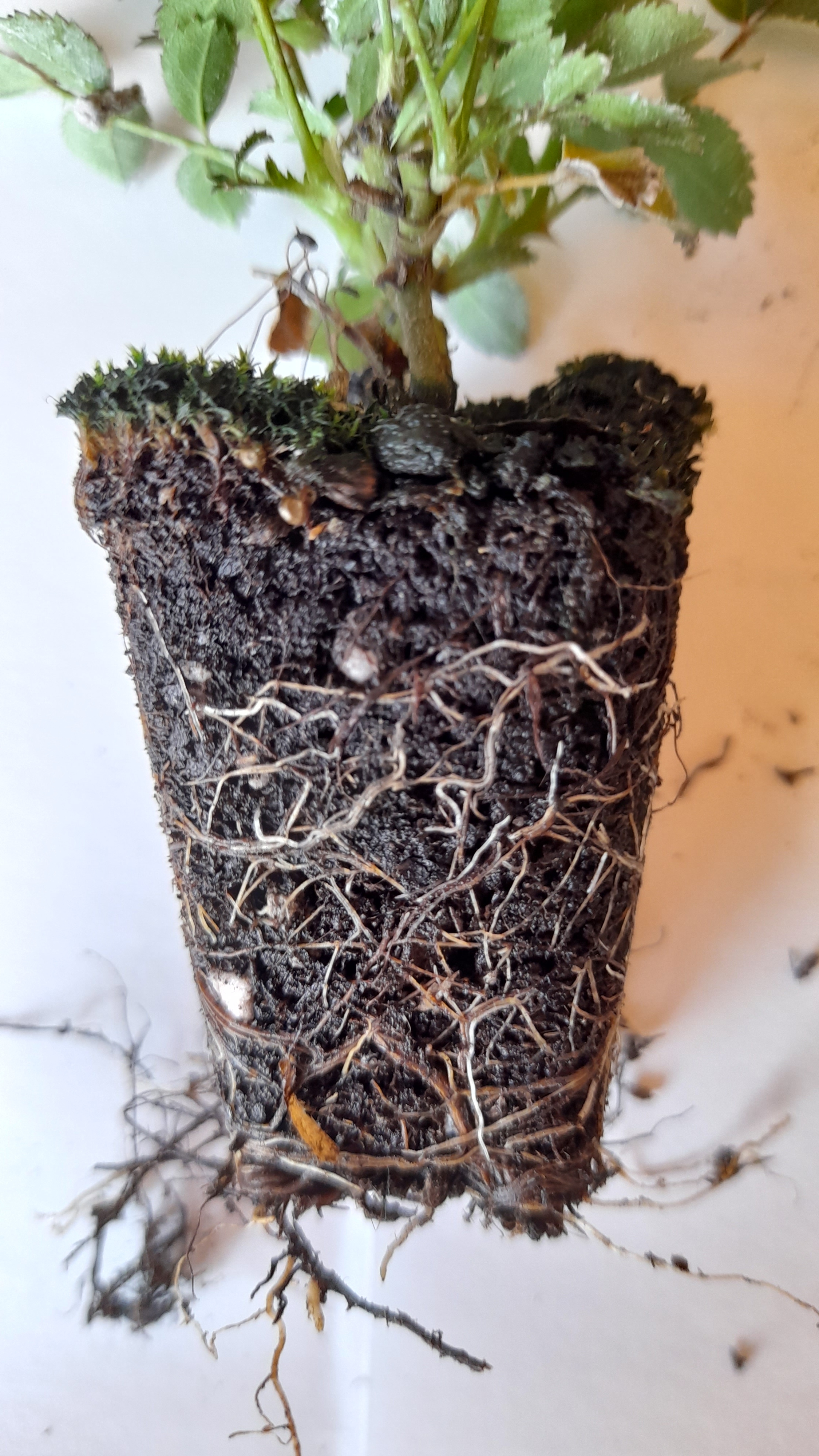
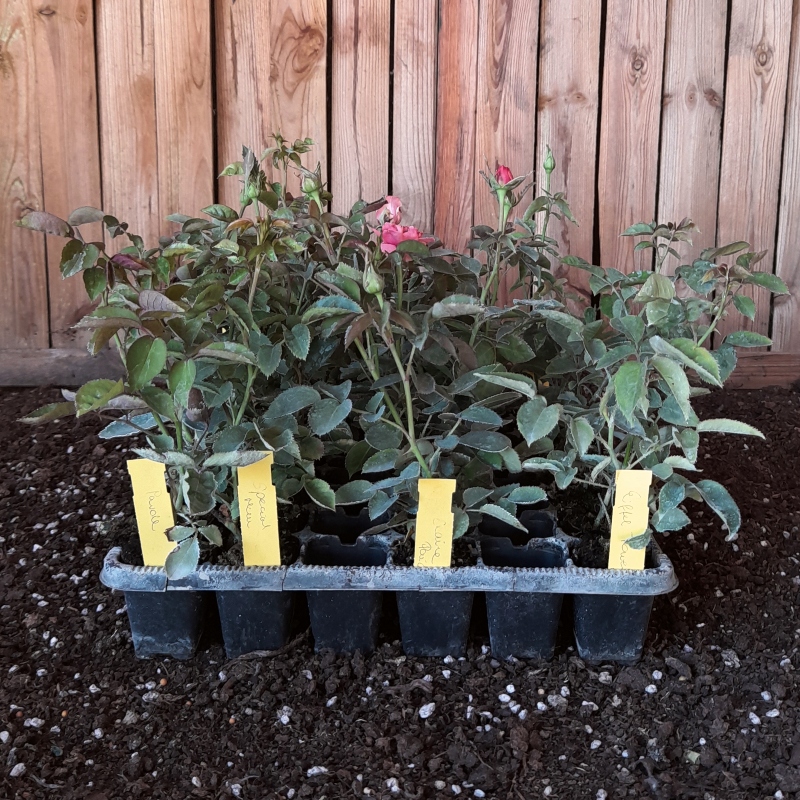
Anna Pavlova – hybrid tea rose rooted cutting for professional production
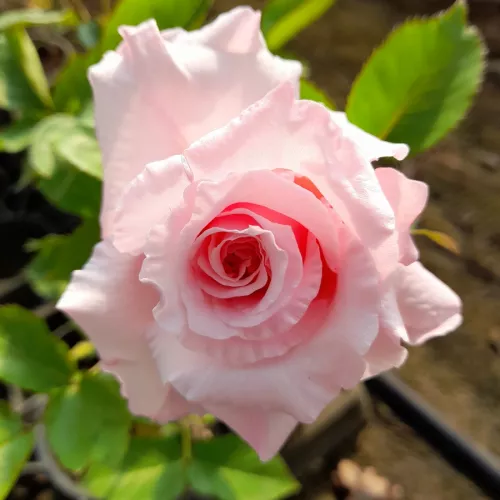
Premium own-root Anna Pavlova offers exclusive hybrid-tea flower quality for nurseries building added-value ranges, with large, cup-shaped, pastel-pink blooms and fragrance strong enough for top-end cut-flower and exhibition-focused lines. Its H7-rated winter hardiness supports reliable performance even in cooler, more exposed UK regions, while the cultivar’s documented disease resistance underpins low-intervention, predictable production in nursery beds and 5–7 L container programmes. As a rooted cutting in the pharmaROSA® NEONATAL platform, you gain uniform, own-root material that establishes rapidly into bush-trained plants with 3–5 strong canes, ready for premium container finishing or for onward propagation to support thematic collection plantings. Over a natural development arc from root establishment in year one through structural shoot build-up in year two to full ornamental value by year three, own-root stands remain stable, long-lived and regenerating, helping you maintain homogeneous blocks, reduce replacements and plan capacity confidently across integrated nursery networks, even where winter and wind exposure are commercial considerations. This combination of cut-flower potential, collection value and wholesale-ready reliability makes Anna Pavlova a precise fit for professional rose production targeting exclusive finished product and retail/reseller channels.
Usage options
Finished-product ideas
- Premium 5–7 L hybrid tea Anna Pavlova – bush-trained own-root plants with 3–5 strong canes, finished in 5–7 L pots for exclusive retail/reseller benches, combining low-intervention cultivation with strong fragrance and classic hybrid-tea flower form – target: premium garden centres and independent retailers
- Fragrance collection feature SKU – position Anna Pavlova within a “very strongly scented” rose collection, leveraging its sweet, classic perfume and good disease resistance, supplied as uniform 5–7 L premium containers – target: fragrance-led marketing campaigns and high-end retail partners
- Cut-flower starter block plants – deliver sturdy, own-root container plants as a starter source for growers specialising in cut-flower and exhibition hybrid teas, capitalising on solitary large blooms and upright habit – target: cut-flower nurseries and exhibition growers
- Thematic rose garden line – use the cultivar’s documented pedigree and pastel-pink flowers to build a named-feature line for thematic and collection gardens, supplied from own-root NEONATAL propagation into 5–7 L premium containers – target: public-realm contractors and estate managers
- Urban landscape hybrid tea selection – assemble Anna Pavlova into a curated urban-suitable assortment where good disease resistance, H7 hardiness and low maintenance support reliable performance, offered as robust, bush-trained 5–7 L units – target: municipal and commercial landscape specifiers
Technical cultivar profile
| Parameter |
Data |
| Name and registration |
Hybrid tea rose, registered as BEAann, marketed as Anna Pavlova Hybrid tea rose BEAann, with American Rose Society exhibition name Anna Pavlova assigned to the hybrid tea commercial group. |
| Origin and breeding |
Bred by Peter Leslie Beales, United Kingdom, with introduction, breeding and registration recorded in 1981; parentage is unknown, initial distribution handled by Peter Beales Roses Ltd. |
| Awards and recognition |
Recognised at the Genoa Rose Competition with a Silver medal in 1986, supporting its value in exhibition and display-oriented uses where flower quality and presentation are commercially important. |
| Growth and structural characteristics |
Upright bush, approximately 80–120 cm high with 100–140 cm spread, moderately dense, glossy dark green foliage and sparse prickles; self-cleaning is weak, so spent blooms generally require manual removal. |
| Flower morphology |
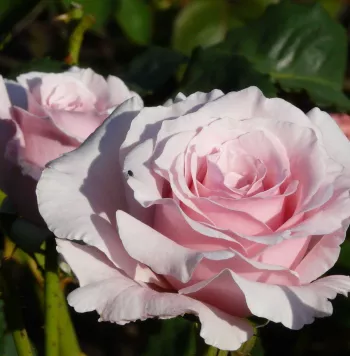
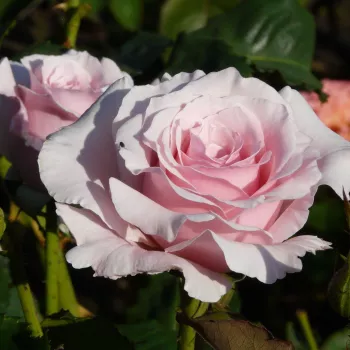
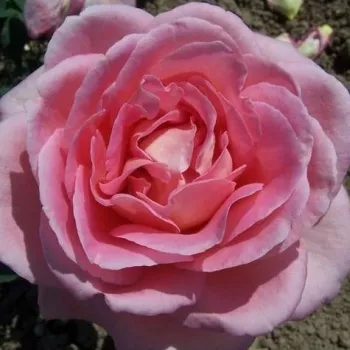
Large, double flowers (26–39 petals), solitary on stems, cup-shaped hybrid tea form; a good repeat-bloomer with particularly abundant second flush, suitable for decorative and cut-flower oriented production. |
| Colour data and phenology |
Pale pastel pink petals, ARS code LP, RHS 65D outer and 62C inner; buds open porcelain-pink with warmer tones, then fade towards cream with a powder-pink centre as flowers mature on the plant. |
| Fragrance and aroma |
Very strong, garden-filling perfume with a sweet, classic rose character; flowers are strongly double and high-cupped with concealed stamens, so pollinator access and pollinator value are limited. |
| Hip characteristics |
Rose hips set sparsely due to double flowers; where formed they are small, approximately 8–12 mm, ovoid, orange-red, offering minimal ornamental or seed value for commercial production contexts. |
| Resistance and winter hardiness |
Documented good resistance to powdery mildew, black spot and rust; hardiness approximately –21 to –18 °C, corresponding to RHS H7, Swedish zone 3 and USDA zone 6b; heat and drought data not provided. |
| Horticultural recommendations |
Recommended for flower beds, cut-flower use and urban green spaces; maintenance requirement is low, with generally little intervention needed, and plants are suited to premium container production as bush-trained units. |
Anna Pavlova Hybrid tea rose BEAann offers strong fragrance, reliable disease resistance and long-lived, predictable own-root performance, making it a solid candidate for aligned capacity planning and a detailed discussion of scheduling and volumes.