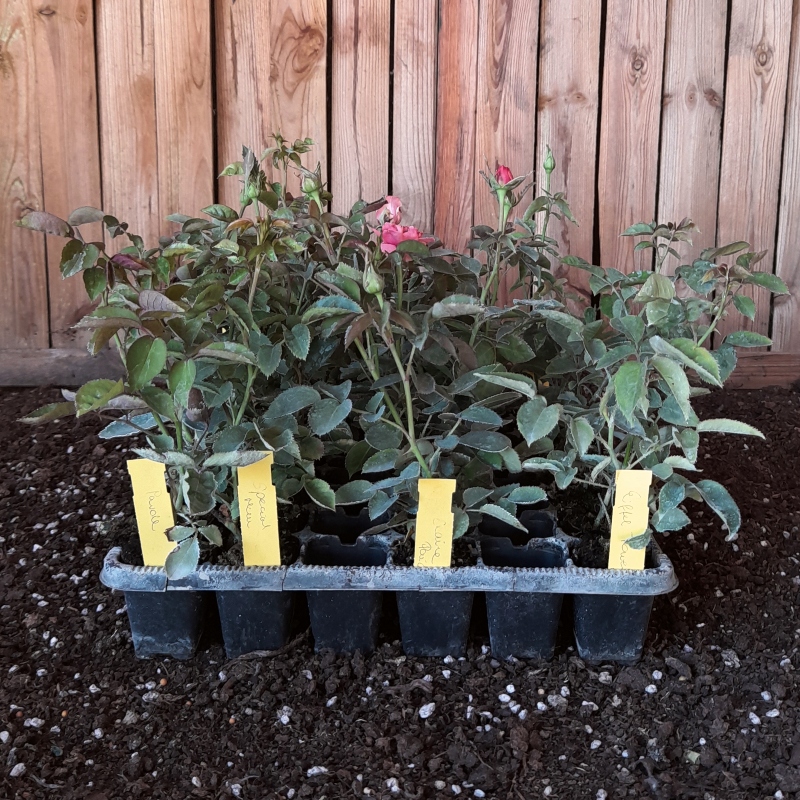
Apricot Silk – Hybrid tea rose propagation material
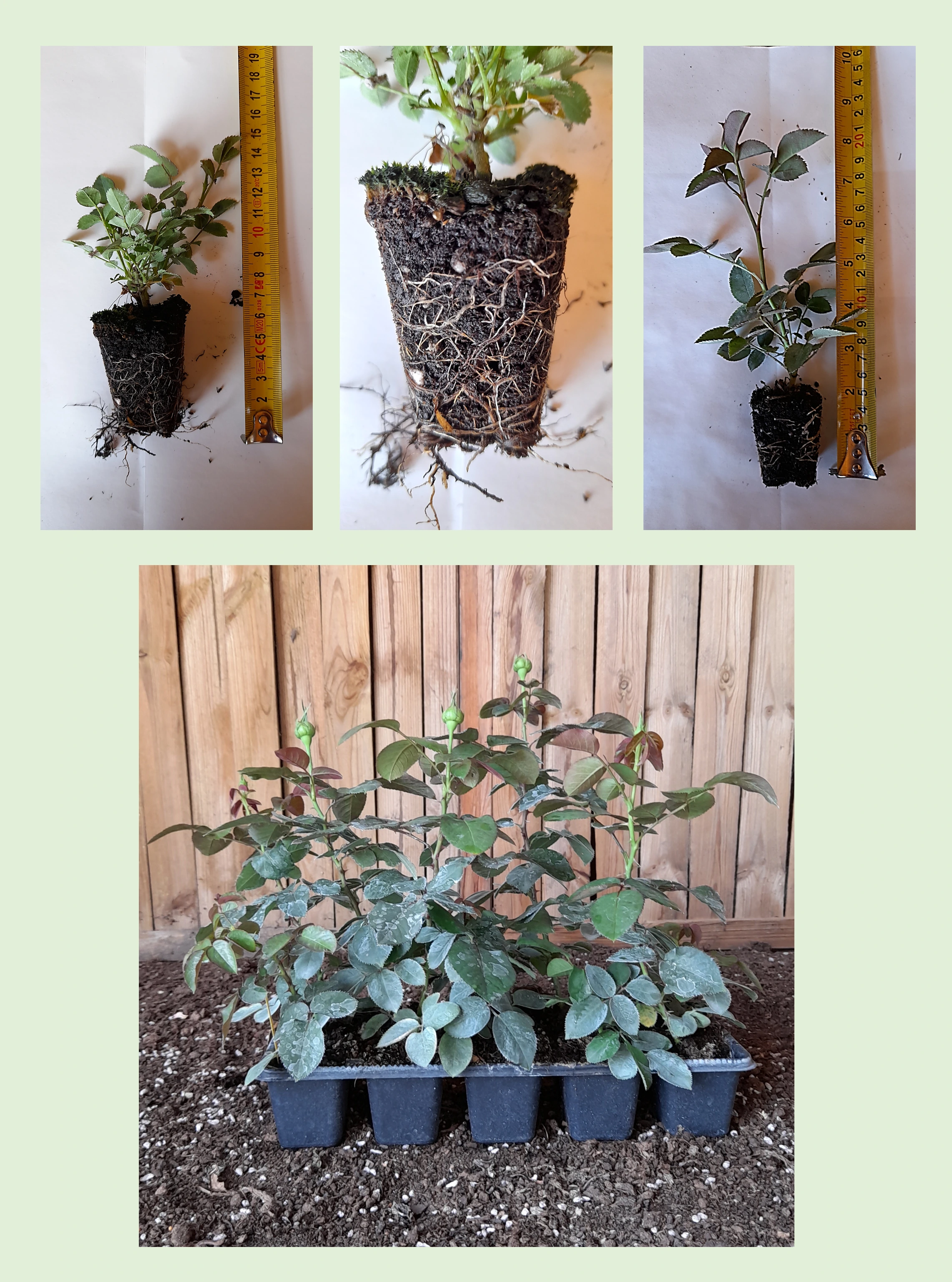
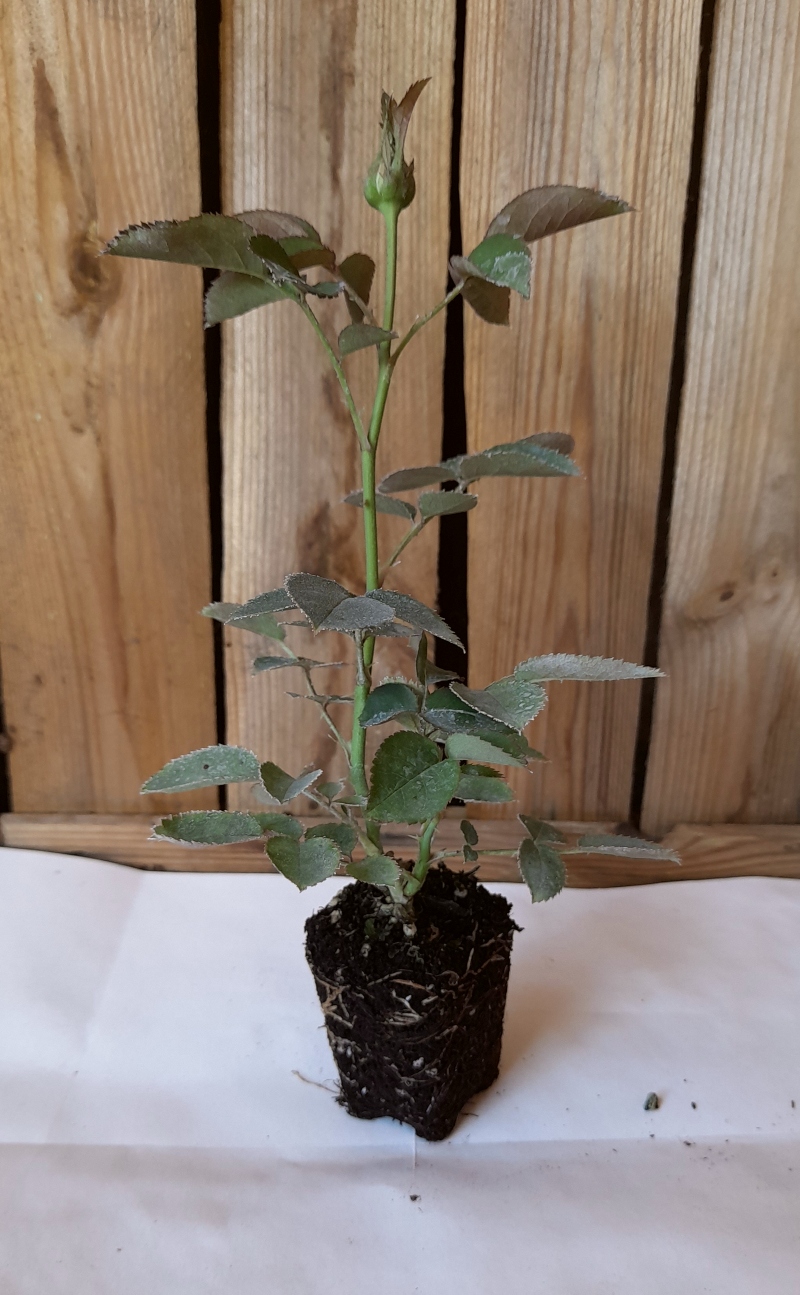
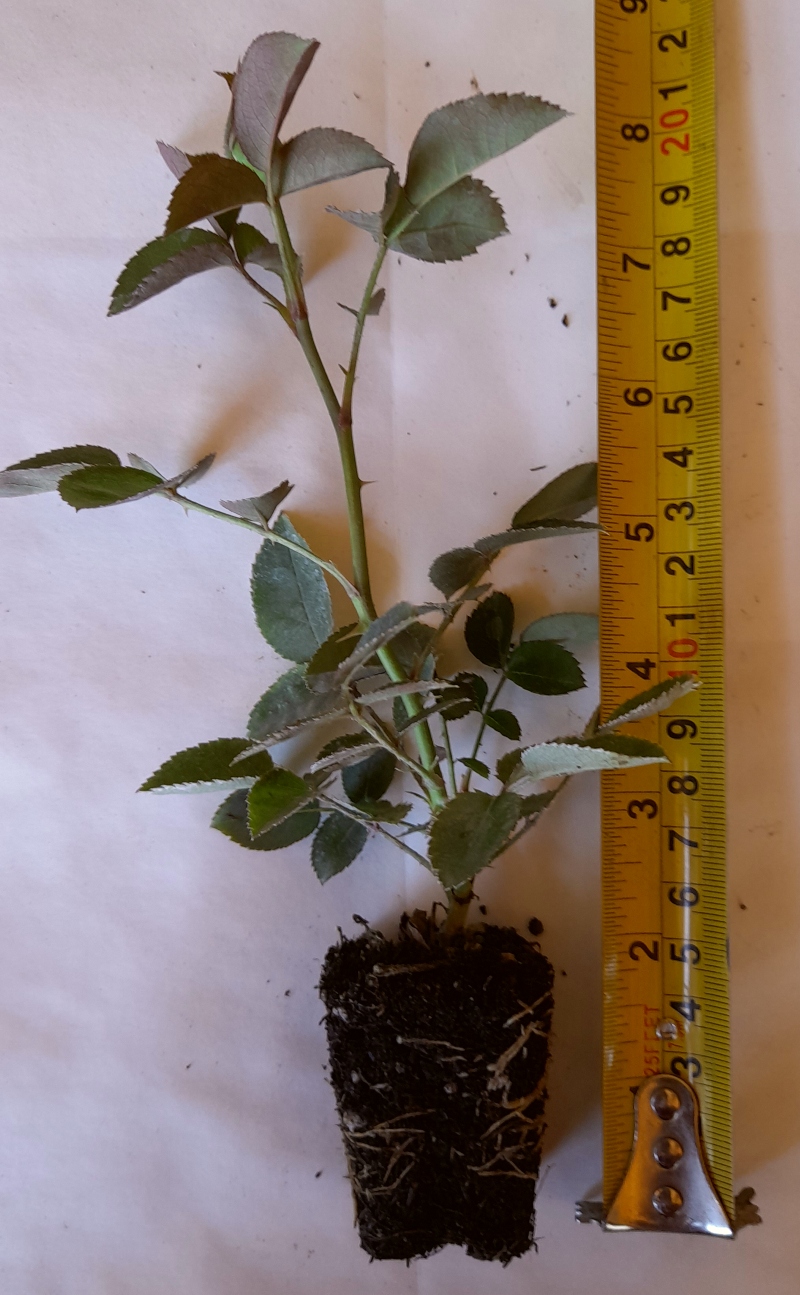
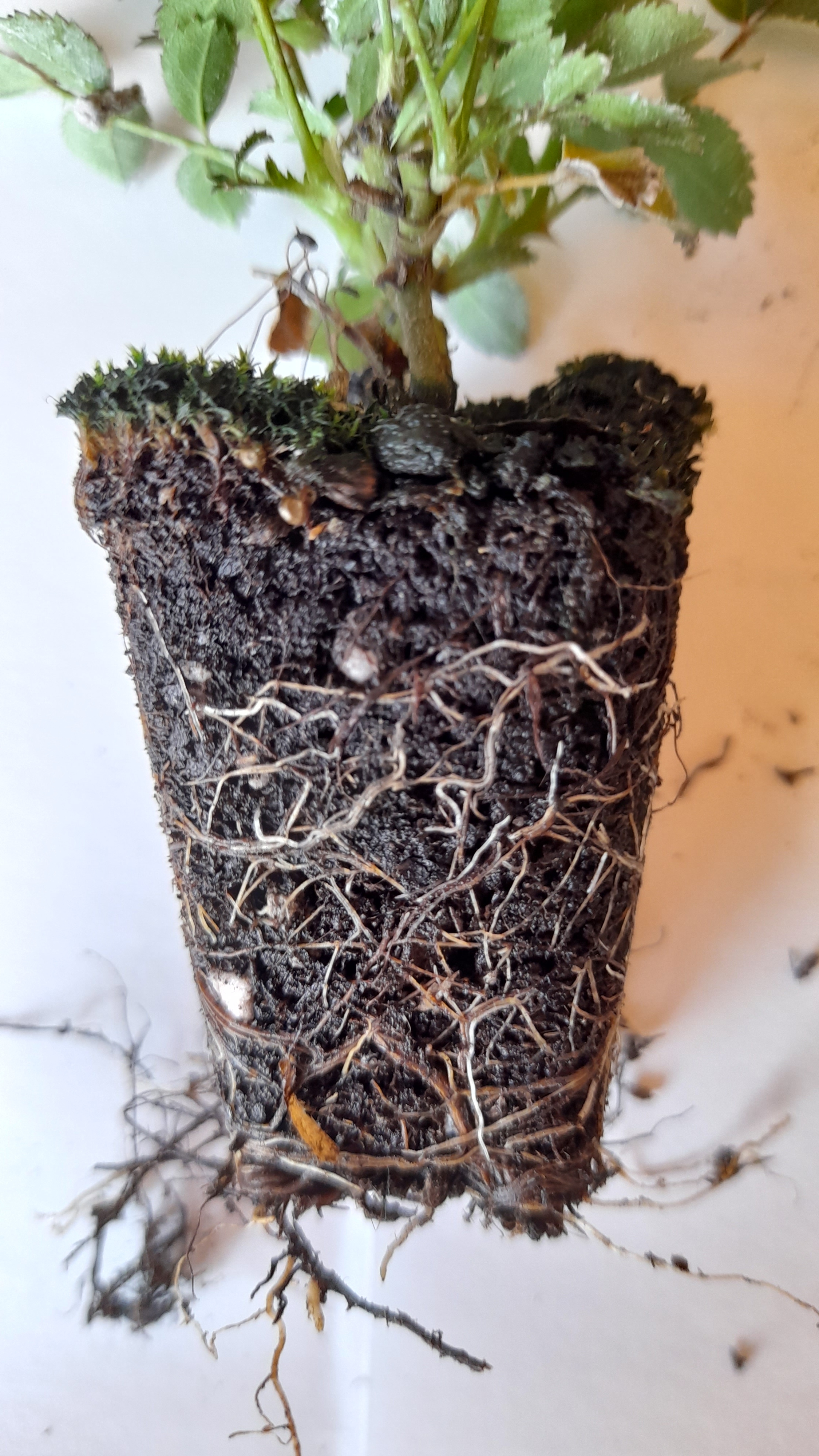
Exclusive own-root pharmaROSA® NEONATAL material of Apricot Silk supports premium hybrid tea production where flower quality and form drive finished value. The upright habit and 3–5-cane bush training suit 5–7 L containers as a premium route for retail and reseller channels, while generally good disease resistance and low maintenance needs help maintain homogeneous nursery stands and predictable output. With remontant, exhibition-grade blooms and a medium, fruity fragrance, this cultivar fits cut-flower benching and high-impact garden display, building reliable stock for thematic collections and public-realm schemes that must perform from Scotland to the South-East in winter- and wind-exposed sites. Own-root structure offers renewable growth and longevity, typically with roots establishing in year one, framework shoots stabilising in year two and full ornamental expression from year three, supporting a stable, collection-grade portfolio for nurseries seeking credibility and repeatable performance.
Usage options
Finished-product ideas
- Premium 5–7 L retail bush – Upright, bush-trained plants with 3–5 canes in 5–7 L containers, showcasing exclusive, exhibition-quality apricot blooms and medium fragrance as a top-tier retail line – target: premium retail/reseller channels.
- Collector-series hybrid tea feature – Curated hybrid tea collection element highlighting UK-bred Apricot Silk with own-root longevity for thematic gardens and show benches, positioned as an exclusive, low-intervention choice – target: specialist nurseries and collection gardens.
- Cut-stem benching block – Densely planted blocks from NEONATAL stock, trained for straight stems and solitary goblet blooms, serving mixed-colour cut-flower programmes while leveraging own-root regeneration – target: regional cut-flower growers.
- Public-realm display container – Robust 7–10 L (up to 40–50 L for focal points) containers using hardy, disease-tolerant plants with moderate pollinator interest and hips for extended season value – target: municipal and institutional planting contracts.
- Low-maintenance edging line – Uniform runs of 5–7 L bushes for beds and edging, exploiting disease resistance, low routine care needs and stable own-root stands to reduce replacement and labour costs – target: landscapers and public-realm specifiers.
Technical cultivar profile
| Parameter |
Data |
| Name and registration |
Hybrid tea rose Apricot Silk; registered cultivar name and American Rose Society exhibition name both Apricot Silk; commercial use as a hybrid tea rose for cut and garden display. |
| Origin and breeding |
Bred by Charles Walter Gregory, C. Gregory & Son Ltd., Chilwell, Nottingham, United Kingdom; cross of Souvenir de Jacques Verschuren × unknown seedling; bred 1965, introduced and registered 1970. |
| Growth and structural characteristics |
Upright hybrid tea bush reaching around 110–150 cm in height with 50–70 cm spread; moderately dense, glossy dark green foliage and moderate thorniness; many spent blooms persist and require manual cleaning. |
| Flower morphology |
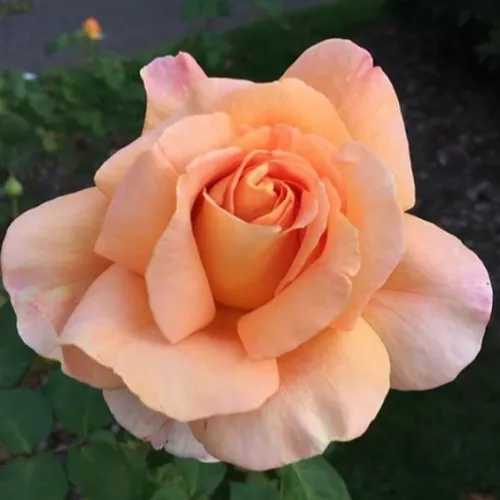
Semi-double hybrid tea blooms with approximately 13–25 petals, medium flower size of 1.5–2.75 inches, largely solitary presentation, goblet to cup-shaped form, suitable for exhibition and cut-flower use. |
| Colour data and phenology |
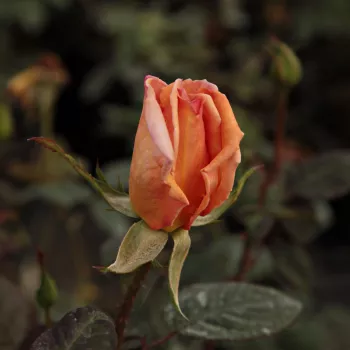
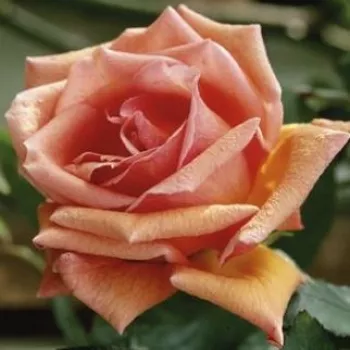
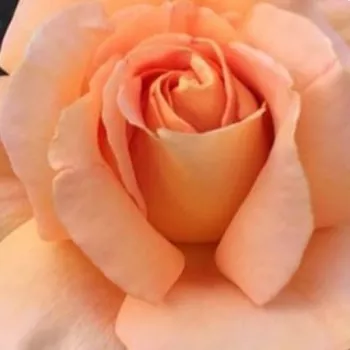
Warm peach-pink with delicate orange tone and silky sheen; buds open deep peach-orange, shifting to softer pastel apricot with cream and rosy veiling; colour retention moderate with gradual, decorative fading. |
| Fragrance and aroma |
Medium-strength, clearly noticeable fragrance with softly sweet, fruity character; scented enough for retail and garden value without complicating glasshouse handling or close-range display environments. |
| Hip characteristics |
Moderate set of ovoid rose hips, about 13–17 mm diameter, coloured red–orange (RHS 40A), adding discrete late-season decorative interest in both garden and landscape settings. |
| Resistance and winter hardiness |
Generally good disease resistance, rated resistant to powdery mildew and black spot with medium rust susceptibility; hardy to around -21 to -18 °C, RHS H7, corresponding to USDA zone 6b and Swedish zone 3. |
| Horticultural recommendations |
Recommended for flower beds, edging, yard plantings and cutting; low maintenance under normal conditions, with occasional rust checks; best marketed as bush-trained in premium 5–7 L containers for exclusive segments. |
Apricot Silk combines exhibition-quality apricot blooms, solid disease resistance and reliable hardiness on an own-root base that supports predictable, long-lived stands, making it a sound candidate for planning premium ranges and discussing forward capacity with us.