Ausbord – English shrub rose propagation material for premium pink production
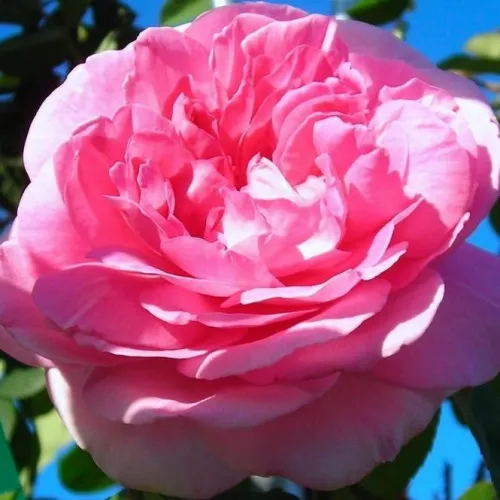
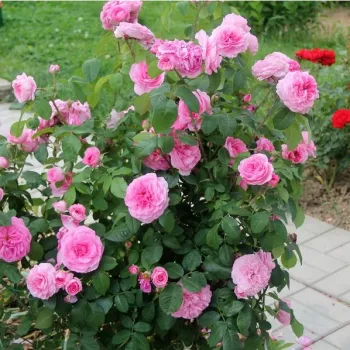
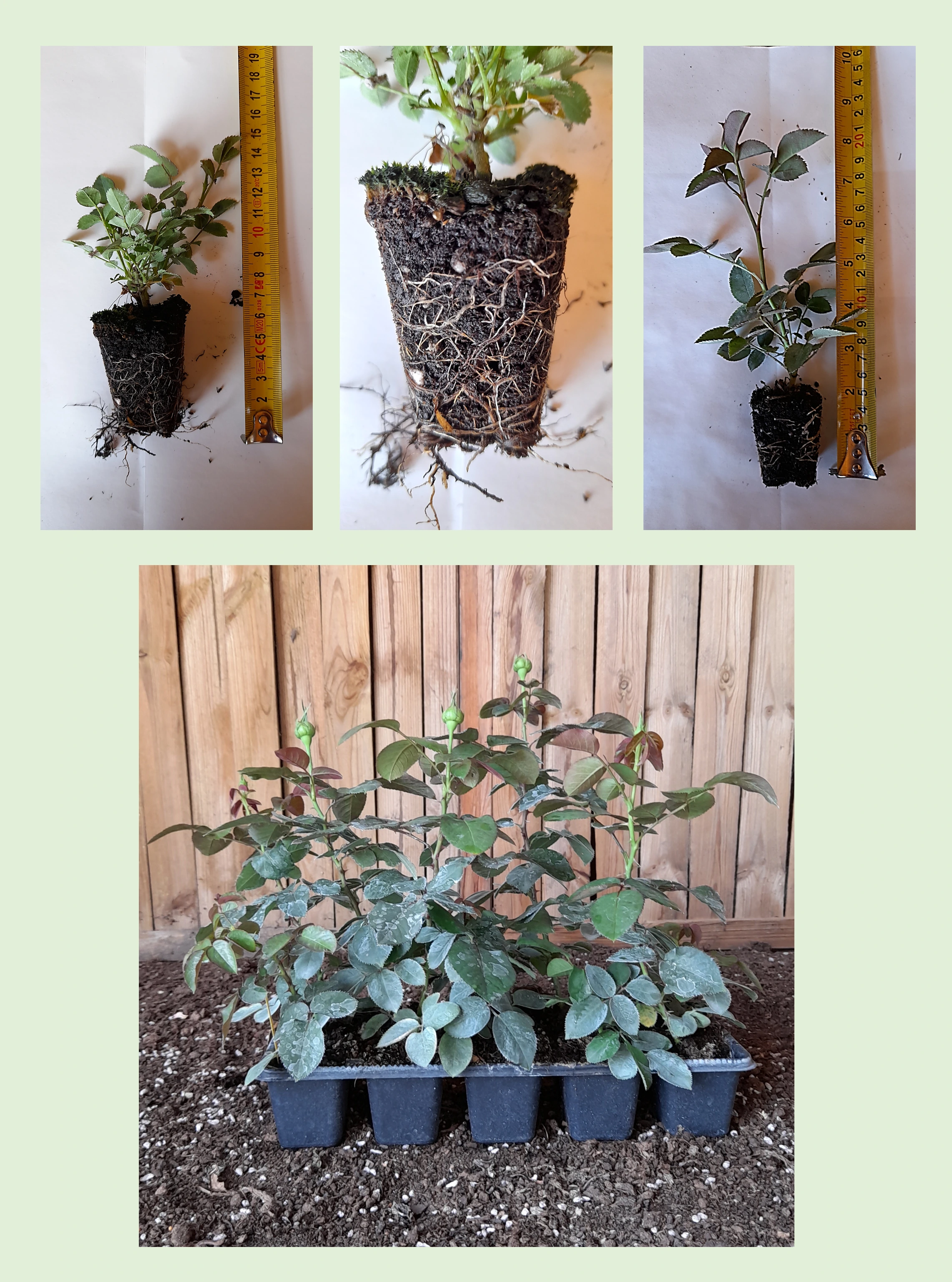
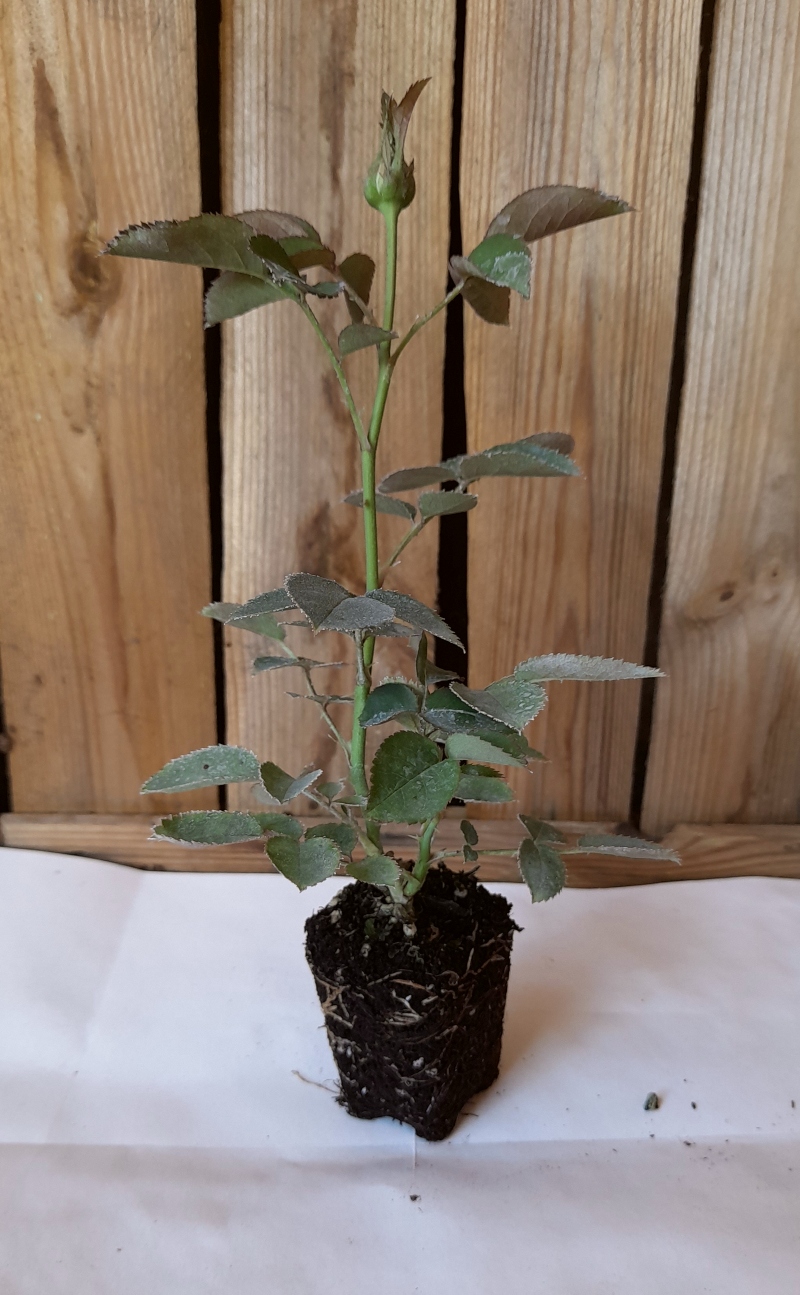
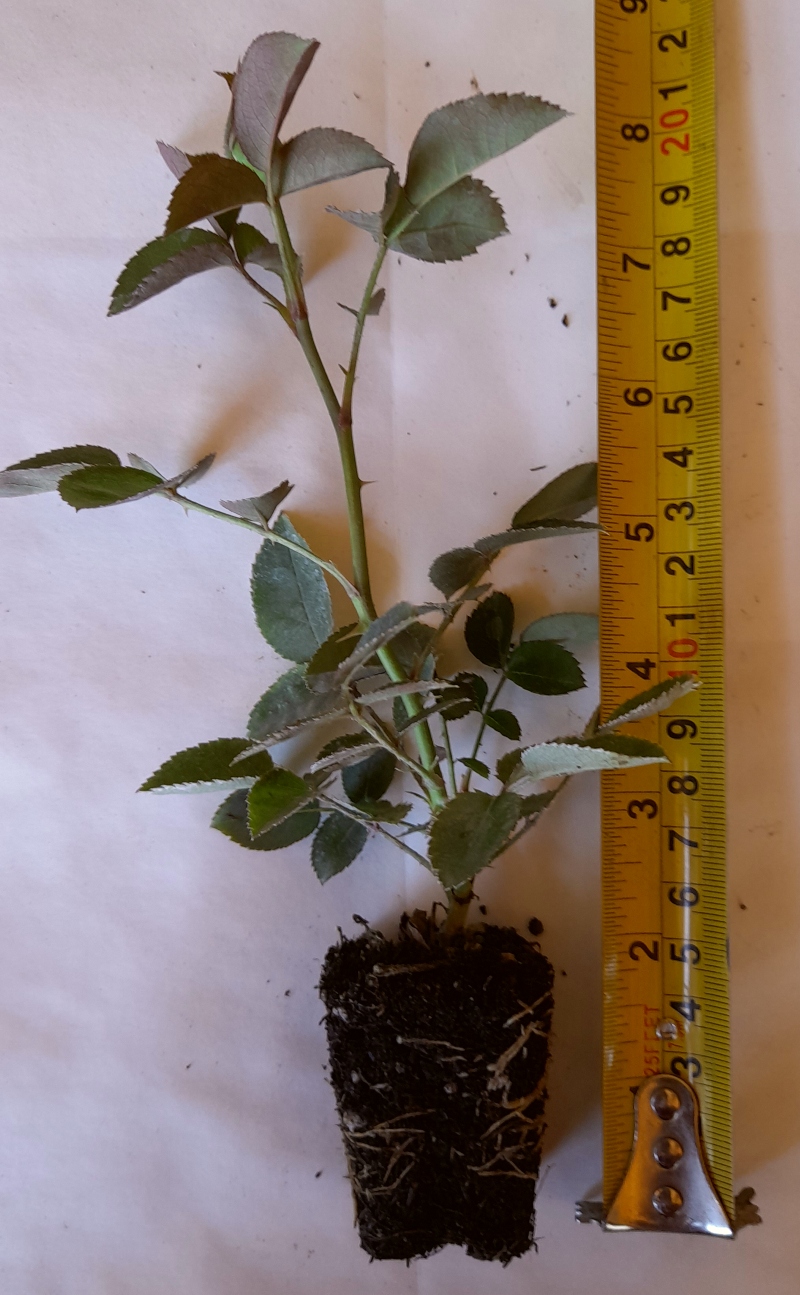
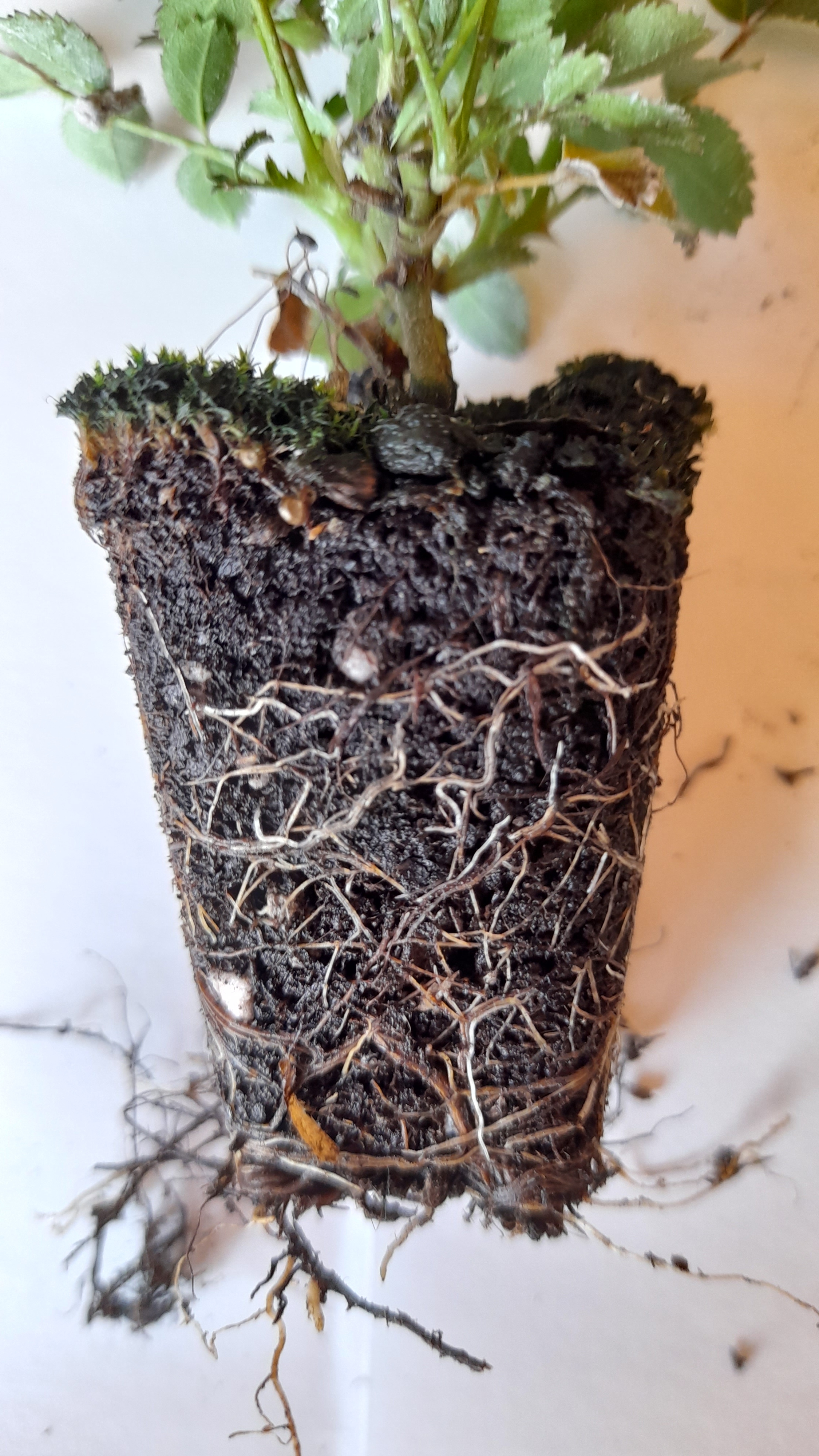
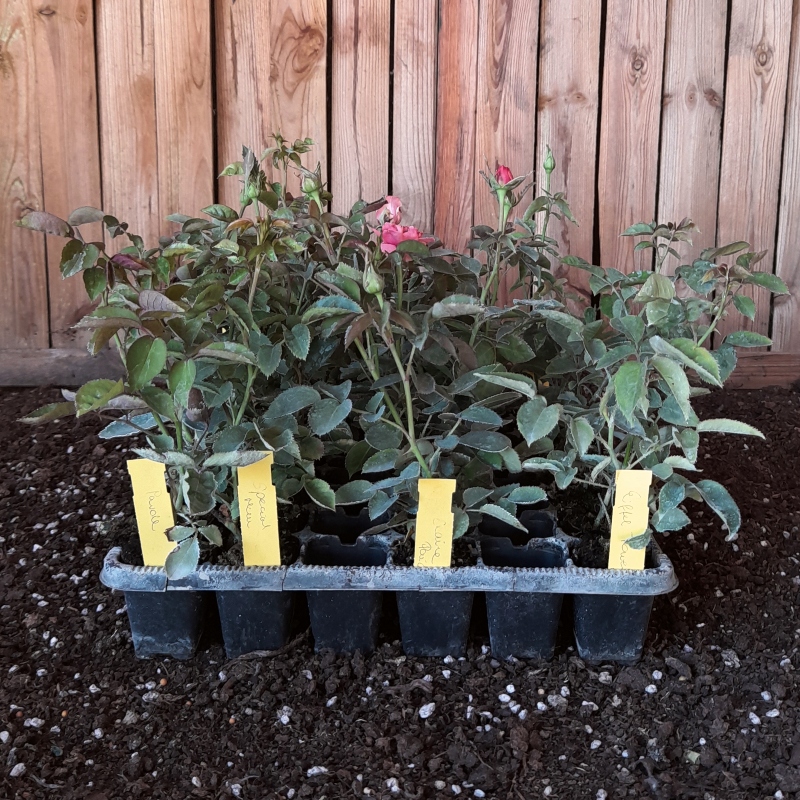
Premium own-root Ausbord propagation offers professional growers a stable foundation for building exclusive pink English rose lines, with predictable performance into larger 5–7 L containers and beyond. As a pharmaROSA® NEONATAL tray-rooted cutting, it enters your system at a uniform 3–6‑month stage, ready for bush-training to 3–5 framework canes and onward production for high-value, romantic shrub product routes. The very double, XL rosette flowers, rich old-rose fragrance and strong colour retention underpin an exclusive-finish positioning for retail and reseller partners focused on flower quality and form. Own-root regeneration supports long-term crop value with low replacement and homogeneous stands, performing reliably from Scotland to southern England in cold and wind-exposed sites, where winter-hardy plantings are critical. Development is naturally phased—roots in year one, structural shoots in year two, and full ornamental impact by year three—supporting planned scheduling across nursery networks and public-realm supply chains. With dense foliage, upright habit and medium maintenance needs, Ausbord integrates smoothly into premium shrub rose ranges, providing sustainable, collection-grade capacity for thematic and show gardens.
Usage options
Finished-product ideas
- Premium 5–7 L English Rose shrub – Own-root, bush-trained Ausbord in 5–7 L containers, positioned as an exclusive pink English Rose with intense fragrance and romantic flower form – target: premium retail/reseller benches.
- Fragrance highlight feature shrub – Selected, well-framed shrubs from NEONATAL stock grown on for maximum bloom and scent impact, marketed as signature fragrance pieces for beds and specimen use – target: garden centres and independents.
- Romantic hedge line concept – Series of own-root Ausbord shrubs trained for upright, dense hedging, supplied in matched 5–7 L units for continuous pink, scented boundaries – target: landscape-oriented retailers and project suppliers.
- Collection-grade English Rose selection – Ausbord grouped with other English Roses as a curated collection, leveraging its awards and strong colour/fragrance profile for thematic and show garden ranges – target: specialist nurseries and public-realm contracts.
- Mother-plant and propagation block units – Robust own-root shrubs established in beds or large 40–50 L containers as stable mother plants for long-term cutting supply and genetic maintenance – target: propagation nurseries and integrator systems.
Technical cultivar profile
| Parameter |
Data |
| Name and registration |
Ausbord, marketed as Gertrude Jekyll within the English Rose Collection; shrub / exhibition shrub; romantic rose commercial group, with authenticity verified and premium bronze quality rating recorded. |
| Origin and breeding |
Bred by David C. H. Austin in the United Kingdom from ‘Wife of Bath’ × ‘Comte de Chambord’; introduced and registered in 1986, later protected in the US as PP7220, with distribution via David Austin Roses. |
| Awards and recognition |
Holds RHS Award of Garden Merit (1994), RNRS James Mason Award (2002), RHS Nation’s Favourite Rose vote (2012), and World Federation of Rose Societies World’s Favourite Rose distinction (2025). |
| Growth and structural characteristics |
Upright shrub reaching approximately 100–150 cm in height and 80–130 cm spread, densely thorned with dark green, slightly glossy foliage, forming a substantial, leafy framework when bush-trained on 3–5 main canes. |
| Flower morphology |
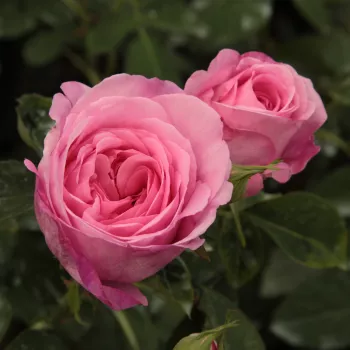
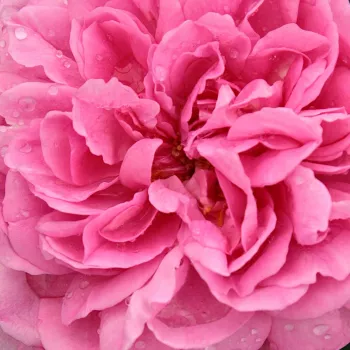
Very double, XL rosette blooms borne mainly singly, with more than 40 petals per flower and good remontancy, producing abundant second flushes; self-cleaning is weak so deadheading is advisable to maintain appearance. |
| Colour data and phenology |
Bright mid-pink colour (ARS mp, RHS 57B–57C) with good retention; buds deep pink, opening to vivid rosettes that lighten slightly in sun and cool weather to softer pink with delicate whitening around the petal edges. |
| Fragrance and aroma |
Extremely strong, far-scented old-rose fragrance, providing a classic English rose scent profile; very double flowers conceal stamens and therefore have limited pollinator access, making it primarily ornamental in function. |
| Hip characteristics |
Rosehip production is generally low because of very double blooms; where formed, hips are small, spherical, orange-red, around 8–14 mm across, with limited ornamental impact and little influence on garden performance. |
| Resistance and winter hardiness |
Moderate overall disease resistance with black spot resistance and moderate susceptibility to mildew and rust; hardy to about -26 to -23 °C (RHS H7, USDA 5b, Swedish Zone 4), with moderate heat tolerance needing irrigation in drought. |
| Horticultural recommendations |
Best suited to premium container, flower bed, specimen, hedge and cut use, with medium maintenance and occasional pest control; own-root NEONATAL starts support professional-scale production and long-term structural plantings. |
Ausbord combines award-backed pink flower quality, extremely strong fragrance and durable own-root performance to support predictable, long-lived premium shrub production; please contact us to align on scheduling, formats and capacity needs.