Botanical rose

20-240-1
20-240-2

Rosa foetida bicolor

Botanical rose

- – -

Fiery orange-red flower with a radiant golden-yellow centre and vivid colour transitions. - landscape shrub rose - strong, clearly scented rose - rich, sweet-spicy, slightly liquorice-anise

– Striking copper-red and yellow bicolour blooms.
– Strong, sweet-spicy fragrance with anise notes.
– Extremely hardy shrub, down to –35 °C.
– Excellent heat and drought tolerance.
– Open, bee-magnet flowers for wildlife gardens.
Special feature: Historic pre‑1590 sport of Rosa foetida, valued for vivid two-toned flowers and ornamental hips.
Project (landscape architecture / mass use)
Rosa foetida bicolor
pharmaROSA® NEONATAL rooted rose cutting
28,28 £
Due to courier service regulations – and the introduction of customs clearance – delivery to Ireland is temporarily suspended.
3.5 (5604)
facebook   twitter

Rosa foetida bicolor – pharmaROSA® NEONATAL rooted cutting

Rosa foetida bicolor offers landscape producers a historically significant botanical shrub rose that combines vivid two‑toned flowers with robust structural performance for project work and mass use. As a pharmaROSA® NEONATAL own‑root cutting, you receive uniform, tray‑grown material specifically geared to wholesale propagation, supporting predictable scheduling from propagation bed to finished, bush‑trained shrubs in 1.5–2 L containers and on into larger 40–50 litre units where required. The once‑flowering, self‑cleaning blooms and strong fragrance position it well as a specimen or mass shrub in thematic and collection plantings, while its good drought tolerance and high frost hardiness make it reliable for UK nursery networks serving colder and exposed regions with harsh winters and strong winds. Medium maintenance needs and moderate disease resistance call for sound air circulation and planned plant protection, but the own‑root form underpins long‑term stability, regeneration and low replacement rates in landscape schemes and living fences. Over a natural development arc from root establishment in year one, structural build‑up in year two and full ornamental expression from year three, the cultivar supports predictable capacity planning for nurseries, integrators and public‑realm suppliers aiming at uniform mass planting and collection value.


Usage options

Target area Reasoning
Project mass planting for fast visual coverage The bushy, upright habit and good self‑cleaning support rapid canopy closure and clean presentation in project mass planting beds. Using NEONATAL own‑root cuttings into 1.5–2 L pots, then on to landscape release as uniform, dense, bush‑trained units helps you deliver consistent blocks of colour and foliage. This underpins fast‑coverage specifications in public schemes while maintaining reliable propagation volumes for project-focused landscape contractors.
Thematic and heritage rose collections As a documented species/heritage shrub introduced before 1590, Rosa foetida bicolor is well suited to thematic, historical and botanical rose collections. NEONATAL material offers cultivar‑true, own‑root plants that can be maintained long term in collection beds, either in 1.5–2 L lines or as up‑potted 40–50 litre display specimens. This aligns with collection and show‑garden positioning where authenticity and continuity matter for specialist wholesale partners.
Specimen shrubs in public and park plantings The vivid orange‑red and golden‑yellow bicolour blooms with strong fragrance allow this shrub to function as a striking specimen in parks and public gardens. Starting from uniform rooted cuttings, growers can standardise a bush‑trained finished product route, supplying landscape clients with predictable size and structure. Own‑root longevity supports long‑term framework planting demanded by park‑scale project suppliers.
Living fences, hedging and screening The densely prickled, bushy growth habit lends itself to impenetrable hedges and screening along boundaries, walls and fences. From NEONATAL propagation through 1.5–2 L nursery stock, up‑potting into 40–50 litre units enables rapid establishment of living fences in public‑realm projects. The long‑lived own‑root base helps minimise replacement and stabilise maintenance budgets for infrastructure‑oriented maintenance clients.
Pollinator and wildflower garden modules Its single, open flowers with prominent yellow stamens, combined with specific pollinator‑friendly recommendations, make it a strong component in bee and wildflower garden mixes. A project mass planting route allows growers to assemble repeatable pollinator modules from 1.5–2 L stock for institutional and municipal schemes, contributing to biodiversity targets for environmentally focused public-realm buyers.
Dry, poor-soil landscape schemes Good heat and drought tolerance, plus the ability to grow in poorer soils, means this cultivar fits low‑input landscape concepts, provided plant protection and air movement are managed. NEONATAL own‑root material gives a robust base for mass planting where irrigation is limited, including UK regions with exposed continental conditions and frequent drying winds. This strengthens offers aimed at resilience‑oriented specification managers.
Cut-flower and sensory garden integration The large, cupped single blooms and strong sweet‑spicy fragrance justify dual use: seasonal cutting and sensory plantings in public or institutional gardens. A bush‑trained finished product in 40–50 litre containers can be supplied as a ready‑made sensory asset in larger schemes, while own‑root vigour supports repeated harvesting without destabilising the plant, valuable for experience‑driven garden projects.
Bird and wildlife‑supporting plantings Autumn production of small, spherical orange‑red hips offers both ornamental value and a food source for birds and small mammals, extending the plant’s function beyond flowering. Integrating this into project mass planting from NEONATAL material enables nurseries to supply biodiversity‑enhancing hedge and background schemes across the UK, including colder northern sites where winter resilience is critical for ecological landscape programmes.

Finished-product ideas

  • Historic park shrub line – Own‑root, bush‑trained 1.5–2 L plants highlighting heritage status and bicolour flowers for repeatable historic park schemes – target audience/channel: municipal park departments via project-serving wholesalers
  • Pollinator hedge module – Densely prickled, pollinator-friendly shrubs supplied as pre-planned hedge sets, rooted from NEONATAL material and finished in 1.5–2 L pots – target audience/channel: landscape contractors implementing biodiversity corridors
  • Large sensory feature tub – Strongly scented, vividly coloured shrubs grown on to 40–50 litre containers as standalone sensory units for entrances and high-footfall areas – target audience/channel: public-realm suppliers and institutional buyers
  • Dry-site landscape mix – Drought-tolerant, own-root plants integrated into mixed 1.5–2 L dry-site assortments for poor soils and low-irrigation projects – target audience/channel: integrator systems and regional nursery networks
  • Wildlife hedge and screen – Hedge-form units emphasising dense prickles and autumn hips for combined security and wildlife feed, based on uniform NEONATAL starts – target audience/channel: infrastructure and habitat-focused landscape frameworks

Technical cultivar profile
Parameter Data
Name and registration Rosa foetida bicolor is a botanical shrub rose marketed as an orange landscape shrub rose; ARS exhibition name R. foetida bicolor; unregistered cultivar with verified authenticity for professional production.
Origin and breeding Natural sport (bud mutation) of Rosa foetida, with further parentage and breeder details not provided; known in cultivation before 1590 and maintained through traditional horticultural selection and propagation.
Awards and recognition Recognised in American rose shows with multiple Genesis class wins and a Dowager Rose Queen title between 1999 and 2000, supporting its status and interest value for heritage and collection planting.
Growth and structural characteristics Bushy, upright shrub with moderately dense, light to medium green foliage and dense prickling; once-flowering with good self-cleaning, shedding petals quickly and forming some reddish hips after bloom.
Flower morphology Single, cupped flowers with 5–12 petals in clustered inflorescences; large bloom size of approximately 2.75–3.95 inches, not remontant and flowering once per season, then self-cleaning to expose stamens and hips.
Colour data and phenology Fiery orange-red upper petal surfaces with clear yellow undersides and a golden-yellow stamen ring; ARS colour code OR, RHS 30A outer and 32B inner; colour retention moderate, with softening to red-orange before petal fall.
Fragrance and aroma Strong, clearly perceptible fragrance described as rich, sweet-spicy with a slight liquorice-anise note; combined with open single blooms, this enhances sensory and ornamental value in public and collection plantings.
Hip characteristics Forms small, spherical orange-red hips about 8–10 mm in diameter; hips are ornamental in autumn and provide a useful food resource for birds and small mammals in wildlife-supporting landscapes.
Resistance and winter hardiness Very frost hardy to approximately -40 to -35 °C (RHS H6, Swedish zone 6, USDA 3a); drought and heat tolerant but with moderate disease resistance, needing good air circulation and monitoring for black spot and powdery mildew.
Horticultural recommendations Suited to specimen shrubs, beds, edging, mass planting, hedging, screens, cut and bee gardens; medium maintenance, thrives even on poor soils; own-root NEONATAL form is intended as uniform, dense, bush-trained finished stock.

Rosa foetida bicolor as pharmaROSA® NEONATAL own-root material combines historic landscape appeal, drought-tolerant shrub performance and wildlife-supporting hips with predictable, regenerative stands, making it a sound option to discuss for upcoming capacity and project schedules.

Detailed product attributes

Product Identification Data

Product Name: ROSA FOETIDA BICOLOR – orange landscape shrub rose
Product Type: pharmaROSA® NEONATAL - rooted rose cutting
Cultivar Authenticity: Verified:03.04.2025
Cultivar Quality Rating: premium bronze
Item Number: [1095] 20-240 (14.02.2026) pharmarosaneonatal.co.uk

Name and Registration

Meaning of Cultivar Name: The Latin name refers to the unpleasant odour (foetida = foul‑smelling) and to the two‑coloured flowers (bicolor = two‑coloured).
Cultivar Synonym: Austrian Copper; Austrian Copper Rose; Austrian copper briar; Bicolor atropurpurea; Capucine; Capucine Bicolore; Corn Poppy Rose; Jaune Bicolor; Rosa bicolor; Rosa foetida
Original Trade Name: Austrian Copper
Current Trade Name: Rosa foetida bicolor Botanical rose -
Rose Group: Shrub
Commercial Type: landscape shrub rose
Commercial Group: Botanical rose
Exhibition Category: species rose; heritage rose; shrub rose
Collection: Botanical rose

Origin and Breeding

Introduction Year: before 1590
Registration Year: unregistered variety
Breeder: -
Breeding Company / Institution: unknown / no data
Parentage: 'Rosa foetida' natural sport (bud mutation); further parent pairs unknown

Awards and Honours

Competition and Show Awards: Genesis – Mount Diablo Rose Society Show (1999); Genesis – Seattle Rose Society Show (1999); Dowager Rose Queen (American Rose Society) – Las Vegas Valley Rose Society Show (2000); Genesis – Butte Rose Society Show (2000); Genesis – Mount Diablo Rose Soci

Growth and Structural Characteristics

Height: #VALUE!
Spread: #VALUE!
Growth Habit: bushy, upright
Foliage: The variety's foliage is moderately dense. There is little information available on the glossiness of the leaf surface. The leaves are a light to medium green.
Prickliness: densely prickled
Self-Cleaning Description: The once-flowering, single blooms shed their petals quickly of their own accord after fading, leaving only the stamens and, in places, developing reddish hips on the flower head.
Self-Cleaning Intensity: Descriptions indicate its self-cleaning is good.

Flower Morphology

Petal Count: 5–12
Flower Fullness: single-flowered
Flower Shape: cupped
Flower Size: L (2,75-3,95 in)
Inflorescence Type: clustered
Colour Code: ARS code: OR RHS code: 30A (outer), 32B (inner)
Repeat Flowering: Not remontant; blooms once.

Colour Data and Phenology

Colour: orange
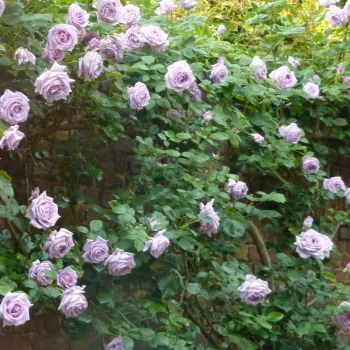
Flower Colour Description: Fiery orange-red flower with a radiant golden-yellow centre and vivid colour transitions.
Closed Bud: The closed buds are characteristically golden-yellow, from which copper-red–yellow bicoloured single flowers open.
Newly Opened Flower: The upper surfaces of the newly opened petals are bright copper‑red to orange‑red, the undersides show strong yellow along the edges of the outer petals, giving a red–yellow contrast from the side, with clearly visible golden‑yellow stamens in the centre.
Full Bloom: Fully open, the single five‑petalled bloom has a vivid copper‑red to orange‑red upper (inner) surface, while the undersides of the petals are a clear yellow with a conspicuous golden‑yellow ring of stamens at the centre, producing a strongly two‑toned, ra
Before Fading: The orange‑red tone slightly softens, fading into a softer red‑orange shade. The petal edges become lighter, with a slight translucency.
Colour Fading Description: No information is available regarding colour fading.

Fragrance and Aroma

Fragrance Strength: strong, clearly scented rose
Fragrance Character: rich, sweet-spicy, slightly liquorice-anise
Pollinator Attraction: Its simple, five‑petalled open flower form and easily accessible stamens, combined with a striking yellow centre, strongly attract bees and other pollinators.
Pollinator-Friendly Rating: specifically pollinator-friendly variety (databases and nurseries specifically recommend it as a pollinator-friendly, bee-friendly rose)

Hip Characteristics

Hip Shape: spherical
Hip Colour: orange-red
Hip Comment: Produces ornamental rose hips in autumn that provide good food for birds and small mammals.

Resistance and Hardiness

Hardiness (°C): -40–-35 °C
Heat and Drought Tolerance Description: Tolerates heat and drought well; performs reliably in sunny, hot positions and copes with little water, but requires deeper watering during prolonged drought.
Disease Resistance: moderate
  • powdery mildew – moderate
  • black spot – susceptible
  • rust – data not available

Horticultural Recommendations

Recommended product path: Project mass planting
Release form: Uniform, dense, bush-trained finished product
Recommended use: Maintenance requirement medium; very frost-hardy and drought-tolerant, grows well in poor soils but is relatively susceptible to black spot, rust and powdery mildew, so requires good air circulation, regular monitoring and plant protection when necessary.
Primary Uses: specimen shrub and park rose, for beds and edging, mass planting, hedging and screening / living fence (also suitable for impenetrable hedges), background planting against walls or fences, cut flowers, for bee and wildflower gardens

Comments

Positioning: Project (landscape architecture / mass use)
Target customer/channel: Landscape contractor, project-serving wholesaler / maintenance
Main value proposition: Fast coverage – uniformity
ROSA FOETIDA BICOLOR – orange landscape shrub rose
Fiery orange-red flower with a radiant golden-yellow centre and vivid colour transitions. - landscape shrub rose - strong, clearly scented rose - rich, sweet-spicy, slightly liquorice-anise
#VALUE!
Inflorescence: clustered Height: #VALUE! Flower shape: cupped Winter hardiness: 5b orange - - landscape shrub rose - Flower size: L (2,75-3,95 in) Flower size: L (2,75-3,95 in) - Height: #VALUE! Height: #VALUE! - Flower fullness: single-flowered Rosa foetida bicolor - Roses in the garden | pharmaROSA® Neonatal - premium bronze -

We showcase the external appearance of the roses available for online purchase from our webshop.


Which product type is right for you?


PharmaRosa® NEONATAL is the cost‑effective starting point for rose product production.

As a uniform, own‑rooted propagation material, it provides a stable basis for further growing-on and can be integrated flexibly into different finished product production technologies.

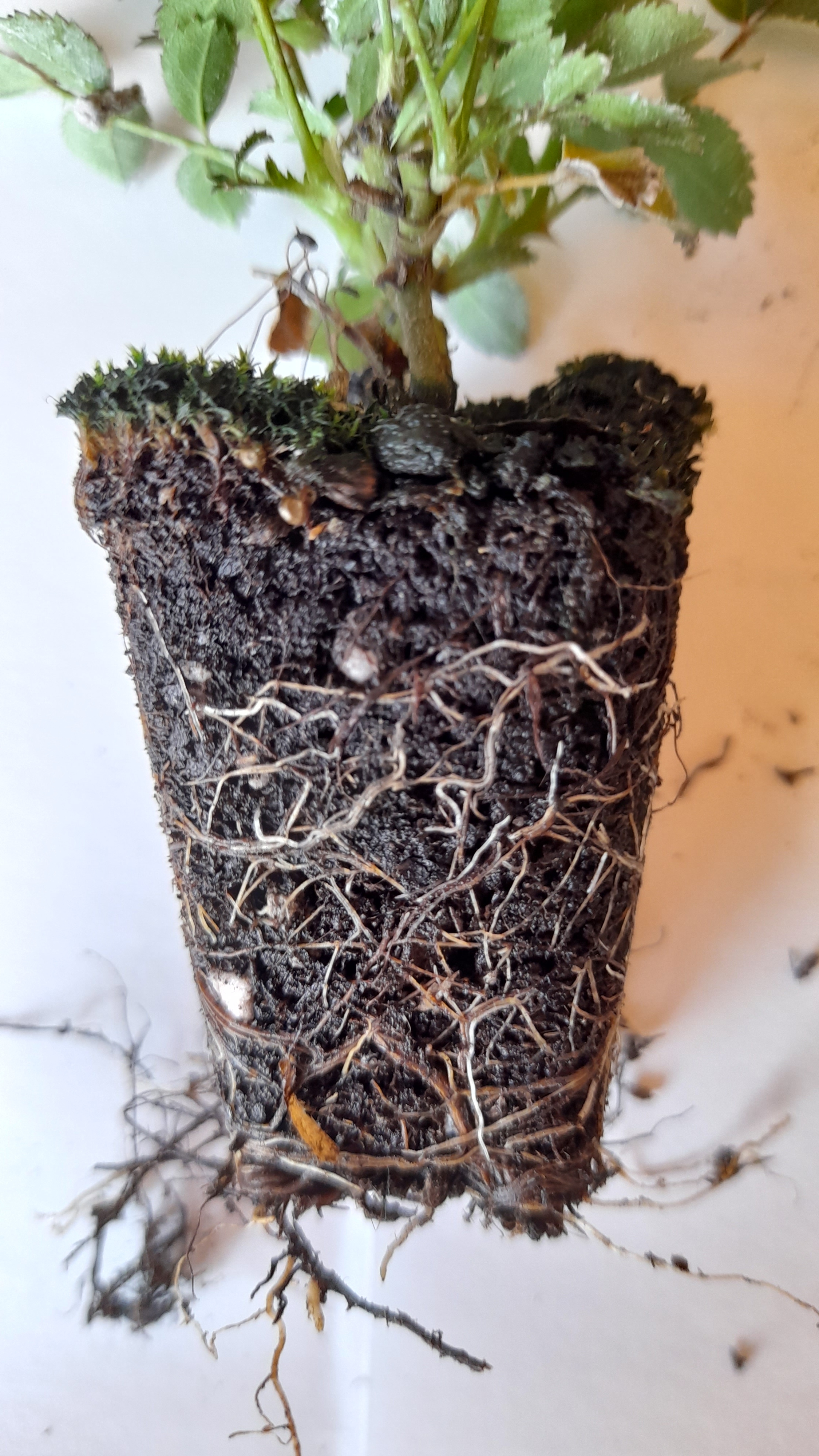
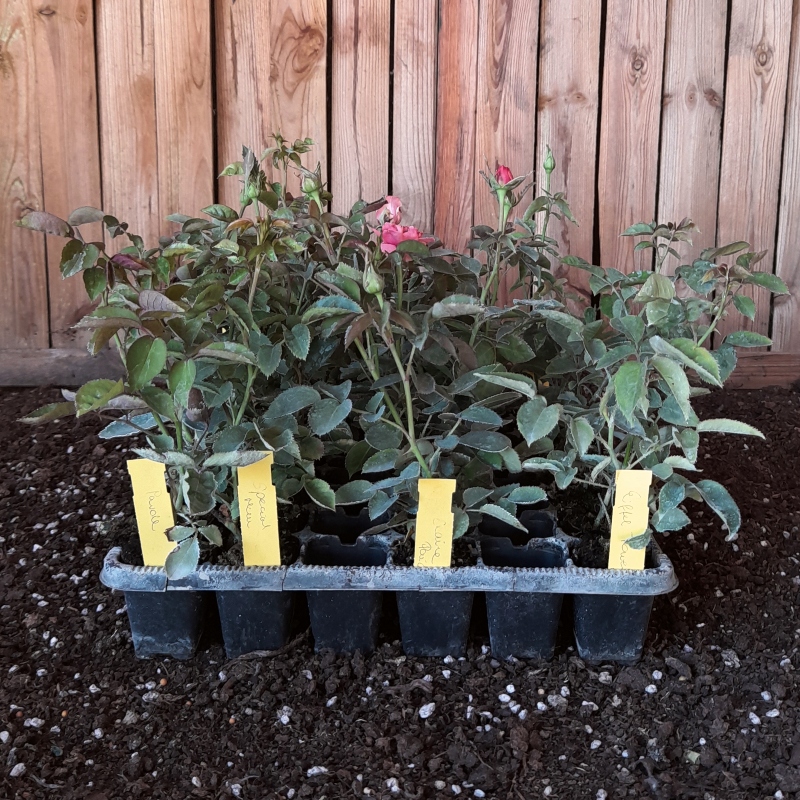
Rooted in trays (rooted), 3–6‑month‑old, own‑rooted rose cutting.
Uniform developmental stage, with a root system that has thoroughly penetrated the plug.
For professional growing‑on.
Tray packaging: 10 pcs/tray.
Quality and varietal identity: production supported by a dedicated identification and traceability logic.
Can be transplanted during frost‑free periods, designed for finished product production.

PharmaRosa® NEONATAL provides a controlled, uniform starting stock for planned growing‑on that can be integrated into your own technology – especially where scheduling and varietal identity are paramount.


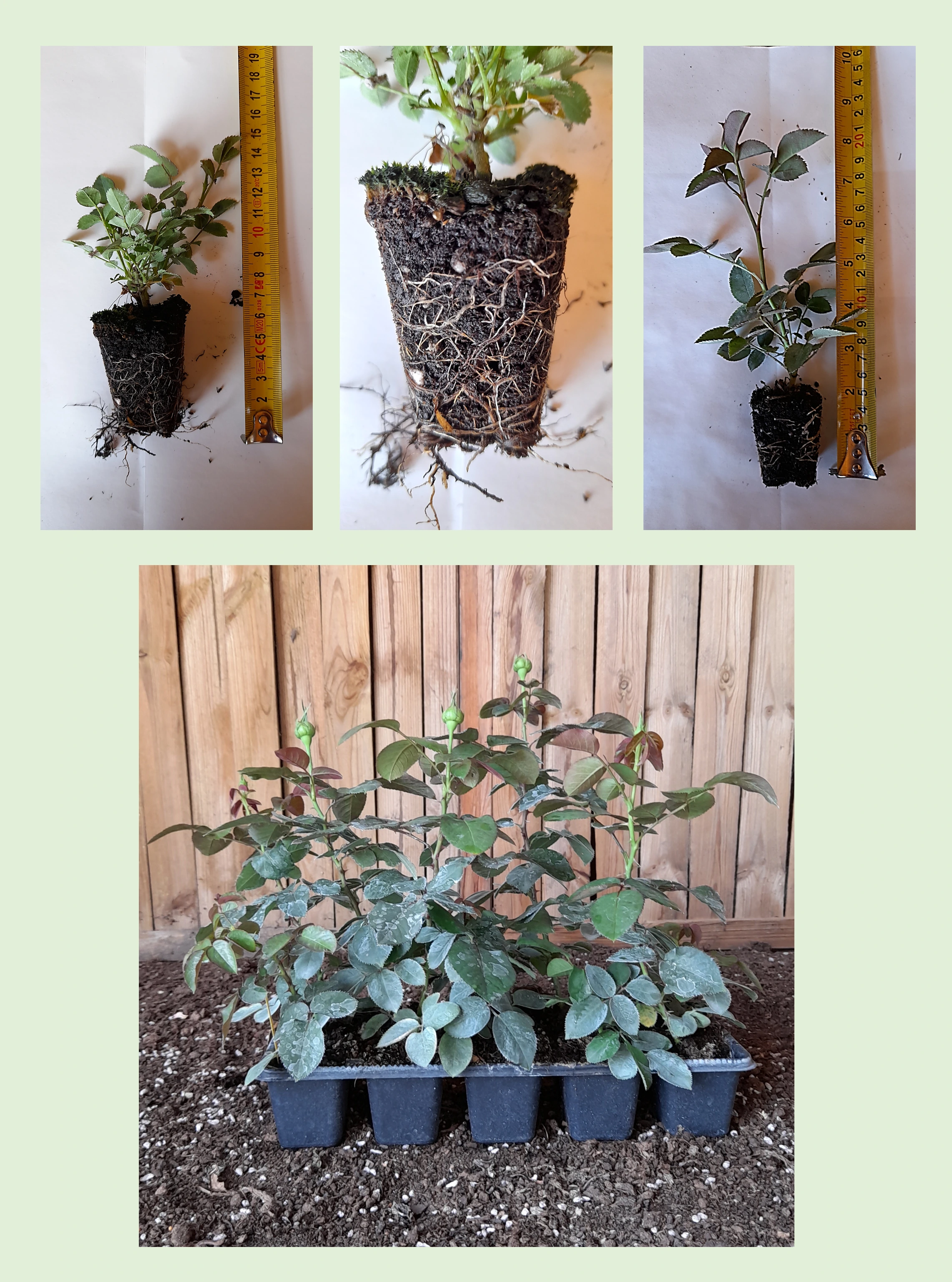
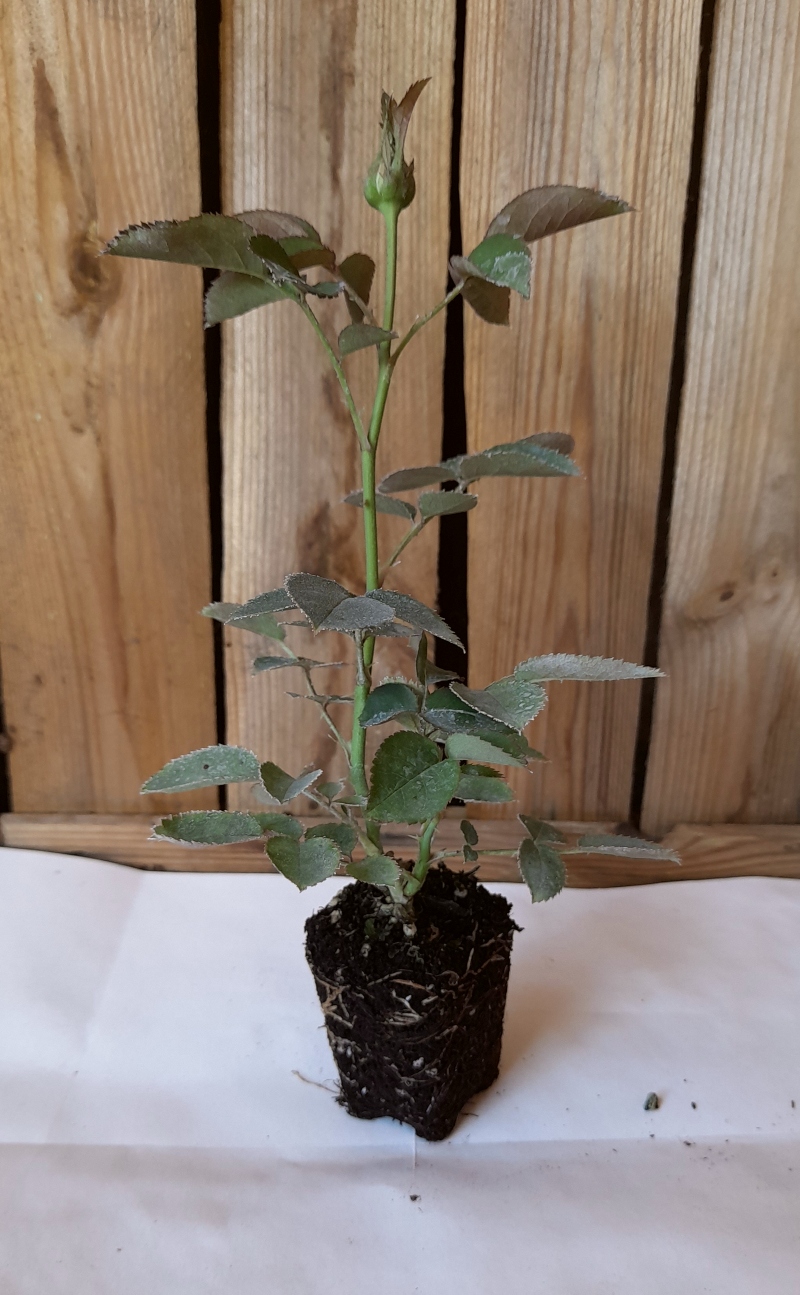
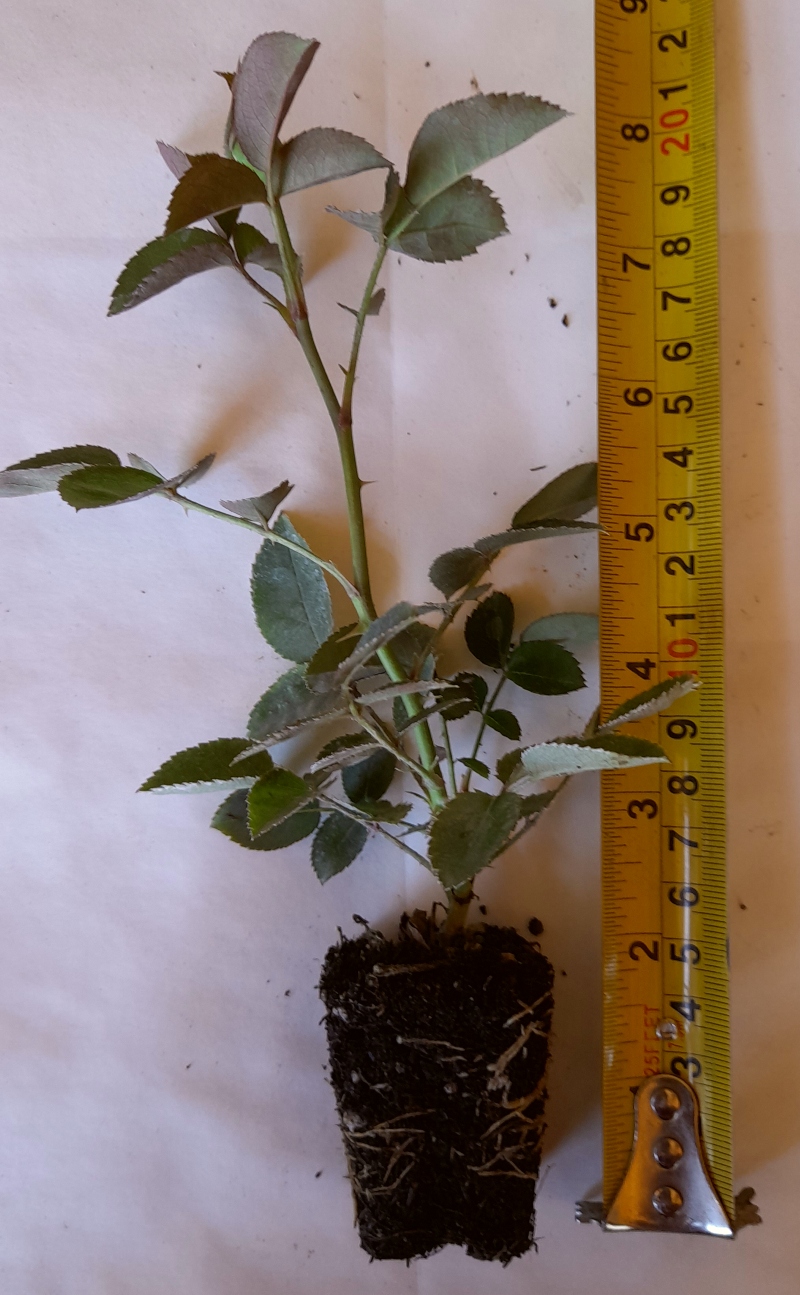
PharmaRosa® NEONATAL own-rooted rose propagation material in a plug, with a root system penetrating the plug (semi-finished product / semi-finished rose). PharmaRosa® NEONATAL rose propagation material size: 3–6‑month‑old, own-rooted cutting with a uniform developmental stage. PharmaRosa® NEONATAL rose propagation material root system: plug densely penetrated by well-developed white roots (root system detail). PharmaRosa® NEONATAL tray stock: own-rooted rose propagation material in trays, uniform developmental stage (10 pcs/tray).

Captions (from left to right): Semi-finished product (NEONATAL own-rooted rose propagation material in a plug with a fully developed root system) • Size demonstration (3–6‑month‑old, uniform cutting) • Root system detail (plug penetrated by the root system) • Tray stock (10 pcs/tray, uniform developmental stage)

pharmarosaneonatal.hupharmarosaneonatal.atpharmarosaneonatal.co.ukpharmarosaneonatal.czpharmarosaneonatal.depharmarosaneonatal.ropharmarosaneonatal.sipharmarosaneonatal.skpharmarosaneonatal.itpharmarosaneonatal.frpharmarosaneonatal.nlpharmarosaneonatal.plpharmarosaneonatal.lupharmarosaneonatal.ptpharmarosaneonatal.espharmarosaneonatal.ltpharmarosaneonatal.sepharmarosaneonatal.lvpharmarosaneonatal.eepharmarosaneonatal.fi

Which product type is right for you?

Pages for private customers
Garden roses for the family garden, with minimal care  → ORIGINAL®
Premium garden roses – instant impact, a truly showpiece garden  → EXTRA®
Pages for professionals and private customers
Roses for public spaces – large areas, sustainable maintenance  → NATURAL®
Roses for projects – hedge and row planting, fast implementation  → RAPID®
For professional partners only
Production – propagation material for garden roses, wholesale  → NEONATAL®

Company details

PharmaRosa Ltd.
Company registration number: 01-09-717479
VAT number: 13075314-2-43
Plant health registration no.: HU130721
Bank account (IBAN):
HU85117631891388688400000000
BIC (SWIFT): OTPVHUHB
Bank name: OTP Bank Nyrt.