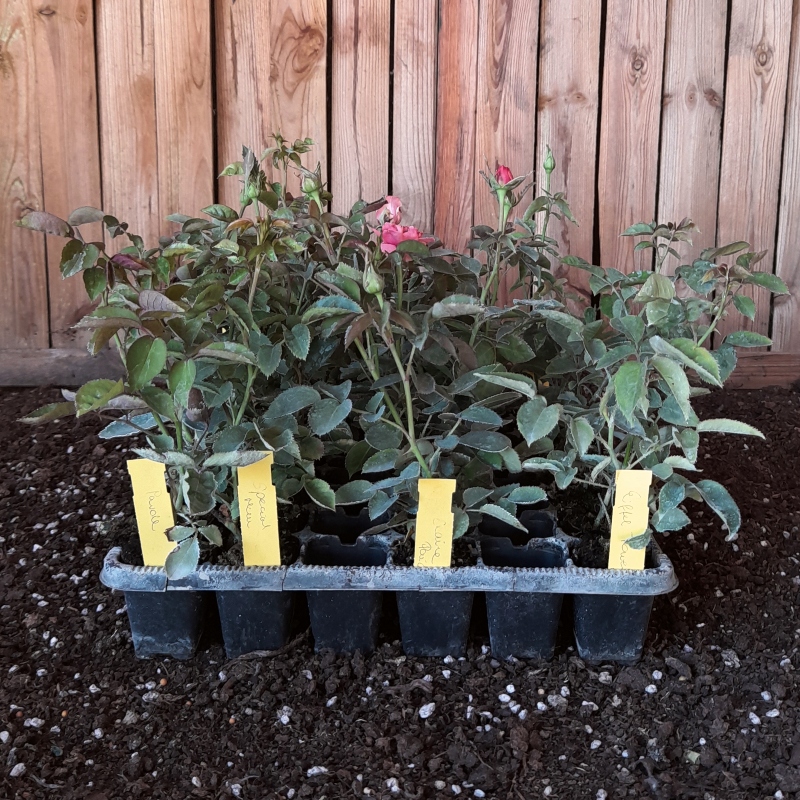
Hybrid tea rose

20-018-1
20-018-2

Budatétény

Hybrid tea rose

- – Márk Gergely

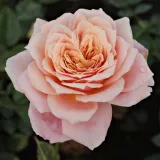
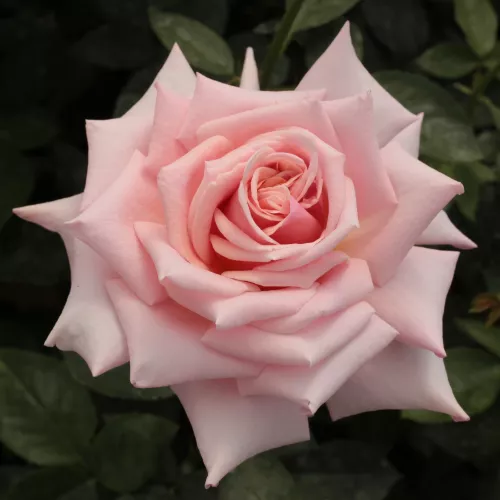
Soft peach base tone with a pinkish‑orange hue and a delicate yellowish shimmer. - hybrid tea rose - medium-strength, clearly noticeable scented rose - fresh and delicate

– Elegant high‑centred cut‑flower quality blooms.
– Refined peach‑pink colour with warm tones.
– Medium, fresh and delicate fragrance.
– Good heat and drought tolerance in summer.
– Reliable winter hardiness to RHS H7.
Special feature: Gold medal winner at Hamburg IGA 1963, a historic Márk hybrid tea from Budatétény.
Exclusive finished product
Budatétény
pharmaROSA® NEONATAL rooted rose cutting
27,05 £
Due to courier service regulations – and the introduction of customs clearance – delivery to Ireland is temporarily suspended.
4.5 (6559)
facebook   twitter

Budatétény – peach-pink hybrid tea rose – pharmaROSA® NEONATAL

Budatétény offers a reliable hybrid tea profile for professional propagation, combining exhibition-grade flower quality with a remontant, high-centred cut-rose form that supports premium container production and 5–7 L release formats. Its medium maintenance needs with only occasional plant protection make it practical for nursery networks focused on exclusive finished-product supply, while own-root production stabilises long-term stocks for thematic rose collections and cultivar-focused ranges. Good heat and drought tolerance supports consistent output even in warmer, drier South-East conditions, where dependable flowering and colour retention are critical to uphold retail and reseller confidence. As year one prioritises root establishment, year two delivers framework shoot structure, and year three brings full ornamental value, this cultivar fits smoothly into multi-year planning cycles for professional wholesale partners.


Usage options

Target area Reasoning
Premium 5–7 L container roses for retail/reseller programmes The remontant flowering with an abundant second flush supports a premium container route where repeated display is required at point of sale. In a 5–7 L premium container, plants can be bush-trained on 3–5 strong framework canes, giving a clean, upright outline that suits exclusive finished-product positioning. Own-root material allows nurseries to plan multi-year crops with predictable regrowth and low replacement, aligning well with retail and reseller price points and presentation standards for retail / reseller.
Cut-flower oriented garden production for local floristry supply The high-centred, pointed bud and solitary, long L-sized blooms fit hybrid tea cut-flower expectations in local, field-grown or container-based garden cut production. Using the premium container route as a starter, growers can establish beds from bush-trained NEONATAL units and cut on from 5–7 L material once framework canes are secure. Flower-bed and cut-flower suitability combined with own-root durability supports repeat cutting over several seasons without rootstock variability, which is attractive where floristry lines are channelled through retail / reseller.
Thematic rose collections and show-garden hybrid tea lines Budatétény’s exhibition hybrid tea classification and IGA Hamburg Gold Medal (1963) provide clear talking points for thematic rose gardens and curated collections. Own-root propagation gives a stable identity base, valuable when building cultivar-based storylines and show plantings. The premium container route and 5–7 L target pot enable uniform, presentation-ready units for collection planting, while medium maintenance requirements support long-term displays in dedicated rose gardens served via retail / reseller.
Heat- and drought-tolerant lines for south-facing beds and containers Good heat and drought tolerance reduces stress losses in exposed production and in customer sites with limited irrigation, particularly for South-East oriented project routes where summers are increasingly dry and warm. In nursery practice, this simplifies holding and hardening-off stages for 5–7 L premium containers, as plants maintain flower quality and foliage under heat. Own-root resilience under such loads supports dependable contract fulfilment and stable exclusivity promises for retail / reseller.
Colour-focused bed runs for high-visibility retail displays The soft peach-pink, with a controlled transition from deeper peach-orange to a paler rim and good colour retention, lends itself to unified, colour-blocked benches and flower beds. In premium container production, uniform own-root batches help achieve consistent colour staging across deliveries. The hybrid tea flower form and remontant habit support ongoing, saleable presentation throughout the season, strengthening the perceived value of exclusive product lines aimed at retail / reseller.
Fragrant hybrid tea range extensions in existing rose assortments The medium-strength, clearly noticeable fresh and delicate fragrance allows growers to extend scented hybrid tea offerings without compromising on structure or flower form. When bush-trained to 3–5 canes in 5–7 L premium containers, the plants combine fragrance, form and manageable size for benches and display tables. Own-root longevity means fragrance performance remains stable over years, making range planning and labelling straightforward for fragrance-prominent concepts sold via retail / reseller.
Moderate-maintenance projects where aesthetic value must remain reliable Medium maintenance needs with only occasional plant protection suit professional operators who require dependable, not overly demanding, cultivars for continuous stock. In propagation beds and container lines, this limits labour peaks and aligns with integrated pest management. Own-root stands maintain structure and flowering even when treatments are scheduled economically, which is valuable where exclusive finished products must still deliver dependable performance through retail / reseller.
Pollinator-conscious ornamental beds in curated gardens Semi-double, 13–25 petalled flowers provide partial pollinator value while retaining a clear hybrid tea appearance for formal beds and thematic gardens. Using the premium container route, nurseries can supply ready-trained bushes that fit into curated designs which balance ornamental quality with some ecological consideration. This is particularly relevant where public-realm or collection-type projects seek hybrid teas that are not entirely closed to insects, and where sourcing runs through specialist retail / reseller.

Finished-product ideas

  • Premium 5–7 L exhibition hybrid tea – NEONATAL own-root material bush-trained on 3–5 canes, positioned as an exclusive peach-pink hybrid tea with high-centred, cut-rose style flowers and medium maintenance needs – target: premium garden-rose tables via retail / reseller.
  • Peach-pink cut-and-enjoy garden rose – finished in 5–7 L containers for quick establishment in flower beds dedicated to home cutting, leveraging remontant flowering and solitary, L-sized buds – target: independent garden centres and specialist resellers.
  • Thematic collection: Márk hybrid teas – curated line highlighting breeder origin and the Budatétény name story, supplied as uniform own-root bushes with stable colour retention for show and collection gardens – target: nurseries building branded or private-label rose collections.
  • Heat-tolerant patio feature rose – positioned for sunnier, drier sites using its good heat and drought tolerance, offered in premium 5–7 L pots as a reliable, remontant focal plant – target: retail chains and resellers serving South-East and exposed locations.
  • Fragrant formal bed hybrid tea – batches selected for fragrance and colour uniformity, destined for formal beds in public or semi-public projects, with own-root stability and medium maintenance needs supporting long-term schemes – target: project-focused nurseries and contract growers.

Technical cultivar profile
Parameter Data
Name and registration Hybrid tea rose marketed as Budatétény, exhibition hybrid tea and cut-flower category; current trade name Budatétény Hybrid tea rose Márk; American Rose Society approved exhibition name Budatétény.
Origin and breeding Bred in Hungary in 1960 by Márk Gergely from ‘Planten un Blomen’ × ‘Golden Masterpiece’; introduced by PharmaRosa® Ltd., with registration recorded in 1967; detailed initial breeding institution data not provided.
Awards and recognition Received an IGA Gold Medal in Hamburg in 1963, underlining its exhibition value and flower quality; this historical award supports positioning within thematic collections and quality-focused hybrid tea assortments.
Growth and structural characteristics Upright bush habit reaching 65–90 cm high and 50–70 cm spread, with moderately dense, glossy light mid-green foliage and moderate thorniness; self-cleaning strength not provided, suggesting standard spent-bloom management in production.
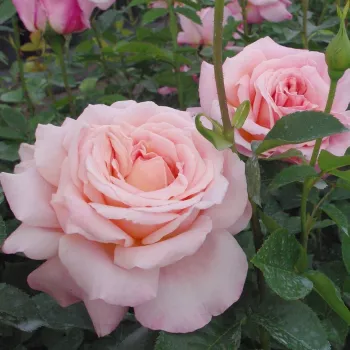
Flower morphology Semi-double blooms with 13–25 petals, solitary on stems, L-sized (approx. 2.75–3.95 in), high-centred with pointed, cut-rose type buds; repeat-flowering with a particularly abundant second flush, suitable for exhibition-style presentation.
Colour data and phenology Soft peach base with pinkish-orange hue and delicate yellowish shimmer; newly opened flowers show stronger inner orange-pink, later becoming even peach-pink with paler rims; good colour retention with gradual fading and ARS colour code OB, RHS 35B outer, 33D inner.
Fragrance and aroma Fresh and delicate fragrance character at medium strength, clearly noticeable without being overpowering; offers a distinct scented-rose experience while remaining compatible with close-planting and display use in retail and collection settings.
Hip characteristics Moderate hip formation with globular, spherical hips about 8–12 mm in diameter, coloured orange-red; hips add some late-season ornamental interest where not removed, although the cultivar is primarily grown for its flowers.
Resistance and winter hardiness Rated RHS H7 with hardiness around –21 to –18 °C, USDA zone 6b and Swedish zone 3; disease resistance generally moderate to powdery mildew, black spot and rust, calling for occasional plant protection within standard nursery regimes.
Horticultural recommendations Recommended primarily for flower beds and cut-flower use, with medium maintenance needs; supplied as bush-trained material on 3–5 strong framework canes for premium container production, particularly 5–7 L, using pharmaROSA® NEONATAL rooted own-root cuttings.

Budatétény combines remontant, high-centred hybrid tea flowers, good heat and drought tolerance and medium maintenance needs on a predictable, regenerative own-root base, making it a solid candidate for exclusive ranges where we can jointly plan volumes and timing.
Detailed product attributes

Product Identification Data

Product Name: BUDATÉTÉNY – peach-pink hybrid tea rose - Márk
Product Type: pharmaROSA® NEONATAL - rooted rose cutting
Cultivar Authenticity: Verified:14.10.2025
Item Number: [54] 20-018 (14.02.2026) pharmarosaneonatal.co.uk

Name and Registration

Meaning of Cultivar Name: The name refers to Budatétény, a neighbourhood in Budapest’s 22nd district, which is home to the Budatétény Rose Garden.
Cultivar Synonym: Budateteni; Budatetini
Original Trade Name: Budatétény
Current Trade Name: Budatétény Hybrid tea rose Márk
Rose Group: Hybrid Tea
Commercial Type: hybrid tea rose
Commercial Group: Hybrid tea rose
Exhibition Category: cut flower; exhibition hybrid tea
Collection: Hybrid tea rose

Origin and Breeding

Initial Distributor: PharmaRosa® Ltd. (Hungary)
Introduction Year: Data not available
Breeder: Márk Gergely
Breeding Company / Institution: unknown / no data
Breeding Year: Hungary, 1960
Parentage: ‘Planten un Blomen’ × ‘Golden Masterpiece’

Growth and Structural Characteristics

Height: 2.1-3ft (65-90 cm)
Spread: 1.6-2.3ft (50-70 cm)
Growth Habit: upright
Foliage: The variety has moderately dense foliage; the leaves are glossy and a light mid-green colour.
Prickliness: moderately thorny
Self-Cleaning Description: No data on self-cleaning.

Self-Cleaning Intensity: No data available on self-cleaning strength.

Flower Morphology

Petal Count: 13-25
Flower Fullness: semi-double
Flower Shape: high-centred, pointed bud (cut-rose type)
Flower Size: L (2,75-3,95 in)
Inflorescence Type: solitary
Colour Code: ARS code: OB RHS code: 35B (outer), 33D (inner)
Repeat Flowering: Remontant, with an abundant second flush.

Colour Data and Phenology

Colour: peach-pink
Flower Colour Description: Soft peach base tone with a pinkish‑orange hue and a delicate yellowish shimmer.
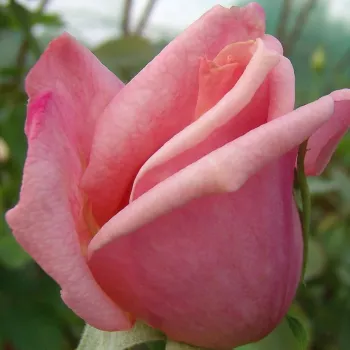
Closed Bud: Deep peachy‑orange outer petals with a slight pinkish flush at the tip.
Newly Opened Flower: The outer petal edges are a paler peach, while the inner petals are a more vivid orange‑pink, gleaming with a fresh creamy lustre.
Full Bloom: Even peach‑pink, with a warmer orange tone in the centre, slightly lightening at the edges.
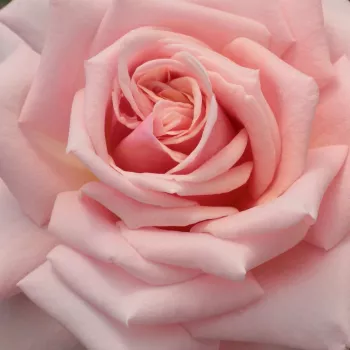
Before Fading: The petal edges turn a paler pink, with salmon‑yellowish shades appearing in the centre.
Colour Fading Description: During opening the deep peach–orange tone softens to peach‑pink, the edges gradually lighten; before fading a paler pink rim and a salmon‑yellowish centre appear.

Fragrance and Aroma

Fragrance Strength: medium-strength, clearly noticeable scented rose
Fragrance Character: fresh and delicate
Pollinator Attraction: Semi-double, 13–25-petalled flowers moderately attract pollinators, as the semi-double flower form and reduced accessibility of the stamens limit pollinator access to pollen and nectar compared with simple blooms.
Pollinator-Friendly Rating: Semi-double flowers (13–25 petals) moderately attract pollinators and are therefore considered partially pollinator-friendly.

Hip Characteristics

Hip Shape: spherical
Hip Colour: orange-red
Hip Comment: Moderate hip formation, 8–12 mm diameter, globular, orange‑red hips.

Resistance and Hardiness

Hardiness (°C): -21–-18 °C
Heat and Drought Tolerance Description: Tolerates heat well and is also drought‑tolerant.
Disease Resistance: moderate
  • powdery mildew – moderate
  • black spot – moderate
  • rust – moderate

Horticultural Recommendations

Recommended product path: Premium container
Release form: Bush-trained, with 3–5 strong framework canes
Recommended use: Maintenance requirement medium; occasional plant protection is required.
Primary Uses: flower bed, cut flower

Comments

Positioning: Exclusive finished product
Target customer/channel: Retail / reseller
Main value proposition: Flower quality, form
BUDATÉTÉNY – peach-pink hybrid tea rose - Márk
Soft peach base tone with a pinkish‑orange hue and a delicate yellowish shimmer. - hybrid tea rose - medium-strength, clearly noticeable scented rose - fresh and delicate
Online rose purchase - peach-pink - medium-strength, clearly noticeable scented rose - Budatétény - hybrid tea rose - (2.1-3ft (65-90 cm))
Inflorescence: solitary Height: 2.1-3ft (65-90 cm) Flower shape: high-centred, pointed bud (cut-rose type) Winter hardiness: - peach-pink - PharmaRosa® Ltd. (Hungary) hybrid tea rose - Flower size: L (2,75-3,95 in) Flower size: L (2,75-3,95 in) - Height: 2.1-3ft (65-90 cm) Height: 2.1-3ft (65-90 cm) - Flower fullness: semi-double Budatétény - Roses in the garden | pharmaROSA® Neonatal - standard Márk Gergely

We showcase the external appearance of the roses available for online purchase from our webshop.


Which product type is right for you?


PharmaRosa® NEONATAL is the cost‑effective starting point for rose product production.

As a uniform, own‑rooted propagation material, it provides a stable basis for further growing-on and can be integrated flexibly into different finished product production technologies.
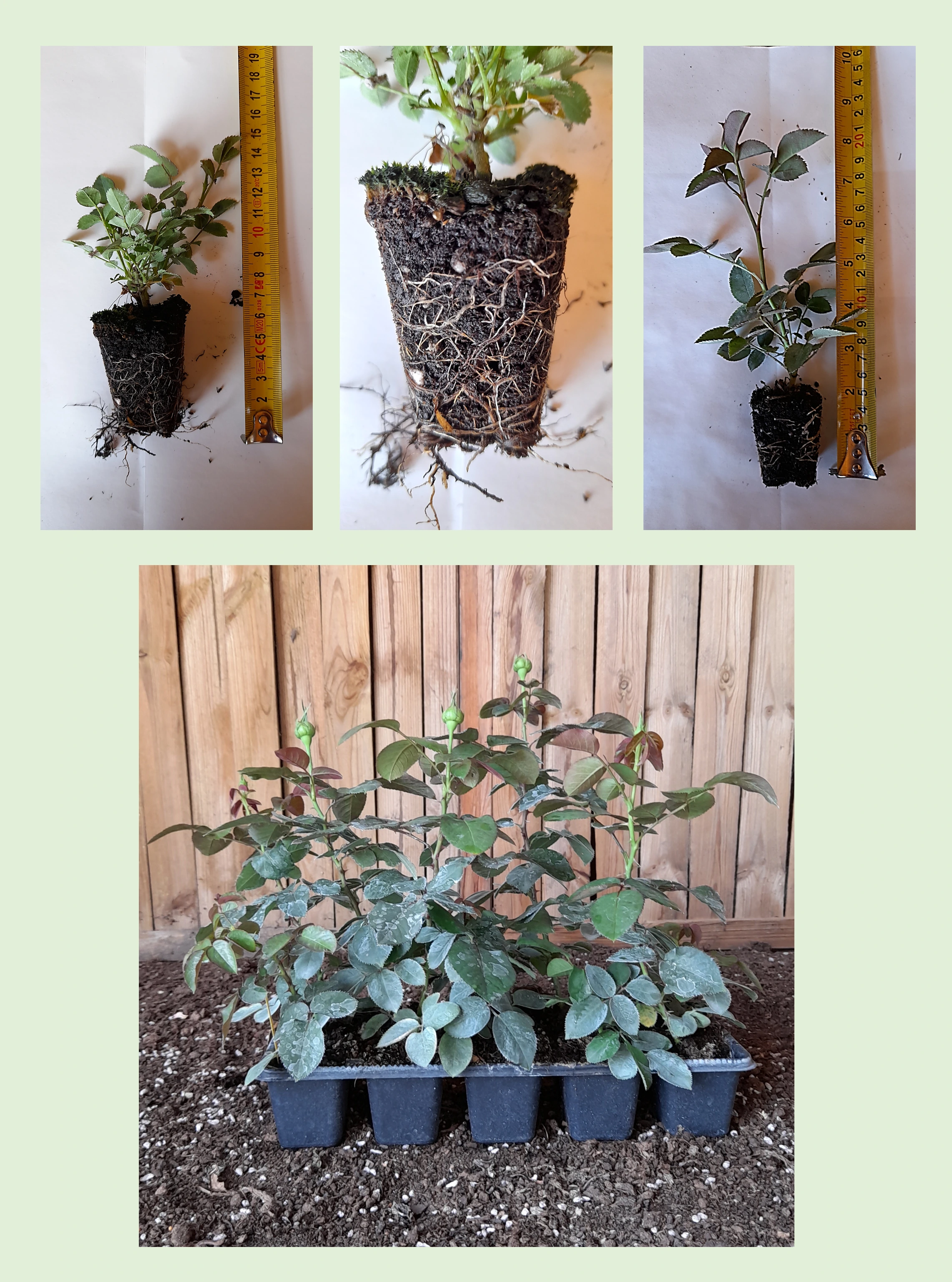
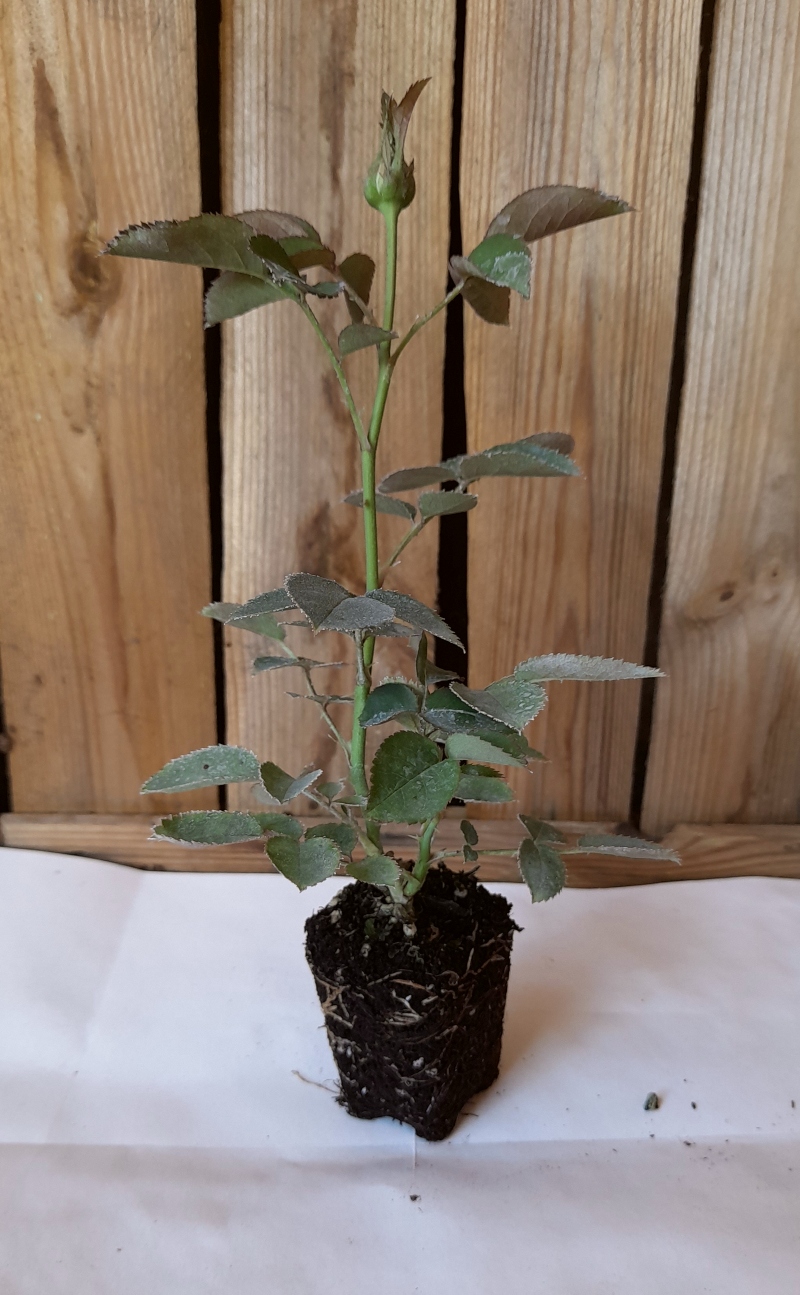
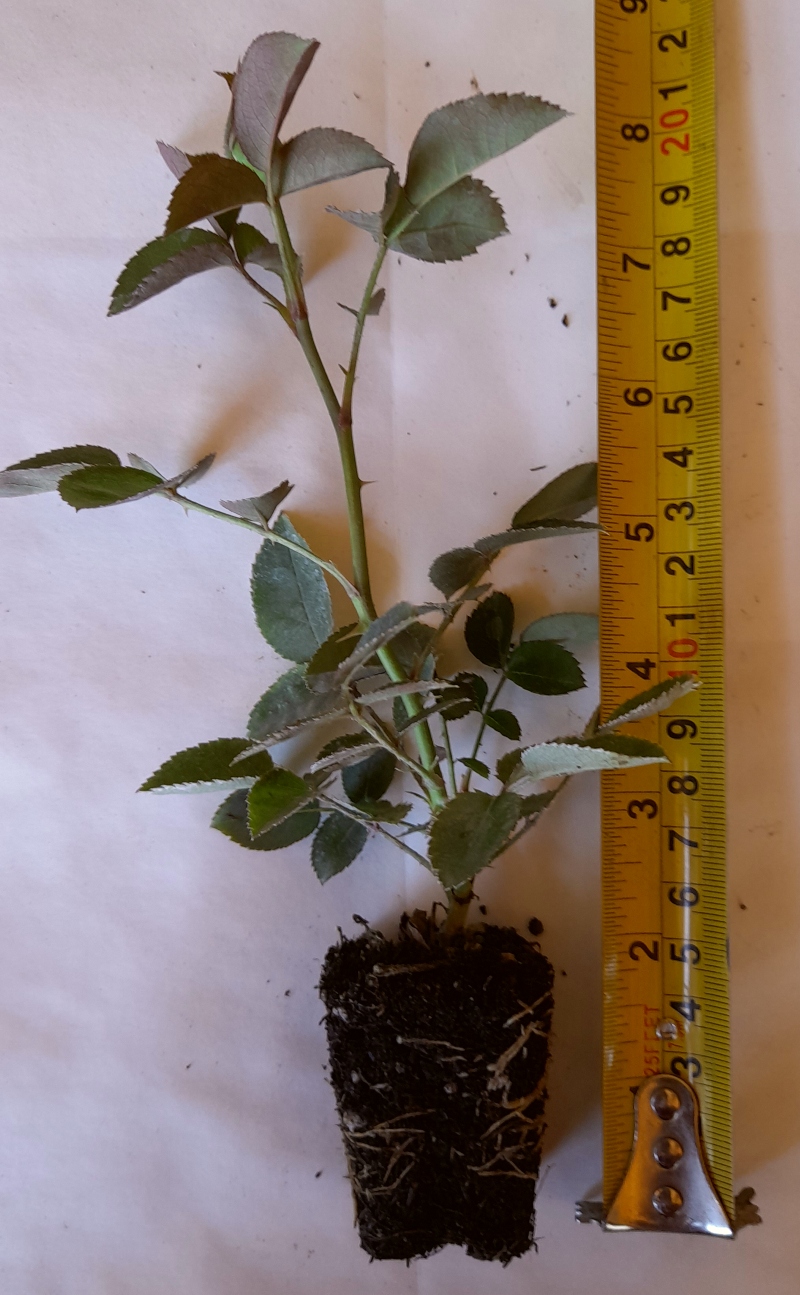
Rooted in trays (rooted), 3–6‑month‑old, own‑rooted rose cutting.

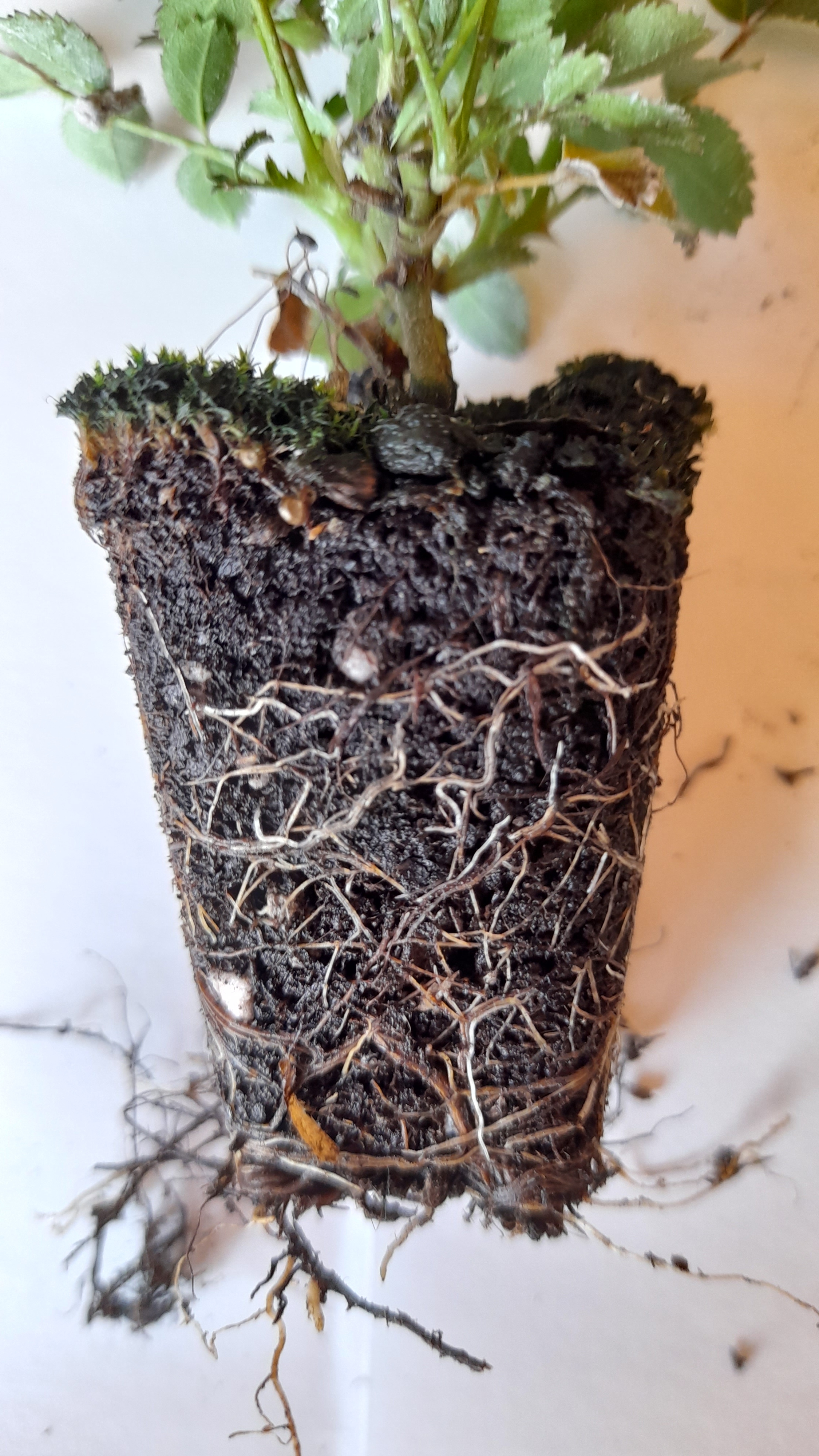
Uniform developmental stage, with a root system that has thoroughly penetrated the plug.
For professional growing‑on.
Tray packaging: 10 pcs/tray.
Quality and varietal identity: production supported by a dedicated identification and traceability logic.
Can be transplanted during frost‑free periods, designed for finished product production.

PharmaRosa® NEONATAL provides a controlled, uniform starting stock for planned growing‑on that can be integrated into your own technology – especially where scheduling and varietal identity are paramount.


PharmaRosa® NEONATAL own-rooted rose propagation material in a plug, with a root system penetrating the plug (semi-finished product / semi-finished rose). PharmaRosa® NEONATAL rose propagation material size: 3–6‑month‑old, own-rooted cutting with a uniform developmental stage. PharmaRosa® NEONATAL rose propagation material root system: plug densely penetrated by well-developed white roots (root system detail). PharmaRosa® NEONATAL tray stock: own-rooted rose propagation material in trays, uniform developmental stage (10 pcs/tray).

Captions (from left to right): Semi-finished product (NEONATAL own-rooted rose propagation material in a plug with a fully developed root system) • Size demonstration (3–6‑month‑old, uniform cutting) • Root system detail (plug penetrated by the root system) • Tray stock (10 pcs/tray, uniform developmental stage)

pharmarosaneonatal.hupharmarosaneonatal.skpharmarosaneonatal.ropharmarosaneonatal.depharmarosaneonatal.co.ukpharmarosaneonatal.sipharmarosaneonatal.czpharmarosaneonatal.atpharmarosaneonatal.itpharmarosaneonatal.frpharmarosaneonatal.plpharmarosaneonatal.espharmarosaneonatal.nlpharmarosaneonatal.ptpharmarosaneonatal.lupharmarosaneonatal.sepharmarosaneonatal.lvpharmarosaneonatal.fipharmarosaneonatal.ltpharmarosaneonatal.ee

Which product type is right for you?

Pages for private customers
Garden roses for the family garden, with minimal care  → ORIGINAL®
Premium garden roses – instant impact, a truly showpiece garden  → EXTRA®
Pages for professionals and private customers
Roses for public spaces – large areas, sustainable maintenance  → NATURAL®
Roses for projects – hedge and row planting, fast implementation  → RAPID®
For professional partners only
Production – propagation material for garden roses, wholesale  → NEONATAL®

Company details

PharmaRosa Ltd.
Company registration number: 01-09-717479
VAT number: 13075314-2-43
Plant health registration no.: HU130721
Bank account (IBAN):
HU85117631891388688400000000
BIC (SWIFT): OTPVHUHB
Bank name: OTP Bank Nyrt.