Historical Rose

20-402-1
20-402-2

Charles de Mills

Heritage rose

- – -

Deep, velvety crimson-purple base colour with subtle lilac undertones. Slight wine-red tones appear in darker lighting conditions. - historic, gallica rose - strong, far-scented rose - full, classic gallica scent

– XL, very double rosette blooms in clusters.
– Deep crimson-purple colour with lilac tones.
– Strong, far-scented, classic gallica fragrance.
– Hardy to -32 °C, reliable garden performance.
– Awarded the RHS Award of Garden Merit.
– Special feature: Historic 18th-century variety with ornamental autumn hips.
Selection / specialty
Charles de Mills
pharmaROSA® NEONATAL rooted rose cutting
28,80 £
Due to courier service regulations – and the introduction of customs clearance – delivery to Ireland is temporarily suspended.
5 (6941)
facebook   twitter

CHARLES DE MILLS – purple-lilac historic Gallica rose

Historic own-root pharmaROSA® NEONATAL material of CHARLES DE MILLS provides a stable base for nursery networks targeting premium collector ranges and heritage-focused project work. The cultivar combines dense, upright structure with XL, very double rosette blooms and a strong gallica fragrance, positioning it naturally in premium container and specimen production for thematic rose gardens and curated historical collections. As an own-root cutting, it supports long-lived, renewable stands with predictable ornamental value under repeated propagation loads, aligning well with UK nursery and public-realm supply chains where cold hardiness and dependable character matter. Medium-maintenance, bush-trained plants with discreet support in 5–7 L specialist containers can be grown on methodically, with root development in year one, structural shoot formation in year two, and full ornamental expression from year three, offering a reliable historic highlight for collection-led wholesale programmes.


Usage options

Target area Reasoning
Premium historic hedge lines for heritage projects The dense foliage and upright habit give reliable structural mass for formal hedge or boundary lines, while the once-blooming XL rosette flowers deliver a concentrated historic display ideal for heritage-led schemes. Bush-trained plants with discreet support in 5–7 L premium containers move cleanly from propagation beds into landscape-scale planting, matching a premium container, specialty route. Own-root form underpins long-term hedge integrity and low replacement over repeated seasons, supporting selection / specialty positioning for nursery and landscape-contract channels
Specimen plants in thematic rose collections Characterful, very double, deep crimson-purple blooms with strong, classic gallica scent make this cultivar highly legible as a focal specimen in themed gallica or historic beds. Growing on as bush-trained material with discreet support in 5–7 L allows nurseries to deliver a tidy, well-framed plant at point of sale, suitable for retail/collector channels and curated rose gardens. Own-root stability supports repeated pruning and re-formation without loss of cultivar identity, aligning with long-term collection management and a main value proposition built on historic value for specialist retail and collection projects
Cut-flower oriented heritage ranges The XL, very double rosette flowers and strong, far-scented fragrance suit niche cut-flower lines focusing on historic character rather than year-round continuity. Non-remontant flowering encourages a scheduled, single-peak harvest that can be integrated with premium container, specialty production and short-run heritage campaigns. Bush-trained plants with discreet support provide straight, usable stems, while own-root durability allows repeated seasonal cropping from the same stool lines, reinforcing the selection / specialty profile for historic cut-flower and florist partners
Park and estate plantings with historic emphasis Medium maintenance needs and medium disease resistance make this cultivar workable in managed park settings where regular care, feeding and watering are standard. The strong fragrance and deep, velvety crimson-purple display add interpretation value in historical or narrative planting schemes. Bush-trained, discreetly supported plants from 5–7 L containers establish rapidly into park beds or mixed historic borders. Own-root resilience supports regeneration after harder renovation pruning or weather damage, well suited to public-realm suppliers serving cooler, exposed sites in Scotland and northern England where winter and wind tolerance support municipal and estate-specifier supply
Flower-bed lines for specialist retail Uniform, upright plants with dense foliage translate effectively into repeatable flower-bed lines for independent garden centres and specialist retailers. A premium container, specialty route in 5–7 L pots presents the once-blooming but highly dramatic flush as a clear selling point, supported by its RHS Award of Garden Merit. Own-root propagation offers homogeneous batches and predictable sizing, simplifying bench planning and seasonal drop timings around the main bloom. Medium maintenance and disease-resistance levels are acceptable where customers expect characterful heritage material for independent retail and collector-focused outlets
Hedged collection blocks and gene-bank style stands Where nurseries or institutions maintain cultivar collections, the dense, upright habit and moderate hip set make it suitable for tightly organised collection rows or conservation stands. Bush-trained plants on discreet support in 5–7 L pots can be lined out efficiently, with own-root status safeguarding cultivar authenticity and continuity over successive years. Medium maintenance and medium disease resistance are manageable in professional setups, while the strong fragrance and colour nuance support documentation and display aims under a selection / specialty positioning for institutional and collection managers
Autumn-interest plantings with hips retained Weak self-cleaning allows spent blooms to form moderately abundant, spherical orange-red hips, adding autumn structure and colour where deadheading is minimised. This suits park borders, estate hedges and heritage gardens planning multi-season interest from a single once-blooming flush. Bush-trained plants with discreet support in 5–7 L containers can be sold or specified specifically for hip effect, complementing thematic historic narratives. Own-root durability supports long-term hip production with low replanting needs, adding value under the main proposition of characterful bloom and historic value for parks, estates and heritage garden clients
Thematic gallica blocks for show and trial gardens As a classic gallica with strong fragrance and award recognition, this cultivar anchors thematic gallica beds and comparison blocks in show or trial gardens. Premium container, specialty production into 5–7 L pots provides robust, well-rooted plants that establish and perform consistently in demonstration settings, where clear expression of flower form and scent is essential. Own-root plants provide predictable clonal stands which recover well from hard pruning between display cycles, supporting a development pattern from early root establishment through structural build-up to full ornamental impact, aligning with selection / specialty goals for show-garden and event organisers

Finished-product ideas

  • 5–7 L premium heritage hedge line – Bush-trained, discreetly supported own-root plants in 5–7 L pots for dense, medium-maintenance hedges highlighting historic character and strong fragrance – nursery supply into estate and municipal hedge projects
  • Collector specimen container – Single, well-shaped plants in 5–7 L premium containers presented as named historic gallica specimens with strong scent and award recognition – specialist retail and mail-order collector ranges
  • Historic cut-flower stool block – Bush-trained rows in propagation beds dedicated to cut-flower production, exploiting XL, very double rosette blooms and gallica fragrance from a once-blooming peak – niche floristry and event florals supply
  • Park and estate heritage bed unit – Own-root, upright, dense plants supplied in 5–7 L pots for flower beds and park borders where medium disease resistance and strong seasonal display are acceptable – landscape contractors and estate managers
  • Gene-bank and show-garden line-out – Uniform, authenticated own-root material for collection beds and thematic gallica displays, using dense habit, hip interest and strong scent for educational and exhibition roles – institutional collections and show-garden organisers

Technical cultivar profile
Parameter Data
Name and registration Historical Gallica, current trade name CHARLES DE MILLS, exhibition category old garden gallica and cut flower; heritage rose within the Historical rose commercial group, with cultivar authenticity verified for professional use.
Origin and breeding Originating from the Netherlands, bred circa 1786 and introduced around 1790, with parentage and breeder unrecorded; suitable where provenance as a classic historic selection supports heritage-focused ranges.
Awards and recognition Holds the RHS Award of Garden Merit (1993), signalling reliable garden performance and ornamental quality, and supporting confident inclusion in premium historic assortments and professional planting schemes.
Growth and structural characteristics Upright shrub rose reaching about 120–180 cm in both height and spread, slightly thorny with dense, mid-green matte foliage; forms a solid structural presence in hedges, beds and specimen placements.
Flower morphology Very double XL rosette blooms (40+ petals) borne in clusters, non-remontant with a single main flowering period; spent blooms persist unless removed, often developing into decorative hips later in the season.
Colour data and phenology Deep, velvety crimson-purple with lilac undertones, ARS code m, RHS 60A outer and 60C inner; colour lightens slightly with a mauve-silver sheen on petal edges, retaining good depth even as blooms mature.
Fragrance and aroma Strong, far-scented, classic gallica fragrance that carries in still air; primarily ornamental as very double blooms largely conceal stamens, with only occasional butterfly visits observed in favourable conditions.
Hip characteristics If not deadheaded, forms moderately abundant spherical orange-red hips about 9–15 mm diameter, contributing additional autumn interest and structure, particularly valuable in park, estate and collection plantings.
Resistance and winter hardiness Medium disease resistance to powdery mildew, black spot and rust; hardy to approximately -32 to -29 °C (H7, USDA 4b, Swedish zone 5), with moderate heat tolerance and a need for regular watering in dry spells.
Horticultural recommendations Suited to flower beds, hedges, specimen roles, cut flower and park use; medium maintenance with occasional plant protection, best released as bush-trained plants with discreet support via premium container, specialty routes.

CHARLES DE MILLS offers dense upright structure, strong historic gallica fragrance and dependable hardiness on an own-root base that stabilises long-term stands and planning, making it a sound candidate for aligning capacity and scheduling in your heritage rose programme.

Detailed product attributes

Product Identification Data

Product Name: CHARLES DE MILLS – purple-lilac historic Gallica rose
Product Type: pharmaROSA® NEONATAL - rooted rose cutting
Cultivar Authenticity: Verified:26.02.2025
Cultivar Quality Rating: premium silver
Item Number: [428] 20-402 (14.02.2026) pharmarosaneonatal.co.uk

Name and Registration

Meaning of Cultivar Name: The name is a male given name.
Cultivar Synonym: Bizarre Triomphant; Bizarre Triomphante; Ardoisée; Maheca de Dupont; Pourpre noir; Rosa gallica atropurpurea; Rose Bleue; Violette Bronzée
Original Trade Name: Charles de Mills
Current Trade Name: Charles de Mills Heritage rose
Rose Group: Gallica, Provins
Commercial Type: historic, gallica rose
Commercial Group: Historical rose
Exhibition Category: old garden gallica; cut flower
Collection: Heritage rose

Origin and Breeding

Introduction Year: 1790 (Netherlands)
Registration Year: Data not available
Breeder: -
Breeding Company / Institution: unknown / no data
Breeding Year: Netherlands, 1786
Parentage: unknown

Awards and Honours

Horticultural Ratings and Recommendations: RHS Award of Garden Merit (1993)
Competition and Show Awards: RHS Award of Garden Merit (1993)

Growth and Structural Characteristics

Height: 3.9-5.9ft (120-180 cm)
Spread: 3.9-5.9ft (120-180 cm)
Growth Habit: upright
Foliage: The variety has dense foliage. The leaves have a matt surface and a mid-green colour.
Prickliness: slightly thorny
Self-Cleaning Description: Spent flowers generally remain on the plant and develop into rose hips.
Self-Cleaning Intensity: self-cleaning weak

Flower Morphology

Flower Fullness: very double-flowered
Flower Shape: rosette
Flower Size: XL (3,5 in -)
Inflorescence Type: cluster-flowered
Colour Code: ARS code: m RHS code: 60A (outer), 60C (inner)
Repeat Flowering: Non-remontant, blooms once.

Colour Data and Phenology

Colour: purple-violet
Flower Colour Description: Deep, velvety crimson-purple base colour with subtle lilac undertones. Slight wine-red tones appear in darker lighting conditions.
Closed Bud: Dark crimson purple, shading to nearly black towards the tip.
Newly Opened Flower: Deep crimson mid‑tone, with a more vivid purplish sheen on the inner petal edges.
Full Bloom: Uniform, deep crimson-purple surface with a slightly lighter crimson shade in the centre.
Before Fading: Fading crimson with a subtle mauve‑silver sheen on the petal edges.
Colour Fading Description: A deep, velvety crimson‑purple slightly lightens by the end of opening, with a mauve-silvery tone appearing along the petal edges; in strong sunlight it fades a little further.

Fragrance and Aroma

Fragrance Strength: strong, far-scented rose
Fragrance Character: full, classic gallica scent
Pollinator Attraction: The very double flower form limits pollinators’ access to the stamens and thus reduces attractiveness, although butterflies may appear occasionally.
Pollinator-Friendly Rating: Its very double blooms hide the stamens; primarily an ornamental variety.

Hip Characteristics

Hip Shape: spherical
Hip Colour: orange-red
Hip Comment: Moderately abundant, 9–15 mm in diameter, spherical orange-red hips that provide autumn interest if spent blooms are not removed.

Resistance and Hardiness

Hardiness (°C): -32–-29 °C
Heat and Drought Tolerance Description: Performs moderately in heat; does not tolerate prolonged drought and requires regular watering.
Disease Resistance: medium
  • powdery mildew – medium
  • black spot – medium
  • rust – medium

Horticultural Recommendations

Recommended product path: Premium container, specialty
Release form: Bush-trained + discreet support
Recommended use: Maintenance requirement medium; occasionally requires plant protection.
Primary Uses: flower bed, hedge, specimen plant, cut flower, park

Comments

Positioning: Selection / specialty
Target customer/channel: Retail/collector
Main value proposition: Characterful bloom and historic value
CHARLES DE MILLS – purple-lilac historic Gallica rose
Deep, velvety crimson-purple base colour with subtle lilac undertones. Slight wine-red tones appear in darker lighting conditions. - historic, gallica rose - strong, far-scented rose - full, classic gallica scent
The rose webshop. - purple-violet - strong, far-scented rose - Charles de Mills - historic, gallica rose - (3.9-5.9ft (120-180 cm))
Primary Uses: flower bed, hedge, specimen plant, cut flower, park + Height: 3.9-5.9ft (120-180 cm) Colour: purple-violet + Commercial Type: historic, gallica rose Repeat Flowering: Non-remontant, blooms once. + Primary Uses: flower bed, hedge, specimen plant, cut flower, park Primary Uses: flower bed, hedge, specimen plant, cut flower, park + Growth Habit: upright Flower Size: XL (3,5 in -) + Height: 3.9-5.9ft (120-180 cm) Flower Fullness: very double-flowered + Flower Shape: rosette Colour: purple-violet + Repeat Flowering: Non-remontant, blooms once. Flower Fullness: very double-flowered + Height: 3.9-5.9ft (120-180 cm) Commercial Type: historic, gallica rose + Flower Size: XL (3,5 in -) Inflorescence Type: cluster-flowered + Flower Size: XL (3,5 in -) Growth Habit: upright + Height: 3.9-5.9ft (120-180 cm) Primary Uses: flower bed, hedge, specimen plant, cut flower, park + Height: 3.9-5.9ft (120-180 cm) Colour: purple-violet + Flower Fullness: very double-flowered Breeder: - + Colour: purple-violet

We showcase the external appearance of the roses available for online purchase from our webshop.


Which product type is right for you?


PharmaRosa® NEONATAL is the cost‑effective starting point for rose product production.

As a uniform, own‑rooted propagation material, it provides a stable basis for further growing-on and can be integrated flexibly into different finished product production technologies.
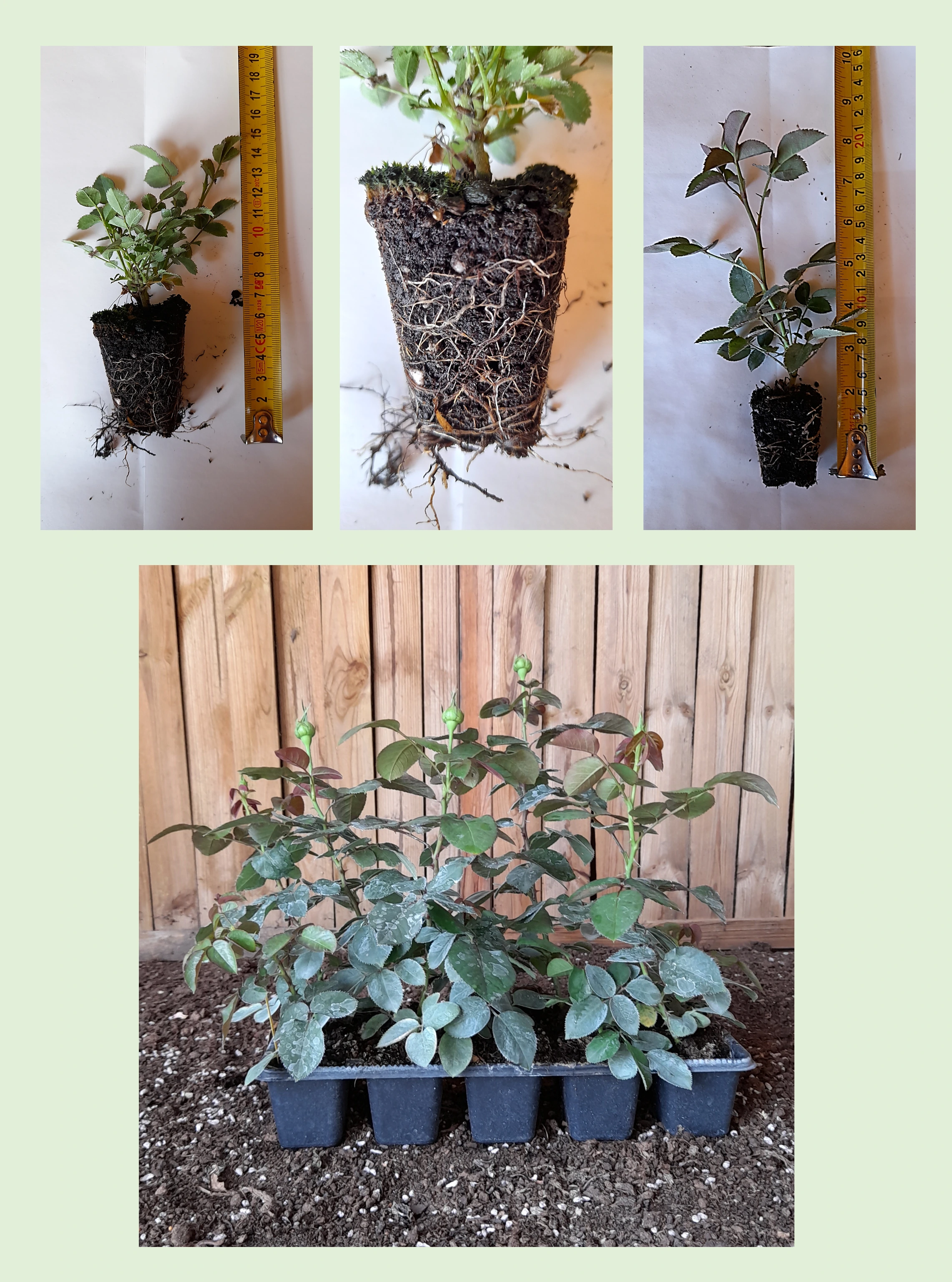
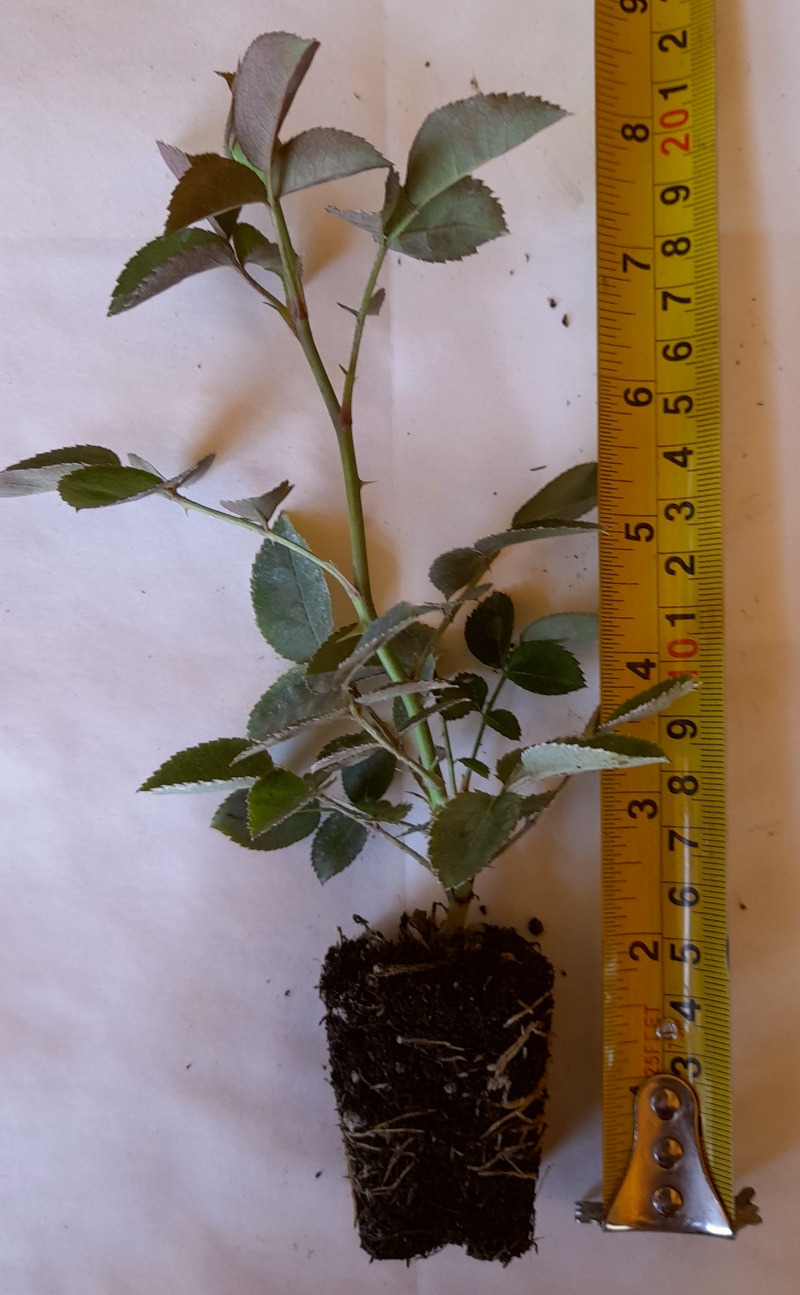
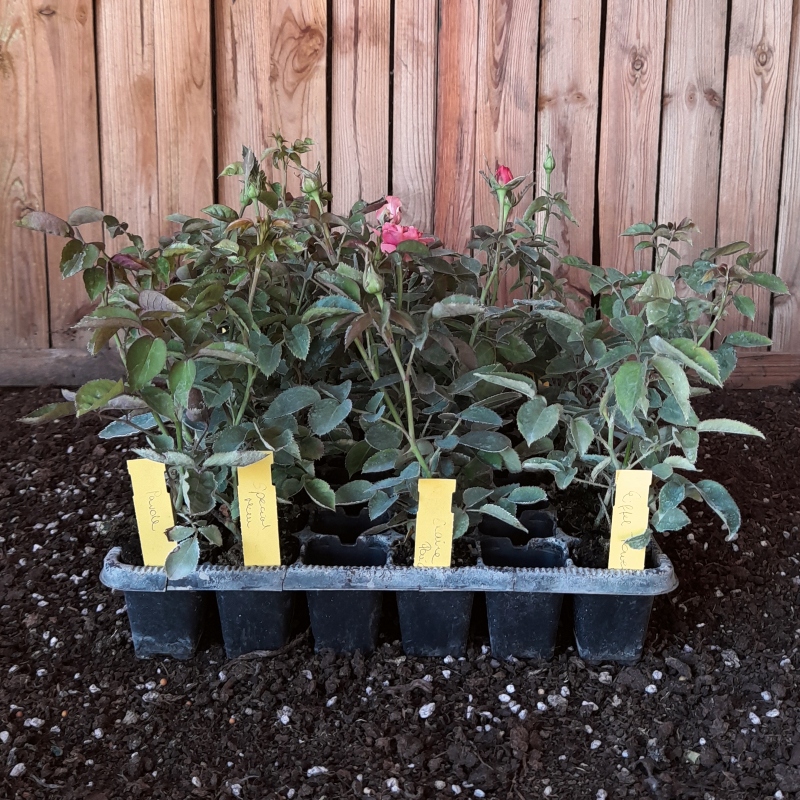
Rooted in trays (rooted), 3–6‑month‑old, own‑rooted rose cutting.
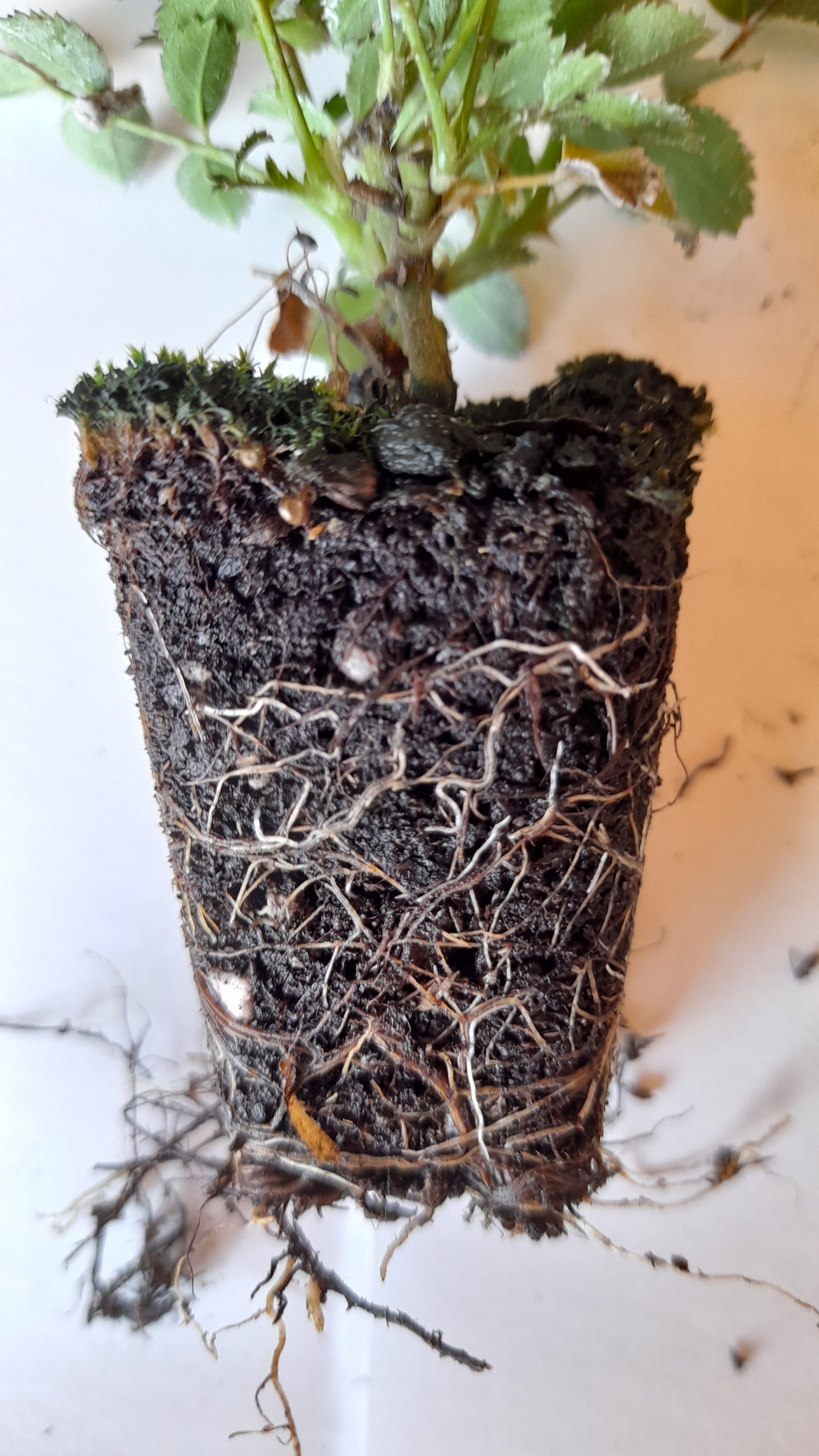
Uniform developmental stage, with a root system that has thoroughly penetrated the plug.
For professional growing‑on.
Tray packaging: 10 pcs/tray.
Quality and varietal identity: production supported by a dedicated identification and traceability logic.
Can be transplanted during frost‑free periods, designed for finished product production.

PharmaRosa® NEONATAL provides a controlled, uniform starting stock for planned growing‑on that can be integrated into your own technology – especially where scheduling and varietal identity are paramount.


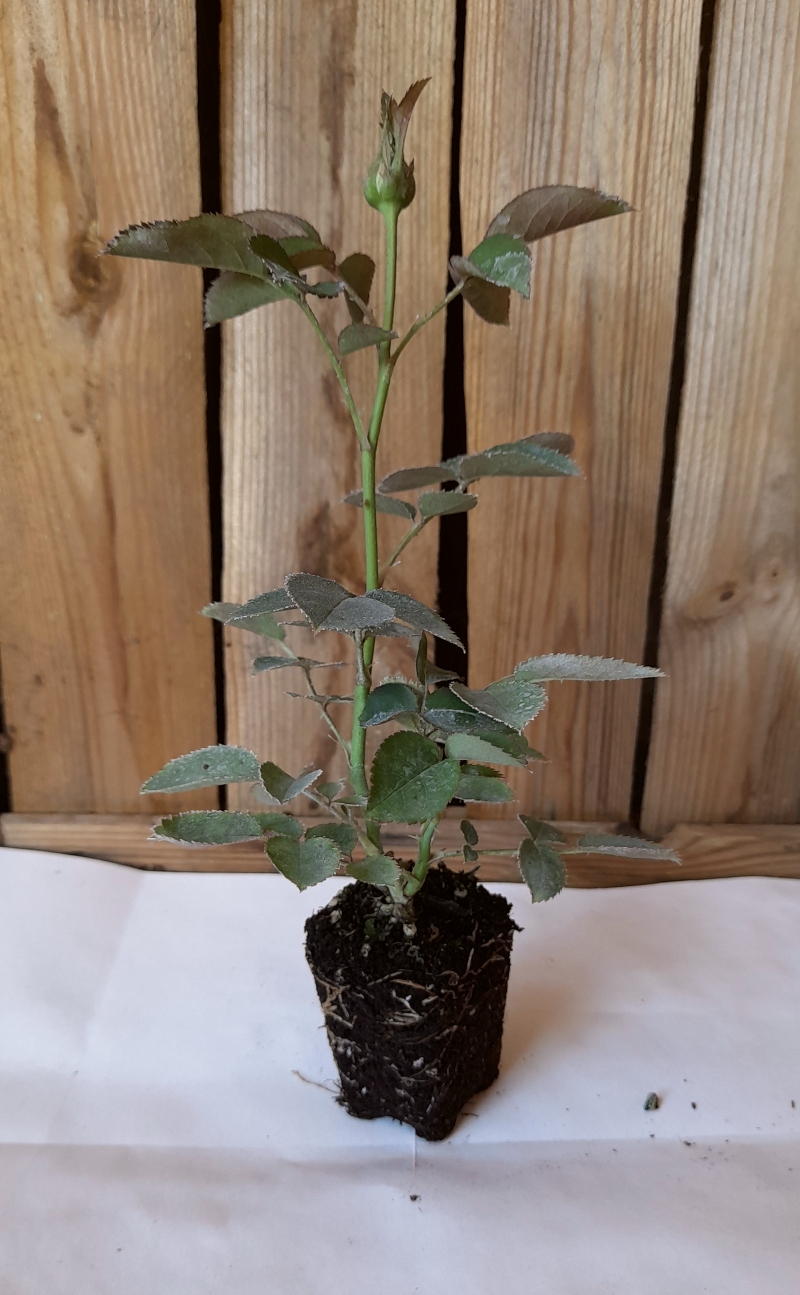
PharmaRosa® NEONATAL own-rooted rose propagation material in a plug, with a root system penetrating the plug (semi-finished product / semi-finished rose). PharmaRosa® NEONATAL rose propagation material size: 3–6‑month‑old, own-rooted cutting with a uniform developmental stage. PharmaRosa® NEONATAL rose propagation material root system: plug densely penetrated by well-developed white roots (root system detail). PharmaRosa® NEONATAL tray stock: own-rooted rose propagation material in trays, uniform developmental stage (10 pcs/tray).

Captions (from left to right): Semi-finished product (NEONATAL own-rooted rose propagation material in a plug with a fully developed root system) • Size demonstration (3–6‑month‑old, uniform cutting) • Root system detail (plug penetrated by the root system) • Tray stock (10 pcs/tray, uniform developmental stage)

pharmarosaneonatal.hupharmarosaneonatal.skpharmarosaneonatal.ropharmarosaneonatal.depharmarosaneonatal.co.ukpharmarosaneonatal.sipharmarosaneonatal.czpharmarosaneonatal.atpharmarosaneonatal.itpharmarosaneonatal.frpharmarosaneonatal.plpharmarosaneonatal.espharmarosaneonatal.nlpharmarosaneonatal.ptpharmarosaneonatal.lupharmarosaneonatal.sepharmarosaneonatal.lvpharmarosaneonatal.fipharmarosaneonatal.ltpharmarosaneonatal.ee

Which product type is right for you?

Pages for private customers
Garden roses for the family garden, with minimal care  → ORIGINAL®
Premium garden roses – instant impact, a truly showpiece garden  → EXTRA®
Pages for professionals and private customers
Roses for public spaces – large areas, sustainable maintenance  → NATURAL®
Roses for projects – hedge and row planting, fast implementation  → RAPID®
For professional partners only
Production – propagation material for garden roses, wholesale  → NEONATAL®

Company details

PharmaRosa Ltd.
Company registration number: 01-09-717479
VAT number: 13075314-2-43
Plant health registration no.: HU130721
Bank account (IBAN):
HU85117631891388688400000000
BIC (SWIFT): OTPVHUHB
Bank name: OTP Bank Nyrt.