Chevreuse Climbing rose KORplavi – pharmaROSA® NEONATAL propagation material
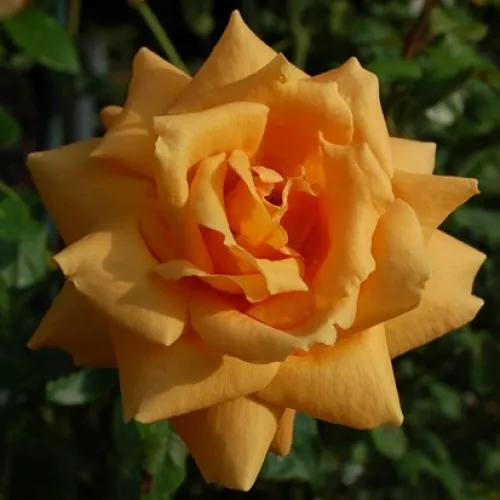
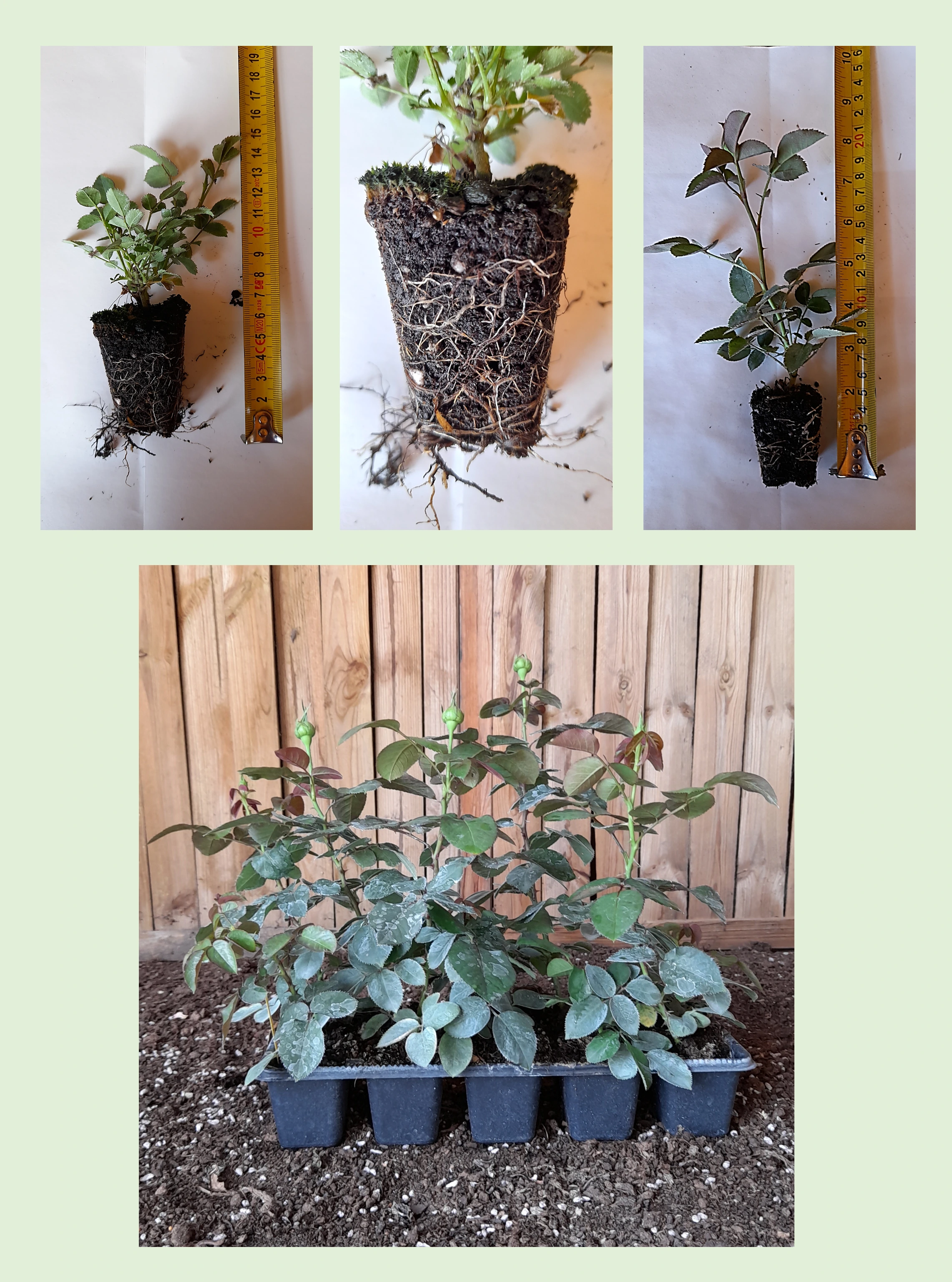
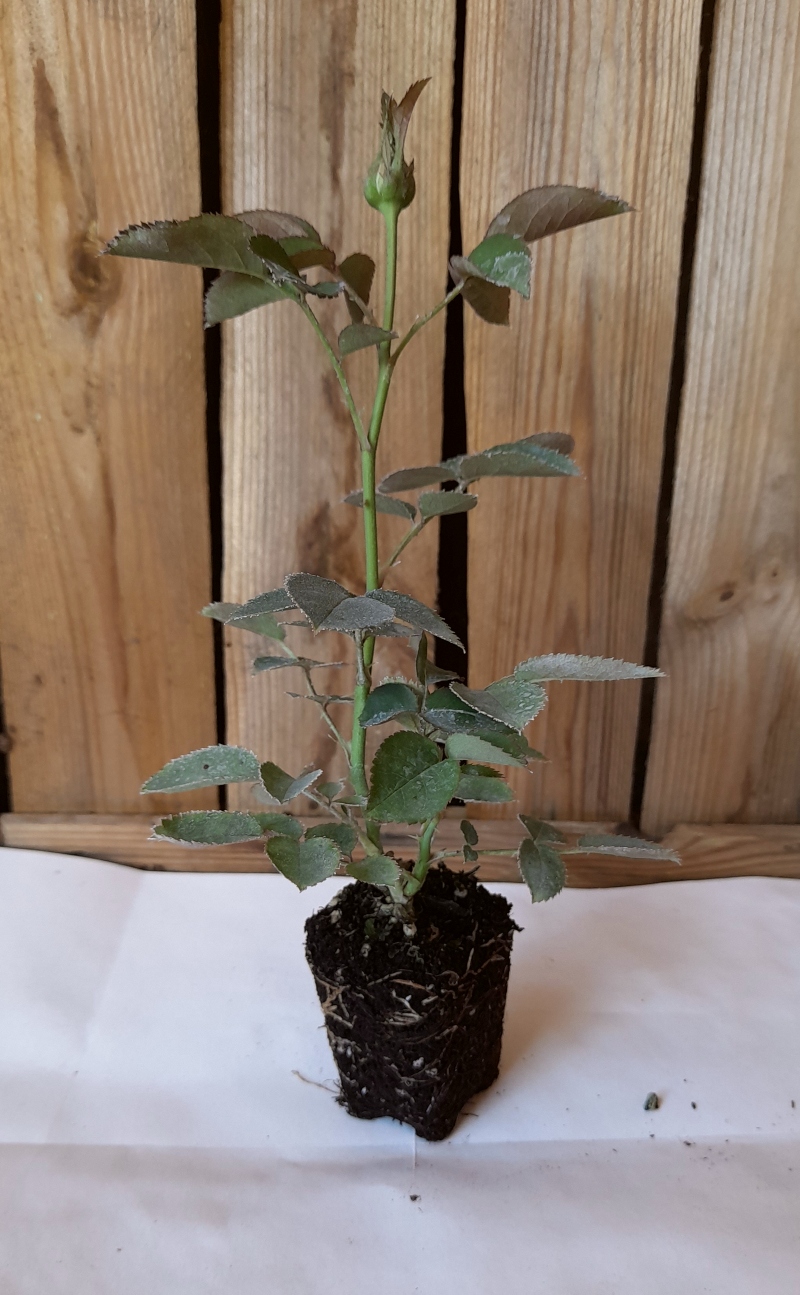
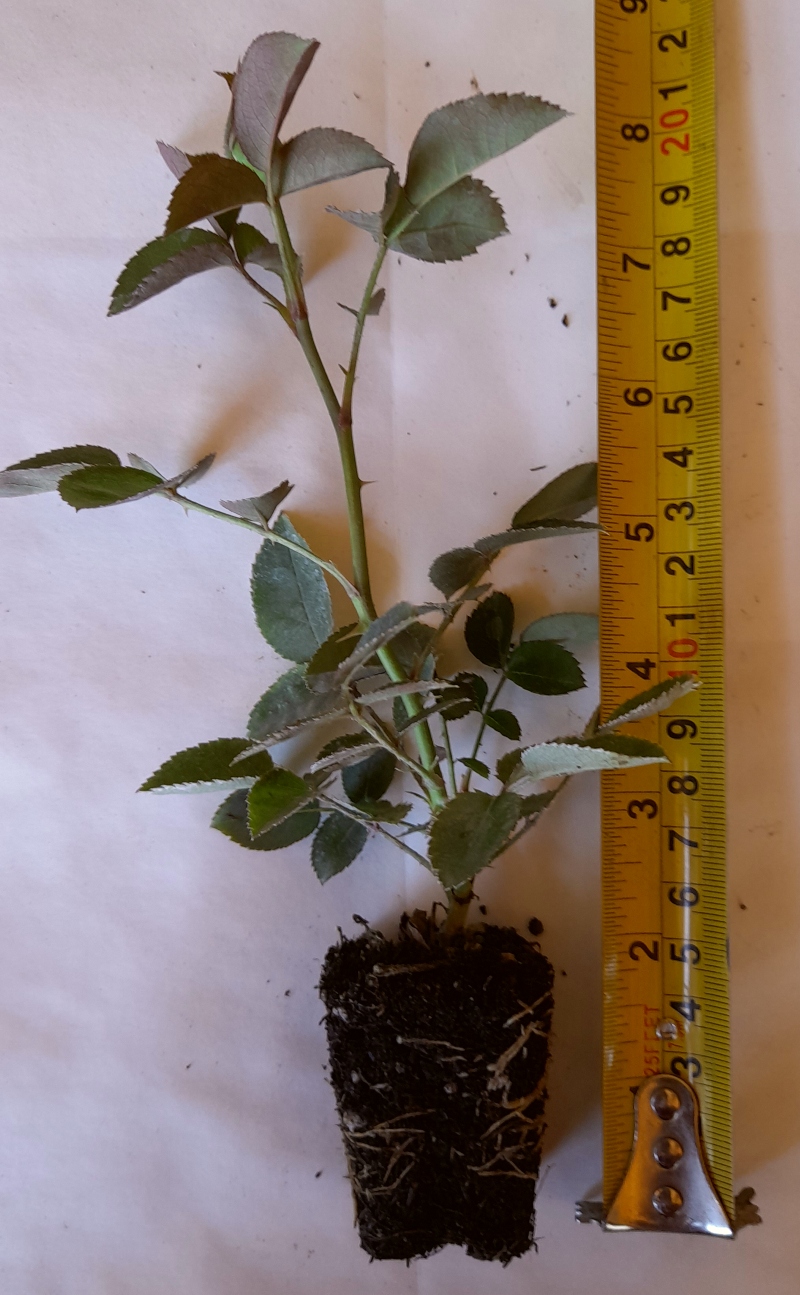
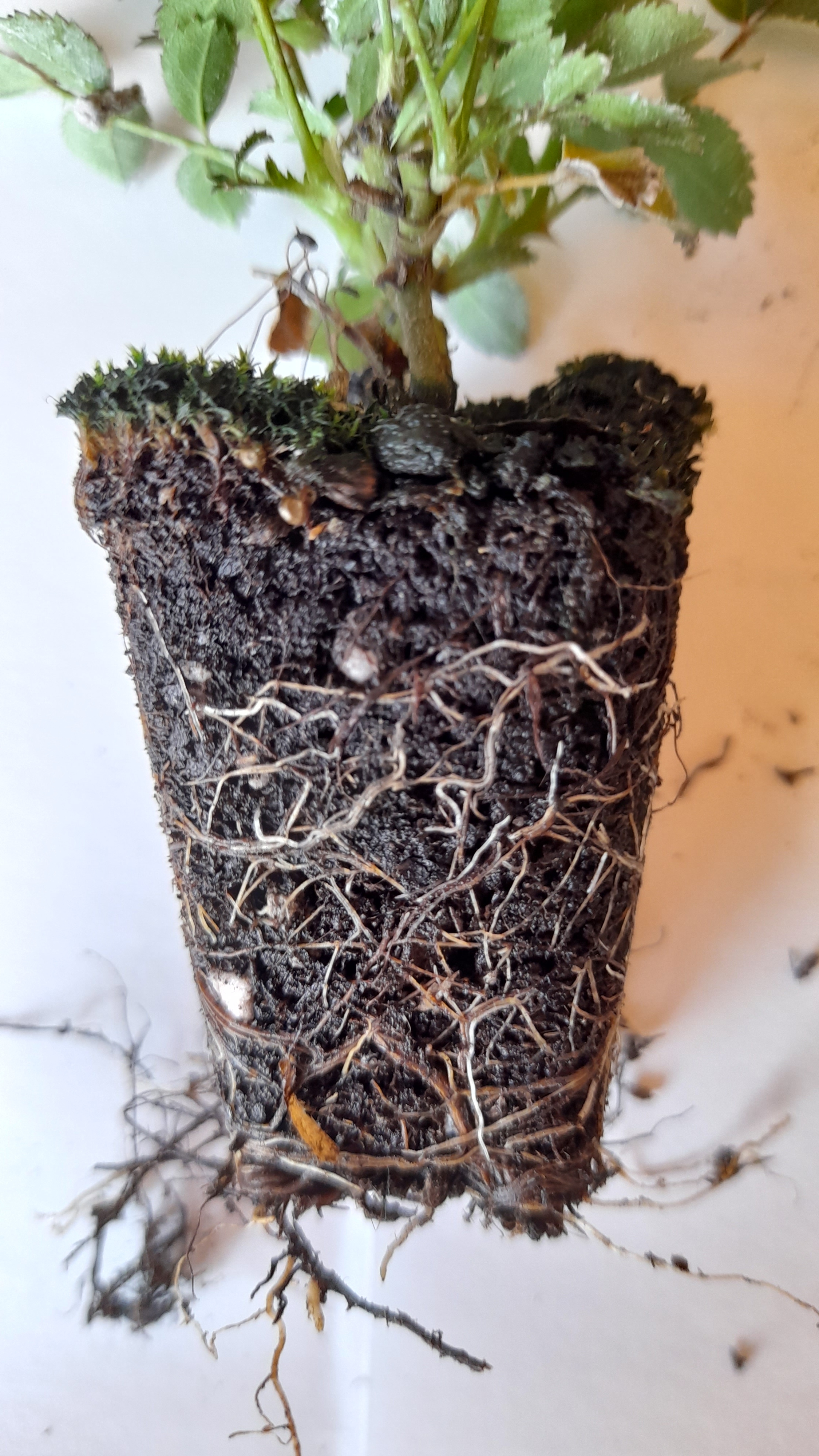
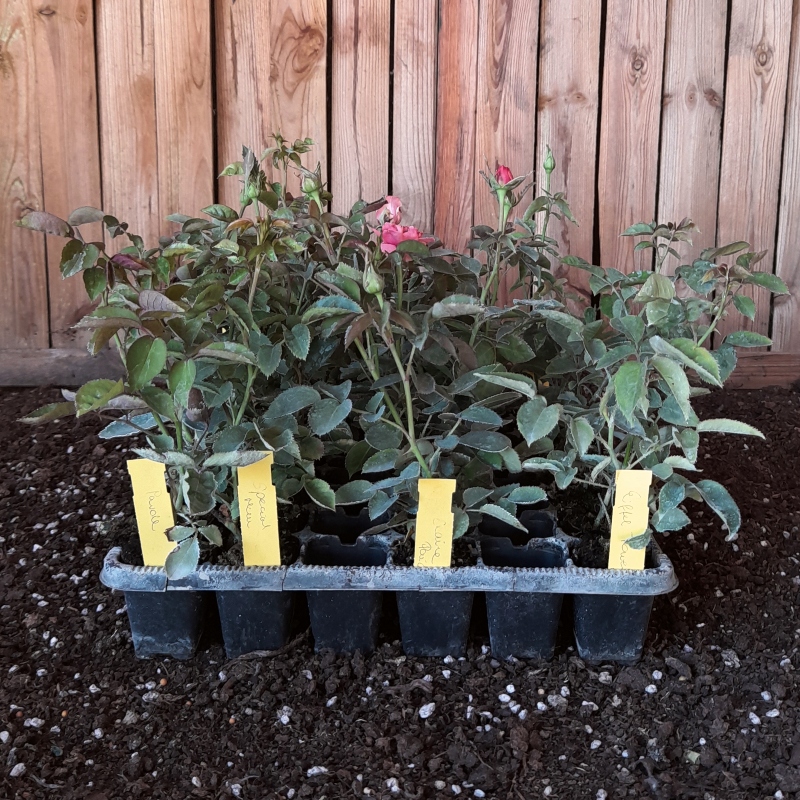
Climbing production with Chevreuse KORplavi offers a compact, bushy framework ideal for training as a vertical, space-defining feature in nursery and wholesale ranges, while own-root propagation ensures stable regeneration and low replacement over long-term stocking. Tray-based material at 3–6 months integrates efficiently into UK nursery logistics, with easy handling and scheduling for staked, trained 3–5 cane development and 5–7 L containers. The dense, glossy dark green foliage supports an exclusive, premium-gold positioning in thematic rose gardens and specialist collections, especially where a distinctive habit and creamy peach-yellow flowers are required for vertical garden projects. Repeat-flowering, cluster-borne, cup-shaped blooms in warm peach tones deliver a refined, speciality aesthetic suited to retail and reseller partners targeting curated, collection-led assortments, and the own-root platform supports a practical development arc from root establishment in year one, structural shoots in year two, and full ornamental effect from year three. This cultivar aligns well with UK public-realm and institutional planting schemes in cooler regions where reliable winter performance is needed in exposed sites, supporting wholesale programmes that demand predictable capacity and cultivar authenticity.
Usage options
Finished-product ideas
- Premium 5–7 L trained climber – Own-root NEONATAL cuttings grown on into 3–5 cane, bushy climbers with dense dark foliage and repeat-flowering peach blooms, positioned as exclusive vertical garden features – target: specialist retail and reseller outlets
- Collection-series climber line – Uniform batches trained in 5–7 L containers, highlighting the distinctive pastel peach-to-cream colour transition within curated climber collections – target: garden centres building thematic rose ranges
- Project-ready climber module – Robust, own-root trained climbers supplied as specification-ready stock for public-realm and institutional vertical features, leveraging hardiness and structural habit – target: landscape contractors and project suppliers
- Nursery stock-builder packs – Higher-count NEONATAL trays dedicated to nurseries establishing their own propagation beds for Chevreuse climbers, focusing on cultivar authenticity and homogeneous growth – target: propagation nurseries and integrators
- Show-garden feature climber – Selected, well-trained specimens with strong canes and dense foliage for use as focal points in show and demonstration gardens, emphasising exclusive, space-defining character – target: display gardens and brand-led retail showcases
Technical cultivar profile
| Parameter |
Data |
| Name and registration |
Climbing rose cultivar registered as KORplavi, marketed as Chevreuse Climbing rose KORplavi, with Westfalenpark as the American Rose Society approved exhibition name, classified as a large-flowered climber. |
| Origin and breeding |
Bred by Reimer Kordes at W. Kordes’ Söhne, Germany, from an unknown parent crossed with hybrid tea ‘Las Vegas’ (1972); bred and registered in 1986, initially distributed by W. Kordes’ Söhne. |
| Growth and structural characteristics |
Bushy climbing habit with strong upright shoots, reaching about 160–240 cm in height and 120–200 cm spread; moderate prickles and dense, glossy, dark green foliage give good coverage and visual weight on supports. |
| Flower morphology |
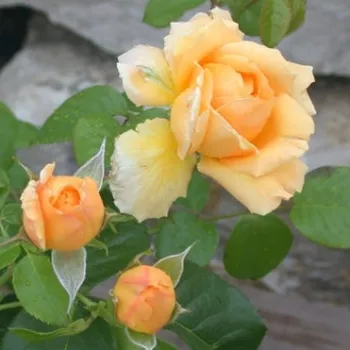
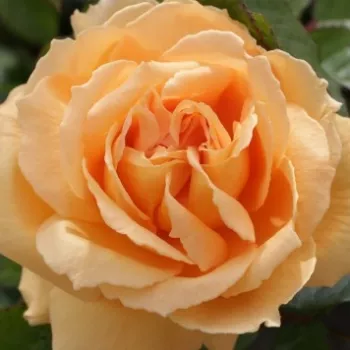
Large, cup-shaped, double flowers with approximately 26–30 petals, carried mainly in clusters; repeats flowering well with an abundant second flush, supporting extended ornamental and sales periods in production. |
| Colour data and phenology |
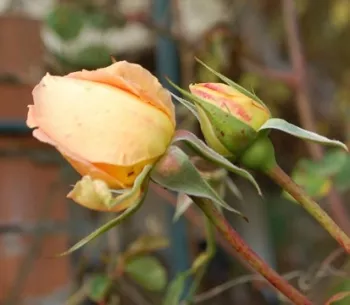
Warm peach flowers with a delicate yellow tint; buds light apricot-orange, opening pastel peach-yellow, then fading to creamy, buttery yellow; good colour retention with inner petals showing a somewhat deeper peach tone. |
| Fragrance and aroma |
Mild but noticeable fresh, fruity fragrance; subtly scented rather than overpowering, suitable for close planting near paths or seating without dominating mixed plantings or conflicting with other fragrant cultivars. |
| Hip characteristics |
Produces small numbers of spherical hips, about 8–12 mm in diameter, coloured orange-red around RHS 33A; ornamental effect is secondary due to double flowers and limited fruiting, so hips are not a primary feature. |
| Resistance and winter hardiness |
Rated to about -21 to -18 °C, corresponding to RHS H7, Swedish zone 3 and USDA 6b; shows moderate tolerance to powdery mildew, black spot and rust, requiring routine monitoring and occasional treatments in production. |
| Horticultural recommendations |
Suited to trained climber production with 3–5 main canes; medium maintenance with some pest and disease control likely; best used as a vertical, space-defining element in 5–7 L containers or trained along structures. |
Chevreuse Climbing rose KORplavi offers dense, glossy foliage, reliable repeat flowering and hardy, own-root longevity for predictable trained climber production; we would be pleased to discuss capacity, scheduling and integration into your assortments.