Climbing rose

20-551-1
20-551-2

Chevy Chase

Climbing rose

- – Niels J. Hansen

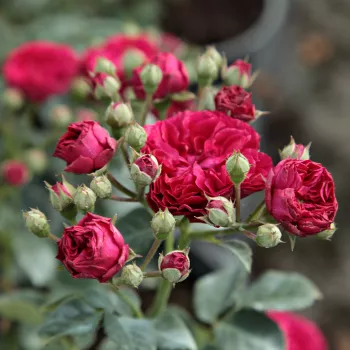
The whole surface of the petals is covered with a deep, velvety crimson-red hue. - rambler, climbing rose - very weak, barely noticeable scented rose - scent description not available

– Masses of small, very double rosette blooms.
– Striking deep, velvety dark-red flower colour.
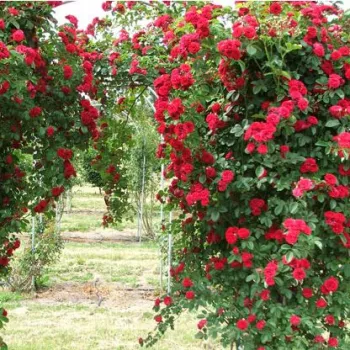
– Vigorous rambler for arches, pergolas and walls.
– Hardy to severe winter frosts, RHS H7 rated.
– Medium disease resistance for key leaf diseases.
– Special feature: Historic 1939 rambler, ARS Dr W. Van Fleet Medal winner, creating a dramatic vertical garden statement.
Exclusive, space-defining – specialty
Chevy Chase
pharmaROSA® NEONATAL rooted rose cutting
29,49 £
Due to courier service regulations – and the introduction of customs clearance – delivery to Ireland is temporarily suspended.
5 (7122)
facebook   twitter

Chevy Chase – dark red rambler climbing rose

Historic yet highly relevant for today’s thematic rose gardens, Chevy Chase offers a vigorous climbing habit with dense, light-green foliage and strongly clustered flowering, well suited to pergolas, arbours and long, space‑defining park structures. As pharmaROSA® NEONATAL own‑root propagation material, it supports predictable production planning for trained climber lines in 5–7 L units, with staked, 3–5‑cane plants easy to integrate into existing nursery systems. Its winter hardiness to H7 and Swedish Zone 4 provides reliable performance even for exposed Scottish and North of England projects where winter and wind tolerance is valuable over longer project cycles. Once‑flowering, very double blooms create a single, dramatic garden event, positioning the finished product as an exclusive, vertical garden feature within retail and reseller assortments. The own‑root form underpins long‑term stability in stock blocks and collection plantings, with low replacement requirements as plants regenerate from the base and stands remain homogeneous. Planned as a multi‑year development arc in which roots establish strongly in year one, framework and flowering wood build in year two, and full ornamental value is expressed from year three, Chevy Chase fits well into nursery schedules serving curated, collection‑driven ranges.


Usage options

Target area Reasoning
Pergola and arbour production lines The combination of tall climbing habit and dense foliage allows nurseries to build visually solid pergola and arbour units as trained climber finished products in 5–7 L pots. Own-root material supports long-term framework renewal, helping maintain stable, low-replacement stock across seasons and simplifying planning of staked, 3–5 cane release forms. The once-flowering, very double display differentiates premium, space-defining pergola offers in retail and reseller channels serving thematic rose garden customers. Retail / reseller
Fence and wall greening projects Vigorous spread and strong cane extension make Chevy Chase suitable for covering long fence runs and walls, where a single dramatic flowering flush is acceptable and even preferred for project-style plantings. Own-root plants tolerate repeated training and renovation pruning, supporting predictable volume production of 5–7 L, staked climbers for public-realm suppliers that need consistent, exclusive vertical features in larger batches. This aligns well with curated, collection-led rose portfolios. Public-realm suppliers
Space-defining park specimens The rambler character, with 3.6–5.4 m height potential, enables strong spatial definition in parks and larger private gardens when grown as a specimen on arbours or large tripods. NEONATAL material allows producers to establish robust root systems before pushing height, so trained climber finished products leave the nursery with stable architecture in 5–7 L containers. This supports nurseries and wholesalers aiming to supply distinctive, statement pieces to project-driven retail networks. Nurseries / wholesalers
Thematic and historic rose collections As a 1930s Hybrid Soulieana rambler with documented origin, Chevy Chase fits naturally into historic and thematic collections, where cultivar authenticity and continuity matter. Own-root propagation is advantageous for long-term collection beds and gene-bank style stands, as plants can regenerate from the base without rootstock interference, keeping identity stable. Trained climber finished products in 5–7 L pots can be positioned as exclusive collection items in specialist retail assortments. Specialist rose retailers
Vertical feature concepts for garden centres The very double, dark-red, cluster-flowered display offers instant visual impact when supplied ready-trained on supports, ideal for garden centres that want clear vertical feature SKUs. Using NEONATAL own-root cuttings, growers can standardise a staked, 3–5 cane format, achieving homogeneous batches with reliable height development. This supports coherent branding of “feature climber” ranges aimed at consumers seeking dramatic, once-flowering structures via retail partners. Garden-centre oriented growers
Container climber assortments (5–7 L) Chevy Chase responds well to the recommended 5–7 L target pot, where enough root volume can be built for stable vertical training without overshooting transportable weight and size. Own-root plants provide longevity for container-based sales, as they better tolerate periodic cutting back and re-structuring if batches are held. This suits nursery networks designing scalable trained climber programmes for broad retail and reseller distribution. Nursery networks
Public-realm and institutional structures Winter hardiness down to approximately –29 °C and medium disease tolerance allow its use on pergolas and arches in colder, more exposed public sites, including regions where reliable winter and wind tolerance is essential. NEONATAL own-root stock supports building homogeneous, renewable stands, with trained climber plants in 5–7 L pots easy to install and maintain. This fits integrator systems supplying exclusive but robust vertical features for institutional and municipal projects. Integrator systems
Collection maintenance and mother-stock blocks For nurseries maintaining their own mother-stock, own-root Chevy Chase simplifies long-term stand management, as plants can be renovated from the base without graft-related variability. Establishing NEONATAL cuttings in beds or larger field containers allows strong cane development for future cutting wood, while mirroring the 5–7 L trained climber format used for market products. This supports consistent, premium silver quality across wholesale and private-label collection ranges. Private-label programme managers

Finished-product ideas

  • Pergola Feature Climber 5–7 L – trained on a sturdy frame with 3–5 canes from NEONATAL own-root stock, positioned as an exclusive, once-flowering vertical feature for pergolas and arbours – retail / reseller channels.
  • Historic Rambler Collection Pot – 5–7 L container with clear historic labelling, using the cultivar’s origin story and own-root longevity to support thematic and show-garden style collections – specialist rose retailers.
  • Park Arch Climber Unit – pre-trained arch element grown from uniform own-root batches, focused on dense foliage and dramatic cluster flowering for public parks and institutional entrances – public-realm suppliers.
  • Fence Line Rambler Module – 5–7 L, staked climbers optimised for rapid fence coverage, leveraging vigorous growth and base regeneration for long, continuous runs – integrator systems and landscape contractors.
  • Mother-Stock Bed Starter Pack – batch of NEONATAL cuttings for field or large-container mother-stock, geared to nurseries wanting in-house cutting wood of an authenticated cultivar – nursery networks and private-label producers.

Technical cultivar profile
Parameter Data
Name and registration Chevy Chase, rambler-type climbing rose in the Climbing rose collection; registered cultivar name and current trade name identical, unregistered variety with American Rose Society exhibition use.
Origin and breeding Hybrid Soulieana rambler bred by Niels J. Hansen in the United States around 1934, from Rosa soulieana × ‘Éblouissant’, first distributed by Bauer & Aschmann Nursery and introduced in 1939.
Awards and recognition Recognised with the American Rose Society Dr W. Van Fleet Medal in 1941, underlining its long-standing horticultural interest and suitability for decorative climbing and rambler applications.
Growth and structural characteristics Vigorous climbing habit reaching around 3.6–5.4 m high and 2.4–3.6 m spread, with dense, slightly glossy light-green foliage and densely thorned canes suited to arbor, pergola and fence training.
Flower morphology Very double, rosette-shaped, small flowers of about 0.5–1.5 inches, produced in multi-flowered clusters on once-flowering shoots; self-cleaning tendency weak, so spent blooms may require deadheading.
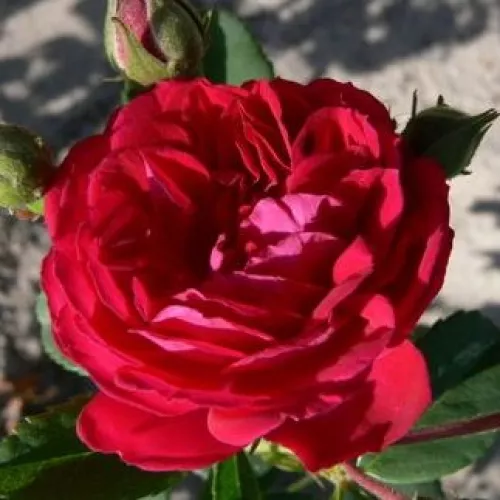
Colour data and phenology Dark red, velvety crimson blooms, carmine outer petals with deeper inner tones, slightly muting at full opening with a lilac-purple sheen; colour darkens in strong sun and softens gently at the end of flowering.
Fragrance and aroma Fragrance is very weak and barely noticeable; primarily a decorative climber where visual effect, colour impact and cluster-flowered display are the main ornamental attributes, rather than scent value.
Hip characteristics Due to very double blooms, hip set is limited; occasionally forms small, spherical red hips about 5–8 mm in diameter, adding minor seasonal interest without being a primary feature of the cultivar.
Resistance and winter hardiness Medium disease tolerance to powdery mildew, black spot and rust; hardy approximately to –29 to –26 °C (RHS H7, Swedish Zone 4, USDA 5a), with moderate heat and drought tolerance requiring irrigation in dry spells.
Horticultural recommendations Recommended for arbour, pergola, fence, wall and park use as an exclusive, space-defining climber; medium maintenance with occasional pest control and some deadheading; best marketed as trained climber in 5–7 L pots.

Chevy Chase offers vigorous climbing growth, dense foliage and dramatic, once-flowering clusters on predictable, long-lived own-root plants, making it a reliable choice for exclusive vertical features—please contact us to align on capacity and scheduling.

Detailed product attributes

Product Identification Data

Product Name: CHEVY CHASE – dark red rambler climbing rose - Hansen
Product Type: pharmaROSA® NEONATAL - rooted rose cutting
Cultivar Authenticity: Verified:17.04.2025
Cultivar Quality Rating: premium silver
Item Number: [141] 20-551 (14.02.2026) pharmarosaneonatal.co.uk

Name and Registration

Meaning of Cultivar Name: The name is derived from the Chevy Chase neighbourhood in Maryland, near Washington, D.C., where the rose was first introduced.
Cultivar Synonym: Chevy Chase Rambler
Original Trade Name: Chevy Chase
Current Trade Name: Chevy Chase Climbing rose Chevy Chase
Rose Group: Rambler, Hybrid Soulieana
Commercial Type: rambler, climbing rose
Commercial Group: Climbing rose
Exhibition Category: decorative climbing rose; pergola/arch climber
Collection: Climbing rose

Origin and Breeding

Initial Distributor: Bauer & Aschmann Nursery (USA)
Registration Year: unregistered variety
Breeder: Niels J. Hansen
Breeding Company / Institution: unknown / no data
Breeding Year: United States, 1934
Parentage: Rosa soulieana × ‘Éblouissant’

Awards and Honours

Competition and Show Awards: American Rose Society – Dr W. Van Fleet Medal (1941)

Growth and Structural Characteristics

Height: 11.8-17.7ft (360-540 cm)
Spread: 7.9-11.8ft (240-360 cm)
Growth Habit: climbing
Foliage: The variety has dense foliage; its leaves are slightly glossy and light green in colour.
Prickliness: densely thorned
Self-Cleaning Description: Some spent, very double flowers may remain on the plant and could require subsequent removal (deadheading).
Self-Cleaning Intensity: self-cleaning: weak

Flower Morphology

Flower Fullness: very double-flowered
Flower Shape: rosette
Flower Size: S (0,5-1,5 in)
Inflorescence Type: cluster-flowered
Colour Code: ARS code: dr RHS code: 53B (outer), 53A (inner)
Repeat Flowering: Non-remontant; flowers once.

Colour Data and Phenology

Colour: dark-red
Flower Colour Description: The whole surface of the petals is covered with a deep, velvety crimson-red hue.
Closed Bud: The still-closed bud is uniformly deep ruby-red in colour with a slightly glossy surface.
Newly Opened Flower: At opening the outer petals are carmine red, and a slightly darker, shaded tone appears in the central zone.
Full Bloom: When fully open the velvety crimson-red colour is homogeneous and darkens to a deeper tone in strong sunlight.
Before Fading: At the end of flowering the red hue slightly softens, with a delicate lilac-purple sheen.
Colour Fading Description: In strong sunlight it darkens, and by full opening the colour becomes slightly muted with a delicate lilac‑purple sheen.

Fragrance and Aroma

Fragrance Strength: very weak, barely noticeable scented rose
Fragrance Character: scent description not available
Pollinator Attraction: Its strongly double flower form and inaccessible stamens make it only weakly attractive to pollinators.
Pollinator-Friendly Rating: Its very double blooms conceal the stamens; primarily a decorative variety.

Hip Characteristics

Hip Shape: spherical
Hip Colour: red
Hip Comment: Rose-hip formation is expected to be limited due to the double flowers; occasionally forming spherical red rose hips 5–8 mm in diameter.

Resistance and Hardiness

Hardiness (°C): -29–-26 °C
Heat and Drought Tolerance Description: Tolerates heat but requires irrigation during prolonged dry periods.
Disease Resistance: medium
  • powdery mildew – medium
  • black spot – medium
  • rust – medium

Horticultural Recommendations

Recommended product path: Trained climber finished product
Release form: Staked, trained (3–5 main canes)
Recommended use: Maintenance requirement: medium; occasionally requires pest control.
Primary Uses: arbour, pergola, fence, wall, park, specimen

Comments

Positioning: Exclusive, space-defining – specialty
Target customer/channel: Retail / reseller
Main value proposition: Vertical garden feature, distinctive habit
CHEVY CHASE – dark red rambler climbing rose - Hansen
The whole surface of the petals is covered with a deep, velvety crimson-red hue. - rambler, climbing rose - very weak, barely noticeable scented rose - scent description not available
Online rose order - dark-red - very weak, barely noticeable scented rose - Chevy Chase - rambler, climbing rose - (11.8-17.7ft (360-540 cm))
Inflorescence: cluster-flowered Height: 11.8-17.7ft (360-540 cm) Flower shape: rosette Winter hardiness: - dark-red - Bauer & Aschmann Nursery (USA) rambler, climbing rose - Flower size: S (0,5-1,5 in) Flower size: S (0,5-1,5 in) - Height: 11.8-17.7ft (360-540 cm) Height: 11.8-17.7ft (360-540 cm) - Flower fullness: very double-flowered Chevy Chase - Roses in the garden | pharmaROSA® Neonatal - premium silver Niels J. Hansen

We showcase the external appearance of the roses available for online purchase from our webshop.


Which product type is right for you?


PharmaRosa® NEONATAL is the cost‑effective starting point for rose product production.

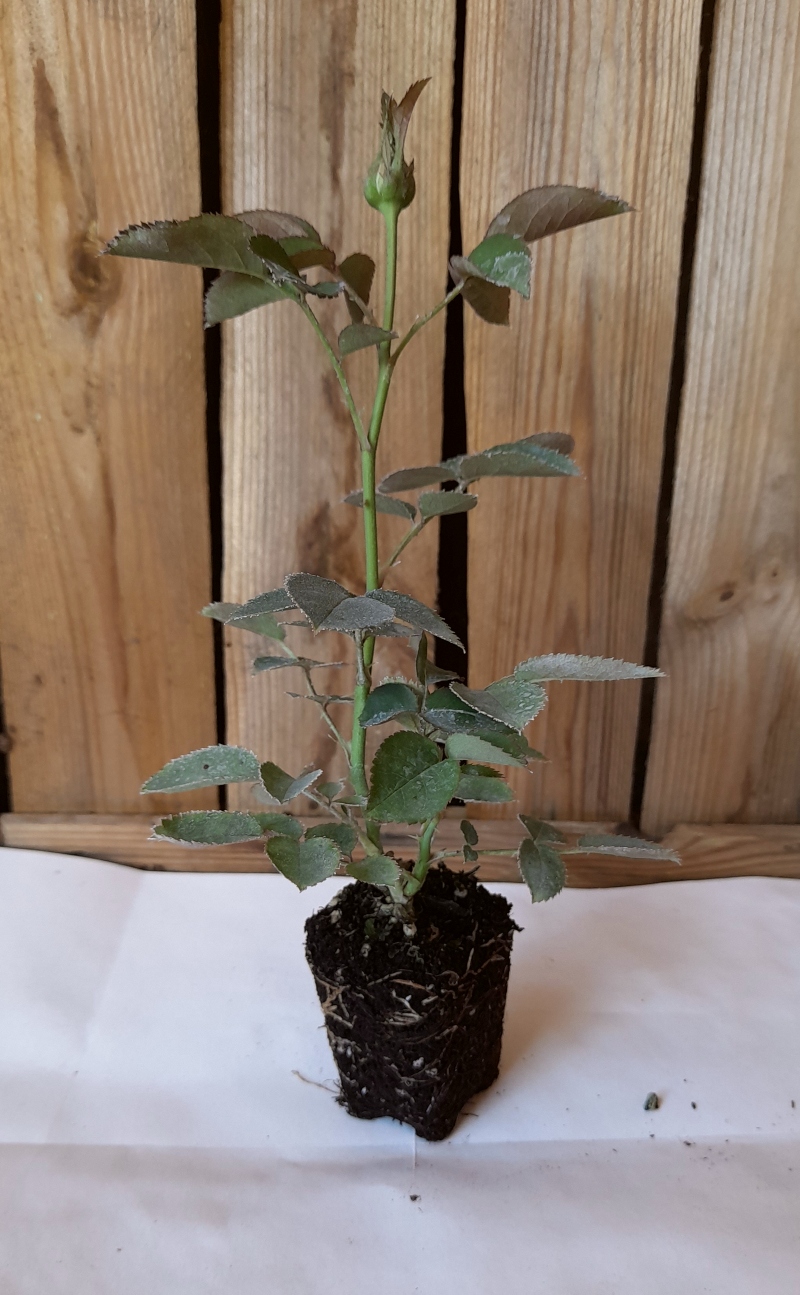
As a uniform, own‑rooted propagation material, it provides a stable basis for further growing-on and can be integrated flexibly into different finished product production technologies.
Rooted in trays (rooted), 3–6‑month‑old, own‑rooted rose cutting.

Uniform developmental stage, with a root system that has thoroughly penetrated the plug.
For professional growing‑on.
Tray packaging: 10 pcs/tray.
Quality and varietal identity: production supported by a dedicated identification and traceability logic.
Can be transplanted during frost‑free periods, designed for finished product production.

PharmaRosa® NEONATAL provides a controlled, uniform starting stock for planned growing‑on that can be integrated into your own technology – especially where scheduling and varietal identity are paramount.


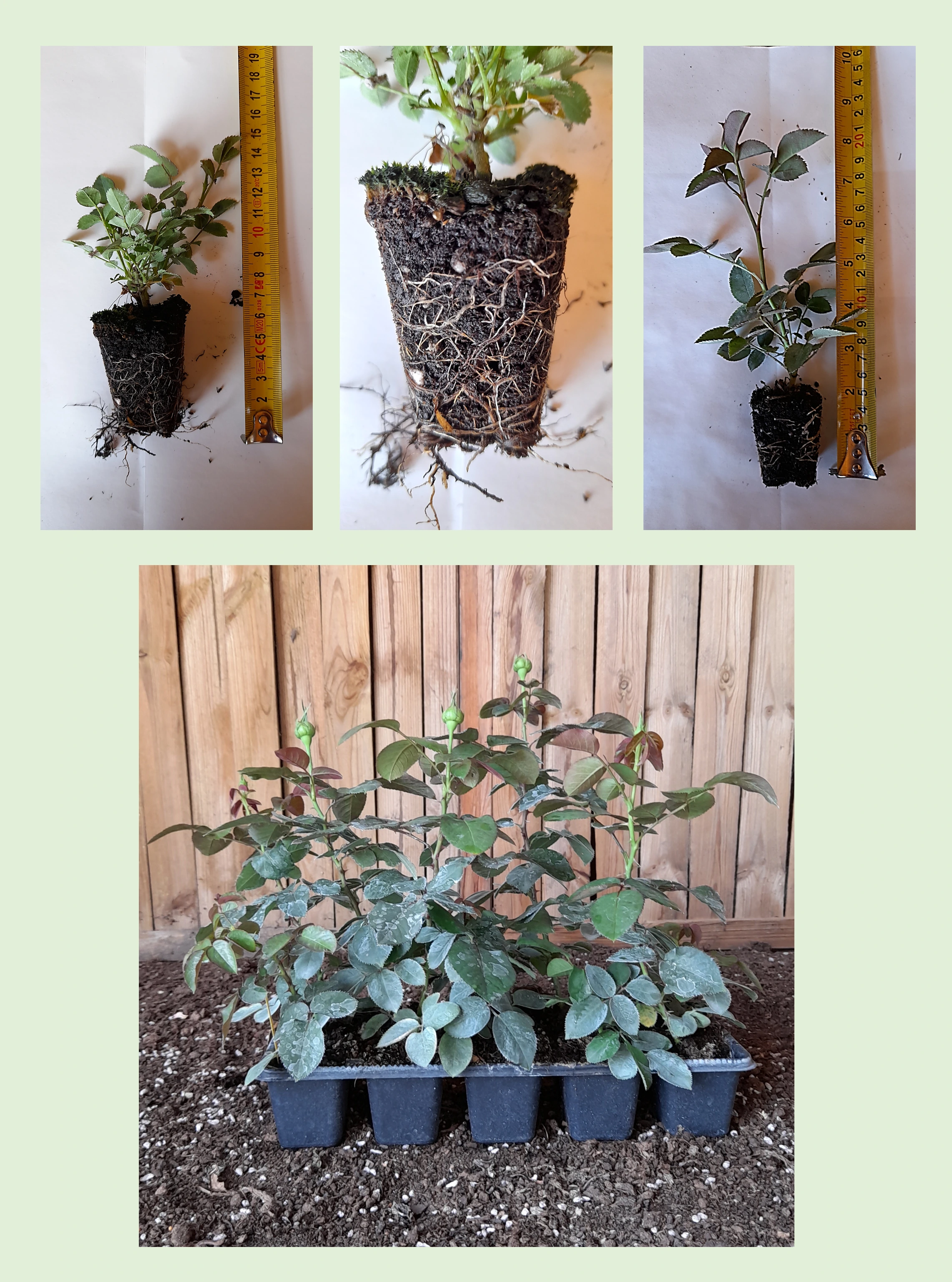
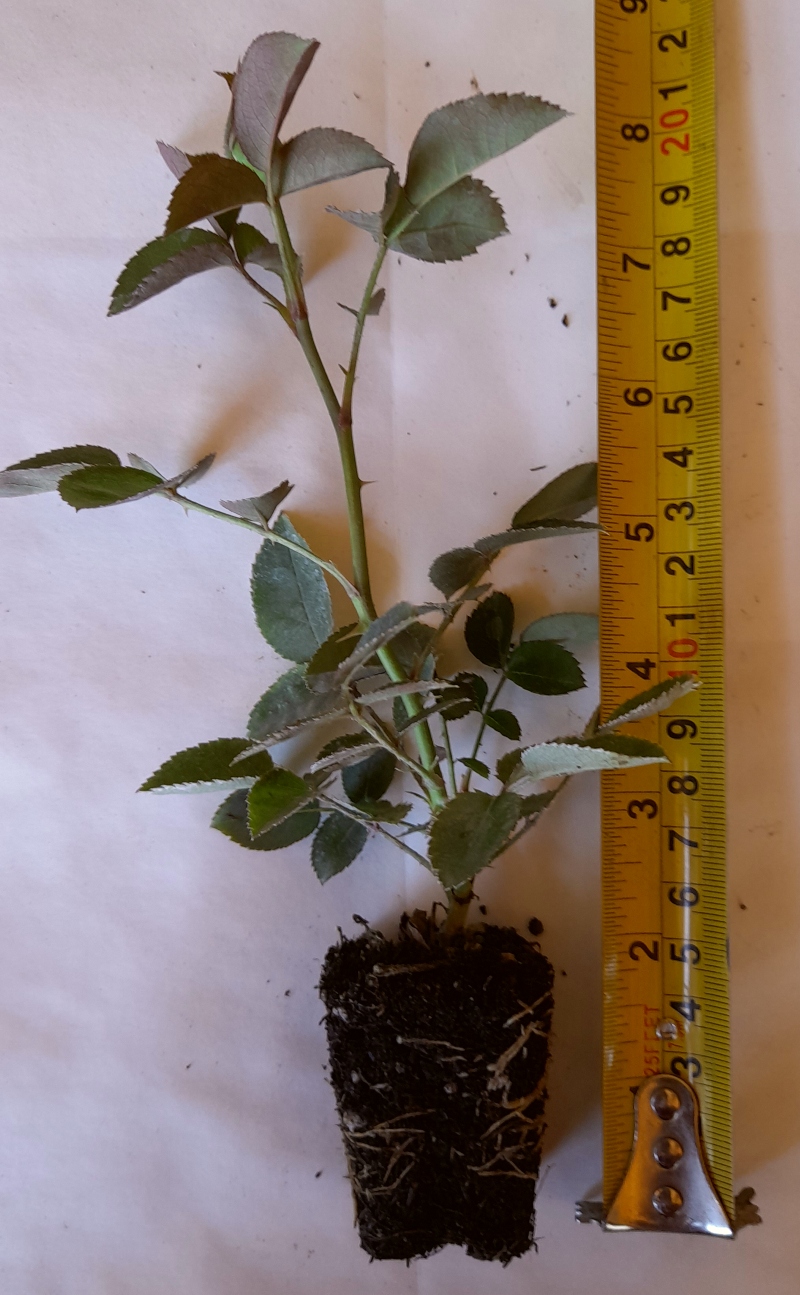
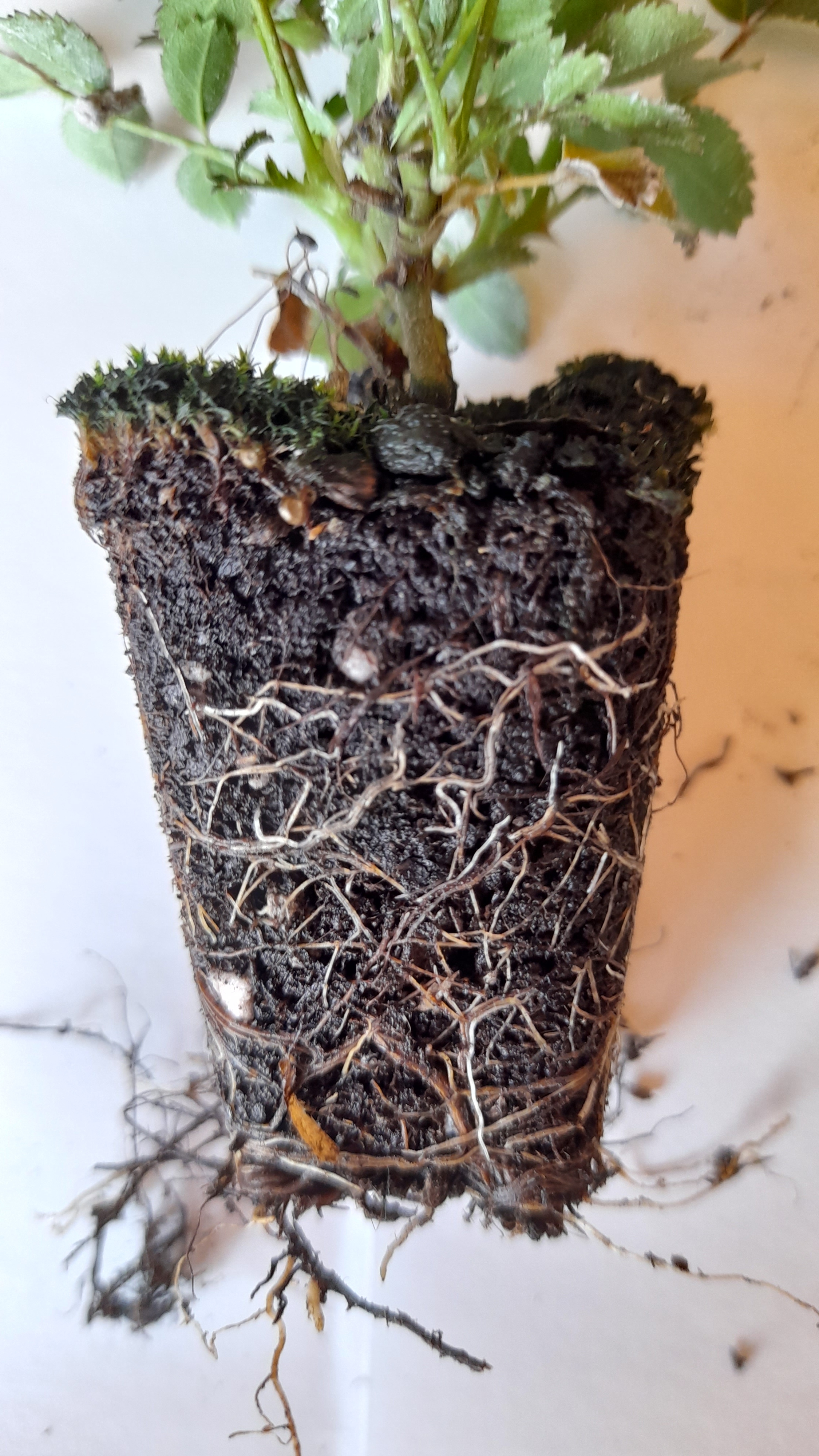
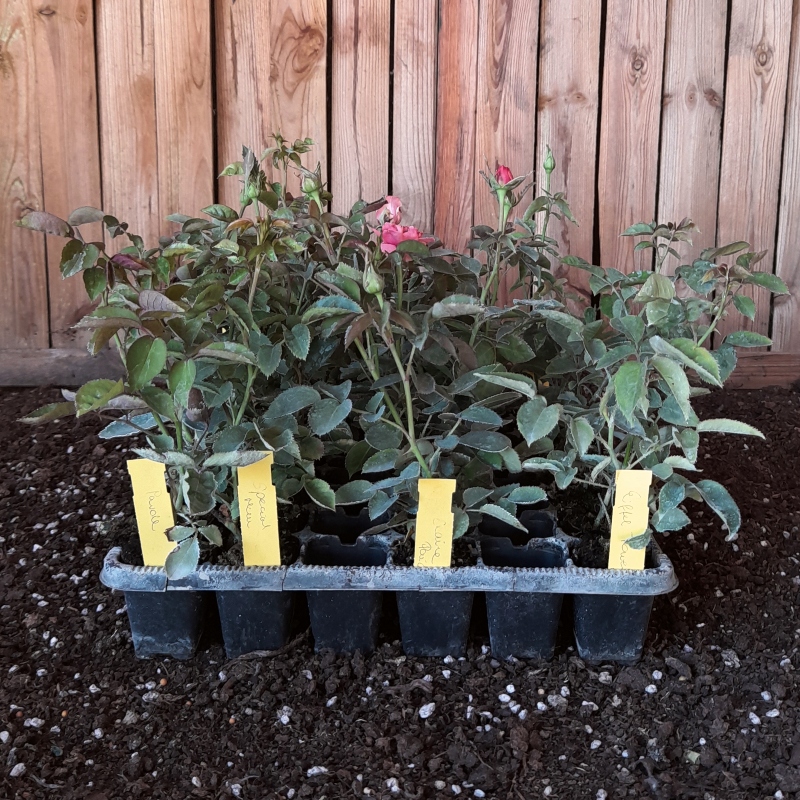
PharmaRosa® NEONATAL own-rooted rose propagation material in a plug, with a root system penetrating the plug (semi-finished product / semi-finished rose). PharmaRosa® NEONATAL rose propagation material size: 3–6‑month‑old, own-rooted cutting with a uniform developmental stage. PharmaRosa® NEONATAL rose propagation material root system: plug densely penetrated by well-developed white roots (root system detail). PharmaRosa® NEONATAL tray stock: own-rooted rose propagation material in trays, uniform developmental stage (10 pcs/tray).

Captions (from left to right): Semi-finished product (NEONATAL own-rooted rose propagation material in a plug with a fully developed root system) • Size demonstration (3–6‑month‑old, uniform cutting) • Root system detail (plug penetrated by the root system) • Tray stock (10 pcs/tray, uniform developmental stage)

pharmarosaneonatal.skpharmarosaneonatal.ropharmarosaneonatal.depharmarosaneonatal.hupharmarosaneonatal.co.ukpharmarosaneonatal.sipharmarosaneonatal.czpharmarosaneonatal.atpharmarosaneonatal.itpharmarosaneonatal.frpharmarosaneonatal.plpharmarosaneonatal.espharmarosaneonatal.nlpharmarosaneonatal.ptpharmarosaneonatal.lupharmarosaneonatal.sepharmarosaneonatal.lvpharmarosaneonatal.fipharmarosaneonatal.ltpharmarosaneonatal.ee

Which product type is right for you?

Pages for private customers
Garden roses for the family garden, with minimal care  → ORIGINAL®
Premium garden roses – instant impact, a truly showpiece garden  → EXTRA®
Pages for professionals and private customers
Roses for public spaces – large areas, sustainable maintenance  → NATURAL®
Roses for projects – hedge and row planting, fast implementation  → RAPID®
For professional partners only
Production – propagation material for garden roses, wholesale  → NEONATAL®

Company details

PharmaRosa Ltd.
Company registration number: 01-09-717479
VAT number: 13075314-2-43
Plant health registration no.: HU130721
Bank account (IBAN):
HU85117631891388688400000000
BIC (SWIFT): OTPVHUHB
Bank name: OTP Bank Nyrt.