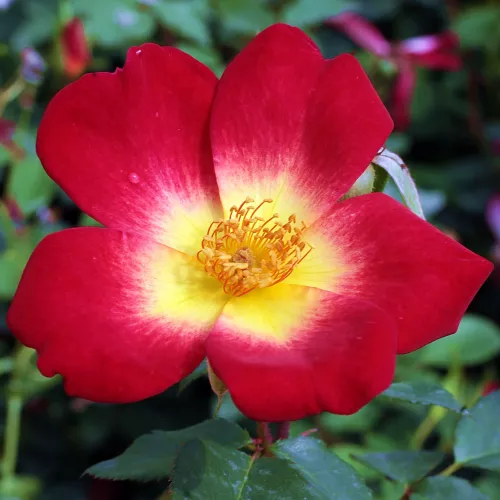
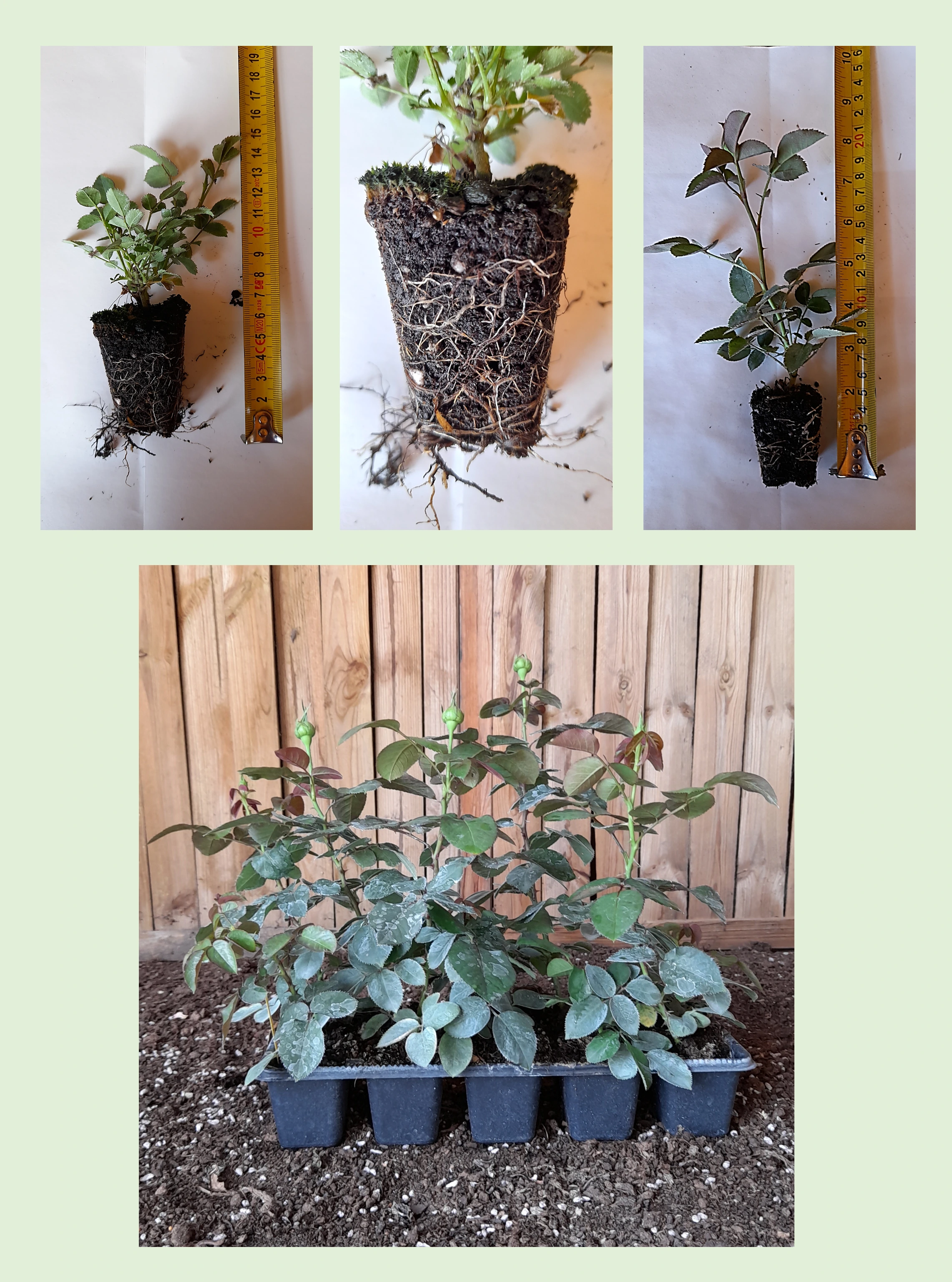
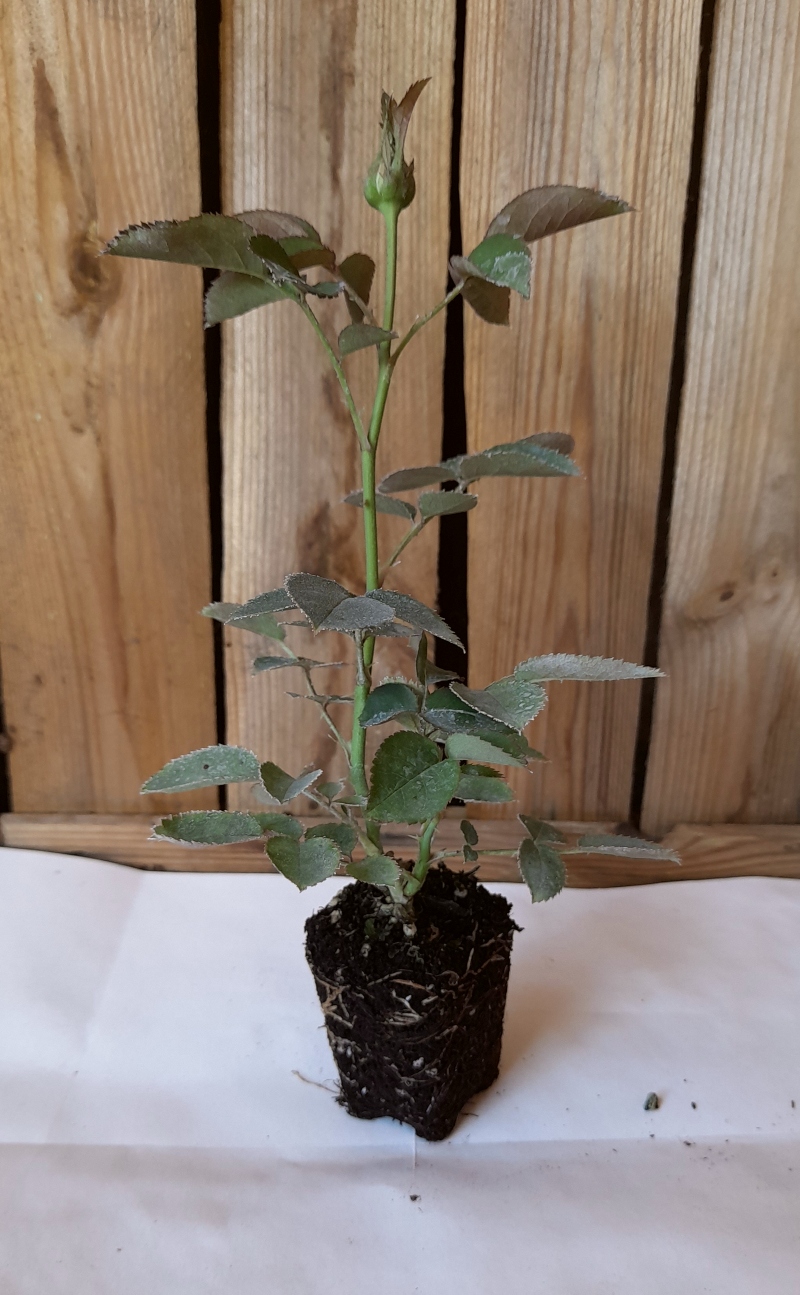
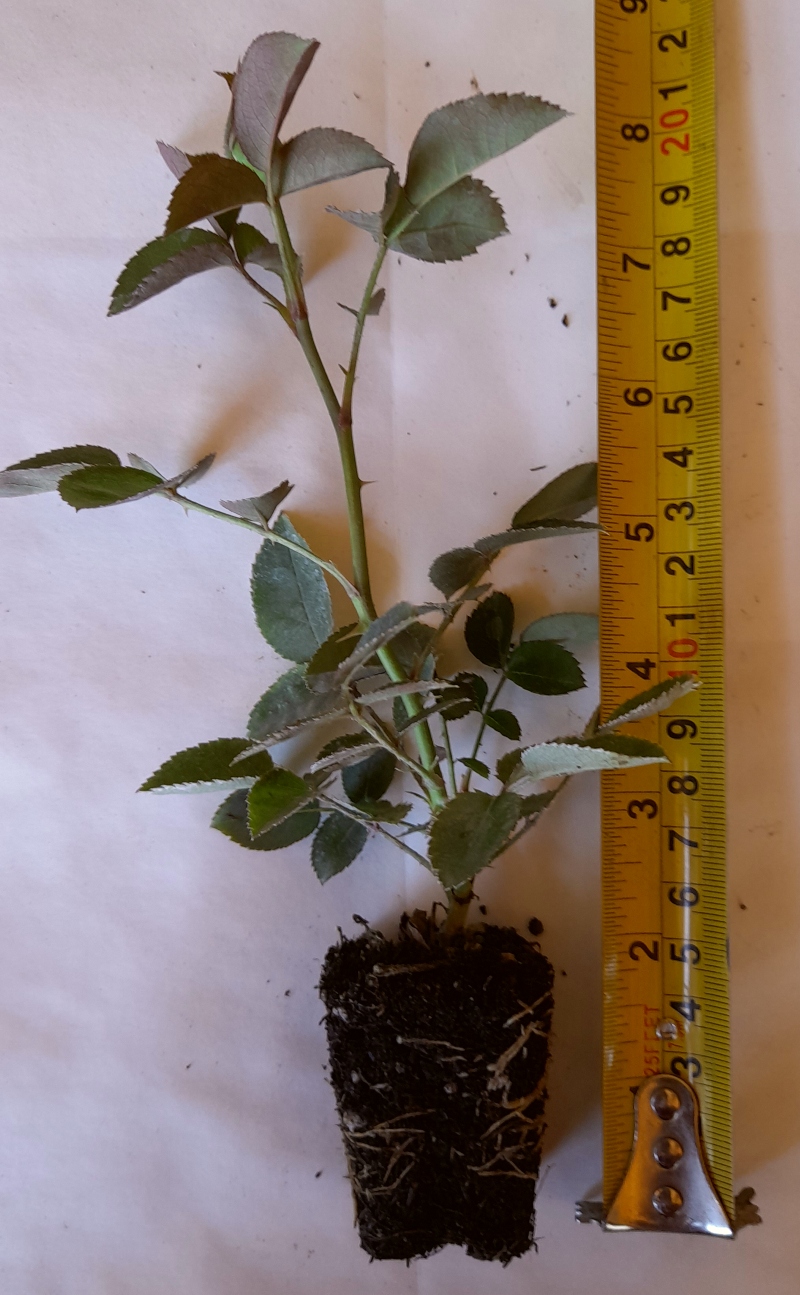
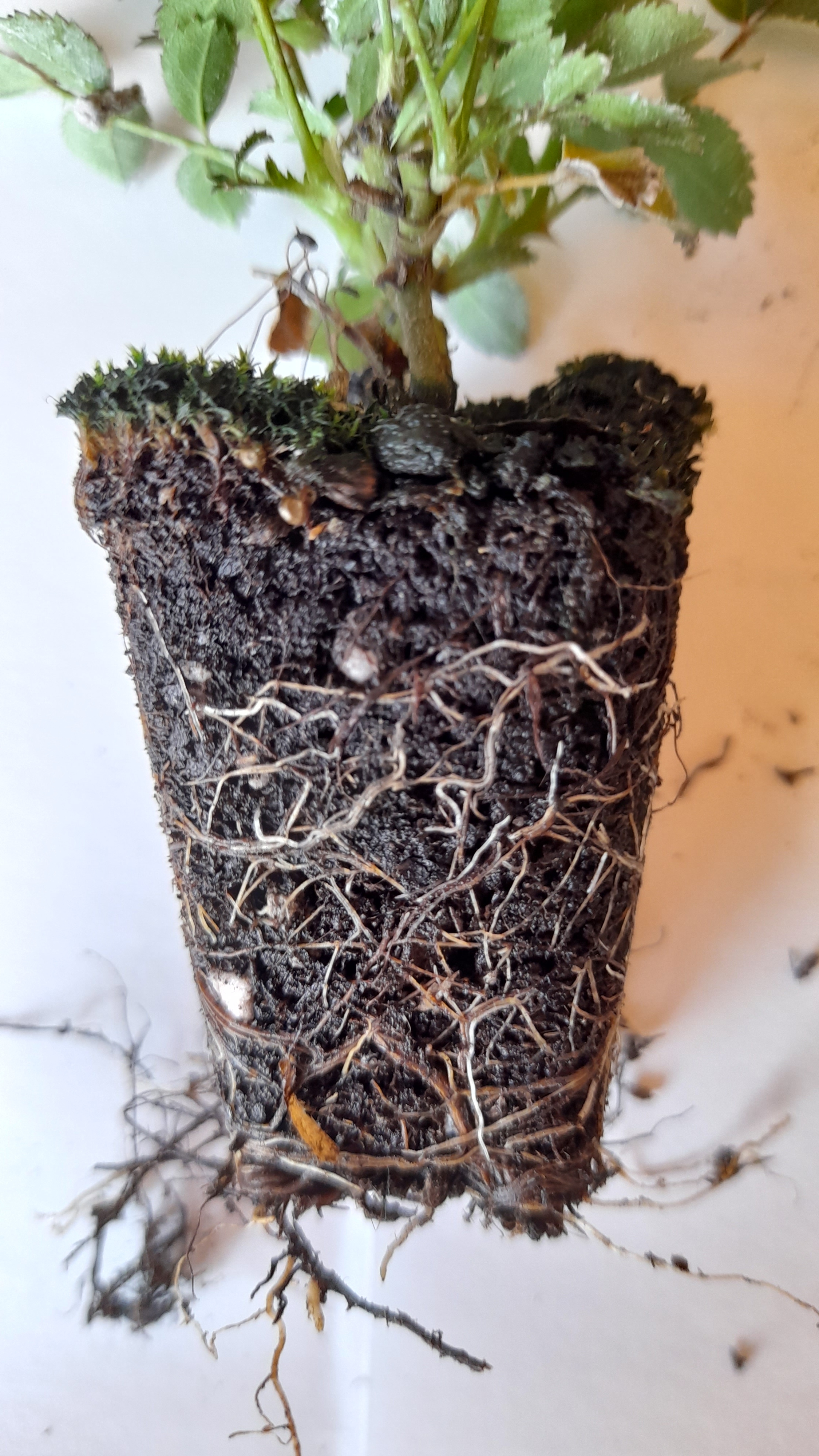
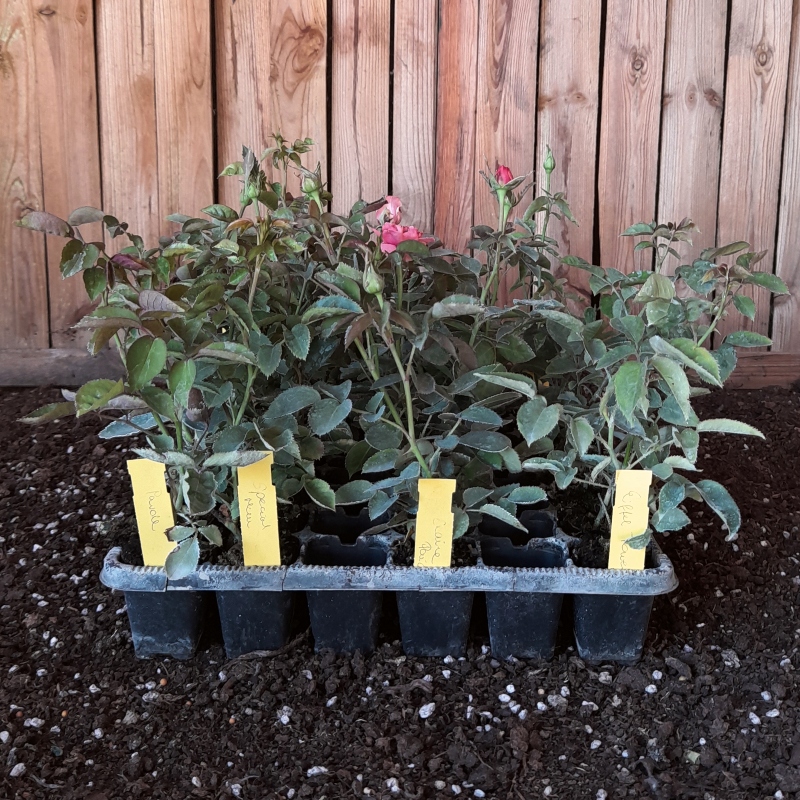
COCTAIL® – red-yellow park rose – pharmaROSA® NEONATAL rooted cutting
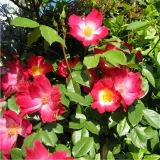
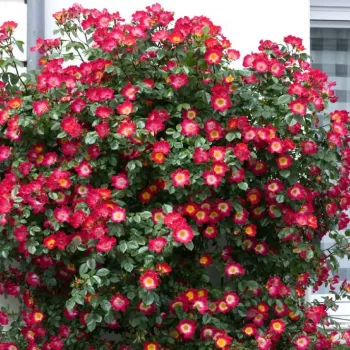
As a tray-rooted pharmaROSA® NEONATAL starter, COCTAIL® offers professional growers a reliable own-root base for scalable park and climbing production where long-term stability, moderate maintenance needs, and predictable performance are key to planning standard container ranges. Its upright, support-trainable growth allows efficient training for pergolas, fences and walls, while dense, glossy foliage and self-cleaning flowers support homogeneous, low-rework batches aligned to 2–3 L containers for retail and reseller channels. Single, clustered blooms with strong colour contrast deliver a distinctive identity suited to thematic rose gardens and collection plantings, especially in schemes where reliable winter and wind tolerance across Scotland and northern England supports long-term public-realm planting. Own-root longevity and regeneration underpin nursery stock cycles, moving from root establishment in year one to structural framework in year two and full ornamental value from year three in professional routes.
Usage options
Finished-product ideas
- 2–3 L climbing starter – Bush-trained own-root plants finished in 2–3 L standard containers, ready for consumer-supported training on fences and pergolas; builds a reliable garden performance segment for retail chains – retail/reseller channel
- Park pergola line – Uniform NEONATAL starts grown on to 40–50 litre containers and pre-trained onto pergola frames, using upright vigour and self-cleaning flowers to minimise site maintenance – public-realm and municipal projects
- Heritage collection rose – Highlighting Meilland breeding history and Hall of Fame status, offered as part of a curated own-root collection range for thematic and show gardens – specialist nurseries and collection gardens
- Pollinator feature climber – Single, open flowers and clustered inflorescences positioned as pollinator-supporting climbers, supplied in standard 2–3 L pots with clear project-focused labelling – landscape contractors and public schemes
- Colour-impact wall series – Trained plants with strong red-yellow contrast for walls and structures, produced from NEONATAL material for homogeneous batches and predictable flowering – branded retail and design-led garden centres
Technical cultivar profile
| Parameter |
Data |
| Name and registration |
Registered cultivar name MEImick, commercial trade name COCTAIL® park rose, also exhibited as Cocktail; park - shrub rose, shrub and floribunda group; own-root NEONATAL material for professional propagation. |
| Origin and breeding |
Raised by Francis Meilland, Meilland International, France, from (Independence × Orange Triumph) × Phyllis Bide; introduced in 1957, unregistered variety in terms of formal registration year. |
| Awards and recognition |
Highly decorated cultivar: Rome Certificate 1956, Paris-Bagatelle 1st prize 1957, Orléans Gold Medal 1960, and inducted into the WFRS Hall of Fame as the 16th “World’s Favourite Rose” in 2015. |
| Growth and structural characteristics |
Upright, support-trainable shrub reaching 200–300 cm height and 120–180 cm spread, with dense, glossy dark green foliage and dense prickliness; good self-cleaning with most spent petals dropping naturally. |
| Flower morphology |
Single, flat blooms with 5–12 petals, small flower size around 0.5–1.5 inches, produced in clusters; remontant with a lighter second flush, delivering season-long but not continuous flower coverage in landscape use. |
| Colour data and phenology |
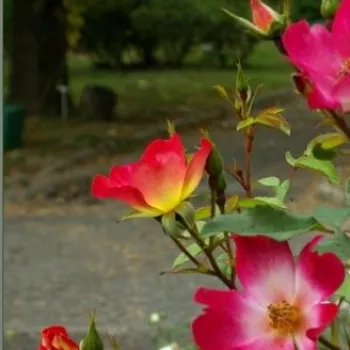
Red-yellow bicolour; ARS code RB, RHS 46A outer and 13C inner; vivid scarlet red margins with a brilliant golden-yellow eye, strong contrast softening as red edges and yellow centre fade to paler tones in full sun. |
| Fragrance and aroma |
Fragrance is very weak and barely noticeable, with a fresh, lively character rather than a strong scent focus; functional primarily as a visual and pollinator-friendly cultivar rather than for fragrance-led plantings or sensory gardens. |
| Hip characteristics |
Produces spherical red hips in moderate quantities after flowering, typically 7–13 mm diameter; hips add a modest seasonal extension of interest, but the cultivar is primarily grown for its distinctive bicolour blooms. |
| Resistance and winter hardiness |
Hardy to approximately -26 to -23 °C (RHS H7, Swedish zone 4, USDA 5b); moderate resistance to powdery mildew, black spot and rust; tolerates heat well but benefits from watering under prolonged dry conditions. |
| Horticultural recommendations |
Suited to climbing, pergola, fence, wall, specimen, park and urban green-space roles; medium maintenance with occasional plant protection; recommended as bush-trained compact plants in standard containers, 2–3 L target pots. |
COCTAIL® rooted cuttings combine upright, support-ready growth with strong colour impact and own-root longevity, giving predictable, regenerating stocks for park and climbing production; we would welcome a discussion on aligning volumes and scheduling.