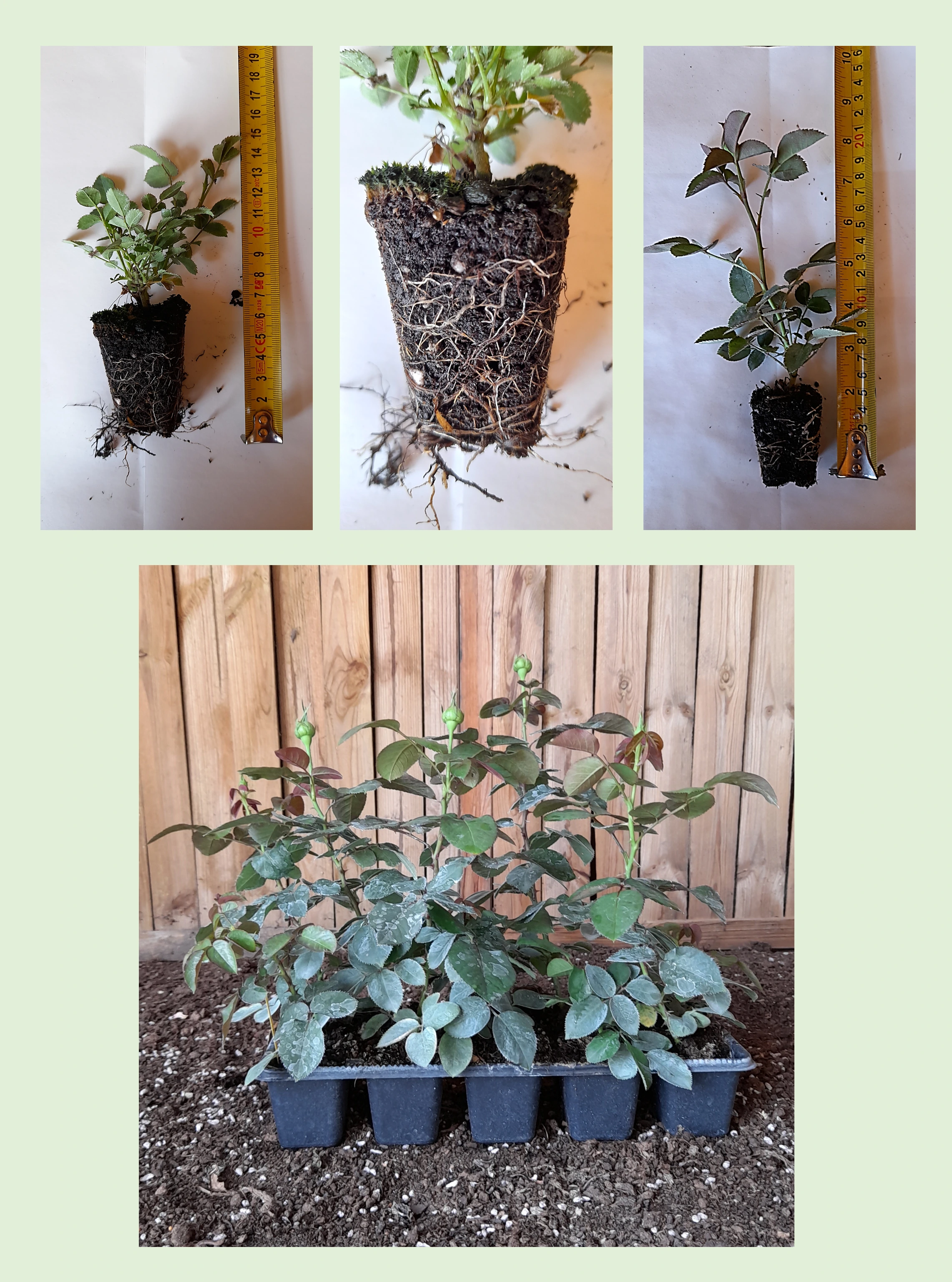
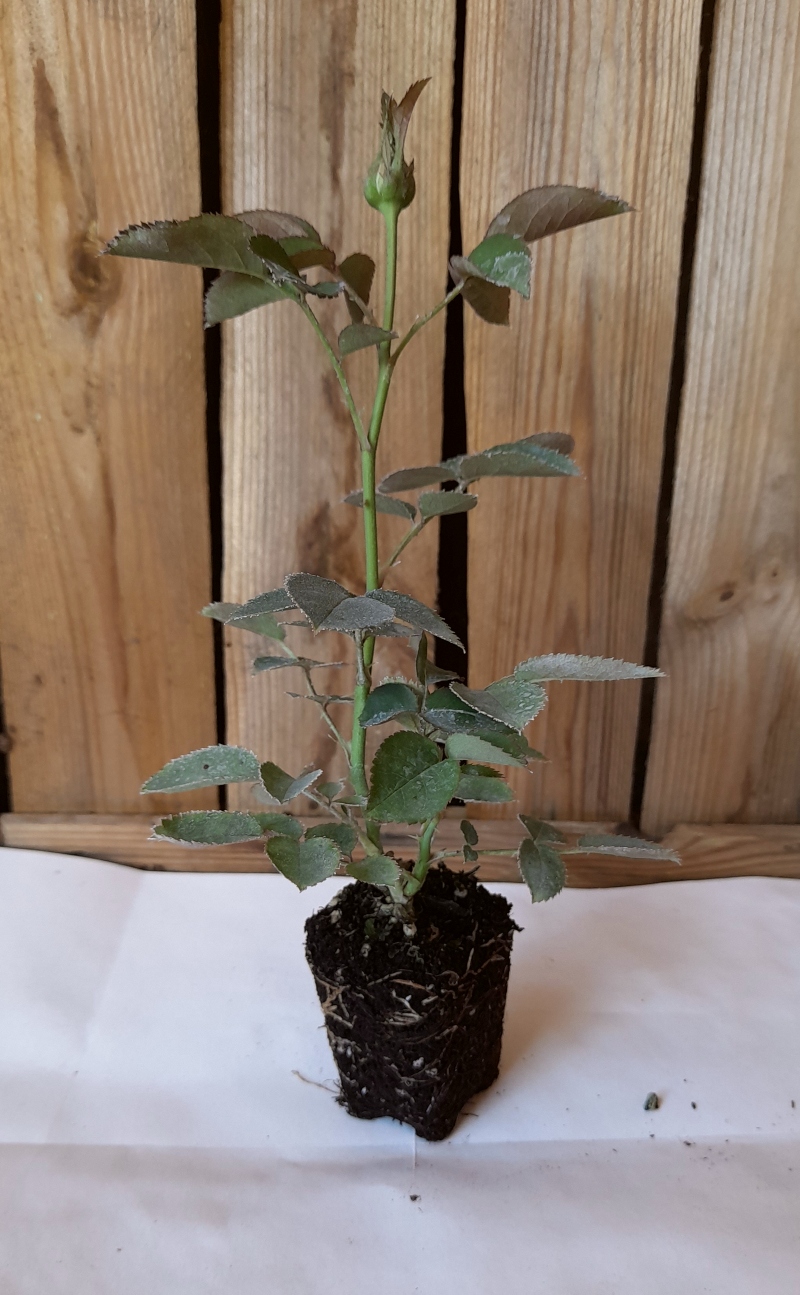
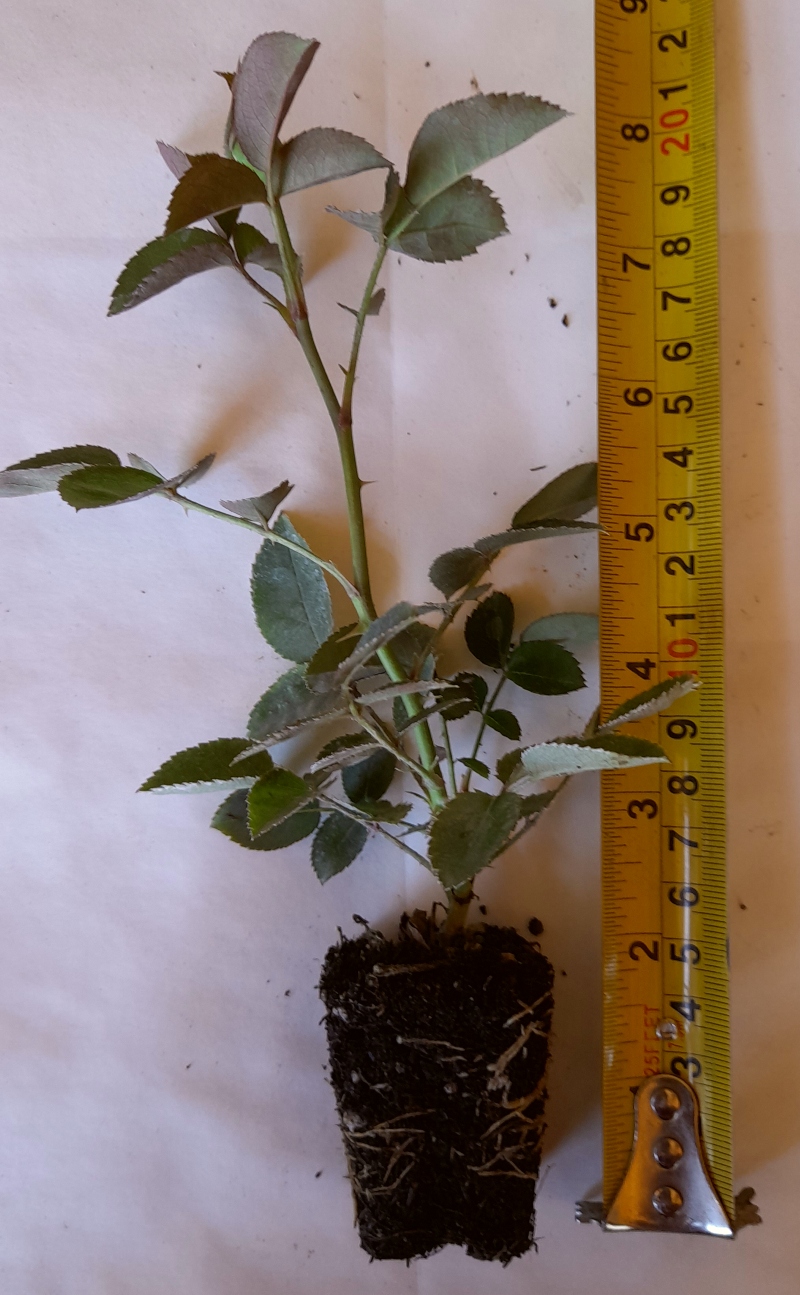
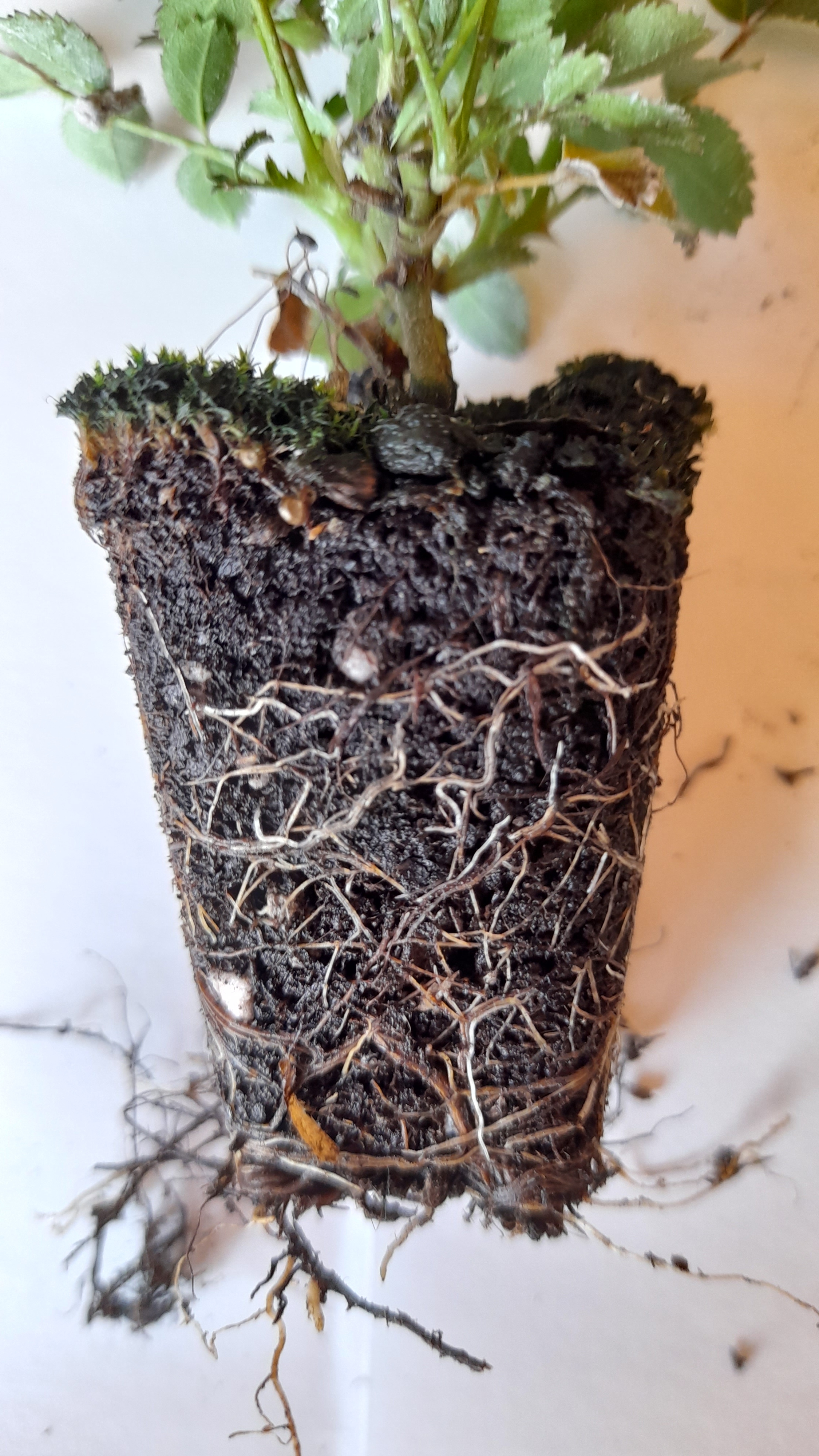
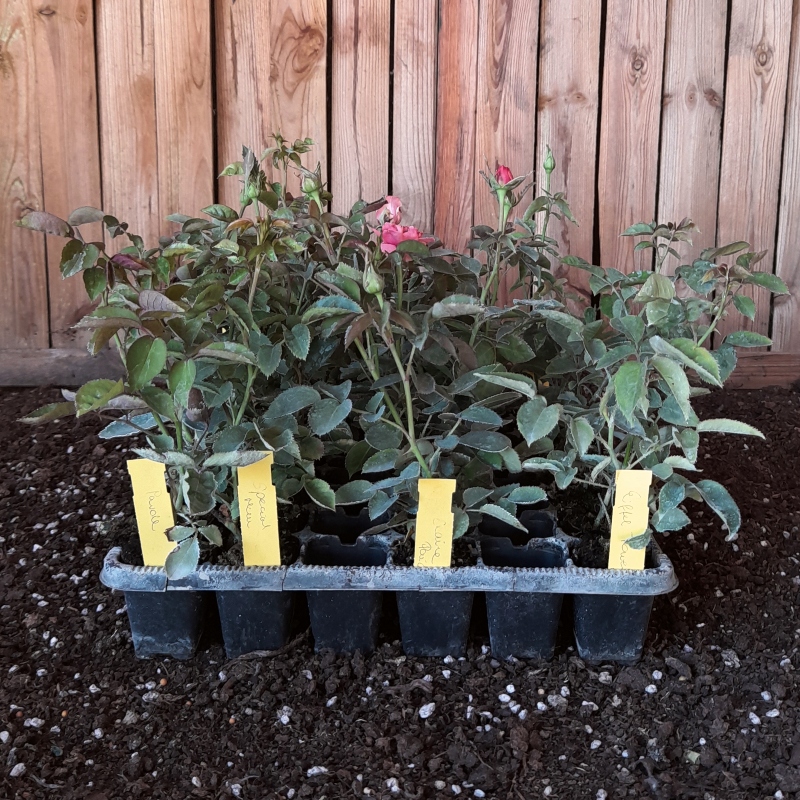
CSÍKSZEREDA – pink bedding floribunda rose – pharmaROSA® NEONATAL rooted cutting
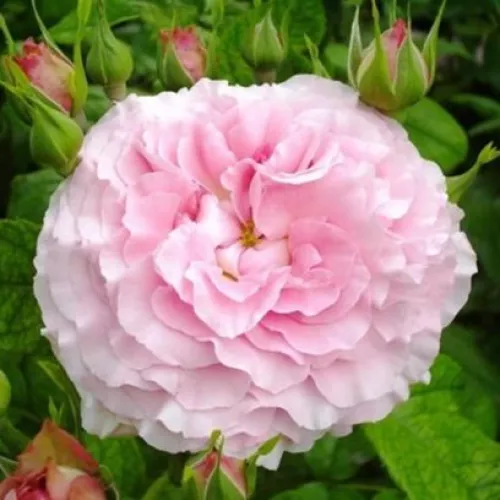
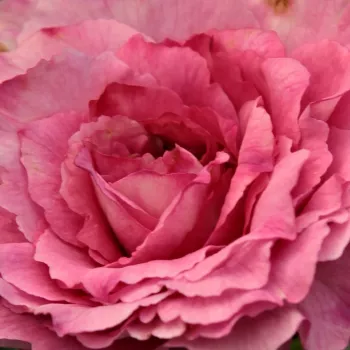
Designed for nursery integration, CSÍKSZEREDA offers a bushy, upright structure and medium-maintenance management profile that fits standard container production in 2–3 L formats. The vibrant carmine-pink colour progression from deep buds to softer, pale tones supports reliable retail positioning as a standard finished product with dependable garden performance. As an own-root pharmaROSA® NEONATAL cutting, it underpins stable, renewable crop stands over successive cycles, helping to secure predictable capacity for retail and reseller channels while supporting projects exposed to typical British winters and wind-prone sites. With remontant, medium-sized, semi-double clusters and moderate disease tolerance, it offers a practical propagation base for thematic rose collections and broader bed-rose assortments. In a typical development arc, roots establish in Year 1, shoots consolidate in Year 2, and full ornamental value is expressed from Year 3 onwards.
Usage options
Finished-product ideas
- Retail 2–3 L bedding floribunda – Own-root, bush-trained CSÍKSZEREDA finished in 2–3 L pots, highlighting remontant carmine-pink clusters and reliable garden performance as a standard bed-rose offer – target audience/channel: supermarket and garden-centre retail lines.
- Landscape nursery line shrub – Propagate NEONATAL cuttings into standard containers as a uniform, hardy shrub line with dense foliage and moderate disease tolerance for mass bedding and municipal schemes – target audience/channel: public-realm and contractor nurseries.
- Collection garden feature series – Use own-root material to build consistent, long-lived plants stepped from 2–3 L up to 40–50 L for thematic rose collections where colour range and structural uniformity are key – target audience/channel: show gardens and specialist collections.
- Private-label pink floribunda range – Integrate CSÍKSZEREDA into branded bed-rose assortments, leveraging remontant clusters and standard container format for predictable, repeatable SKUs – target audience/channel: chained retail and integrator programmes.
- Pollinator-aware decorative bed rose – Present semi-double, moderately pollinator-attractive clusters as part of a curated, own-root bed-rose selection that balances ornamental impact with moderate ecological value – target audience/channel: design-led retail and institutional projects.
Technical cultivar profile
| Parameter |
Data |
| Name and registration |
Current trade name CSÍKSZEREDA Flowerbed rose Márk; American Rose Society exhibition name CSÍKSZEREDA; floribunda bed rose, shrub rose exhibition category; registered cultivar name not provided. |
| Origin and breeding |
Bred by Márk Gergely in Hungary in 2006 from ‘Árpád-házi Szent Erzsébet emléke’ × same; breeding company data not provided; introduced commercially by PharmaRosa® Ltd. (Hungary); registration and introduction year not provided. |
| Awards and recognition |
No collectors’ recommendations, competition results or formal awards are documented; horticultural ratings and broader lifetime distinctions are not provided for this cultivar at present. |
| Growth and structural characteristics |
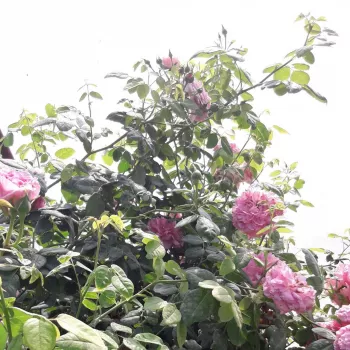
Bushy, upright shrub reaching about 100–140 cm in height with 80–120 cm spread; dense, mid-green glossy foliage and moderate thorniness; self-cleaning intensity and behaviour have not been characterised in available data. |
| Flower morphology |
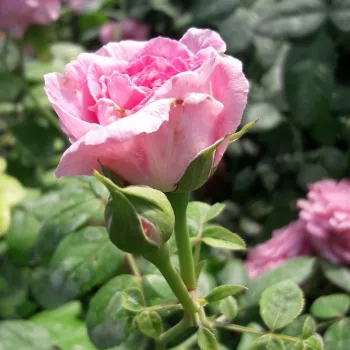
Floribunda type with medium-sized, 1.5–2.75 inch blooms in clustered inflorescences; semi-double pompon or globular flowers with 13–25 petals; remontant flowering habit with a generous second flush enhancing seasonal display. |
| Colour data and phenology |
Vibrant, rich carmine-pink overall with slightly warmer inner tone; buds dark carmine-pink, opening deep with paler centre; full bloom uniform carmine-pink then lightening to pale carmine-pink; moderate colour retention with progressive softening. |
| Fragrance and aroma |
Fragrance character not described in detail; assessed as very weak with barely perceptible scent, making it primarily a visual ornamental; no information is provided regarding suitability for soap, cosmetic or similar fragrance-driven uses. |
| Hip characteristics |
Produces moderate quantities of ovoid, egg-shaped hips, approximately 10–14 mm in diameter; hips are orange-red when mature, adding a discrete seasonal interest element in settings where fruiting display is appreciated. |
| Resistance and winter hardiness |
Moderate resistance to powdery mildew, black spot and rust; hardiness approximately -21 to -18 °C, RHS H7, Swedish zone 3, USDA 6b; no quantified data on heat or drought tolerance; overall performance matches medium-maintenance ornamental bedding use. |
| Horticultural recommendations |
Recommended for standard container production with bush-trained, compact form; target pot 2–3 L, medium maintenance and moderate disease resistance requiring occasional plant protection; primary use categories beyond this are not provided in the data. |
CSÍKSZEREDA offers remontant carmine-pink cluster flowering, bushy upright structure and hardy own-root reliability for stable, predictable stands, making it a practical choice to discuss for scheduled nursery and wholesale production planning.