Hybrid tea rose

20-215-1
20-215-2

Dame de Coeur

Hybrid tea rose

- – Louis Lens

Vivid, full cherry-red shade with a slight velvety sheen. - hybrid tea rose - very weak, barely perceptible fragrance rose - soft, discreet character

– Large, elegant Hybrid Tea blooms for cutting
– Vivid, velvety cherry-red colour holds its appeal
– Upright, bushy habit ideal for specimen planting
– Award-winning show rose with proven exhibition value
– Decorative orange-red hips extend the season’s interest
Special feature: Direct descendant of the legendary ‘Peace’ rose, combining classic form with rich colour.
Exclusive finished product
Dame de Coeur
pharmaROSA® NEONATAL rooted rose cutting
27,05 £
Due to courier service regulations – and the introduction of customs clearance – delivery to Ireland is temporarily suspended.
3.5 (5188)
facebook   twitter

Dame de Coeur – Hybrid tea rose – pharmaROSA® NEONATAL rooted cutting

Cherry-red blooms and proven heritage breeding make Dame de Coeur a focused option for nurseries seeking an exclusive premium-container cut-flower and specimen line, where high flower quality, defined form and reliable stem production matter more than low-input maintenance. Supplied as pharmaROSA® NEONATAL own-root propagation material, it provides a stable, renewable base for scaling nursery propagation beds and 5–7 L premium containers, supporting curated ranges for thematic and show gardens serving UK institutional and retail/reseller channels. Over time, own-root plants offer long operational lifespan, predictable regrowth under pruning and homogeneous stands that are easier to capacity-plan, especially where integrated nursery networks require dependable, verifiable cultivar identity. Development typically moves from root establishment in year one to structural shoot build-up in year two, reaching full ornamental and cut-stem performance from year three onwards, while its winter-hardy framework copes well with colder UK regions, even in conditions with significant wind exposure. This combination of branding-ready visual impact, structured bush-trained release form and reliable supply supports professional wholesale and project-focused production planning.


Usage options

Target area Reasoning
Premium 5–7 L container production for retail/reseller Dame de Coeur’s strong cherry-red, exhibition-grade blooms translate well into 5–7 L premium containers, where buyers prioritise flower quality and form. Bush-trained NEONATAL material with 3–5 framework canes speeds up canopy build, supporting an exclusive finished product aligned with retail/reseller expectations. Own-root stability underpins reliable renewal after seasonal pruning and helps maintain homogeneous benches for premium container scheduling, benefiting nursery and garden-centre supply chains
Cut-flower lines from outdoor beds The hybrid tea form, solitary XL flowers and remontant habit suit open-field cut-flower rows where stem quality outweighs foliage perfection. NEONATAL own-root plants establish quickly in propagation beds, then move into productive outdoor beds with predictable framework development in years two and three. With disease sensitivity acknowledged, producers can plan intensive protection for high-value cut stems, using the cultivar’s exclusive finished-product positioning to justify tighter crop management across specialist cut-flower wholesalers
Specimen and feature planting for show gardens The upright habit, dense dark foliage and defined high-centred blooms deliver strong focal points in themed and show gardens, where individual specimens must present reliably. Starting from uniform, tray-rooted own-root cuttings supports consistent structure when bush-trained for 5–7 L and larger containers, up to 40–50 L for long-term feature planting. This reinforces a curated, exclusive image in dedicated rose collections and supports premium positioning in public-realm and institutional projects
Thematic rose collections and heritage displays With classic Lens Roses parentage and mid-20th-century introduction, Dame de Coeur fits well into heritage and breeder-focused collections. Own-root NEONATAL material is suitable for cultivar maintenance and gene-bank style stands, supporting long lifespan and secure identity over repeated pruning cycles. The exclusive finished-product angle and emphasis on flower quality dovetail with curated ranges that differentiate a nursery’s assortment for collection-focused resellers
Cold-climate nursery networks and northern projects Hardiness down to approximately -32–-29 °C and H7 classification allow reliable overwintering in northern UK nursery infrastructure and exposed planting sites. Own-root plants recover well from winter pruning and weather-related dieback, helping maintain stable stands and reducing replacement risk in long-term stock beds. This resilience underpins premium-container and specimen supply for projects in colder regions, complementing exclusive positioning for Scotland and North England contractors
High-visibility beds in curated public plantings The vivid cherry-red colour, good full-bloom presentation and remontant habit suit high-visibility beds where visual impact is critical and maintenance resources are available. Acknowledged disease sensitivity can be managed through planned protection regimes, justified by the cultivar’s strong flower form and exclusive finished-product status. Own-root propagation allows renewal from the base, supporting longer planting cycles and consistent appearance in municipal and institutional rose schemes
Large-container statement plants (40–50 L) When grown on from NEONATAL into 5–7 L and then shifted to 40–50 L, bush-trained plants create imposing statement units with a well-developed framework and dense foliage. The solitary, XL blooms present strongly at eye level, suited to entrances, terraces and high-value retail displays. Own-root longevity and regenerative capacity support multi-year use and repositioning of these units, aligning with exclusive, high-ticket offers for landscape contractors and premium retailers
Integrated nursery propagation beds for ongoing supply Tray-rooted, 3–6‑month NEONATAL own-root cuttings enable nurseries to establish propagation beds that generate consistent liner and container material over multiple seasons. Year-one root establishment followed by structural shoot development and then full ornamental performance fits planned capacity-building in integrated nursery networks, while the cultivar’s exclusive status and flower quality justify the extra plant protection needed. This supports continuous, reliable supply lines into wholesale and reseller programmes

Finished-product ideas

  • Premium 5–7 L exhibition hybrid tea – Own-root bush-trained plants with 3–5 canes, finished in 5–7 L premium containers, highlight cherry-red flower quality and exclusive positioning for branded retail benches – target: specialist garden centres and rose resellers
  • Outdoor cut-flower block rose – Dedicated cut-flower blocks from own-root stock beds, managed with planned protection, supply remontant, solitary XL blooms for local markets – target: regional cut-flower growers and wholesalers
  • Heritage collection feature unit – Labelled 5–7 L or 40–50 L feature plants emphasising Lens heritage and cultivar story, suited to thematic and show gardens – target: public gardens, estates and collection-led nurseries
  • Cold-climate specimen series – A hardy specimen line, grown from NEONATAL into large containers for northern installations, leverages structural reliability and strong bloom presentation – target: northern UK landscapers and project specifiers
  • Exclusive rose bed assortment – Curated bed combinations using Dame de Coeur as a key cherry-red element, supplied as uniform own-root bushes for premium schemes – target: design-led landscapers and institutional project suppliers

Technical cultivar profile
Parameter Data
Name and registration Dame de Coeur is a hybrid tea rose; registered cultivar name and American Rose Society exhibition name are both Dame de Coeur, with current commercial use focused on premium, exclusive applications.
Origin and breeding Bred by Louis Lens in Belgium from the cross ‘Peace’ × ‘Independence’ and introduced by Lens Roses in 1958, this unregistered hybrid tea reflects classic European cut-flower and garden exhibition breeding.
Awards and recognition Recognised with a silver medal at Baden-Baden in 1958 and awarded the RNRS Trial Ground Certificate in Great Britain in 1958, confirming strong historical performance in trial and exhibition contexts.
Growth and structural characteristics Upright plants typically reach 80–120 cm in height with 50–70 cm spread, form dense, slightly glossy dark green foliage and moderate prickliness; spent blooms persist and need regular deadheading for best display.
Flower morphology Solitary, XL-sized, double flowers with 26–39 petals, cup-shaped and distinctly medium high-centred; remontant habit with an abundant second flush delivers repeated ornamental and cut-stem value in season.
Colour data and phenology Vivid cherry-red flowers with a velvety sheen; ARS code MR, RHS 46A outer and 46B inner; colour holds moderately, lightening slightly in strong sun and remaining deeper and richer in cooler conditions.
Fragrance and aroma Fragrance is very weak and barely perceptible, with a soft, discreet character; primarily an ornamental and exhibition variety where visual effect and flower form are prioritised over scented performance.
Hip characteristics Produces spherical orange-red hips in moderate quantities, typically 10–14 mm in diameter; hips can add a secondary seasonal interest where flowers are not deadheaded strictly for continuous rebloom.
Resistance and winter hardiness Hardy to around -32–-29 °C (USDA 4b, RHS H7, Swedish zone 5) but disease-sensitive: very susceptible to powdery mildew, with moderate susceptibility to black spot and rust, requiring regular plant protection.
Horticultural recommendations Best for flower beds, cut-flower use and specimen roles where maintenance can be high; needs regular deadheading and plant protection, and performs well in bush-trained premium containers from NEONATAL stock.

Dame de Coeur combines exclusive cherry-red exhibition blooms, reliable winter-hardy structure and own-root predictability for long-lived, homogeneous stands, making it a sound option where you can plan protection and wish to discuss capacity and scheduling in detail.


Detailed product attributes

Product Identification Data

Product Name: DAME DE COEUR – red tea-hybrid rose - Lens
Product Type: pharmaROSA® NEONATAL - rooted rose cutting
Cultivar Authenticity: Verified:24.02.2025
Item Number: [881] 20-215 (14.02.2026) pharmarosaneonatal.co.uk

Name and Registration

Meaning of Cultivar Name: The French term "Dame de Cœur" denotes the queen of hearts playing card, that is the queen of hearts.
Cultivar Synonym: Dama di Cuori; Herz-Dame; Queen of Hearts; Röd Peace
Registered Cultivar Name: Dame de Coeur
Original Trade Name: Dame de Coeur
Current Trade Name: Dame de Coeur Hybrid tea rose Dame de Coeur
Rose Group: Hybrid Tea
Commercial Type: hybrid tea rose
Commercial Group: Hybrid tea rose
Exhibition Category: cut flower; exhibition hybrid tea
Collection: Hybrid tea rose

Origin and Breeding

Initial Distributor: Lens Roses (Belgium)
Registration Year: unregistered variety
Breeder: Louis Lens
Breeding Company / Institution: Lens Roses (Belgium)
Breeding Year: Belgium, 1958
Parentage: ‘Peace’ × ‘Independence’

Awards and Honours

Competition and Show Awards: Baden-Baden – Silver medal (1958); Great Britain – RNRS Trial Ground Certificate (1958)

Growth and Structural Characteristics

Height: 2.6-3.9ft (80-120 cm)
Spread: 1.6-2.3ft (50-70 cm)
Growth Habit: upright
Foliage: The variety has dense foliage; its leaves are slightly glossy and dark green.
Prickliness: moderately thorny
Self-Cleaning Description: Most spent blooms remain on the plant and require deadheading.
Self-Cleaning Intensity: Self-cleaning: weak

Flower Morphology

Petal Count: 26-39
Flower Fullness: double-flowered
Flower Shape: cup-shaped, distinct medium high-centred
Flower Size: XL (3,5 in -)
Inflorescence Type: solitary
Colour Code: ARS code: MR RHS code: 46A (outer), 46B (inner)
Repeat Flowering: Remontant with an abundant second flowering.

Colour Data and Phenology

Colour: red
Flower Colour Description: Vivid, full cherry-red shade with a slight velvety sheen.
Closed Bud: Dark cherry red, with velvety-surfaced petals.
Newly Opened Flower: Clear, radiant cherry red with a delicate carmine sheen on the edges of the outer petals.
Full Bloom: Deep, even cherry-red tone with a slightly glossy edging.
Before Fading: The red lightens slightly and a pale pink hue appears at the edges of the petals.
Colour Fading Description: In strong sunlight it lightens slightly, while in cooler conditions the colour remains deeper.

Fragrance and Aroma

Fragrance Strength: very weak, barely perceptible fragrance rose
Fragrance Character: soft, discreet character
Pollinator Attraction: The rose’s fully double flowers are only moderately attractive to pollinators, because the double flower form often conceals or restricts access to the stamens, whereas single or semi‑double forms expose nectar and pollen more readily.
Pollinator-Friendly Rating: Partially pollinator-friendly, primarily ornamental

Hip Characteristics

Hip Shape: spherical
Hip Colour: orange-red
Hip Comment: Spherical, orange-red rose hips produced in moderate quantities, 10–14 mm in diameter.

Resistance and Hardiness

Hardiness (°C): -32–-29 °C
Heat and Drought Tolerance Description: Tolerates heat on average; requires watering during prolonged dry periods.
Disease Resistance: sensitive
  • powdery mildew – very susceptible
  • black spot – moderate
  • rust – moderate

Horticultural Recommendations

Recommended product path: Premium container
Release form: Bush-trained, with 3–5 strong framework canes
Recommended use: Maintenance requirement high; due to poor disease resistance, regular plant protection and increased attention are required.
Primary Uses: flower bed, cut flower, specimen

Comments

Positioning: Exclusive finished product
Target customer/channel: Retail / reseller
Main value proposition: Flower quality, form
DAME DE COEUR – red tea-hybrid rose - Lens
Vivid, full cherry-red shade with a slight velvety sheen. - hybrid tea rose - very weak, barely perceptible fragrance rose - soft, discreet character
The rose webshop. - red - very weak, barely perceptible fragrance rose - Dame de Coeur - hybrid tea rose - (2.6-3.9ft (80-120 cm))
Inflorescence: solitary Height: 2.6-3.9ft (80-120 cm) Flower shape: cup-shaped, distinct medium high-centred Winter hardiness: 5b red - Lens Roses (Belgium) hybrid tea rose - Flower size: XL (3,5 in -) Flower size: XL (3,5 in -) - Height: 2.6-3.9ft (80-120 cm) Height: 2.6-3.9ft (80-120 cm) - Flower fullness: double-flowered Dame de Coeur - Roses in the garden | pharmaROSA® Neonatal - standard Louis Lens

We showcase the external appearance of the roses available for online purchase from our webshop.


Which product type is right for you?


PharmaRosa® NEONATAL is the cost‑effective starting point for rose product production.

As a uniform, own‑rooted propagation material, it provides a stable basis for further growing-on and can be integrated flexibly into different finished product production technologies.
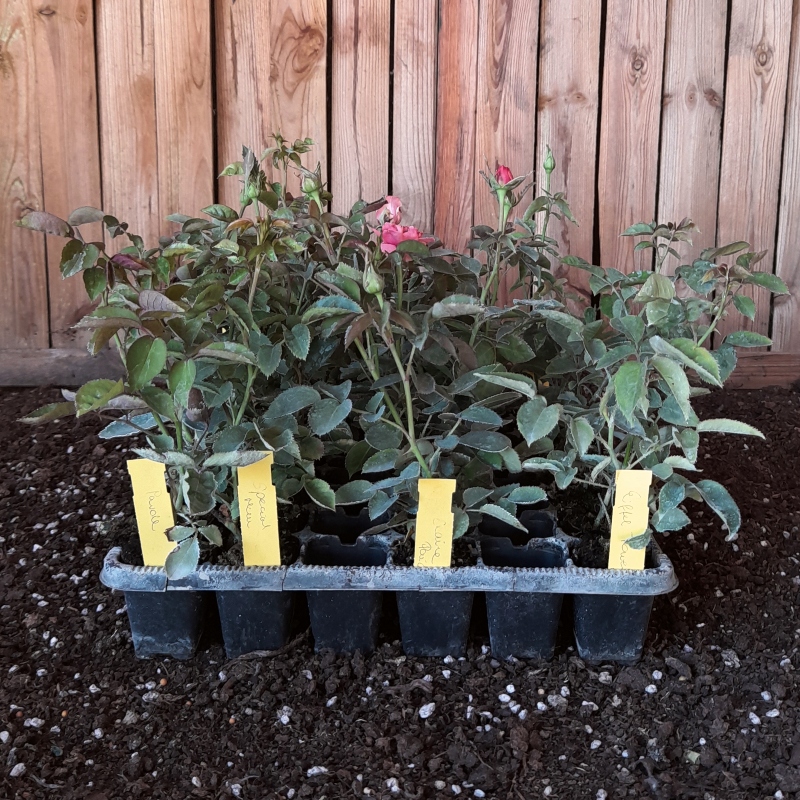
Rooted in trays (rooted), 3–6‑month‑old, own‑rooted rose cutting.
Uniform developmental stage, with a root system that has thoroughly penetrated the plug.
For professional growing‑on.
Tray packaging: 10 pcs/tray.
Quality and varietal identity: production supported by a dedicated identification and traceability logic.
Can be transplanted during frost‑free periods, designed for finished product production.

PharmaRosa® NEONATAL provides a controlled, uniform starting stock for planned growing‑on that can be integrated into your own technology – especially where scheduling and varietal identity are paramount.


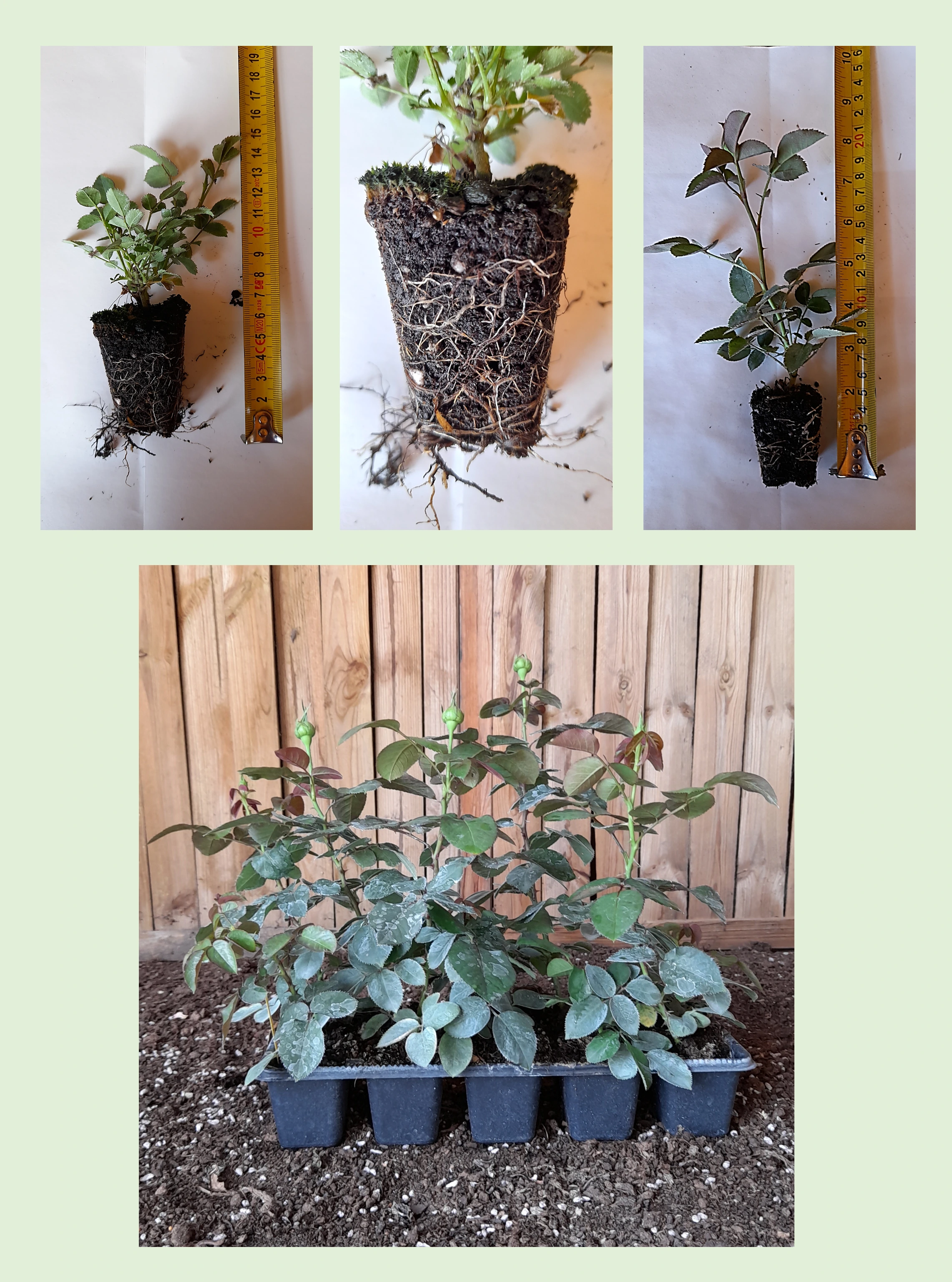
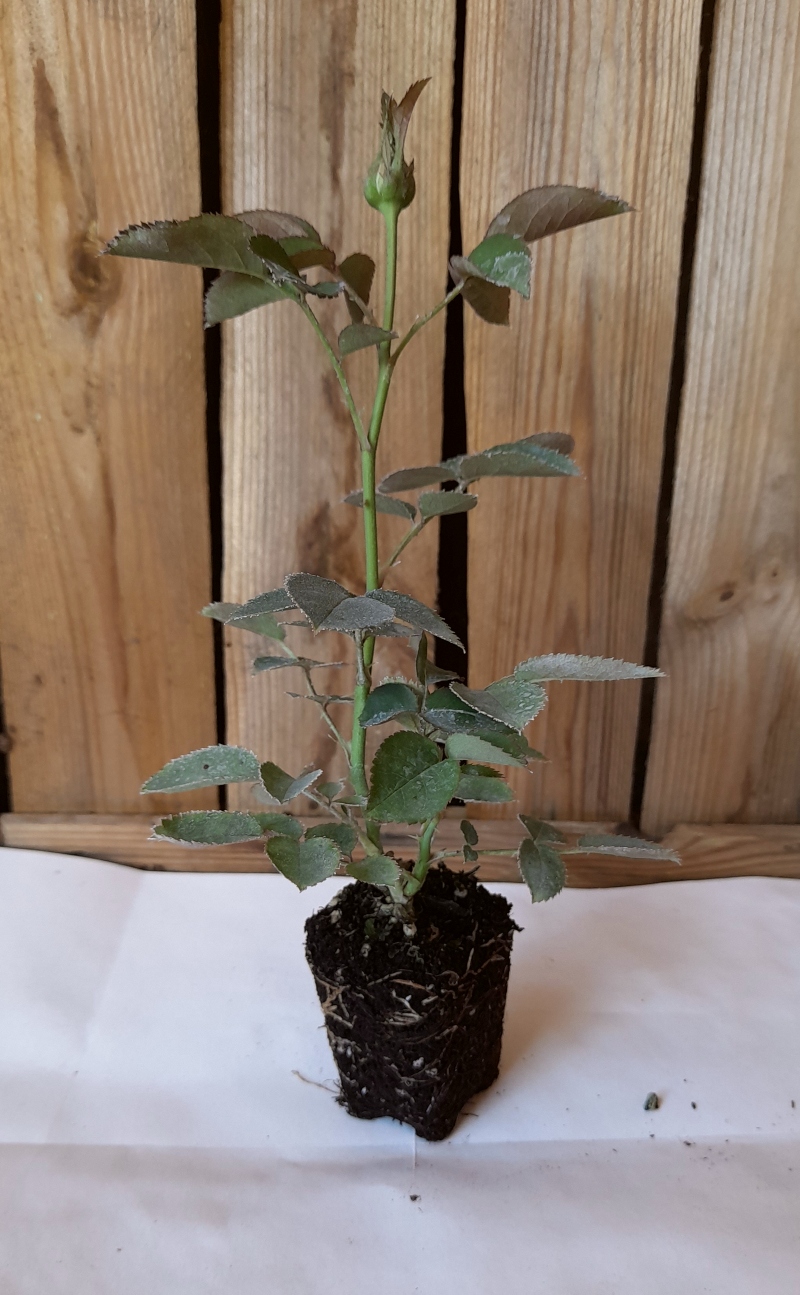
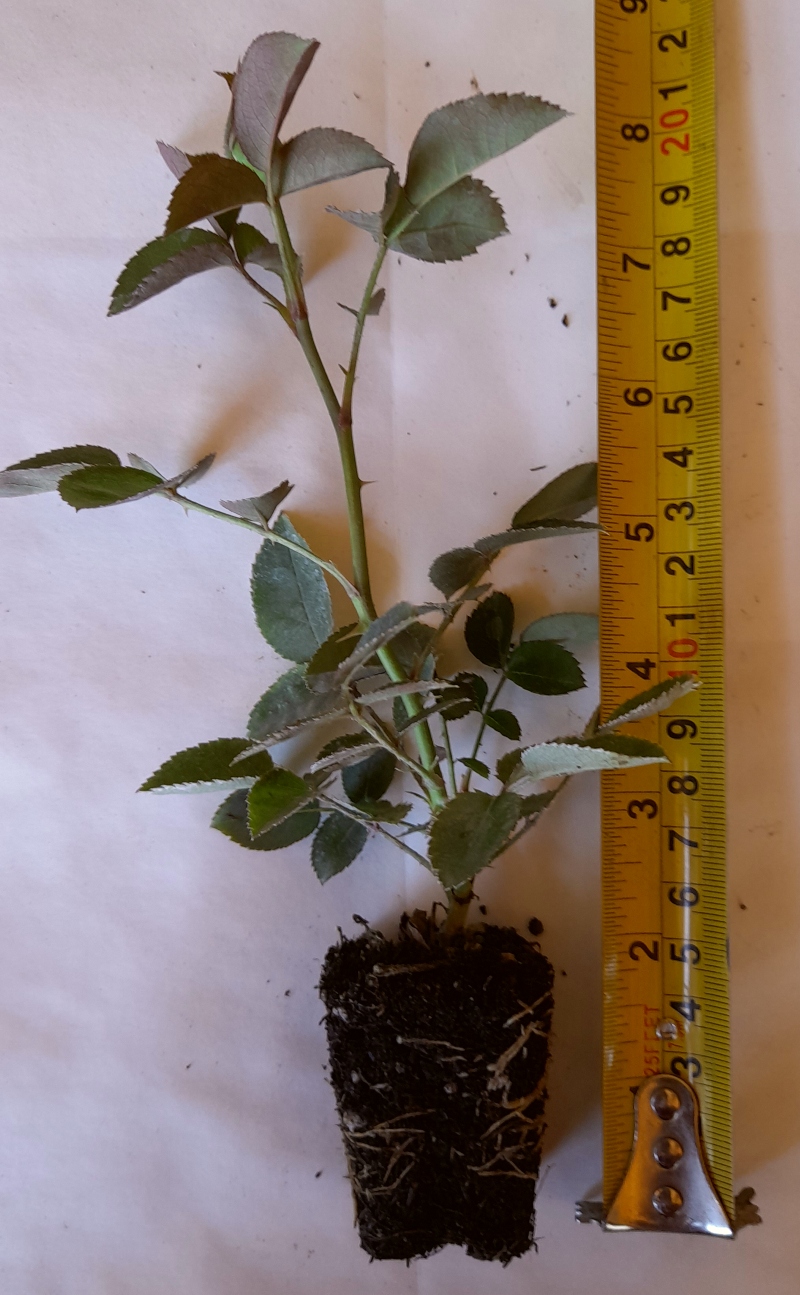
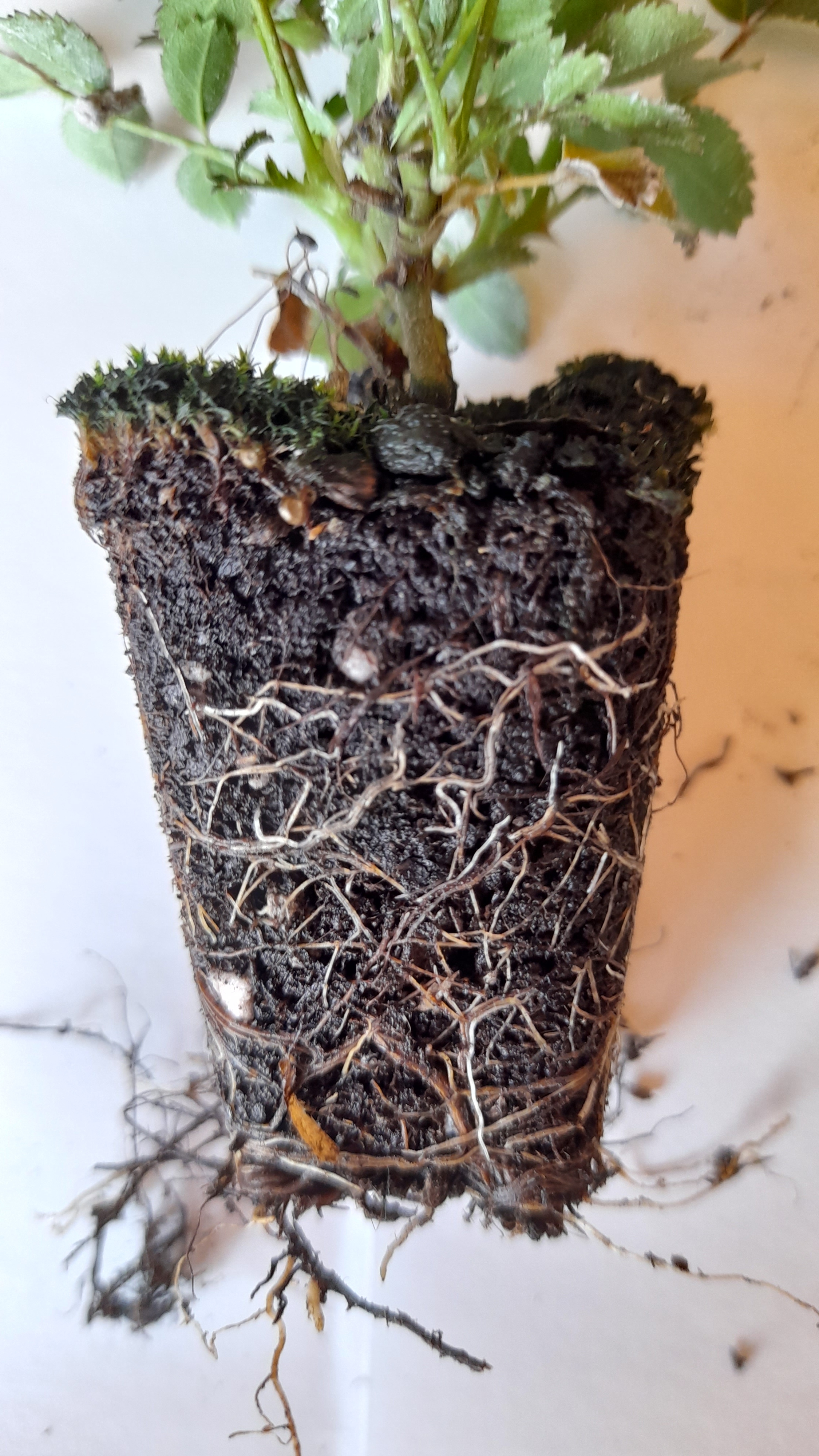
PharmaRosa® NEONATAL own-rooted rose propagation material in a plug, with a root system penetrating the plug (semi-finished product / semi-finished rose). PharmaRosa® NEONATAL rose propagation material size: 3–6‑month‑old, own-rooted cutting with a uniform developmental stage. PharmaRosa® NEONATAL rose propagation material root system: plug densely penetrated by well-developed white roots (root system detail). PharmaRosa® NEONATAL tray stock: own-rooted rose propagation material in trays, uniform developmental stage (10 pcs/tray).

Captions (from left to right): Semi-finished product (NEONATAL own-rooted rose propagation material in a plug with a fully developed root system) • Size demonstration (3–6‑month‑old, uniform cutting) • Root system detail (plug penetrated by the root system) • Tray stock (10 pcs/tray, uniform developmental stage)

pharmarosaneonatal.hupharmarosaneonatal.atpharmarosaneonatal.co.ukpharmarosaneonatal.czpharmarosaneonatal.depharmarosaneonatal.ropharmarosaneonatal.sipharmarosaneonatal.skpharmarosaneonatal.itpharmarosaneonatal.frpharmarosaneonatal.nlpharmarosaneonatal.plpharmarosaneonatal.lupharmarosaneonatal.ptpharmarosaneonatal.espharmarosaneonatal.ltpharmarosaneonatal.sepharmarosaneonatal.lvpharmarosaneonatal.eepharmarosaneonatal.fi

Which product type is right for you?

Pages for private customers
Garden roses for the family garden, with minimal care  → ORIGINAL®
Premium garden roses – instant impact, a truly showpiece garden  → EXTRA®
Pages for professionals and private customers
Roses for public spaces – large areas, sustainable maintenance  → NATURAL®
Roses for projects – hedge and row planting, fast implementation  → RAPID®
For professional partners only
Production – propagation material for garden roses, wholesale  → NEONATAL®

Company details

PharmaRosa Ltd.
Company registration number: 01-09-717479
VAT number: 13075314-2-43
Plant health registration no.: HU130721
Bank account (IBAN):
HU85117631891388688400000000
BIC (SWIFT): OTPVHUHB
Bank name: OTP Bank Nyrt.