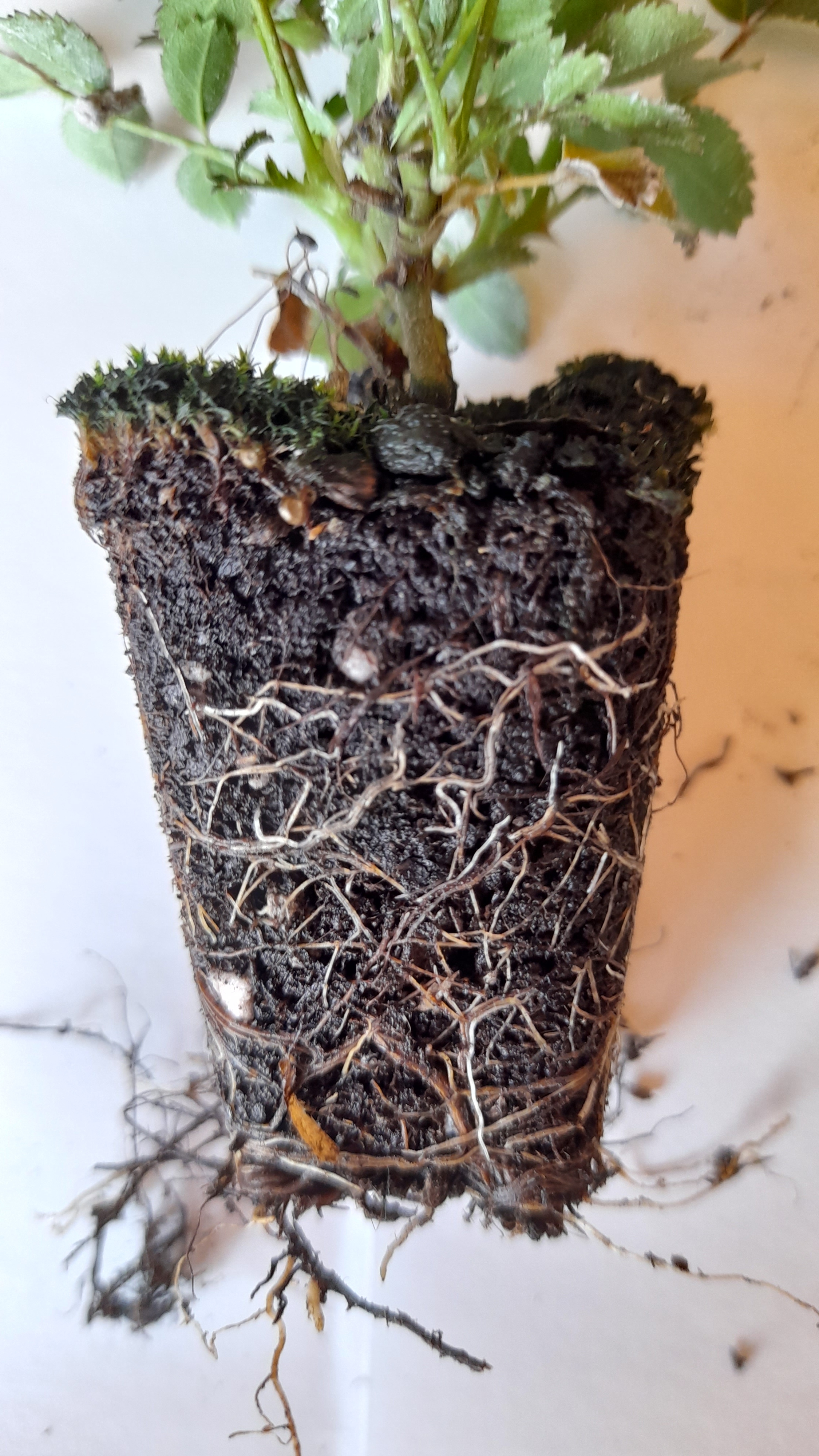
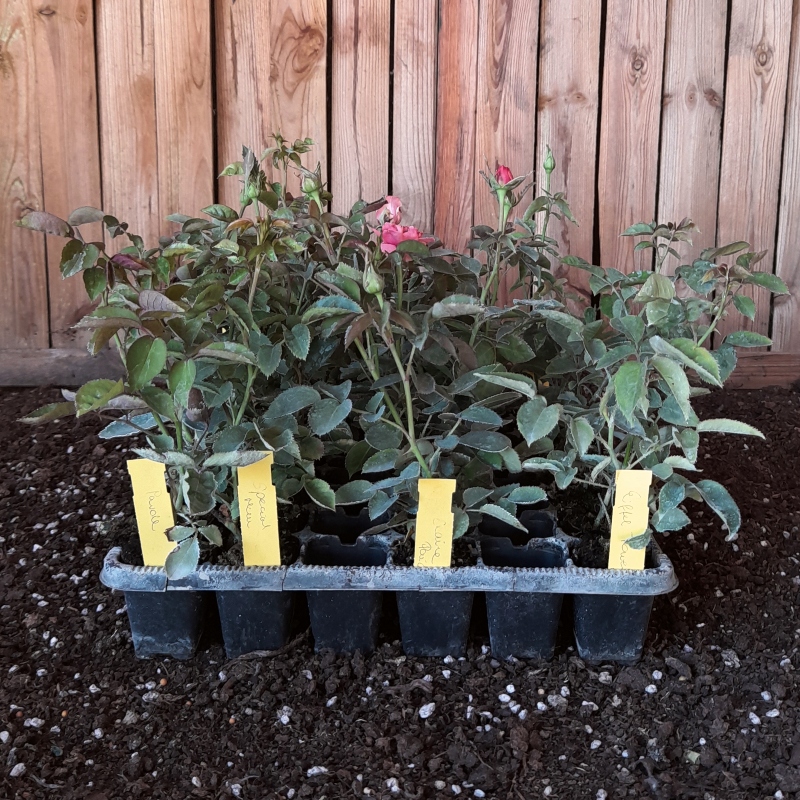
Diamond Jubilee – Hybrid tea rose propagation material
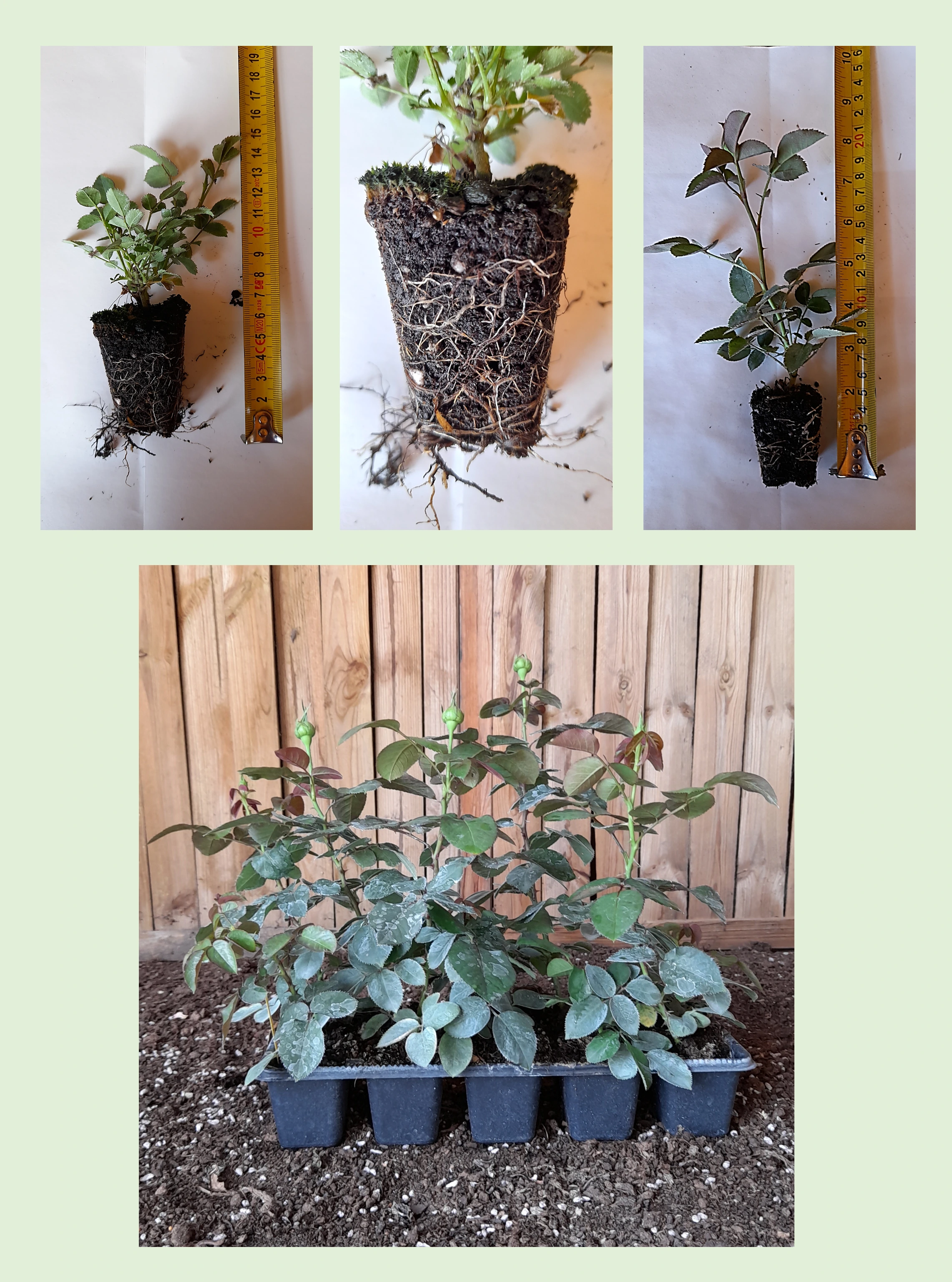
Exclusive own-root production of Diamond Jubilee supports premium container programmes focused on flower-bed and cut-flower quality, with upright, bush-trained structure for 5–7 L units and reliable repeat-flowering yields; its light-yellow, high-centred blooms with fresh-fruity fragrance suit commemorative and collection-led ranges, while own-root longevity and regeneration help maintain homogeneous stands over multiple cycles, supporting nursery networks even where winters are cold and windswept in northern regions, and following the natural development arc of strong roots in the first year, structural shoots in the second, and full ornamental value from the third season.
Usage options
Finished-product ideas
- Premium 5–7 L commemorative rose – Upright, bush-trained plants in 5–7 L containers highlighting the commemorative heritage and exclusive positioning, with repeat-flowering light-yellow blooms as the main value – retail/reseller premium benches.
- Pastel cut-flower garden series – A branded series built around high-centred, medium-sized blooms and repeat flowering, presenting Diamond Jubilee as the light-yellow, fresh-fruity link between garden beauty and cutting potential – independent garden centres.
- Heritage collection block – Own-root stock beds used to supply a “historic hybrid tea” container line, where long-term regeneration and cultivar fidelity support stable annual runs – nurseries serving thematic and show gardens.
- Fragrant light-yellow highlight SKU – A stand-alone, fragrance-flagged 5–7 L pot featuring fresh-fruity, pastel blooms positioned as an exclusive choice for collectors and enthusiasts – specialist rose retailers and mail-order partners.
- Cool-region hybrid tea selection – A curated assortment for cooler and more exposed UK regions, leveraging the hardiness profile and own-root resilience to provide reliable flowering performance – regional wholesalers and project suppliers.
Technical cultivar profile
| Parameter |
Data |
| Name and registration |
Hybrid tea rose registered and marketed as Diamond Jubilee, with Hybrid tea commercial grouping; own-root NEONATAL material supplied as verified cultivar-true propagation stock for nursery and wholesale production uses. |
| Origin and breeding |
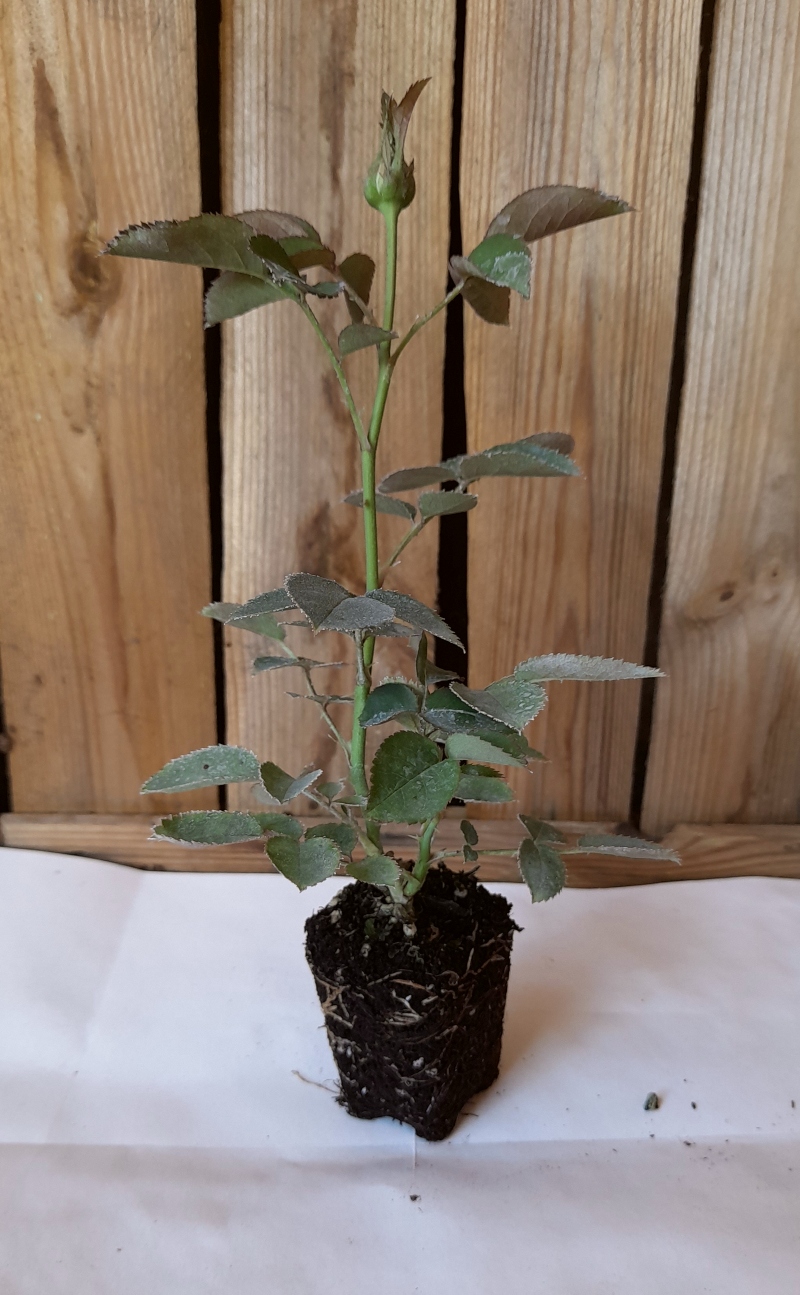
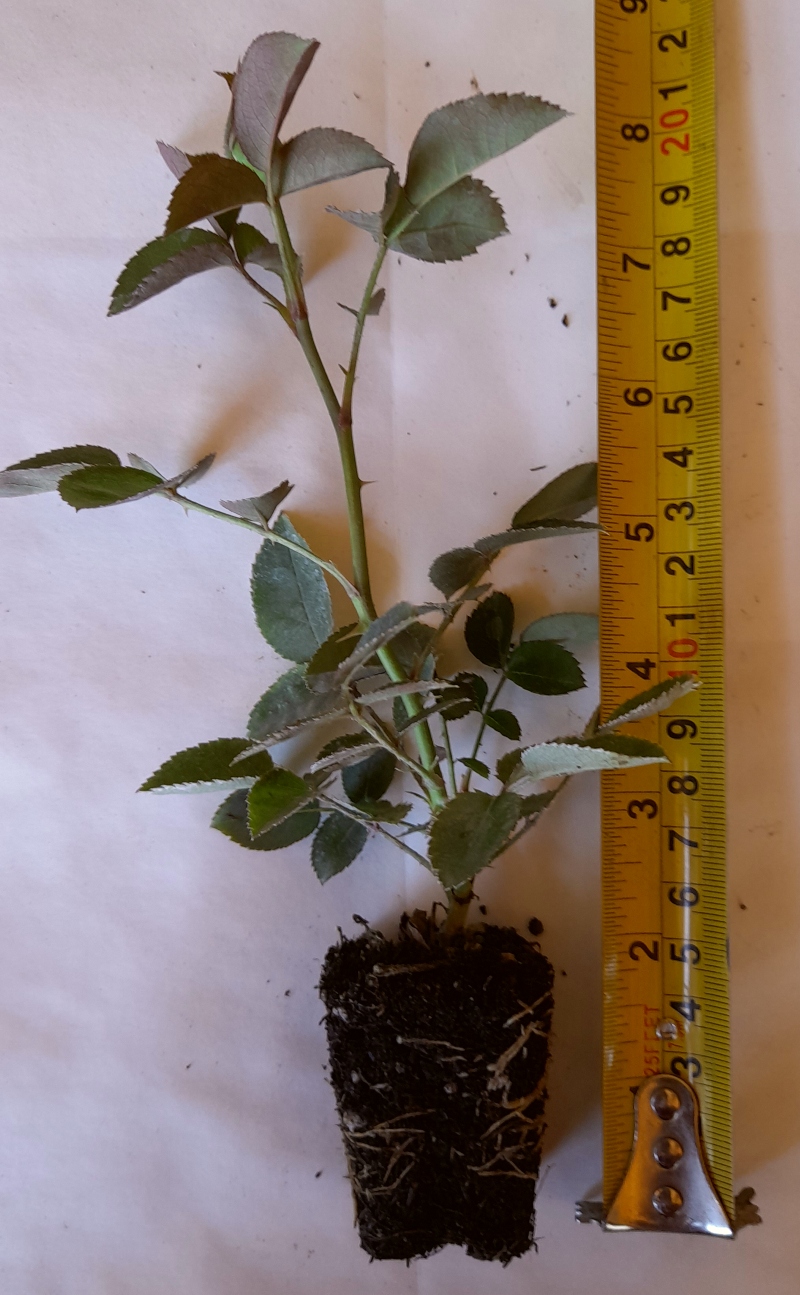
Bred by Eugene S. Boerner for Jackson & Perkins Co. in the United States, introduced in 1947 from the cross ‘Maréchal Niel’ × ‘Feu Pernet-Ducher’ as a commemorative cultivar; supplied here as unbudded own-root material. |
| Awards and recognition |
Holder of All-America Rose Selections distinction in 1948 and protected under US Plant Patent 824 (1949), underpinning its historic reputation for ornamental and cut-flower quality within hybrid tea rose breeding. |
| Growth and structural characteristics |
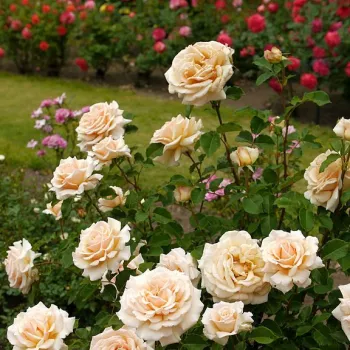
Upright hybrid tea shrub reaching about 100–140 cm in height with 60–80 cm spread, moderately thorny, medium-dense matt mid-green foliage; spent blooms persist and require deadheading to maintain display and plant health. |
| Flower morphology |
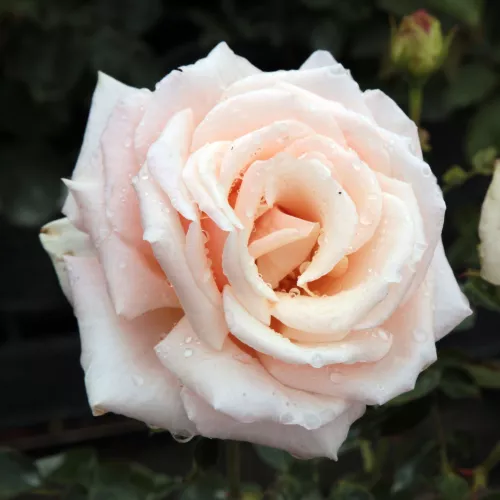
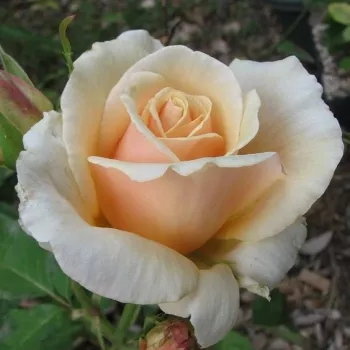
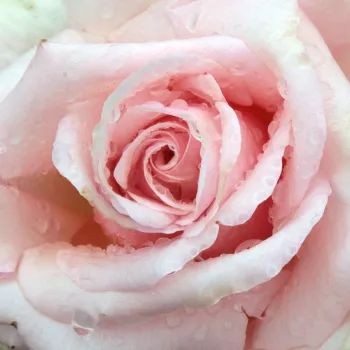
Medium-sized, double, high-centred hybrid tea blooms with 26–39 petals carried mainly singly; pointed, cut-rose type buds give a formal, exhibition-style effect, and the plant repeats well with a notably abundant second flush. |
| Colour data and phenology |
Light-yellow to pale butter-yellow flowers with soft peach shading, ARS ly; RHS 11C outer and 15D inner, fading in sun toward creamy white, sometimes with slight pinkish tints, offering an elegant, pastel-toned presentation in beds. |
| Fragrance and aroma |
Fresh, fruity fragrance of medium strength, clearly noticeable on open blooms; flower structure prioritises ornamental and exhibition value rather than pollinator access, so ecological contribution in this respect is limited. |
| Hip characteristics |
Hip set is generally low due to very double blooms; where formed, hips are small, globular, orange-red, around 10–14 mm diameter and mainly of visual interest rather than a planned production feature. |
| Resistance and winter hardiness |
Hardy to approximately –21 to –18 °C (RHS H7, USDA 6b, Swedish zone 3) with moderate overall disease resistance; black spot and rust are moderate, powdery mildew very susceptible, requiring integrated protection in professional systems. |
| Horticultural recommendations |
Suited to flower-bed and cut-flower use with medium maintenance demands; prefers regular watering in heat, benefits from deadheading and scheduled plant protection; best positioned in premium container programmes using own-root crops. |
Diamond Jubilee offers repeat-flowering, high-centred pastel blooms, recognised historic status and reliable cold-hardy performance on long-lived own-root stands; we would welcome a discussion to align volumes and scheduling to your programme.