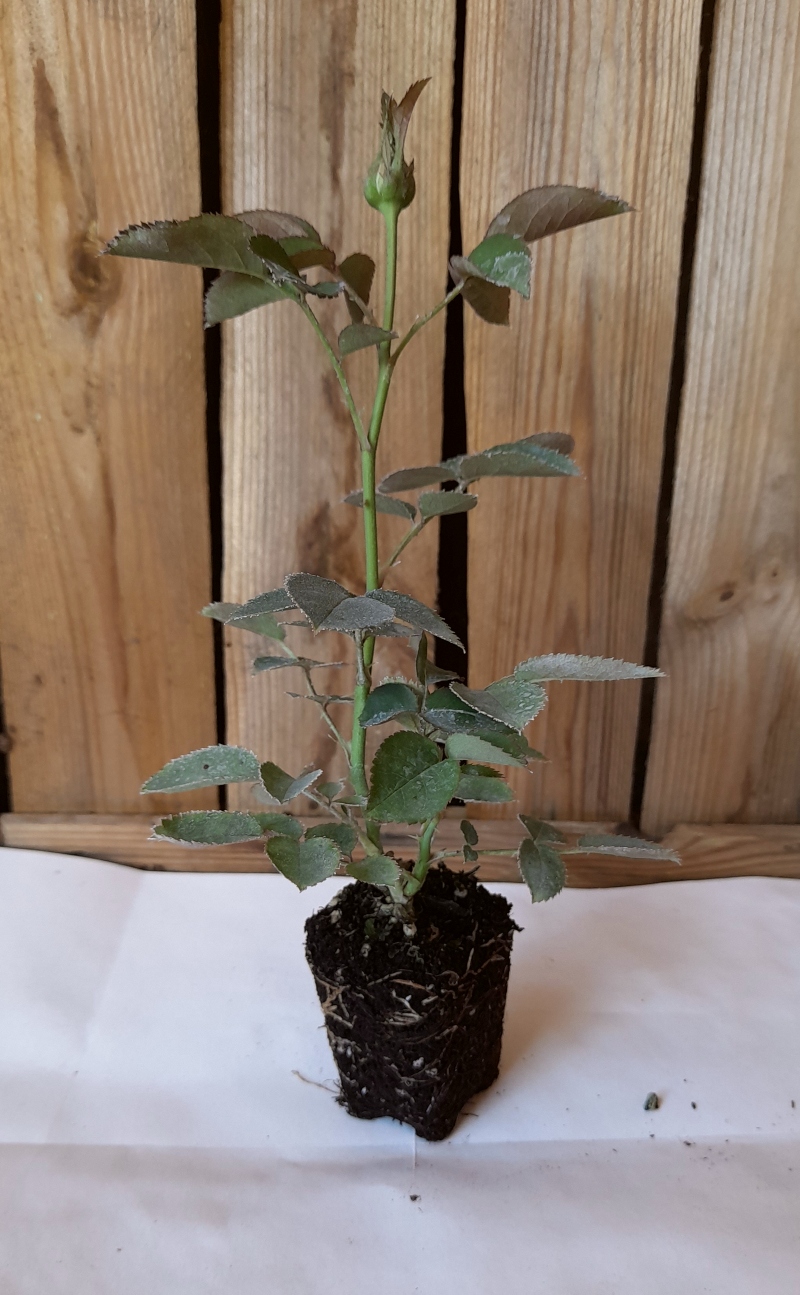
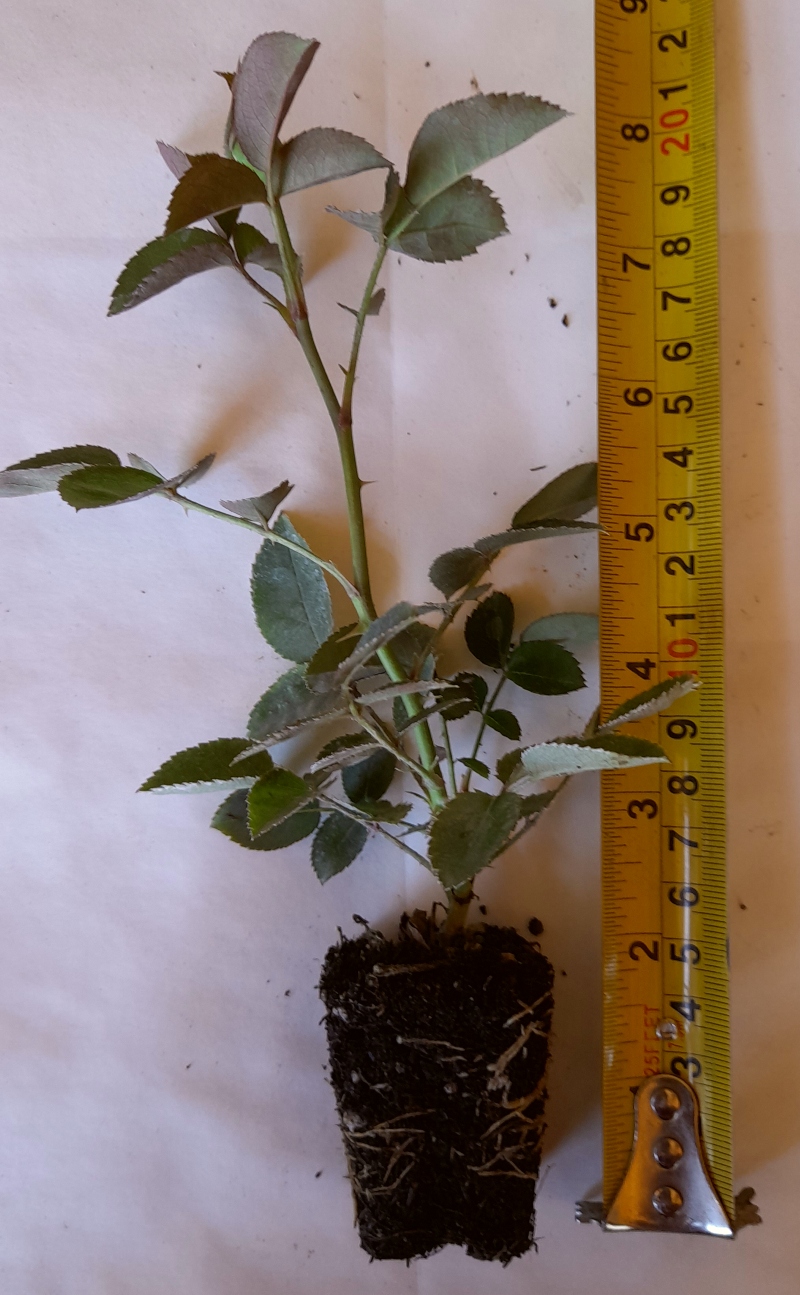
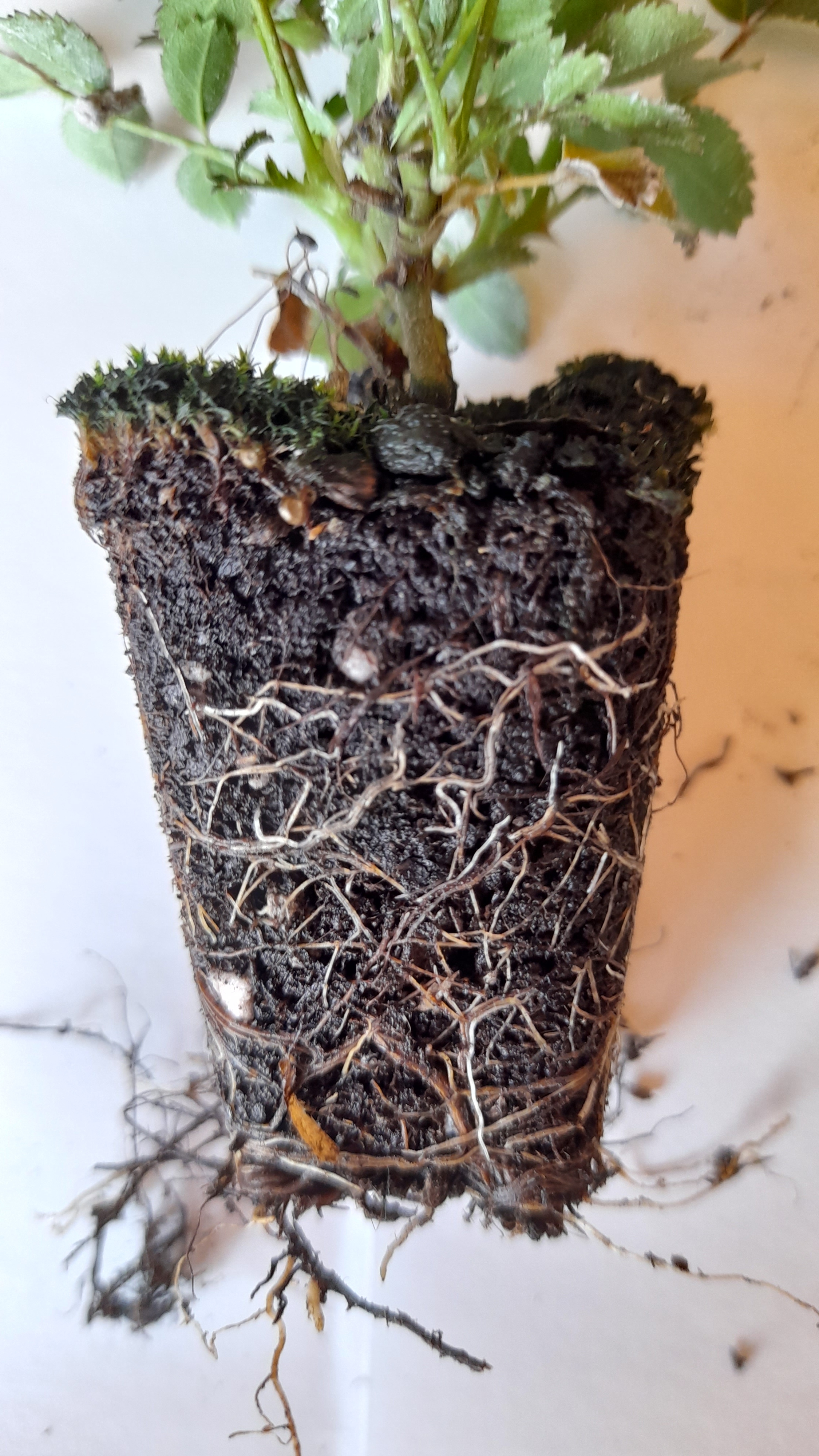
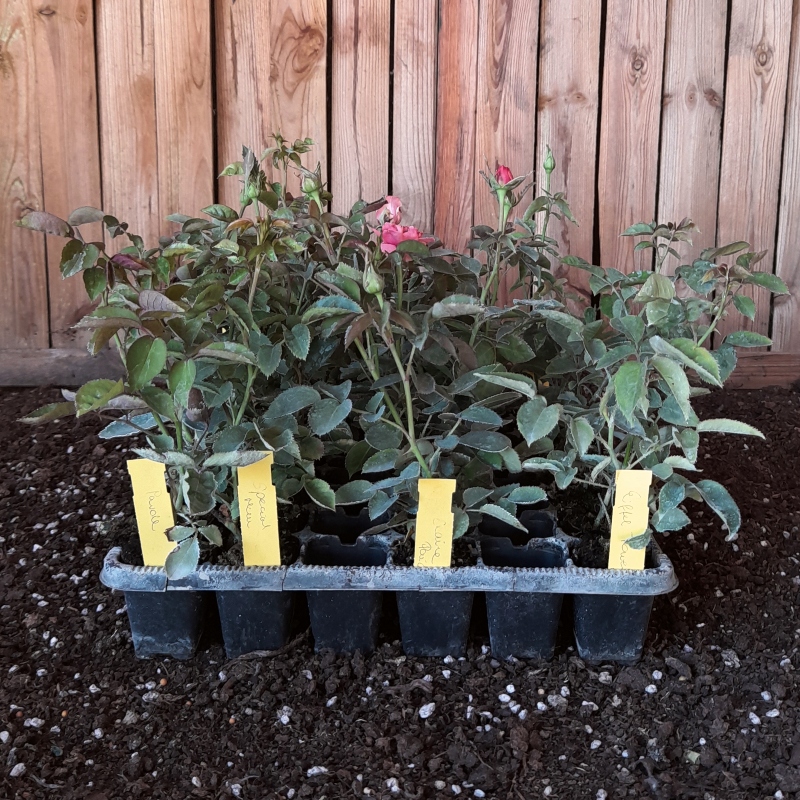
| High-density flowerbed and park production in 2–3 L containers |
The compact, bushy habit and 45–65 cm height allow tight planting grids and efficient bench use in standard container production, with a consistent 2–3 L canopy profile for massed plantings. Own-root NEONATAL material supports homogeneous stands and predictable scheduling from bush-trained, compact young plants into standard finished product lines aimed at reliable garden performance in retail and reseller channels. Nursery and garden-centre supply |
| Colour-strong bedding shrub lines for retail programmes |
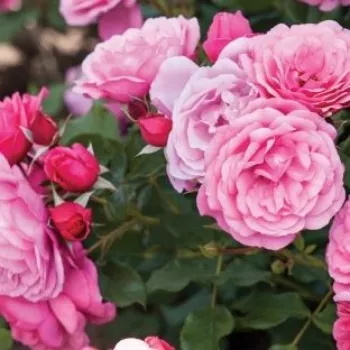
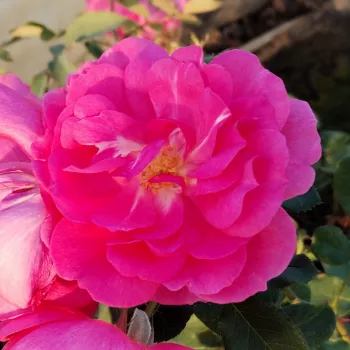
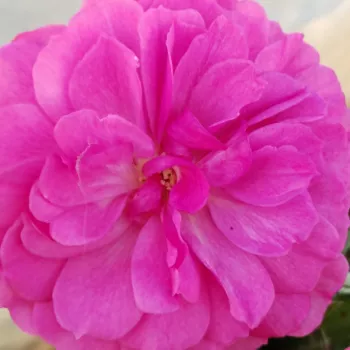
Mid-pink, cluster-flowered, double blooms with a clear, vibrant tone translate well into visually coherent bedding shrub ranges. Remontant flowering with an abundant second flush supports reliable colour cover through the core sales window, aligning with standard finished product positioning in 2–3 L. Using pharmaROSA NEONATAL own-root cuttings stabilises crop structure for retailers valuing consistent, low-effort garden performance. Branded and private-label assortments |
| Low-maintenance ranges for urban green space and public-realm contracts |
Documented resistance to powdery mildew, black spot and rust, combined with low maintenance requirements, supports reduced-visit maintenance regimes typical of municipal and institutional projects. Propagating DUNAV™ on a pharmaROSA NEONATAL own-root base gives long-lived, regenerating plants for massed planting and park use from standard container production, underpinning reliable garden performance in public-facing schemes. Public-realm and contractor supply |
| Collection and thematic rose garden plantings |
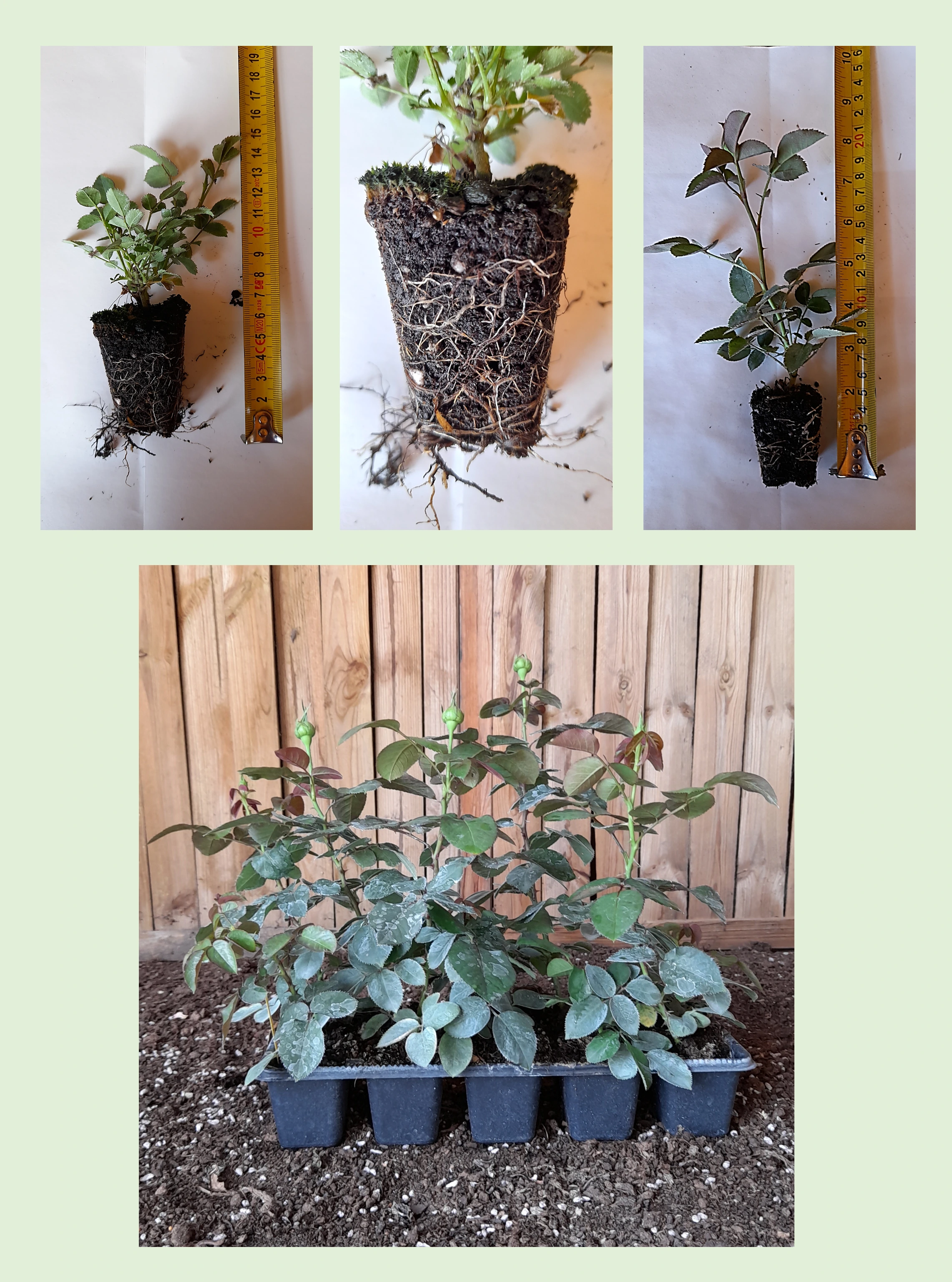
The Reka® collection background, premium gold cultivar quality rating and stable mid-pink colour progression suit thematic or collection plantings where identity and long-term continuity are critical. Own-root NEONATAL stock offers a renewable base for cultivar maintenance, with tray-rooted young plants easily integrated into nursery propagation beds and 2–3 L grow-on for standard finished product routes in specialist collections. Specialist and collection growers |
| Robust, winter-hardy stock for UK multi-region distribution |
H7 hardiness, USDA 6b and Swedish Zone 3 ratings indicate reliable performance under cold conditions, supporting national supply where winters can be severe or unpredictable. Propagating on own roots produces stands with good regeneration after stress, reducing replacement needs in nursery and landscape cycles, and fits standard container production streams delivering reliable garden performance to broad retail and wholesale routes. Nationwide nursery networks |
| Massed planting schemes requiring dense, dark green foliage |
Dense, dark green, slightly glossy foliage delivers strong ground coverage and a neat visual base in flowerbeds, parks and urban schemes. In production, this foliage character helps create full-looking 2–3 L plants at dispatch. Own-root NEONATAL cuttings develop into stable, bush-trained plants that underpin standard finished product expectations around reliable garden performance in visible, traffic-heavy locations. Landscape-oriented wholesalers |
| Programmes prioritising predictable, remontant flowering |
Remontant flowering with an abundant second flush offers planners a dependable rhythm of colour after the first peak, important in scheduled retail programmes and long-season public plantings. Starting from uniform, tray-rooted NEONATAL material supports even crop timing, with the typical development arc from rooting in year one, structural build in year two and full ornamental expression from year three reinforcing long-term reliable garden performance. Programme-based producers |
| Container production with value-added hip interest |
The small, spherical red hips add discreet seasonal interest where plantings are left un-deadheaded, which can suit lower-maintenance park and massed schemes. For growers, the occasional hips are a modest but distinguishable trait for labelling and range differentiation in standard 2–3 L containers. Own-root NEONATAL plants give the longevity and stand stability expected where reliable garden performance supports repeat specifications. Specification-driven channels |