Bedding rose

21-496-1
21-496-2

Florence Delattre

Générosa®

MASflodel – Dominique Massad

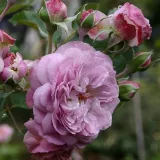
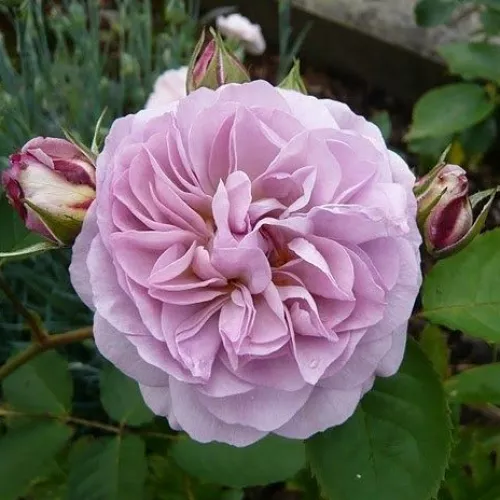
Pale mauve‑lilac base colour with a subtle greyish‑lilac hue and a faint creamy‑yellow tone in the centre. - flower bed shrub rose - strong, pronounced-scented rose - spicy, rose oil character

– Strong, spicy Florence Delattre fragrance
– Reliable repeat flowering with generous second flush
– Healthy, disease‑resistant foliage, low maintenance
– Graceful, bushy shrub for beds and borders
– Decorative red hips add autumn garden interest
Special feature: Unique grey‑lilac blooms with soft yellow heart create a rare, nostalgic colour harmony.
Standard finished product
Florence Delattre
pharmaROSA® NEONATAL rooted rose cutting
30,92 £
Due to courier service regulations – and the introduction of customs clearance – delivery to Ireland is temporarily suspended.
4 (5846)
facebook   twitter

Florence Delattre Générosa® MASflodel – pharmaROSA® NEONATAL rooted cutting

Générosa® shrub roses such as Florence Delattre offer reliable own‑root propagation material for professional growers seeking a distinctive, purple-toned bed and cut-flower shrub with remontant flowering and strong, rose‑oil fragrance. Supplied as tray‑grown, 3–6‑month‑old rooted cuttings, this compact, bush‑trained form integrates smoothly into container-based nursery systems, particularly where a 2–3 L standard container route is preferred for a premium yet accessible retail shrub. Its dense, dark green, glossy foliage, resilient H7 hardiness to around −26 °C and documented resistance to powdery mildew, black spot and rust support low‑intervention production and dependable garden performance. In the UK context, this underpins supply for thematic rose gardens and collection projects, including public‑realm schemes in cooler, wind‑exposed regions where winter durability matters. Own‑root plants develop progressively—roots in year one, structural framework in year two, and full ornamental value by year three—supporting long‑term, homogeneous stands with low replacement demand. With moderately ornamental red hips and moderate pollinator interest, the cultivar can support both decorative and ecological narratives in wider assortments designed for nursery and wholesale channels, while the stable own‑root base simplifies planning of volume and scheduling for collection‑driven ranges.


Usage options

Target area Reasoning
Low‑intervention nursery production for retail shrub ranges The combination of H7 winter hardiness, USDA 5b rating and recorded resistance to powdery mildew, black spot and rust translates to a dependable, low‑intervention crop in standard 2–3 L containers. In practice this means fewer corrective sprays, predictable scheduling and an easier path to the “Standard finished product” positioning with reliable garden performance as a core promise. The bush‑trained, compact habit suits space‑efficient container layouts for rooted cuttings moved on from pharmaROSA NEONATAL trays. Suitable for retail/reseller networks
Flower‑bed shrub production for public‑realm and institutional projects Bushy growth, 120–160 cm height and 90–130 cm spread provide sufficient presence for bedding and massed flower‑bed planting, while own‑root form supports renewal after hard pruning and long‑term stand stability. Using rooted cuttings as a base for 2–3 L, then stepping selected stock into 40–50 L units, gives nurseries flexibility to service both landscape contractors and public‑realm suppliers. The “Standard finished product” profile with reliable garden performance aligns well with municipal specifications requiring durable, repeat‑flowering shrub roses. Ideal for public‑realm suppliers
Fragrance‑led cut‑flower and garden‑cut assortments Strong, pronounced, spicy rose‑oil fragrance combined with remontant flowering and medium, cupped, clustered blooms allows positioning within fragrance‑focused cut‑flower or “garden‑cut” shrub collections. Propagation from own‑root NEONATAL material helps maintain uniform scent expression across blocks, while the standard container route keeps production compatible with existing shrub workflows. Finished 2–3 L plants can be marketed as reliable, scented garden performers under a broadly appealing, standard finished‑product profile. Appropriate for assortment‑driven retailers
Thematic and collector‑oriented Générosa® or Dumas‑inspired ranges The Générosa collection link and the cultivar name’s reference to an Alexandre Dumas hero allow inclusion in literary or heritage‑styled thematic ranges and dedicated rose collections. Own‑root propagation from NEONATAL cuttings supports accurate cultivar identity and long‑term maintenance blocks, important for show gardens and collection plantings. A standard 2–3 L container output gives a practical, consistent SKU for retailers while still differentiating on story and reliable garden performance. Well suited to specialist rose nurseries
Premium shrub rose lines emphasising colour nuance and visual character The pale mauve‑lilac base, greyish‑lilac hue and faint creamy‑yellow centre create a complex, pastel colour effect that stands out in shrub assortments. NEONATAL own‑root supply enables homogeneous batches where this subtle colour balance is reliably expressed, even when batches are scaled up. Grow‑on via the standard 2–3 L container path aligns with a premium gold internal quality rating, supporting the “Standard finished product” promise while enabling differentiated labelling at point of sale. Designed for brand‑building partners
Pollinator‑aware, semi‑double shrub concepts Semi‑double flowers with 13–25 petals offer moderate pollinator attraction, allowing inclusion in pollinator‑aware shrub mixes without over‑stating ecological value. For growers, this means Florence Delattre can be grouped with similar remontant shrubs to build balanced ranges that meet both decorative and functional briefs. Using own‑root rooted cuttings into 2–3 L containers provides a scalable, predictable supply base to support such concepts under a standard finished‑product positioning. Appropriate for garden‑centre ranges
Collection and gene‑bank style maintenance plantings Verified cultivar authenticity and own‑root technology from pharmaROSA NEONATAL are advantageous where long‑term identity and renewal are critical, such as cultivar collections and gene‑bank style stands. The dense, dark green, glossy foliage and remontant habit provide ongoing observational material, while the moderate hip formation adds additional traits to conserve. Production through standard containers simplifies internal handling before establishing permanent stock beds that anchor wider retail and project‑facing propagation. Ideal for collection managers
Cold‑climate nursery networks requiring robust base stock The combination of H7 rating, Swedish zone 4 and USDA 5b hardiness indicates suitability for cooler, wind‑exposed parts of the UK, supporting regional nursery networks that service demanding climates. In such contexts, own‑root shrubs help ensure regeneration after harsh winters and pruning, with NEONATAL cuttings providing a reliable base to scale 2–3 L production. This underpins the “Standard finished product” value of reliable garden performance for retailers operating beyond milder southern markets. Beneficial for UK‑wide wholesalers

Finished-product ideas

  • Premium 2–3 L fragrant shrub line – Standard 2–3 L container plants grown from own‑root NEONATAL material, emphasising strong rose‑oil fragrance and remontant flowering under a reliable garden‑performance message – retail/reseller shrub programmes
  • Landscape bed and specimen units – Step selected 2–3 L material into 40–50 L containers for ready‑to‑plant, bushy shrubs with dense, glossy foliage and robust hardiness, aimed at flower‑bed and specimen use – landscape contractors and public‑realm buyers
  • Générosa® and literary collection series – Curated range highlighting the Générosa collection and the Alexandre Dumas name link, using uniform own‑root 2–3 L plants to support identity‑critical thematic and collection plantings – specialist nurseries and show gardens
  • Fragrance‑focused garden‑cut assortment – Group Florence Delattre with other strongly scented remontant shrubs in 2–3 L containers as a garden‑cut and bouquet‑friendly offer, backed by low‑intervention disease resistance – independent garden centres
  • Cold‑hardy shrub selection – Position Florence Delattre within a cold‑tolerant shrub subrange, exploiting its H7 / USDA 5b performance and resilient own‑root base, supplied mainly as 2–3 L stock – UK‑wide wholesale and regional nursery partners

Technical cultivar profile
Parameter Data
Name and registration Modern shrub rose, commercial bed rose type, registered as MASflodel, traded as Florence Delattre Générosa MASflodel; American Rose Society exhibition name Florence Delattre, exhibition category shrub rose and cut flower.
Origin and breeding Bred in France in 1991 by Dominique Massad from Rêve d’Or × Magenta (Kordes, 1954), introduced and registered in 1997 by Guillot / Roseraies Pierre Guillot, within the Les Roses de Dominique Massad breeding framework.
Awards and recognition not provided
Growth and structural characteristics Bushy shrub reaching approximately 120–160 cm in height and 90–130 cm in spread, with dense, dark green, glossy foliage and moderate prickliness; spent flowers are weakly self‑cleaning and generally require manual removal.
Flower morphology Semi‑double, cupped blooms with 13–25 petals, medium sized at roughly 1.5–2.75 inches, most often in clustered inflorescences, delivering remontant flowering with a generous second flush during suitable conditions.
Colour data and phenology Pale mauve‑lilac base with greyish‑lilac hue and faint creamy‑yellow centre; colour is richer in cool conditions and fades in strong heat to dusky rose‑purple, then towards an almost greyish lavender tone as blooms age.
Fragrance and aroma Strong, pronounced fragrance with a spicy, rose‑oil character considered a key ornamental and sensory feature; semi‑double flowers with 13–25 petals provide moderate pollinator interest due to partial stamen accessibility.
Hip characteristics Forms moderately abundant, spherical red hips, approximately 8–12 mm in diameter, providing additional ornamental interest and seasonal structure where spent blooms are not fully removed after flowering.
Resistance and winter hardiness Rated resistant to powdery mildew, black spot and rust; hardy to approximately −26 to −23 °C (RHS H7, Swedish zone 4, USDA 5b); requires regular watering as heat and drought tolerance are low and prolonged drought is not tolerated.
Horticultural recommendations Suited to flower beds, specimen use and garden cutting; compact bush‑trained form recommended for standard 2–3 L container production, with low general maintenance needs and good disease resistance, albeit weak self‑cleaning of spent blooms.

Florence Delattre Générosa® MASflodel offers fragrant, remontant, cold‑tolerant shrub performance on a predictable, regenerative own‑root base, making it a sound candidate for discussion on future capacity, assortment planning and scheduling.
Detailed product attributes

Product Identification Data

Product Name: FLORENCE DELATTRE – purple bedding shrub rose - Massad
Product Type: pharmaROSA® NEONATAL - rooted rose cutting
Cultivar Authenticity: Verified:06.05.2025
Cultivar Quality Rating: premium gold
Item Number: [1489] 21-496 (14.02.2026) pharmarosaneonatal.co.uk

Name and Registration

Meaning of Cultivar Name: The name refers to an Alexandre Dumas hero.
Original Trade Name: Florence Delattre
Current Trade Name: Florence Delattre Générosa® MASflodel
Rose Group: Modern Shrub
Commercial Type: flower bed shrub rose
Commercial Group: Bed rose
Exhibition Category: shrub rose; cut flower
Collection: Générosa®

Origin and Breeding

Initial Distributor: Guillot / Roseraies Pierre Guillot (France)
Breeder: Dominique Massad
Breeding Company / Institution: Les Roses de Dominique Massad (France)
Breeding Year: France, 1991
Parentage: Rêve d’Or × Magenta (Kordes, 1954)

Growth and Structural Characteristics

Height: 3.9-5.2ft (120-160 cm)
Spread: 3-4.3ft (90-130 cm)
Growth Habit: bushy
Foliage: The cultivar has dense foliage; its leaves have a glossy surface and a dark green hue.
Prickliness: moderately thorny
Self-Cleaning Description: Most of the spent flowers remain on the plant and require subsequent cleaning.

Self-Cleaning Intensity: self-cleaning: weak

Flower Morphology

Petal Count: 13-25
Flower Fullness: semi-double
Flower Shape: cupped
Flower Size: M (1,5-2,75 in)
Inflorescence Type: clustered
Colour Code: ARS code: M RHS code: 75C (outer), 14C (inner)
Repeat Flowering: Remontant with a generous second flowering.

Colour Data and Phenology

Colour: purple
Flower Colour Description: Pale mauve‑lilac base colour with a subtle greyish‑lilac hue and a faint creamy‑yellow tone in the centre.
Closed Bud: Deeper lilac-pink, with a faint grey bloom on the outer petals.
Newly Opened Flower: Light lavender-lilac, with faint creamy-yellow shading in the inner zone.
Full Bloom: Pastel greyish‑lilac, with a soft yellowish‑beige glow in the centre and rosy‑lilac shades at the edges.
Before Fading: Fading dusky rose-purple, finishing with an almost greyish lavender tone.
Colour Fading Description: The colour fades in hot, strong sunlight and remains more vivid in cool conditions.

Fragrance and Aroma

Fragrance Strength: strong, pronounced-scented rose
Fragrance Character: spicy, rose oil character
Pollinator Attraction: Semi-double flowers with 13–25 petals moderately attract pollinators, as the semi-double form and reduced stamen accessibility limit their appeal.
Pollinator-Friendly Rating: Semi-double-flowered variety (13–25 petals) that moderately attracts pollinators and is therefore moderately pollinator-friendly

Hip Characteristics

Hip Shape: spherical
Hip Colour: red
Hip Comment: Moderately abundant, spherical red hips 8–12 mm in diameter, with ornamental value.

Resistance and Hardiness

Hardiness (°C): -26–-23 °C
Heat and Drought Tolerance Description: Requires regular watering and does not tolerate prolonged drought.
Disease Resistance: resistant
  • powdery mildew – resistant
  • black spot – resistant
  • rust – resistant

Horticultural Recommendations

Recommended product path: Standard container
Release form: Bush-trained, compact plant
Recommended use: Maintenance requirement low; good disease resistance, generally requires little intervention.
Primary Uses: flower beds, specimen planting, cut flowers

Comments

Positioning: Standard finished product
Target customer/channel: Retail / reseller
Main value proposition: Reliable garden performance
FLORENCE DELATTRE – purple bedding shrub rose - Massad
Pale mauve‑lilac base colour with a subtle greyish‑lilac hue and a faint creamy‑yellow tone in the centre. - flower bed shrub rose - strong, pronounced-scented rose - spicy, rose oil character
Rose Shopping Online - purple - strong, pronounced-scented rose - Florence Delattre - flower bed shrub rose - (3.9-5.2ft (120-160 cm))
Inflorescence: clustered Height: 3.9-5.2ft (120-160 cm) Flower shape: cupped Winter hardiness: 6b purple - Guillot / Roseraies Pierre Guillot (France) flower bed shrub rose - Flower size: M (1,5-2,75 in) Flower size: M (1,5-2,75 in) - Height: 3.9-5.2ft (120-160 cm) Height: 3.9-5.2ft (120-160 cm) - Flower fullness: semi-double Florence Delattre - Roses in the garden | pharmaROSA® Neonatal - premium gold Dominique Massad

We showcase the external appearance of the roses available for online purchase from our webshop.


Which product type is right for you?


PharmaRosa® NEONATAL is the cost‑effective starting point for rose product production.

As a uniform, own‑rooted propagation material, it provides a stable basis for further growing-on and can be integrated flexibly into different finished product production technologies.
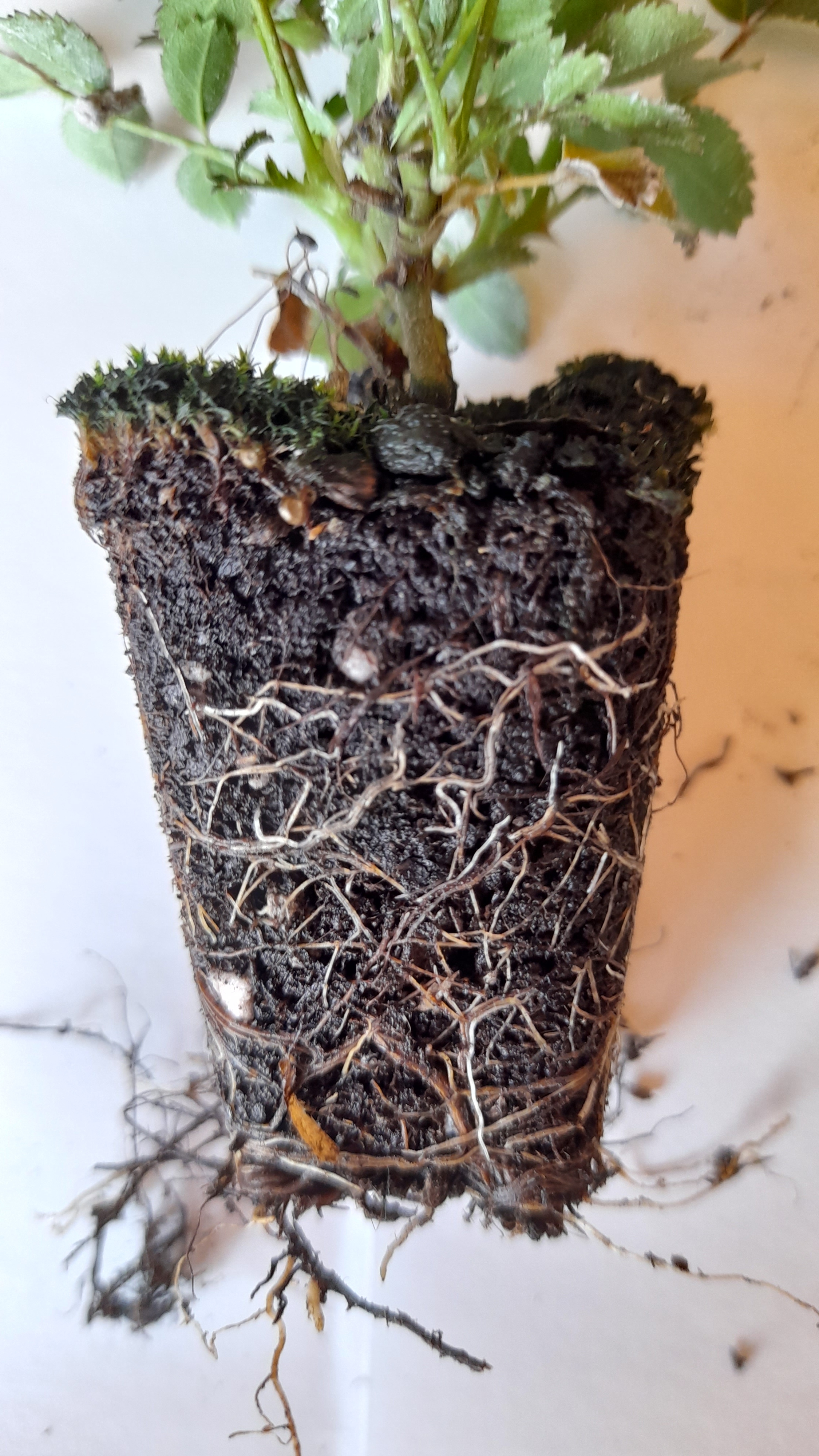
Rooted in trays (rooted), 3–6‑month‑old, own‑rooted rose cutting.
Uniform developmental stage, with a root system that has thoroughly penetrated the plug.
For professional growing‑on.
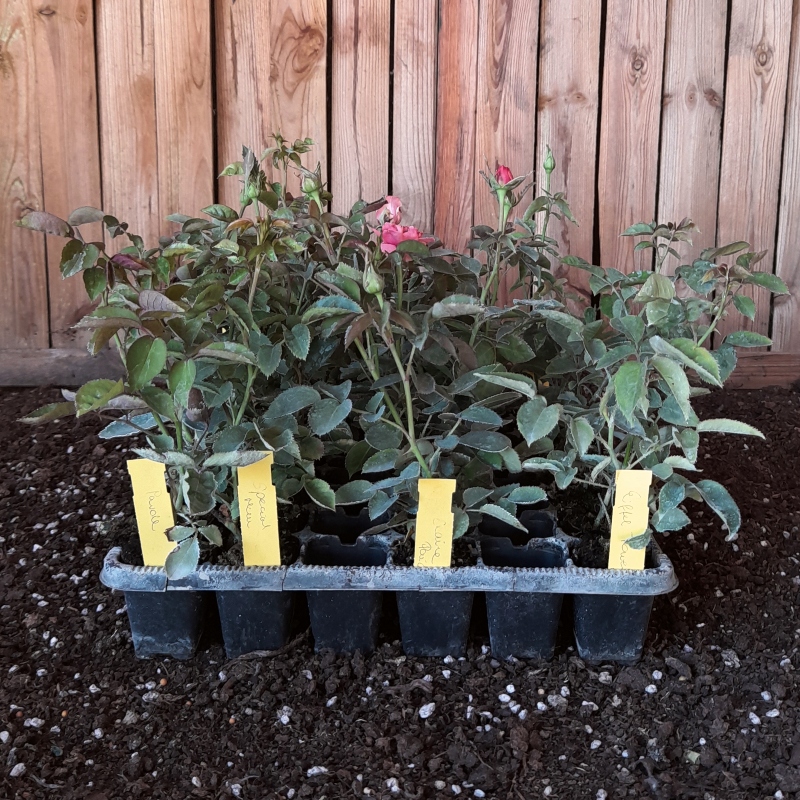
Tray packaging: 10 pcs/tray.
Quality and varietal identity: production supported by a dedicated identification and traceability logic.
Can be transplanted during frost‑free periods, designed for finished product production.

PharmaRosa® NEONATAL provides a controlled, uniform starting stock for planned growing‑on that can be integrated into your own technology – especially where scheduling and varietal identity are paramount.


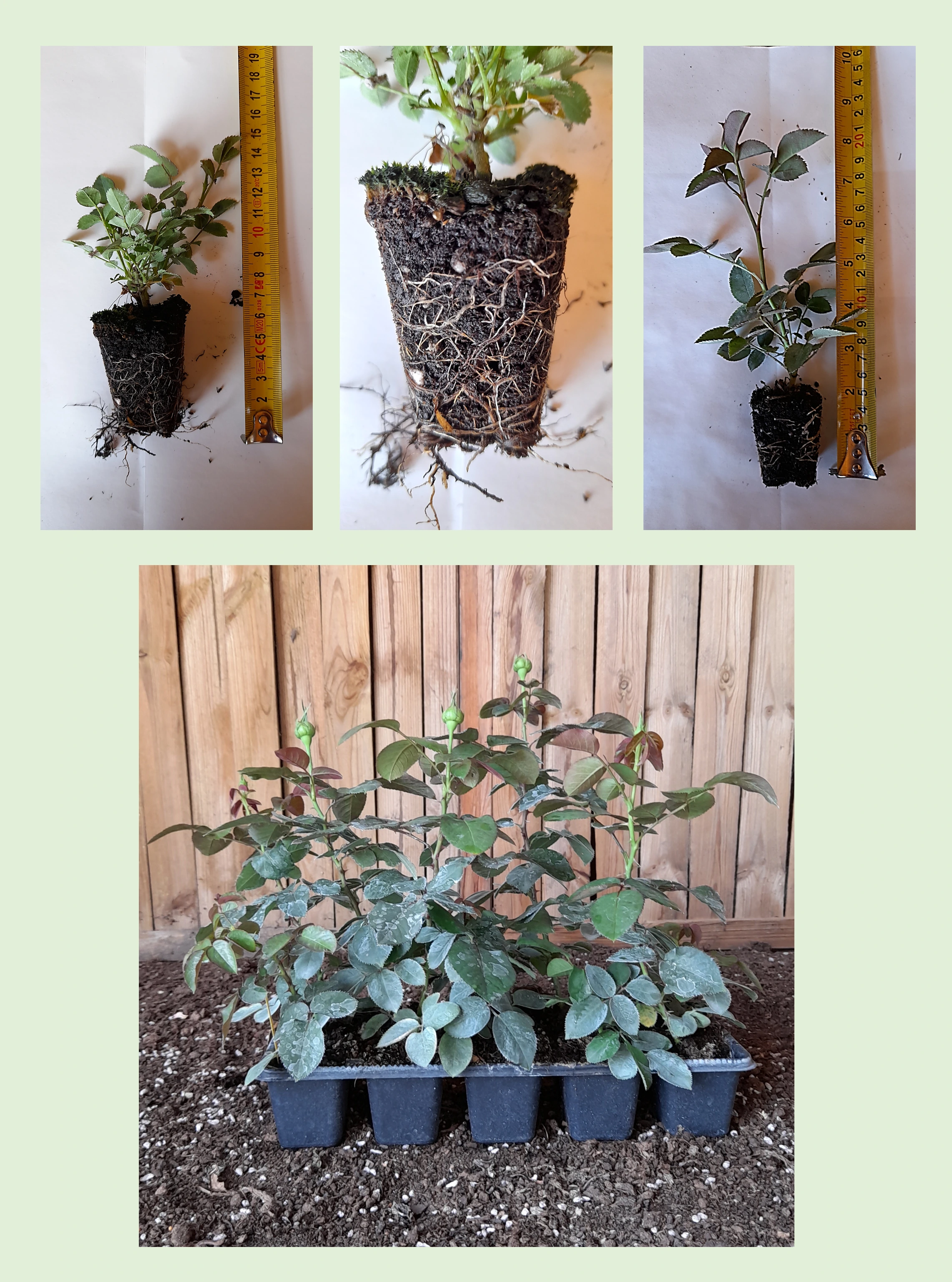
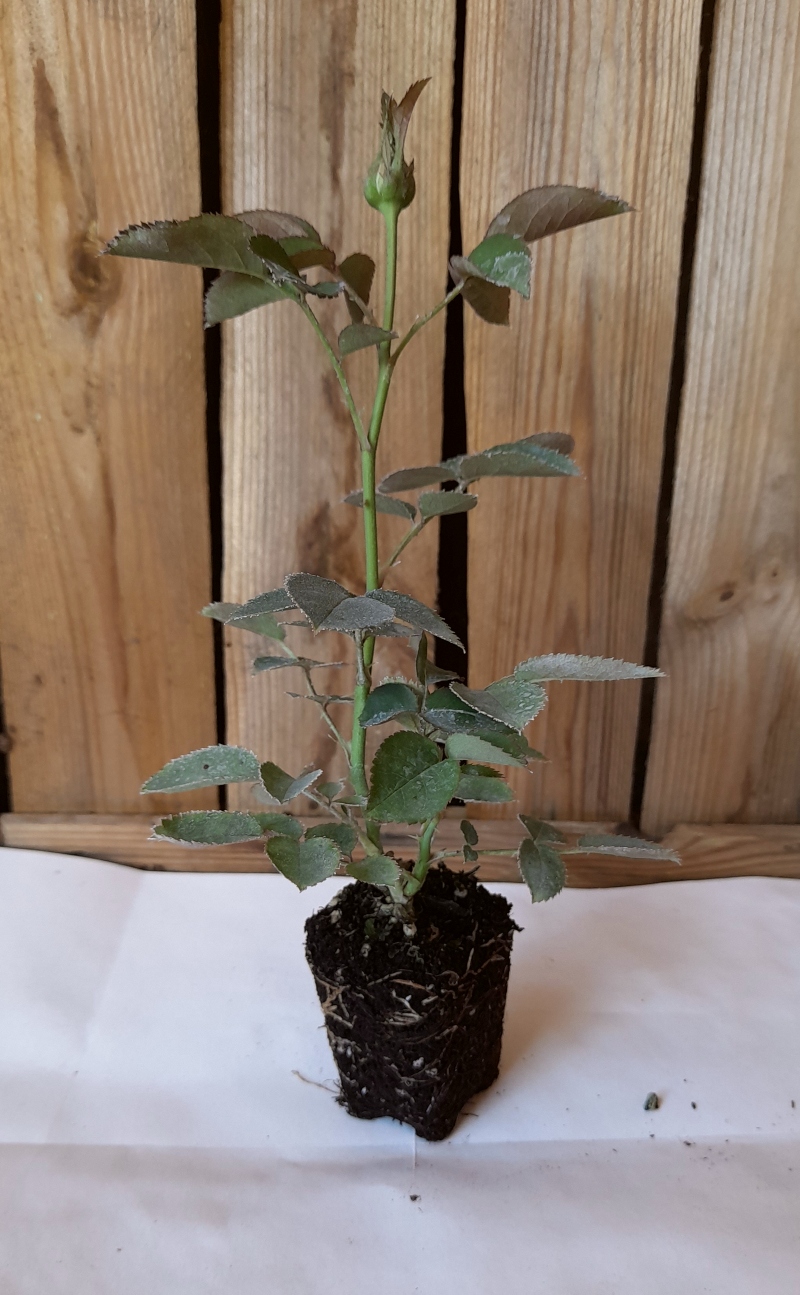
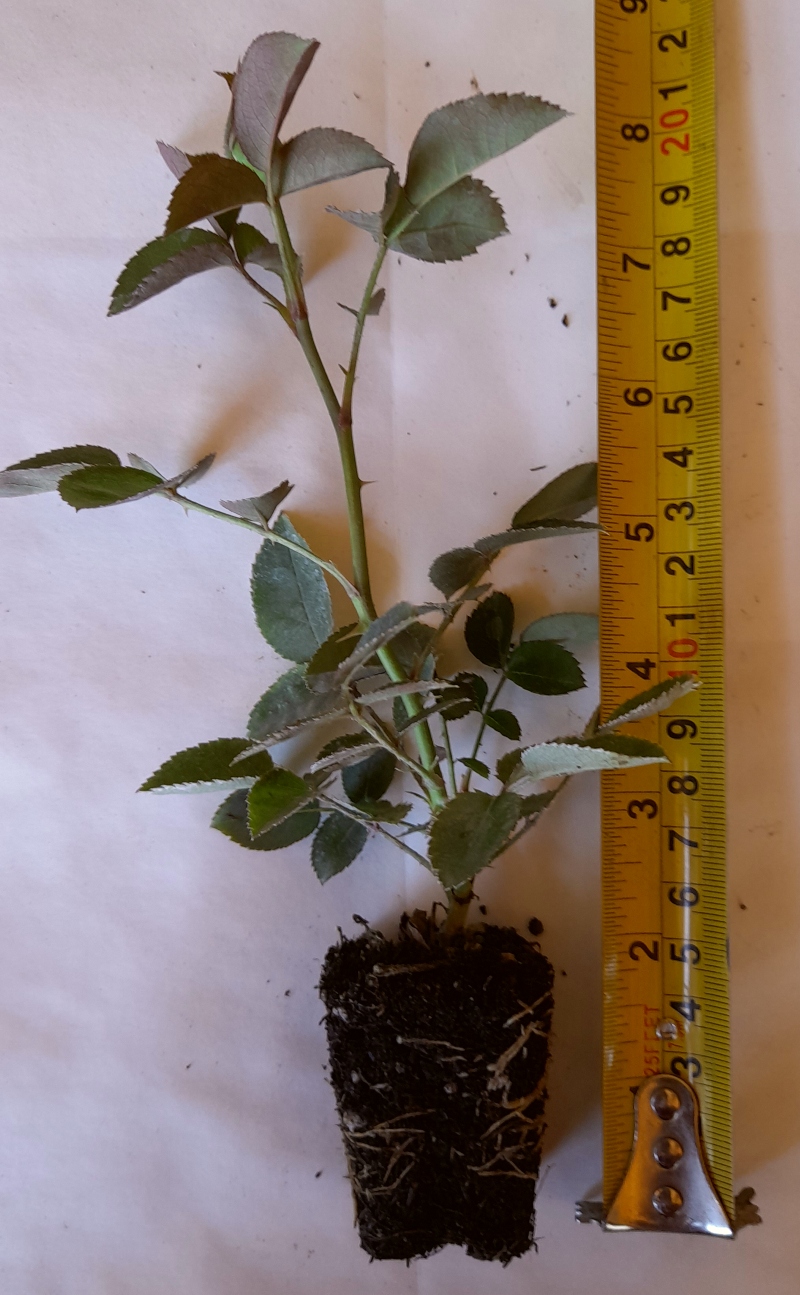
PharmaRosa® NEONATAL own-rooted rose propagation material in a plug, with a root system penetrating the plug (semi-finished product / semi-finished rose). PharmaRosa® NEONATAL rose propagation material size: 3–6‑month‑old, own-rooted cutting with a uniform developmental stage. PharmaRosa® NEONATAL rose propagation material root system: plug densely penetrated by well-developed white roots (root system detail). PharmaRosa® NEONATAL tray stock: own-rooted rose propagation material in trays, uniform developmental stage (10 pcs/tray).

Captions (from left to right): Semi-finished product (NEONATAL own-rooted rose propagation material in a plug with a fully developed root system) • Size demonstration (3–6‑month‑old, uniform cutting) • Root system detail (plug penetrated by the root system) • Tray stock (10 pcs/tray, uniform developmental stage)

pharmarosaneonatal.atpharmarosaneonatal.co.ukpharmarosaneonatal.hupharmarosaneonatal.czpharmarosaneonatal.depharmarosaneonatal.ropharmarosaneonatal.sipharmarosaneonatal.skpharmarosaneonatal.itpharmarosaneonatal.frpharmarosaneonatal.nlpharmarosaneonatal.plpharmarosaneonatal.lupharmarosaneonatal.ptpharmarosaneonatal.espharmarosaneonatal.ltpharmarosaneonatal.sepharmarosaneonatal.lvpharmarosaneonatal.eepharmarosaneonatal.fi

Which product type is right for you?

Pages for private customers
Garden roses for the family garden, with minimal care  → ORIGINAL®
Premium garden roses – instant impact, a truly showpiece garden  → EXTRA®
Pages for professionals and private customers
Roses for public spaces – large areas, sustainable maintenance  → NATURAL®
Roses for projects – hedge and row planting, fast implementation  → RAPID®
For professional partners only
Production – propagation material for garden roses, wholesale  → NEONATAL®

Company details

PharmaRosa Ltd.
Company registration number: 01-09-717479
VAT number: 13075314-2-43
Plant health registration no.: HU130721
Bank account (IBAN):
HU85117631891388688400000000
BIC (SWIFT): OTPVHUHB
Bank name: OTP Bank Nyrt.