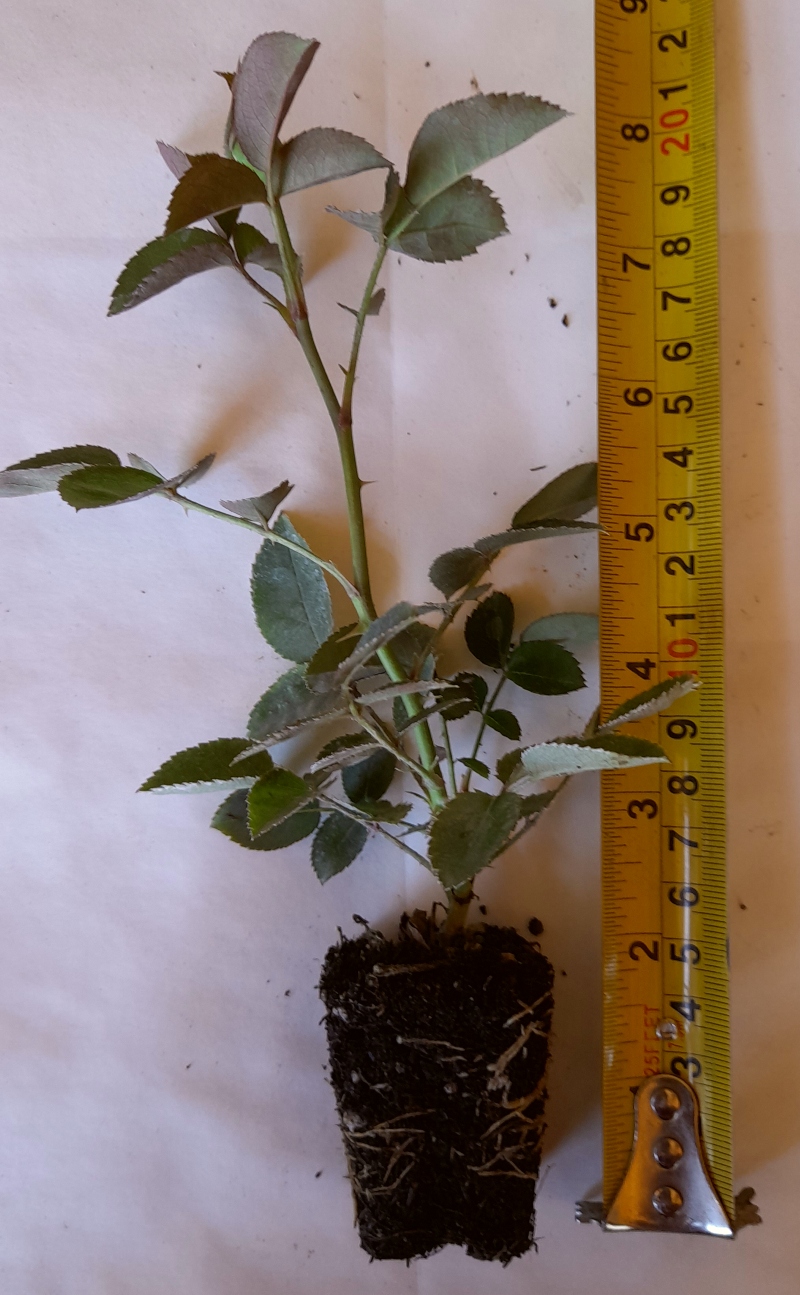
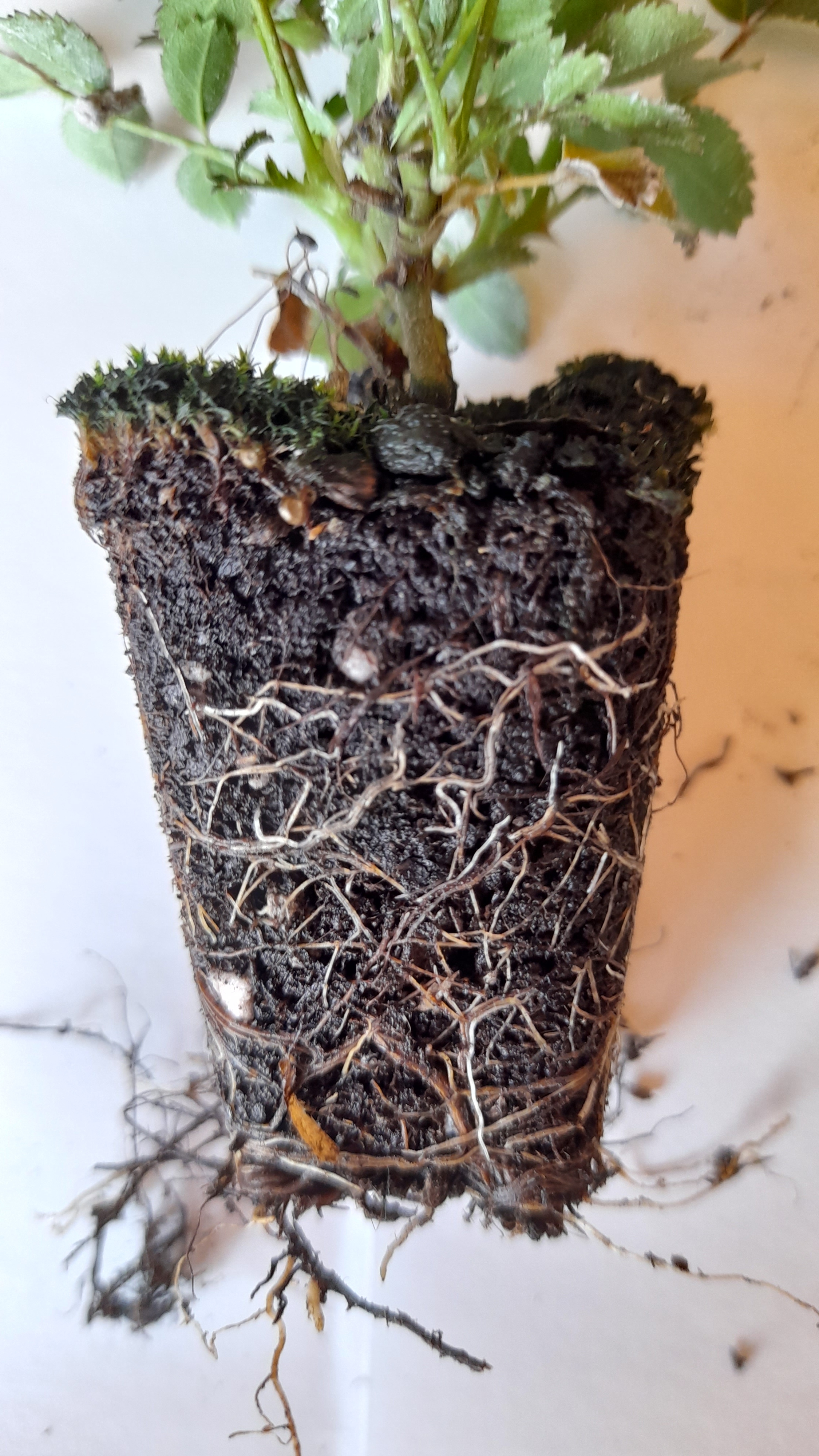
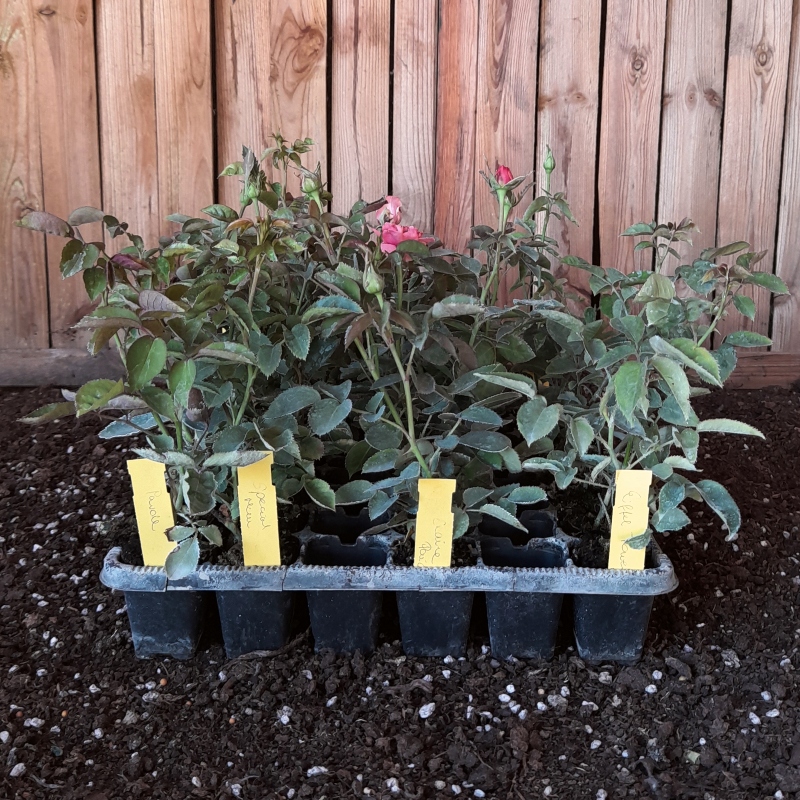
Rosa foetida Botanical rose – pharmaROSA® NEONATAL rooted cutting
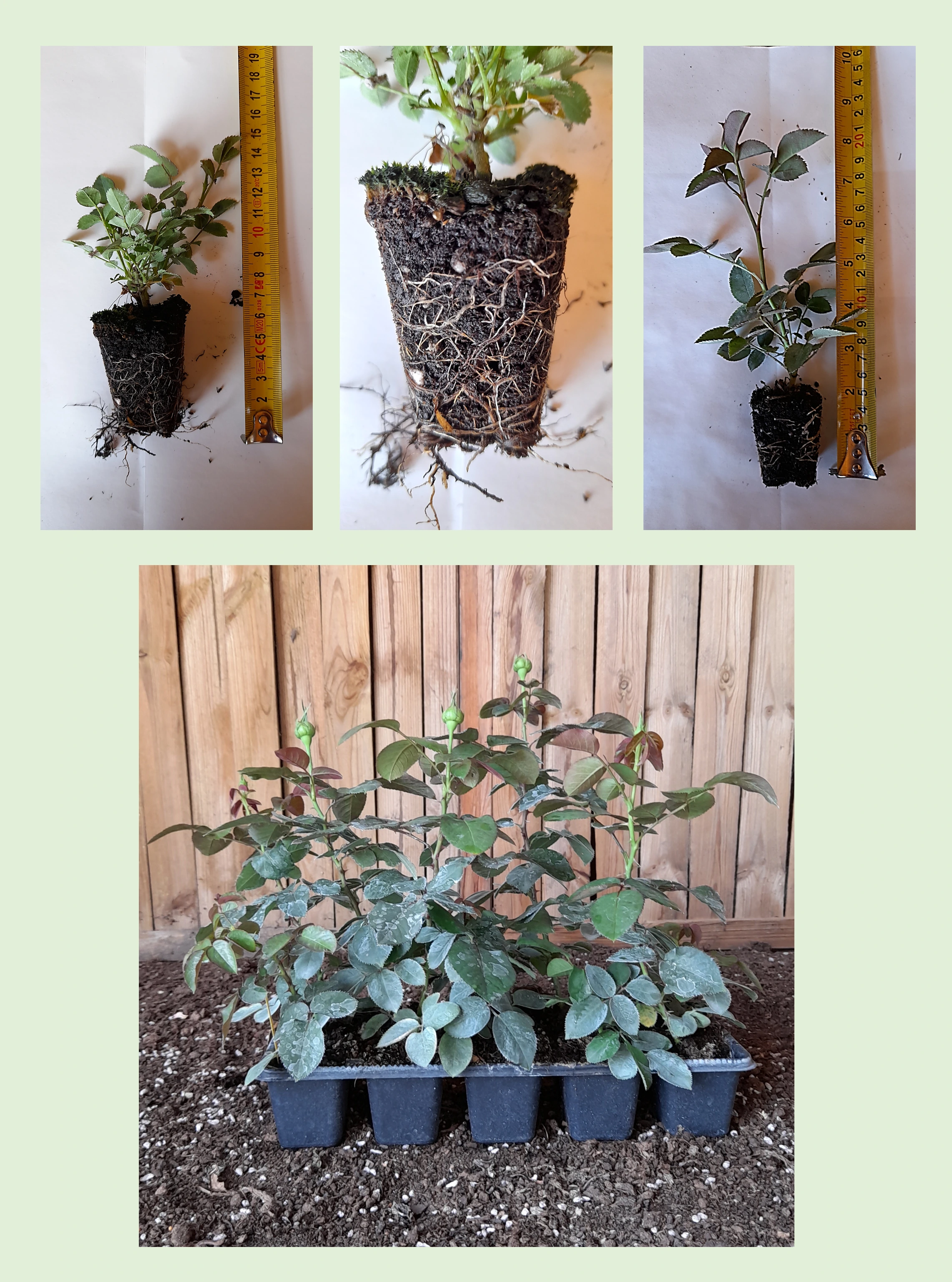
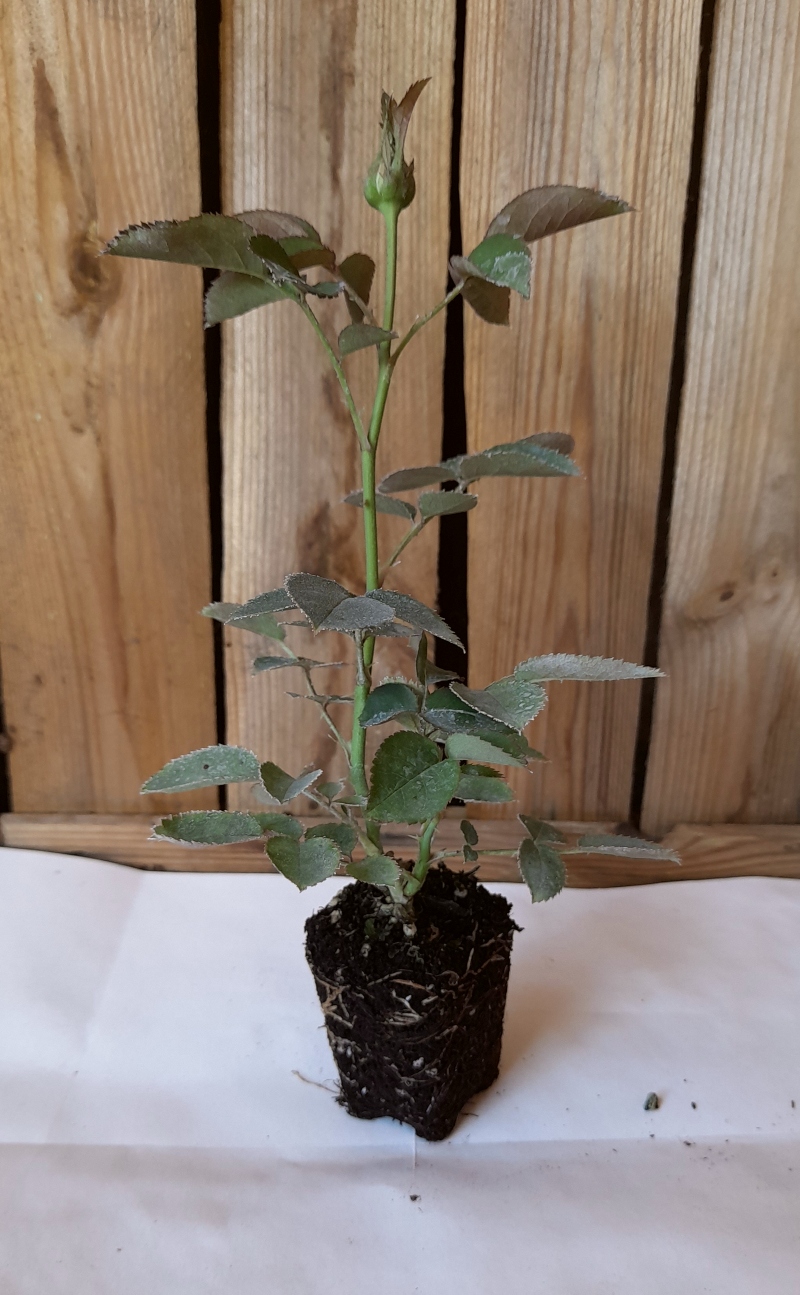
Landscape production and rose collection projects benefit from Rosa foetida’s wild-species character, combining robust hardiness, low-intervention maintenance and a distinctive botanical identity suited to eco-focused portfolios. As own-root pharmaROSA® NEONATAL material, these tray-grown cuttings provide a predictable base for building medium- to large-scale stock for 2–3 L container lines and vigorous bush-trained releases, supporting nursery networks and public-realm supply where reliable winter and wind tolerance across northern regions is a planning priority. Once established in the field or container system, the variety’s upright, arching habit and strong disease resistance allow you to schedule with confidence for park, hedge and specimen use, while the once-flowering, golden-yellow display delivers clear seasonal impact. Root development in year one, structural shoot build-up in year two and full ornamental expression from year three onwards together underpin long-lived, low-replacement stands in landscape and collection settings. The medium-height, bushy structure, good self-cleaning and durable own-root framework help reduce aftersales issues, simplify maintenance contracts and strengthen credibility with landscape contractor and collector clients.
Usage options
Finished-product ideas
- 2–3 L botanical hedge line – Own-root Rosa foetida finished as a vigorous, bush-trained hedge unit in 2–3 L containers, built from NEONATAL trays for uniform batches, positioned as a low-maintenance, hardy botanical hedge solution – landscape contractor/municipal supply.
- Historical specimen feature pot – Standard/botanical container route focusing on single, well-shaped bushes that highlight the golden-yellow, once-flowering display and wild-species character, ideal for thematic rose gardens and curated eco-collections – specialist nursery/collector market.
- Eco-park perimeter mix – Mixed-heritage landscape line where Rosa foetida provides disease-resistant, low-intervention structure at 160–240 cm, produced as bush-trained stock from 2–3 L NEONATAL-derived plants – public-realm and park framework planting.
- Botanical range hedge module – Repeated hedging units for integrator systems, using uniform own-root plants with strong hardiness and self-cleaning, supplied in standard/botanical containers to streamline scheduling and planting logistics – integrator/national nursery chain.
- Landscape starter blocks – Tray-to-container production of resilient batches for large-scale eco garden/landscape schemes, leveraging resistance, low maintenance and erect, arching habit to create reliable structural modules – wholesale grower to contractor programmes.
Technical cultivar profile
| Name and registration |
Wild botanical rose marketed as Rosa foetida Botanical rose, belonging to the wild group and botanical rose commercial group, with no separate registered cultivar name recorded; authenticity verified for professional propagation. |
| Origin and breeding |
Wild species originating from the Caucasus–Iran region, introduced into European cultivation around 1583; breeder and exact breeding year not provided, reflecting its long-standing historical and botanical status. |
| Growth and structural characteristics |
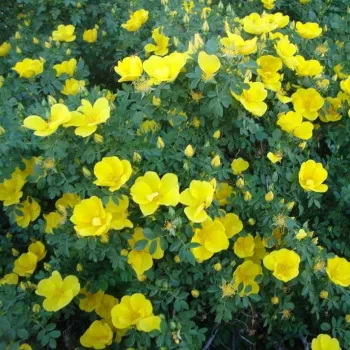
Erect, arching, bushy habit reaching about 160–240 cm in height with 120–190 cm spread; moderately dense dark green foliage, moderately thorny shoots, forming substantial landscape shrubs when given adequate spacing. |
| Flower morphology |
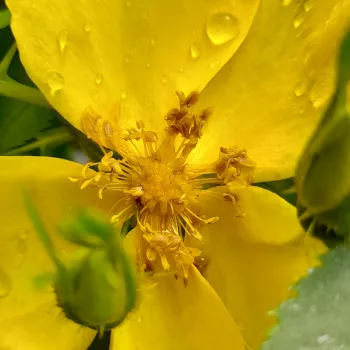
Medium-sized, single, flat blooms with approximately 5–12 petals, generally solitary on the stem; non-remontant and blooming once per season, with good self-cleaning as spent petals fall naturally and hips may develop. |
| Colour data and phenology |
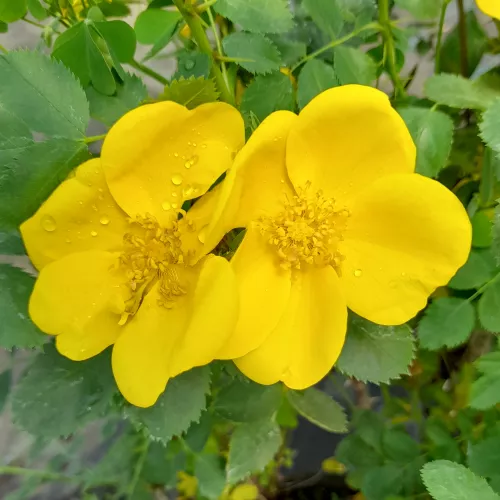
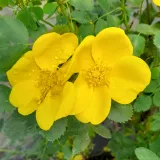
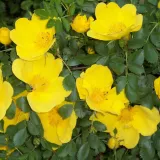
Deep, radiant golden-yellow flowers, ARS yellow, RHS 14A outer and 13B inner; colour gradually fades to straw yellow with a creamy tone, more rapidly in hot weather, giving a distinct but time-limited seasonal display. |
| Fragrance and aroma |
Medium-strength, distinctly spicy fragrance noted at the flower and foliage level; while ornamental scent is evident, the cultivar is considered only partially attractive to pollinators due to its floral structure and access limitations. |
| Hip characteristics |
Rose hip production is limited, with occasional spherical red hips approximately 10–14 mm in diameter; hips, when formed, add a modest additional seasonal feature but are not the primary ornamental focus. |
| Resistance and winter hardiness |
Very high winter hardiness, around -40 to -37 °C (H7, USDA 3a, Swedish zone 6); good heat and moderate drought tolerance plus strong resistance to powdery mildew, black spot and rust support low-input landscape use. |
| Horticultural recommendations |
Recommended for parks, hedges, specimen and general landscape planting where maintenance must stay low; ideally supplied as vigorous, bush-trained finished plants via standard/botanical container production in 2–3 L pots. |
Rosa foetida Botanical rose offers hardy, low-maintenance, disease-resistant own-root shrubs that build durable, predictable landscape stands, and we invite you to discuss scheduling and capacity to align with your project pipeline.