Diamond Gray – Hybrid tea rose propagation material for premium, own-root production
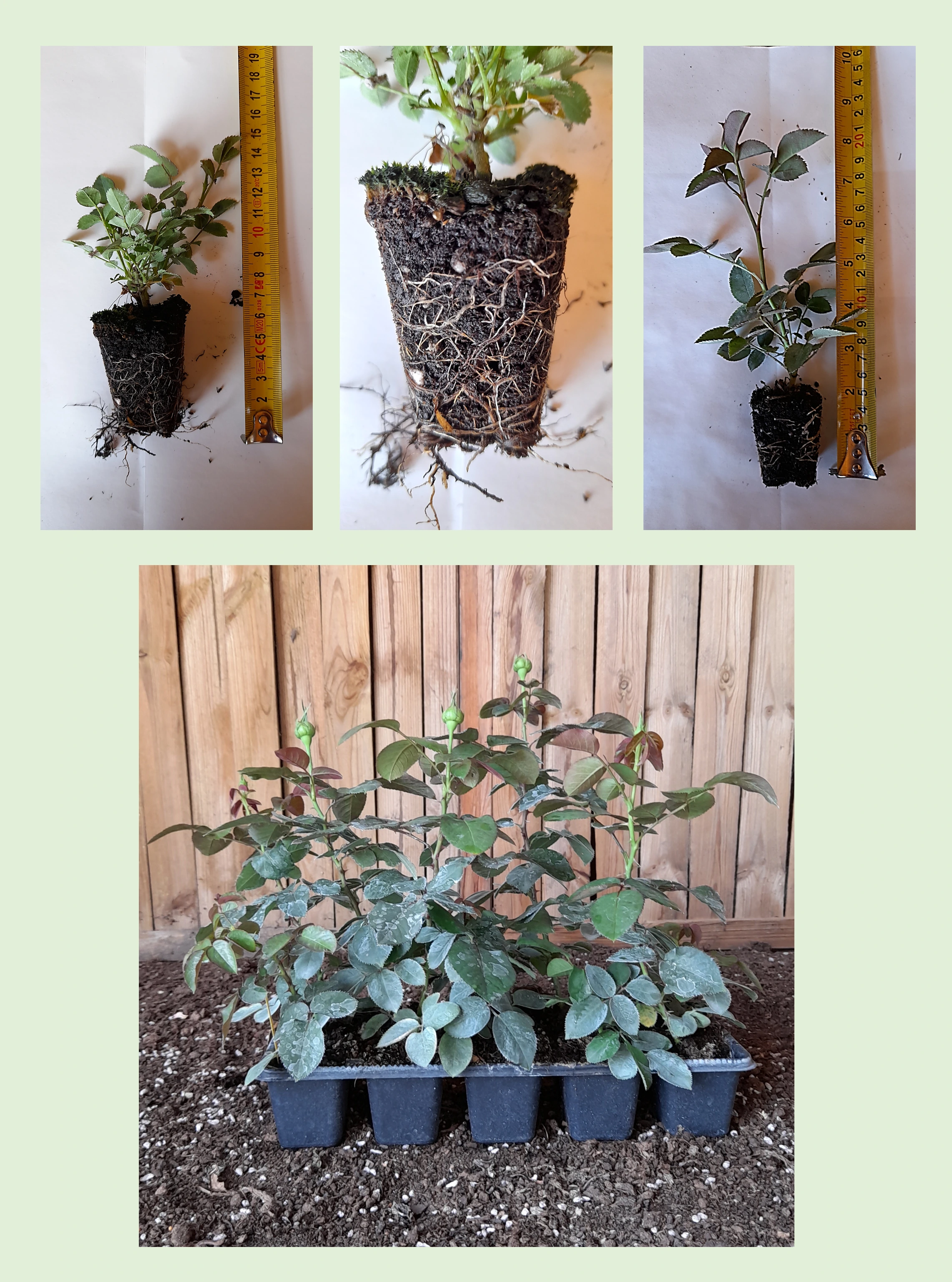
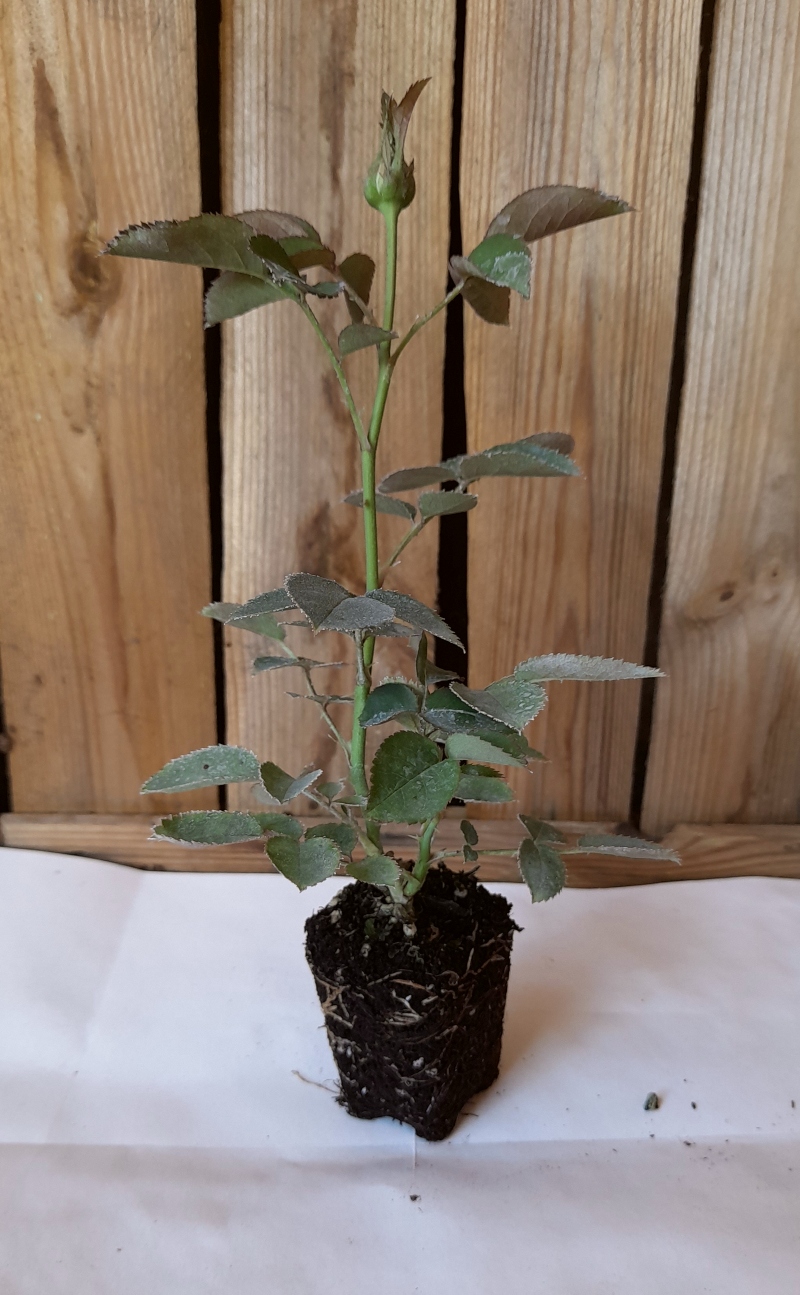
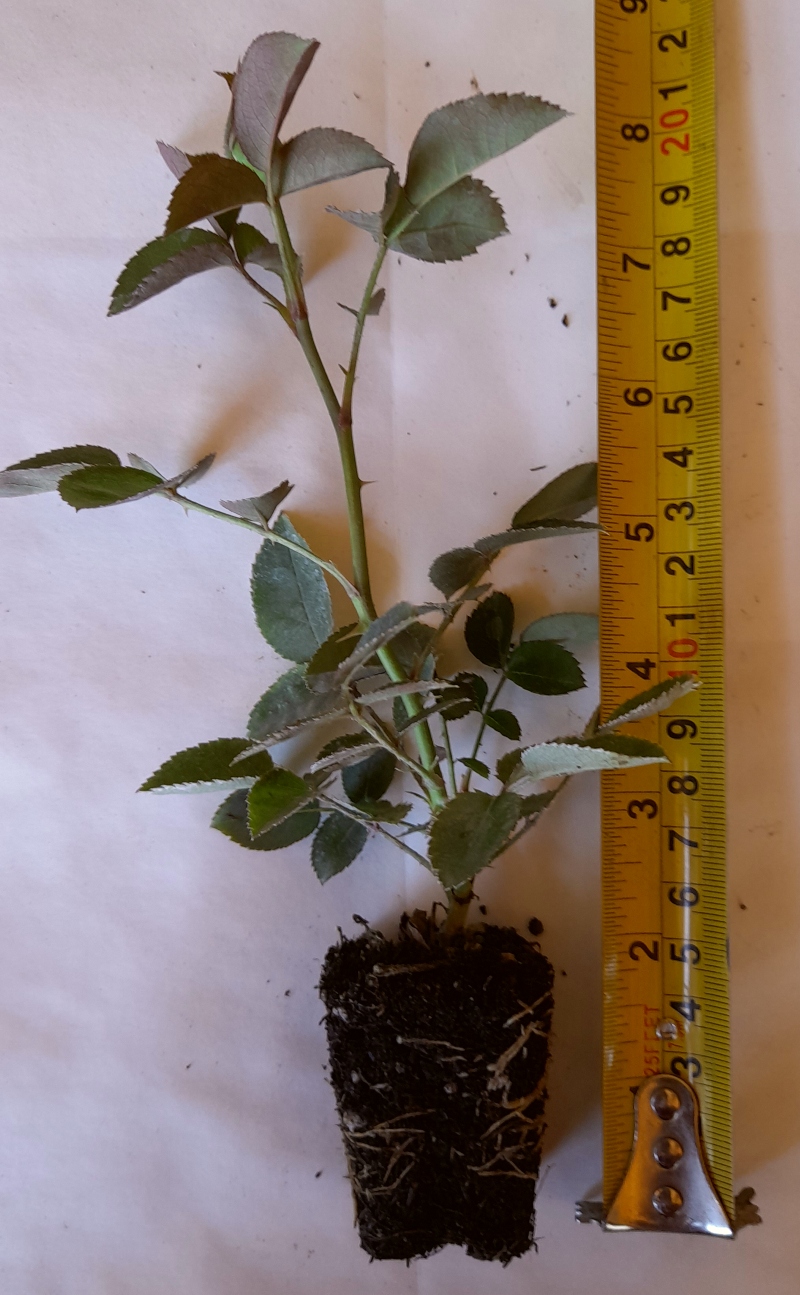
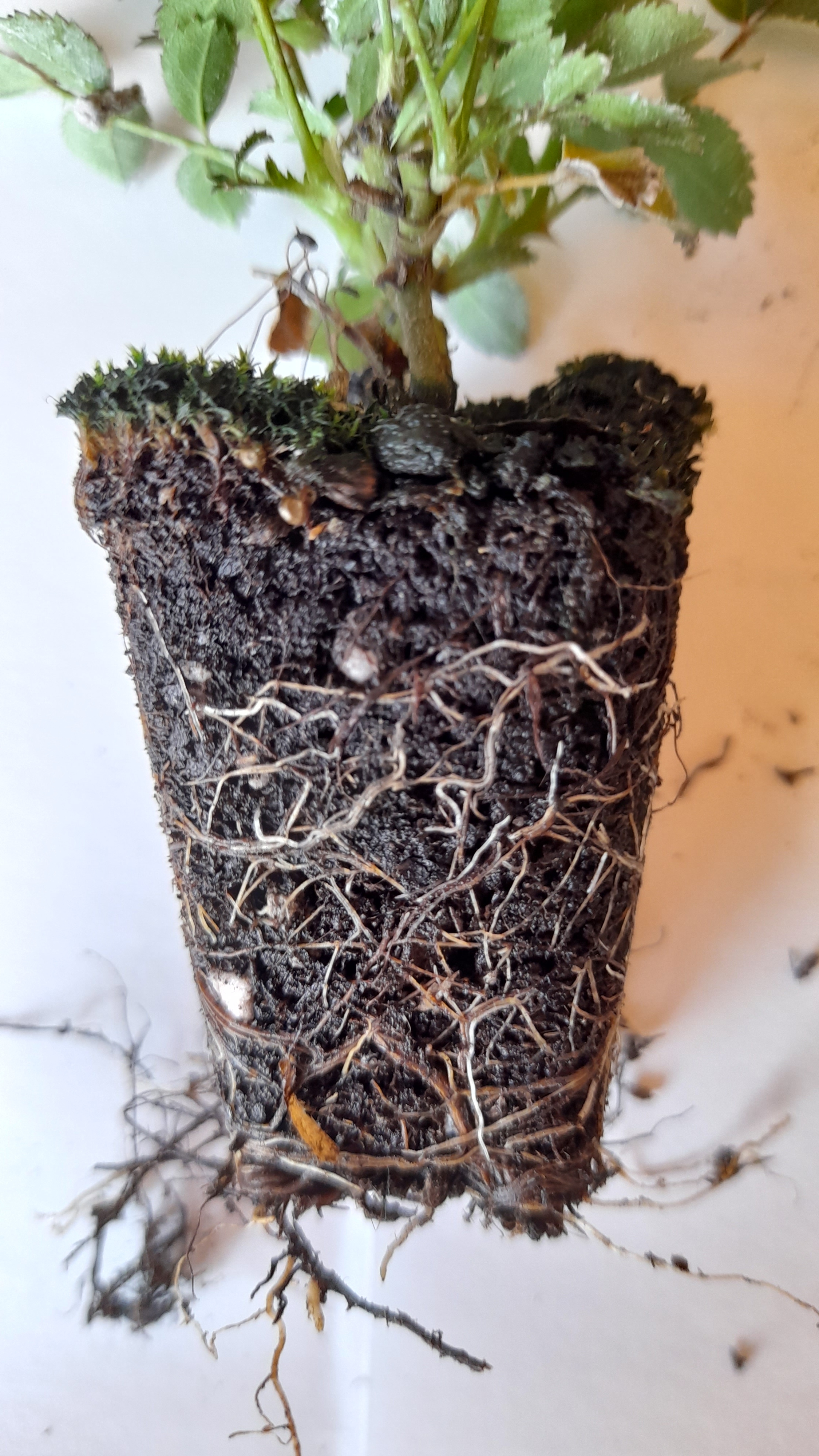
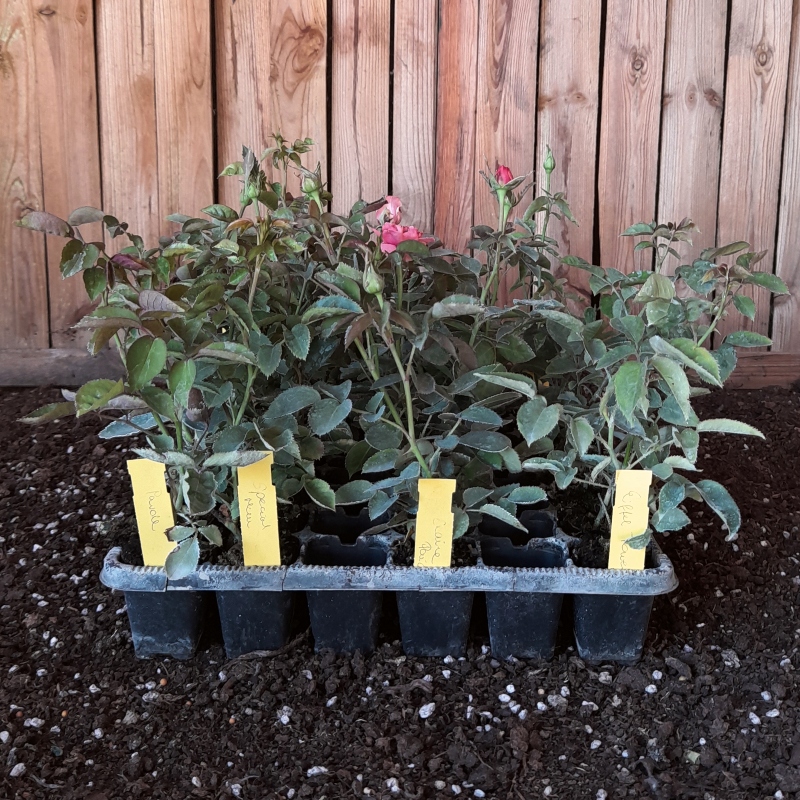
Exclusive positioning, a distinctive colour palette and reliable cut performance make Diamond Gray a focused choice for nurseries building premium 5–7 L, bush‑trained exhibition hybrid teas. As own‑root pharmaROSA® NEONATAL material, it offers a stable, regenerating base for collection beds, container grow‑on and private‑label ranges aimed at retailers who value flower form and uniformity. Its remontant, cluster‑flowered habit supports season‑long, high‑grade stems, while moderate disease tolerance and good heat hardiness simplify medium‑input production in UK nursery systems that must also cope with exposed, wind‑affected northern sites. Predictable growth into a spreading, mid‑green bush allows clear planning from young cutting through to premium container, moving from root establishment in year one, structural shoot build‑up in year two and full ornamental performance from year three.
Usage options
Finished-product ideas
- 5–7 L exhibition hybrid tea feature – Bush-trained plants in 5–7 L pots emphasising high‑centred, light-brown blooms and premium container finish; ideal as an exclusive finished product for branded retail benches – retail / reseller.
- Cut-and-garden dual-purpose line – Nursery-grown 5–7 L bushes marketed for both garden use and home cutting, leveraging remontant flowering and cluster‑flowered habit; fits premium border schemes and cut‑flower‑interested consumers – garden centres.
- Thematic taupe collection module – A curated SKU within a colour‑themed collection, using Diamond Gray’s unique grey‑tinged brown shade and own‑root longevity to anchor specialist displays – specialist rose retailers.
- Large specimen patio container – Selected strong plants up‑potted from 5–7 L into 40–50 L containers as focal features, capitalising on spreading habit and structural framework canes – landscape and design-led resellers.
- Pollinator-conscious premium rose mix – Incorporating Diamond Gray into mixed benches of semi‑double hybrids, using its visible stamens and moderate pollinator value as a soft ecological selling point alongside flower quality – public‑realm and municipal suppliers.
Technical cultivar profile
| Parameter |
Data |
| Name and registration |
Hybrid tea rose marketed as Diamond Gray, an exhibition hybrid tea and cut-flower type; current trade name Diamond Gray Hybrid tea rose Teranishi, with American Rose Society approved exhibition name Diamond Gray. |
| Origin and breeding |
Bred by Teranishi Kikuo at Itami Rose Nursery, Japan; breeding year 2003 with parentage unknown, introduced 2004, representing a Japanese hybrid tea line selected for flower form and a distinctive light-brown colour range. |
| Awards and recognition |
not provided |
| Growth and structural characteristics |
Spreading hybrid tea bush, 80–120 cm in height and spread, with moderately dense, slightly glossy mid‑green foliage and moderate prickliness; self‑cleaning is weak, so spent blooms usually require manual removal for best presentation. |
| Flower morphology |
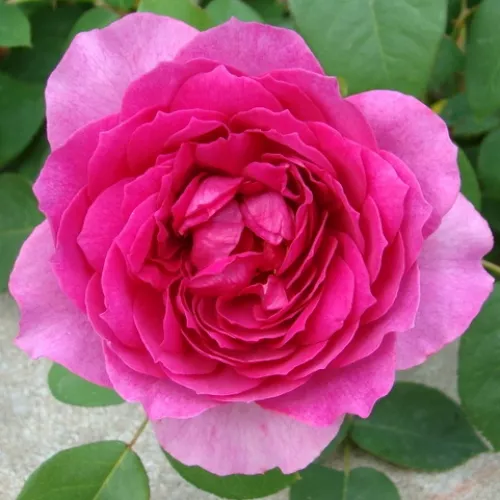
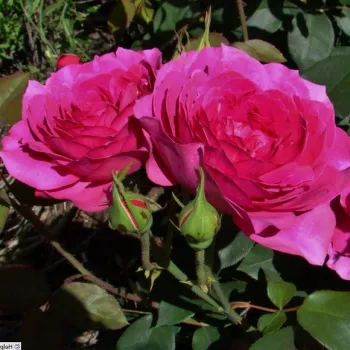
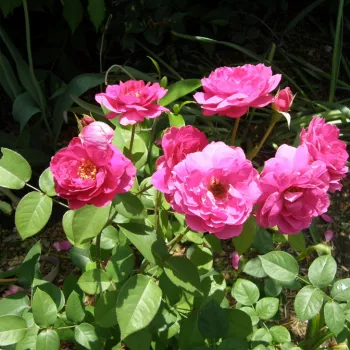
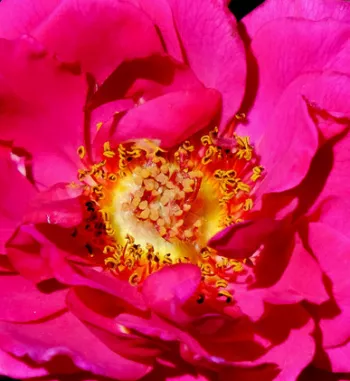
Semi‑double, cluster‑flowered hybrid tea with 13–25 petals; large blooms (2.75–3.95 in) on high‑centred, pointed buds typical of cut‑rose types, remontant with abundant second flush, delivering repeated decorative and cutting potential through the season. |
| Colour data and phenology |
Pale, slightly grey‑tinged light-brown tone overall; buds sandy with greyed brown, opening light mocha brown with ashy grey, then pastel taupe‑brown, ultimately fading towards pale beige‑brown, almost straw, with good overall colour retention under normal exposure. |
| Fragrance and aroma |
Fragrance data limited; described as a mild, restrained‑scented rose without detailed scent profile, offering a discreet background aroma that does not dominate in mixed plantings or cut‑flower work where colour and form are the main attributes. |
| Hip characteristics |
Produces rose hips in moderate quantities; ellipsoidal, 12–18 mm in diameter, maturing to an orange‑red colour, adding some late‑season interest and potential for seed-head inclusion in decorative or educational garden contexts. |
| Resistance and winter hardiness |
Moderate overall disease resistance, with resistance to powdery mildew and black spot, rust moderate; heat and drought tolerance good with irrigation in dry spells; hardy to around –21 to –18 °C (RHS H7, Swedish zone 3, USDA 6b) for robust UK cultivation. |
| Horticultural recommendations |
Suited to borders, cut‑flower use and specimen planting; medium maintenance with occasional pest control, weak self‑cleaning implies deadheading; supplied bush‑trained with 3–5 strong framework canes, best routed into 5–7 L premium containers for exclusive ranges. |
Diamond Gray offers distinctive light-brown exhibition blooms, remontant cluster flowering and H7 hardiness on a predictable own-root base, helping stabilise premium production batches and long-term stock while leaving room to align capacities and schedules in discussion.