Historical Rose

20-698-1
20-698-2

Indigo

Heritage rose

- – Jean Laffay

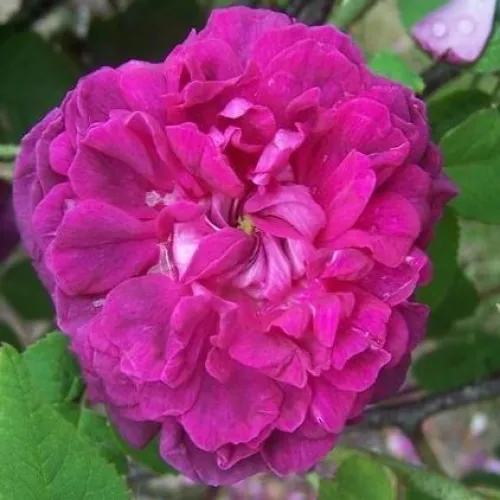
Rich, velvety deep violet with a delicate slate-grey shading. - historic, portland rose - strongly scented, far-carrying rose - scent description not available

– Rare historic Portland rose for collectors
– Rich, velvety deep violet flower colour
– Strong, far-carrying classic rose fragrance
– Compact, upright shrub for beds and borders
– Excellent disease resistance and winter hardiness
– Special feature: Colour deepens beautifully in cool weather, adding dramatic late-season charm.
Selection / specialty
Indigo
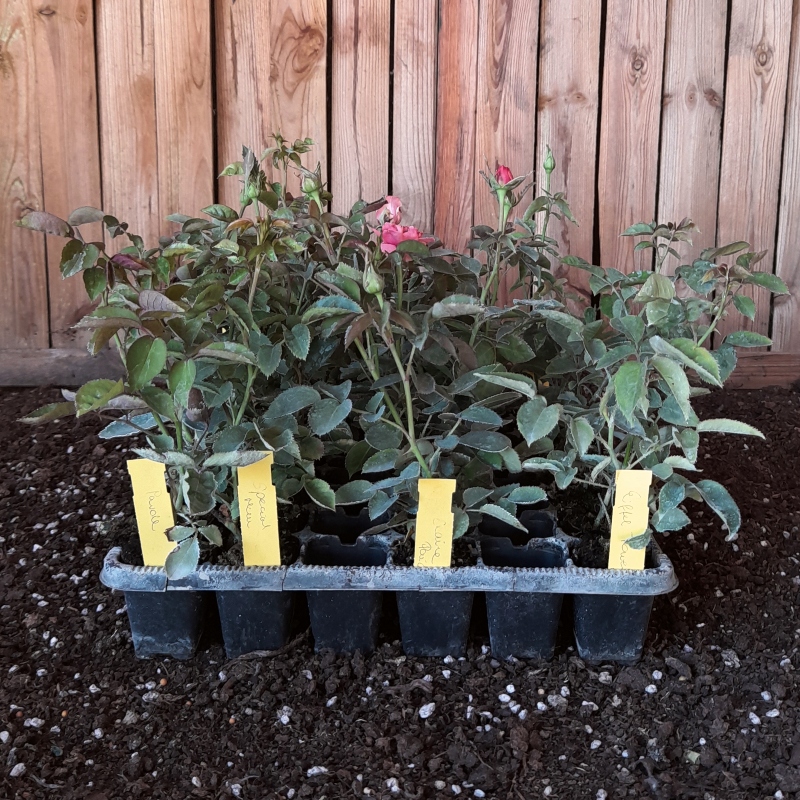
pharmaROSA® NEONATAL rooted rose cutting
29,58 £
Due to courier service regulations – and the introduction of customs clearance – delivery to Ireland is temporarily suspended.
4 (6146)
facebook   twitter

INDIGO – violet historic Portland rose - Laffay – pharmaROSA® NEONATAL rooted cutting

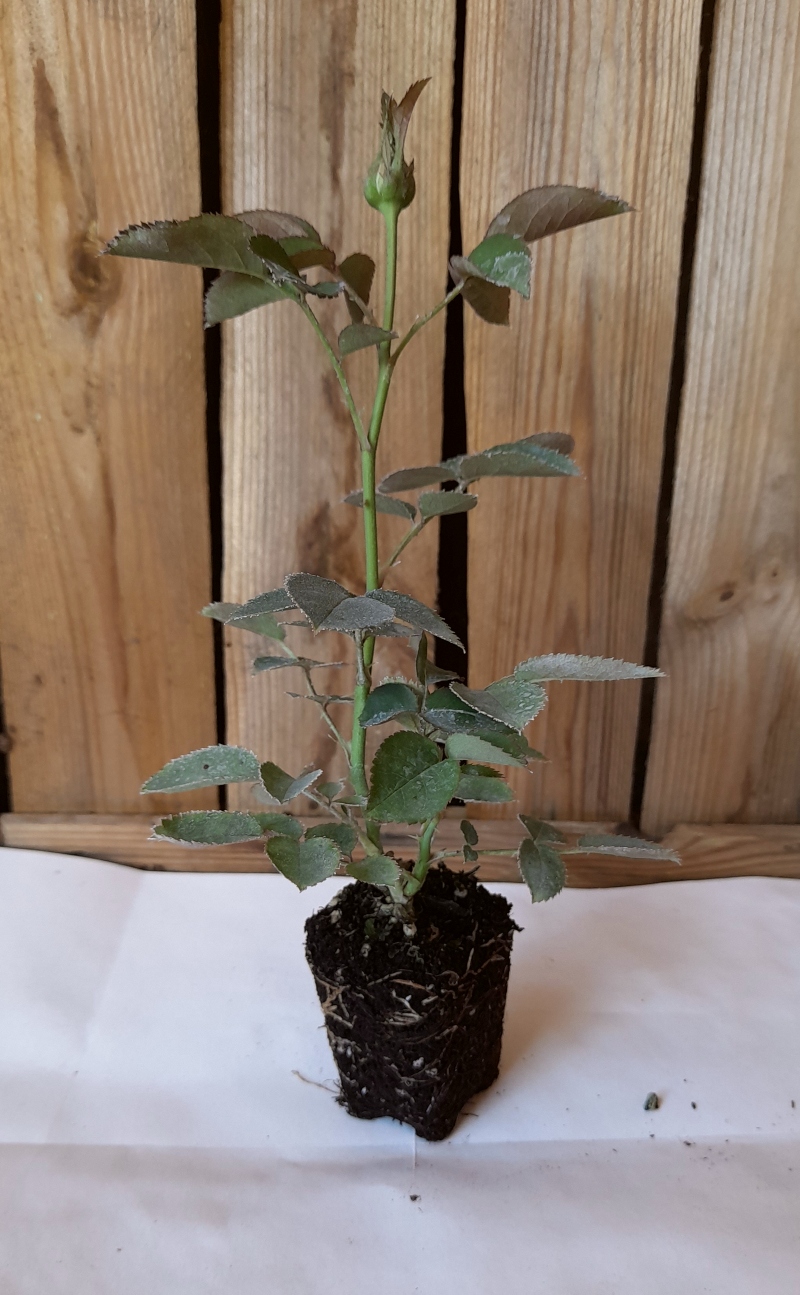
Historic heritage cultivar Indigo offers a compact, upright habit ideally suited to premium 5–7 L container production and bush-trained presentation with discreet support. As an own-root pharmaROSA® NEONATAL cutting, it delivers stable, renewable growth that supports long-term nursery stocking, with Year 1 focused on roots, Year 2 on structural shoots, and Year 3 giving full ornamental value. Its dense mid‑green foliage, remontant flowering and strongly scented, velvety violet blooms align well with collection-led, thematic rose gardens and historic rose assortments. Low intervention needs and good disease resistance help keep maintenance predictable across professional ranges, while high winter hardiness supports UK-wide supply, including colder northern and inland sites where reliable climatic tolerance is essential. The rarity of this Portland cultivar allows nurseries and wholesalers to differentiate retail/collector and speciality-project offers on an own-root platform designed for scalable, professional propagation.


Usage options

Target area Reasoning
Premium 5–7 L historic shrub rose line The upright, compact growth and 80–120 cm spread lend themselves to bush-trained, discreetly supported shrubs that fill 5–7 L premium containers efficiently. Using own-root NEONATAL material simplifies forward planning for a premium container, specialty route, supporting a stable, recognisable historic identity for heritage and collector-focused retail partners and nurseries.
Thematic and collection rose gardens As a historical Portland rose with verified authenticity, Indigo suits curated ranges where cultivar identity and continuity matter. Own-root propagation supports long-term renewal in collection beds and show gardens, and low maintenance requirements fit public-realm style planting. This aligns with selection / specialty positioning for institutional projects and public-realm.
Cut-flower capable garden shrub production Medium, double, clustered blooms on an upright framework allow growers to position Indigo as a dual-purpose garden and occasional cut rose. Remontant flowering with a generous second flush increases seasonal sale appeal in premium containers, while strong scent adds perceived value. This suits specialty offerings for independent retail and collectors.
Low-intervention historic rose ranges Good resistance to powdery mildew, black spot and rust, combined with generally low intervention needs, supports predictable quality in nursery beds and container blocks. Own-root stock reduces replacement rates over time, helping maintain homogeneous batches. This is advantageous when building reliable historic rose assortments for specialist trade and wholesale.
Cold-climate and exposed-site assortments With hardiness down to approximately -32–-29 °C (H7, USDA 4b), Indigo supports production programmes targeting cooler UK regions and more exposed inland sites. NEONATAL own-root plants underpin long-term field or container mother-stock, protecting capacity planning. This benefits suppliers building resilient ranges for Scotland and northern England focused on durability.
Fragrance- and colour-led speciality lines The strongly scented, far-carrying fragrance and rich, velvety violet colour give Indigo clear differentiation in historic collections. Repeated flowering increases the visible impact in 5–7 L premium containers, particularly for feature specimens. These traits support selection / specialty positioning towards fragrance and colour connoisseur segments and enthusiasts.
Own-root stock for heritage maintenance blocks As an unregistered but authenticated historic cultivar, Indigo benefits from own-root regeneration, supporting long lifespan and straightforward vegetative maintenance blocks. NEONATAL tray-rooted cuttings integrate easily into nursery propagation systems, whether in beds or containers, providing a dependable base for long-term cultivar maintenance and gene-banks.
Feature shrubs for larger containers and projects The 100–150 cm height and dense foliage structure allow Indigo to scale into larger 40–50 L containers or project-grade planters as it matures, delivering a strong historic focal point. Moderately drought-tolerant once established, it fits planned planting in managed schemes, particularly where reliable historic character is valued by project specifiers and landscapers.

Finished-product ideas

  • 5–7 L Historic Portland Feature – Own-root, bush-trained Indigo in 5–7 L premium containers, marketed as a scented, remontant historic shrub for specialist ranges – collectors and heritage-focused retail.
  • Curated Heritage Garden Line – Series of authenticated historic roses including Indigo for thematic beds in public or private show gardens, supplied from NEONATAL-based container production – public-realm and estate projects.
  • Fragrance Showcase Collection – Mixed historic assortment where Indigo represents the violet, strongly scented segment in premium containers, positioned as a high-scent line – independent garden centres and specialist nurseries.
  • Cold-Climate Heritage Assortment – Indigo included in a hardy historic portfolio for northern and inland markets, grown on from own-root cuttings for predictable overwinter survival – regional wholesalers and project specifiers.
  • Large-Container Heritage Specimen – Selected Indigo plants grown on into 40–50 L containers as statement pieces for courtyards and formal schemes, leveraging dense foliage and rich colour – landscapers and high-end project supply.

Technical cultivar profile
Name and registration Historic Portland rose introduced as Indigo, marketed as Indigo – violet historic Portland rose - Laffay in the Heritage rose collection; unregistered cultivar with verified authenticity for professional production.
Origin and breeding Old French heritage cultivar attributed to breeder Jean Laffay; introduced around 1844–1845 with unknown parentage, reflecting classic Portland and Damask Perpetual characteristics in a compact shrub form.
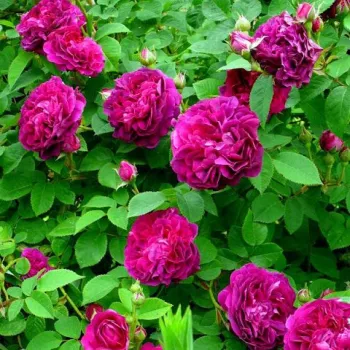
Growth and structural characteristics Upright shrub with dense, mid‑green, slightly glossy foliage (RHS 139A), reaching about 100–150 cm in height and 80–120 cm spread; moderately thorny with weak self-cleaning, requiring deadheading for best appearance.
Flower morphology Medium-sized, double blooms with 26–39 petals are borne mainly in clusters on an upright framework; flat flower form with remontant behaviour and a generous second flowering period under suitable cultural conditions.
Colour data and phenology Rich deep violet with slate-grey shading; bud and new flowers show purplish-crimson tones with bluish sheen, colour lightening in strong sun and intensifying in cool weather, gradually fading to lilac-grey and brownish-edged tones.
Fragrance and aroma Strongly scented rose with a far-carrying perfume; detailed fragrance notes are not provided, but intensity makes it suitable for fragrance-led assortments where scent is a key selection and marketing criterion.
Hip characteristics Hip production is generally low, with occasional small spherical hips around 10–15 mm in diameter, maturing to an orange-red colour; hips are present but not typically a primary ornamental or commercial feature.
Resistance and winter hardiness Rated resistant to powdery mildew, black spot and rust; hardy to approximately -32–-29 °C (RHS H7, USDA 4b, Swedish Zone 5), with moderate heat and drought tolerance requiring irrigation in extended dry periods.
Horticultural recommendations Suitable for flower beds, parks and specimen use, including some cut-flower use; best presented bush-trained with discreet support in premium 5–7 L containers, with generally low maintenance and limited intervention required.

INDIGO – violet historic Portland rose - Laffay offers hardy, low-intervention, strongly scented historic character on a predictable own-root base, making it a sound option for those planning capacity and wishing to discuss specialist heritage ranges.
Detailed product attributes

Product Identification Data

Product Name: INDIGO – violet historic Portland rose - Laffay
Product Type: pharmaROSA® NEONATAL - rooted rose cutting
Cultivar Authenticity: Verified:27.02.2025
Cultivar Quality Rating: premium silver
Item Number: [843] 20-698 (14.02.2026) pharmarosaneonatal.co.uk

Name and Registration

Meaning of Cultivar Name: The word "indigo" denotes a deep violet-blue or purplish colour.
Cultivar Synonym: Pérpetuelle Indigo
Current Trade Name: Indigo Heritage rose Laffay
Rose Group: Portland, Damask Perpetual
Commercial Type: historic, portland rose
Commercial Group: Historical rose
Exhibition Category: shrub rose; historic varieties
Collection: Heritage rose

Origin and Breeding

Initial Distributor: Jean Laffay (France)
Registration Year: unregistered cultivar
Breeder: Jean Laffay
Breeding Company / Institution: unknown / no data
Breeding Year: France, 1845
Parentage: unknown

Growth and Structural Characteristics

Height: 3.3-4.9ft (100-150 cm)
Spread: 2.6-3.9ft (80-120 cm)
Growth Habit: upright
Foliage: The variety has dense foliage; its leaves have a slightly glossy surface and a mid‑green shade (RHS 139A).
Prickliness: moderately thorny
Self-Cleaning Description: Most spent flowers remain on the plant and will require manual deadheading.
Self-Cleaning Intensity: Self-cleaning: weak

Flower Morphology

Petal Count: 26-39
Flower Fullness: double
Flower Shape: flat
Flower Size: M (1,5-2,75 in)
Inflorescence Type: clustered
Colour Code: ARS code: m RHS code: 86A (outer), 79A (inner)
Repeat Flowering: Remontant, with a generous second flowering.

Colour Data and Phenology

Colour: violet
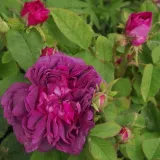
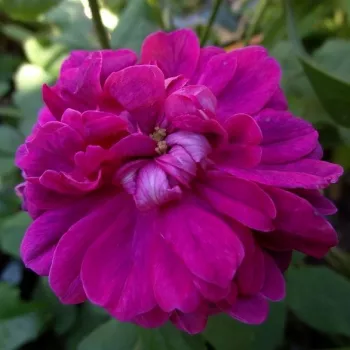
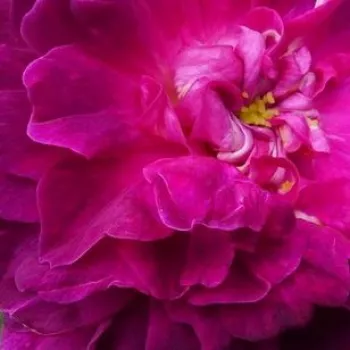
Flower Colour Description: Rich, velvety deep violet with a delicate slate-grey shading.
Closed Bud: The outer petals are dark violet with a velvety matt finish.
Newly Opened Flower: The flower has a deep purplish–crimson tone with a cool bluish sheen along the petal edges.

Full Bloom: The flower is a dark, dusky violet with slightly lighter crimson tones towards the centre.
Before Fading: The violet colour dullly fades to a lilac‑grey; the edge gently pales to a brownish hue.
Colour Fading Description: In strong sunlight its colour may lighten, while in cooler conditions it becomes more intense.

Fragrance and Aroma

Fragrance Strength: strongly scented, far-carrying rose
Fragrance Character: scent description not available
Pollinator Attraction: The very double flower form and reduced accessibility of the stamens mean it attracts pollinators poorly.
Pollinator-Friendly Rating: Its double flowers partially cover the stamens, so it attracts pollinators poorly; pollinator-friendliness is limited, primarily an ornamental cultivar.

Hip Characteristics

Hip Shape: spherical
Hip Colour: orange-red
Hip Comment: Hip production is expected to be low; occasionally spherical, orange-red hips 10–15 mm in diameter.

Resistance and Hardiness

Hardiness (°C): -32–-29 °C
Heat and Drought Tolerance Description: Moderately tolerant of heat; requires watering during prolonged drought.
Disease Resistance: resistant
  • powdery mildew – resistant
  • black spot – resistant
  • rust – resistant

Horticultural Recommendations

Recommended product path: Premium container, specialty
Release form: Bush-trained + discreet support
Recommended use: Maintenance requirement low; good disease resistance, generally requires little intervention.
Primary Uses: flower bed, park, specimen plant, cut flower

Comments

Positioning: Selection / specialty
Target customer/channel: Retail/collector
Main value proposition: Rarity – more compact character
INDIGO – violet historic Portland rose - Laffay
Rich, velvety deep violet with a delicate slate-grey shading. - historic, portland rose - strongly scented, far-carrying rose - scent description not available
The rose webshop. - violet - strongly scented, far-carrying rose - Indigo - historic, portland rose - (3.3-4.9ft (100-150 cm))
Inflorescence: clustered Height: 3.3-4.9ft (100-150 cm) Flower shape: flat Winter hardiness: 5b violet - Jean Laffay (France) historic, portland rose - Flower size: M (1,5-2,75 in) Flower size: M (1,5-2,75 in) - Height: 3.3-4.9ft (100-150 cm) Height: 3.3-4.9ft (100-150 cm) - Flower fullness: double Indigo - Roses in the garden | pharmaROSA® Neonatal - premium silver Jean Laffay

We showcase the external appearance of the roses available for online purchase from our webshop.


Which product type is right for you?


PharmaRosa® NEONATAL is the cost‑effective starting point for rose product production.

As a uniform, own‑rooted propagation material, it provides a stable basis for further growing-on and can be integrated flexibly into different finished product production technologies.

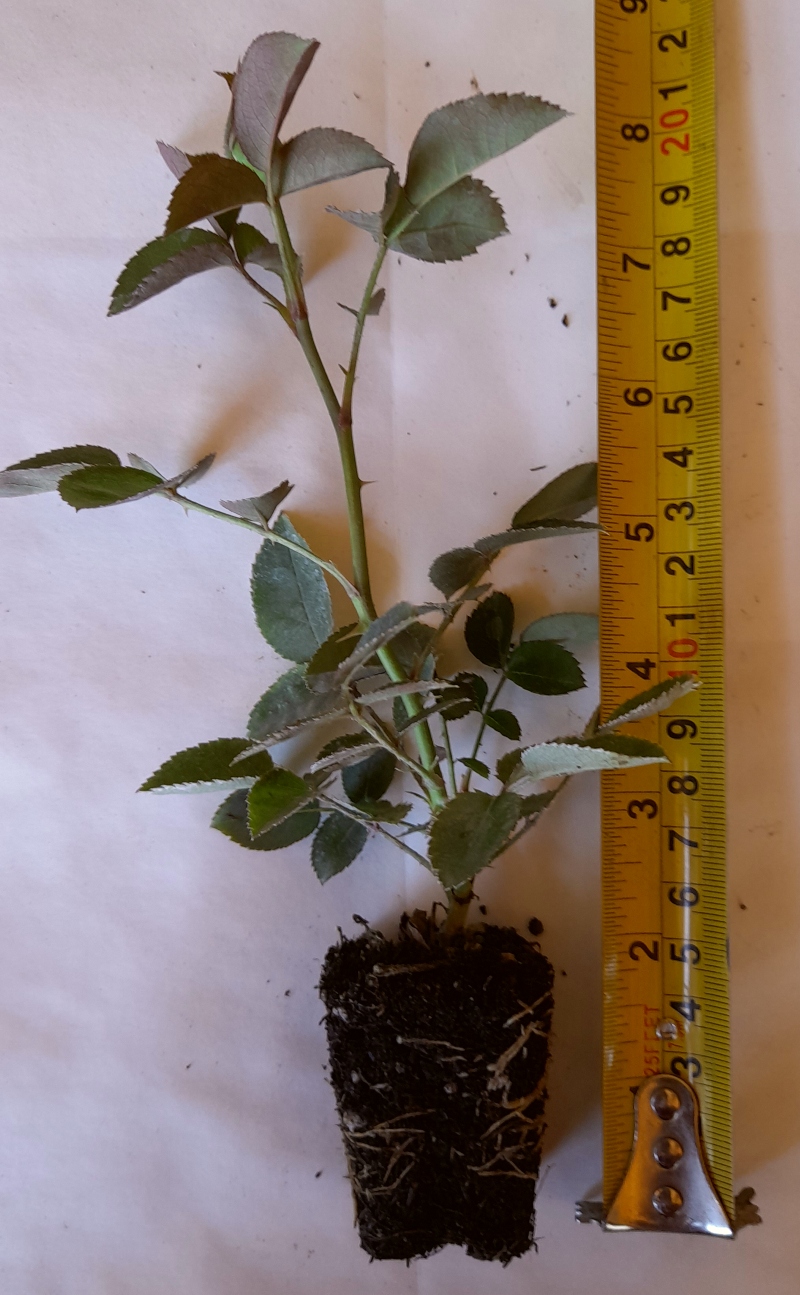
Rooted in trays (rooted), 3–6‑month‑old, own‑rooted rose cutting.
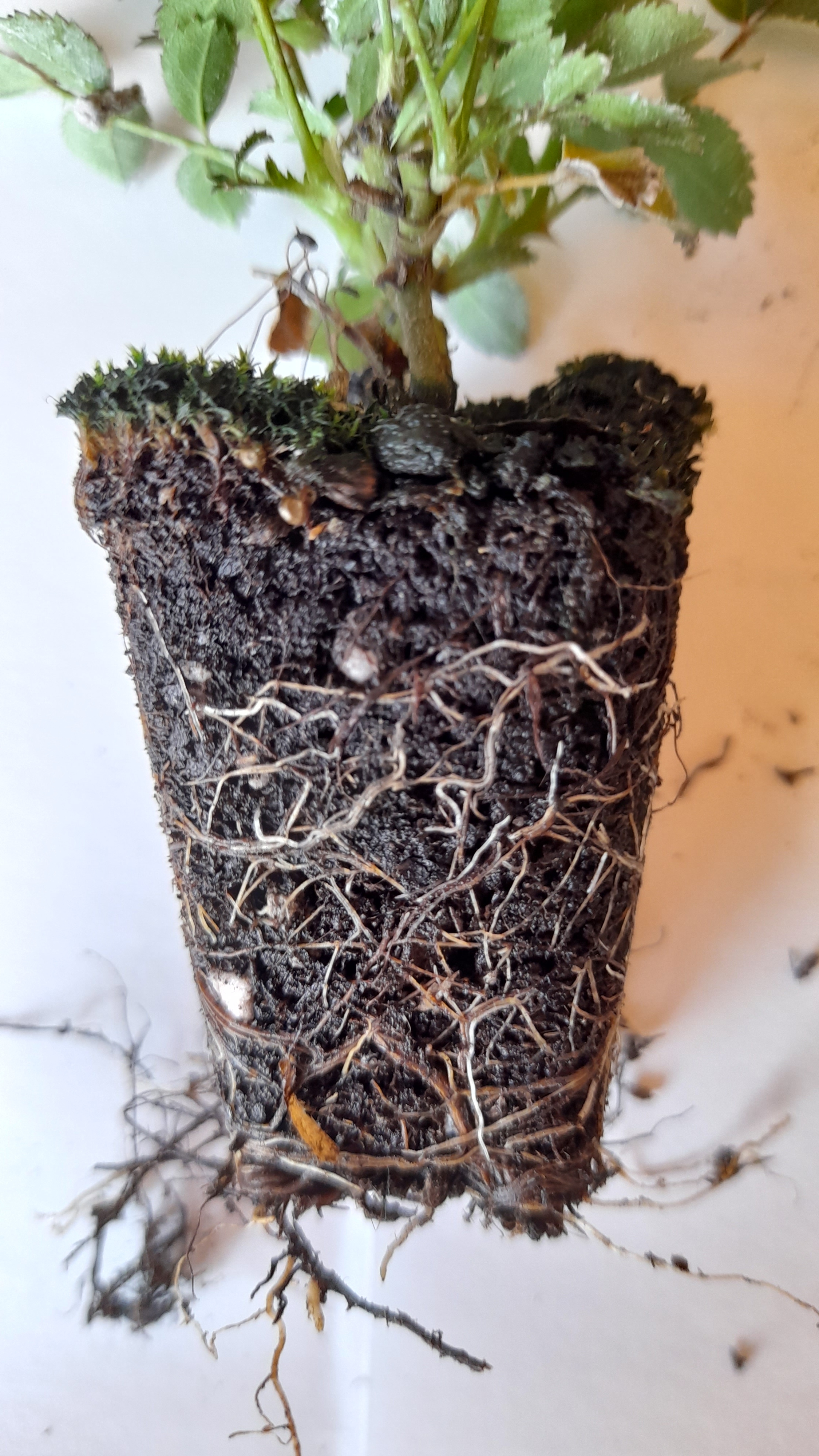
Uniform developmental stage, with a root system that has thoroughly penetrated the plug.
For professional growing‑on.
Tray packaging: 10 pcs/tray.
Quality and varietal identity: production supported by a dedicated identification and traceability logic.
Can be transplanted during frost‑free periods, designed for finished product production.

PharmaRosa® NEONATAL provides a controlled, uniform starting stock for planned growing‑on that can be integrated into your own technology – especially where scheduling and varietal identity are paramount.


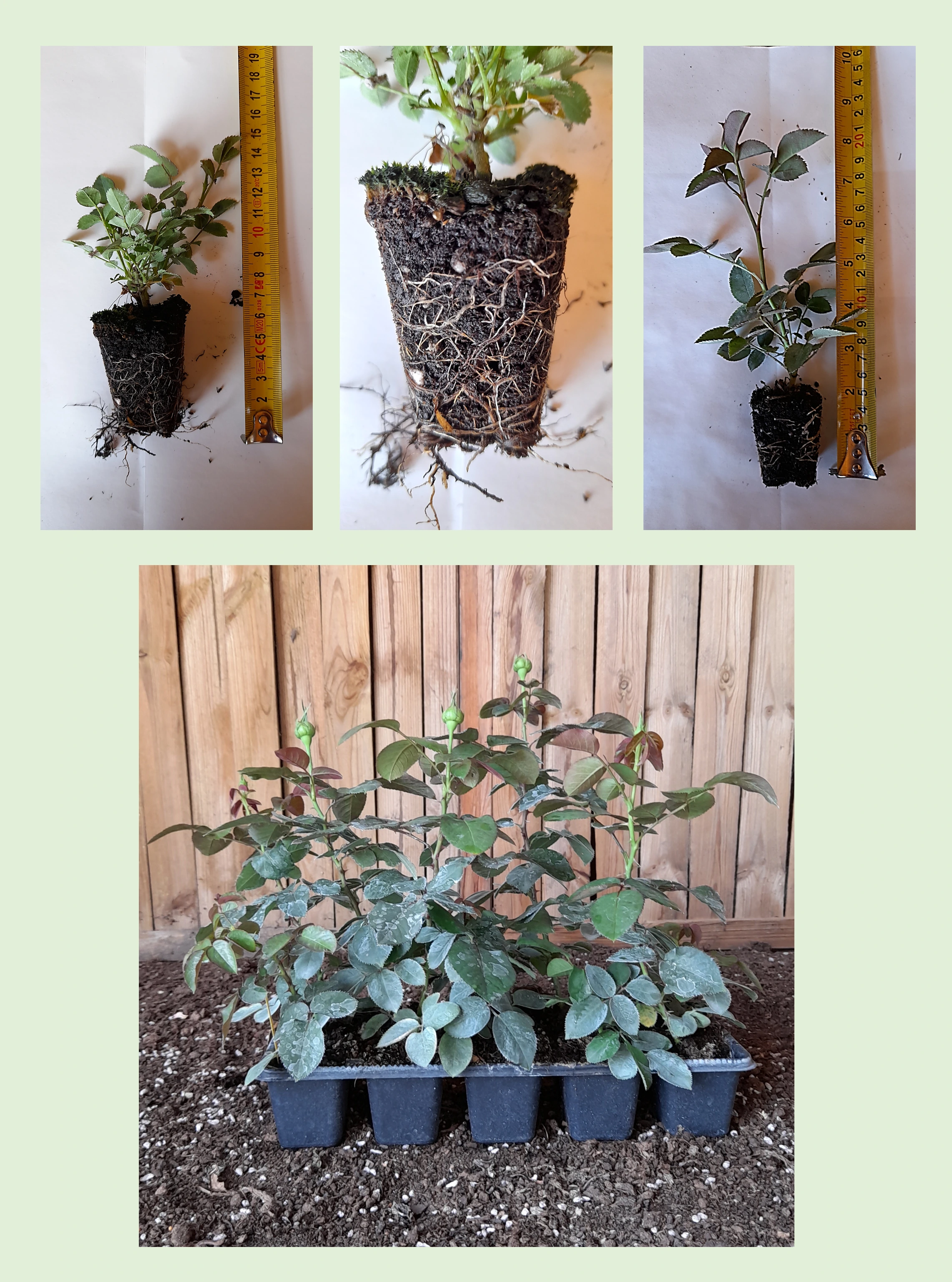
PharmaRosa® NEONATAL own-rooted rose propagation material in a plug, with a root system penetrating the plug (semi-finished product / semi-finished rose). PharmaRosa® NEONATAL rose propagation material size: 3–6‑month‑old, own-rooted cutting with a uniform developmental stage. PharmaRosa® NEONATAL rose propagation material root system: plug densely penetrated by well-developed white roots (root system detail). PharmaRosa® NEONATAL tray stock: own-rooted rose propagation material in trays, uniform developmental stage (10 pcs/tray).

Captions (from left to right): Semi-finished product (NEONATAL own-rooted rose propagation material in a plug with a fully developed root system) • Size demonstration (3–6‑month‑old, uniform cutting) • Root system detail (plug penetrated by the root system) • Tray stock (10 pcs/tray, uniform developmental stage)

pharmarosaneonatal.co.ukpharmarosaneonatal.ropharmarosaneonatal.skpharmarosaneonatal.depharmarosaneonatal.sipharmarosaneonatal.czpharmarosaneonatal.atpharmarosaneonatal.frpharmarosaneonatal.itpharmarosaneonatal.plpharmarosaneonatal.espharmarosaneonatal.nlpharmarosaneonatal.lupharmarosaneonatal.ptpharmarosaneonatal.lvpharmarosaneonatal.sepharmarosaneonatal.fipharmarosaneonatal.ltpharmarosaneonatal.eepharmarosaneonatal.hu

Which product type is right for you?

Pages for private customers
Garden roses for the family garden, with minimal care  → ORIGINAL®
Premium garden roses – instant impact, a truly showpiece garden  → EXTRA®
Pages for professionals and private customers
Roses for public spaces – large areas, sustainable maintenance  → NATURAL®
Roses for projects – hedge and row planting, fast implementation  → RAPID®
For professional partners only
Production – propagation material for garden roses, wholesale  → NEONATAL®

Company details

PharmaRosa Ltd.
Company registration number: 01-09-717479
VAT number: 13075314-2-43
Plant health registration no.: HU130721
Bank account (IBAN):
HU85117631891388688400000000
BIC (SWIFT): OTPVHUHB
Bank name: OTP Bank Nyrt.