| Nursery propagation beds for bedding and shrub production |
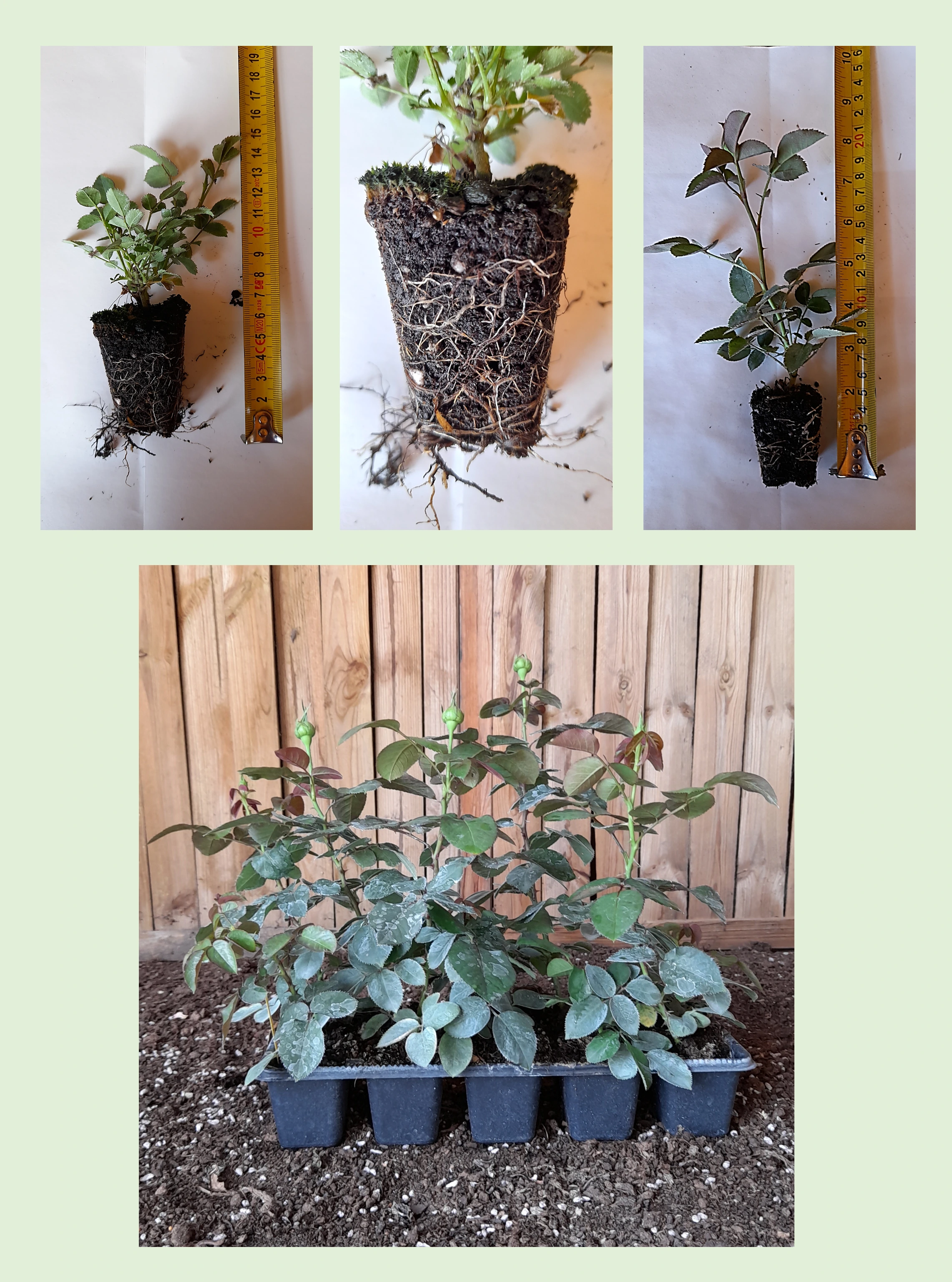
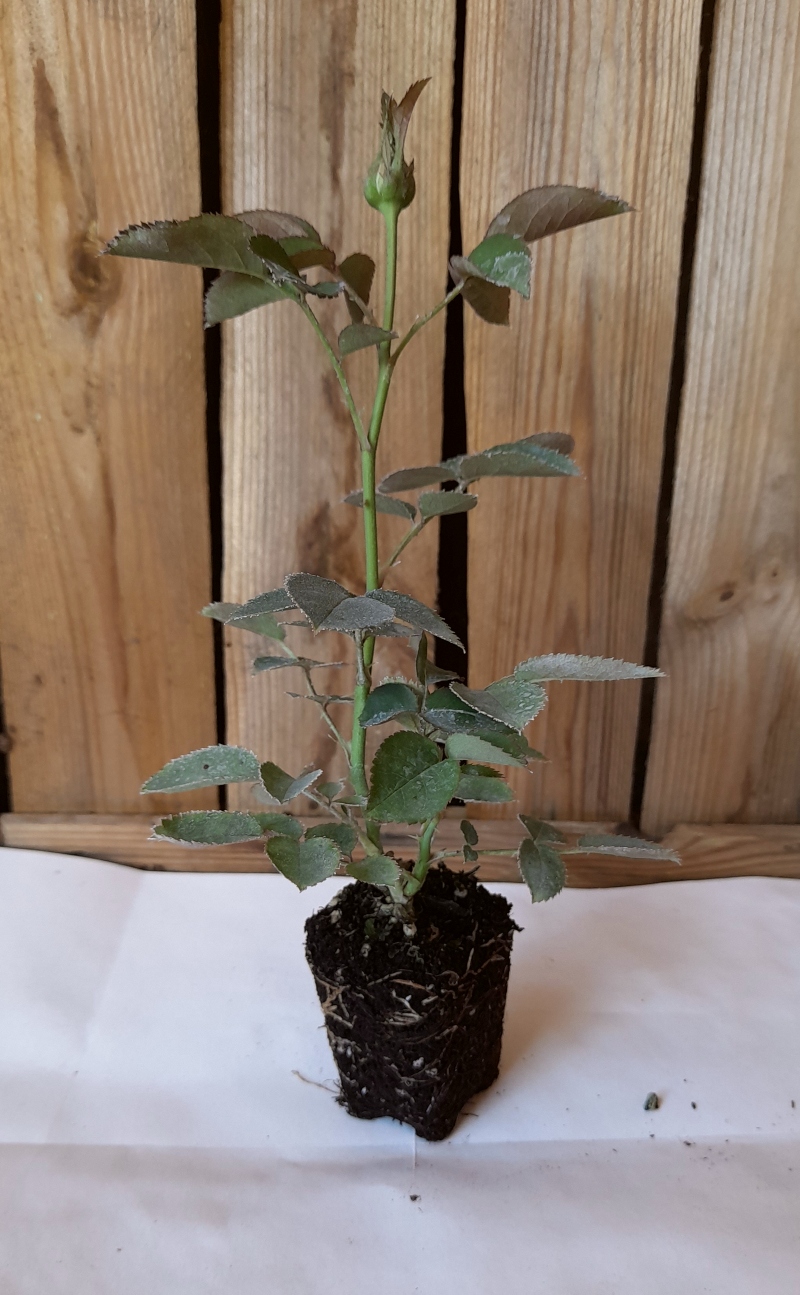
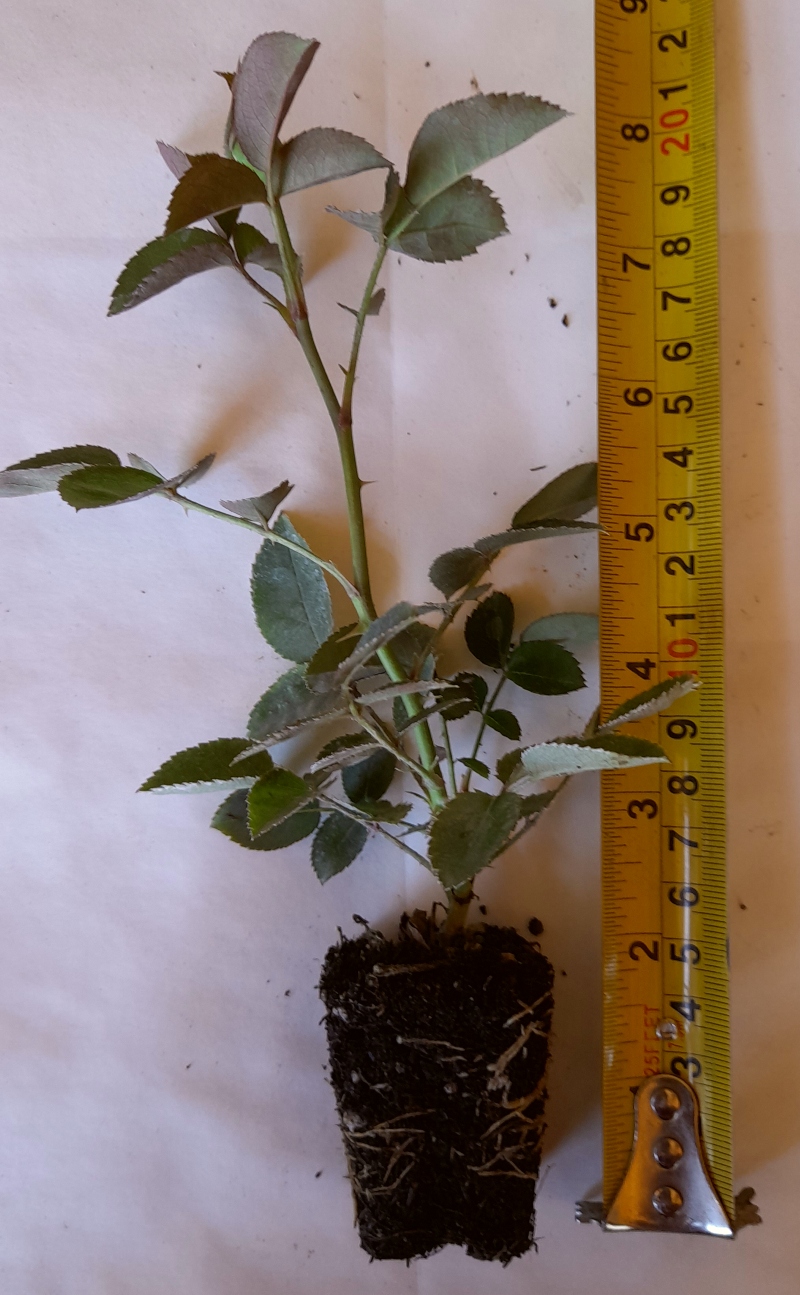
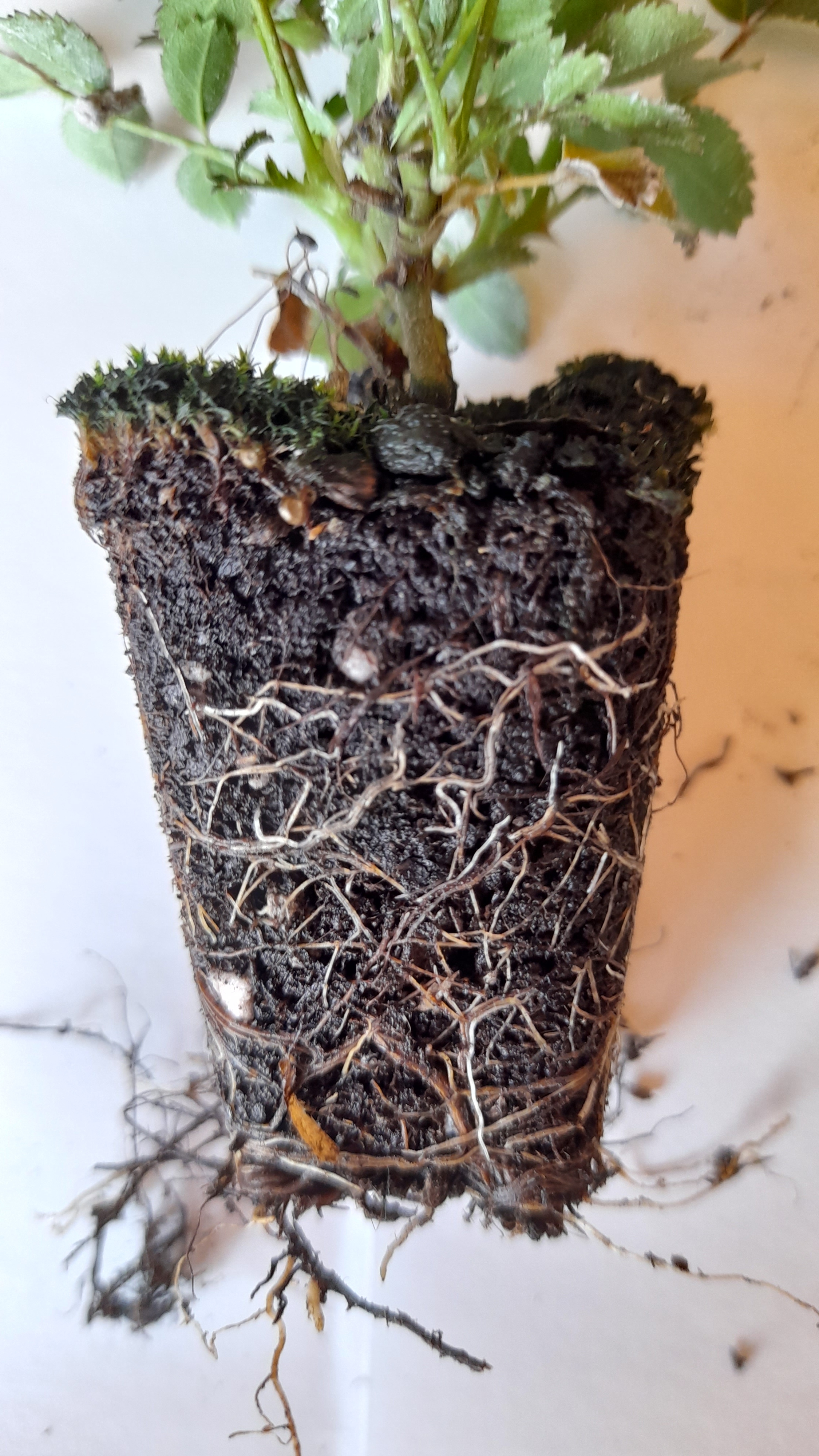
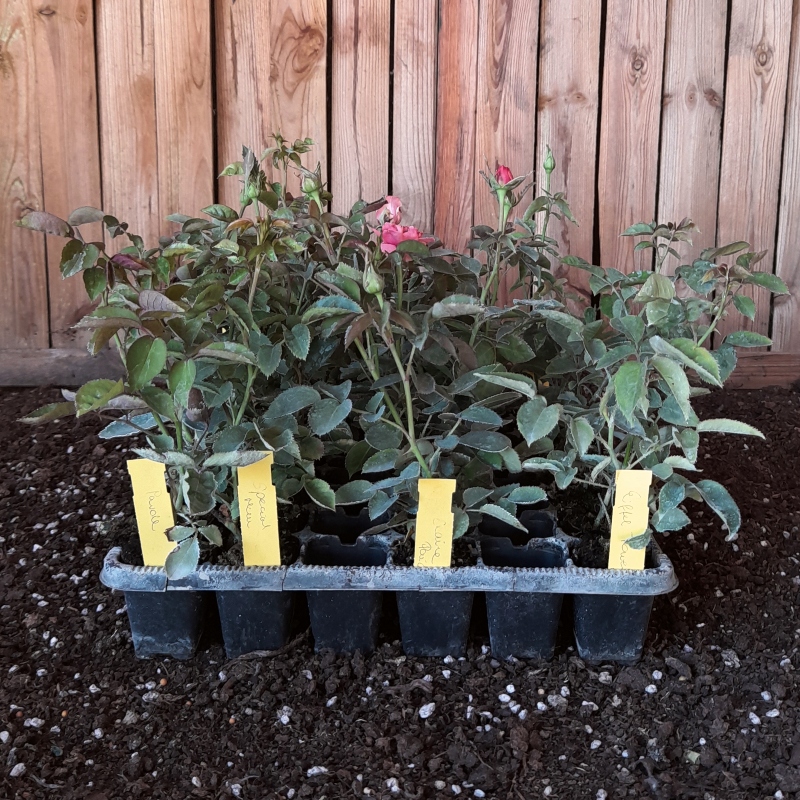
The compact, bushy architecture creates even nursery blocks from NEONATAL tray-rooted cuttings, simplifying crop planning for standard container production in 2–3 L pots. Good self-cleaning reduces hand work on spent clusters and keeps stock visually tidy for internal selection. Own-root material supports long-term renewal and low replacement in propagation beds, aligning with professional rose production on own roots and wholesale-scale supply for nurseries and integrator networks serving public and retail contracts. Professional rose growers and propagation nurseries |
| Standard 2–3 L retail shrub and floribunda lines |
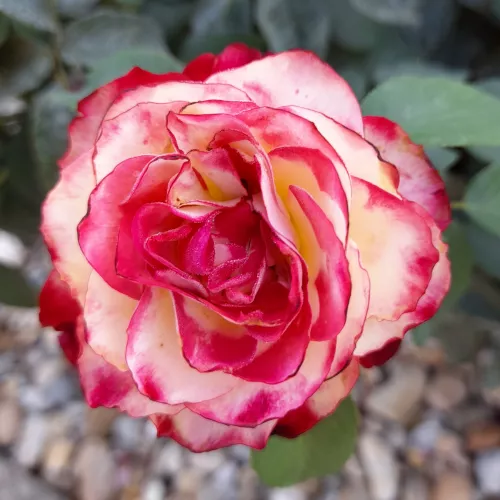
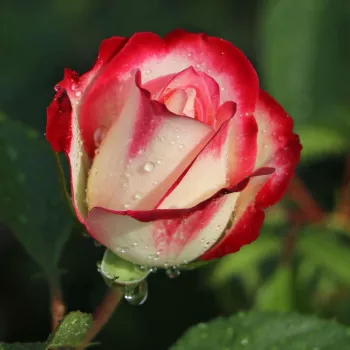
The clearly defined cream-white and carmine-red bicolour flowers create a strong visual identity in standard 2–3 L product lines, helping retail partners position it as a dependable garden performer. Cluster-flowering, remontant behaviour gives repeated colour for the “finished shrub rose / floribunda” bench space, matching the standard finished product positioning. Own-root uniformity and a bush-trained, compact habit help maintain consistent crown shape across batches, supporting predictable stock for large horticultural operators and reseller networks. Retail-focused wholesale nurseries |
| Colour-focused bedding and park plantings |
The floribunda bedding character, with abundant cluster-flowering and regular self-cleaning, suits high-impact flower beds and park schemes where visual continuity matters. The stable, slowly fading bicolour ensures that even older flowers remain commercially acceptable, supporting the promise of reliable garden performance. Own-root stands offer regeneration and longevity in public beds, helping municipal and institutional buyers secure predictable multi-year displays from a standard container route, including re-usable stock for thematic rose plantings. Public-realm and municipal suppliers |
| Urban green space and streetscape use |
The compact height and spread help keep plants within design envelopes for urban green spaces, offering a tidy, controllable structure in tree pits, traffic islands, and car parks. Dense foliage and a bushy habit create good ground cover, while the cream-red colour pattern remains visible at a distance, supporting specification as a standard finished shrub for streetscapes. Own-root durability and renewal support lower long-term replacement rates, important for council frameworks and integrator systems serving demanding logistics and exposure. Urban landscape contractors and framework nurseries |
| Premium 5–7.5 L and 40–50 L feature containers |
In larger containers (5–7.5 L to 40–50 L), the bushy framework and remontant flowering of this floribunda bedding shrub provide a striking, repeat-flowering feature suitable for entrances, terraces, and small show-garden focal points. The strong colour contrast holds well through the season, reinforcing its identity in premium shrub tiers above standard 2–3 L lines. Own-root physiology supports long-term container use with predictable regrowth after pruning, useful for hire stock, thematic collections, and public projects planned on multi-year cycles. Specimen and container-production nurseries |
| Thematic rose gardens and cultivar collections |
The combination of recognised exhibition floribunda status and a distinctive bicolour scheme makes it an attractive element in cultivar collections and rose displays. Documented awards and its naming story add curatorial interest for show gardens, where labelled beds benefit from well-known varieties. Own-root NEONATAL material supports gene-bank style stands, simplifying maintenance, division, and long-term renewal in collection plots, while a standard container route aids uniform presentation for guided tours and public events. Collections, show gardens and rose specialists |
| Cut-flower side line from landscape or nursery stock |
Large, double, cup-shaped blooms with 26–39 petals and a fresh, mild, fruity scent allow occasional cut-flower harvesting alongside bedding and shrub production. The cluster-flowering habit supports selective stem cutting without visually depleting container crops, aligning with a standard finished product focus while opening a secondary sales outlet. Own-root plants tolerate regular, moderate cutting and regenerate reliably, suiting nurseries and estates looking to combine landscape supply with limited cut-stem offerings. Nurseries with add-on cut-rose sales |
| Regions with cold winters and heat episodes |
The specified hardiness to around –21 °C (H7, USDA 6b) and good heat tolerance make this cultivar suitable for UK nurseries serving both colder inland areas and warmer southern markets, including sites where winter and wind exposure must be considered. Reliable colour retention even under strong sun helps finished stock maintain its sales appeal through hot spells in a standard 2–3 L programme. Own-root durability secures long-term stands and predictable capacity for nursery networks and wholesalers covering diverse regional climates and public-realm tenders. Nationwide wholesale and regional distributors |