| Premium 5–7 L container production for retail |
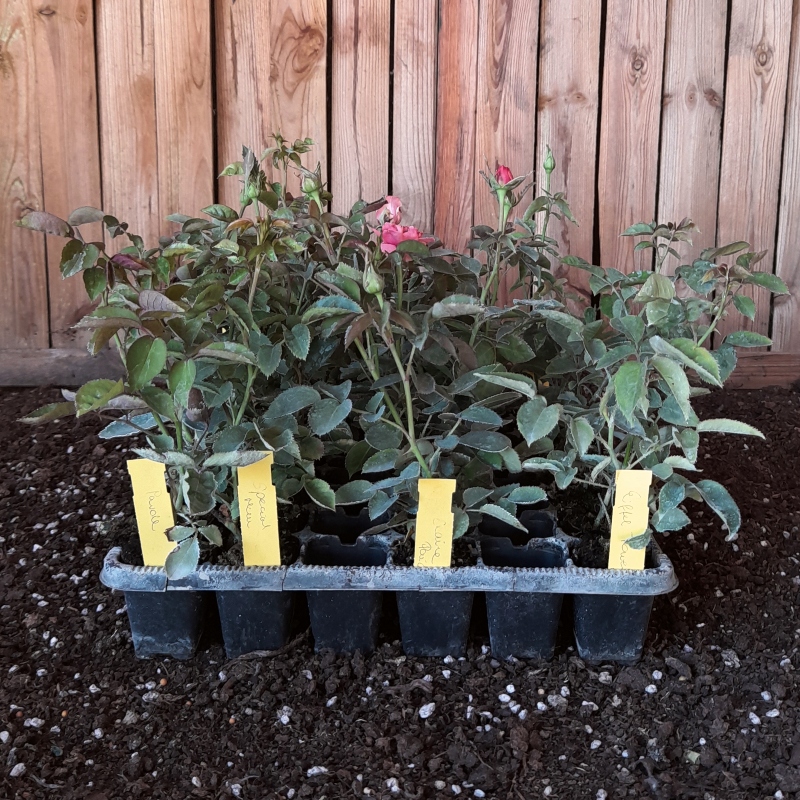
The upright, compact bush habit with dense foliage supports a clean, bush-trained 3–5 cane structure that finishes well in 5–7 L premium containers. XL, solitary, high-centred blooms read clearly at point of sale, matching exclusive finished product positioning for retail / reseller. Own-root continuity provides predictable renewal and long lifespan, allowing stable scheduling of the premium container route over multiple production cycles, ideal for professional retail partners focused on consistent hybrid tea quality for nursery and garden centre chains. |
| Cut-stem and exhibition-oriented nursery blocks |
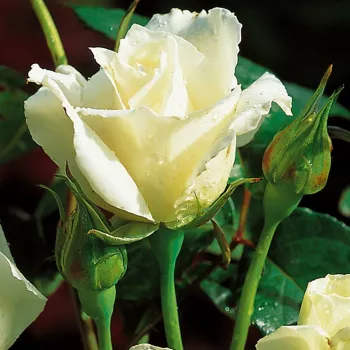
The very large, high-centred, pointed-budded flowers with high white colour purity can support nursery-scale cutting or exhibition-oriented selection, even when the main commercial route is premium container. Remontant repeat flowering with abundant second flush enables planning for multiple picking windows. Own-root stands regenerate from the base, maintaining structural integrity and stem quality over time with reduced replanting risk, supporting exclusive finished product offers for specialist cut-rose resellers. |
| Specimen plants for thematic and collection gardens |
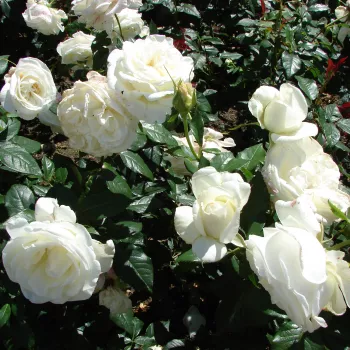
Uniform snow-white flowering and the clearly defined hybrid tea form make this cultivar a strong choice for named specimens in thematic rose gardens or white collections. The predictable 95–125 cm height and bushy outline simplify layout in show beds and institutional schemes. Own-root material ensures cultivar identity and longevity for collection plantings, with stable ornamental value year after year, fitting premium positioning for public-realm and collection curators. |
| Border plantings in high-visibility schemes |
The dense, dark green, glossy foliage provides a strong backdrop to the pure white blooms, giving high contrast in mixed borders and formal plantings. Moderate maintenance, including occasional pest and disease control plus deadheading of weakly self-cleaning flowers, is manageable within professional border-care programmes. Own-root durability supports lower replacement in long-term schemes, aligning with exclusive, flower-quality focused offers for landscape and municipal framework suppliers. |
| Own-root mother stock for nursery propagation beds |
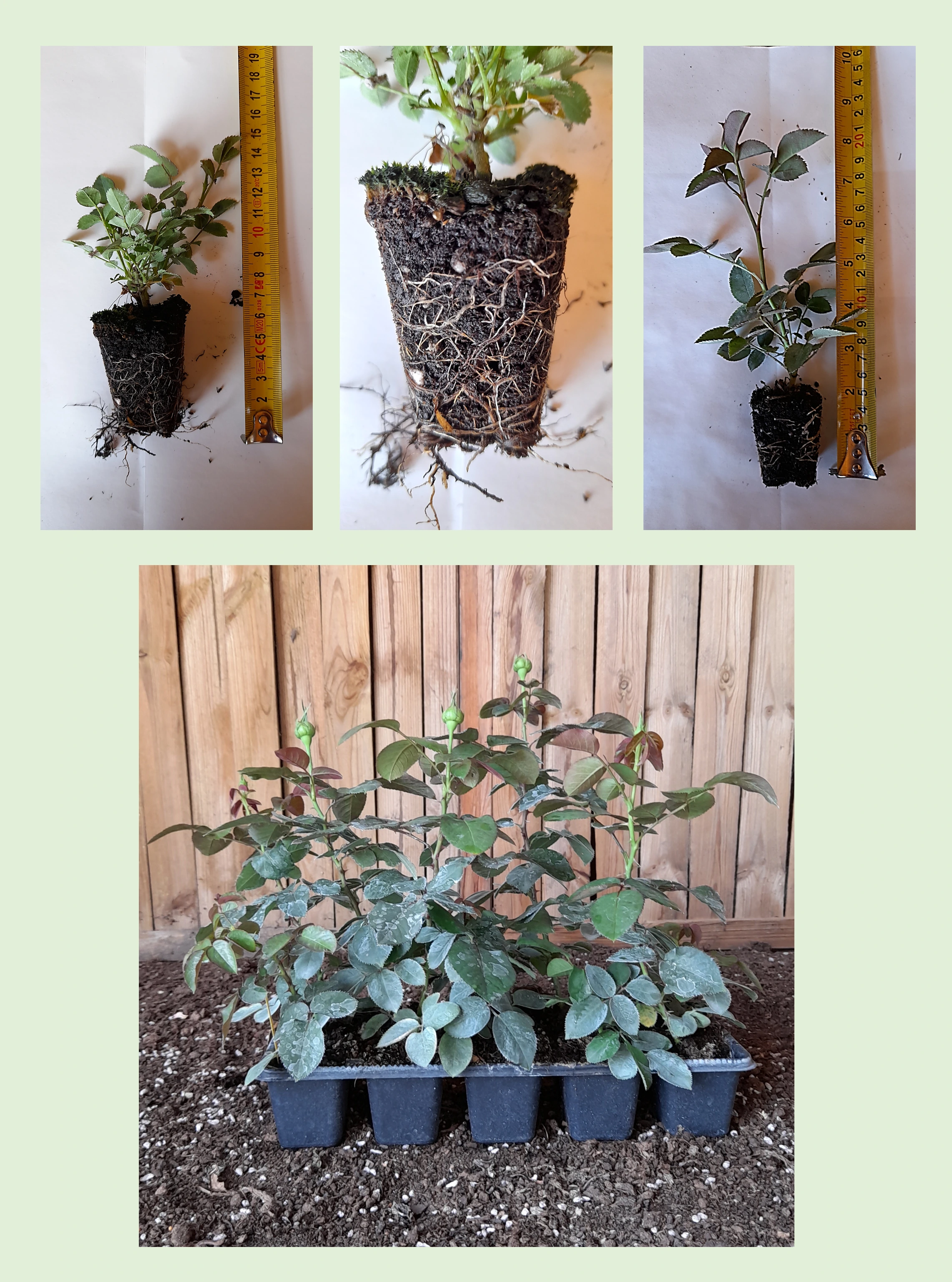
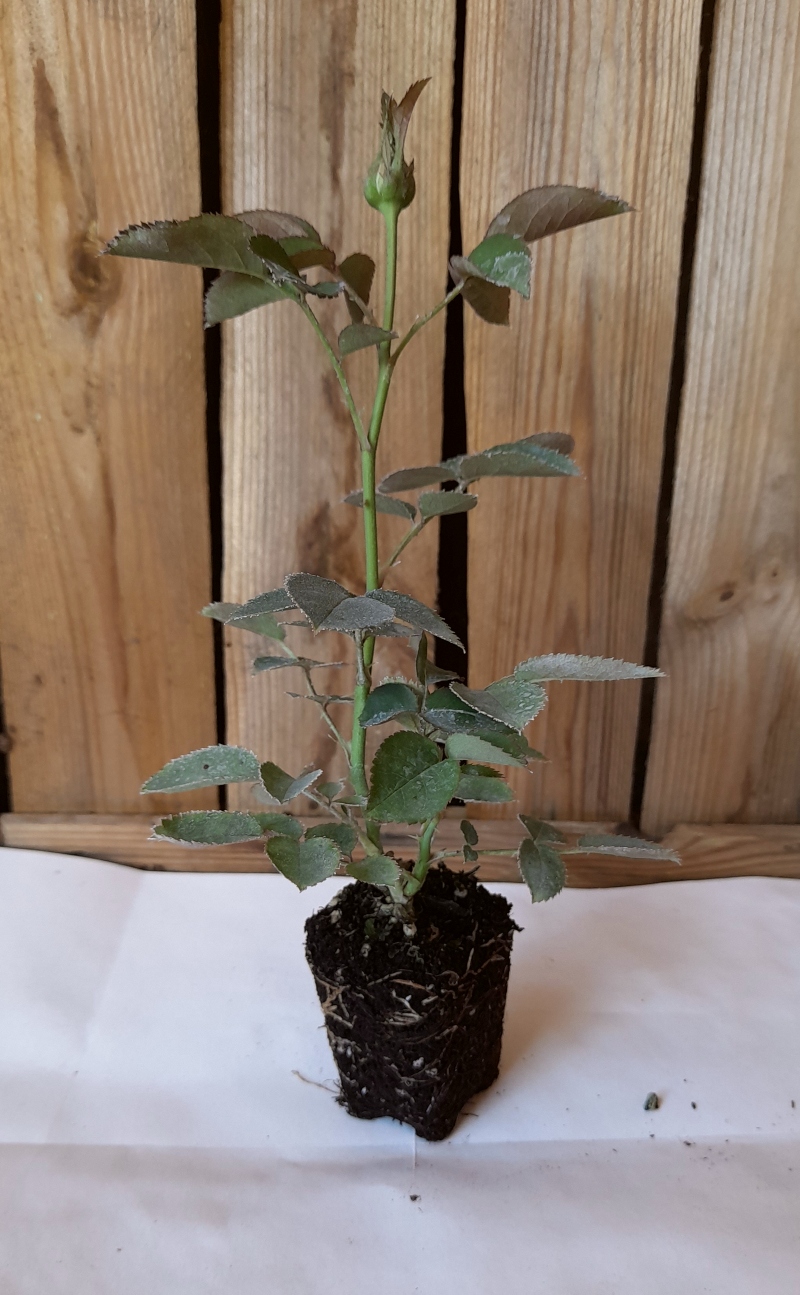
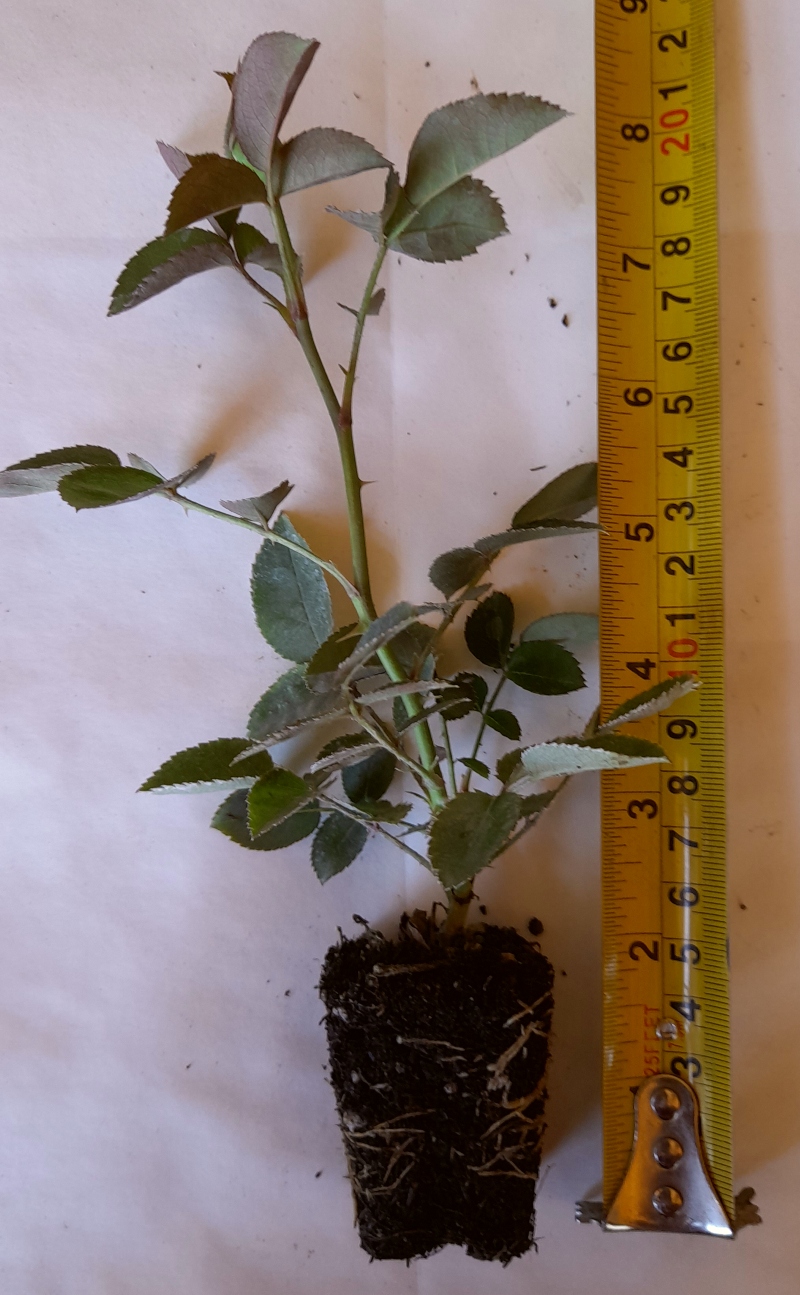
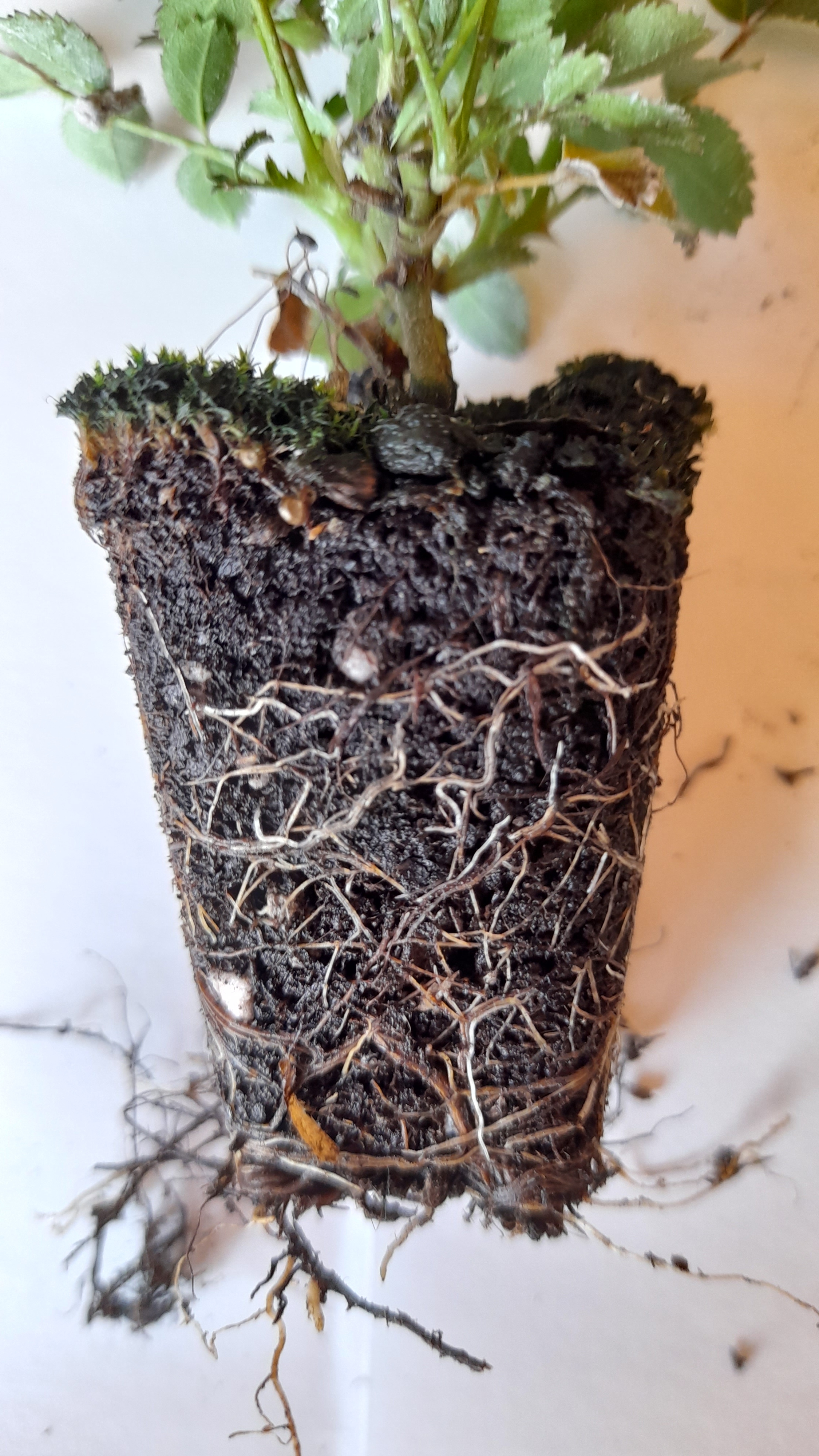
As pharmaROSA NEONATAL own-root material, Karen Blixen ™ POUlari lends itself well to establishing robust mother blocks for internal cutting supply. The cultivar’s compact, upright framework and dense foliage make inspection and sanitary maintenance straightforward under medium-care regimes. A natural establishment curve from root development in year one, framework consolidation in year two and full ornamental expression in year three supports long-term stock planning and premium hybrid tea positioning for integrated nursery networks. |
| Large specimen in 40–50 L and above |
Where projects require statement hybrid tea bushes, this cultivar can be grown on from the 5–7 L premium route into 40–50 L containers for immediate impact. The medium height and bushy habit deliver a balanced, fully furnished plant at this volume without becoming leggy. Own-root resilience and basal regeneration provide long service life after planting out, reducing aftercare replacement within exclusive, flower-form driven ranges for project-based and contract suppliers. |
| White-feature plant for coordinated retail concepts |
Its pure, uniform white colouring with very good colour retention and only slight cream fading makes it suitable for coordinated “white garden” or event-driven retail concepts. XL, solitary blooms with mild fragrance give a clear premium signal on the bench. Own-root production offers homogeneous batches and stable sizing at despatch, supporting reliable replenishment of exclusive white hybrid tea ranges for brand-oriented retail programmes. |
| Managed-medium maintenance programmes |
Moderate disease resistance and weak self-cleaning mean this cultivar fits best where medium maintenance is acceptable: scheduled pest/disease monitoring and regular deadheading can be built into nursery and end-client care plans. Heat tolerance and only short-term drought endurance call for planned irrigation in container systems, while hardiness is suitable for colder and wind-exposed northern UK supply. The own-root base gives long-term structural stability despite these inputs, supporting premium flower-quality promises for professional maintenance-focused resellers. |