Macmillan Nurse – pharmaROSA® NEONATAL rooted cutting
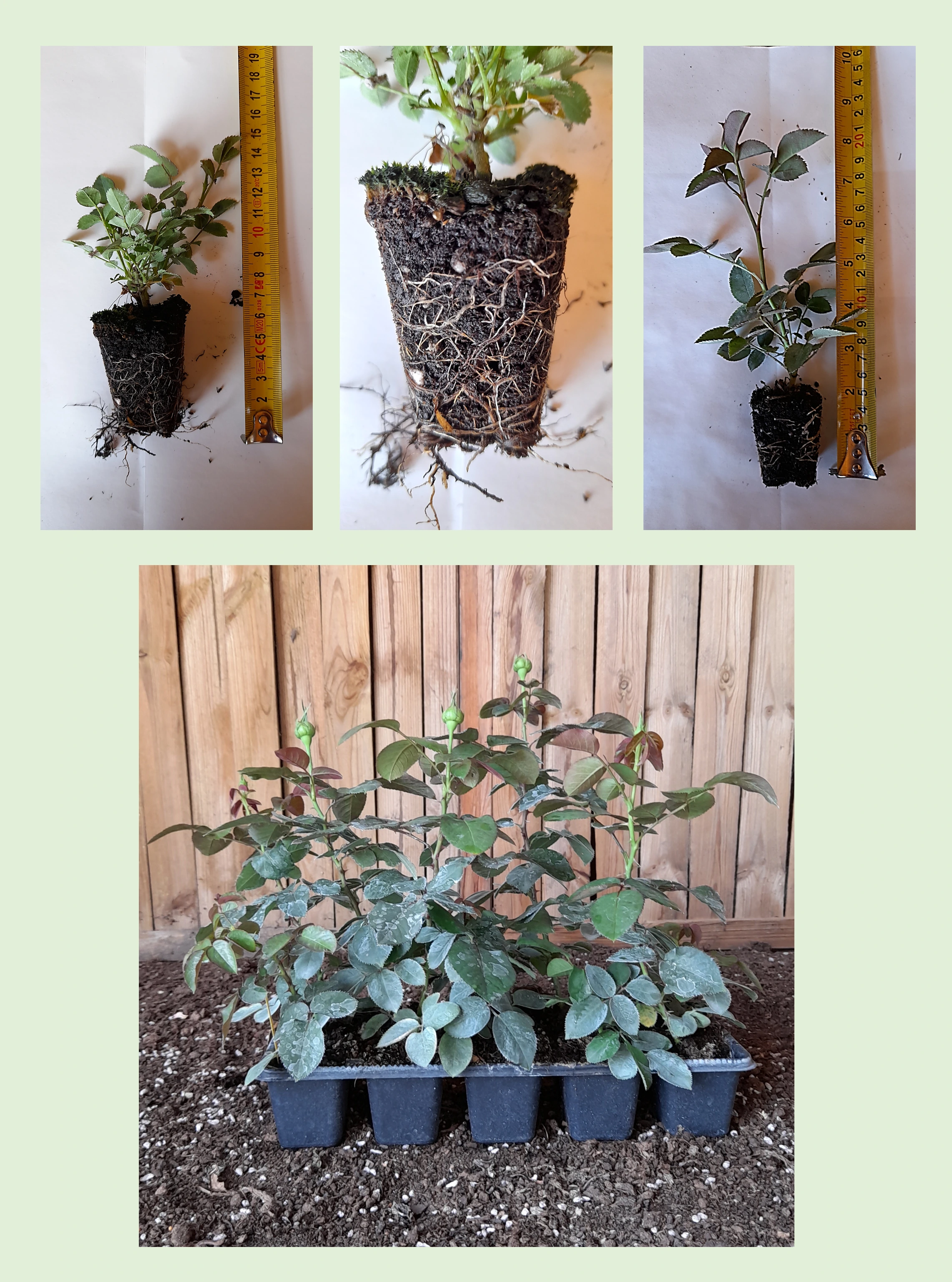
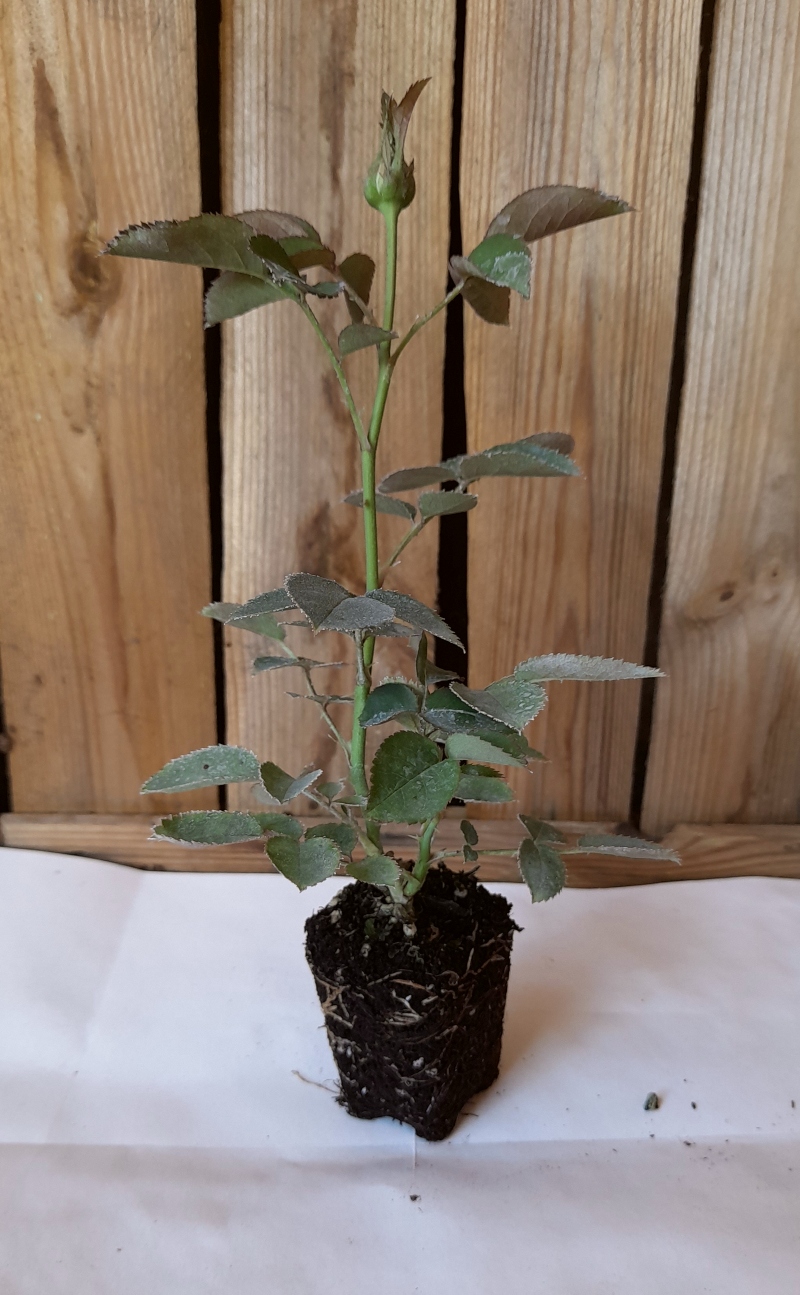
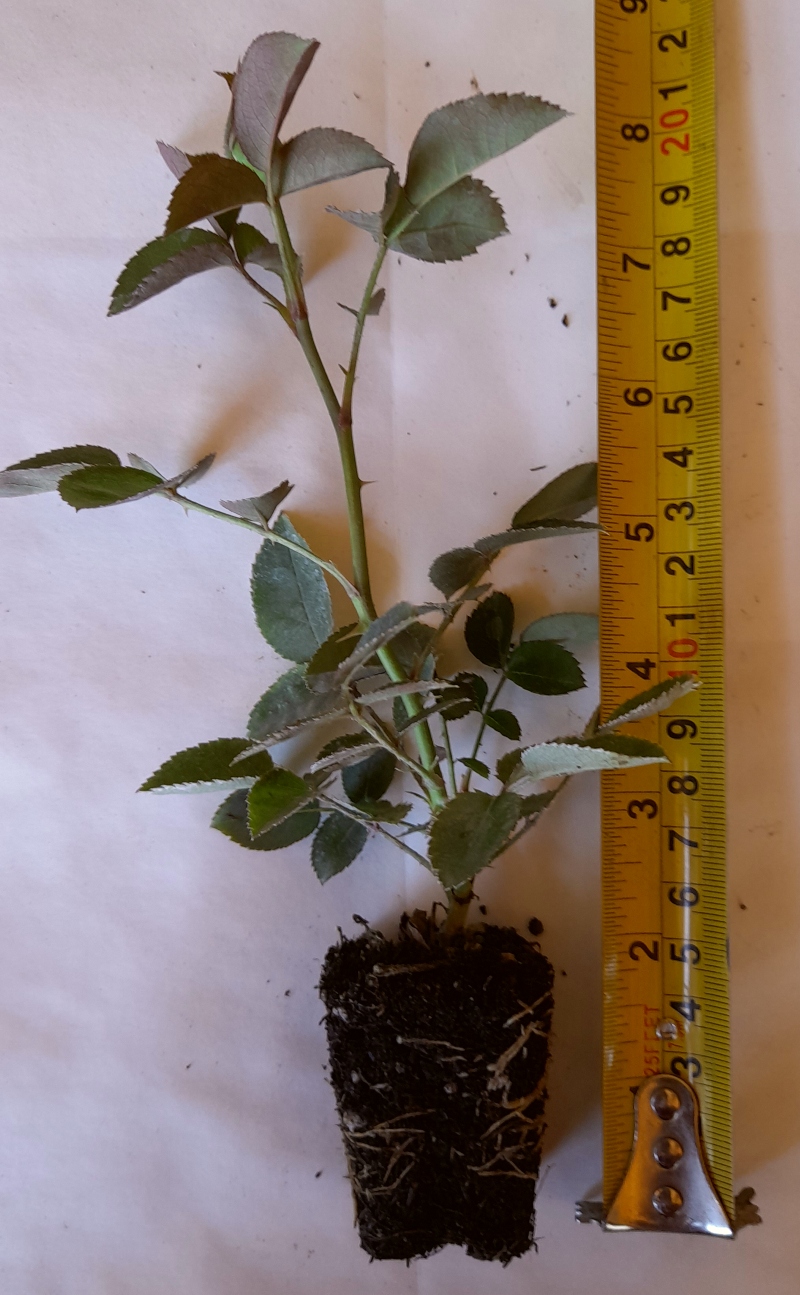
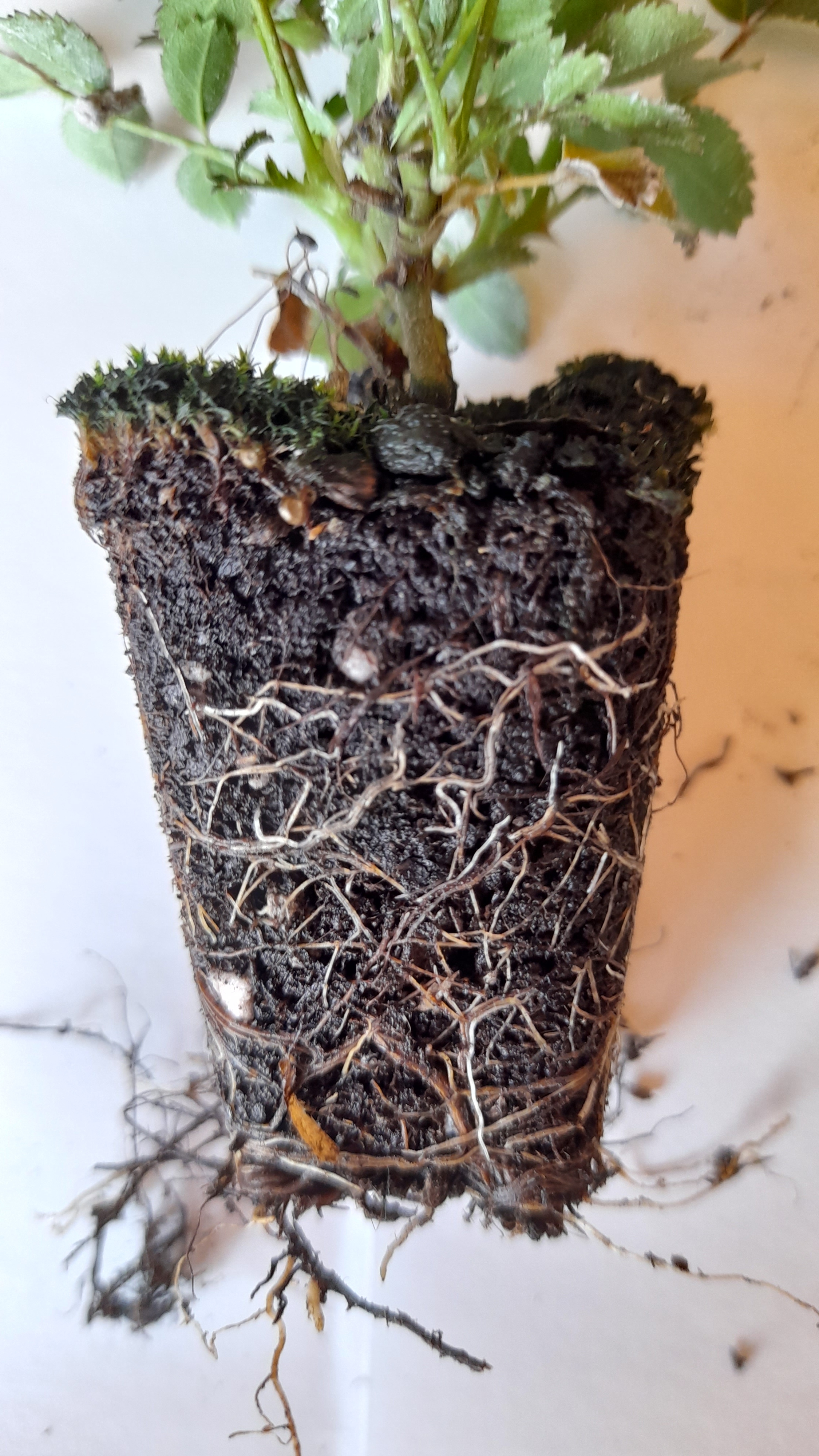
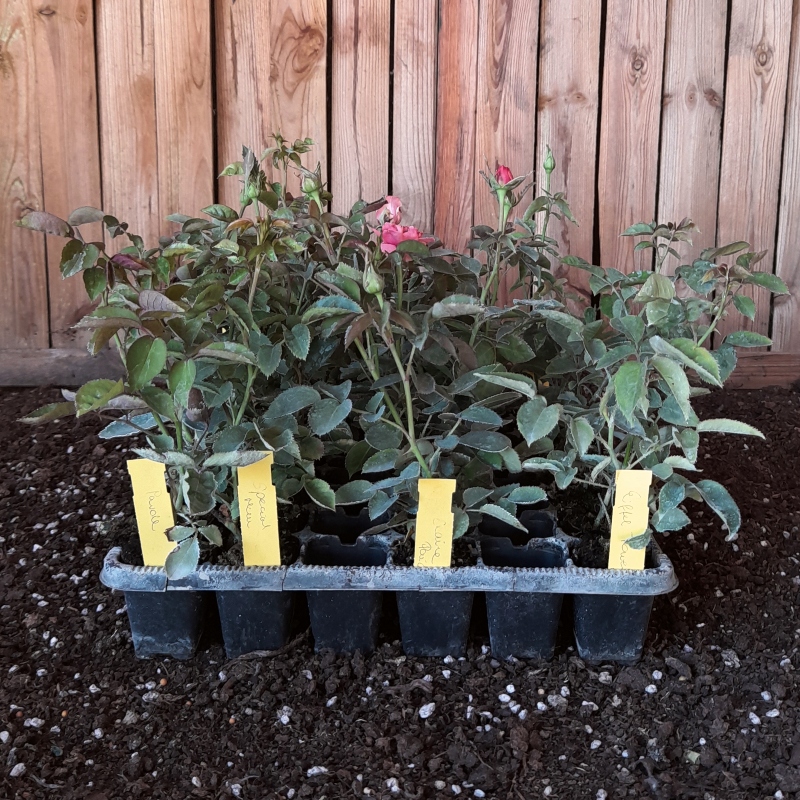
Professional own-root propagation material of Macmillan Nurse supports reliable nursery-scale production, combining compact, bushy growth with dense, glossy-foliaged stands and strongly fragrant, very double white rosette flowers suited to standard container routes. As tray-grown, 3–6‑month-old rooted cuttings, it integrates easily into 2–3 L containers for mainstream “standard finished product” ranges focused on reliable garden performance, with own-root longevity underpinning collection, park and flower-bed schemes in professional rose projects. Its hardiness down to about −30 °C offers dependable structure for nursery networks supplying exposed northern and Scottish sites, where winter and wind tolerance are valued in public-realm and institutional contracts, while the natural development arc from strong roots in year one, framework shoots in year two and full ornamental value from year three supports predictable scheduling and capacity planning.
Usage options
Finished-product ideas
- 2–3 L bedding shrub line – Own-root Macmillan Nurse in 2–3 L standard containers, compact and bush-trained for uniform benches, positioned as a reliable white bedding shrub for retail-reseller programmes.
- Fragrant park feature rose – Batch-grown in 2–3 L pots for mass planting, using strong fragrance and hardy, bushy growth to support park and public-realm schemes ordered via landscape-contract channels.
- Thematic white collection block – Uniform own-root blocks in nursery beds or containers for white and AGM-themed ranges, leveraging colour stability and cultivar authenticity for specialist-nursery and collection suppliers.
- Commemorative garden series – Curated runs for institutional and charity-linked gardens, using the meaningful name and durable, compact habit as a dependable white feature for institutional-project tenders.
- Hardy backbone for mixed shrub assortments – Integrated into mixed modern shrub assortments in 2–3 L containers, its winter hardiness and moderate care needs provide structure for nationwide wholesale-chains.
Technical cultivar profile
| Parameter |
Data |
| Name and registration |
Modern Shrub bedding rose; registered as BEAmac, marketed as Macmillan Nurse Bedding rose BEAmac, with American Rose Society exhibition name Macmillan Nurse for shrub rose classes. |
| Origin and breeding |
Bred by Amanda Beales (Peter Beales Roses Ltd, United Kingdom) from ‘Bonica’ × ‘Maigold’; bred, registered and introduced in 1998 by Peter Beales Roses in the UK. |
| Awards and recognition |
Holds the RHS Award of Garden Merit and received a Certificate of Merit at the Glasgow International Rose Trials in 2008, supporting its use as a reliable, versatile garden and landscape rose. |
| Growth and structural characteristics |
Bushy, compact shrub reaching about 75–105 cm in height and spread, with dense, glossy dark green foliage and moderate prickliness; spent blooms persist and often need manual removal in production and landscape use. |
| Flower morphology |
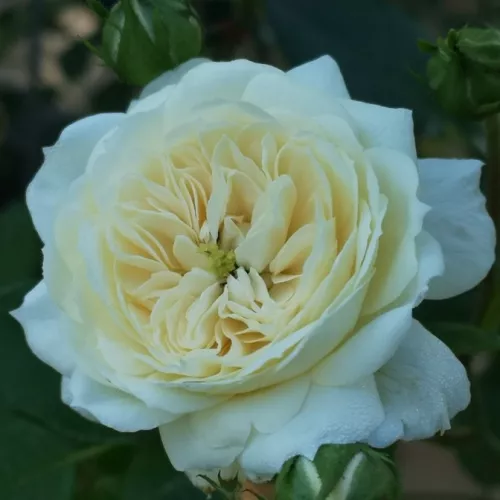
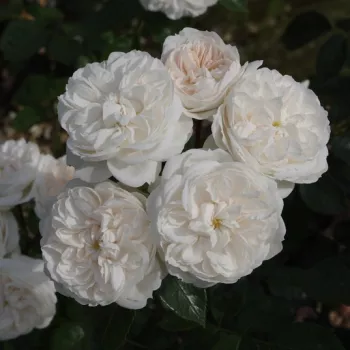
Large, very double rosette blooms (typically 40+ petals) carried in clusters, providing a full, exhibition-style flower form with repeat, but a less abundant second flush than the main early-season display. |
| Colour data and phenology |
Cream-white flowers with a delicate peach tint centrally; buds show creamy-yellow blush, newly opened blooms are snow-white with peach glow, and colour holds well with minimal fading under normal garden conditions. |
| Fragrance and aroma |
Strongly scented ornamental shrub rose with a full, rounded rose fragrance character; heavily double form conceals stamens, so it is primarily selected for scent and display rather than pollinator support. |
| Hip characteristics |
Hip set is generally poor because of very double blooms; where formed, hips are small, spherical, around 8–12 mm across, and orange-red, adding limited but occasional late-season interest. |
| Resistance and winter hardiness |
Rated H7 and USDA zone 4b, tolerating around −32 to −29 °C; heat and drought tolerance is moderate, needing irrigation in extended dry spells; disease resistance is moderate to powdery mildew, black spot and rust. |
| Horticultural recommendations |
Suited to flower beds, specimen and park use as a bush-trained, compact plant; recommended in standard containers, 2–3 L target pot size, with medium maintenance and occasional pest control in professional regimes. |
Macmillan Nurse as pharmaROSA® NEONATAL own-root material offers compact, hardy structure and strong fragrance with long-term, regenerating stands that support predictable, low-replacement production; we would welcome aligning capacity and scheduling with your plans.