KNIRPS® – deep pink groundcover rose – KORverlandus
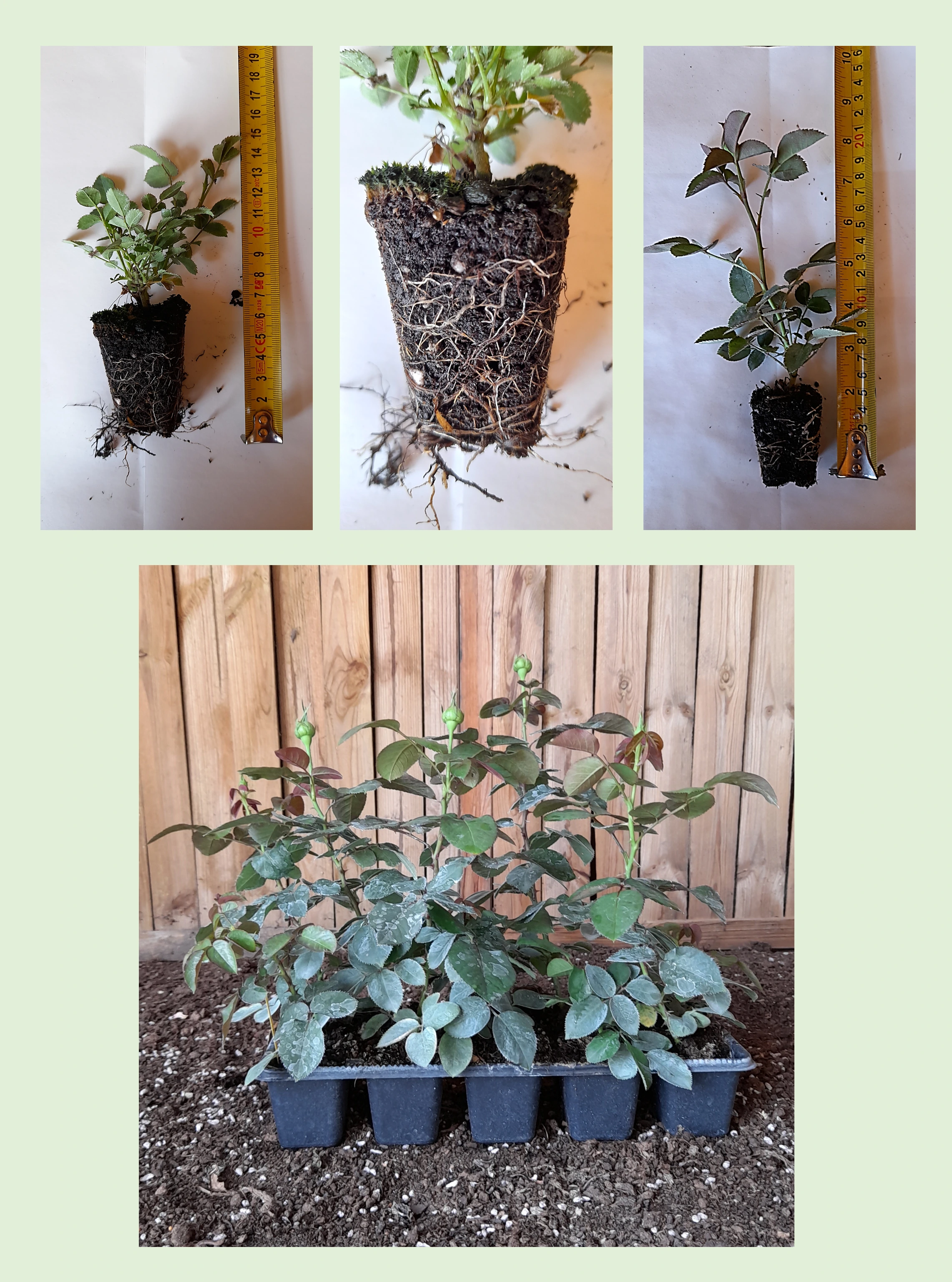
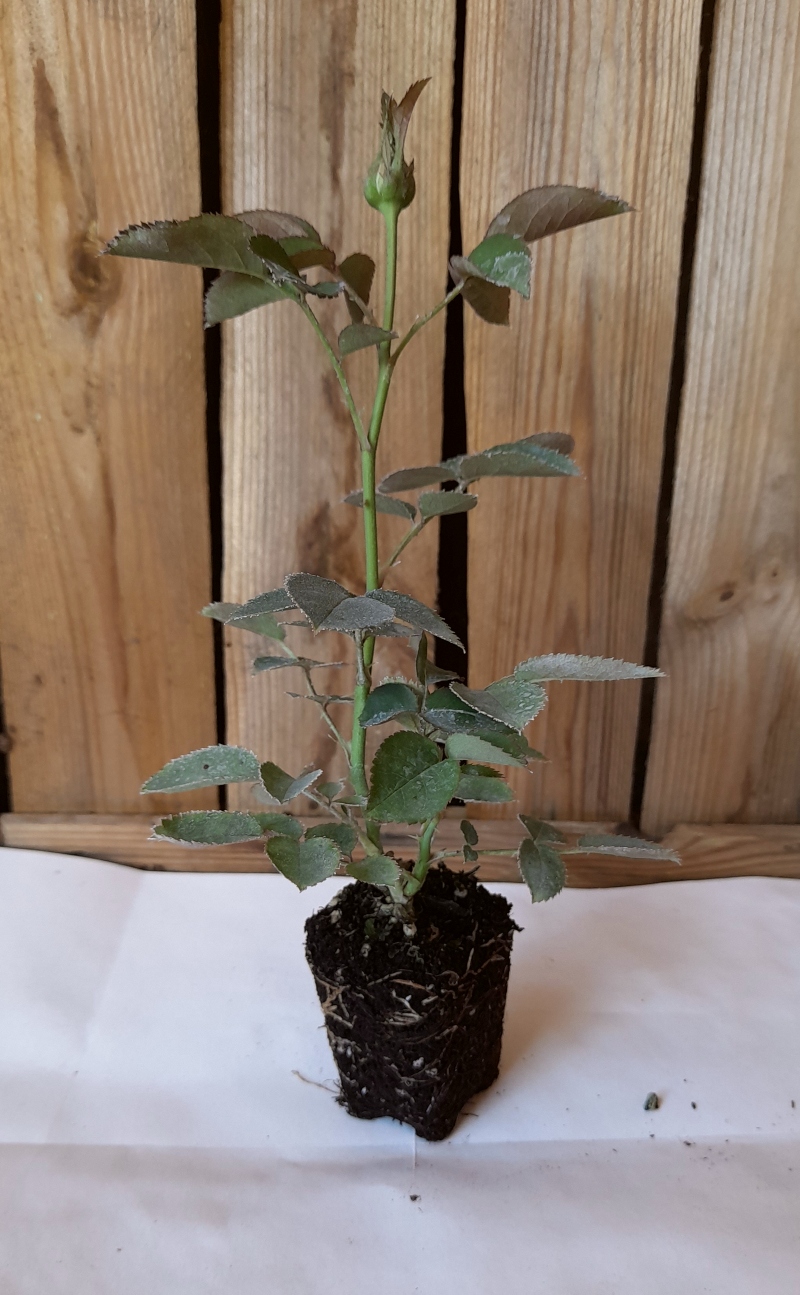
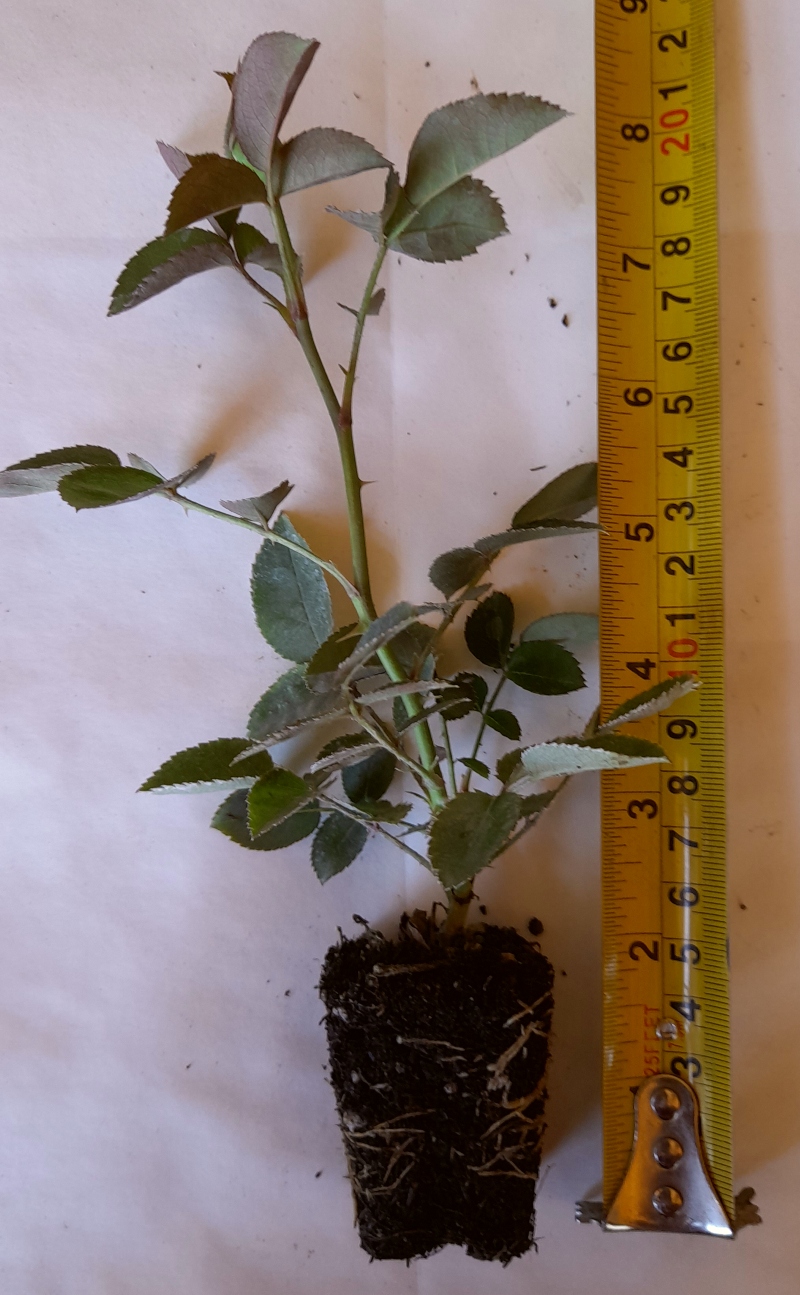
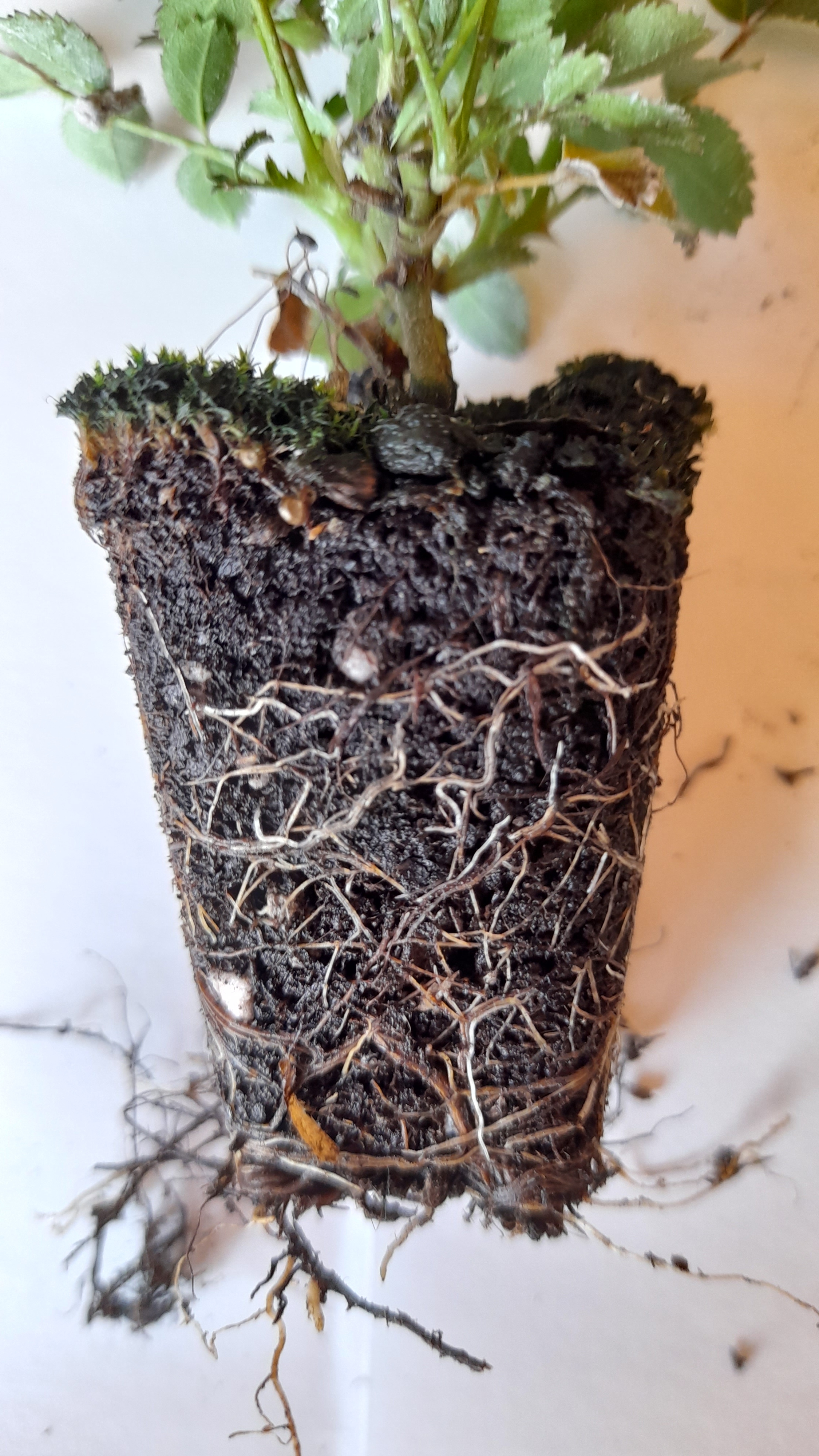
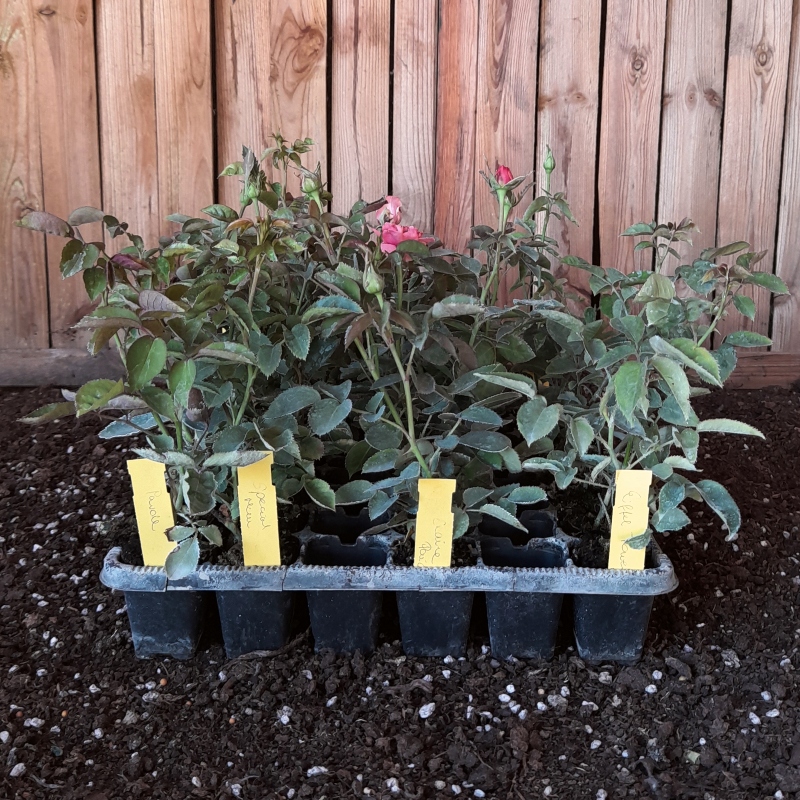
Groundcover production with KNIRPS® centres on uniform, low, spreading shrubs that quickly knit together into dense, glossy foliage mats, supporting uniformity and fast project coverage in nursery propagation beds and project-directed mass planting. As pharmaROSA® NEONATAL own-root material, these tray-rooted cuttings provide a stable, renewable base for large-scale cropping, aligning with UK nursery networks that must service public-realm schemes where wind and winter exposure are routine, with reliable cold tolerance supporting northern and upland sites. The compact plant height and controlled spread support efficient 1.5–2 L container production and uniform, dense, bush-trained finished plants for edging, beds and parks. Own-root architecture underpins long lifespan, predictable regrowth and low replacement rates in landscape projects, while disease-resistant foliage and low maintenance needs reduce aftercare loads for contractors and maintenance partners. From first rooting to strong finished liners, the development arc typically runs from root establishment in year one, to framework-building shoots in year two, and then full ornamental coverage by year three, supporting dependable scheduling for institutional and wholesale ranges.
Usage options
Finished-product ideas
- Project 2 L groundcover unit – Own-root, bush-trained plants in 1.5–2 L pots built for project mass planting, emphasising fast, uniform coverage and low maintenance – landscape contractor and framework-tender ranges.
- Urban resilience bed component – NEONATAL-derived liners grown into robust 1.5–2 L stock for heat- and drought-exposed civic beds, combining disease resistance with reliable groundcover – municipal and highways planting programmes.
- Park edging module – Compact, dense plants specified as repeat edging units for parks and play-area perimeters, leveraging the low, spreading habit and own-root longevity – local-authority park and leisure portfolios.
- Collection-grade groundcover line – ADR-credentialled, own-root stock positioned as a benchmark deep pink groundcover in thematic or show-garden collections, with uniform form and verified authenticity – specialist rose collections and display gardens.
- Container landscape plug-in – Consistent 1.5–2 L container plants acting as plug-in colour modules for phased urban schemes, built on predictable, disease-resistant own-root material – integrator systems and project-serving wholesalers.
Technical cultivar profile
| Parameter |
Data |
| Name and registration |
Registered as KORverlandus, traded as KNIRPS® Groundcover KORverlandus, in the groundcover rose commercial group; shrub / ground cover rose type positioned for professional project work. |
| Origin and breeding |
Bred in Germany in 1987 by Wilhelm Kordes IV with Tim-Hermann and Margarita Kordes; introduced and distributed by W. Kordes’ Söhne from 1997 for international landscape and nursery use. |
| Awards and recognition |
Holds ADR status (2004) and multiple international awards including Baden-Baden Gold Medal, Adelaide Silver Medal in Australian trials, and Orléans Certificate of Merit for landscape performance. |
| Growth and structural characteristics |
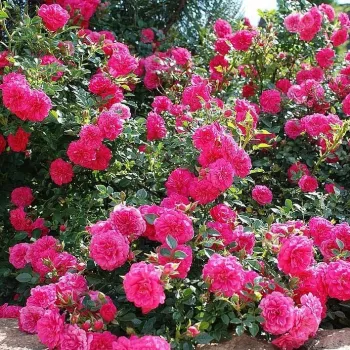
Very low, spreading habit, 25–45 cm high with 40–70 cm spread; dense, mid-green glossy foliage (RHS 137A), moderate prickles and good self-cleaning, giving fast, even ground coverage in beds. |
| Flower morphology |
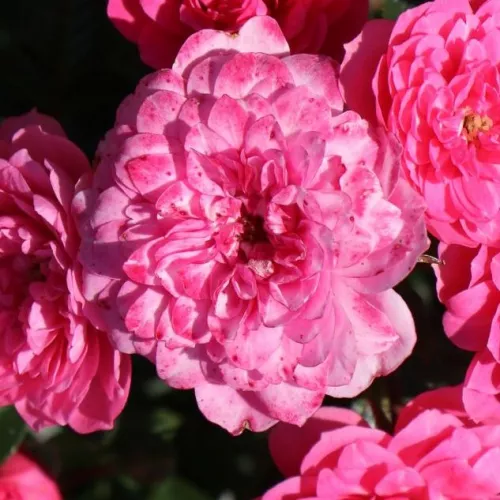
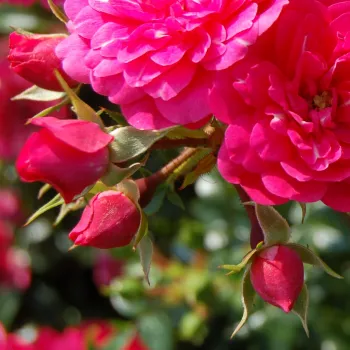
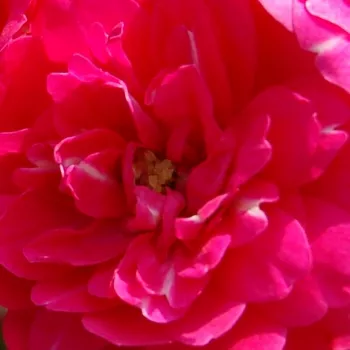
Small S-sized, very double flowers with over 40 petals, flat and borne in clusters; remontant, with abundant repeat flowering, giving persistent colour across the season in closely spaced plantings. |
| Colour data and phenology |
Deep pink blooms (RHS 57A–57B) open bright then deepen before fading to soft pastel pink; colour holds better in cooler conditions and fades more rapidly in strong sun, while petals fall cleanly. |
| Fragrance and aroma |
Fragrance is very weak and discreet, largely neutral in character; strongly double blooms limit pollen access, so the variety functions primarily as an ornamental groundcover rather than for pollinator value. |
| Hip characteristics |
Limited hip set due to very double flowers; when present, hips are 6–10 mm, spherical, orange-red (RHS 40A), and make little visual impact in typical groundcover or project planting schemes. |
| Resistance and winter hardiness |
Resistant to powdery mildew, black spot and rust; hardy to about –29 to –26 °C (RHS H7, Swedish zone 4, USDA 5a), giving reliable performance in cold-winter regions and exposed project sites. |
| Horticultural recommendations |
Recommended for groundcover, beds, edging, containers, parks and urban green spaces where low maintenance and fast coverage are priorities; ideal in project mass planting using uniform, bush-trained stock. |
KNIRPS® Groundcover KORverlandus combines dense, low groundcover, strong disease resistance and reliable hardiness in a predictable own-root format, making it a practical candidate for aligning volumes and schedules on long-term project supply.