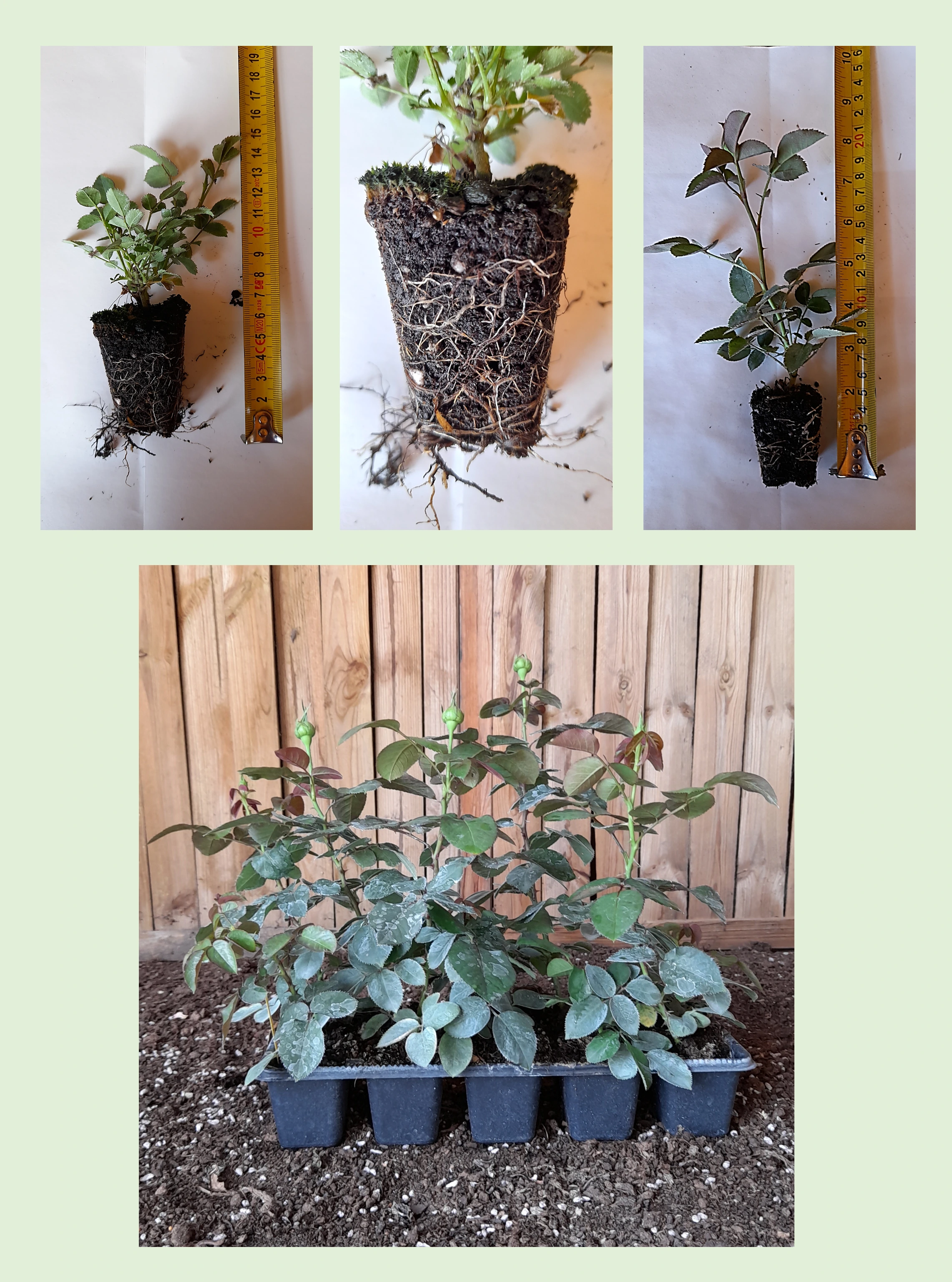
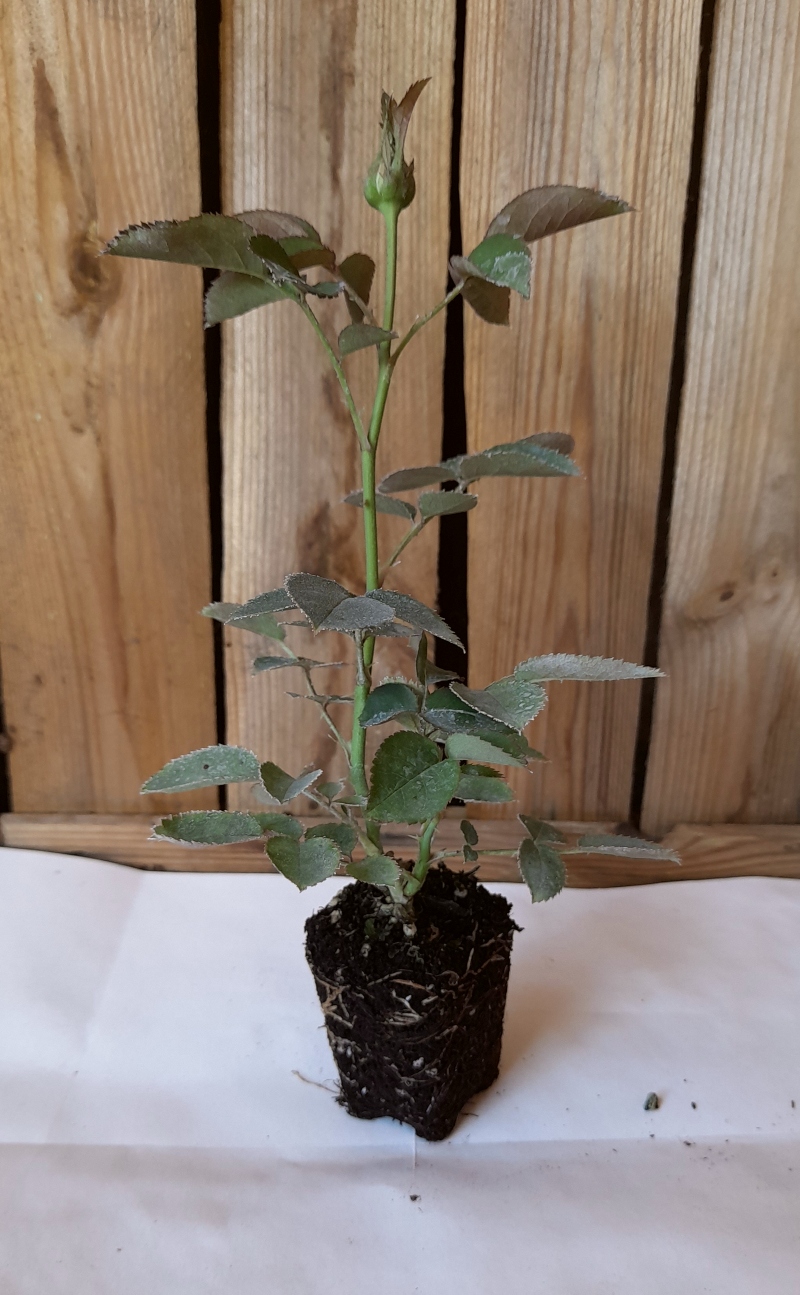
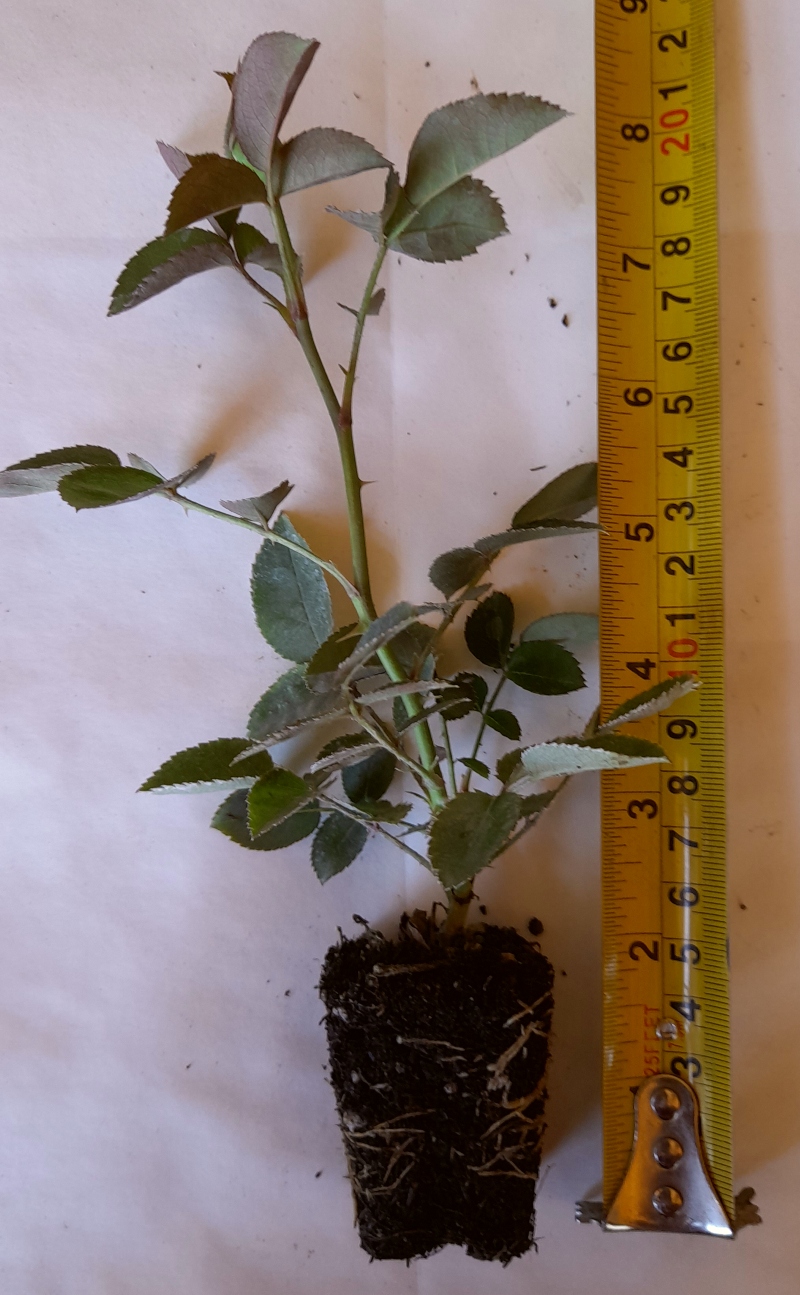
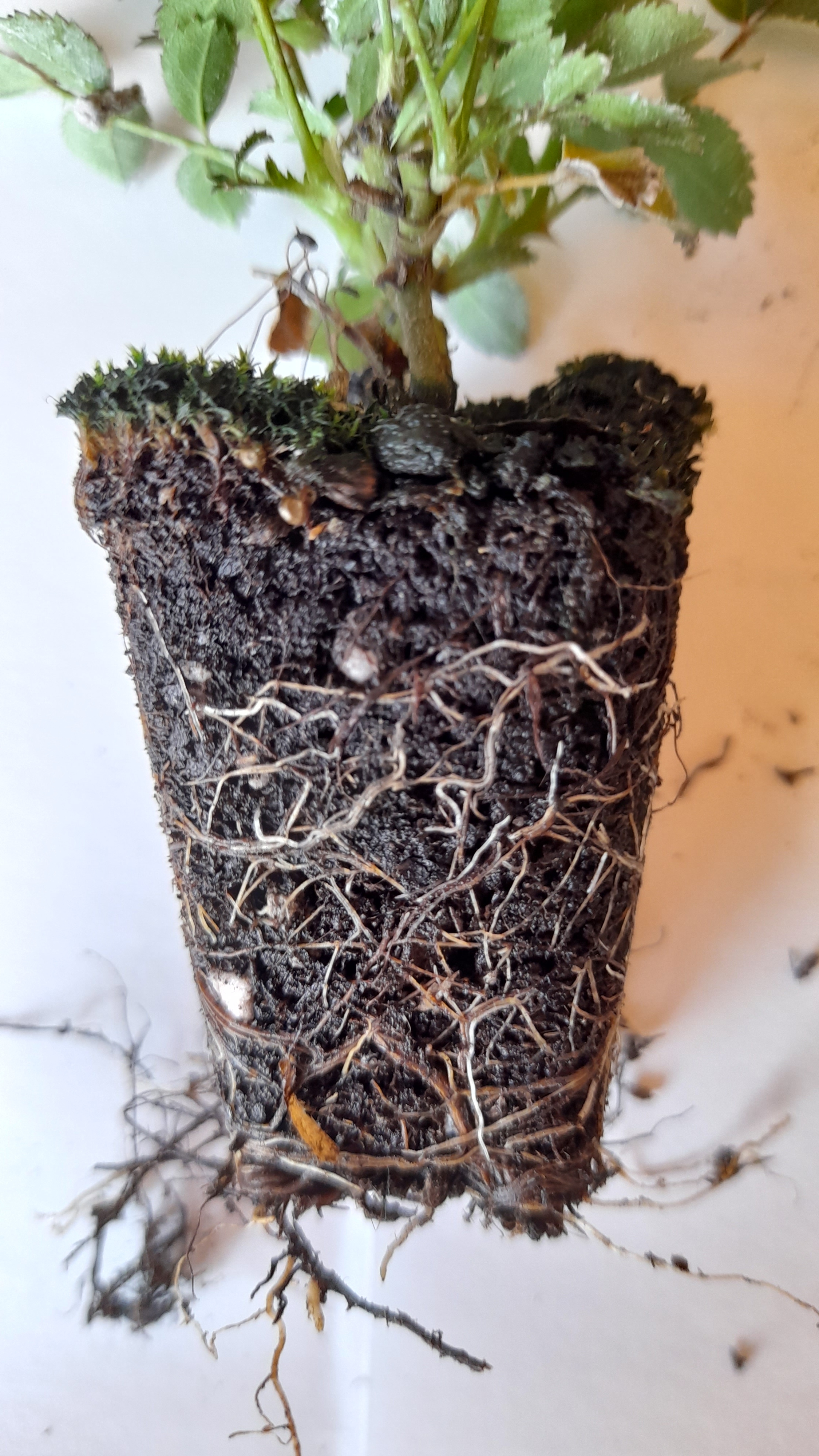
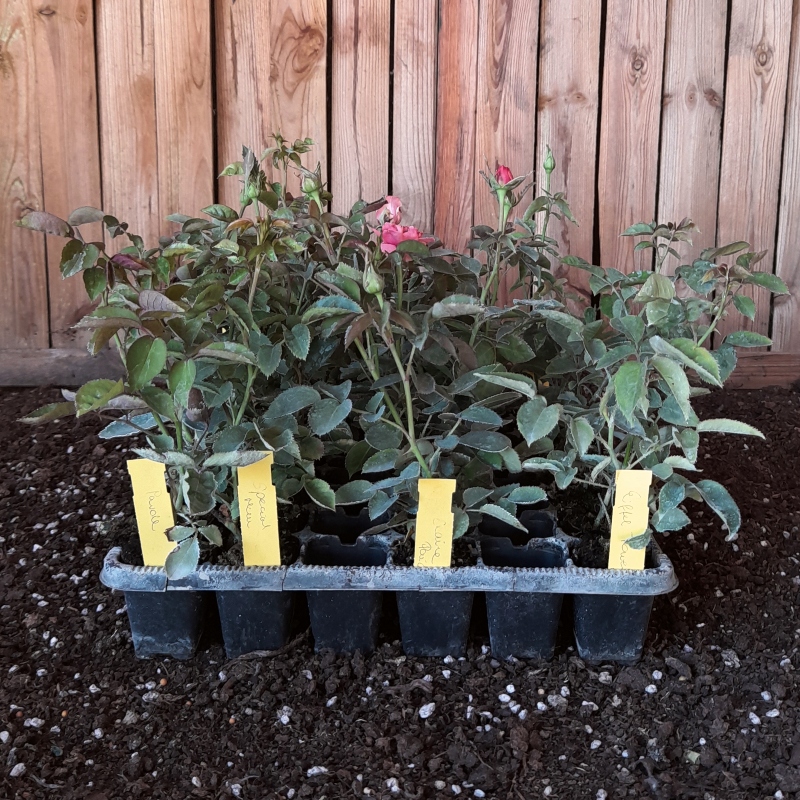
Rosa banksiae alba – pharmaROSA® NEONATAL rooted cutting for professional production
Vigorous own-root propagation material of Rosa banksiae alba offers a stable base for nursery networks aiming at scalable, botanical-range collections and landscape-focused projects. Its climbing habit, almost thornless stems, and RHS AGM-backed credibility support efficient grow-on into 2–3 L standard/botanical containers and vigorous, bush-trained finished products for pergolas, arbours and wall-training. As a once-flowering, eco-garden-oriented rambler, it aligns well with UK public-realm and park specifications where winter-hardy, long-lived stands are needed, while performing reliably even in more exposed Scottish and northern sites with notable winter and wind tolerance. Own-root production supports renewable growth and predictable capacity, moving from root establishment in year one, structural shoot development in year two, to full ornamental effect from year three onwards.
Usage options
Finished-product ideas
- Botanical pergola set – Own-root 2–3 L units trained onto low frames, ready for rapid establishment on pergolas and arbours, highlighting botanical rose character and vigorous growth – landscape contractor and park procurement.
- Historic wall-rose line – Bush-trained climbers in 7.5–15 L, produced from NEONATAL 2–3 L starts, marketed for wall-training in heritage and period-style gardens, leveraging the 1807 origin and AGM recognition – heritage estates and conservation projects.
- Eco-collection specimen – Uniform 5–7.5 L plants grown on from tray-rooted cuttings, positioned as key items in eco and botanical collections with once-flowering spring impact and own-root longevity – public gardens and thematic collections.
- Large-display arch units – Vigorous climbers established in 40–50 L containers with support frames, ready for instant effect over arches and entries, derived from stable 2–3 L propagation material – high-profile commercial and public-realm entrances.
- Landscape bulk rambler – Cost-efficient 2–3 L bush-trained stock for volume planting on pergola runs and boundary structures, using own-root material for homogeneous, low-replacement stands – framework supply for integrators and landscape wholesalers.
Technical cultivar profile
| Name and registration |
Rosa banksiae alba, a Banksiae-Species rambler within the botanical rose group; current trade name Rosa banksiae alba Botanical rose Kerr; ARS exhibition name Rosa banksia banksia. |
| Origin and breeding |
Species selection from Rosa banksiae, introduced by William Kerr via the Royal Botanic Gardens, Kew, London; first introduced in the United Kingdom in 1807 and historically linked to early botanical rose collections. |
| Awards and recognition |
Holds the RHS Award of Garden Merit, indicating tested performance and reliability under UK conditions, which supports professional confidence in using this cultivar for long-term garden and landscape plantings. |
| Growth and structural characteristics |
Strong, climbing growth reaching about 400–800 cm in height with a 200–400 cm spread, moderately dense mid-green foliage, nearly thornless shoots and a structure well suited to training on pergolas, arbours and walls. |
| Flower morphology |
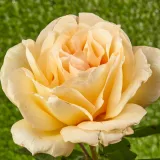
Small, very double, globular to pompon flowers (approximately 0.5–1.5 in), borne in clusters, with more than 40 petals per bloom; once-flowering, providing a concentrated seasonal display rather than repeat flowering. |
| Colour data and phenology |
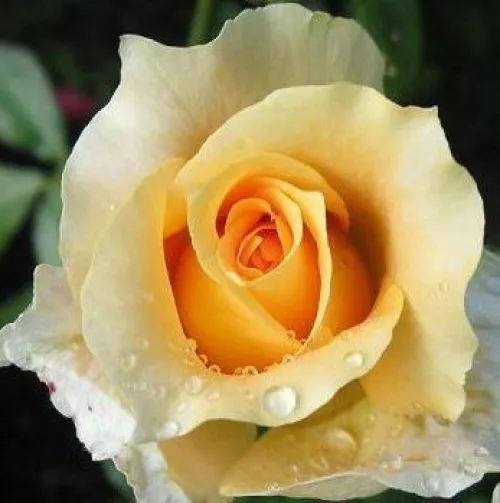
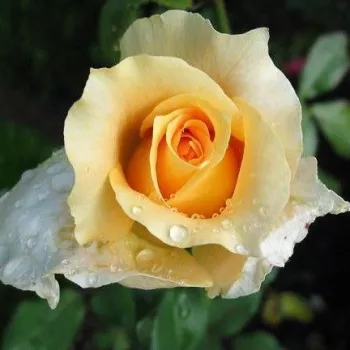
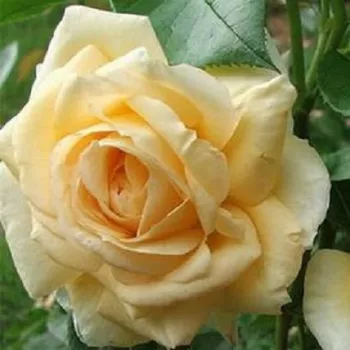
Pure snow-white flowers with a slight silky sheen; buds greenish-white, opening cream-white outside and bright white within, with very good colour retention and only minimal browning of ageing petals towards senescence. |
| Fragrance and aroma |
Delicate, mildly floral fragrance with a restrained scent profile; the highly double flower form means ornamental value dominates over fragrance, supporting use where visual impact is prioritised over strong scent. |
| Hip characteristics |
Hip formation is generally limited due to the very double blooms, but occasional small, spherical orange hips of about 4–8 mm diameter may develop, adding minor seasonal interest without affecting main ornamental use. |
| Resistance and winter hardiness |
Moderate resistance to powdery mildew, black spot and rust under typical management; hardy to around –21 – –18 °C (RHS H7, Swedish Zone 3, USDA 6b), tolerating heat and moderate drought with irrigation in extended dry spells. |
| Horticultural recommendations |
Suitable for pergolas, arbours, wall-training, parks and specimen use; medium maintenance with occasional pest control; recommended as a vigorous, bush-trained finished product from 2–3 L standard/botanical containers on own roots. |
Rosa banksiae alba as pharmaROSA® NEONATAL own-root material combines vigorous climbing growth, near-thornless handling and proven hardiness with predictable, regenerative stands, making it a sound option to discuss for upcoming capacity planning and project supply.