| Premium 5–7 L container line for retail/reseller channels |
The combination of upright habit, bush-trained 3–5 cane structure and large, cup-shaped blooms supports a clear premium container route in 5–7 L pots. Own-root NEONATAL material allows predictable build-up of saleable crowns with low maintenance input, aligning with an exclusive finished-product positioning focused on flower quality and form for retail and reseller partners serving design-conscious private clients and project buyers in retail / reseller. |
| Thematic and show-garden collections in dedicated rose gardens |
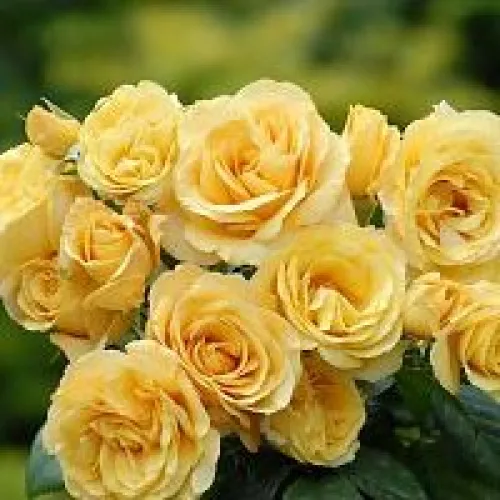
Lara™ offers a recognisable golden-yellow Hybrid Tea profile with semi-double, well-centred flowers that read clearly in curated beds and labelled cultivar collections. Low maintenance requirement and good disease resistance support low-intervention management of thematic rose gardens, while own-root renewal favours long-term plantings planned as premium container introductions. This fits an exclusive, quality-led positioning in institutional, show-garden and collection-focused ranges for public-realm suppliers. |
| Nursery propagation beds feeding wider network production |
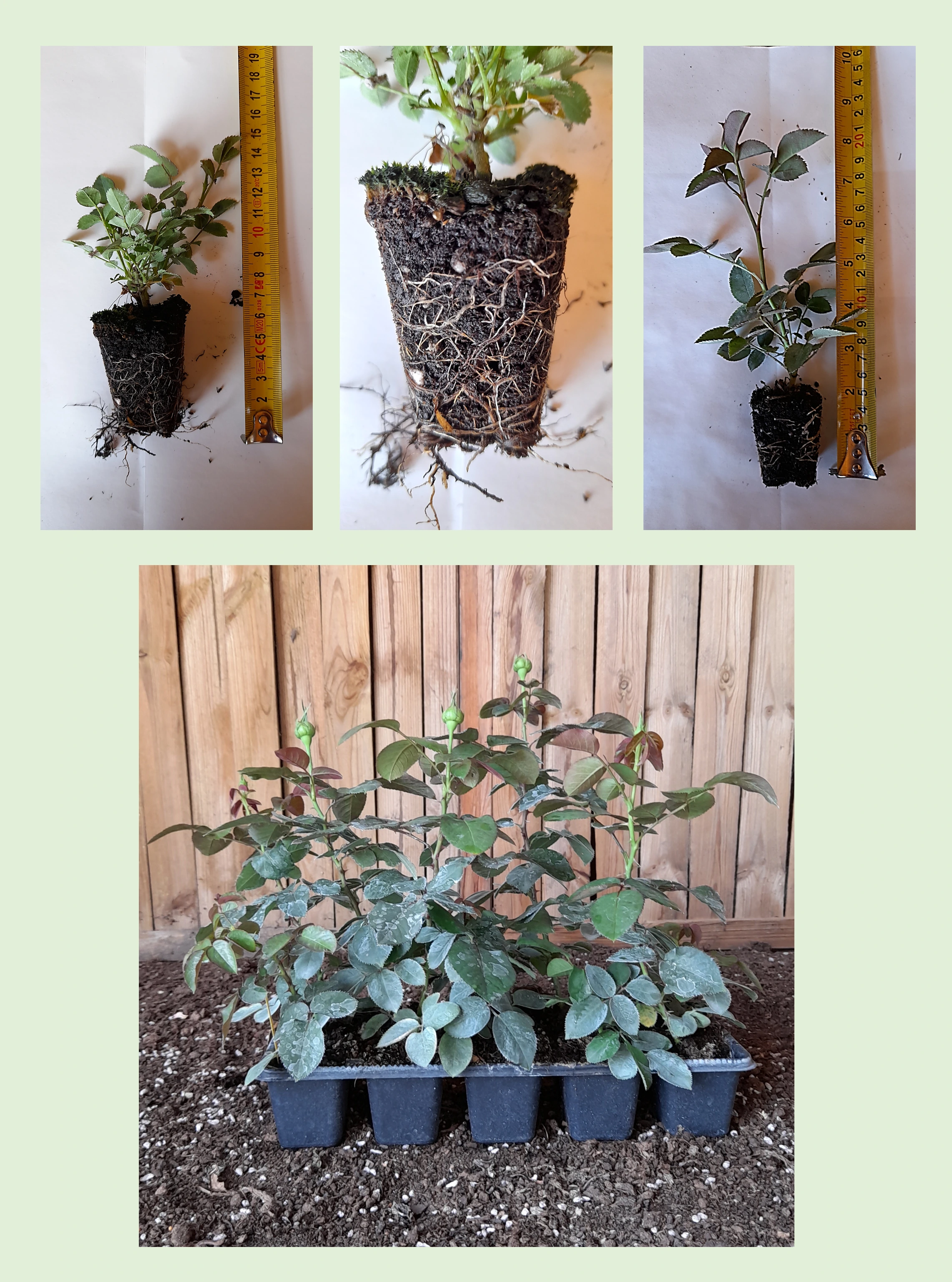
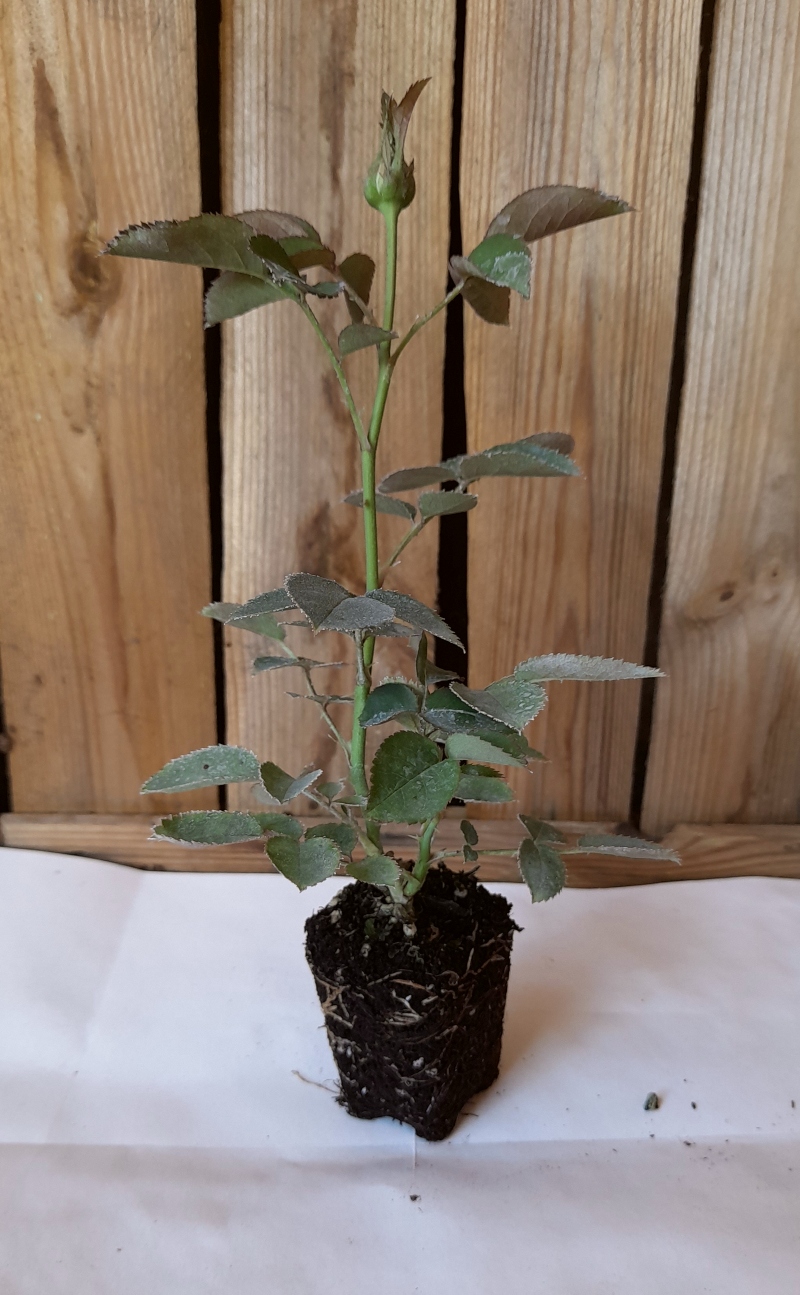
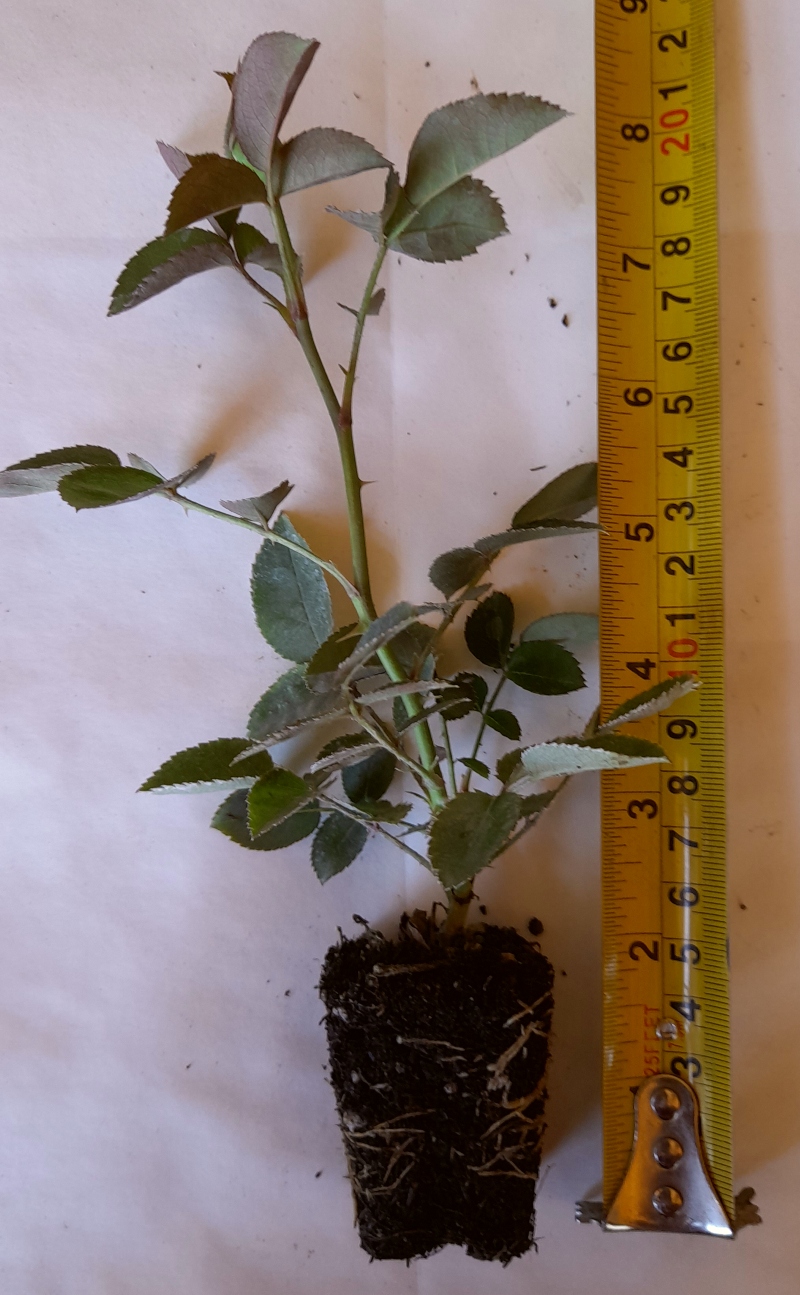
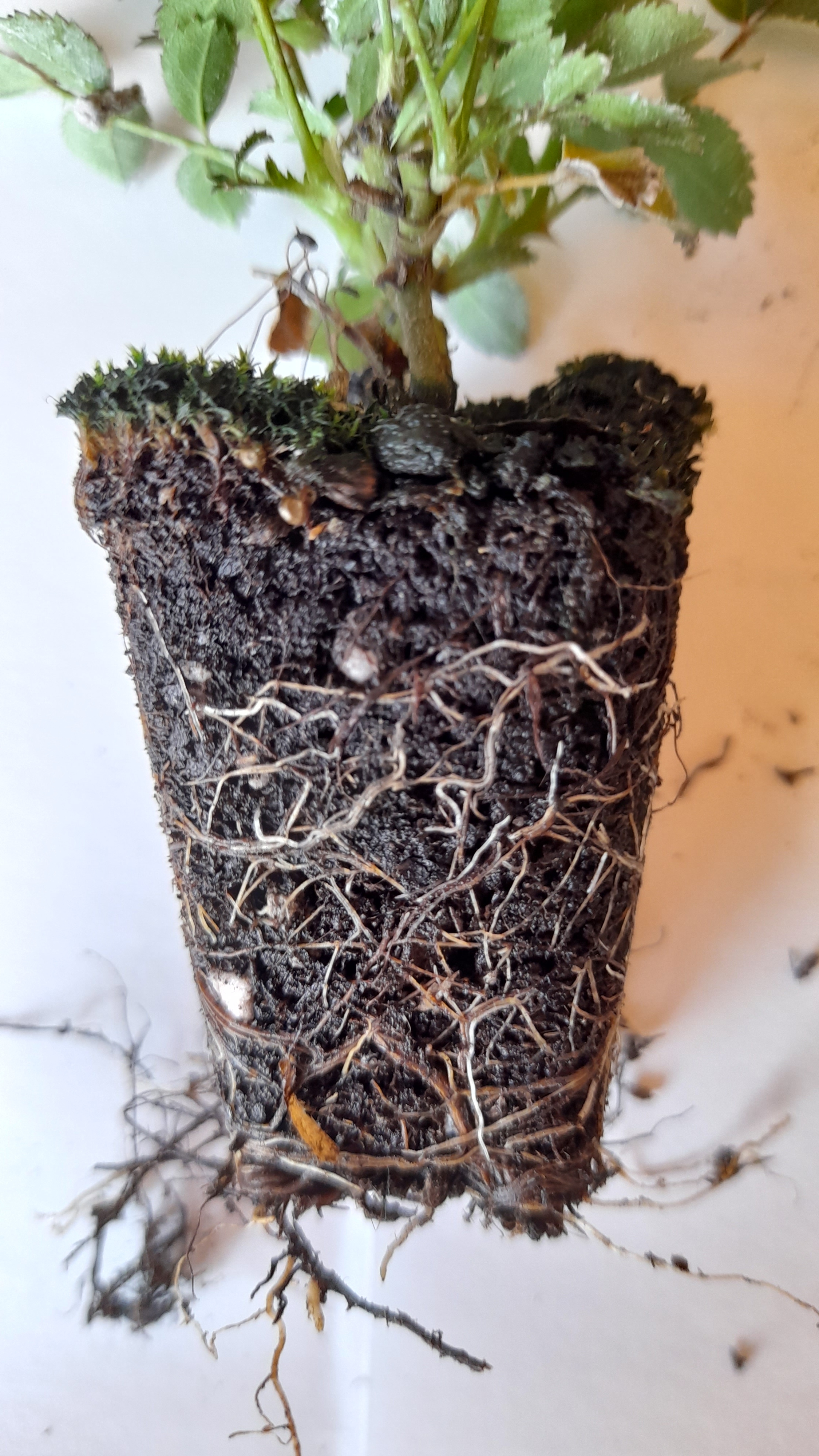
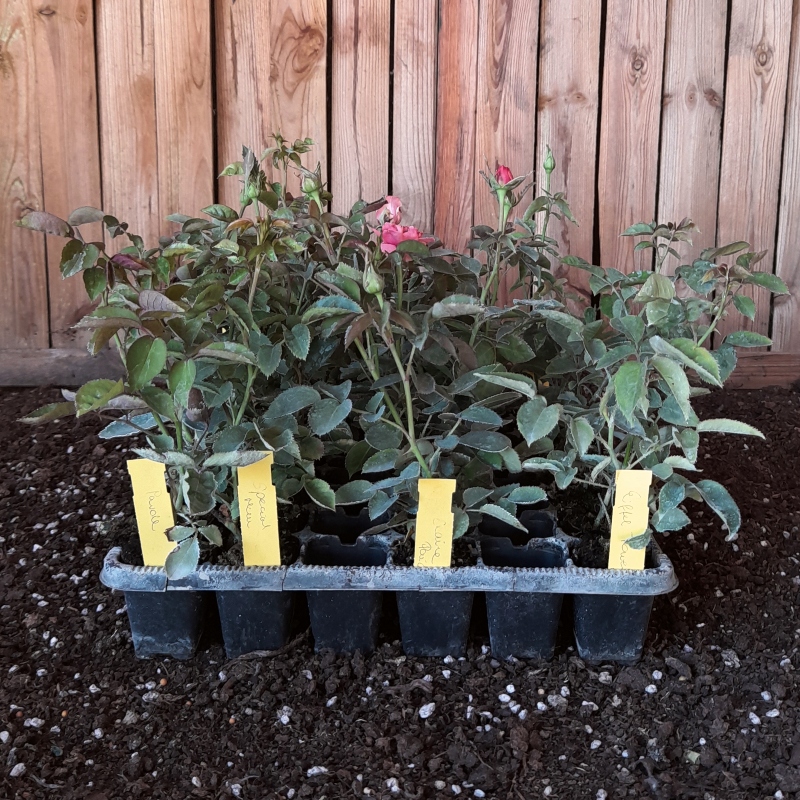
Tray-rooted NEONATAL cuttings provide a uniform starting point for nursery beds intended to generate further own-root material or step up into 5–7 L premium containers. Reliable resistance to key foliar diseases reduces sanitation pressure in dense nursery stands, supporting predictable output volumes. This underpins an exclusive, flower-focused cultivar within a broader own-root offer for networked nurseries and integrator systems in nursery networks. |
| Cut-flower oriented bush production for local and niche markets |
The solitary, large-flowered Hybrid Tea morphology and upright habit lend themselves to bush-based cut-flower harvest for local florists and short-chain supply, especially where added value rests on distinctive golden-yellow tones. NEONATAL own-root material supports robust framework development for repeated cutting, and the premium container pathway allows dual-purpose production (garden and cutting use) under an exclusive, flower-quality centred positioning aimed at florist-oriented growers. |
| Colour-focused yellow segment within premium rose assortments |
The rich golden-yellow to creamy-yellow colour progression, with good retention and moderate fading, makes Lara™ a strong candidate to anchor the yellow segment of a premium Hybrid Tea assortment. Professional producers can build consistent 5–7 L lines from NEONATAL stock, using low disease susceptibility to protect visual quality on benches and at dispatch. This supports an exclusive, colour-led value proposition in structured retail and catalogue offers for assortment managers. |
| Low-intervention, durable plantings in colder UK regions |
Documented hardiness down to approximately -21–-18 °C (H7, Swedish zone 3, USDA 6b) combined with good resistance to powdery mildew, black spot and rust makes Lara™ suitable for low-intervention stands in colder or more exposed parts of the UK. Own-root construction further supports longevity and regeneration after stress, aligning with premium container introductions destined for public-realm and institutional projects marketed as exclusive, reliable yellow Hybrid Teas for municipal and institutional buyers. |
| Pollinator-conscious decorative blocks in display nurseries |
Semi-double, 13–25 petalled flowers offer moderate pollinator access while maintaining a refined Hybrid Tea aesthetic and classic, mild fragrance that is acceptable in dense display areas. NEONATAL cuttings grown on into 5–7 L premium containers can form visually coherent blocks that carry an exclusive, flower-form value proposition while acknowledging pollinator interest. This suits education-oriented display areas and front-of-house nursery zones for garden centres. |
| Collection and gene-bank style maintenance plantings |
Verified cultivar authenticity and own-root NEONATAL supply make Lara™ suitable for long-term collection and gene-bank type plantings where identity and structural stability matter. Disease resistance supports low-intervention curation, while the staged development from rooting to full ornamental value allows planned renewal of 5–7 L premium container stock across seasons, under an exclusive, flower-quality narrative aimed at specialist collection holders and rose specialists. |