Hybrid tea rose

20-450-1
20-450-2

Madame Maurice de Luze

Hybrid tea rose

- – Joseph Pernet -Ducher

Deep, vivid pink base colour with a carmine-red centre. - hybrid tea rose - powerful, noticeable-from-afar scented rose - sweet, fruity character

– Strongly remontant, flowers reliably in waves
– Elegant, double cup-shaped exhibition blooms
– Sophisticated cool pink tones with pearly sheen
– Powerful, sweet fruity fragrance for cut flowers
– Medium disease resistance, hardy to RHS H7
Special feature: Historic 1907 Hybrid Tea by Pernet-Ducher, prized for classic form.
Exclusive finished product
Madame Maurice de Luze
pharmaROSA® NEONATAL rooted rose cutting
27,05 £
Due to courier service regulations – and the introduction of customs clearance – delivery to Ireland is temporarily suspended.
3.5 (5581)
facebook   twitter

Madame Maurice de Luze – pharmaROSA® NEONATAL rooted cutting

Madame Maurice de Luze offers a historically rooted hybrid tea profile that fits premium, own‑root production where flower quality drives sell‑through and cut‑flower value. As a pharmaROSA® NEONATAL tray‑grown cutting, it enters your system at a uniform 3–6‑month stage, ready for onward bush training with 3–5 strong canes towards 5–7 L premium containers and exclusive, retail‑grade specimens. The strongly remontant habit supports repeated marketable flushes in exhibition‑style flowerbeds, while its powerful, fruity fragrance underpins high perceived value in boutique ranges. Own‑root longevity and regenerative capacity help maintain homogeneous blocks with low replacement even under regular cutting, supporting predictable capacity for thematic and collection‑type rose gardens in UK public and private projects. Its H7 hardiness and tested winter tolerance make it a robust option for Scottish and northern English schemes where reliable recovery after cold, windy seasons is essential. With planned development from root establishment in year one through structural shoot build‑up in year two to full ornamental expression from year three onwards, this cultivar gives professional growers a stable, collection‑worthy choice for exclusive, flower‑focused premium container ranges and collections aligned to high‑end retail and showcase gardens.


Usage options

Target area Reasoning
Premium 5–7 L bush container production The upright habit and 3–5 cane bush training integrate efficiently into a premium container route aimed at 5–7 L finished stock, delivering a clear, exhibition‑style hybrid tea form. Strong remontancy supports a marketable second flush, aligning with exclusive finished product positioning where flower quality and form are central promises. As own‑root pharmaROSA® NEONATAL material, it provides a predictable base for nursery propagation beds and container lines, supporting stable availability for retail / reseller partners focused on premium rose assortments for professional-retail
Cut-flower and mixed cut-and-garden lines Solitary, medium, cup‑shaped blooms with a high petal count and powerful fruity fragrance suit specialist cut‑flower and mixed cut‑and‑garden concepts where stem quality and bloom form are key. The recommended premium container path and 5–7 L pots allow growers to build sturdy framework canes that support straight, saleable stems. Within a thematic or collector‑style range, this cultivar reinforces an exclusive, historically anchored offer, leveraging own‑root regeneration for long‑term cropping and stable, repeatable output in nursery networks supplying florist-reseller
Thematic and collector rose gardens As a 1907 Pernet‑Ducher hybrid tea with distinctive colour transitions, this cultivar lends itself to thematic and collection plantings, including show gardens and curated public‑realm schemes. Professional growers can use NEONATAL material to maintain identity‑true stock in propagation beds, then move to 5–7 L premium containers for project supply. Own‑root longevity and stable varietal expression support long‑term, low‑replacement stands in curated gardens, aligning with an exclusive finished product promise in channels serving public and institutional rose collections for project-specifiers
Public-realm specimen and feature planting Its upright, moderately dense habit and strong repeat flowering make it suitable as a specimen in formal beds for civic or institutional schemes where flower quality is prioritised over low‑input maintenance. While self‑cleaning is poor and disease control is medium, these are manageable in professionally maintained sites, especially when starting from uniform, own‑root propagation units. The premium container route ensures plants are delivered with good structural framework, consistent with an exclusive positioning for high‑profile public projects in climates where reliable winter recovery under windy northern exposure is valued by public-sector
Premium retail lines for fragrance-led assortments The powerful, noticeable‑from‑afar fragrance combined with classic hybrid tea form supports fragrance‑led retail stories in exclusive ranges. Growers can present 5–7 L containerised plants as ready‑to‑place premium SKUs, with bush‑trained canes ensuring immediate garden impact. Own‑root structure contributes to long lifespan and stable ornamental value, a useful talking point for retailers building credibility with demanding customers. The strongly remontant flowering adds in‑season reliability to fragrance‑focused offerings targeting retail / reseller partners seeking differentiated, high‑value roses for fragrance-retail
Nursery propagation beds and mother-stock maintenance pharmaROSA® NEONATAL rooted cuttings provide a controlled, uniform base for establishing nursery propagation beds, where own‑root plants can be used as long‑term mother stock without graft compatibility concerns. Medium disease tolerance and black spot resistance are acceptable under professional spray regimes, enabling predictable cutting programmes. Positioning this cultivar as an exclusive, flower‑quality‑driven hybrid tea within a broader 1600‑cultivar own‑root portfolio helps nurseries support complete market offers and reliable capacity planning for nursery-integrators
Exhibition and show-bench focused production The exhibition hybrid tea profile—solitary, well‑formed, medium blooms with a clear pink colour range—suits specialist show‑bench and exhibition markets. Growers following the premium container route can build strong framework canes, then manage bud selection for show stems, capitalising on the generous second flush. Own‑root resilience means plants tolerate repeated cutting and training over years, sustaining homogeneous, high‑grade stock that underpins an exclusive, quality‑first reputation for exhibitors and specialist resellers serving show-growers
High-value specimen for large containers (40–50 L and above) For flagship retail or project applications, stepping selected plants from the 5–7 L premium stage into 40–50 L containers creates impressive, ready‑made specimens with strong framework and repeated flowering. Own‑root stability supports this up‑potting without graft stress, enabling long‑term placement in feature locations and institutional gardens. This approach aligns with exclusive finished product positioning, providing statement pieces for thematic rose gardens and high‑end retail courtyards, while the robust winter hardiness suits exposed northern and coastal UK installations for premium-project

Finished-product ideas

  • 1907 Heritage Hybrid Tea 5–7 L – Bush-trained own-root plants in 5–7 L premium containers highlighting the 1907 Pernet‑Ducher origin and exhibition flower form; aimed at exclusive retail / reseller heritage ranges.
  • Fragrance Collection Feature Rose – Premium 5–7 L container line built around powerful fruity fragrance and strong remontancy, for fragrance-led assortments in garden centres and specialist retailers.
  • Cut & Garden Dual-Purpose Line – Structured bush plants selected for straight, solitary stems and classical hybrid tea form, supplied in 5–7 L as dual-purpose cut-and-garden roses to upscale retail and florist channels.
  • Show-Garden Signature Specimen – Selected, well-framed plants taken on into 40–50 L containers as immediate-impact feature specimens for thematic rose gardens, public-realm show gardens and institutional projects.
  • Collector’s Own-Root Series – Identity-verified, own-root 5–7 L plants positioned within a curated collector series, leveraging heritage, remontancy and long-term stand stability for specialist nurseries and mail-order partners.

Technical cultivar profile
Parameter Data
Name and registration Madame Maurice de Luze is a hybrid tea rose marketed under that trade name; it is an unregistered cultivar with the American Rose Society exhibition name also recorded as Madame Maurice de Luze.
Origin and breeding Bred by Joseph Pernet‑Ducher in France and introduced in 1907 through the Pernet‑Ducher nursery in Lyon; parentage is unknown, but it represents an early twentieth-century hybrid tea development.
Growth and structural characteristics Upright bush habit reaching approximately 100–140 cm in height with an 85–115 cm spread; foliage is moderately dense, mid‑green and glossy, with moderate thorniness and poor self‑cleaning requiring manual deadheading.
Flower morphology Medium-sized, double, cup-shaped flowers borne mainly solitary; typically 26–39 petals with a strongly remontant flowering pattern that delivers a generous second flush under standard professional maintenance.
Colour data and phenology Classified as pink with ARS PB and RHS 55C outer, 57A inner; colour lightens from baby pink to light rose, then to a powdery creamy hue with almost white edges, producing a cool, even light-pink effect at full bloom.
Fragrance and aroma Displays a powerful, noticeable-from-afar scent with a sweet, fruity character; fragrance is a major ornamental feature, adding value in cut flower, specimen and premium container applications where scent is prioritised.
Hip characteristics Hip set is generally low due to double flowers, but when present hips are small, ovoid to egg-shaped, around 9–13 mm in diameter, and coloured orange-red, contributing limited visual interest in late season.
Resistance and winter hardiness Hardy to approximately −21 to −18 °C, corresponding to RHS H7, Swedish zone 3 and USDA 6b; disease profile is medium overall with black spot resistance and medium susceptibility to powdery mildew and rust.
Horticultural recommendations Best used in flowerbeds, as a specimen or for cut flowers; maintenance is moderate with occasional pest and disease control required, and poor self-cleaning necessitating deadheading to sustain presentation and flowering.

Madame Maurice de Luze combines strong remontant flowering, powerful fragrance and robust winter hardiness on a long-lived own-root base that supports predictable, homogeneous production stands; we invite you to discuss schedules and capacity for your programme.

Detailed product attributes

Product Identification Data

Product Name: MADAME MAURICE DE LUZE – pink tea-hybrid rose - Pernet-Ducher
Product Type: pharmaROSA® NEONATAL - rooted rose cutting
Cultivar Authenticity: Verified:12.08.2025
Item Number: [97] 20-450 (14.02.2026) pharmarosaneonatal.co.uk

Name and Registration

Meaning of Cultivar Name: The name was given in honour of the wife of Maurice de Luze, a Bordeaux merchant.
Original Trade Name: Madame Maurice de Luze
Current Trade Name: Madame Maurice de Luze Hybrid tea rose Pernet-Ducher
Rose Group: Hybrid Tea
Commercial Type: hybrid tea rose
Commercial Group: Hybrid tea rose
Exhibition Category: exhibition hybrid tea; cut flower
Collection: Hybrid tea rose

Origin and Breeding

Registration Year: unregistered cultivar
Breeder: Joseph Pernet -Ducher
Breeding Company / Institution: Pernet-Ducher nursery (Lyon, France)
Breeding Year: France, 1907
Parentage: unknown

Growth and Structural Characteristics

Height: 3.3-4.6ft (100-140 cm)
Spread: 2.8-3.8ft (85-115 cm)
Growth Habit: upright
Foliage: The variety's foliage is moderately dense; the leaves have a glossy surface and a mid‑green colour.
Prickliness: moderately thorny
Self-Cleaning Description: Most spent flowers largely remain on the plant and require subsequent cleaning.
Self-Cleaning Intensity: Self-cleaning ability: poor

Flower Morphology

Petal Count: 26-39
Flower Fullness: double flowered
Flower Shape: cup-shaped
Flower Size: M (1,5-2,75 in)
Inflorescence Type: solitary
Colour Code: ARS code: PB RHS code: 55C (outer), 57A (inner)
Repeat Flowering: It is strongly remontant, with a generous second flowering.

Colour Data and Phenology

Colour: pink
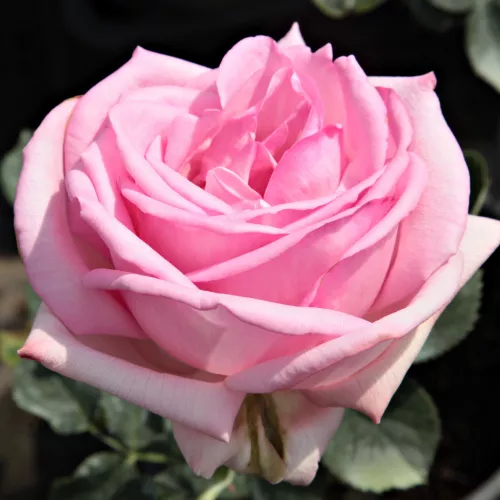
Flower Colour Description: Deep, vivid pink base colour with a carmine-red centre.
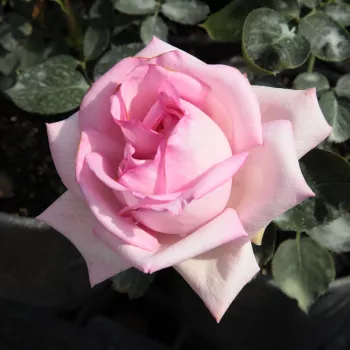
Closed Bud: Pure, pale pink with a delicate raspberry blush at the tips.
Newly Opened Flower: The centre is a soft baby pink, the outer ring of petals blushing to a delicate blush pink, then lightening to almost ivory.
Full Bloom: The overall effect is an even, cool-toned light pink, the edges having a pearly‑porcelain sheen.
Before Fading: The pink gradually fades, mellowing into a powdery‑creamy hue, the edges becoming almost white.
Colour Fading Description: During opening the pink gradually lightens: the fresh baby-pink becomes a light rose pink at full bloom and, before fading, adopts a powdery‑creamy shade with the edges almost white.

Fragrance and Aroma

Fragrance Strength: powerful, noticeable-from-afar scented rose
Fragrance Character: sweet, fruity character
Pollinator Attraction: Its double, cup-to-flat blooms and reduced stamen accessibility make it only weakly attractive to pollinators.
Pollinator-Friendly Rating: Its double blooms partially cover the stamens, so its pollinator-friendliness is limited and it is primarily an ornamental variety.

Hip Characteristics

Hip Shape: egg-shaped
Hip Colour: orange-red
Hip Comment: Hip production is expected to be low because of the double flowers; ovoid, orange-red hips 9–13 mm in diameter.

Resistance and Hardiness

Hardiness (°C): -21–-18 °C
Heat and Drought Tolerance Description: Requires regular watering; does not tolerate prolonged drought.
Disease Resistance: medium
  • powdery mildew – medium
  • black spot – resistant
  • rust – medium

Horticultural Recommendations

Recommended product path: Premium container
Release form: Bush-trained, with 3–5 strong framework canes
Recommended use: Maintenance requirement moderate; occasionally requires pest and disease control.
Primary Uses: flowerbed, cut flower, specimen

Comments

Positioning: Exclusive finished product
Target customer/channel: Retail / reseller
Main value proposition: Flower quality, form
MADAME MAURICE DE LUZE – pink tea-hybrid rose - Pernet-Ducher
Deep, vivid pink base colour with a carmine-red centre. - hybrid tea rose - powerful, noticeable-from-afar scented rose - sweet, fruity character
The rose webshop. - pink - powerful, noticeable-from-afar scented rose - Madame Maurice de Luze - hybrid tea rose - (3.3-4.6ft (100-140 cm))
Inflorescence: solitary Height: 3.3-4.6ft (100-140 cm) Flower shape: cup-shaped Winter hardiness: 6b pink - - hybrid tea rose - Flower size: M (1,5-2,75 in) Flower size: M (1,5-2,75 in) - Height: 3.3-4.6ft (100-140 cm) Height: 3.3-4.6ft (100-140 cm) - Flower fullness: double flowered Madame Maurice de Luze - Roses in the garden | pharmaROSA® Neonatal - standard Joseph Pernet -Ducher

We showcase the external appearance of the roses available for online purchase from our webshop.


Which product type is right for you?


PharmaRosa® NEONATAL is the cost‑effective starting point for rose product production.

As a uniform, own‑rooted propagation material, it provides a stable basis for further growing-on and can be integrated flexibly into different finished product production technologies.
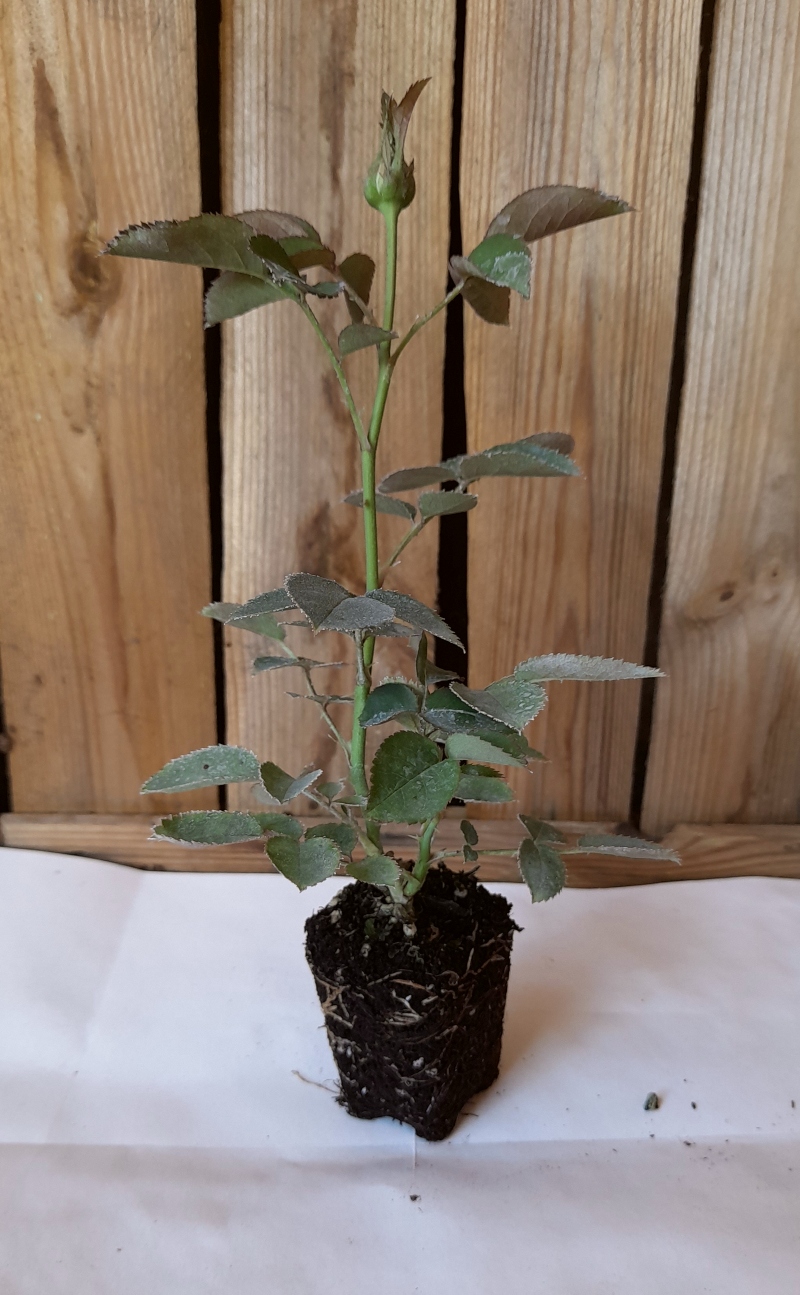
Rooted in trays (rooted), 3–6‑month‑old, own‑rooted rose cutting.
Uniform developmental stage, with a root system that has thoroughly penetrated the plug.
For professional growing‑on.
Tray packaging: 10 pcs/tray.
Quality and varietal identity: production supported by a dedicated identification and traceability logic.
Can be transplanted during frost‑free periods, designed for finished product production.

PharmaRosa® NEONATAL provides a controlled, uniform starting stock for planned growing‑on that can be integrated into your own technology – especially where scheduling and varietal identity are paramount.


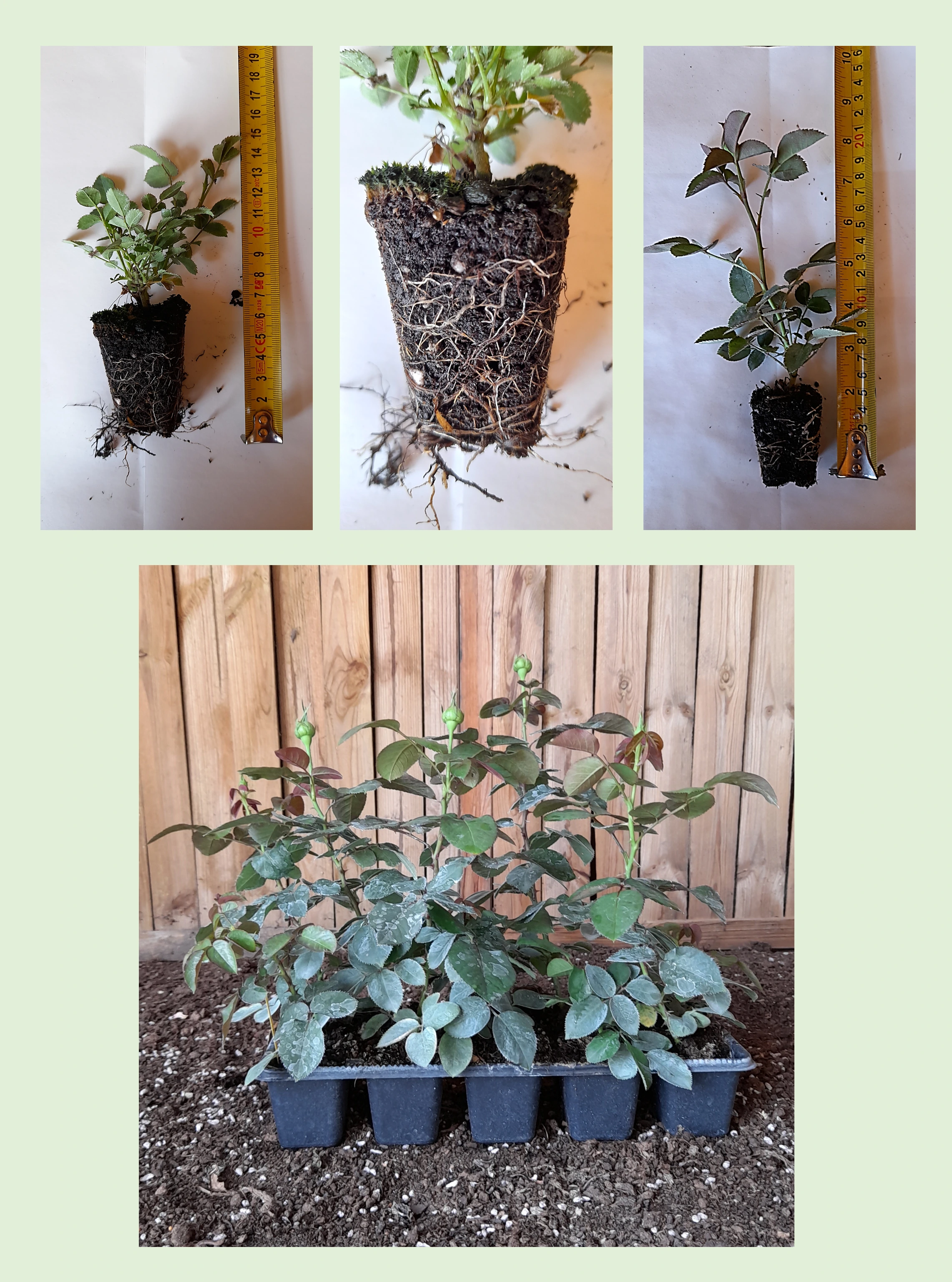
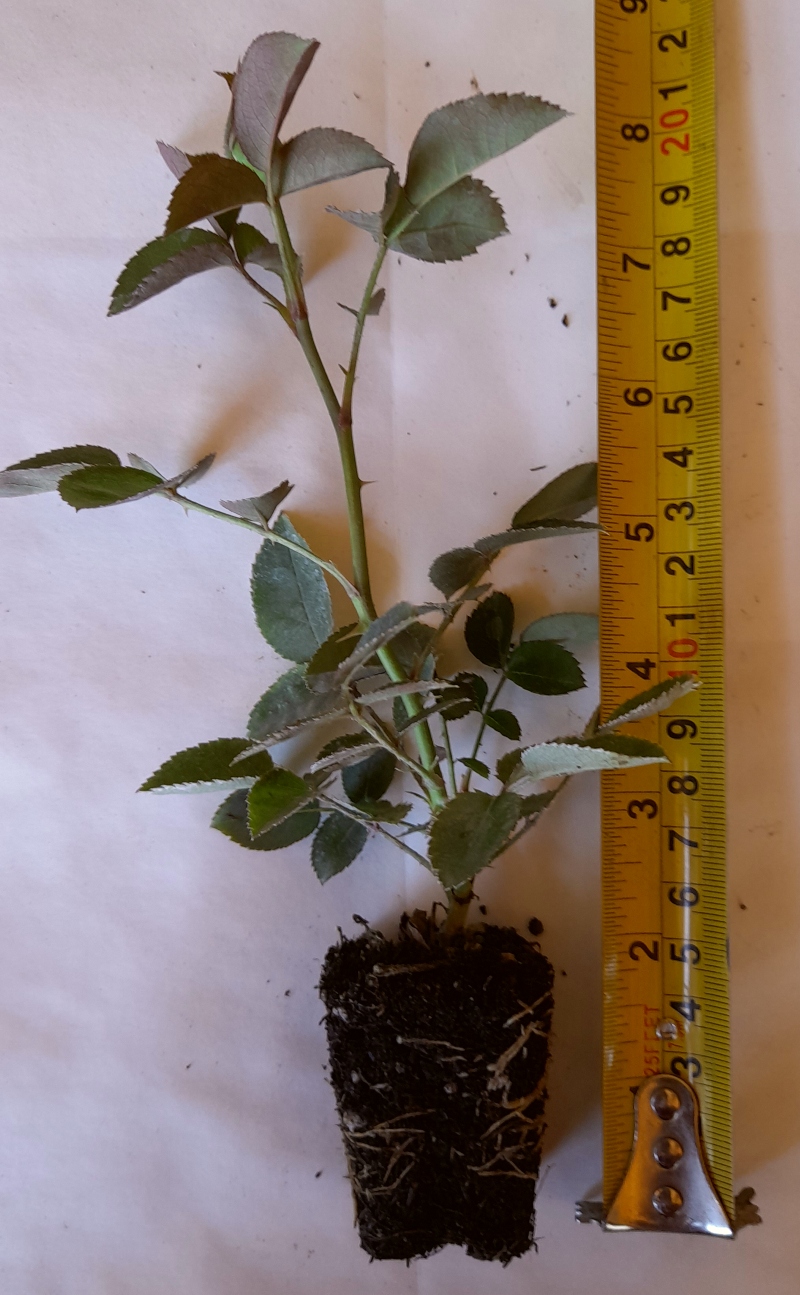
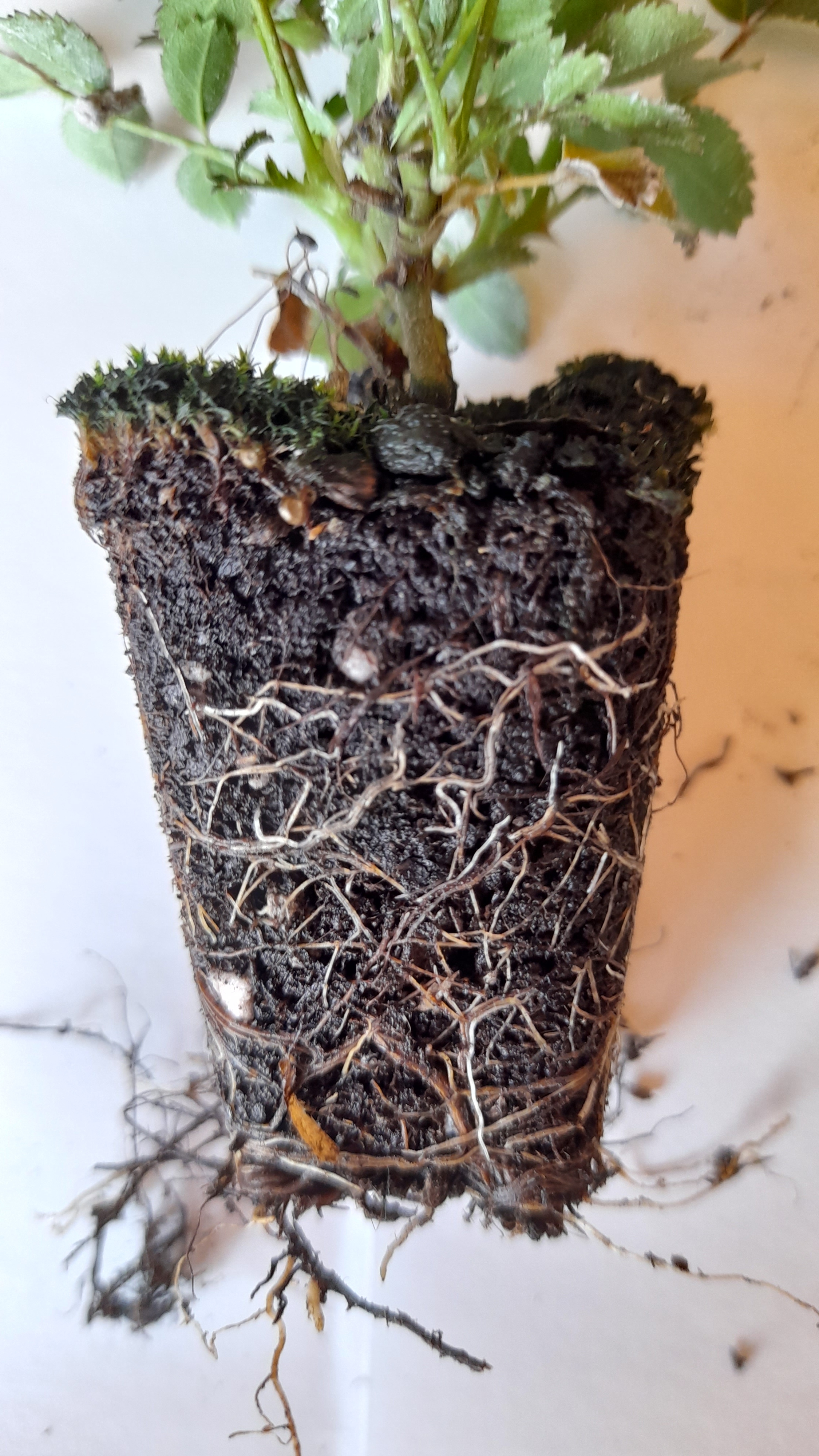
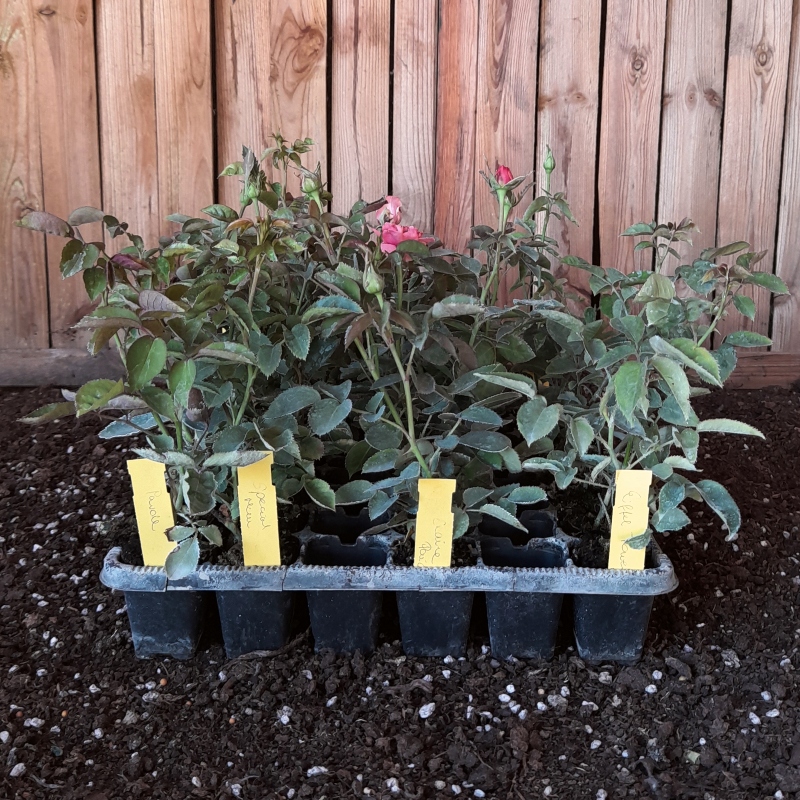
PharmaRosa® NEONATAL own-rooted rose propagation material in a plug, with a root system penetrating the plug (semi-finished product / semi-finished rose). PharmaRosa® NEONATAL rose propagation material size: 3–6‑month‑old, own-rooted cutting with a uniform developmental stage. PharmaRosa® NEONATAL rose propagation material root system: plug densely penetrated by well-developed white roots (root system detail). PharmaRosa® NEONATAL tray stock: own-rooted rose propagation material in trays, uniform developmental stage (10 pcs/tray).

Captions (from left to right): Semi-finished product (NEONATAL own-rooted rose propagation material in a plug with a fully developed root system) • Size demonstration (3–6‑month‑old, uniform cutting) • Root system detail (plug penetrated by the root system) • Tray stock (10 pcs/tray, uniform developmental stage)

pharmarosaneonatal.hupharmarosaneonatal.co.ukpharmarosaneonatal.atpharmarosaneonatal.plpharmarosaneonatal.sipharmarosaneonatal.czpharmarosaneonatal.itpharmarosaneonatal.depharmarosaneonatal.skpharmarosaneonatal.frpharmarosaneonatal.lupharmarosaneonatal.ropharmarosaneonatal.espharmarosaneonatal.nlpharmarosaneonatal.ptpharmarosaneonatal.ltpharmarosaneonatal.sepharmarosaneonatal.lvpharmarosaneonatal.eepharmarosaneonatal.fi

Which product type is right for you?

Pages for private customers
Garden roses for the family garden, with minimal care  → ORIGINAL®
Premium garden roses – instant impact, a truly showpiece garden  → EXTRA®
Pages for professionals and private customers
Roses for public spaces – large areas, sustainable maintenance  → NATURAL®
Roses for projects – hedge and row planting, fast implementation  → RAPID®
For professional partners only
Production – propagation material for garden roses, wholesale  → NEONATAL®

Company details

PharmaRosa Ltd.
Company registration number: 01-09-717479
VAT number: 13075314-2-43
Plant health registration no.: HU130721
Bank account (IBAN):
HU85117631891388688400000000
BIC (SWIFT): OTPVHUHB
Bank name: OTP Bank Nyrt.