Bedding rose

21-402-1
21-402-2

Marie Blanche Paillé

Flowerbed rose

EVEcinage – Jérôme Rateau

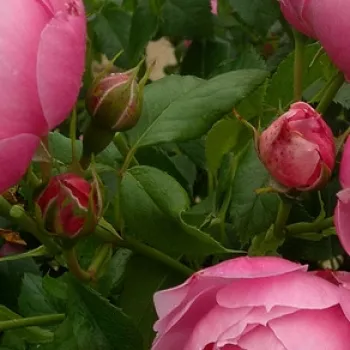
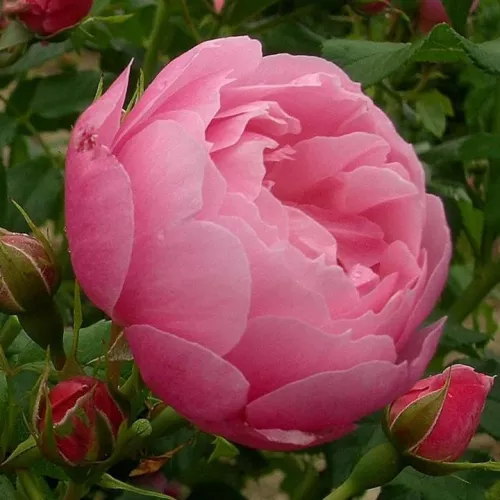
Elegantly full, raspberry-pink toned petal surface. - bedding floribunda rose - mild, restrained-scented rose - delicate, discreet character

– Large, ball‑shaped pompon blooms in clusters.
– Refined raspberry‑pink tones, softly fading over time.
– Reliable remontant flowering for long garden colour.
– Excellent disease resistance for low‑care planting.
– Very hardy down to H7 / USDA 4b.
Special feature: Multi‑award‑winning floribunda, crowned Plus belle rose de France in Lyon.
Standard finished product
Marie Blanche Paillé
pharmaROSA® NEONATAL rooted rose cutting
28,34 £
Due to courier service regulations – and the introduction of customs clearance – delivery to Ireland is temporarily suspended.
5 (6770)
facebook   twitter

Marie Blanche Paillé – pharmaROSA® NEONATAL rooted cutting

With its compact habit, reliable remontancy and dense, slightly glossy foliage, Marie Blanche Paillé offers professional growers a structurally balanced bedding floribunda suited to standard 2–3 L container production and classic flowerbed programmes. The double, ball-shaped flowers in refined raspberry-pink tonal shifts support a consistent retail / reseller offer built on reliable garden performance, while low maintenance needs and good resistance reduce intervention in nursery beds and urban stock fields. As an own-root pharmaROSA® NEONATAL cutting, it provides stable, renewable growth for collection plantings and show gardens, supporting homogeneous stands and low replacement in long-term park and urban green-space schemes. Its proven awards record underlines presentational quality for exhibition shrub and cut flower use, and H7 hardiness with USDA 4b performance gives confidence for Scottish and northern projects where winter exposure is significant. Over a natural development arc from root establishment in year one, structural canopy in year two and full ornamental expression in year three, this cultivar fits professional propagation workflows seeking predictable, long-lived own-root stock for thematic rose gardens and portfolio-building ranges.


Usage options

Target area Reasoning
2–3 L standard container production for retail / reseller chains The compact, upright structure with 80–120 cm height and 70–100 cm spread fits efficiently into 2–3 L standard containers, giving a balanced canopy at sale. Low maintenance requirement and good disease resistance simplify crop care through the production cycle, and the remontant habit supports visible colour in the sales window. Own-root NEONATAL material integrates easily into standard container routes and release schedules focused on reliable garden performance for retail / reseller.
Flowerbed and mass bedding blocks for nursery stockfields Uniform, cluster-flowered heads with good self-cleaning support tidy, repeat-colouring beds that are straightforward to maintain in nursery propagation beds and stockfields. Dense foliage with a slightly glossy surface delivers solid ground coverage for flower bed and park use, while own-root longevity reduces replacement and keeps blocks even over multiple lift cycles. This aligns with a standard finished product positioning where dependable bedding floribunda effect is central for nursery wholesalers.
Urban green-space and municipal planting schemes H7 hardiness and USDA 4b rating, combined with resistance to powdery mildew, black spot and rust, make this cultivar suitable for exposed urban and park plantings that receive limited ongoing care. Low intervention needs and moderate heat tolerance fit municipal maintenance regimes, provided regular watering is given in warm spells, supporting brief UK summers where reliable flowering is valued. Its reliable garden performance suits framework contracts in public-realm supply for municipal specifiers.
Exhibition shrub and show-garden rose collections The ball to pompon double flowers with 26–39 petals and refined raspberry-pink tonality provide visual refinement for exhibition shrub planting and thematic collections. Own-root NEONATAL cuttings offer identity security and structural longevity for dedicated rose gardens and show plots, enabling curators to maintain named cultivars across cycles. The cultivar’s recognition in French trials can reinforce curated ranges positioned as standard finished product with reliable presentation for show-garden planners.
Cut flower side-line from bedding and specimen crops Large cluster-flowered blooms (L size) on upright stems allow a secondary cut-flower harvest from flower bed, specimen and park production blocks without compromising bed effect. Repeat flowering with a plentiful second flush supports a modest but steady stem stream aligned with existing standard container or field-grown programmes. This gives growers an additional SKU option while retaining a core positioning around reliable garden performance for independent retailers.
Stock for coastal and exposed northern projects High frost hardiness down to -32–-29 °C (H7, Swedish zone 5) offers resilience for northern and inland continental sites, and its robust health profile backs long-term stands that can be lifted or divided into further production. Own-root propagation supports regeneration after winter damage, helping to maintain homogeneous plantings across seasons, which is valuable where nursery networks service exposed, windy contracts in the north of the country for regional contractors.
Low-intervention park and large landscape rose plantings Resistance to key foliar diseases and good self-cleaning substantially reduce deadheading and spraying, which is critical in large-scale park and urban green-space rose schemes. As an own-root shrub trained as a compact bush, it can be mass-planted with limited annual input while still delivering repeat flowering. This supports specification as a standard finished product when reliability and low ongoing input are the primary value for landscape operators.
Cultivar maintenance blocks and gene-bank style collections Own-root NEONATAL material provides a stable base for cultivar maintenance, ensuring true-to-name regeneration even if top growth is periodically renewed or rejuvenated. The moderate size and upright habit make it straightforward to space and manage in maintenance beds, and H7 hardiness helps secure long-term preservation. This underpins thematic rose gardens and institutional collections where reliable garden performance and identity are central for collection curators.

Finished-product ideas

  • 2–3 L bedding floribunda line – Own-root, compact, upright bushes finished in 2–3 L containers for standard finished product ranges, built around repeat flowering, disease resistance and low maintenance – target audience/channel: retail / reseller chains.
  • Urban park contract rose – Bulk-produced bushes for flower bed and urban green space use, leveraging H7 hardiness, strong disease resistance and self-cleaning for low-intervention contracting – target audience/channel: municipal and public-realm suppliers.
  • Exhibition and collection series – Curated own-root stock for thematic rose gardens and collections, using the award-backed flower form and stable plant structure to support display quality – target audience/channel: show gardens and specialist nurseries.
  • Landscape bedding module – Tray-to-field route for mass bedding and park plantings, focusing on uniform, dense foliage and remontant clusters to give season-long ground-level colour – target audience/channel: landscape contractors and integrators.
  • Dual-purpose garden and cut rose – Specimen and bed plantings marketed for both garden effect and occasional cutting, using large double clusters and upright habit within standard container programmes – target audience/channel: garden centres and independent retailers.

Technical cultivar profile
Parameter Data
Name and registration Floribunda bedding rose, collection Flowerbed rose; registered as EVEcinage, traded as Marie Blanche Paillé; ARS exhibition name Marie Blanche Paillé; honours Marie-Blanche Paillé (1876–1963).
Origin and breeding Bred by Jérôme Rateau in France (2009) for Roses André Eve; introduced and first distributed by Roses André Eve in France in 2015, with registration also completed in 2015; parentage is unknown.
Awards and recognition Recognised in major French trials: Lyon International Rose Competition Plus belle rose de France 2017; Lyon 1st prize, large-flowered category 2017; Paris–Bagatelle Certificate, large-flowered category 2017.
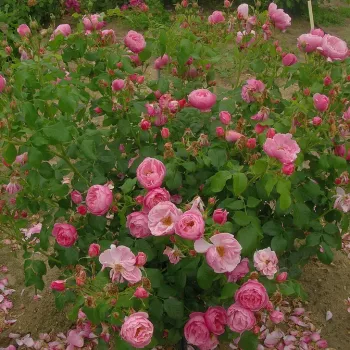
Growth and structural characteristics Upright, bush-trained, compact habit reaching about 80–120 cm in height and 70–100 cm in spread; dense, slightly glossy green foliage, moderately thorny shoots and a structure suitable for flowerbeds, parks and urban plantings.
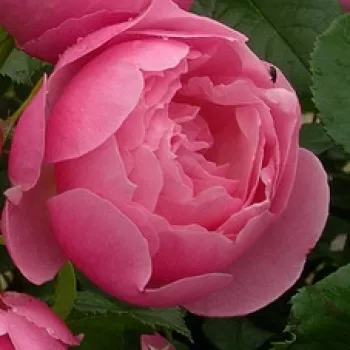
Flower morphology Double-flowered blooms with 26–39 petals, ball to pompon shaped, produced in clusters of large L-sized flowers; remontant, with a plentiful second flowering providing extended season interest in bedding and specimen uses.
Colour data and phenology Raspberry-pink tonality: RHS 65C outer and 62C inner; buds mid to deep raspberry-pink; fades from rich pink to uniform medium pink, then soft powder pink with paler outer margins and a consistent pastel edge in full bloom.
Fragrance and aroma Delicate, discreet fragrance with mild intensity; primarily valued for ornamental flower and colour display rather than strong scent; heavily double blooms partly conceal stamens, so pollinator attraction is relatively limited in typical plantings.
Hip characteristics Occasional spherical hips in autumn, around 6–10 mm diameter, orange-red in colour; may contribute modest ornamental interest but are not a primary production or marketing focus for this cultivar.
Resistance and winter hardiness Resistant to powdery mildew, black spot and rust in typical conditions; hardy to approximately -32 to -29 °C (USDA 4b), RHS H7, Swedish zone 5; moderate heat and drought tolerance, requiring regular watering under warmer, drier spells.
Horticultural recommendations Suited to flower beds, specimen planting, cut flower side-use, parks and urban green spaces; low maintenance with little intervention; supplied as bush-trained, compact own-root plants, ideally finished via standard container routes in 2–3 L pots.

Marie Blanche Paillé Flowerbed rose EVEcinage as an own-root pharmaROSA® NEONATAL cutting combines compact structure, disease resistance and H7 hardiness with predictable, regenerating stands, making it a practical option to discuss scheduling and capacity for your programme.

Detailed product attributes

Product Identification Data

Product Name: MARIE BLANCHE PAILLÉ – pink bedding floribunda rose - Rateau
Product Type: pharmaROSA® NEONATAL - rooted rose cutting
Cultivar Authenticity: Verified:27.06.2025
Cultivar Quality Rating: premium bronze
Item Number: [1395] 21-402 (14.02.2026) pharmarosaneonatal.co.uk

Name and Registration

Meaning of Cultivar Name: The name was given in honour of Marie-Blanche Paillé (1876–1963), a French schoolteacher, writer and ethnographer.
Original Trade Name: Marie Blanche Paillé
Current Trade Name: Marie Blanche Paillé Flowerbed rose EVEcinage
Rose Group: Floribunda
Commercial Type: bedding floribunda rose
Commercial Group: Bed rose
Exhibition Category: cut flower; exhibition shrub rose
Collection: Flowerbed rose

Origin and Breeding

Initial Distributor: Roses André Eve (France)
Introduction Year: 2015 (France)
Breeder: Jérôme Rateau
Breeding Company / Institution: Roses André Eve
Breeding Year: France, 2009
Parentage: unknown

Awards and Honours

Competition and Show Awards: Lyon International Rose Competition – Plus belle rose de France (2017); Lyon – 1st prize, large‑flowered category (2017); Paris–Bagatelle – Certificate, large‑flowered category (2017)

Growth and Structural Characteristics

Height: 2.6-3.9ft (80-120 cm)
Spread: 2.3-3.3ft (70-100 cm)
Growth Habit: upright
Foliage: The variety has dense foliage; its leaves have a slightly glossy surface and a green hue.
Prickliness: moderately thorny
Self-Cleaning Description: The petals of spent blooms drop off naturally.
Self-Cleaning Intensity: self-cleaning good

Flower Morphology

Petal Count: 26-39
Flower Fullness: double-flowered
Flower Shape: ball, pompon
Flower Size: L (2,75-3,95 in)
Inflorescence Type: cluster-flowered
Colour Code: ARS code: lp RHS code: 65C (outer), 62C (inner)
Repeat Flowering: It is remontant, with a plentiful second flowering.

Colour Data and Phenology

Colour: pink
Flower Colour Description: Elegantly full, raspberry-pink toned petal surface.
Closed Bud: Mid to deep raspberry-pink with a slightly glossy surface, the outer petal edges paler.
Newly Opened Flower: Rich, pure pink centre with a deeper raspberry tone inside, gently lightening towards the edges with a faint cool undertone.
Full Bloom: Uniform medium pink, the margin of the outer petal zone distinctly paler, pastel.
Before Fading: The pink lightens, fading to a soft powder-pink with a delicate powdery bloom.
Colour Fading Description: As the flower opens, the colour fades from a mid–deep raspberry-pink to a uniform medium pink, then to a soft powder pink before the bloom fades; the edge of the outer petal whorl remains consistently paler and more pastel.

Fragrance and Aroma

Fragrance Strength: mild, restrained-scented rose
Fragrance Character: delicate, discreet character
Pollinator Attraction: Its heavily double flower form means it attracts pollinators only to a limited extent, since the double petals and reduced accessibility of the stamens limit pollinators' access to nectar and pollen.
Pollinator-Friendly Rating: Its double flowers partially conceal the stamens, so it attracts pollinators only to a limited extent and is primarily an ornamental variety.

Hip Characteristics

Hip Shape: spherical
Hip Colour: orange-red
Hip Comment: Occasionally formed in autumn, a spherical, 6–10 mm‑diameter orange‑red rose hip; it can have ornamental value.

Resistance and Hardiness

Hardiness (°C): -32–-29 °C
Heat and Drought Tolerance Description: Requires regular watering in warm conditions; prolonged drought may weaken flowering.
Disease Resistance: resistant
  • powdery mildew – resistant
  • black spot – resistant
  • rust – resistant

Horticultural Recommendations

Recommended product path: Standard container
Release form: Bush-trained, compact plant
Recommended use: Maintenance requirement low; good disease resistance, generally requires little intervention.
Primary Uses: flower bed, specimen, cut flower, park, urban green space

Comments

Positioning: Standard finished product
Target customer/channel: Retail / reseller
Main value proposition: Reliable garden performance
MARIE BLANCHE PAILLÉ – pink bedding floribunda rose - Rateau
Elegantly full, raspberry-pink toned petal surface. - bedding floribunda rose - mild, restrained-scented rose - delicate, discreet character
Online rose order - pink - mild, restrained-scented rose - Marie Blanche Paillé - bedding floribunda rose - (2.6-3.9ft (80-120 cm))
Inflorescence: cluster-flowered Height: 2.6-3.9ft (80-120 cm) Flower shape: ball, pompon Winter hardiness: 6a pink - Roses André Eve (France) bedding floribunda rose - Flower size: L (2,75-3,95 in) Flower size: L (2,75-3,95 in) - Height: 2.6-3.9ft (80-120 cm) Height: 2.6-3.9ft (80-120 cm) - Flower fullness: double-flowered Marie Blanche Paillé - Roses in the garden | pharmaROSA® Neonatal - premium bronze Jérôme Rateau

We showcase the external appearance of the roses available for online purchase from our webshop.


Which product type is right for you?


PharmaRosa® NEONATAL is the cost‑effective starting point for rose product production.

As a uniform, own‑rooted propagation material, it provides a stable basis for further growing-on and can be integrated flexibly into different finished product production technologies.
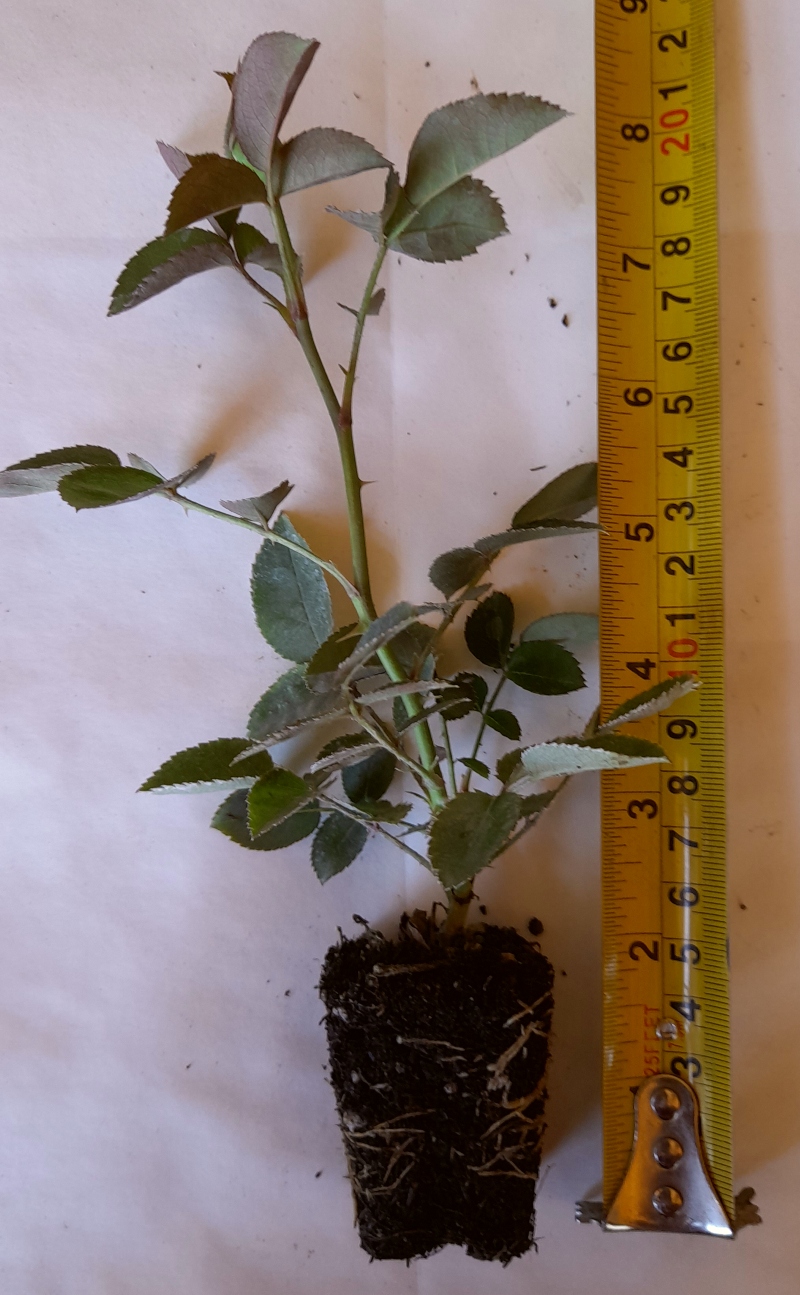
Rooted in trays (rooted), 3–6‑month‑old, own‑rooted rose cutting.
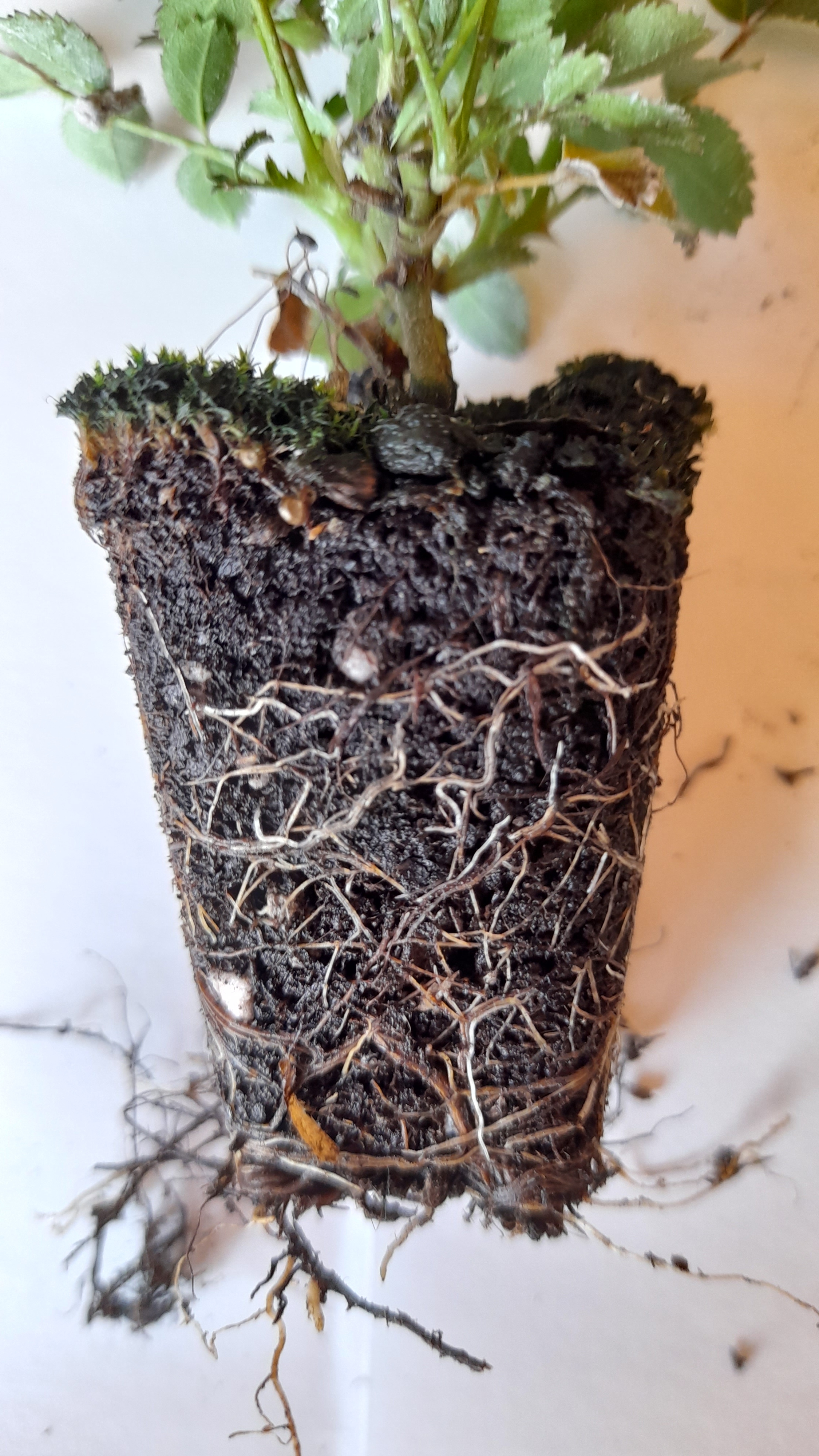
Uniform developmental stage, with a root system that has thoroughly penetrated the plug.
For professional growing‑on.
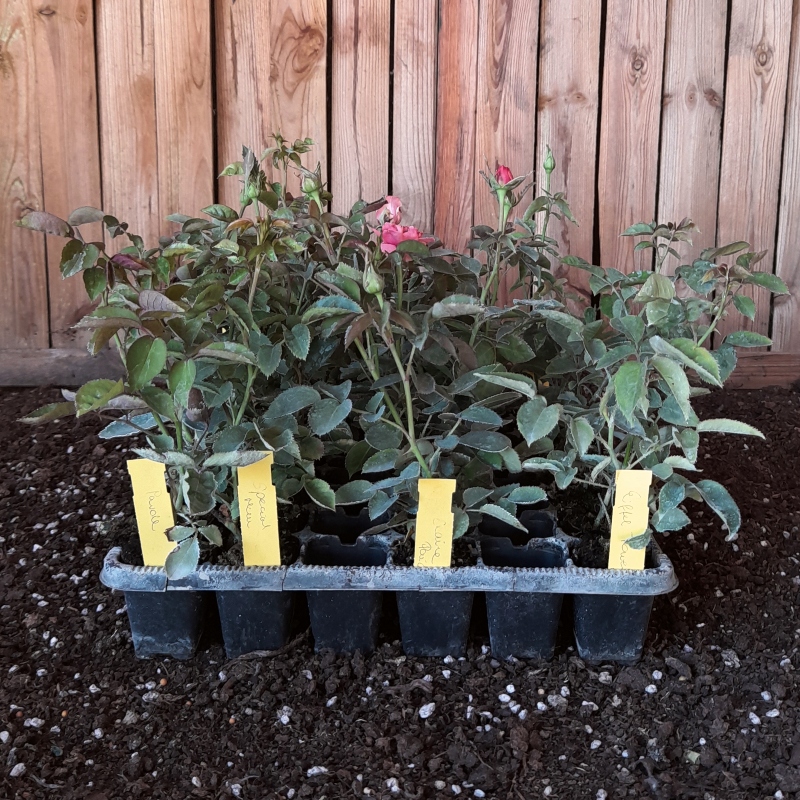
Tray packaging: 10 pcs/tray.
Quality and varietal identity: production supported by a dedicated identification and traceability logic.
Can be transplanted during frost‑free periods, designed for finished product production.

PharmaRosa® NEONATAL provides a controlled, uniform starting stock for planned growing‑on that can be integrated into your own technology – especially where scheduling and varietal identity are paramount.


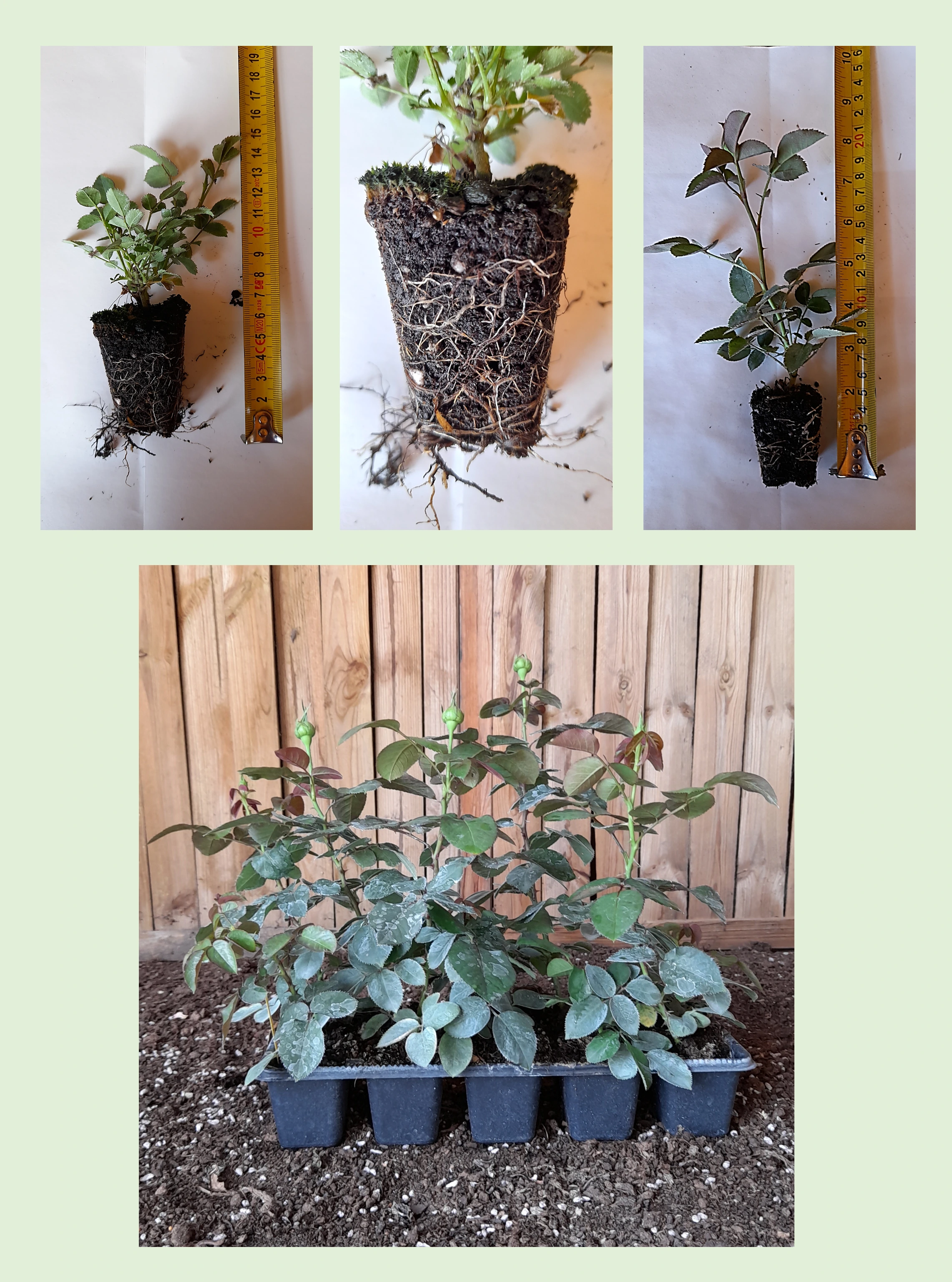
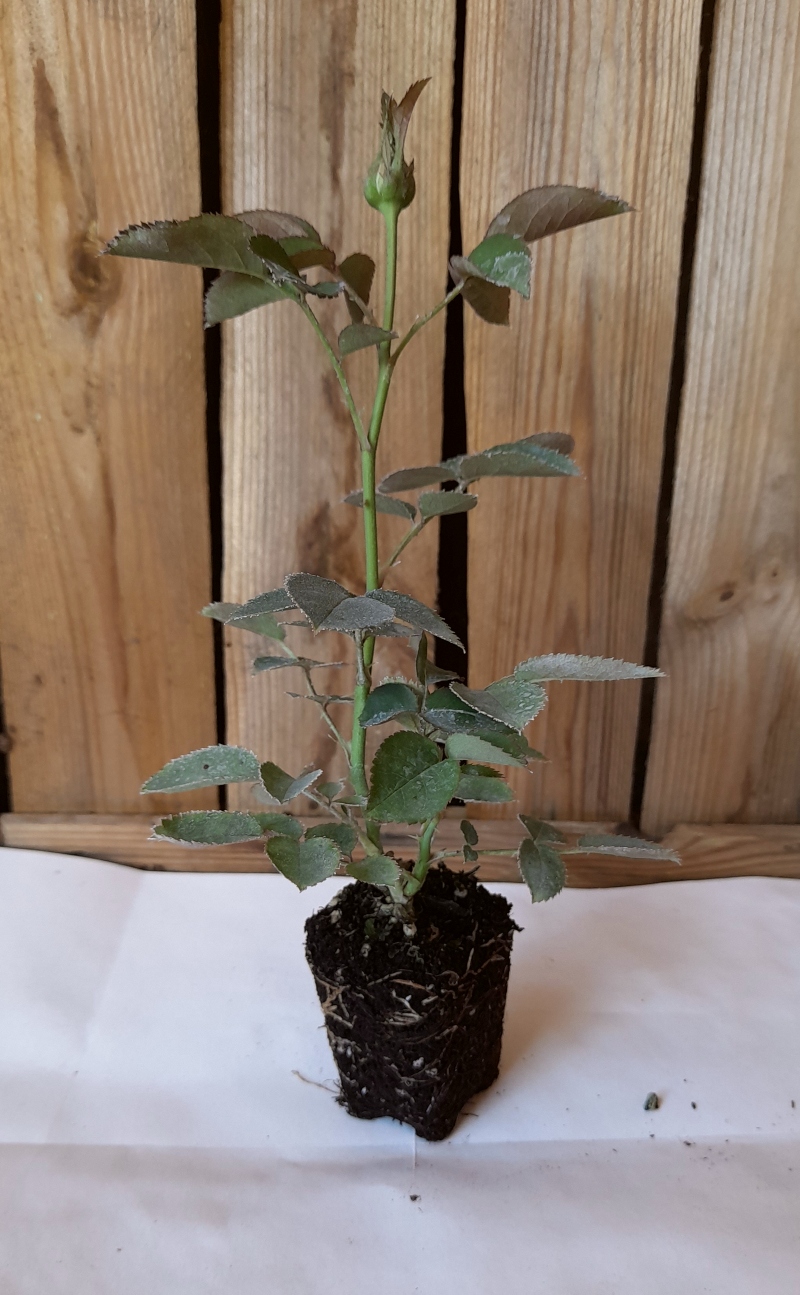
PharmaRosa® NEONATAL own-rooted rose propagation material in a plug, with a root system penetrating the plug (semi-finished product / semi-finished rose). PharmaRosa® NEONATAL rose propagation material size: 3–6‑month‑old, own-rooted cutting with a uniform developmental stage. PharmaRosa® NEONATAL rose propagation material root system: plug densely penetrated by well-developed white roots (root system detail). PharmaRosa® NEONATAL tray stock: own-rooted rose propagation material in trays, uniform developmental stage (10 pcs/tray).

Captions (from left to right): Semi-finished product (NEONATAL own-rooted rose propagation material in a plug with a fully developed root system) • Size demonstration (3–6‑month‑old, uniform cutting) • Root system detail (plug penetrated by the root system) • Tray stock (10 pcs/tray, uniform developmental stage)

pharmarosaneonatal.atpharmarosaneonatal.co.ukpharmarosaneonatal.hupharmarosaneonatal.czpharmarosaneonatal.depharmarosaneonatal.ropharmarosaneonatal.sipharmarosaneonatal.skpharmarosaneonatal.itpharmarosaneonatal.frpharmarosaneonatal.nlpharmarosaneonatal.plpharmarosaneonatal.lupharmarosaneonatal.ptpharmarosaneonatal.espharmarosaneonatal.ltpharmarosaneonatal.sepharmarosaneonatal.lvpharmarosaneonatal.eepharmarosaneonatal.fi

Which product type is right for you?

Pages for private customers
Garden roses for the family garden, with minimal care  → ORIGINAL®
Premium garden roses – instant impact, a truly showpiece garden  → EXTRA®
Pages for professionals and private customers
Roses for public spaces – large areas, sustainable maintenance  → NATURAL®
Roses for projects – hedge and row planting, fast implementation  → RAPID®
For professional partners only
Production – propagation material for garden roses, wholesale  → NEONATAL®

Company details

PharmaRosa Ltd.
Company registration number: 01-09-717479
VAT number: 13075314-2-43
Plant health registration no.: HU130721
Bank account (IBAN):
HU85117631891388688400000000
BIC (SWIFT): OTPVHUHB
Bank name: OTP Bank Nyrt.