Bedding rose

21-192-1
21-192-2

Marie Pavié

Bedding rose

- – Alphonse Alégatière

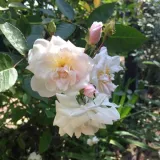
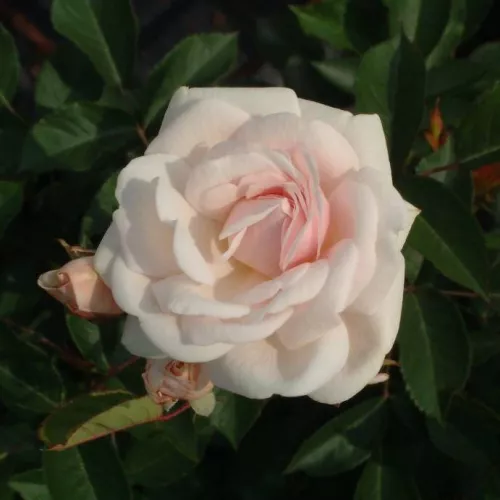
A soft off-white with a gentle hue, fading from very pale pink to near-white. - polyantha bedding rose - medium-strength, clearly scented rose - sweet, delicate character

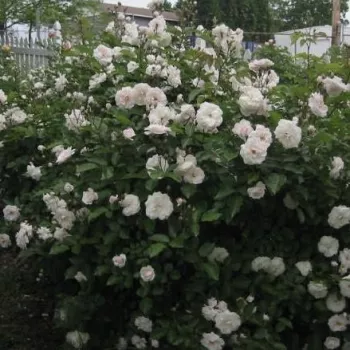
Marie Pavié forms a dense, bushy mound.
– Abundant repeat flowering in generous clusters.
– Refined off‑white blooms with soft pink hues.
– Medium, clearly perceptible sweet fragrance.
– Compact size suits borders, edging and pots.
Special feature: Hardy to around −30 °C, ideal for colder gardens.
Project (landscape architecture / mass use)
Marie Pavié
pharmaROSA® NEONATAL rooted rose cutting
28,34 £
Due to courier service regulations – and the introduction of customs clearance – delivery to Ireland is temporarily suspended.
4 (5818)
facebook   twitter

MARIE PAVIÉ – off-white flowerbed polyantha rose - Alégatière

Uniformity and coverage are central to MARIE PAVIÉ as a polyantha bedding rose for professional project work, offering dense, bushy growth with compact height and spread ideally suited to border, edging, park and low hedge schemes where a remontant flush is required throughout the season. As pharmaROSA® NEONATAL own-root material, tray-rooted cuttings provide a predictable, renewable base for uniform, dense, bush-trained finished plants in 1.5–2 L containers, easy to schedule for project mass planting and collection-focused ranges serving thematic rose gardens. The small, cupped, semi-double, off-white clusters combine polyantha character with a sweet, medium-strength fragrance and good self-cleaning, supporting lower post-planting grooming even where disease management remains a planned input. Good heat tolerance and H7 hardiness to around -30 °C make it adaptable for UK nursery networks that must handle colder and wind-exposed contracts, providing flexibility from northern public-realm sites to more sheltered schemes. Own-root production allows a steady development arc—roots consolidating in the first year, framework building in the second, and full ornamental expression in the third—supporting longevity, stable stands and predictability for repeated project specifications. The cultivar’s heritage origin (France, 1888) and classic exhibition polyantha background add narrative value to collection or show-garden programmes, while sparingly thorned shoots and dense, slightly glossy dark green foliage help streamline handling and presentation in wholesale flows. In climates where humidity and fungal pressure require active control, this variety answers best in professionally maintained landscapes, especially when integrated into container-grown batches for landscape contractors who prioritise repeatable quality and reliable off-white mass effect at volume.


Usage options

Target area Reasoning
Project mass planting for borders and edging The dense, bushy habit and compact 85–115 cm height deliver fast, even ground-level coverage suited to border and edging projects where a uniform, dense, bush-trained outline is specified. NEONATAL own-root cuttings grow on efficiently into 1.5–2 L containers for release as a coherent project mass planting batch, supporting stable, repeatable off-white edging effects in thematic rose gardens and collection-style park schemes for landscape contractors.
Park and public-realm bedding blocks Cluster-flowering inflorescences with small, semi-double blooms create a consistent, easily read colour block for park bedding and public-realm beds. Using tray-rooted own-root material simplifies batch planning for project mass planting into 1.5–2 L pots, ensuring homogeneous stands that maintain their form over years. This aligns with project-focused wholesale supply where dependable mass effect and long-term bed structure are key for project-serving wholesalers.
Low, formal hedging in rose collections The 50–70 cm spread and dense foliage allow precise spacing for low hedges in collection and show gardens, where a neat, bush-trained finish is expected. NEONATAL material supports uniform line planting, while own-root longevity helps maintain continuous hedge structure with reduced replacement. Positioned as an off-white polyantha for thematic rose gardens, it suits formal edges curated by nursery partners.
Container-grown ranges for institutional projects Good hardiness to around -30 °C allows confident overwintering in UK nursery systems serving colder and wind-exposed contracts, even when container-grown. Own-root cuttings developed through 1.5–2 L pots can be held or advanced as required, facilitating flexible dispatch windows for institutional and public-realm plantings supplied via integrator-style wholesale chains for public-realm suppliers.
Thematic and heritage rose garden collections Originating from France in 1888, with exhibition polyantha and shrub rose relevance, this cultivar adds historical depth to thematic and heritage collections. NEONATAL rooted cuttings aid cultivar maintenance and accurate labelling in gene-bank style stands, while bush-trained 1.5–2 L products package well as named collection pieces for specialist rose gardens managed by collection curators.
Fragrance-accented planting pockets The sweet, medium-strength fragrance and semi-double, cupped blooms suit smaller fragrance nodes within larger bedding schemes, where visitors approach planting at close quarters. Own-root production into 1.5–2 L containers ensures reliable perfumed clusters on compact bushes, supporting project mass planting briefs that request discernible scent as an added value point for specifying designers.
Projects prioritising post-planting visual cleanliness Good self-cleaning, with most faded blooms shedding naturally, supports visually clean beds between maintenance cycles, despite the need for active disease management. From NEONATAL cuttings to bush-trained finished stock, this trait helps keep border and park plantings looking fresh between scheduled visits, particularly valued in public-realm and high-visibility institutional schemes for maintenance-focused operators.
Professionally maintained high-input displays The noted sensitivity to fungal diseases means the variety fits best where regular pest and disease control is planned, but in such regimes it repays with abundant, remontant flowering and stable structure from own-root plants. Used as a uniform, dense, bush-trained project mass planting in 1.5–2 L containers, it supports curated, high-input displays in thematic rose gardens and prestige parks for high-spec projects.

Finished-product ideas

  • Off-white polyantha border liner – 1.5–2 L bush-trained liners with dense, compact canopies for rapid border and edging coverage, leveraging the remontant flowering clusters and good self-cleaning, aimed at project mass planting supply for landscape contractors and municipal frameworks.
  • Heritage collection specimen pot – Individually labelled 1.5–2 L plants positioned as 1888 French polyantha heritage material with sweet fragrance and classic off-white colour, supplying thematic and show-garden collections through specialist nurseries and heritage-focused wholesalers.
  • Low hedge project module – Uniform, own-root plants calibrated for linear spacing, sold in grouped 1.5–2 L project units to build low hedges with dense foliage and compact height, targeting public-realm contractors and institutional schemes requiring formal rose edging.
  • Fragrance pocket mix unit – MARIE PAVIÉ as a white, scented component in multi-cultivar project offers, provided as bush-trained 1.5–2 L stock with predictable flowering habit, for integrators building mixed fragrance zones in parks, hospitals and education campuses.
  • High-input display bedding block – Bulk batches of uniform 1.5–2 L plants designed for professionally maintained rose beds where planned disease control is standard, exploiting the remontant mass flowering and strong bed coverage for prestige civic and corporate landscape contracts.

Technical cultivar profile
Parameter Data
Name and registration Current trade name MARIE PAVIÉ – Bedding rose – Alégatière, American Rose Society exhibition name MARIE PAVIÉ, polyantha bedding rose in the bed rose commercial group; unregistered cultivar name.
Origin and breeding Old French polyantha bred by Alphonse Alégatière, France, 1888; parentage undocumented, initial distribution recorded via C. H. Halstead in Australia, representing a historic yet workmanlike bedding rose option.
Awards and recognition not provided
Growth and structural characteristics Bushy habit with dense, slightly glossy dark green foliage, sparsely thorned shoots; height around 85–115 cm with 50–70 cm spread, forming compact, well-filled bedding units that adapt readily to bush training.
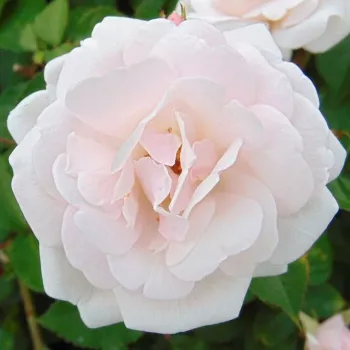
Flower morphology Cluster-flowering polyantha type with small S-size, cupped, semi-double blooms (approximately 13–25 petals), remontant with abundant second flowering, and generally good self-cleaning as most spent flowers drop naturally.
Colour data and phenology Soft off-white flowers with delicate pale pink tones, ARS Wh, RHS 155C outer and 65D inner; buds show a pale pink veil, colour may pink slightly in cool weather and fade to icy or near-white shades in heat.
Fragrance and aroma Medium-strength, clearly perceptible sweet fragrance, contributing a refined scent layer in close-view plantings; semi-double form limits pollen access, so the variety is used primarily for ornamental rather than ecological functions.
Hip characteristics Rose-hip set is generally sparse due to the semi-double flower form; where present, small spherical red hips around 6–9 mm diameter may develop, offering occasional seasonal interest without dominating the plant.
Resistance and winter hardiness Hardy to approximately -32 to -29 °C (RHS H7, Swedish zone 5, USDA 4b), with good heat tolerance but needing irrigation in prolonged drought; disease resistance is modest, with notable rust sensitivity requiring active control.
Horticultural recommendations Suited to border, edging, park, specimen, container and low hedge use; best in professionally maintained schemes with regular disease management; delivered as uniform, dense, bush-trained finished stock from 1.5–2 L containers.

MARIE PAVIÉ offers dense coverage, remontant off-white flowering and manageable, compact structure on a predictable own-root base that supports long-term, stable stands; we would be pleased to discuss volumes, scheduling and integration into your UK project ranges.

Detailed product attributes

Product Identification Data

Product Name: MARIE PAVIÉ – off-white flowerbed polyantha rose - Alégatière
Product Type: pharmaROSA® NEONATAL - rooted rose cutting
Cultivar Authenticity: Verified:21.02.2025
Cultivar Quality Rating: premium bronze
Item Number: [836] 21-192 (14.02.2026) pharmarosaneonatal.co.uk

Name and Registration

Meaning of Cultivar Name: The name is a female given name.
Cultivar Synonym: Mme. Marie Pavié
Original Trade Name: Marie Pavié
Current Trade Name: Marie Pavié Bedding rose Alégatière
Rose Group: Polyantha
Commercial Type: polyantha bedding rose
Commercial Group: Bed rose
Exhibition Category: exhibition polyantha; shrub rose
Collection: Bedding rose

Origin and Breeding

Initial Distributor: C. H. Halstead (Australia)
Registration Year: unregistered variety
Breeder: Alphonse Alégatière
Breeding Company / Institution: unknown / no data
Breeding Year: France, 1888
Parentage: unknown

Growth and Structural Characteristics

Height: 2.8-3.8ft (85-115 cm)
Spread: 1.6-2.3ft (50-70 cm)
Growth Habit: bushy
Foliage: The variety has dense foliage; the leaves have a slightly glossy surface and a dark green colour (RHS 147A).
Prickliness: sparsely thorned
Self-Cleaning Description: Most faded blooms shed naturally.
Self-Cleaning Intensity: self-cleaning: good

Flower Morphology

Petal Count: 13-25
Flower Fullness: semi-double flowered
Flower Shape: cupped
Flower Size: S (0,5-1,5 in)
Inflorescence Type: cluster-flowered
Colour Code: ARS code: Wh RHS code: 155C (outer), 65D (inner)
Repeat Flowering: Remontant; the second flowering is also abundant.

Colour Data and Phenology

Colour: off-white
Flower Colour Description: A soft off-white with a gentle hue, fading from very pale pink to near-white.
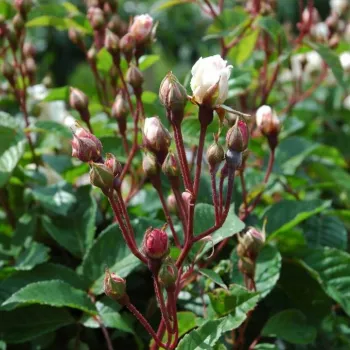
Closed Bud: A delicate, pale pink veil covered the almost-white surface.
Newly Opened Flower: A pearlescent pink hue glints on a creamy-white base.
Full Bloom: Uniform, clean off-white petals are visible with a slight ivory tinge.
Before Fading: The petals fade to icy white with a faint greenish tinge at the edges.

Colour Fading Description: In hot conditions the colour becomes paler, while in cool weather it develops a slight pink tinge.

Fragrance and Aroma

Fragrance Strength: medium-strength, clearly scented rose
Fragrance Character: sweet, delicate character
Pollinator Attraction: The strongly double flower form and limited accessibility of the stamens make it of low attractiveness to pollinators.
Pollinator-Friendly Rating: Its semi-double blooms partly conceal the stamens, so it attracts pollinators only to a limited extent and is mainly valued as an ornamental variety

Hip Characteristics

Hip Shape: spherical
Hip Colour: red (RHS 43A)
Hip Comment: Rose‑hip production is expected to be sparse due to the double flowers; occasionally spherical, red (RHS 43A) hips 6–9 mm in diameter may form.

Resistance and Hardiness

Hardiness (°C): -32–-29 °C
Heat and Drought Tolerance Description: Tolerates heat well; requires irrigation during prolonged drought.
Disease Resistance: sensitive
  • powdery mildew – moderate
  • black spot – moderate
  • rust – very sensitive

Horticultural Recommendations

Recommended product path: Project mass planting
Release form: Uniform, dense, bush-trained finished product
Recommended use: Maintenance requirement high; requires regular pest and disease control due to poor disease resistance.
Primary Uses: border, edging, park, specimen, container-grown, low hedge

Comments

Positioning: Project (landscape architecture / mass use)
Target customer/channel: Landscape contractor, project-serving wholesaler / maintenance
Main value proposition: Fast coverage – uniformity
MARIE PAVIÉ – off-white flowerbed polyantha rose - Alégatière
A soft off-white with a gentle hue, fading from very pale pink to near-white. - polyantha bedding rose - medium-strength, clearly scented rose - sweet, delicate character
The rose webshop. - off-white - medium-strength, clearly scented rose - Marie Pavié - polyantha bedding rose - (2.8-3.8ft (85-115 cm))
Inflorescence: cluster-flowered Height: 2.8-3.8ft (85-115 cm) Flower shape: cupped Winter hardiness: 6b off-white - C. H. Halstead (Australia) polyantha bedding rose - Flower size: S (0,5-1,5 in) Flower size: S (0,5-1,5 in) - Height: 2.8-3.8ft (85-115 cm) Height: 2.8-3.8ft (85-115 cm) - Flower fullness: semi-double flowered Marie Pavié - Roses in the garden | pharmaROSA® Neonatal - premium bronze Alphonse Alégatière

We showcase the external appearance of the roses available for online purchase from our webshop.


Which product type is right for you?


PharmaRosa® NEONATAL is the cost‑effective starting point for rose product production.

As a uniform, own‑rooted propagation material, it provides a stable basis for further growing-on and can be integrated flexibly into different finished product production technologies.

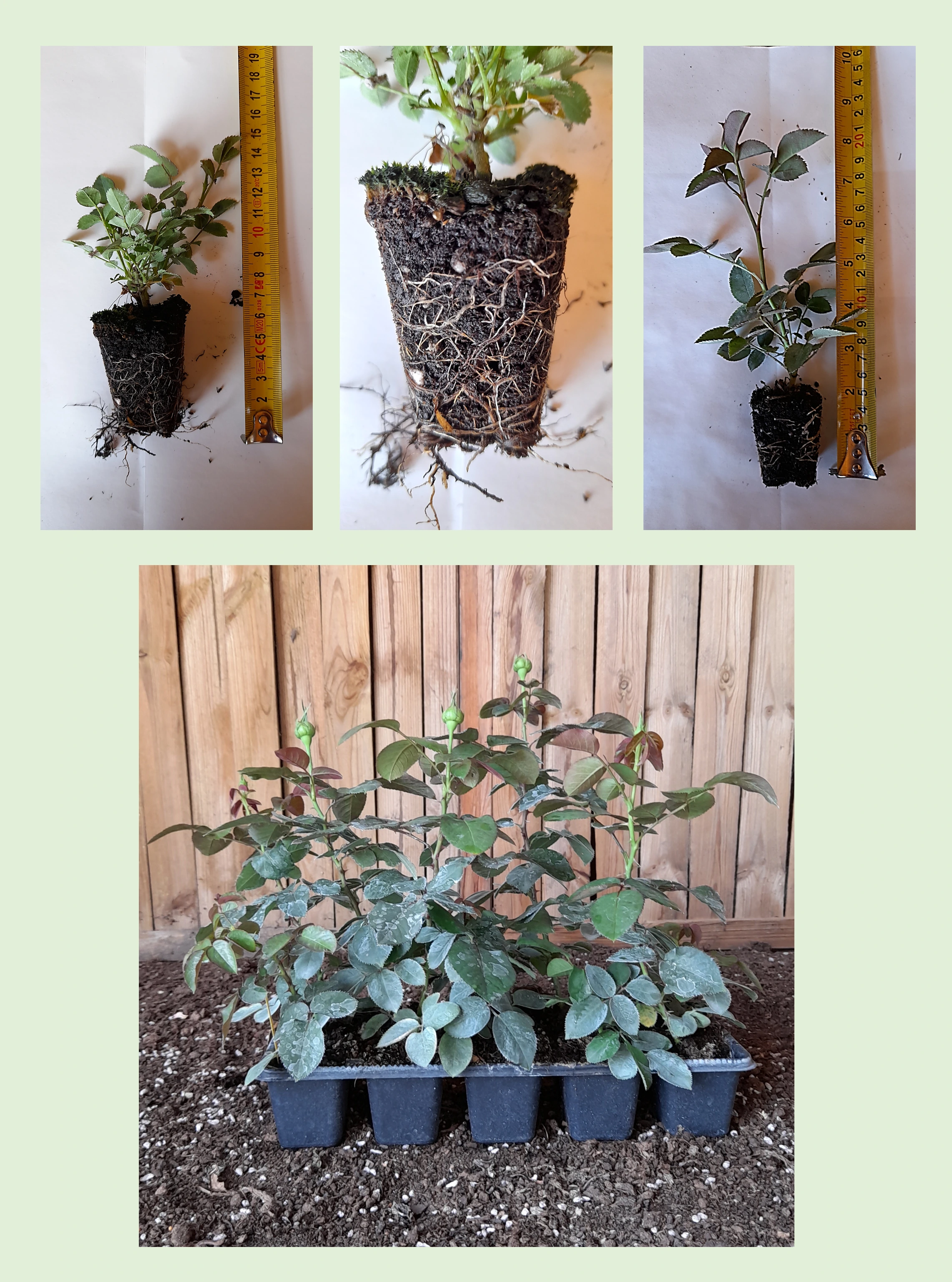
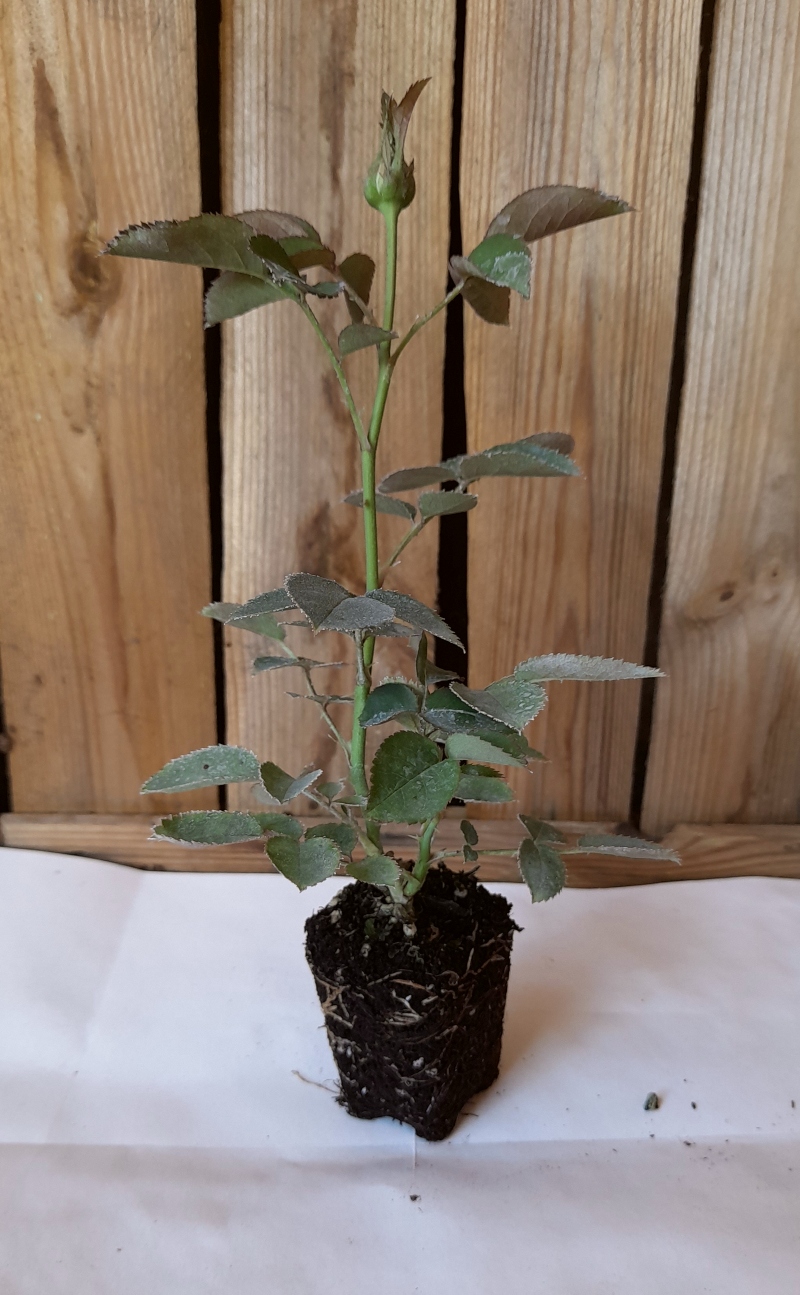
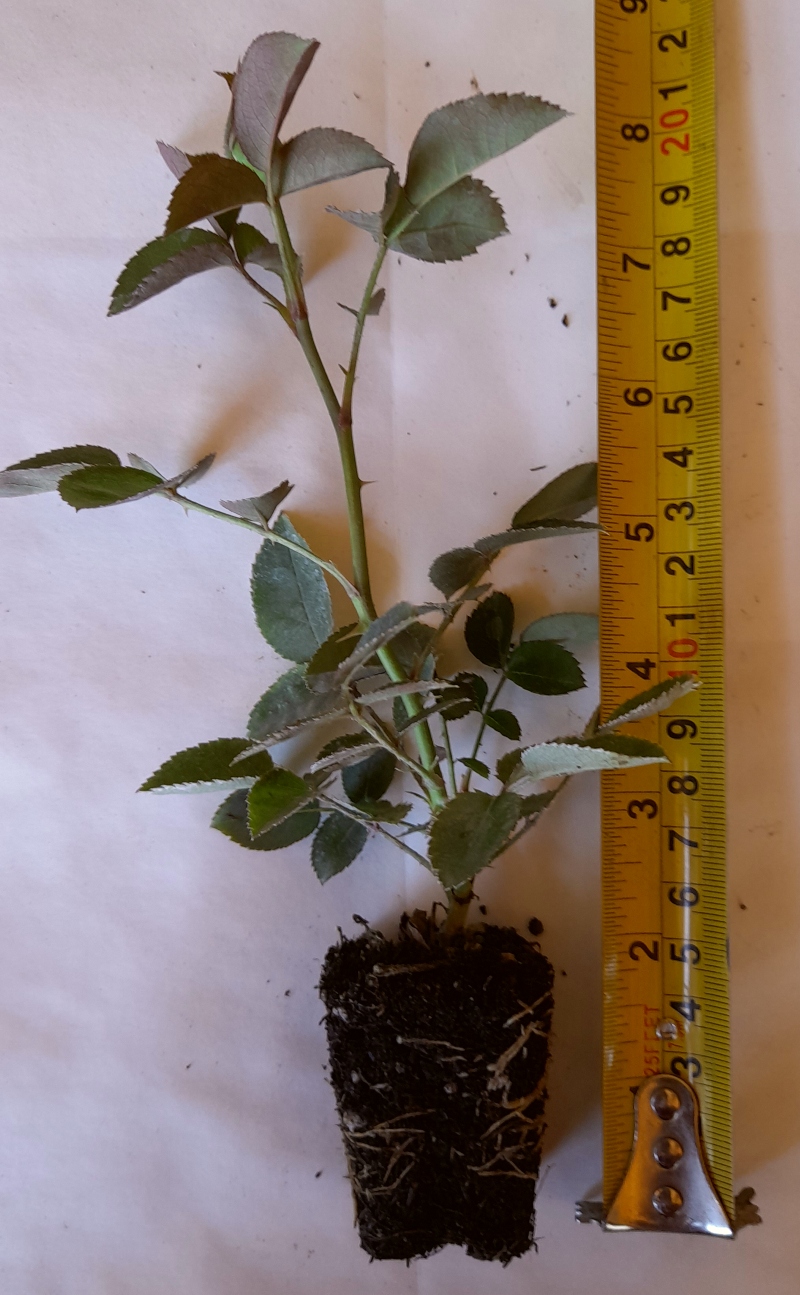
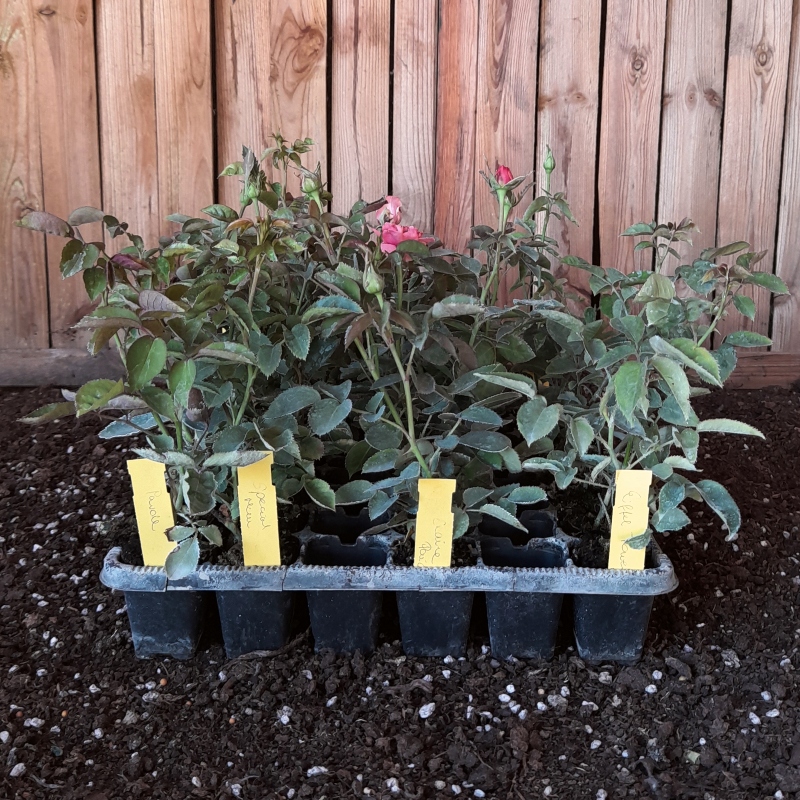
Rooted in trays (rooted), 3–6‑month‑old, own‑rooted rose cutting.
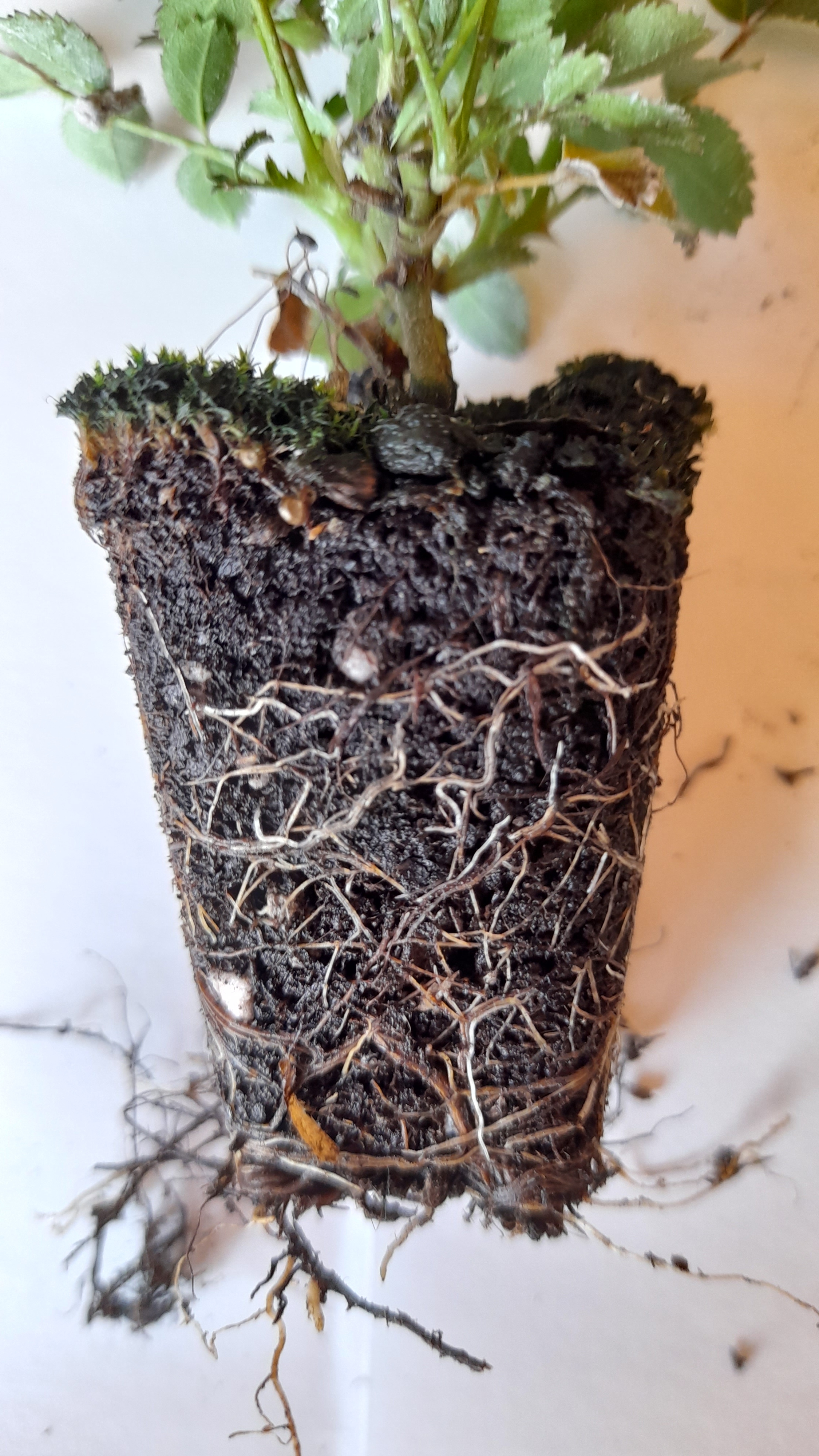
Uniform developmental stage, with a root system that has thoroughly penetrated the plug.
For professional growing‑on.
Tray packaging: 10 pcs/tray.
Quality and varietal identity: production supported by a dedicated identification and traceability logic.
Can be transplanted during frost‑free periods, designed for finished product production.

PharmaRosa® NEONATAL provides a controlled, uniform starting stock for planned growing‑on that can be integrated into your own technology – especially where scheduling and varietal identity are paramount.


PharmaRosa® NEONATAL own-rooted rose propagation material in a plug, with a root system penetrating the plug (semi-finished product / semi-finished rose). PharmaRosa® NEONATAL rose propagation material size: 3–6‑month‑old, own-rooted cutting with a uniform developmental stage. PharmaRosa® NEONATAL rose propagation material root system: plug densely penetrated by well-developed white roots (root system detail). PharmaRosa® NEONATAL tray stock: own-rooted rose propagation material in trays, uniform developmental stage (10 pcs/tray).

Captions (from left to right): Semi-finished product (NEONATAL own-rooted rose propagation material in a plug with a fully developed root system) • Size demonstration (3–6‑month‑old, uniform cutting) • Root system detail (plug penetrated by the root system) • Tray stock (10 pcs/tray, uniform developmental stage)

pharmarosaneonatal.hupharmarosaneonatal.atpharmarosaneonatal.co.ukpharmarosaneonatal.czpharmarosaneonatal.depharmarosaneonatal.ropharmarosaneonatal.sipharmarosaneonatal.skpharmarosaneonatal.itpharmarosaneonatal.frpharmarosaneonatal.nlpharmarosaneonatal.plpharmarosaneonatal.lupharmarosaneonatal.ptpharmarosaneonatal.espharmarosaneonatal.ltpharmarosaneonatal.sepharmarosaneonatal.lvpharmarosaneonatal.eepharmarosaneonatal.fi

Which product type is right for you?

Pages for private customers
Garden roses for the family garden, with minimal care  → ORIGINAL®
Premium garden roses – instant impact, a truly showpiece garden  → EXTRA®
Pages for professionals and private customers
Roses for public spaces – large areas, sustainable maintenance  → NATURAL®
Roses for projects – hedge and row planting, fast implementation  → RAPID®
For professional partners only
Production – propagation material for garden roses, wholesale  → NEONATAL®

Company details

PharmaRosa Ltd.
Company registration number: 01-09-717479
VAT number: 13075314-2-43
Plant health registration no.: HU130721
Bank account (IBAN):
HU85117631891388688400000000
BIC (SWIFT): OTPVHUHB
Bank name: OTP Bank Nyrt.