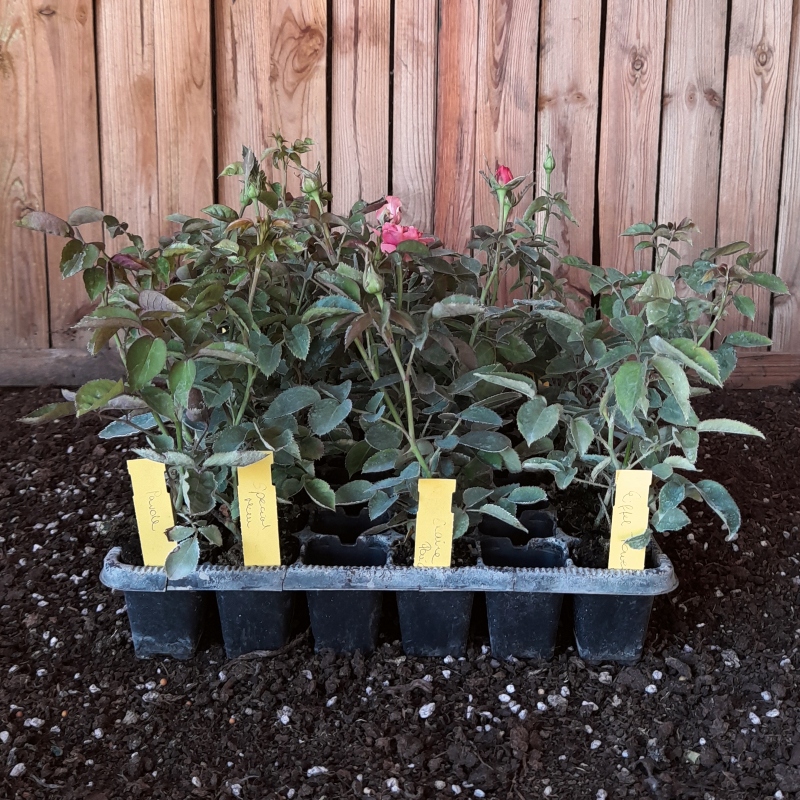
Minnehaha – historic pink rambler for vertical, space-defining projects
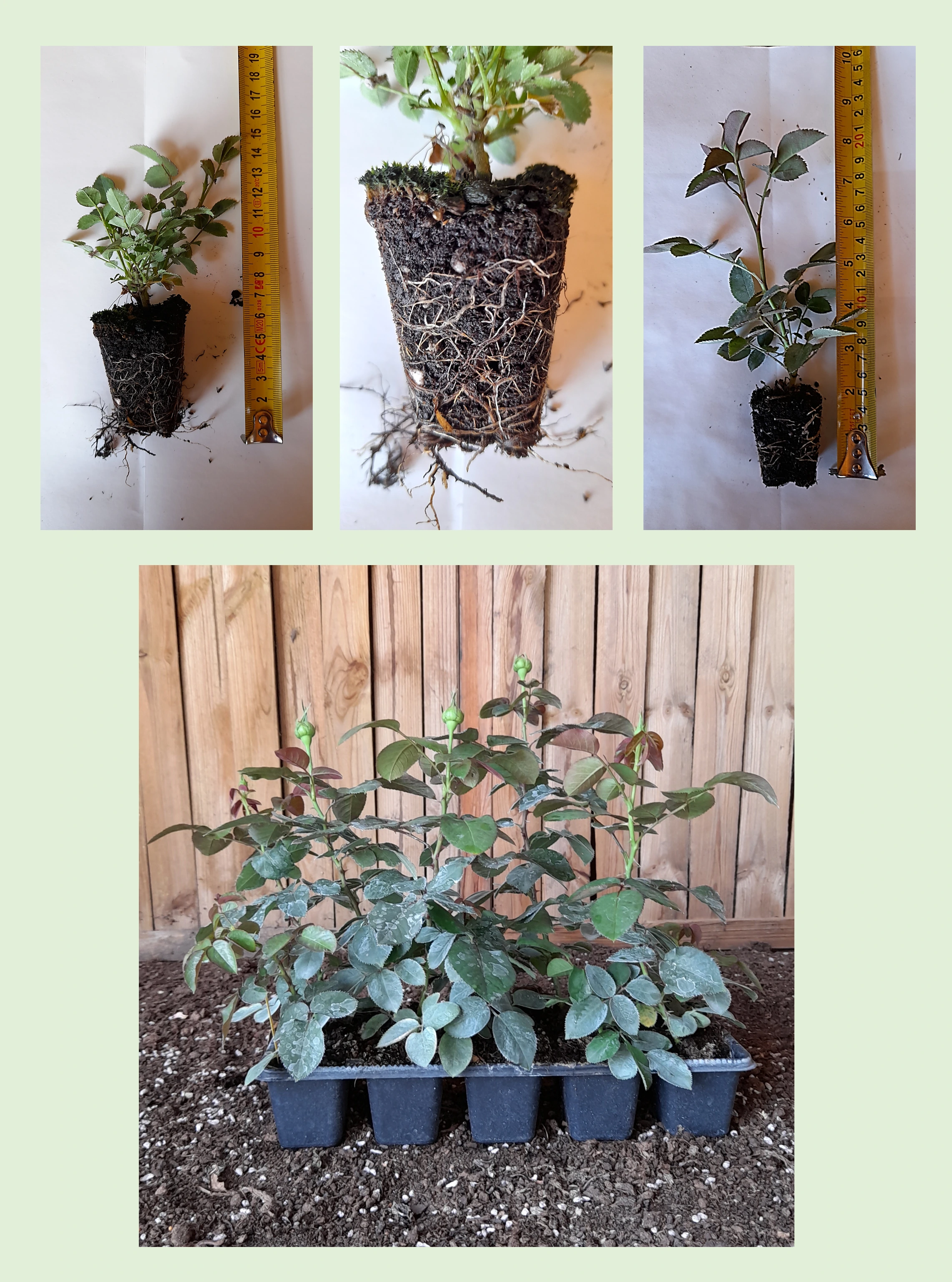
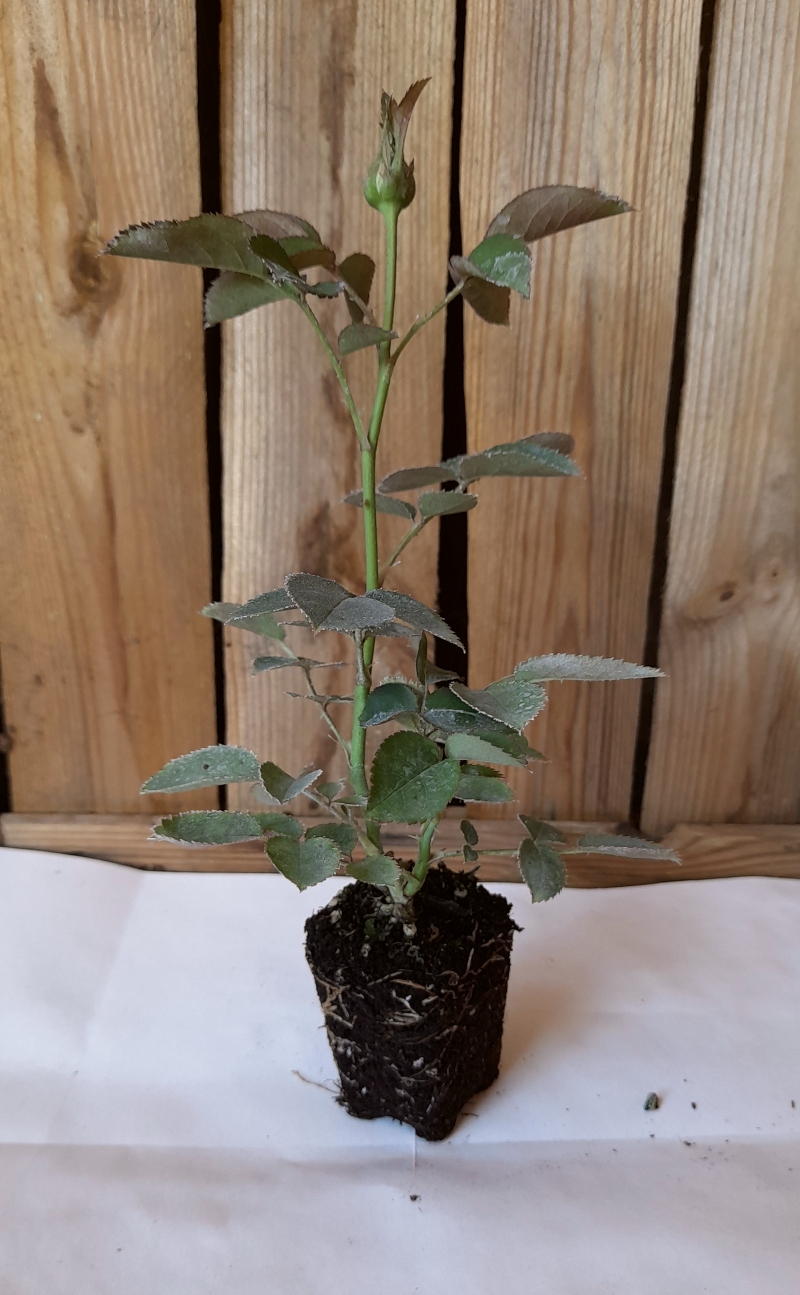
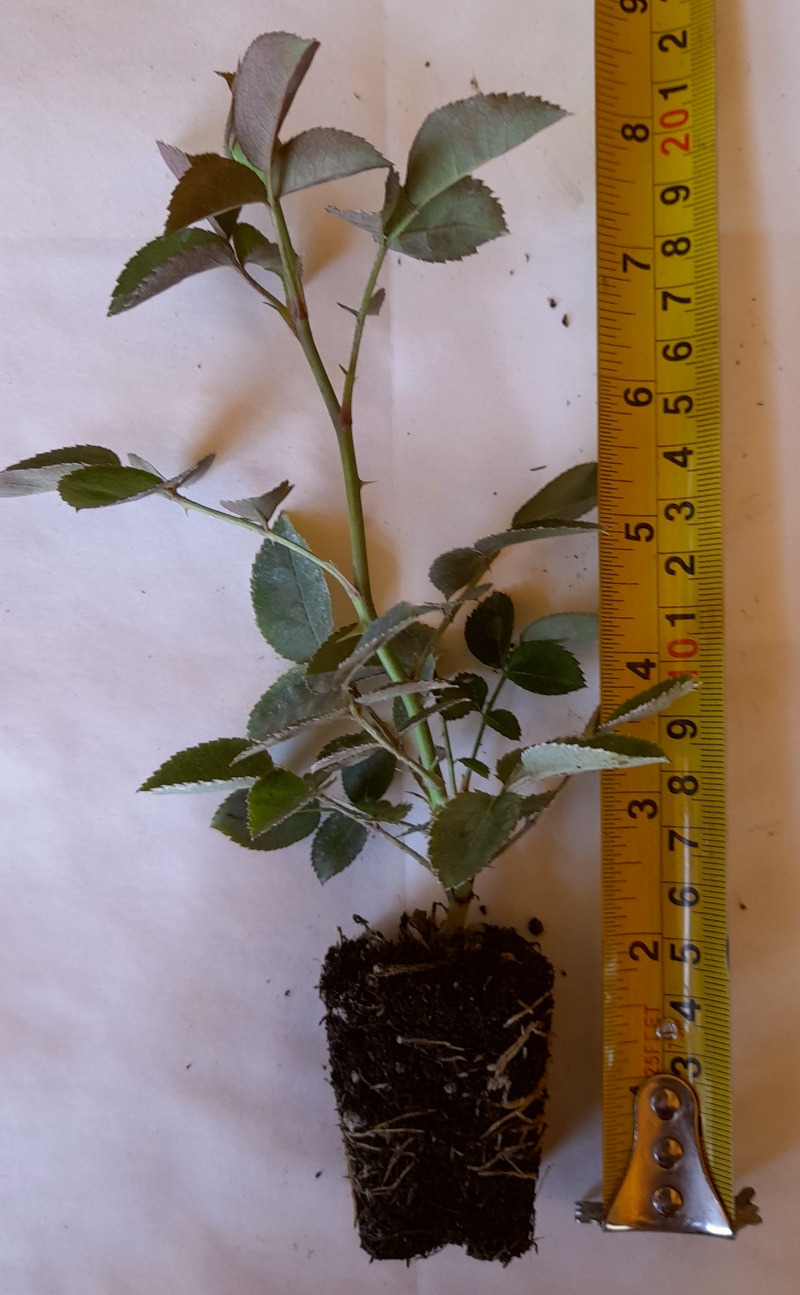
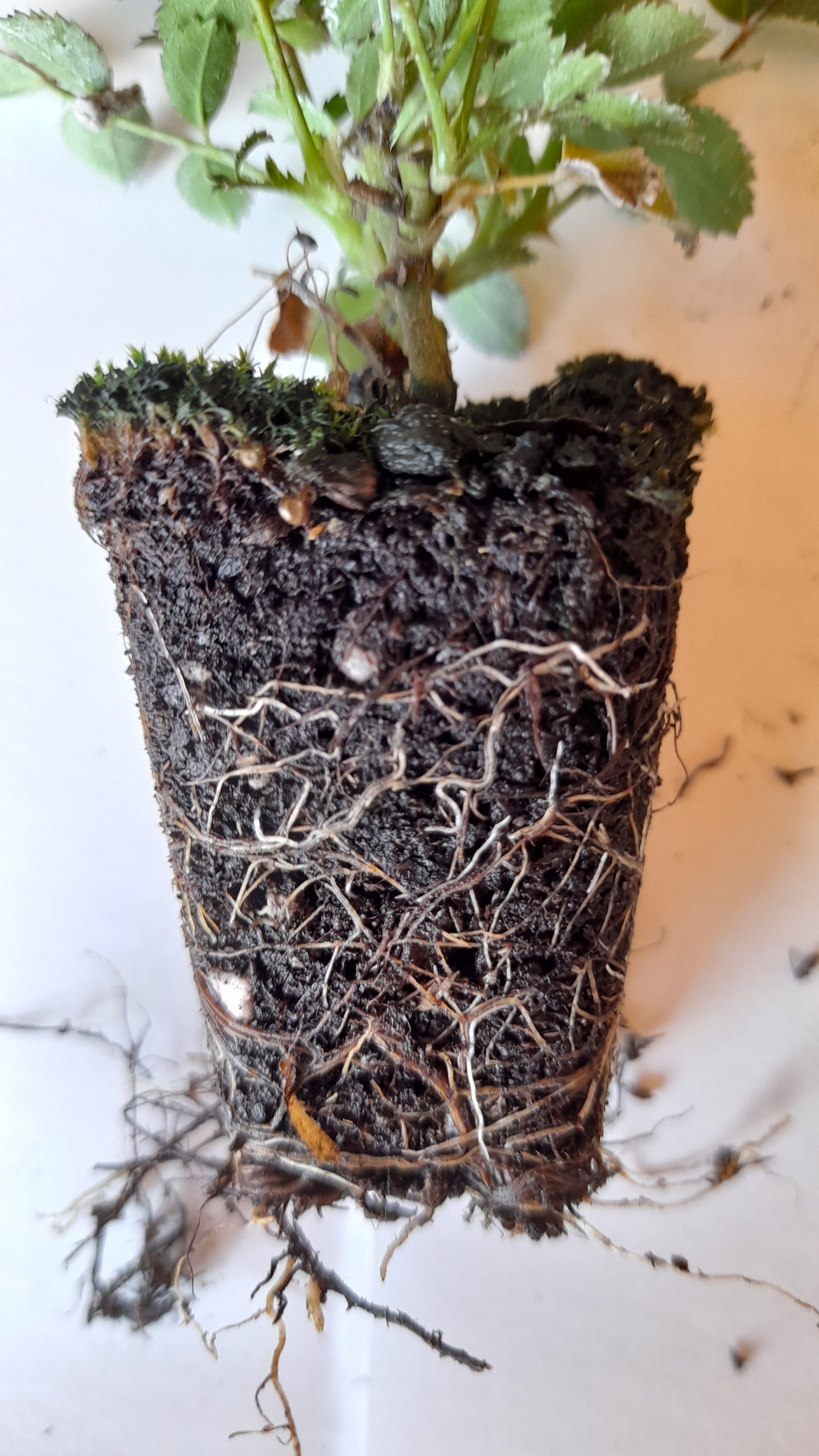
Minnehaha offers a historic rambler profile tailored to vertical, space-defining projects where an exclusive, collection-grade presence matters and reliable own-root propagation is a priority. As a tray-rooted pharmaROSA® NEONATAL cutting for trained climber production, it supports efficient scaling into 5–7 L units and larger landscape formats, with straightforward integration into nursery networks serving public-realm and institutional schemes that face colder, wind-exposed sites similar to Scotland and Northern England. Its vigorous climbing habit, dense dark-green foliage and once-flowering, large-area covering performance suit pergolas, arches, fences and park structures, while own-root longevity and renewal capacity underpin stable, low-replacement stock. Over a natural development arc of roots in year one, framework shoots in year two and full ornamental effect by year three, You can plan homogeneous, collection-worthy stands that support complete market coverage and wholesale portfolio expansion with robust production credibility.
Usage options
Finished-product ideas
- 5–7 L trained vertical climber – NEONATAL rooted cuttings pre-trained on 3–5 canes into 5–7 L pots, ready for pergolas, arches and walls as exclusive, historic ramblers – retail/reseller and project-driven channels.
- Historic rambler collection line – curated label concept grouping Minnehaha with other historic roses, produced from own-root propagation beds for identity-secure, long-lived stock – specialist nurseries and thematic rose gardens.
- Park-scale climber modules – batches of uniformly staked plants destined for public-park pergolas, fences and embankment structures, grown on from NEONATAL trays to synchronise flowering windows – municipal and institutional framework suppliers.
- Large-container feature climber – selected, vigorously trained specimens shifted from 5–7 L into 40–50 litre containers, forming mobile vertical garden features for entrances and terraces – landscape contractors and high-end resale.
- Mother-plant and backup stock units – robust, own-root plants reserved as nursery mother stock and gene-bank material, maintained in beds for ongoing cutting production and cultivar conservation – propagation hubs and integrator networks.
Technical cultivar profile
| Parameter |
Data |
| Name and registration |
Historic hybrid Wichurana rambler introduced as Minnehaha; current trade name Minnehaha Historic rose Minnehaha; unregistered cultivar widely recognised under this longstanding name. |
| Origin and breeding |
Bred by Michael Henry Walsh in the United States, 1904, from Rosa wichurana × ‘Paul Neyron’; originally distributed by Walsh’s Hardy American Roses, reflecting hardy American rambler selection. |
| Growth and structural characteristics |
Strong climbing habit reaching about 4.5–7 m high and 2–3.5 m spread, with dense, moderately thorny shoots and dark, glossy foliage that together deliver substantial vertical and lateral coverage. |
| Flower morphology |
Small, double, ball to pompon-shaped blooms with roughly 26–39 petals, carried in clusters; non-remontant, flowering once, creating a concentrated seasonal display along the trained framework. |
| Colour data and phenology |
Mid to soft pink tones (ARS MP; RHS 62C outer, 65D inner) that fade toward pale pink or near white; colour retention is modest, giving a pastel effect as the once-per-season flowering period progresses. |
| Fragrance and aroma |
Very weak scent with a subtle rosy character only faintly perceptible; primarily specified and sold for visual, historic and structural presence rather than for strong fragrance-driven applications. |
| Hip characteristics |
Rose hips form sparsely due to heavy doubleness; where present they are small, spherical, around 5–8 mm, in red shades near RHS 44A, contributing minor visual interest after flowering. |
| Resistance and winter hardiness |
Good general disease resistance, with resistance to powdery mildew and black spot and moderate rust susceptibility; hardy to about −21 to −18 °C (RHS H7, Swedish zone 3, USDA 6b) for robust outdoor use. |
| Horticultural recommendations |
Suited to pergolas, arches, fences, walls, tree training and park applications; low routine maintenance, though periodic inspection for rust is advised; recommended route is trained climber in 5–7 L containers. |
Minnehaha combines vigorous historic rambler growth, dense foliage coverage and reliable cold hardiness with own-root longevity and predictable regeneration, making it a solid candidate for aligned capacity planning and scheduling discussions.