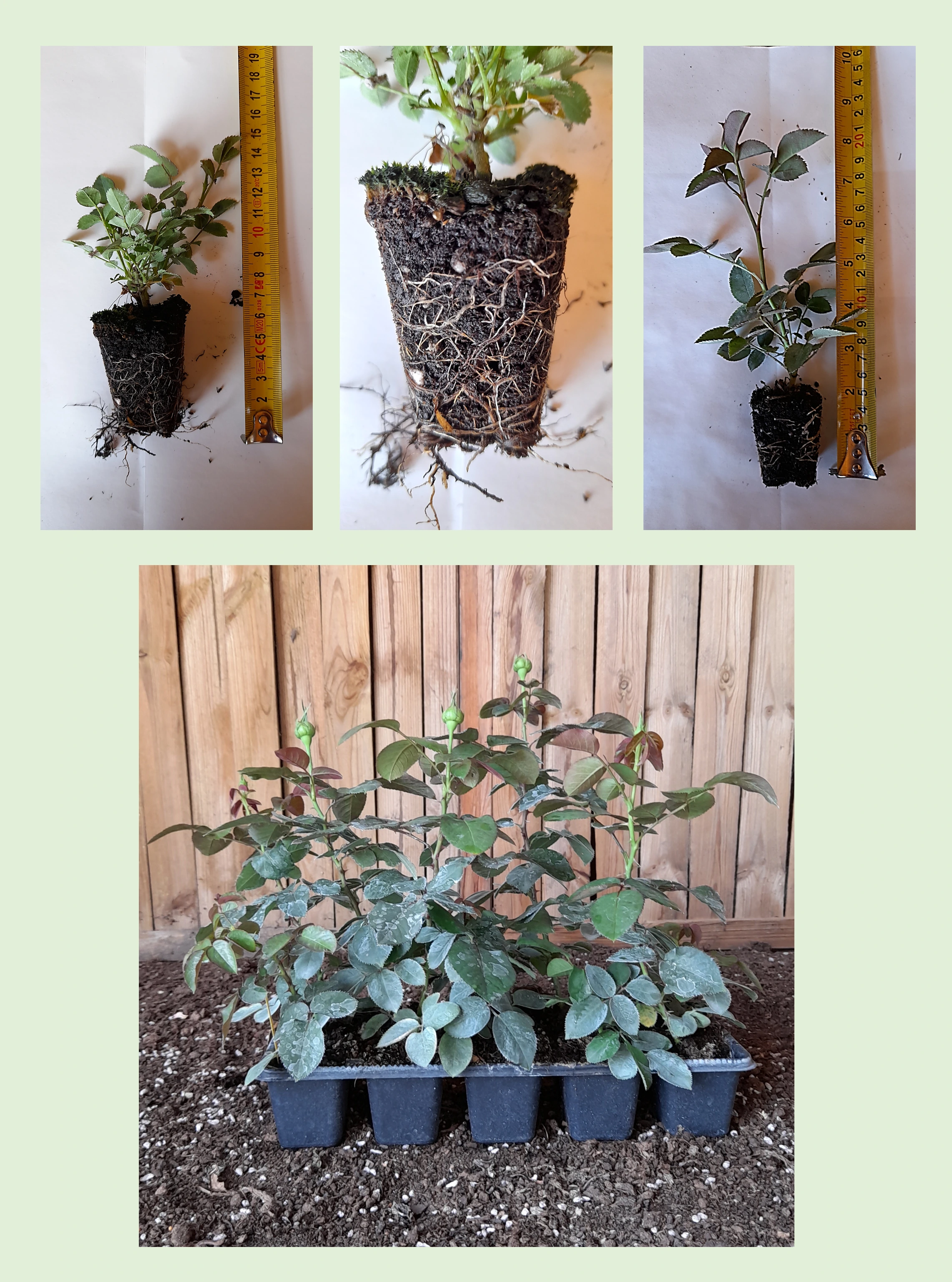
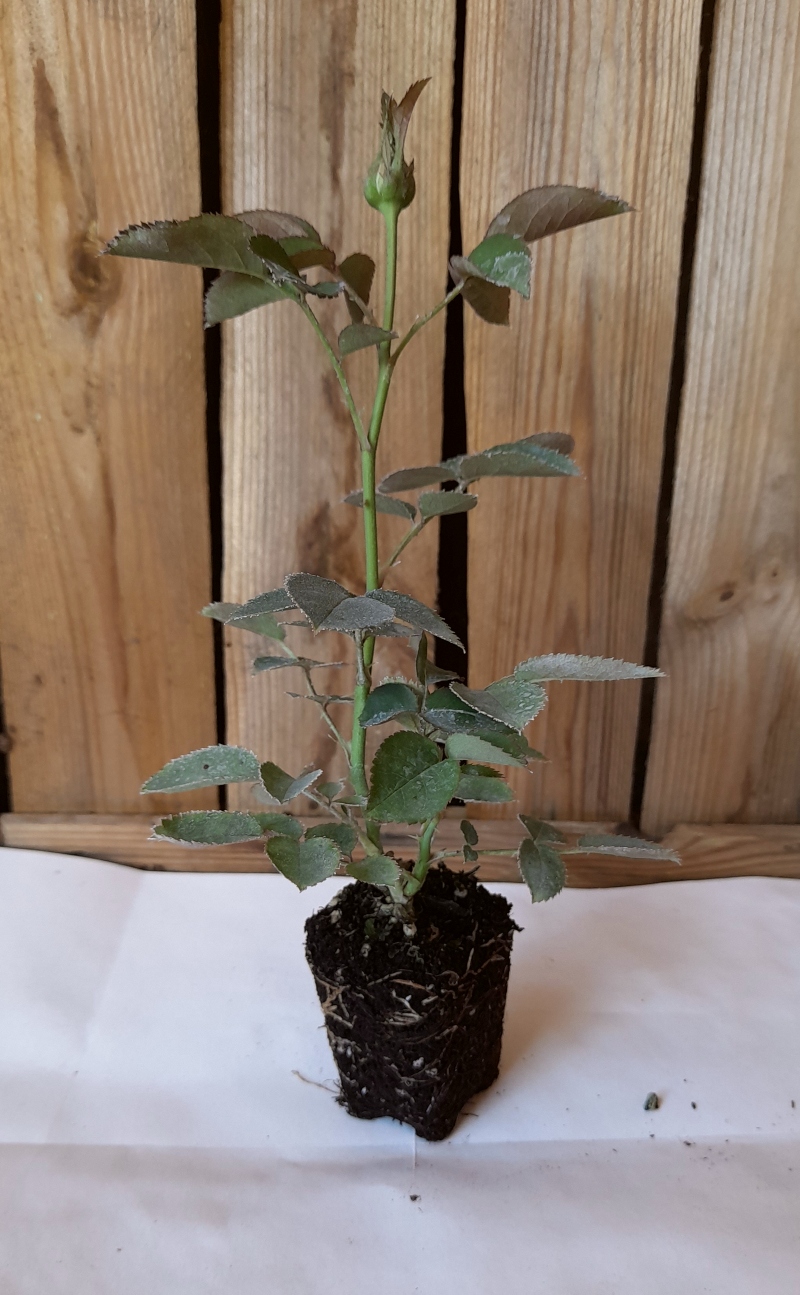
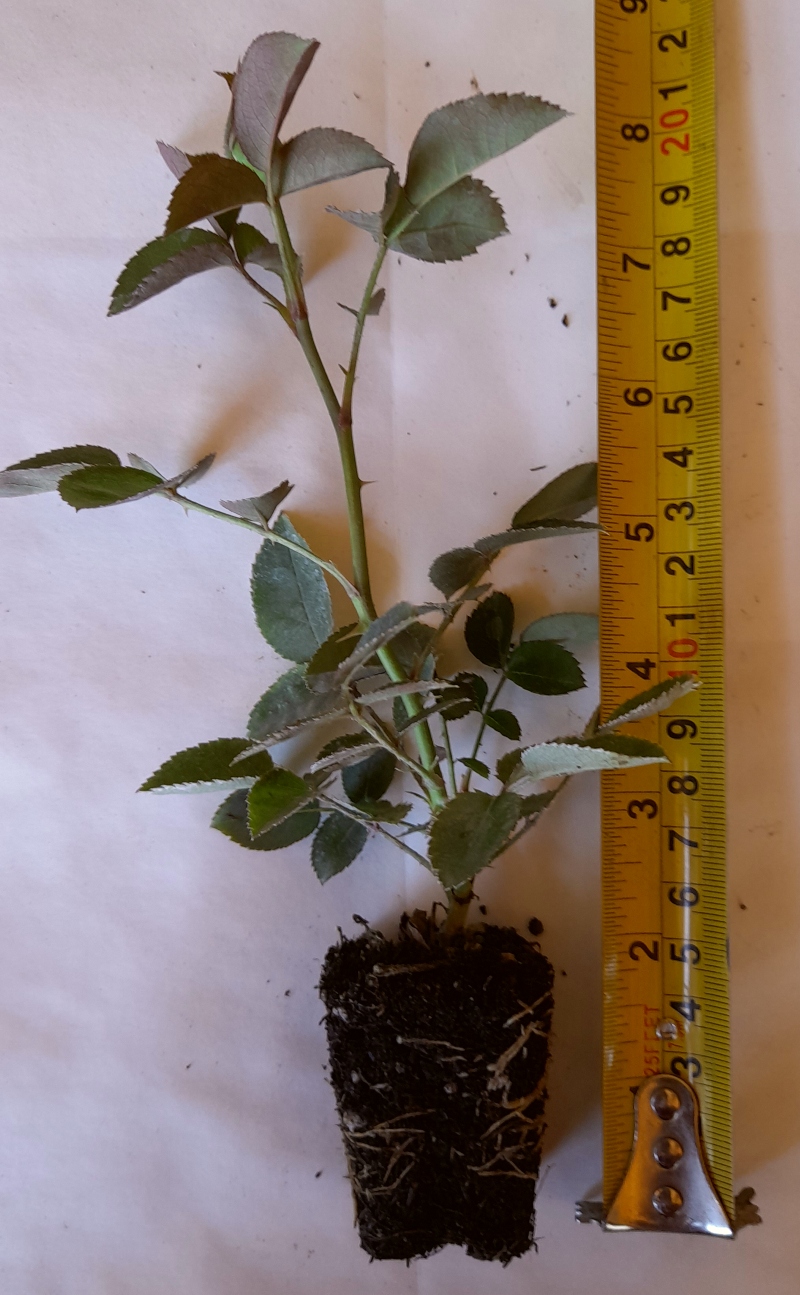
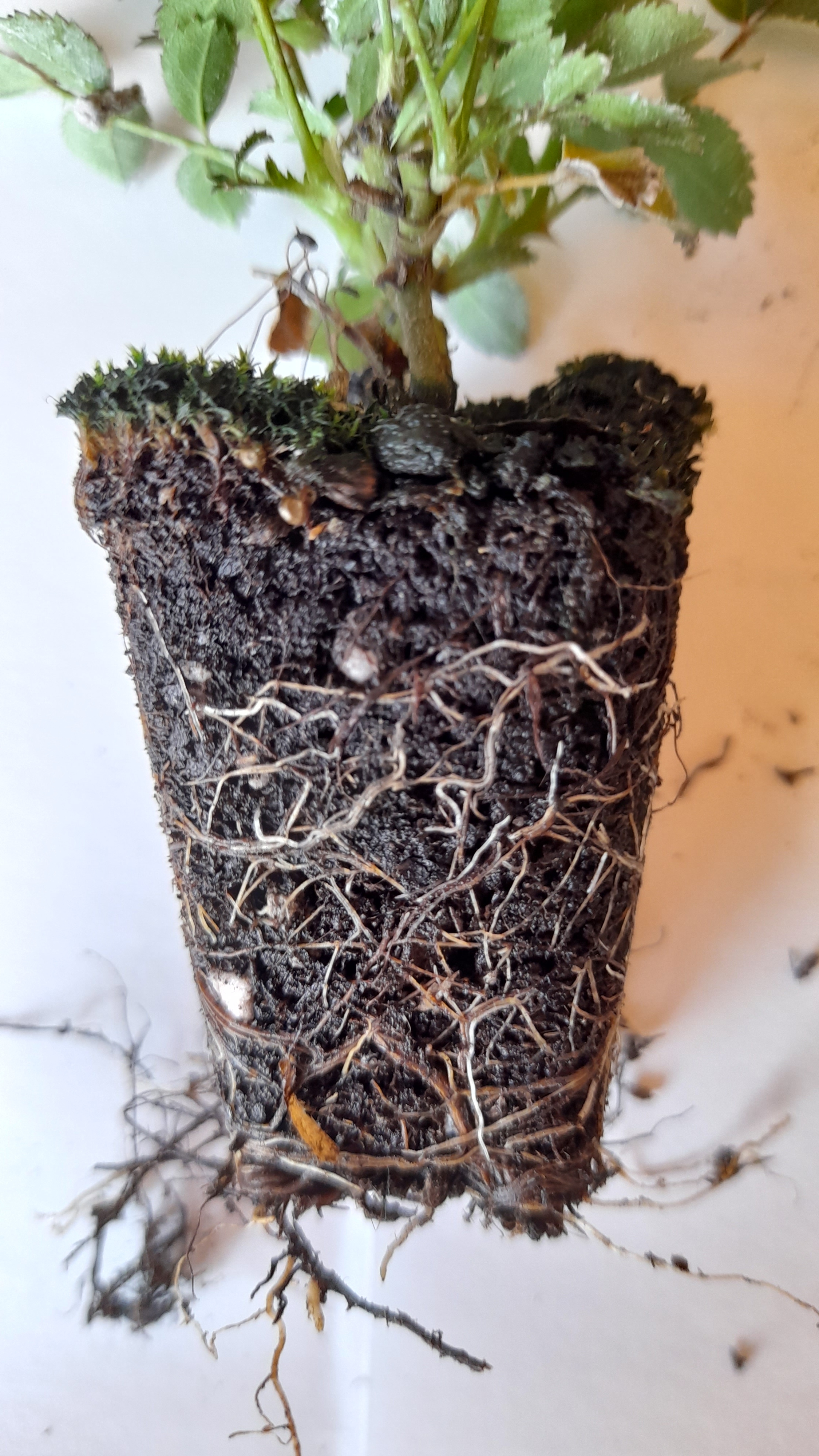
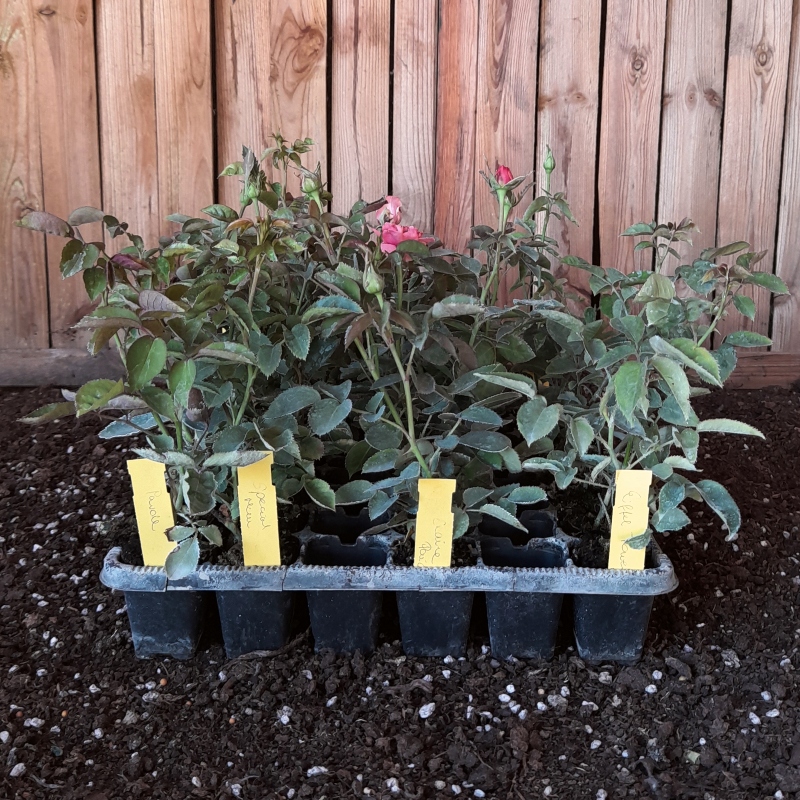
Mount Shasta – pharmaROSA® NEONATAL rooted cutting
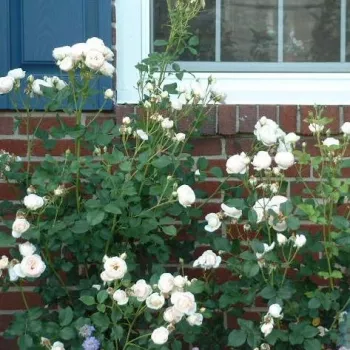
Professional own-root Mount Shasta material offers a compact, upright habit ideally suited to standard-container production in 2–3 L pots for retail and reseller ranges. With medium-strength fragrance, semi-double XL blooms and reliable white colour stability, it supports dependable, low-intervention flowerbed and specimen lines. Good, broad-spectrum disease resistance and low maintenance needs translate into homogeneous blocks, low replacement and predictable capacity in nursery networks, even under conditions of wind-exposed, colder northern sites and generally robust winter hardiness. The remontant, plentiful second flowering cycle underpins standard finished-product scheduling, while own-root longevity lets You plan for a development arc where Year 1 consolidates roots, Year 2 builds structural shoots and Year 3 delivers full ornamental impact in thematic rose gardens and collection-style plantings.
Usage options
Finished-product ideas
- 2–3 L white grandiflora bedding line – Upright, compact bushes with XL white blooms and low disease intervention, grown in standard 2–3 L containers as a reliable garden-performance bed rose line – retail and reseller container programmes.
- Fragrant feature specimen pot – Medium-strength, harmonious fragrance and bright white flowers presented as bush-trained specimens in 3 L pots, positioned as focal plants for beds and borders – independent garden centres and specialist retailers.
- Cut and exhibition support stock – Own-root nursery blocks supplying renewable 2–3 L plants for growers targeting cut flower and exhibition grandiflora classes, leveraging XL blooms and upright habit – cut-flower and show-grower networks.
- Collection-bed cultivar unit – Uniform own-root material used to build labelled cultivar rows in thematic and collection gardens, using the stable white colour and structured habit for clear display – public gardens, estates and educational collections.
- Public-realm white bedding module – Standard-container-grown bushes specified for municipal and institutional beds, combining good disease resistance, remontant flowering and reliable winter hardiness – local authorities and landscape contractors.
Technical cultivar profile
| Parameter |
Data |
| Name and registration |
Mount Shasta, a grandiflora / hybrid tea type marketed as a flowerbed grandiflora rose; ARS exhibition name Mount Shasta, no separate registered cultivar name provided. |
| Origin and breeding |
Bred in the United States in 1963 by Herbert C. Swim and Orville L. Weeks (Weeks Roses), from cross ‘Queen Elizabeth’ × ‘Blanche Mallerin’; introduced the same year by Conard-Pyle. |
| Awards and recognition |
not provided |
| Growth and structural characteristics |
Upright, bush-trained habit, about 90–130 cm high and 80–120 cm spread, with moderately dense, slightly glossy grey-green foliage; moderately thorny shoots suited to structured bed and specimen use. |
| Flower morphology |
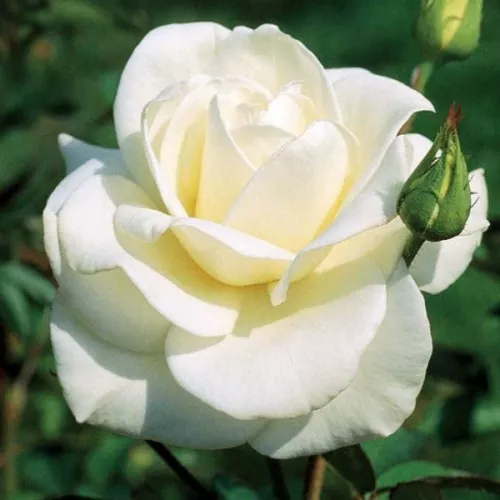
Semi-double, cupped XL blooms (around 3.5 in and above), with approximately 13–25 petals, borne in clusters; remontant character with a plentiful second flowering flush under suitable management. |
| Colour data and phenology |
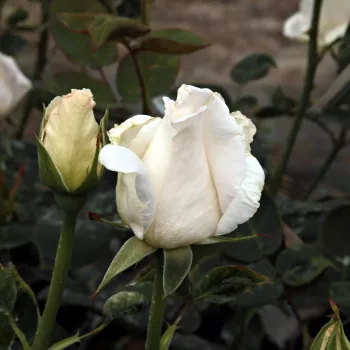
Buds pale pearly pink with greenish-white edges; newly opened flowers ivory with slight powder-pink centre; open blooms bright pure white, later matt white with faint cream veil; colour holds well, though petals may scorch in strong sun. |
| Fragrance and aroma |
Medium-strength, well-scented rose fragrance with a softly harmonious character; semi-double flowers offer moderate pollinator interest, with partially obscured stamens reducing access to nectar and pollen. |
| Hip characteristics |
Produces rose hips in moderate quantities; ovoid, egg-shaped, about 10–14 mm diameter, in an orange-red colour that can add a modest seasonal fruiting aspect where spent flowers are left. |
| Resistance and winter hardiness |
Rated resistant to powdery mildew, black spot and rust; hardy to approximately -21–-18 °C (H7, USDA 6b, Swedish Zone 3); tolerates heat and moderate drought but benefits from watering in very hot conditions. |
| Horticultural recommendations |
Recommended for flower beds, cut flower and specimen use; supplied as bush-trained, compact plants best routed through standard container production in 2–3 L pots; maintenance requirement low with generally little intervention needed. |
Mount Shasta combines upright, compact structure, XL fragrant white blooms and reliable disease resistance on a predictable own-root base, supporting long-lived, homogeneous plantings; please contact us to align on volumes and scheduling for your programmes.