Park shrub rose

20-279-1
20-279-2

Mozart's Lady

Park - shrub rose

- – John Scarman

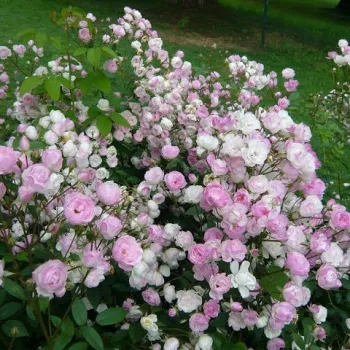
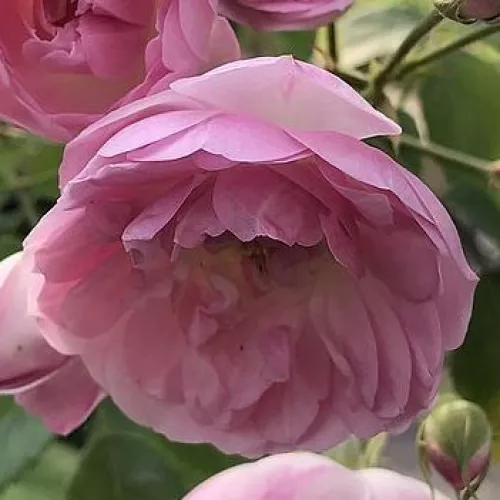
Delicate, pure pale pink shade that gradually lightens towards the outer edge of the petals. - park rose - very weak, barely noticeable scented rose - delicately sweet character

– Compact, upright shrub for versatile planting
– Very double, pompon blooms in elegant clusters
– Refined pale pink flowers, softly fading to white
– Good tolerance of heat and short dry spells
– Moderate disease resistance with strong black spot resistance
– Special feature: Hybrid Moschata cross honouring Mozart’s legacy, combining classic charm with reliable garden performance.
Standard finished product
Mozart's Lady
pharmaROSA® NEONATAL rooted rose cutting
28,23 £
Due to courier service regulations – and the introduction of customs clearance – delivery to Ireland is temporarily suspended.
3 (3347)
facebook   twitter

MOZART'S LADY – pink park rose – Scarman

Own-root propagation of Mozart’s Lady offers professional growers a compact, upright structure with reliable remontant flowering, ideal for standard container production in 2–3 L formats and onward build-up for thematic rose collections. The Hybrid Moschata background and H7 hardiness support field, bed, or container systems that must cope with cool, exposed UK conditions, naturally aligning with coastal and northern projects where winter and wind resilience are important. Medium maintenance needs and moderate disease tolerance allow planned, not reactive, crop care, while heat and drought resilience fit southern and urban schemes with structured irrigation. As own-root pharmaROSA® NEONATAL material, it provides a predictable, renewable base for nursery networks and integrator supply chains, moving from root establishment in year one through structural build in year two and full ornamental value from year three, supporting consistent capacity and lower replacement rates in wholesale stock programmes.


Usage options

Target area Reasoning
Border and landscape shrub lines The compact, upright habit with 110–160 cm height and 80–130 cm spread gives an efficient, repeatable unit for border and park shrub lines. In standard container production with 2–3 L targets, plants bulk quickly and are easy to grade for uniformity. Using medium-maintenance cultivars like this as own-root material supports reliable garden performance promises in retail / reseller channels, helping nursery growers deliver consistent border-ready stock for thematic rose gardens and collection schemes, especially in exposed northern and coastal projects where winter and wind resilience are expected for institutional buyers and professional growers.
Container and patio ranges The bush-trained, compact structure and small, cluster-flowered blooms translate well into premium shrub roses in standard container lines. A 2–3 L route allows quick bench-turn, with scope to step selected batches into 40–50 L feature containers for show gardens or specimen placements. Own-root stability supports repeated cropping of uniform, durable material for container programmes serving retailers focused on reliable garden performance, giving nurseries flexibility to schedule flowering windows while maintaining quality for wholesale networks.
Fence and obelisk training The upright growth and moderate height make Mozart’s Lady suitable for light vertical training on fences and obelisks, adding layered interest without the management burden of more vigorous climbers. In production terms, the bush-trained release form integrates well into standard container systems and later staking, supporting structured ranges for themed rose collections. Own-root regeneration underpins longer-term landscape contracts and repeat orders, aligning with retail / reseller partners promoting dependable vertical accents and landscape contractors.
Cut-flower niche lines The very double, ball to pompon clusters in delicate pale pink give a distinct, small-headed cut flower for niche bouquets and event work. While flower size is small, the remontant habit and abundant second flush support multiple cutting cycles from own-root plants once established. Routing NEONATAL material through standard 2–3 L containers ensures efficient establishment before field or tunnel planting. This helps nurseries supporting floristry-focused retail / reseller customers with reliable garden performance and repeatable niche cut-flower options for specialist wholesalers.
Thematic and collectors’ rose gardens With parentage linking ‘The Lady Scarman’ and ‘Mozart’, this Hybrid Moschata is well suited to historical, breeder, or type-based collections. Own-root propagation supports accurate identity maintenance and long-term stand stability, critical for show and thematic gardens. Standard container production in 2–3 L pots gives flexible planting logistics for project-based schemes. Over successive years, plants progress from root establishment to full ornamental expression, matching the expectations of retail / reseller partners curating reliable garden performance across collection-style plantings for public-realm suppliers.
Public-realm shrub and park plantings Moderate disease profile with good black-spot resistance, together with H7 hardiness and good heat tolerance, fits municipal and institutional shrub schemes that must balance input levels with robustness. Own-root stands offer regeneration and lower long-term replacement, useful where budgets require predictable performance. Standard container production gives scalable volumes for framework planting, particularly in rose-focused public parks or memorial gardens supplied through retail / reseller-aligned contract growers and integrator systems.
Specimen plants in large containers In 40–50 L final containers, Mozart’s Lady can be positioned as a refined specimen for entrances, terraces, and focal points in curated rose gardens. The very double, pale pink blooms create a gentle visual impact, while own-root vigour provides the longevity needed for semi-permanent displays. Starting from 2–3 L NEONATAL-based stock simplifies step-up scheduling and reduces production risk. This serves retail / reseller partners and project specifiers seeking reliable garden performance from statement roses in managed high-value spaces for design-led nurseries.
Container-based stock for integrator networks Tray-rooted own-root cuttings provide homogeneous input material for integrator networks needing predictable volumes and quality. Medium maintenance demands and moderate resistance allow planned plant protection within standard regimes. The climate flexibility, including resilience in cooler, wind-exposed districts, enables single-cultivar programmes across wide geographic supply areas. Standard container production in 2–3 L units supports efficient logistics for retail / reseller channels that depend on reliable garden performance in a coordinated, multi-site supply model for national programmes.

Finished-product ideas

  • 2–3 L border shrub line – compact, upright plants with repeat flowering produced in standard 2–3 L containers as a border-ready shrub series – target audience/channel: retail / reseller garden centres.
  • 40–50 L specimen feature – own-root, structurally strong plants stepped up into 40–50 L tubs for use as specimen accents in thematic rose gardens and curated landscapes – target audience/channel: landscape contractors and public-realm suppliers.
  • Vertical accent rose – bush-trained units selected for even height and branching, supplied with light support for fence and obelisk use within rose collections – target audience/channel: nurseries serving design-led retail / reseller clients.
  • Niche cut-flower shrub block – NEONATAL-based stock established in 2–3 L and then planted out for small-flower, double pink stems as a niche cut source – target audience/channel: specialist cut-flower growers and floristry wholesalers.
  • Collection-grade identity stock – own-root plants used as stable mother and display stock for Mozart/Scarman-themed ranges and Hybrid Moschata groupings – target audience/channel: nurseries curating thematic and show gardens.

Technical cultivar profile
Parameter Data
Name and registration Mozart’s Lady is marketed as a park-shrub rose within the Park - shrub rose commercial group; American Rose Society exhibition name Mozart’s Lady; no registered cultivar name is provided.
Origin and breeding Bred by John Scarman in Germany, 2003, from a cross of ‘The Lady Scarman’ × ‘Mozart’ (Lambert, 1936); introduction year and initial distributor are not provided in the available data.
Awards and recognition not provided
Growth and structural characteristics Upright shrub to approximately 110–160 cm high and 80–130 cm wide, with moderately dense, light green, slightly glossy foliage and only slight prickliness; self-cleaning performance is not documented.
Flower morphology Small, very double, ball to pompon-shaped blooms (around 0.5–1.5 in) produced in clusters; consistently forms highly filled flowers with over 40 petals and a strong remontant second flush.
Colour data and phenology Delicate pale pink flowers (ARS MPk; RHS 65C outer, 65D inner) that open translucent pink then fade towards almost white edges; colour retention is moderate, with quicker lightening in strong sun.
Fragrance and aroma Fragrance is very weak, with only a delicately sweet character; the highly double, camellia-like form limits pollinator access, so the cultivar is primarily ornamental rather than pollinator-focused.
Hip characteristics Rosehip formation is minimal because of the very double blooms, though occasional small, spherical, orange-red hips 6–10 mm across may develop; hips are not a primary ornamental feature.
Resistance and winter hardiness Rated to approximately −21 to −18 °C (H7, USDA 6b, Swedish zone 3) with good heat tolerance; disease profile shows black spot resistance with moderate susceptibility to powdery mildew and rust, needing occasional protection.
Horticultural recommendations Recommended as a border, container, fence, obelisk, specimen and cut-flower shrub; medium maintenance, occasional plant protection, routed via standard container production with compact bush-trained form for 2–3 L pots.

MOZART'S LADY offers compact upright structure, repeat flowering and climate-tolerant robustness on a predictable own-root base, supporting homogeneous long-term stands; we would welcome discussing schedules, capacities and how it might fit your range.

Detailed product attributes

Product Identification Data

Product Name: MOZART'S LADY – pink park rose - Scarman
Product Type: pharmaROSA® NEONATAL - rooted rose cutting
Cultivar Authenticity: Verified:28.03.2025
Cultivar Quality Rating: premium bronze
Item Number: [1160] 20-279 (14.02.2026) pharmarosaneonatal.co.uk

Name and Registration

Meaning of Cultivar Name: The name "Mozart hölgye" pays tribute to Wolfgang A. Mozart and a woman associated with him.
Original Trade Name: Mozart’s Lady
Current Trade Name: Mozart's Lady Park - shrub rose Scarman
Rose Group: Hybrid Moschata
Commercial Type: park rose
Commercial Group: Park - shrub rose
Exhibition Category: cut flower; shrub rose
Collection: Park - shrub rose

Origin and Breeding

Introduction Year: Data not available
Breeder: John Scarman
Breeding Company / Institution: unknown / no data
Breeding Year: Germany, 2003
Parentage: ‘The Lady Scarman’ × ‘Mozart’ (Lambert, 1936)

Growth and Structural Characteristics

Height: 3.6-5.2ft (110-160 cm)
Spread: 2.6-4.3ft (80-130 cm)
Growth Habit: upright
Foliage: The variety's foliage is moderately dense, with leaves that have a slightly glossy surface and a light green hue.
Prickliness: slightly thorny
Self-Cleaning Description: No data available on self-cleaning.
Self-Cleaning Intensity: No data on self‑cleaning strength.

Flower Morphology

Flower Fullness: very double-flowered
Flower Shape: ball, pompon
Flower Size: S (0,5-1,5 in)
Inflorescence Type: cluster-flowered
Colour Code: ARS code: MPk RHS code: 65C (outer), 65D (inner)
Repeat Flowering: Remontant with an abundant second flowering.

Colour Data and Phenology

Colour: pink
Flower Colour Description: Delicate, pure pale pink shade that gradually lightens towards the outer edge of the petals.
Closed Bud: Soft pastel pink with a slight silvery tinge.

Newly Opened Flower: Uniform, translucent pink, with a subtle deeper tone on the central petals.
Full Bloom: Light pink, fading to almost porcelain-white towards the petal edges.
Before Fading: An almost white hue with a barely perceptible pink blush at the petal tips.
Colour Fading Description: Gradually fades from pink to white; lightens quickly in strong sunlight.

Fragrance and Aroma

Fragrance Strength: very weak, barely noticeable scented rose
Fragrance Character: delicately sweet character
Pollinator Attraction: Its very double, camellia‑like blooms are of low attractiveness to pollinators because the full (double) flower form conceals the reproductive organs and makes the stamens largely inaccessible.
Pollinator-Friendly Rating: Highly double, camellia-like flowers mean its pollinator-friendliness is limited; primarily ornamental.

Hip Characteristics

Hip Shape: spherical
Hip Colour: orange-red
Hip Comment: Rosehip formation is expected to be minimal due to the double flowers; occasionally spherical, orange‑red rosehips 6–10 mm in diameter may appear.

Resistance and Hardiness

Hardiness (°C): -21–-18 °C
Heat and Drought Tolerance Description: Tolerates heat well; requires irrigation during prolonged drought.
Disease Resistance: moderate
  • powdery mildew – moderate
  • black spot – resistant
  • rust – moderate

Horticultural Recommendations

Recommended product path: Standard container
Release form: Bush-trained, compact plant
Recommended use: Maintenance requirement medium; requires occasional plant protection.
Primary Uses: border,container,fence,obelisk,cut flower,specimen plant

Comments

Positioning: Standard finished product
Target customer/channel: Retail / reseller
Main value proposition: Reliable garden performance
MOZART'S LADY – pink park rose - Scarman
Delicate, pure pale pink shade that gradually lightens towards the outer edge of the petals. - park rose - very weak, barely noticeable scented rose - delicately sweet character
Rose Shopping Online - pink - very weak, barely noticeable scented rose - Mozart's Lady - park rose - (3.6-5.2ft (110-160 cm))
Inflorescence: cluster-flowered Height: 3.6-5.2ft (110-160 cm) Flower shape: ball, pompon Winter hardiness: 6b pink - - park rose - Flower size: S (0,5-1,5 in) Flower size: S (0,5-1,5 in) - Height: 3.6-5.2ft (110-160 cm) Height: 3.6-5.2ft (110-160 cm) - Flower fullness: very double-flowered Mozart's Lady - Roses in the garden | pharmaROSA® Neonatal - premium bronze John Scarman

We showcase the external appearance of the roses available for online purchase from our webshop.


Which product type is right for you?


PharmaRosa® NEONATAL is the cost‑effective starting point for rose product production.

As a uniform, own‑rooted propagation material, it provides a stable basis for further growing-on and can be integrated flexibly into different finished product production technologies.
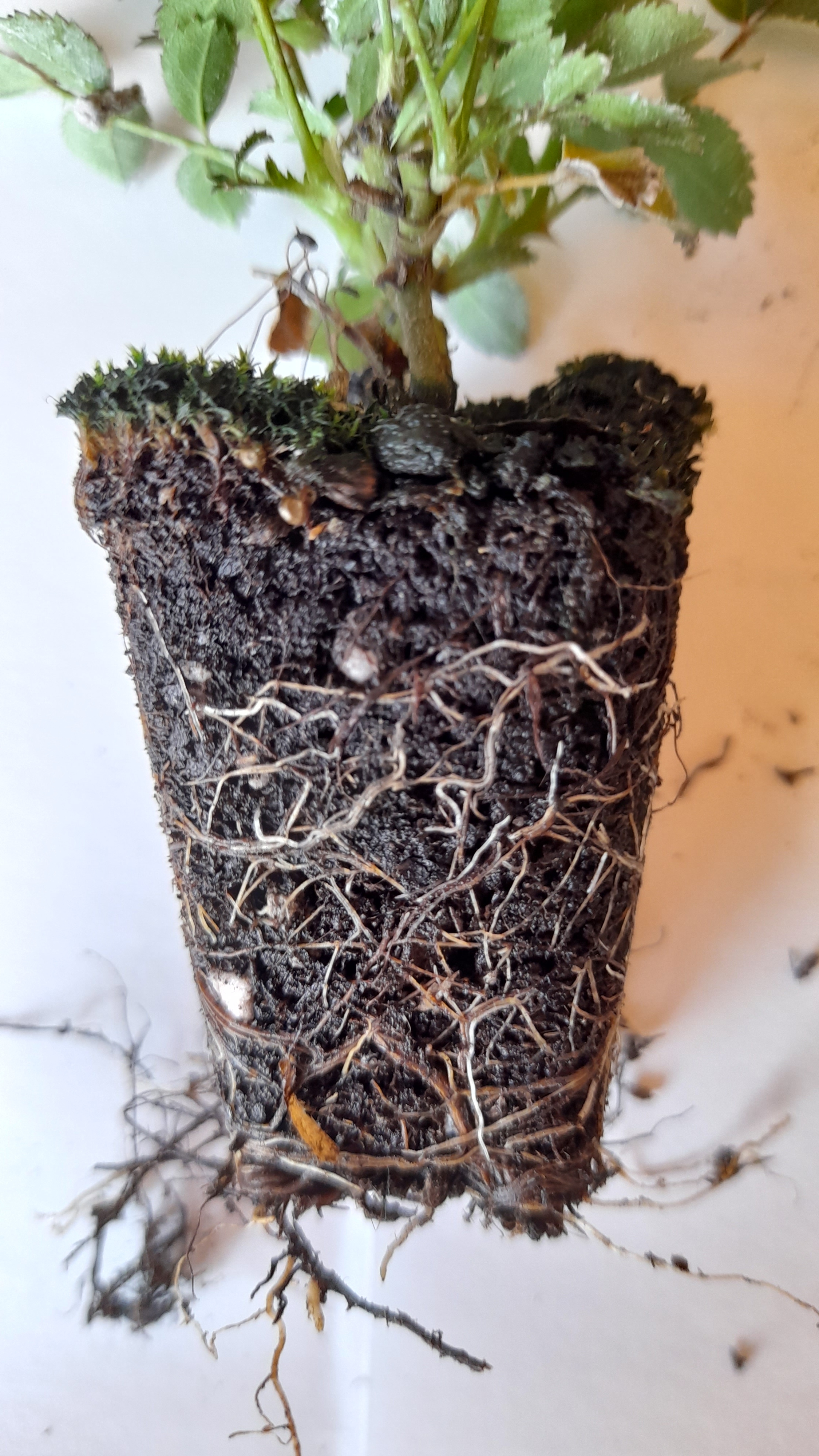
Rooted in trays (rooted), 3–6‑month‑old, own‑rooted rose cutting.
Uniform developmental stage, with a root system that has thoroughly penetrated the plug.
For professional growing‑on.
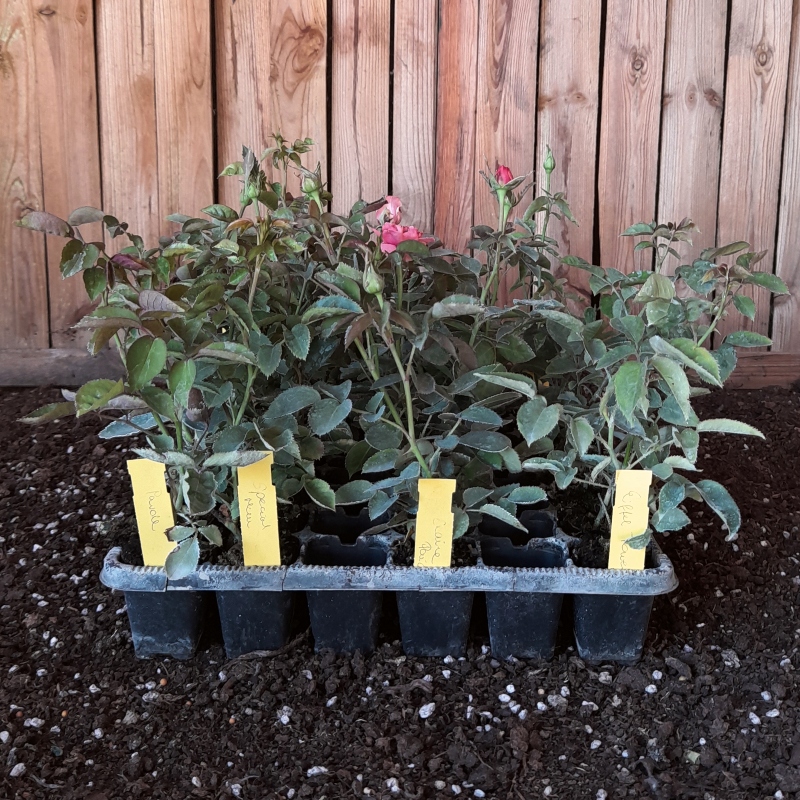
Tray packaging: 10 pcs/tray.
Quality and varietal identity: production supported by a dedicated identification and traceability logic.
Can be transplanted during frost‑free periods, designed for finished product production.

PharmaRosa® NEONATAL provides a controlled, uniform starting stock for planned growing‑on that can be integrated into your own technology – especially where scheduling and varietal identity are paramount.


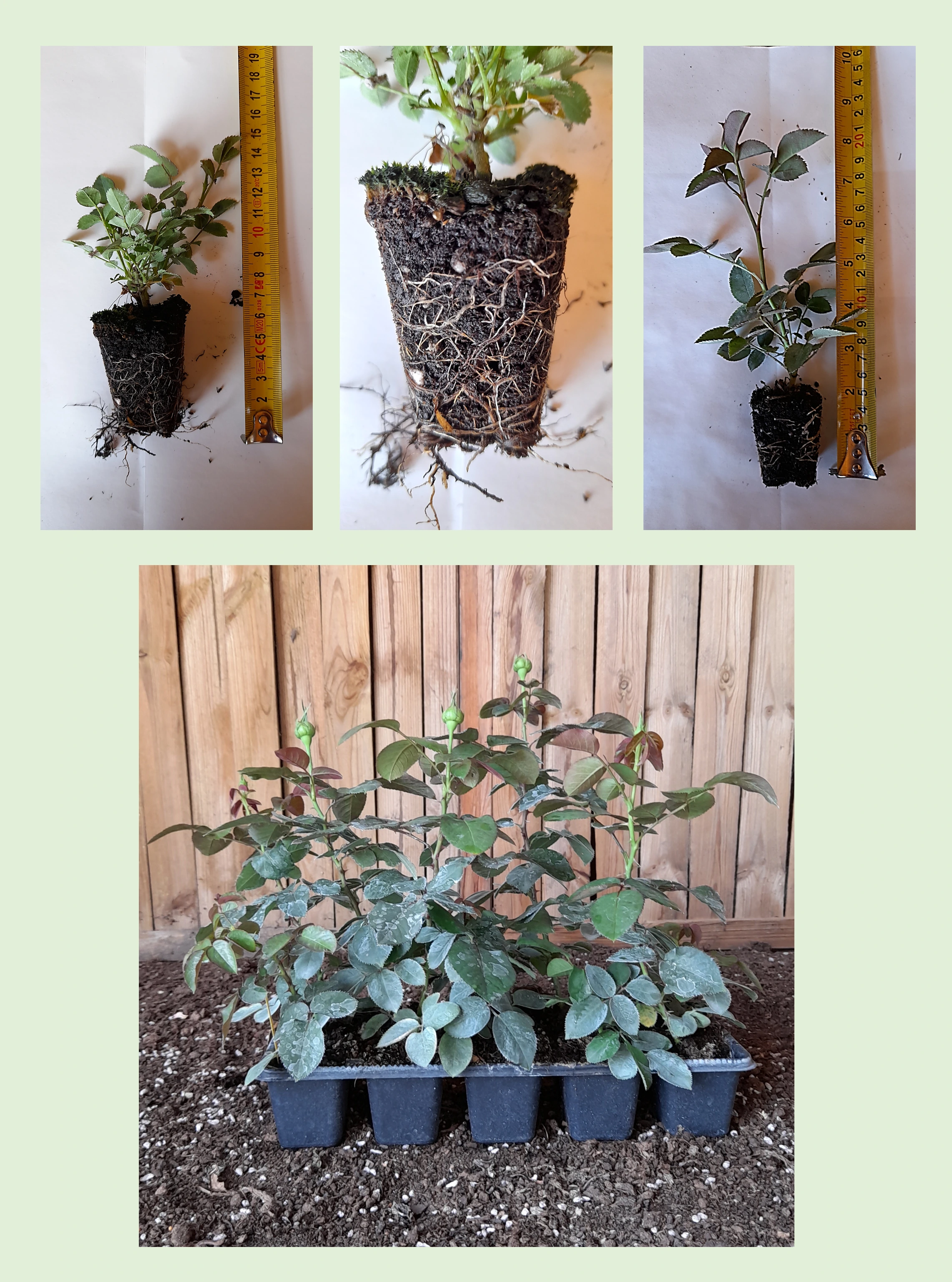
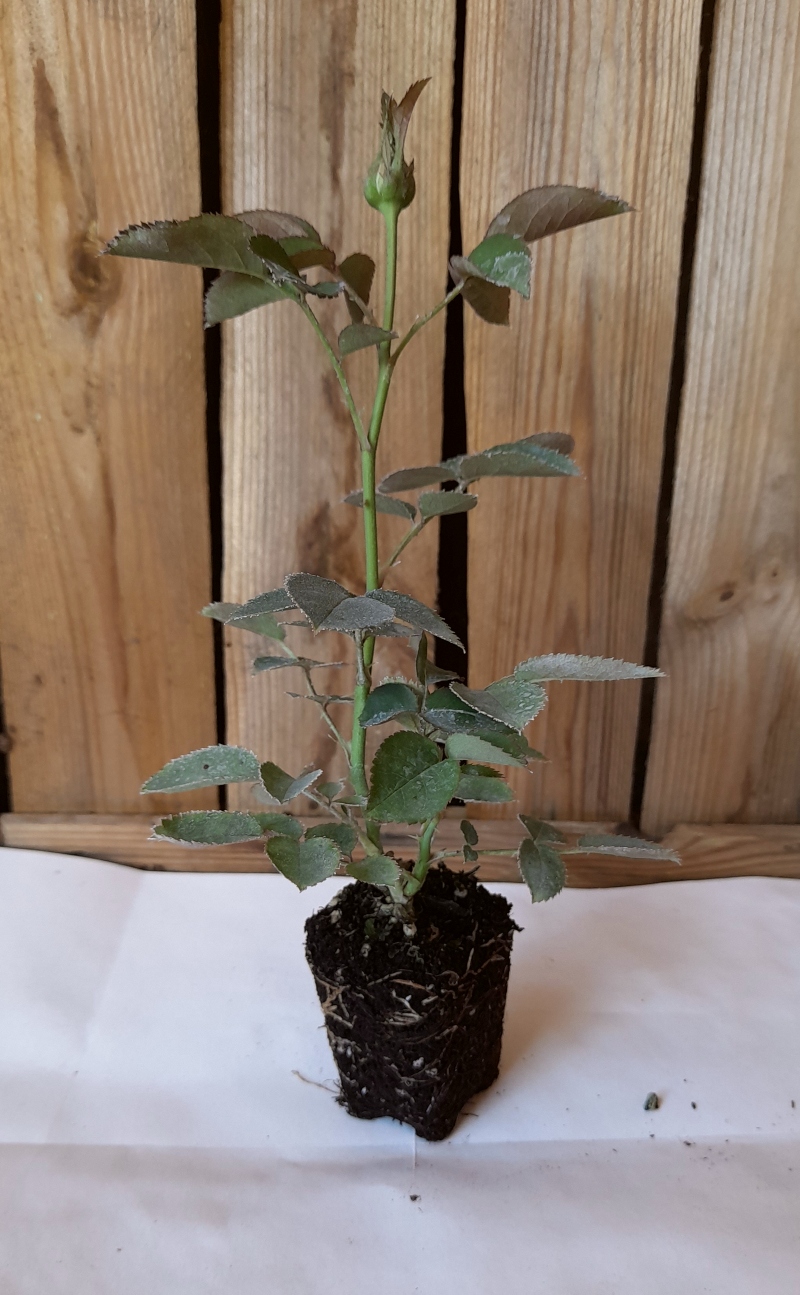
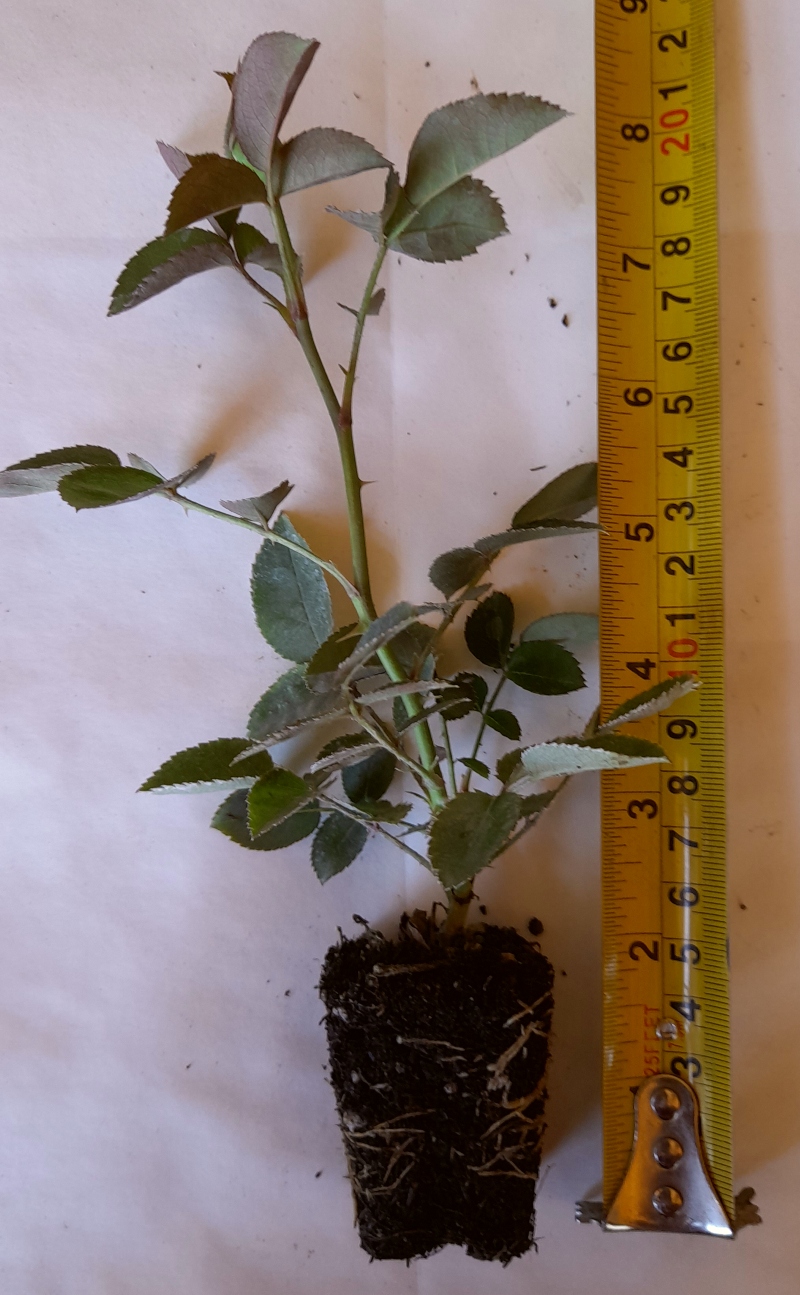
PharmaRosa® NEONATAL own-rooted rose propagation material in a plug, with a root system penetrating the plug (semi-finished product / semi-finished rose). PharmaRosa® NEONATAL rose propagation material size: 3–6‑month‑old, own-rooted cutting with a uniform developmental stage. PharmaRosa® NEONATAL rose propagation material root system: plug densely penetrated by well-developed white roots (root system detail). PharmaRosa® NEONATAL tray stock: own-rooted rose propagation material in trays, uniform developmental stage (10 pcs/tray).

Captions (from left to right): Semi-finished product (NEONATAL own-rooted rose propagation material in a plug with a fully developed root system) • Size demonstration (3–6‑month‑old, uniform cutting) • Root system detail (plug penetrated by the root system) • Tray stock (10 pcs/tray, uniform developmental stage)

pharmarosaneonatal.hupharmarosaneonatal.atpharmarosaneonatal.co.ukpharmarosaneonatal.czpharmarosaneonatal.depharmarosaneonatal.ropharmarosaneonatal.sipharmarosaneonatal.skpharmarosaneonatal.itpharmarosaneonatal.frpharmarosaneonatal.nlpharmarosaneonatal.plpharmarosaneonatal.lupharmarosaneonatal.ptpharmarosaneonatal.espharmarosaneonatal.ltpharmarosaneonatal.sepharmarosaneonatal.lvpharmarosaneonatal.eepharmarosaneonatal.fi

Which product type is right for you?

Pages for private customers
Garden roses for the family garden, with minimal care  → ORIGINAL®
Premium garden roses – instant impact, a truly showpiece garden  → EXTRA®
Pages for professionals and private customers
Roses for public spaces – large areas, sustainable maintenance  → NATURAL®
Roses for projects – hedge and row planting, fast implementation  → RAPID®
For professional partners only
Production – propagation material for garden roses, wholesale  → NEONATAL®

Company details

PharmaRosa Ltd.
Company registration number: 01-09-717479
VAT number: 13075314-2-43
Plant health registration no.: HU130721
Bank account (IBAN):
HU85117631891388688400000000
BIC (SWIFT): OTPVHUHB
Bank name: OTP Bank Nyrt.