National Trust – Hybrid tea rose propagation material for premium container production
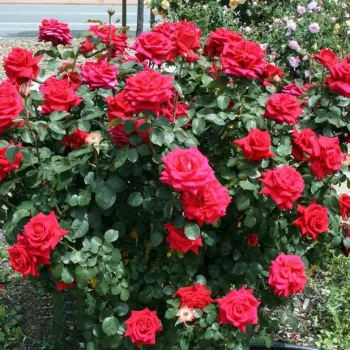
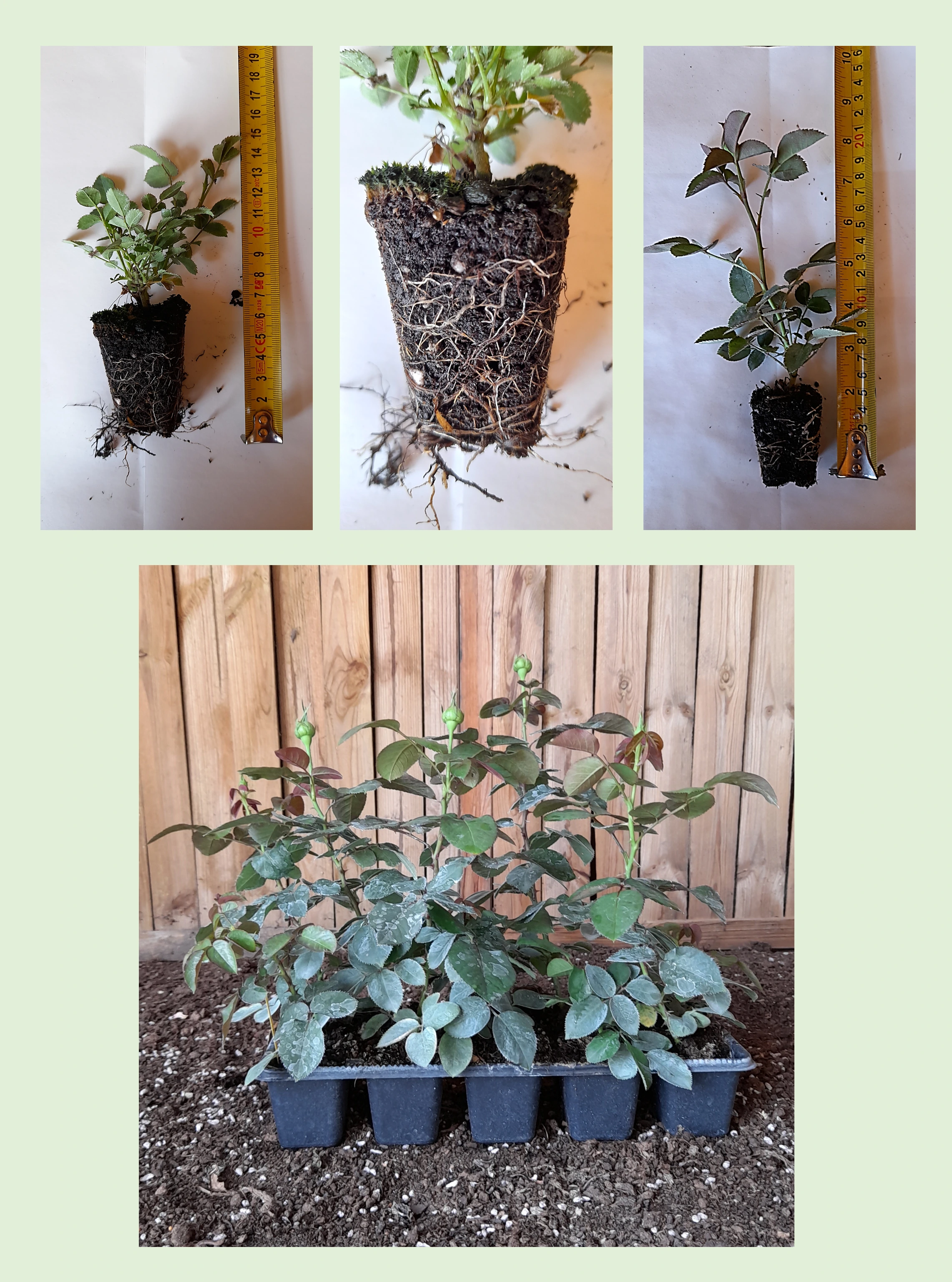
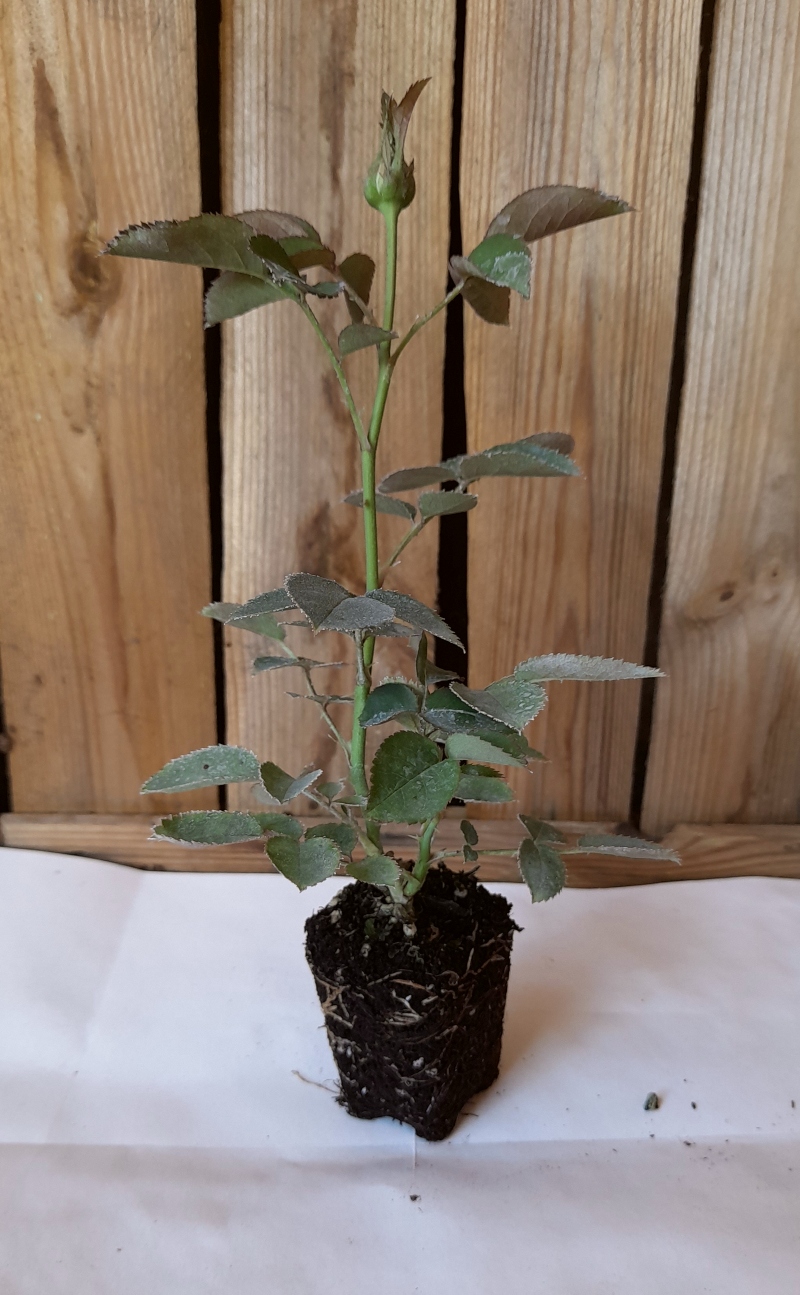
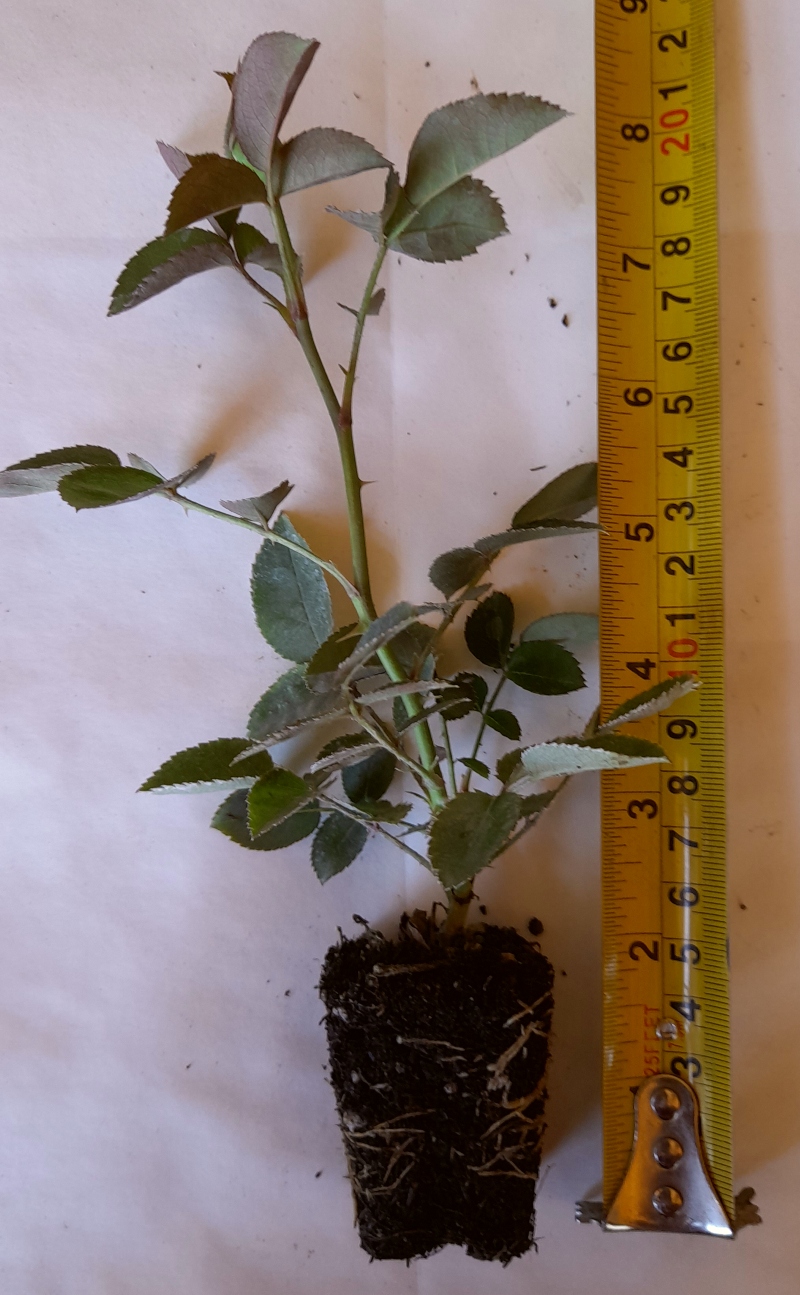
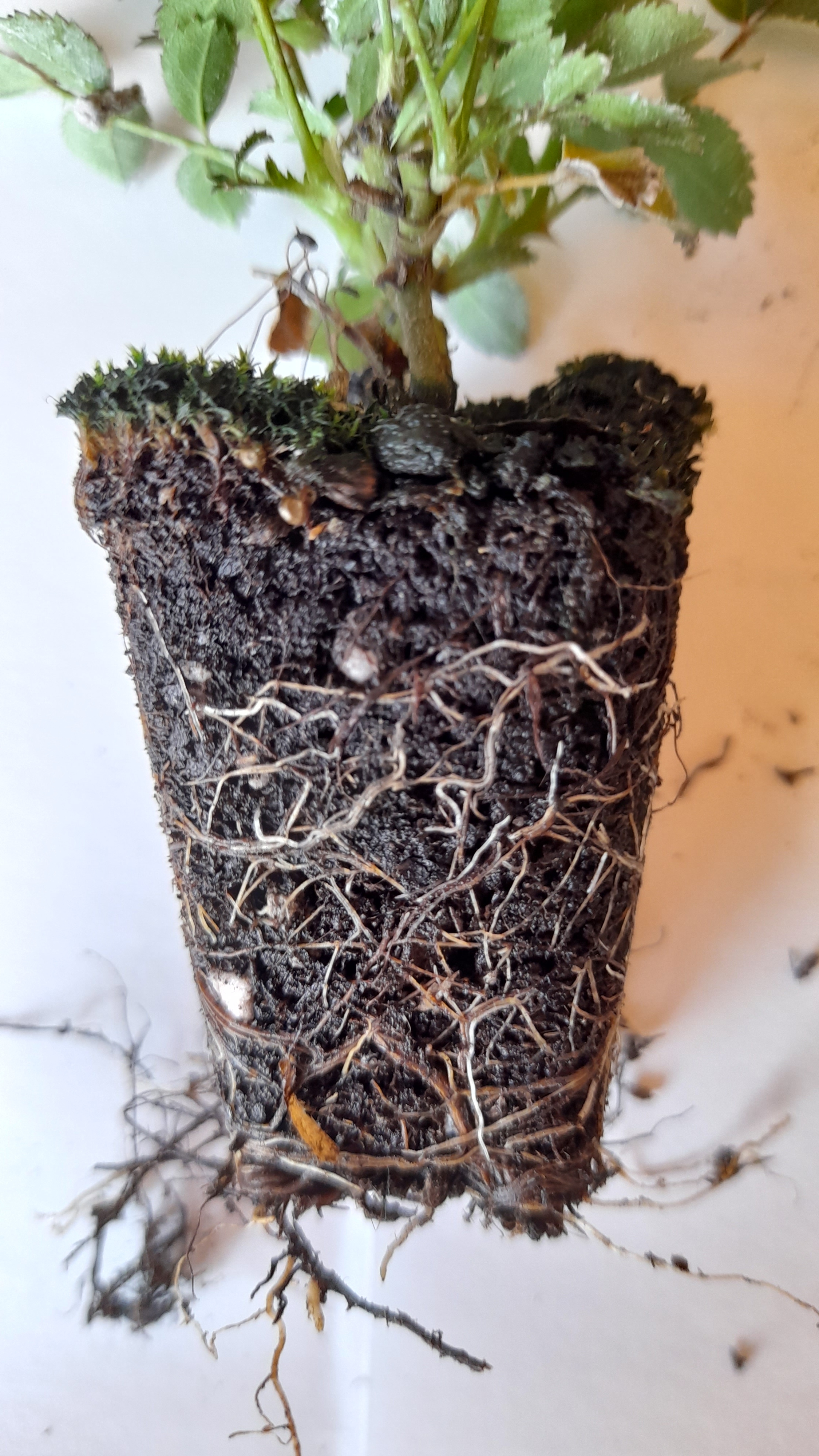
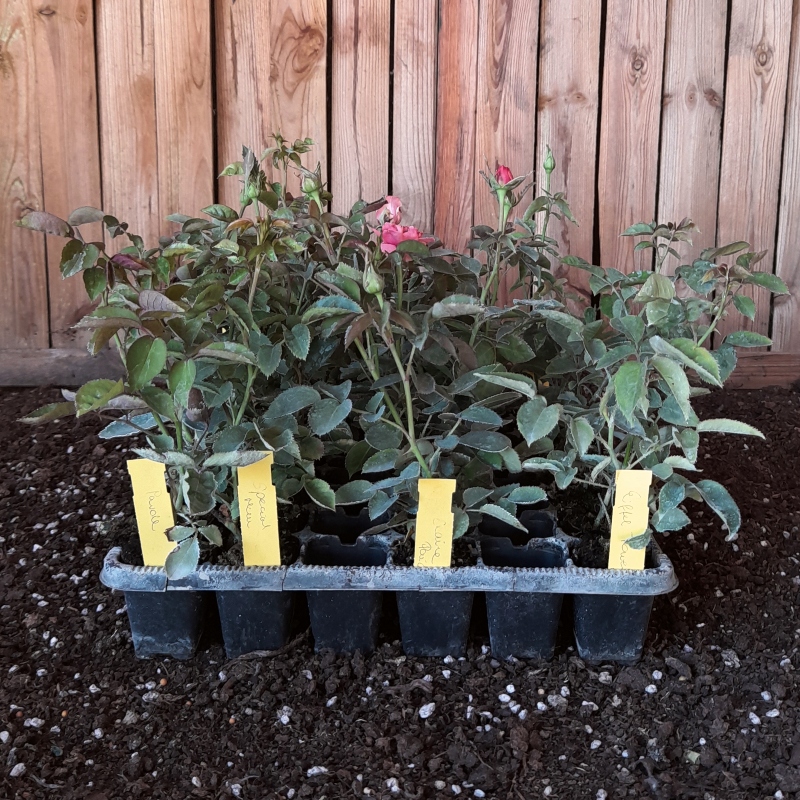
Scarlet colour purity, high-centred flower form and remontant performance make National Trust a focused option for UK nurseries building premium 5–7 L container lines and cut-flower style garden roses. This compact, bushy hybrid tea, bred by McGredy, holds an exclusive positioning backed by Belfast and RNRS trial distinctions, supporting credible retail storytelling in thematic and heritage-style rose displays. On pharmaROSA® NEONATAL own-root trays, its compact habit and medium maintenance profile integrate cleanly into nursery propagation beds and container grow-on programmes, aligning with high-volume yet quality-led networks supplying public-realm and institutional schemes where nationwide, winter and wind-resilient performance is required. The very double, cut-rose type blooms, strong colour stability and moderate disease tolerance together support predictable, homogeneous stands, while the own-root structure underpins long-term regeneration and stable capacity planning, progressing from root establishment in year one to structural shoot build-up in year two and full ornamental value from year three.
Usage options
Finished-product ideas
- National Trust 5–7 L Premium Hybrid Tea – NEONATAL own-root, bush-trained plants grown into 5–7 L containers, highlighting vivid scarlet, high-centred blooms and repeat flowering as an exclusive finished product – retail / reseller bench programmes.
- Heritage Story Rose – National Trust – Authenticated own-root stock with heritage naming and trial awards foregrounded on labels, using compact, bushy plants for tidy containers and front-of-border retail concepts – heritage-focused garden centres.
- Exhibition-Grade Garden Hybrid Tea Module – Selected NEONATAL plants trained for solitary, very double, high-centred blooms, offered as a specialist line for exhibitors and keen gardeners in 5–7 L pots – exhibition and enthusiast channels.
- Public-Facing Scarlet Display Block – Own-root container-grown stock built up to 7–15 L (optionally 40–50 L) for instant-impact planting, leveraging colour stability and remontant flowering in formal beds – public-realm and institutional contracts.
- Cut-Style Picking Garden Core Rose – Bush-trained, own-root plants with strong, solitary hybrid tea blooms positioned as a key cultivar in premium picking or display gardens, supported by moderate-care maintenance protocols – destination garden venues.
Technical cultivar profile
| Parameter |
Data |
| Name and registration |
Hybrid tea rose, registered and marketed as National Trust; American Rose Society exhibition name National Trust; commercial group hybrid tea rose; item [129] 20-045 for pharmaROSA NEONATAL. |
| Origin and breeding |
Bred by Samuel Darragh McGredy IV (Samuel McGredy and Son, Nurserymen) from ‘Evelyn Fison’ × ‘King of Hearts’; introduced and registered in 1970 via Samuel McGredy & Son, Northern Ireland. |
| Awards and recognition |
Belfast Certificate of Merit, Belfast Rose Trials 1969; RNRS Trial Ground Certificate, Royal National Rose Society Trials 1969; Silver Medal at Courtrai / Kortrijk Rose Trials 1970, confirming recognised garden and show value. |
| Growth and structural characteristics |
Compact, bushy plants typically 80–100 cm high and 60–80 cm spread, with medium-density, glossy dark green foliage and moderate prickles; overall habit well suited to structured flower beds, edging and container culture. |
| Flower morphology |
Large-flowered, solitary hybrid tea with high-centred, pointed buds and very double blooms exceeding 40 petals; repeat flowering (remontant) with a notably abundant second flush; weak self-cleaning so deadheading is recommended. |
| Colour data and phenology |
Vivid scarlet flowers with velvety depth; ARS dr, RHS 53A outer and 46A inner; buds darken towards the tip, newly open blooms bright scarlet, then mellow slightly to deep ruby red while retaining very good colour stability. |
| Fragrance and aroma |
No noticeable fragrance; categorised as a scentless rose; strong visual impact is the primary ornamental feature, with display value driven by colour, form and repeat flowering rather than scent or aromatic characteristics. |
| Hip characteristics |
Hip set is generally sparse due to the very double flower form; when formed, hips are ovoid, orange-red, around 10–14 mm diameter, and have limited ornamental significance compared with the prominent flowering display. |
| Resistance and winter hardiness |
Moderate disease resistance overall, with powdery mildew, black spot and rust at moderate levels; hardy to approximately –21 to –18 °C (RHS H7, Swedish zone 3, USDA 6b), suitable for most UK regions with standard rose-care regimes. |
| Horticultural recommendations |
Recommended for flower beds, edging, front gardens, containers and cutting; medium maintenance need with occasional pest and disease control; best presented as premium container stock, ideally from bush-trained plants with 3–5 main canes. |
National Trust combines compact, bushy structure, colour-stable scarlet hybrid tea blooms and recognised trial performance with predictable, regenerative own-root NEONATAL material, making it a sound candidate for aligned capacity and schedule planning discussions.