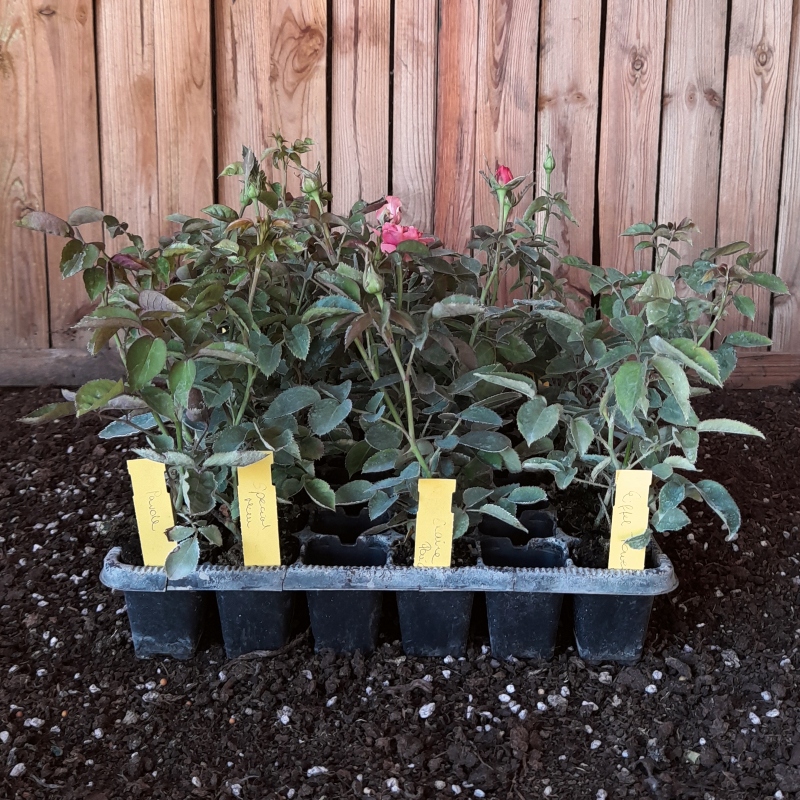
| Mass groundcover for public-realm and park projects |
The wide 120–200 cm spread and low 60–100 cm habit provide rapid horizontal ground coverage at relatively modest plant densities, ideal for project mass planting with a 1.5–2 L target pot. Its primary use profile (groundcover, park, urban green space) and low maintenance requirement allow contractors to stabilise maintenance budgets on extensive areas, while own-root material supports long-term, renewable stands with low replacement. This pairs well with project-focused positioning where fast coverage and uniformity are key for landscape contractor supply to project-serving wholesalers. |
| Low-maintenance municipal slopes and verges |
The self-cleaning habit, with most spent blooms dropping naturally, keeps beds presentable with minimal deadheading, supporting the “maintenance requirement low” recommendation in cost-sensitive roadside and slope schemes. Using uniform, dense, bush-trained finished products grown on from 1.5–2 L pots enables quick establishment on gradients where access is difficult. Own-root propagation adds resilience after mechanical trimming, supporting predictable coverage over successive seasons for municipal and public-realm frameworks. |
| High-uniformity edging and bed frames |
The dense, glossy, medium–deep green foliage and compact, spreading form create clean visual edges around formal beds, supporting the “flower bed, edging” use direction. When produced as uniform, bush-trained plants from NEONATAL material, benches finish evenly, simplifying grading before dispatch into landscape and wholesale channels. This strengthens a nursery’s reputation for consistent edging stock within thematic rose gardens and curated collections for specialist rose resellers. |
| Container-based project supply (1.5–2 L programme) |
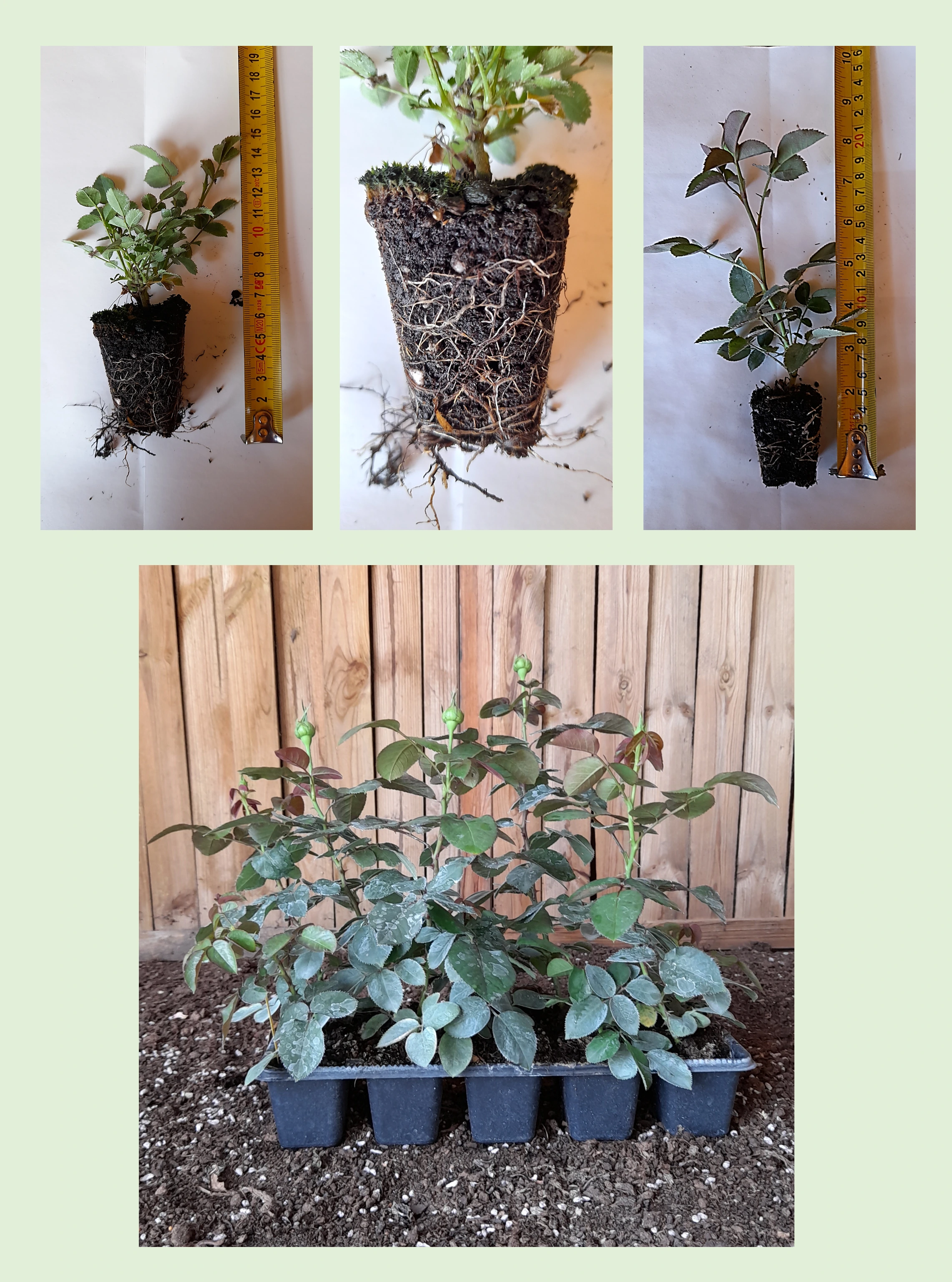
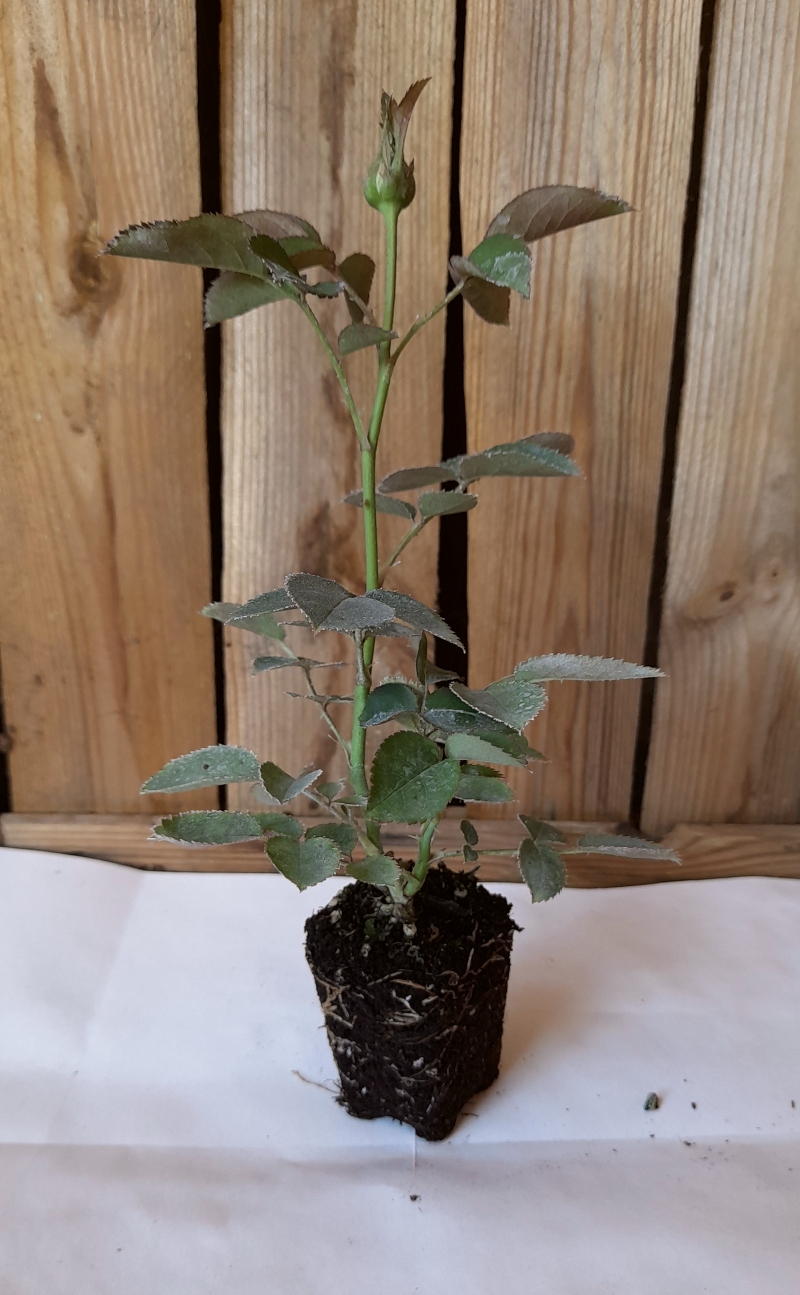
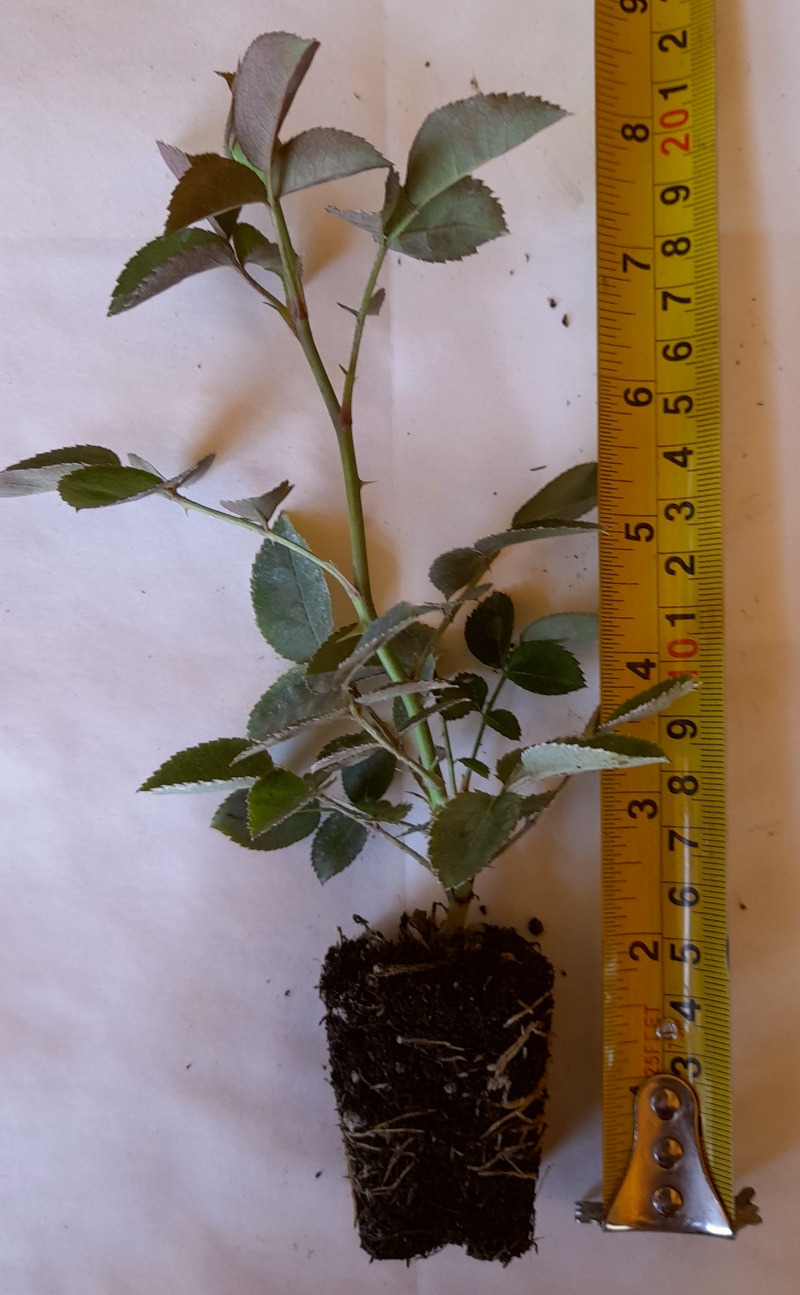
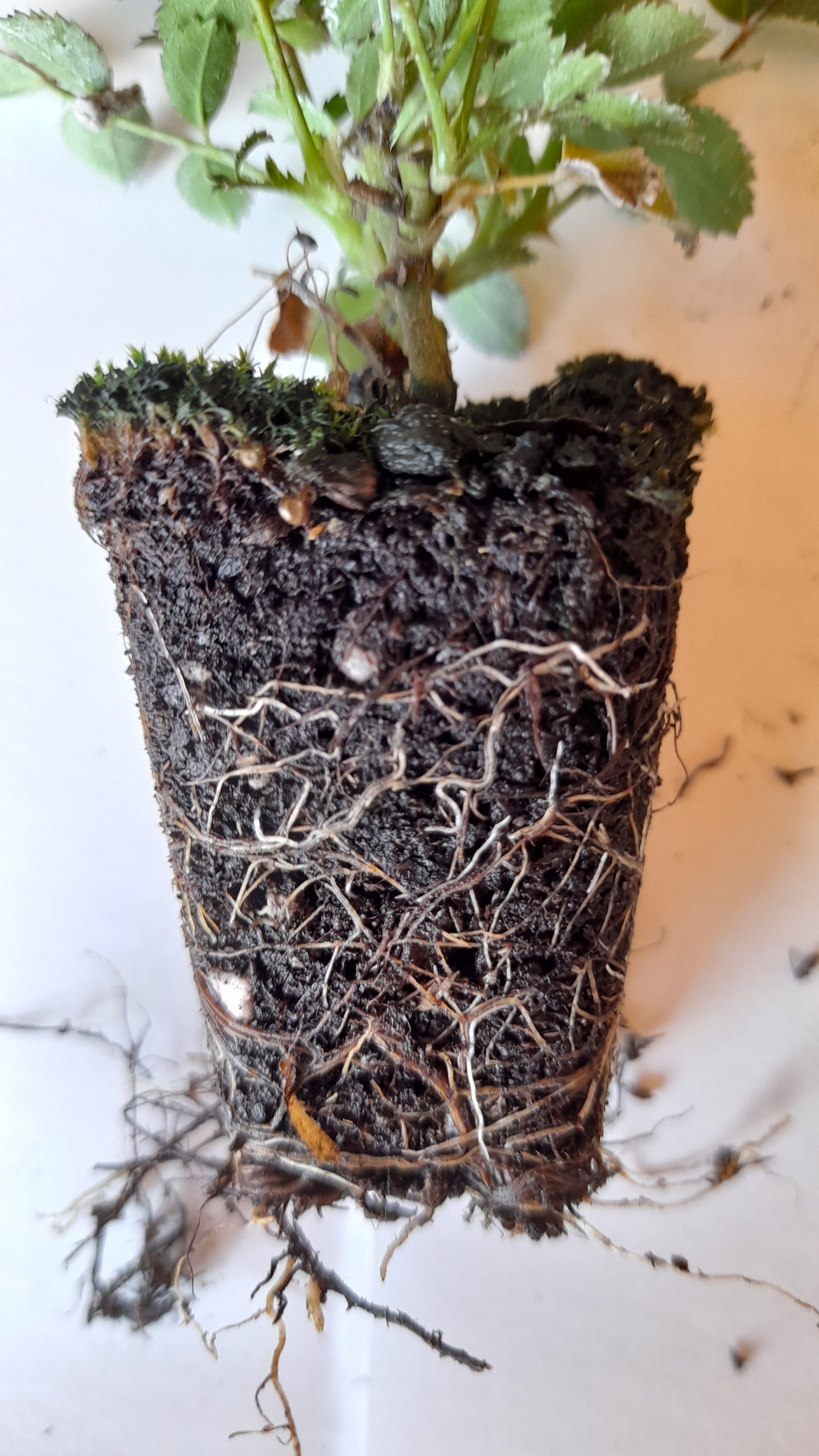
The recommended 1.5–2 L target pot size fits UK nursery logistics and trolley-based dispatch, allowing dense loading for project orders. From NEONATAL tray material, growers can schedule batches for release as uniform, dense containers aligned to project mass planting dates, using the remontant flowering to offer visual confirmation of colour at lift. Own-root continuity supports predictable batch behaviour, which is critical when servicing contractors via integrated nursery networks. |
| Urban green space with reduced chemical input |
Excellent resistance to powdery mildew, black spot and rust allows growers and maintainers to minimise plant protection in public-realm and housing-association schemes, in line with low-maintenance recommendations. The robust H7 hardiness rating and tolerance of UK wind-exposed sites further reduce loss risk in streetscape and open-estate projects, supporting dependable long-term stands. This is particularly relevant where supply chains serve municipal frameworks and institutional contracts through project-focused wholesalers. |
| Heat-tolerant planting in South and South-East schemes |
Good heat and short-term drought tolerance, when combined with irrigation during prolonged dry spells, makes this cultivar suitable for southern urban schemes where hard surfaces increase heat load. The spreading habit produces shade across the soil surface, supporting the “groundcover, urban green space” recommendation and slowing moisture loss once plantings knit together. This climate resilience, combined with own-root regeneration, helps nurseries offer reliable options for contractors in warmer localities via regional landscape distributors. |
| Thematic rose and collection plantings |
The distinctive pastel pink to creamy white colour progression and cluster-flowered display provide a clearly recognisable groundcover identity within curated rose collections. NEONATAL own-root material supports cultivar maintenance and long-term gene-bank style stands, aligning with projects that value identity security and sustainability. Finished as uniform, bush-trained 1.5–2 L units, it integrates smoothly into thematic rose ranges, underpinning coherent schemes for collection-oriented garden projects. |
| Low-potting-density platforms for larger feature containers |
Although initially built up in 1.5–2 L pots, the broad spread makes this cultivar efficient for up-potting into 40–50 litre feature containers, where one or a few plants can cover the surface rapidly. The low maintenance requirement keeps container displays serviceable for longer periods between visits in commercial or institutional settings, while own-root resilience supports renewal after periodic rejuvenation pruning. This offers a practical, scalable option for commercial container landscapers. |