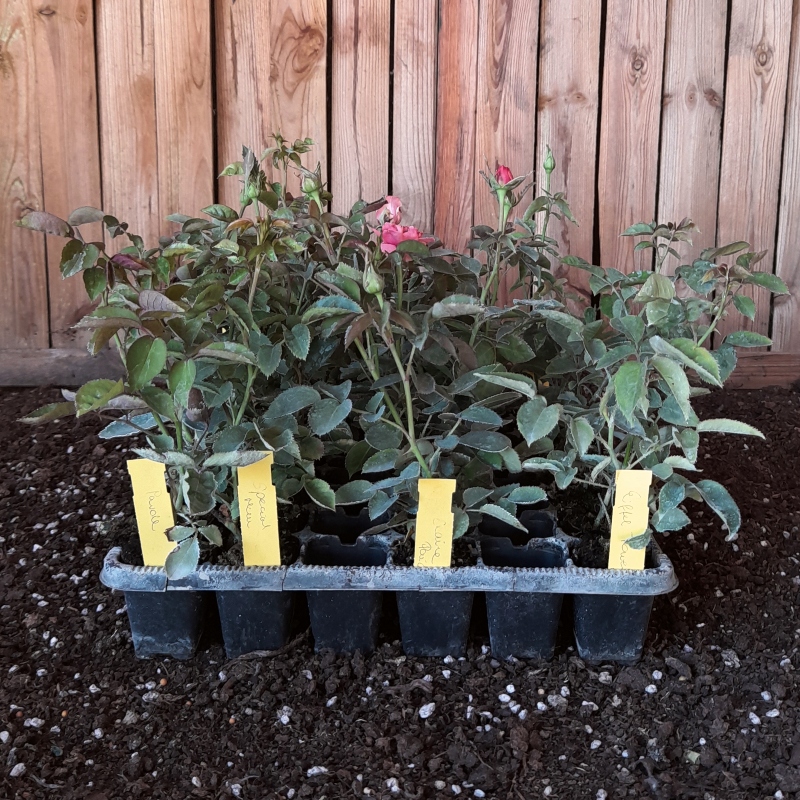
Botanical rose

21-069-1
21-069-2

Rosa watsoniana

Botanical rose

- – -

Very small, simple flowers, ranging from pale pink to pinkish‑white. - groundcover rose, landscape shrub rose - very weak, barely perceptible scented rose - no noticeable fragrance

– Unusual variegated foliage for bold texture
– Tiny pink single flowers in airy clusters
– Attractive red hips prolong season of interest
– Good heat and drought tolerance for projects
– Spreading habit gives fast, uniform groundcover
– Special feature: Historic Japanese form of Rosa multiflora, prized as a botanical curiosity and collector’s shrub.
Project (landscape architecture / mass use)
Rosa watsoniana
pharmaROSA® NEONATAL rooted rose cutting
28,23 £
Due to courier service regulations – and the introduction of customs clearance – delivery to Ireland is temporarily suspended.
4.5 (6616)
facebook   twitter

Rosa watsoniana – pharmaROSA NEONATAL own-root propagation material

Botanical Rosa watsoniana in pharmaROSA NEONATAL form gives You a distinctive, own-root starting point for uniform, dense, bush-trained groundcover and landscape shrub production, aimed at project-scale beds and collection plantings where foliage and hip effect matter more than flower size. As an inherently spreading shrub with dense, variegated foliage and good self-cleaning, it supports fast visual coverage in nursery propagation beds and later in large-area project mass planting, with predictable H6, Zon 3, USDA 6b winter hardiness suited to Scottish and northern English schemes needing reliable winter and wind tolerance. Own-root technology ensures long-lived, regenerating stands for nursery stock and public-realm supply, while the explicitly pollinator-friendly, single pink flowers and decorative red hips make this botanical groundcover a specialist option for thematic rose gardens and landscape collections; expect a steady development arc, with root establishment in year one, structural canopy in year two and full ornamental value from year three under professional project-driven production conditions.


Usage options

Target area Reasoning
Groundcover beds for project mass planting The spreading habit and dense canopy provide fast bed coverage and visual uniformity, aligning well with the “fast coverage – uniformity” value promise in landscape projects. Produced as a uniform, dense, bush-trained finished product in 1.5–2 L, it fits project mass planting routes where planners want reliable repetition across large schemes for landscape contractor and project-serving wholesaler networks.
Landscape shrub for public-realm schemes Its H6, Zon 3, USDA 6b hardiness supports predictable performance in exposed UK plantings, making it suitable for repeatable public-realm use with standard medium maintenance. Own-root material underpins long-term shrub renewal and reduced replacement in municipal landscapes when grown on as dense bushes from 1.5–2 L units for project mass planting for landscape contractor and project-serving wholesaler networks.
Pollinator-supporting thematic rose collections The explicitly pollinator-friendly, single, open flowers with readily accessible stamens add functional ecological value to thematic rose gardens and collection plantings. When produced as a uniform, dense, bush-trained unit, it integrates cleanly into curated schemes, supporting professional ranges built for institutions seeking botanical species interest for landscape contractor and project-serving wholesaler networks.
Low-input groundcover with self-cleaning flowers Good self-cleaning and pea-sized red hips reduce deadheading needs, keeping medium maintenance demands manageable across large groundcover blocks. In project mass planting this supports predictable care budgets and clean presentation, particularly when supplying consistent 1.5–2 L product grades for large, repeated layouts for landscape contractor and project-serving wholesaler networks.
Specimen shrubs for foliage and hip effect The dense, matte, glaucous mid-green, variegated foliage and small red hips give strong ornamental value even outside the brief flowering window, suiting specimen use in dedicated beds. Own-root propagation stabilises these foliage traits over time in dense, bush-trained forms from 1.5–2 L production for landscape contractor and project-serving wholesaler networks.
Botanical rose collections and gene-bank style stands As a botanical rose derived from Rosa multiflora with historical Japanese roots, it fits species and botanical collection concepts where authenticity and identity are critical. NEONATAL own-root stock supports long-term clonal maintenance and renewability in nursery or collection blocks produced as uniform bush-trained units for landscape contractor and project-serving wholesaler networks.
Climate-resilient plantings in exposed UK sites The documented hardiness range down to around -21 °C with medium disease resistance allows for robust performance in professionally managed beds where basic preventive plant protection is standard; this aligns with UK schemes in harsher zones where winter and wind exposure require reliable structure in project mass plantings for landscape contractor and project-serving wholesaler networks.
Project-driven nursery and integrator production The combination of vigorous growth (per Japanese sources), spreading habit and own-root NEONATAL format gives a scalable base for planned volumes into project mass planting pipelines, from nursery propagation beds into uniform 1.5–2 L grades; this supports supply chains serving public-realm and institutional schemes that need reliable winter and wind tolerance for landscape contractor and project-serving wholesaler networks.

Finished-product ideas

  • Project groundcover block, 2 L – Own-root, spreading, dense plants finished as bush-trained 2 L units for rapid coverage and uniformity in mass-planted groundcover rose schemes – target: project-serving wholesalers and landscape contractors.
  • Pollinator rose strip, 1.5 L – Compact 1.5 L plants with single, pollinator-friendly flowers and medium maintenance needs, supplied for ecological corridors and thematic pollinator plantings – target: public-realm suppliers and integrator networks.
  • Botanical collection line, 2 L – Clearly labelled botanical Rosa watsoniana in 2 L, emphasising foliage, hips and species value for curated rose collections and show gardens – target: nurseries building thematic ranges for institutions.
  • Foliage-hip specimen module, 2 L – Bush-trained 2 L specimens selected for dense variegated foliage and ornamental hips, for use as repeatable accents in designed beds – target: landscape architects via project-focused wholesalers.
  • Hardy landscape shrub series, 2 L – Integrated into a hardy shrub assortment, this cultivar is offered as a durable, medium-maintenance, own-root option for exposed sites and mass planting – target: large horticultural operators and framework contract suppliers.

Technical cultivar profile
Parameter Data
Name and registration Current trade name Rosa watsoniana; ARS exhibition name Rosa alba cymbaefolia; botanical rose, shrub group, groundcover and landscape shrub commercial type; unregistered cultivar with unknown former names.
Origin and breeding Spontaneous intraspecific mutation of Rosa multiflora, bred in Japan before 1870; exact parentage unknown, breeder and introducing company not provided; introduction and registration years not provided.
Growth and structural characteristics Spreading shrub habit with dense, matte, glaucous mid-green variegated foliage; sparsely thorned shoots; intended to form uniform, bush-trained, ground-covering plants; exact height and spread data not provided.
Flower morphology Small single flowers, 5–12 petals, flat, cluster-flowered; non-remontant, flowering once; blooms are S size, approximately 0.5–1.5 inches in diameter, supported by self-cleaning behaviour after opening.
Colour data and phenology Very small pale pink to pinkish-white flowers, ARS LP, RHS 62D outer, 65C inner; buds reddish, newly opened blooms flushed pink at edges, fading towards white, with stamens browning as flowers age; colour retention moderate.
Fragrance and aroma No noticeable fragrance reported; fragrance strength very weak and barely perceptible; not positioned for scented rose uses, more for foliage, ecological and groundcover value in professional plantings.
Hip characteristics Forms pea-sized, 6–8 mm, spherical red hips; fruits are primarily valued for their ornamental effect but may also be used for fruit purposes; hips persist decoratively after the self-cleaning flowers drop.
Resistance and winter hardiness Medium resistance reported to powdery mildew, black spot and rust; hardiness approximately -21 to -18 °C, RHS H6, Swedish zone 3, USDA 6b; heat and drought tolerance described as good but without detailed quantified data.
Horticultural recommendations Primary use as groundcover for beds and larger areas, group planting and ornamental specimen shrubs; maintenance requirement medium, with basic preventive plant protection against common bud diseases advised; release as uniform dense bush forms in 1.5–2 L.

Rosa watsoniana as pharmaROSA NEONATAL offers spreading groundcover performance, dense ornamental foliage and reliable hardiness on a regenerative own-root base, making it a considered option for aligned capacity and project scheduling discussions.
Detailed product attributes

Product Identification Data

Product Name: ROSA WATSONIANA – pink ground-covering rose
Product Type: pharmaROSA® NEONATAL - rooted rose cutting
Cultivar Authenticity: Verified:28.04.2025
Cultivar Quality Rating: premium bronze
Item Number: [1175] 21-069 (14.02.2026) pharmarosaneonatal.co.uk

Name and Registration

Cultivar Synonym: Rosa multiflora var. watsoniana Matsumura; Rosa multiflora f. watsoniana Matsumura; Rosa multiflora watsoniana; R. watsoniana; Rosa watsoniana Crépin; Shonosuke-Bara; The Bamboo Rose
Original Trade Name: Rosa multiflora watsoniana
Current Trade Name: Rosa watsoniana Botanical rose -
Rose Group: Shrub
Commercial Type: groundcover rose, landscape shrub rose
Commercial Group: Botanical rose
Exhibition Category: botanical species rose
Collection: Botanical rose

Origin and Breeding

Introduction Year: Data not available
Registration Year: unregistered cultivar
Breeder: -
Breeding Company / Institution: unknown / no data
Breeding Year: Japan, before 1870
Parentage: 'Rosa multiflora' spontaneous mutation (intraspecific variant; exact parentage unknown)

Growth and Structural Characteristics

Height: #VALUE!
Spread: #VALUE!
Growth Habit: spreading
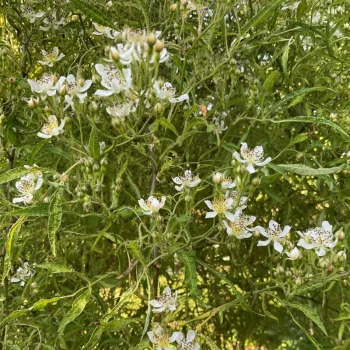
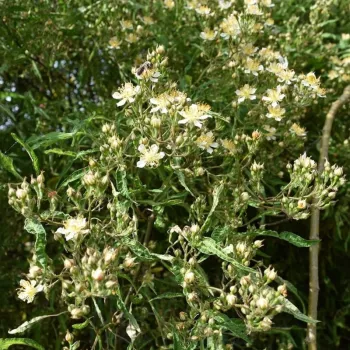
Foliage: The variety has dense foliage. The leaves have a matte surface, a glaucous mid‑green hue and are variegated.
Prickliness: sparsely thorned
Self-Cleaning Description: The small, single flowers mostly shed their petals on their own after opening, leaving pea-sized red rose hips on the peduncle with decorative value, so it generally does not require subsequent cleaning.
Self-Cleaning Intensity: Self-cleaning: good

Flower Morphology

Petal Count: 5–12
Flower Fullness: single-flowered
Flower Shape: flat
Flower Size: S (0,5-1,5 in)
Inflorescence Type: cluster-flowered
Colour Code: ARS code: LP RHS code: 62D (outer), 65C (inner)
Repeat Flowering: Not remontant, flowers once.

Colour Data and Phenology

Colour: pink
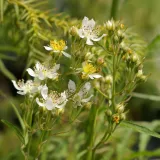
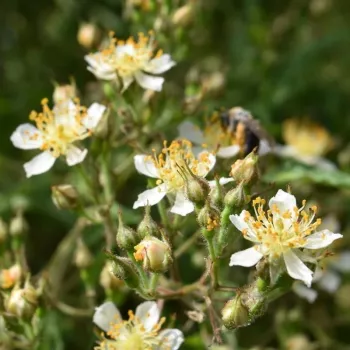
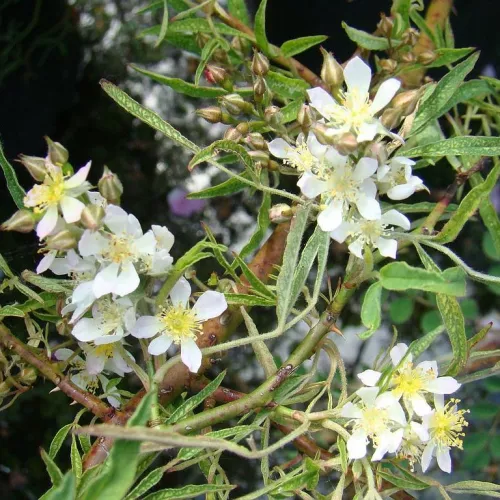
Flower Colour Description: Very small, simple flowers, ranging from pale pink to pinkish‑white.
Closed Bud: Small, with a reddish tint.
Newly Opened Flower: Small petal-like petals with a pink flush at the edges and golden-yellow stamens.

Full Bloom: When fully open the tiny single flowers range in colour, according to various sources, from pale pink through pinkish‑white to almost pure white.
Before Fading: The white colour of the petals dulls and the stamens turn brown.
Colour Fading Description: No data on colour fading.

Fragrance and Aroma

Fragrance Strength: very weak, barely perceptible scented rose
Fragrance Character: no noticeable fragrance
Pollinator Attraction: Simple (single), 4–8 petalled, approximately 1 cm in diameter, open flowers have readily accessible stamens, so they generally attract pollinators well, as the simple flower form and exposed stamens increase pollinator access.
Pollinator-Friendly Rating: explicitly pollinator-friendly

Hip Characteristics

Hip Shape: spherical
Hip Colour: red
Hip Comment: Primarily valued for its ornamental small red hips, it is also cultivated for its fruits.

Resistance and Hardiness

Hardiness (°C): -21–-18 °C
Heat and Drought Tolerance Description: No data are available on heat–drought tolerance.
Disease Resistance: medium
  • powdery mildew – medium
  • black spot – medium
  • rust – medium

Horticultural Recommendations

Recommended product path: Project mass planting
Release form: Uniform, dense, bush-trained finished product
Recommended use: Maintenance requirement medium; Japanese sources report it is easy to grow and vigorous, but other descriptions regard it as somewhat more delicate, so basic preventive plant protection against common rose bud diseases is recommended.
Primary Uses: groundcover for beds and larger areas, group planting, specimen ornamental shrub (for its striking foliage)

Comments

Positioning: Project (landscape architecture / mass use)
Target customer/channel: Landscape contractor, project-serving wholesaler / maintenance
Main value proposition: Fast coverage – uniformity
ROSA WATSONIANA – pink ground-covering rose
Very small, simple flowers, ranging from pale pink to pinkish‑white. - groundcover rose, landscape shrub rose - very weak, barely perceptible scented rose - no noticeable fragrance
#VALUE!
Inflorescence: cluster-flowered Height: #VALUE! Flower shape: flat Winter hardiness: 6b pink - - groundcover rose, landscape shrub rose - Flower size: S (0,5-1,5 in) Flower size: S (0,5-1,5 in) - Height: #VALUE! Height: #VALUE! - Flower fullness: single-flowered Rosa watsoniana - Roses in the garden | pharmaROSA® Neonatal - premium bronze -

We showcase the external appearance of the roses available for online purchase from our webshop.


Which product type is right for you?


PharmaRosa® NEONATAL is the cost‑effective starting point for rose product production.

As a uniform, own‑rooted propagation material, it provides a stable basis for further growing-on and can be integrated flexibly into different finished product production technologies.
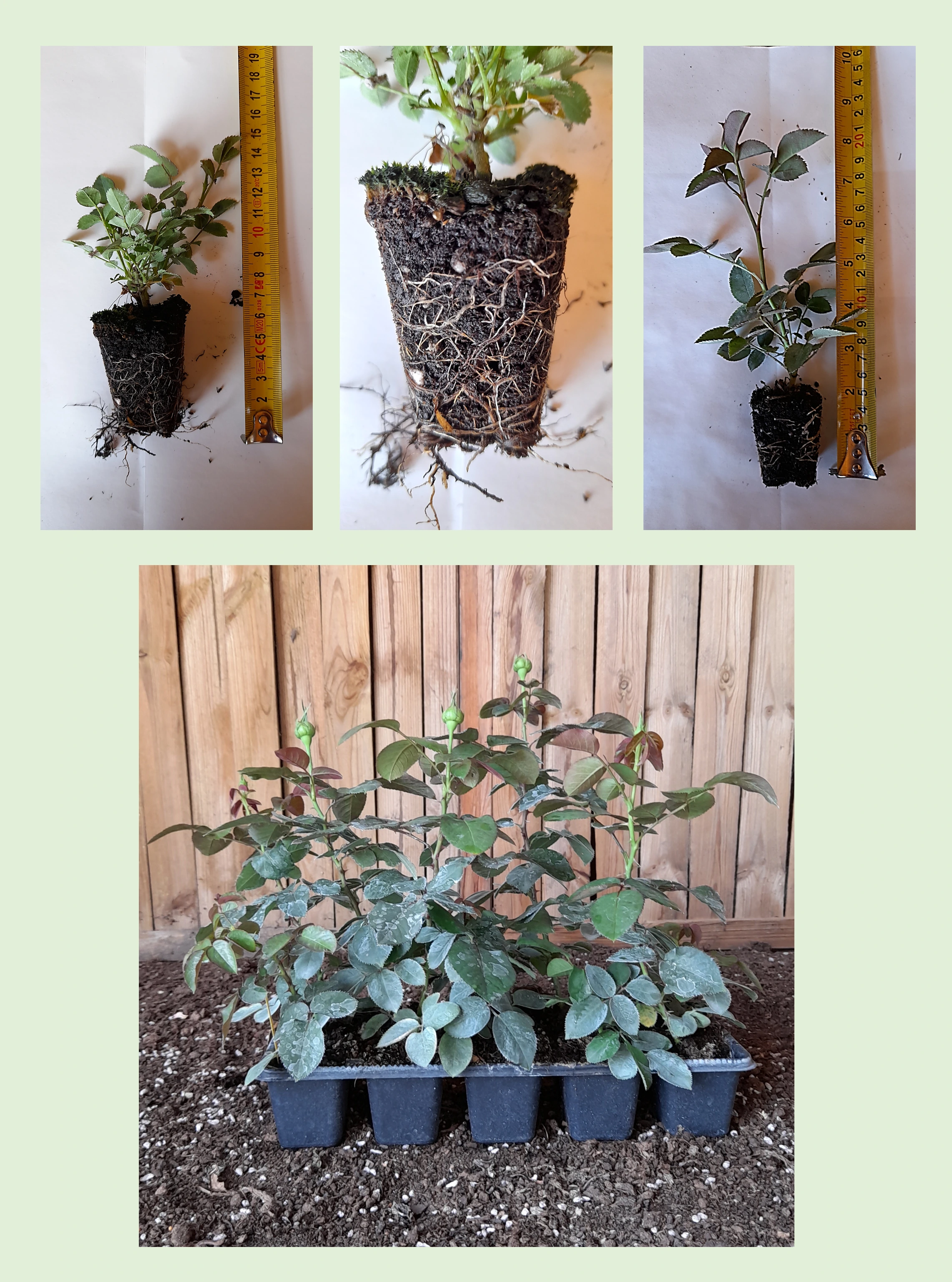
Rooted in trays (rooted), 3–6‑month‑old, own‑rooted rose cutting.
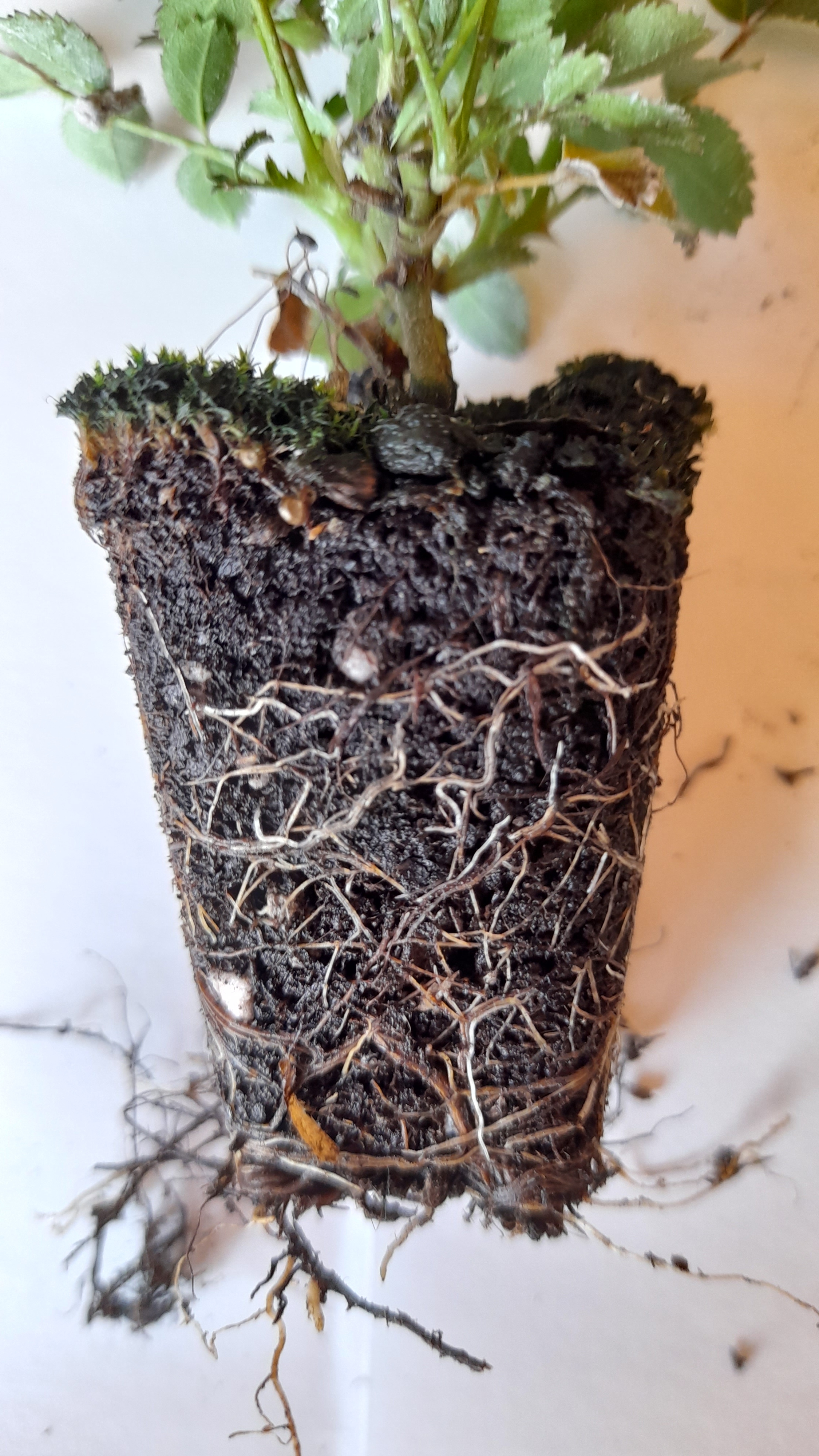
Uniform developmental stage, with a root system that has thoroughly penetrated the plug.
For professional growing‑on.
Tray packaging: 10 pcs/tray.
Quality and varietal identity: production supported by a dedicated identification and traceability logic.
Can be transplanted during frost‑free periods, designed for finished product production.

PharmaRosa® NEONATAL provides a controlled, uniform starting stock for planned growing‑on that can be integrated into your own technology – especially where scheduling and varietal identity are paramount.


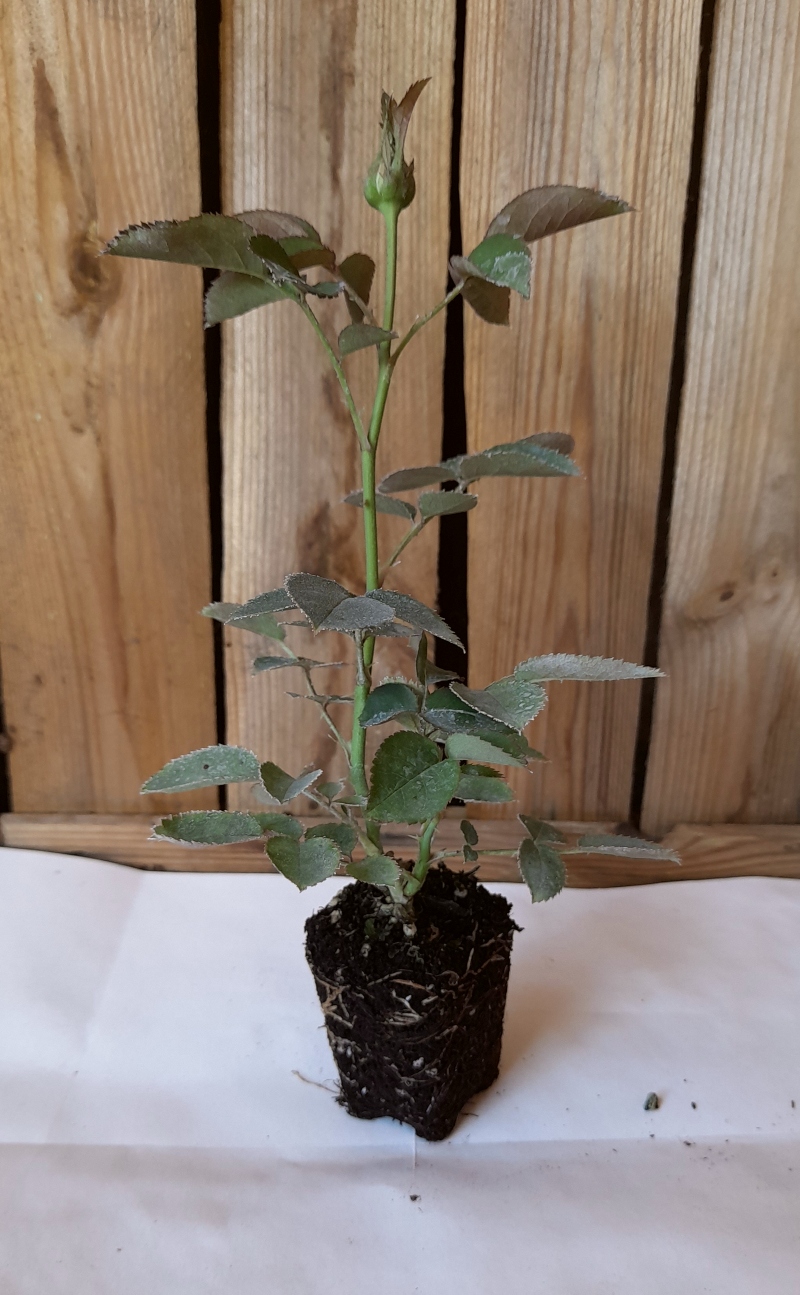
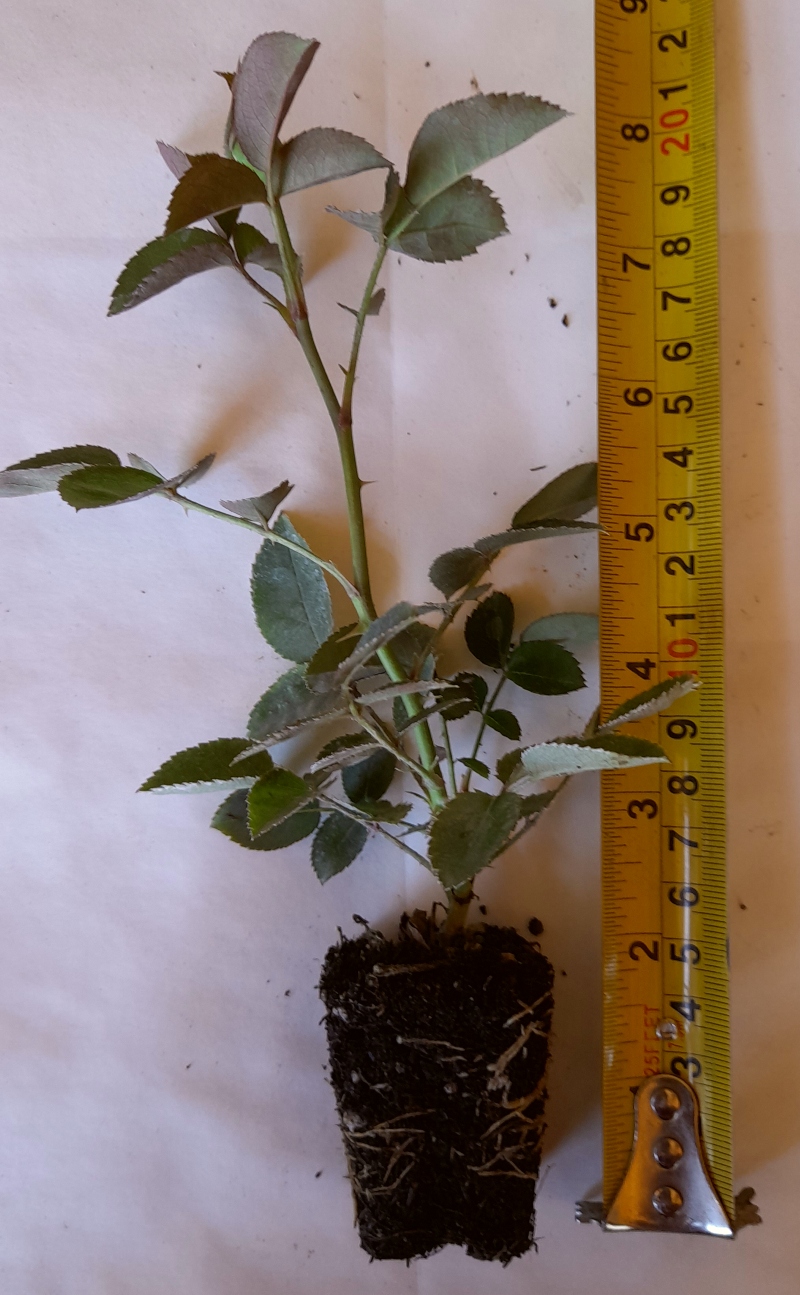
PharmaRosa® NEONATAL own-rooted rose propagation material in a plug, with a root system penetrating the plug (semi-finished product / semi-finished rose). PharmaRosa® NEONATAL rose propagation material size: 3–6‑month‑old, own-rooted cutting with a uniform developmental stage. PharmaRosa® NEONATAL rose propagation material root system: plug densely penetrated by well-developed white roots (root system detail). PharmaRosa® NEONATAL tray stock: own-rooted rose propagation material in trays, uniform developmental stage (10 pcs/tray).

Captions (from left to right): Semi-finished product (NEONATAL own-rooted rose propagation material in a plug with a fully developed root system) • Size demonstration (3–6‑month‑old, uniform cutting) • Root system detail (plug penetrated by the root system) • Tray stock (10 pcs/tray, uniform developmental stage)

pharmarosaneonatal.hupharmarosaneonatal.atpharmarosaneonatal.co.ukpharmarosaneonatal.czpharmarosaneonatal.depharmarosaneonatal.ropharmarosaneonatal.sipharmarosaneonatal.skpharmarosaneonatal.itpharmarosaneonatal.frpharmarosaneonatal.nlpharmarosaneonatal.plpharmarosaneonatal.lupharmarosaneonatal.ptpharmarosaneonatal.espharmarosaneonatal.ltpharmarosaneonatal.sepharmarosaneonatal.lvpharmarosaneonatal.eepharmarosaneonatal.fi

Which product type is right for you?

Pages for private customers
Garden roses for the family garden, with minimal care  → ORIGINAL®
Premium garden roses – instant impact, a truly showpiece garden  → EXTRA®
Pages for professionals and private customers
Roses for public spaces – large areas, sustainable maintenance  → NATURAL®
Roses for projects – hedge and row planting, fast implementation  → RAPID®
For professional partners only
Production – propagation material for garden roses, wholesale  → NEONATAL®

Company details

PharmaRosa Ltd.
Company registration number: 01-09-717479
VAT number: 13075314-2-43
Plant health registration no.: HU130721
Bank account (IBAN):
HU85117631891388688400000000
BIC (SWIFT): OTPVHUHB
Bank name: OTP Bank Nyrt.