Hybrid tea rose

20-314-1
20-314-2

Neptune

Hybrid tea rose

WEKhilpurnil – Tom Carruth

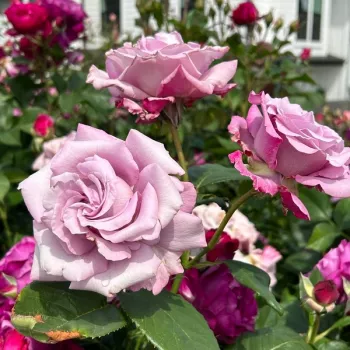
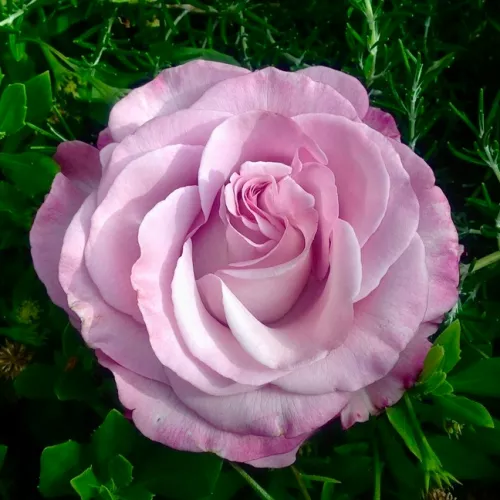
Flower in a lavender–mauve shade with a smoky violet-lilac rim that deepens towards the petal edges. - hybrid tea rose - strong, distinctly fragrant rose - rich, slightly sweet, rose-citrus, mildly fruity

– Large, classic high‑centred hybrid tea blooms.
– Distinctive mauve‑lavender colour with smoky rim.
Strong, rich rose‑citrus fragrance.
– Very good resistance to major rose diseases.
– Well suited to cutting, beds and containers.
Special feature: Awarded Rose Hills Gold Medal for its outstanding exhibition‑quality flowers.
Exclusive finished product
Neptune
pharmaROSA® NEONATAL rooted rose cutting
30,92 £
Due to courier service regulations – and the introduction of customs clearance – delivery to Ireland is temporarily suspended.
3 (3212)
facebook   twitter

NEPTUNE – mauve-lilac hybrid tea rose – pharmaROSA® NEONATAL

Neptune offers professionally attractive flower and colour quality in pharmaROSA® NEONATAL own-root form, delivering a stable base for premium container production and exclusive retail ranges. Its hybrid-tea form, XL blooms and rich fragrance support higher price points in 5–7 L and larger containers, while fade-resistant petal quality secures a reliable show value for thematic rose gardens and collection plantings. The cultivar’s documented black spot, powdery mildew and rust resistance, together with H6 winter hardiness, provide predictable performance under UK nursery conditions, including more exposed northern and inland sites that combine winter cold with regular wind. Own-root NEONATAL material builds long-lived, regenerating bushes that progress from root establishment in year one to structural shoot build-up in year two and full ornamental expression by year three, aligning well with planned finishing schedules and wholesale stocking. With bushy, upright growth and dark glossy foliage, Neptune is a strong option for growers aiming to anchor an exclusive mauve-lilac cut-flower style hybrid tea in a dependable, scalable propagation platform.


Usage options

Target area Reasoning
Premium 5–7 L container finishing The XL, high-centred hybrid tea blooms and strong scent translate well into premium 5–7 L containers, matching the recommended premium container route and exclusive finished product positioning for retail and reseller channels. Using bush-trained NEONATAL material with 3–5 framework canes allows you to structure a uniform, upright bush that presents the mauve-lilac flowers clearly above the pot rim, supporting confident bench presentation and consistent sell-through. Own-root longevity and regeneration reduce replacement in ongoing container programmes, helping maintain stable capacity and image for nursery and garden-centre ranges.
Cut-flower style garden and exhibition lines The pointed-budded, high-centred flower shape and XL size give a clear cut-rose aesthetic that suits exhibition and cut-flower oriented finished products. When finished in 5–7 L or stepped into larger display containers, Neptune can be marketed as an exhibition-capable hybrid tea within a retail premium tier, with NEONATAL own-root stock underpinning long-term production cycles. The strong fragrance and repeat flowering provide ongoing show value in dedicated rose gardens and specialist collections, supporting a recognisable mauve-lilac highlight for rose specialists and collectors.
Thematic and collection plantings for mauve-lilac colour The stable lavender–mauve base with smoky violet rim and documented fade resistance make Neptune an effective anchor colour in thematic and collection plantings, where reliable tonality is important. NEONATAL own-root plants suit nursery propagation beds and stock blocks for long-term cultivar maintenance, with the 3–6 month tray-rooted format easy to integrate into existing production beds. The combination of durable colour and own-root stability supports show gardens and curated ranges that need repeatable visual impact for public-realm and display projects.
Low–medium maintenance flowerbed and specimen use Good resistance to black spot, powdery mildew and rust, combined with low–medium maintenance requirements, makes Neptune a practical choice for flowerbeds and specimen plantings that will be produced in volume for retail or public supply. Using the premium container route with 5–7 L targets a segment where disease performance is a key value promise, while NEONATAL own-root material offers homogeneous stands and reduced long-term losses. This aligns with UK production systems seeking dependable, low-claim cultivars for volume-oriented nursery programmes.
Public-realm and institutional rose schemes H6 hardiness (approx. -21 to -18 °C) and Swedish zone 3 data indicate robust winter performance, giving confidence for longer-term plantings in public or institutional contexts when propagated and bulked from NEONATAL stock. The bushy, upright habit supports disciplined structure in beds, while the strong fragrance and showy blooms add perceived quality that justifies premium specification in project tenders. Own-root regeneration improves stand continuity over years, which is valuable where replacement budgets are tight for municipal and institutional clients.
Pollinator-attractive premium rose assortments Although very double flowers limit forage, the strong fragrance and showy, clustered inflorescences still attract bees and butterflies, allowing inclusion in “pollinator-aware” premium assortments with appropriate messaging. Grown on from NEONATAL starting material into 5–7 L and occasional larger (40–50 L) display containers, Neptune can feature as a scented highlight in mixed ranges rather than a core ecological workhorse. This balances aesthetic and ecological expectations for upmarket retail concepts.
Large display containers and show-garden focal points The bushy, erect structure and XL, exhibition-style flowers lend themselves to stepping selected plants into 40–50 L containers for high-impact displays at garden centres, trade fairs or show gardens. Starting from uniform NEONATAL trays helps synchronise growth so display units develop evenly, with own-root vigour supporting repeated pruning and shaping without structural decline. This supports the cultivar’s positioning as an exclusive, high-image item for show-garden and promotional displays.
Climate-resilient premium lines in cooler, wind-exposed regions With H6 hardiness and strong disease resistance, Neptune can be planned for nursery and landscape supply into cooler, more wind-exposed parts of the UK where winter resilience and foliar health are key selection criteria. The recommended premium container path and 5–7 L targeting allow clear differentiation as an exclusive-quality mauve hybrid tea, while NEONATAL own-root stock provides long-lived, regenerating bushes suitable for repeated cropping. This supports reliable stocking even where winter and wind pressures are regular for regional wholesale distribution.

Finished-product ideas

  • Premium 5–7 L scented hybrid tea line – Focus on XL, high-centred, strongly fragrant blooms finished in 5–7 L pots from bush-trained NEONATAL stock, positioned as an exclusive mauve-lilac feature rose – target audience/channel: premium retail and specialist resellers.
  • Exhibition and cut-style showcase series – Select the best-formed buds and blooms to present Neptune as an exhibition-capable hybrid tea, using uniform own-root plants to support high show quality – target audience/channel: rose societies, exhibitors and high-end mail-order partners.
  • Mauve-lilac thematic garden collection – Incorporate Neptune as the colour anchor in curated mauve and lavender collections, relying on fade-resistant petals and good disease resistance for long-term displays – target audience/channel: show gardens, public-realm contractors and destination retail benches.
  • Fragrant feature container programme – Step selected plants from 5–7 L into 40–50 L containers to create high-impact, scented focal points, using own-root resilience to tolerate repeated pruning and shaping – target audience/channel: garden centres, landscape display areas and event hire suppliers.
  • Low–medium maintenance rose bed assortment – Build mixed assortments where Neptune provides strong fragrance and disease resistance within a low–medium care profile, grown from NEONATAL trays for homogeneous field or container beds – target audience/channel: nurseries supplying municipalities and institutional clients.

Technical cultivar profile
Parameter Data
Name and registration Hybrid tea rose collection cultivar, registered as WEKhilpurnil, marketed as Neptune hybrid tea rose by Tom Carruth, with ARS exhibition category as hybrid tea, cut flower and bedding rose.
Origin and breeding Bred by Tom Carruth at Weeks Wholesale Rose Grower, Inc. (USA) from (‘Blueberry Hill’ × ‘Stephen’s Big Purple’) × ‘Blue Nile’; introduced 2003 with protection in Australia and the United States.
Awards and recognition Recipient of a Rose Hills Gold Medal at the Rose Hills International Rose Trials, Pageant of Roses Garden, Whittier, USA, confirming recognised ornamental and garden performance under trial conditions.
Growth and structural characteristics Bushy, erect habit forming clump-like bushes with moderately dense, dark green glossy foliage and moderate prickliness, suitable for structured container production and formal flowerbed or specimen applications.
Flower morphology Very large, double, 26–39 petalled, high-centred, pointed-budded hybrid tea flowers, remontant with abundant second flush, typically borne in clusters of three to five blooms per stem for strong display value.
Colour data and phenology Lavender–mauve ground colour with smoky violet-lilac rim, ARS MP, RHS 62C–62D; colour is described as fade-resistant, maintaining tone in strong sun with only moderate lightening through the bloom’s life.
Fragrance and aroma Strong, distinct fragrance with a rich, slightly sweet rose-citrus and mildly fruity character; showy scented blooms attract bees and butterflies, though forage is limited by the very double flower form.
Hip characteristics Produces small hips around 5–10 mm diameter; no detailed data on shape or colour available, and hips are not a primary ornamental or commercial feature for this cultivar in professional production.
Resistance and winter hardiness Rated resistant to powdery mildew, black spot and rust, with H6 hardiness (approx. -21 to -18 °C), Swedish zone 3 and USDA 6b; tolerates heat and moderate drought but benefits from watering in prolonged dry periods.
Horticultural recommendations Suited to flowerbeds, specimen, exhibition and container use; recommended as a low–medium maintenance, bush-trained plant with 3–5 strong canes, finished mainly via premium container routes in 5–7 L pots.

Neptune combines XL high-centred mauve-lilac blooms, strong fragrance and reliable disease resistance on long-lived, regenerating own-root bushes, offering predictable, premium container performance that merits a detailed capacity and scheduling discussion.

Detailed product attributes

Product Identification Data

Product Name: NEPTUNE – mauve-lilac hybrid tea rose - Tom Carruth
Product Type: pharmaROSA® NEONATAL - rooted rose cutting
Cultivar Authenticity: Verified:19.02.2025
Cultivar Quality Rating: premium gold
Item Number: [1136] 20-314 (14.02.2026) pharmarosaneonatal.co.uk

Name and Registration

Meaning of Cultivar Name: The cultivar was named after Neptune, the Roman god of the sea.
Cultivar Synonym: Neptune™; Neptune®; Rosa
Registered Cultivar Name: WEKhilpurnil
Original Trade Name: Neptune™
Current Trade Name: Neptune Hybrid tea rose Tom Carruth
Rose Group: Hybrid Tea
Commercial Type: hybrid tea rose
Commercial Group: Hybrid tea rose
Exhibition Category: hybrid tea, cut flower, bedding rose
Collection: Hybrid tea rose

Origin and Breeding

Initial Distributor: Weeks Wholesale Rose Grower, Inc. (United States)
Registration Year: 2008 (Australia, AU3678P PBR); 2006 (USA, PP 16 614)
Breeder: Tom Carruth
Breeding Company / Institution: Weeks Wholesale Rose Grower, Inc. (United States)
Breeding Year: United States, 2003
Parentage: (‘Blueberry Hill’ × ‘Stephen’s Big Purple’) × ‘Blue Nile’

Awards and Honours

Competition and Show Awards: Rose Hills International Rose Trials (Pageant of Roses Garden, Rose Hills, Whittier, USA) – Rose Hills Gold Medal (year unknown)

Growth and Structural Characteristics

Height: #VALUE!
Spread: #VALUE!
Growth Habit: bushy (clump-forming), erect (upright)
Foliage: The variety's foliage is moderately dense. Its leaves are glossy and dark green in colour.
Prickliness: moderately thorny
Self-Cleaning Description: No data on self‑cleaning.
Self-Cleaning Intensity: No data on self-cleaning strength.

Flower Morphology

Petal Count: 26–39
Flower Fullness: double-flowered
Flower Shape: high-centred, pointed-budded (cut-rose type)
Flower Size: XL (3,5 in -)
Inflorescence Type: clustered, 3-5 flower/stem
Colour Code: ARS code: MP RHS code: 62C (outer), 62D (inner)
Repeat Flowering: Remonts well; the second flowering is also abundant.

Colour Data and Phenology

Colour: mauve-lilac
Flower Colour Description: Flower in a lavender–mauve shade with a smoky violet-lilac rim that deepens towards the petal edges.
Closed Bud: Pale pink-toned with a slight violet cast, with a delicate lilac flush on the outer bud leaves.
Newly Opened Flower: The inner petal whorl is a clear, cool pink, with the petals showing a slightly deeper mauve tone at their bases. The outer petals fade to a pale pink towards their edges, sometimes overlaid with a soft violet veil.
Full Bloom: When fully open the flower's ground colour is a cool lavender–mauve, with a more pronounced smoky violet rim at the petal edges; the petal bases are also lavender, with a narrow purple edging in places.
Before Fading: The pink hue gently fades to a pastel mauve, with occasional light lavender tones. A subtle, slightly purplish-pink colouration becomes visible along the edges of the outer petals.
Colour Fading Description: The petals are described as fade-resistant, so the lavender base colour and the purple edge remain relatively well preserved even in strong sunlight, with at most moderate lightening expected. (https://idiggreenacres.com/products/neptune-8482-rose?ut
Colour Retention Level: The petals are described as fade‑resistant, so the lavender base colour and purple edge remain relatively well preserved even in strong sunlight; at most moderate lightening can be expected.

Fragrance and Aroma

Fragrance Strength: strong, distinctly fragrant rose
Fragrance Character: rich, slightly sweet, rose-citrus, mildly fruity
Pollinator Attraction: Its large, very double flower form (30+ petals) means the stamens are only partially accessible, but the fragrant, showy blooms still attract bees, butterflies and other pollinators.
Pollinator-Friendly Rating: Partially pollinator-friendly variety – its showy, strongly scented flowers attract pollinators, but because of its very double, exhibition-style flower form its provision of forage is limited.

Hip Characteristics

Resistance and Hardiness

Hardiness (°C): -21–-18 °C
Heat and Drought Tolerance Description: Tolerates heat and moderate drought well; requires regular watering during prolonged drought.
Disease Resistance: resistant
  • powdery mildew – resistant
  • black spot – resistant
  • rust – resistant

Horticultural Recommendations

Recommended product path: Premium container
Release form: Bush-trained, with 3–5 strong framework canes
Recommended use: Maintenance requirement low–medium; disease resistance is generally very good according to major nurseries (especially against black spot and powdery mildew), although in humid, fungus-prone climates it may be medium, so occasional plant protection treatm
Primary Uses: flowerbeds, specimen planting, exhibition rose and cut flower, container cultivation

Comments

Positioning: Exclusive finished product
Target customer/channel: Retail / reseller
Main value proposition: Flower quality, form
NEPTUNE – mauve-lilac hybrid tea rose - Tom Carruth
Flower in a lavender–mauve shade with a smoky violet-lilac rim that deepens towards the petal edges. - hybrid tea rose - strong, distinctly fragrant rose - rich, slightly sweet, rose-citrus, mildly fruity
#VALUE!
Inflorescence: clustered, 3-5 flower/stem Height: #VALUE! Flower shape: high-centred, pointed-budded (cut-rose type) Winter hardiness: 5b mauve-lilac - Weeks Wholesale Rose Grower, Inc. (United States) hybrid tea rose - Flower size: XL (3,5 in -) Flower size: XL (3,5 in -) - Height: #VALUE! Height: #VALUE! - Flower fullness: double-flowered Neptune - Roses in the garden | pharmaROSA® Neonatal - premium gold Tom Carruth

We showcase the external appearance of the roses available for online purchase from our webshop.


Which product type is right for you?


PharmaRosa® NEONATAL is the cost‑effective starting point for rose product production.

As a uniform, own‑rooted propagation material, it provides a stable basis for further growing-on and can be integrated flexibly into different finished product production technologies.
Rooted in trays (rooted), 3–6‑month‑old, own‑rooted rose cutting.
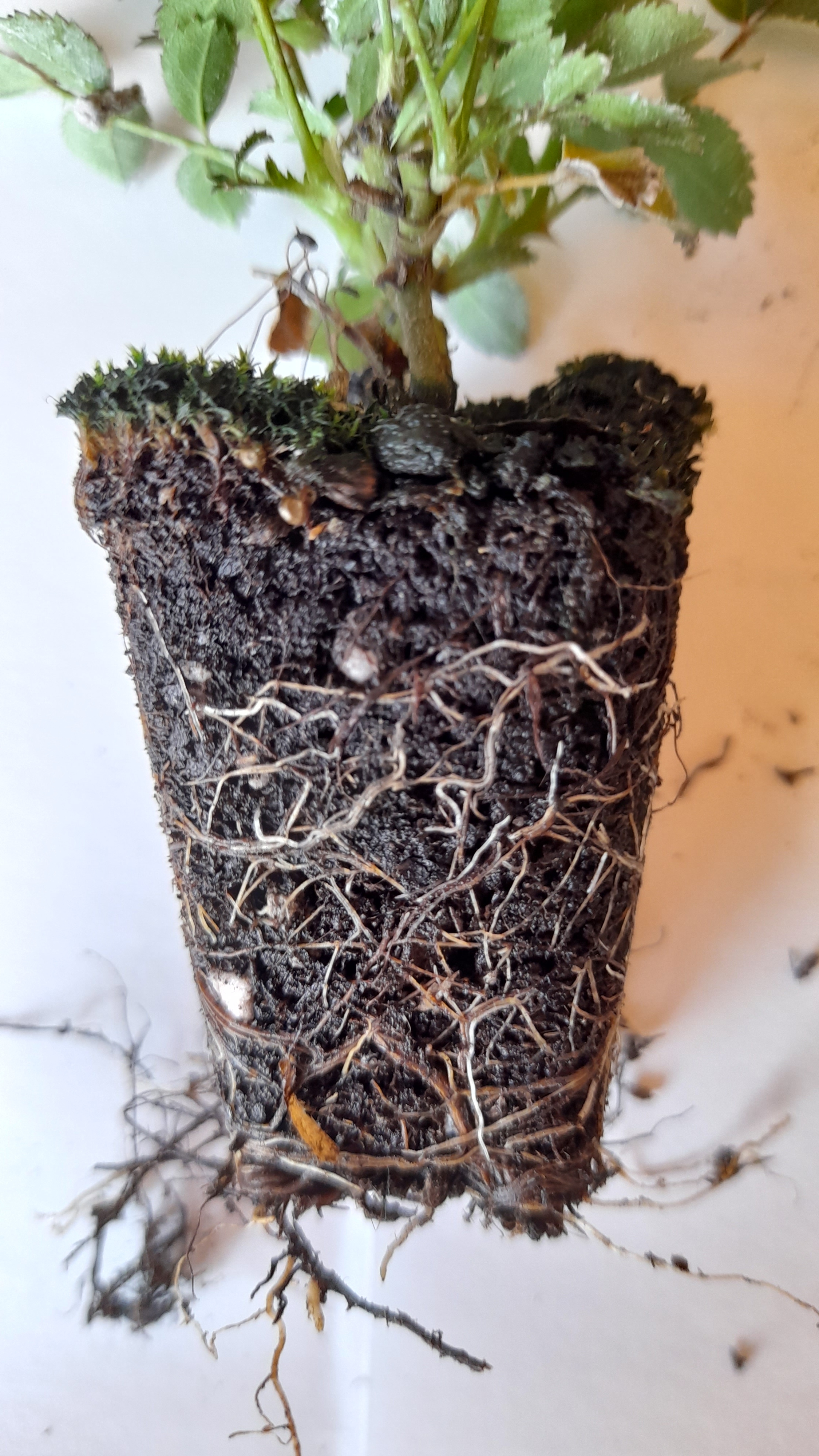
Uniform developmental stage, with a root system that has thoroughly penetrated the plug.
For professional growing‑on.

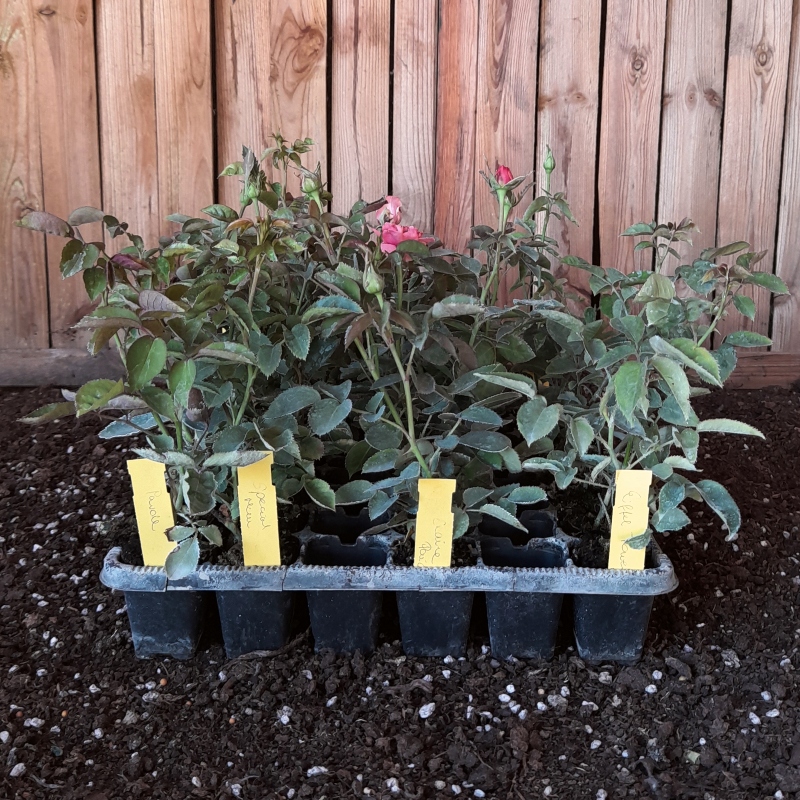
Tray packaging: 10 pcs/tray.
Quality and varietal identity: production supported by a dedicated identification and traceability logic.
Can be transplanted during frost‑free periods, designed for finished product production.

PharmaRosa® NEONATAL provides a controlled, uniform starting stock for planned growing‑on that can be integrated into your own technology – especially where scheduling and varietal identity are paramount.


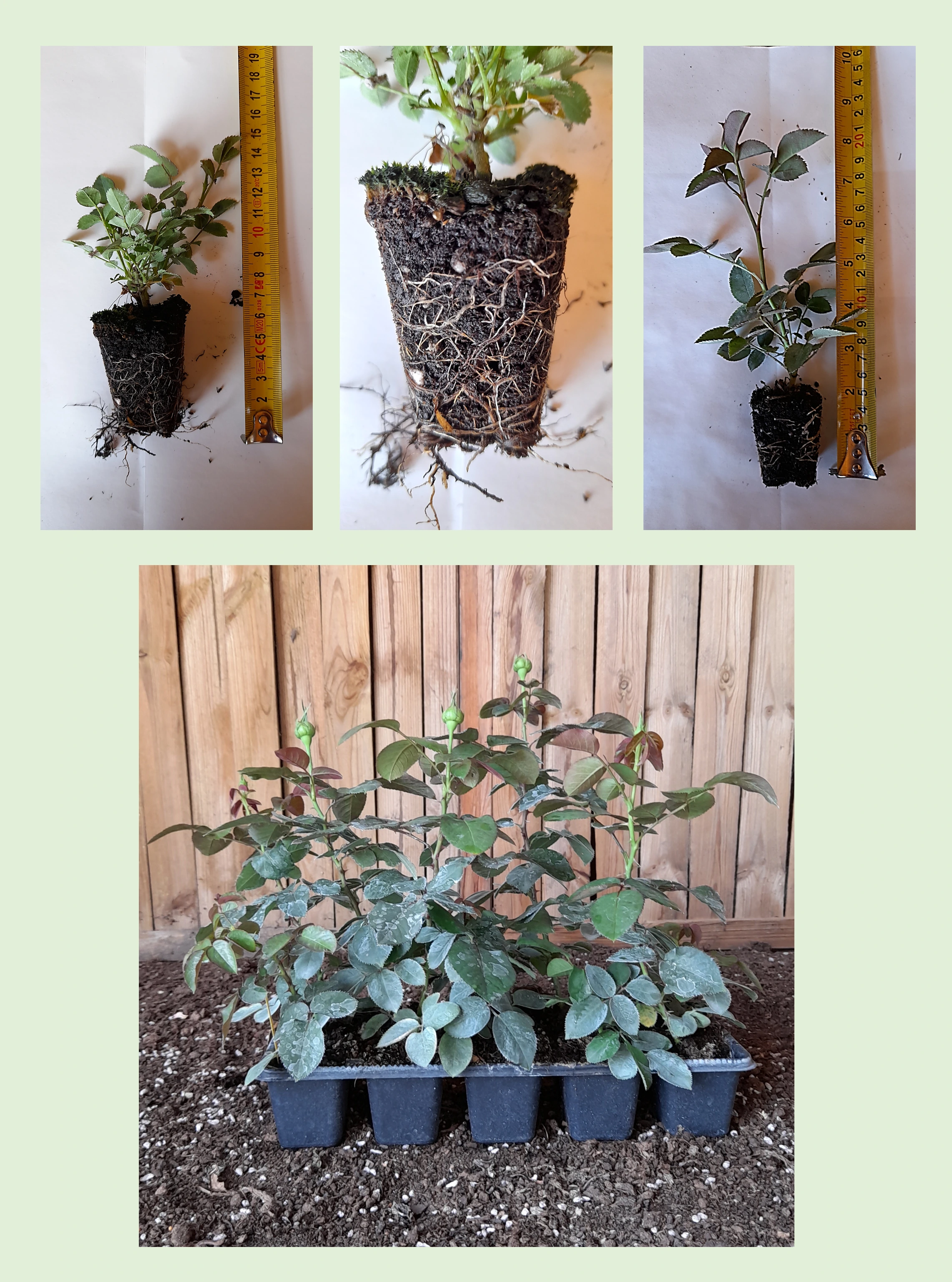
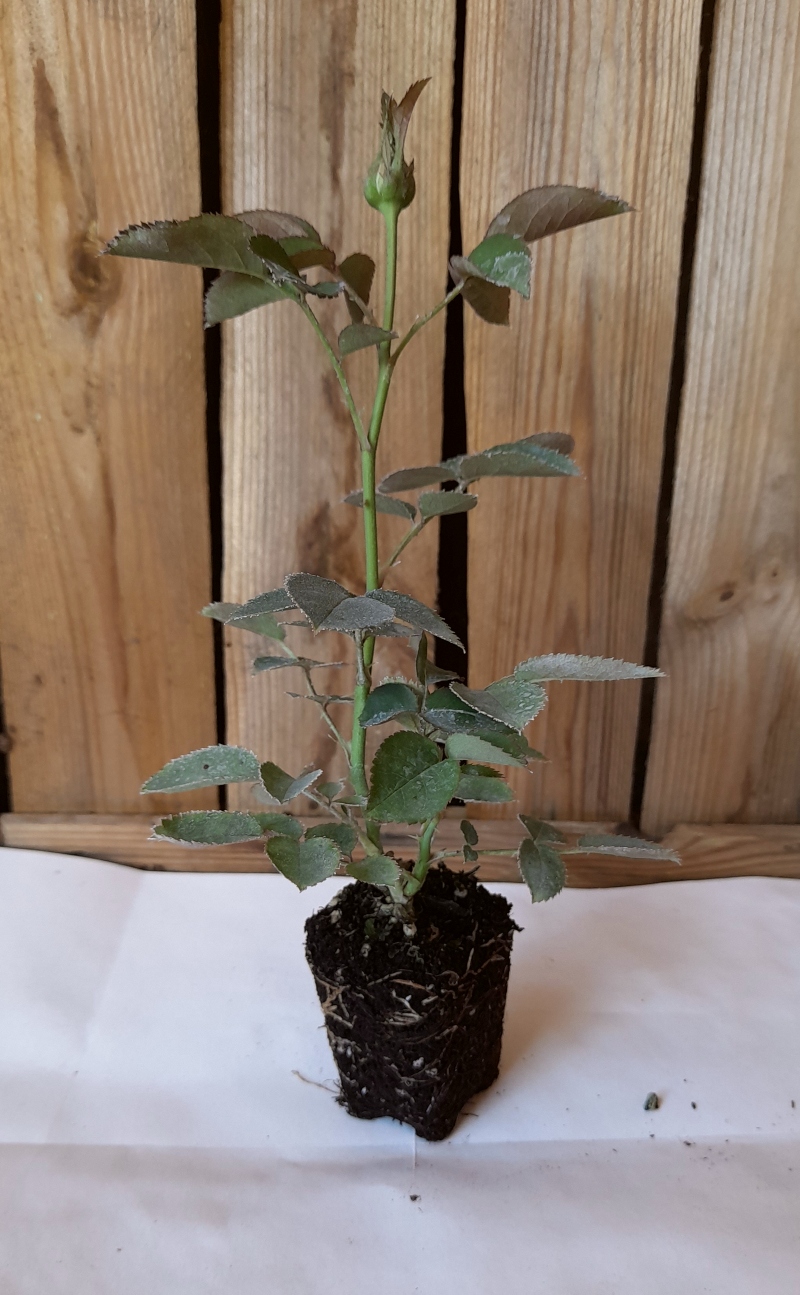
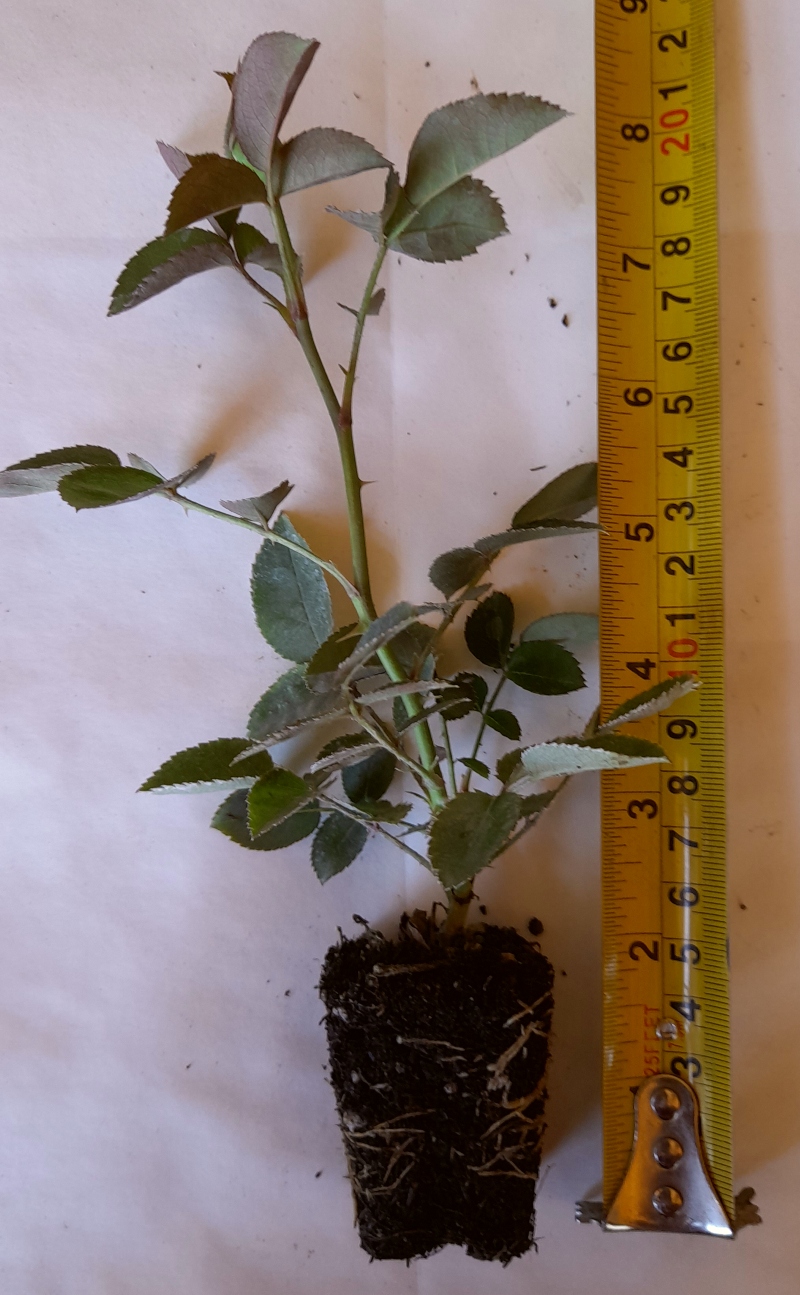
PharmaRosa® NEONATAL own-rooted rose propagation material in a plug, with a root system penetrating the plug (semi-finished product / semi-finished rose). PharmaRosa® NEONATAL rose propagation material size: 3–6‑month‑old, own-rooted cutting with a uniform developmental stage. PharmaRosa® NEONATAL rose propagation material root system: plug densely penetrated by well-developed white roots (root system detail). PharmaRosa® NEONATAL tray stock: own-rooted rose propagation material in trays, uniform developmental stage (10 pcs/tray).

Captions (from left to right): Semi-finished product (NEONATAL own-rooted rose propagation material in a plug with a fully developed root system) • Size demonstration (3–6‑month‑old, uniform cutting) • Root system detail (plug penetrated by the root system) • Tray stock (10 pcs/tray, uniform developmental stage)

pharmarosaneonatal.hupharmarosaneonatal.atpharmarosaneonatal.co.ukpharmarosaneonatal.czpharmarosaneonatal.depharmarosaneonatal.ropharmarosaneonatal.sipharmarosaneonatal.skpharmarosaneonatal.itpharmarosaneonatal.frpharmarosaneonatal.nlpharmarosaneonatal.plpharmarosaneonatal.lupharmarosaneonatal.ptpharmarosaneonatal.espharmarosaneonatal.ltpharmarosaneonatal.sepharmarosaneonatal.lvpharmarosaneonatal.eepharmarosaneonatal.fi

Which product type is right for you?

Pages for private customers
Garden roses for the family garden, with minimal care  → ORIGINAL®
Premium garden roses – instant impact, a truly showpiece garden  → EXTRA®
Pages for professionals and private customers
Roses for public spaces – large areas, sustainable maintenance  → NATURAL®
Roses for projects – hedge and row planting, fast implementation  → RAPID®
For professional partners only
Production – propagation material for garden roses, wholesale  → NEONATAL®

Company details

PharmaRosa Ltd.
Company registration number: 01-09-717479
VAT number: 13075314-2-43
Plant health registration no.: HU130721
Bank account (IBAN):
HU85117631891388688400000000
BIC (SWIFT): OTPVHUHB
Bank name: OTP Bank Nyrt.