Climbing rose

20-228-1
20-228-2

Open Arms

Climbing rose

CHEWpixcel – Christopher H. Warner

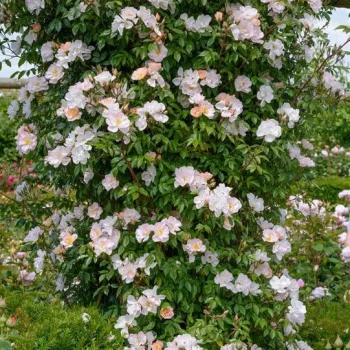
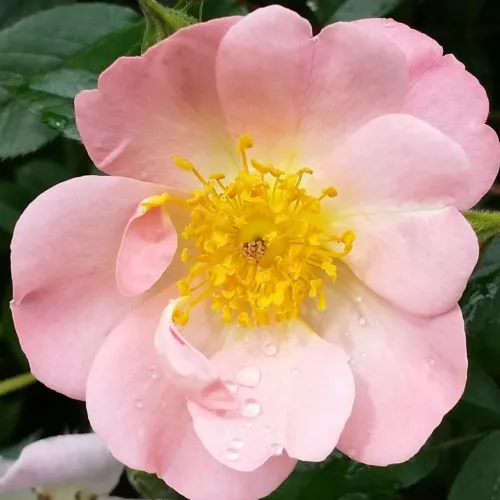
Delicate pastel pink base colour, highlighted by a slightly more vivid shade along the petal edges. - climbing rose, climbing rose - light, understated-scented rose - classic rose character

– Compact climbing habit for arches and fences.
– Resistant to black spot, mildew and rust.
– Soft pastel pink blooms with gentle colour play.
– Light classic rose fragrance, pleasantly discreet.
– Attractive to bees thanks to open, semi-double blooms.
– Special feature: RHS Award of Garden Merit winner, ideal as a vertical focal point in small gardens.
Exclusive, space-defining – specialty
Open Arms
pharmaROSA® NEONATAL rooted rose cutting
28,30 £
Due to courier service regulations – and the introduction of customs clearance – delivery to Ireland is temporarily suspended.
3 (4408)
facebook   twitter

Open Arms Climbing rose CHEWpixcel – pharmaROSA® NEONATAL

Professional own-root pharmaROSA® NEONATAL material of Open Arms provides a stable, predictable base for trained climbing production where low-maintenance, exhibition-grade vertical structure is required on pergolas, arches and fences. As tray-grown, 3–6‑month rooted cuttings supplied staked and pre-trained to 3–5 main canes, it slots efficiently into nursery propagation beds and 5–7 L container lines, supporting wholesale ranges aimed at exclusive, space-defining climber offers. Its resistant foliage, reliable remontant flowering and good self-cleaning help maintain homogeneous, low-replacement stands that hold quality in nursery networks and public‑realm supply chains even in cooler, wind‑exposed northern locations with demanding site conditions. Own-root structure underpins long-term longevity, renewable canes and stable ornamental value, with Year 1 focused on roots, Year 2 on framework shoots and Year 3 bringing full climbing and floral impact. The delicate pastel pink, cluster-flowered, semi-double blooms with accessible stamens add pollinator-friendly interest, while moderate height and spread make capacity planning straightforward for nursery teams building thematic or collection-led rose assortments.


Usage options

Target area Reasoning
Vertical feature for pergolas and arches The combination of 6.6–10.5 ft height and 3.9–6.6 ft spread gives a controllable climbing framework ideal for pergolas, fences and arches developed as trained climber finished products. Starting from NEONATAL own-root material already staked and trained to 3–5 main canes shortens your structural build-up time, while 5–7 L target pots suit premium, exclusive vertical garden features in retail and reseller channels focused on distinctive habit for thematic rose gardens and collections.Retail / reseller
Low-maintenance project planting Good self-cleaning with most spent blooms dropping naturally, combined with low maintenance requirements, reduces grooming needs in production and end use. Own-root propagation supports long lifespan and regeneration under public-realm or institutional workloads, where homogeneous, low-replacement stands are essential. Positioning trained climber units in 5–7 L containers allows contractors to specify a tidy, repeat-flowering vertical accent that fulfils a vertical garden feature promise for supply into landscape-focused distributor networks.Public-realm suppliers
Disease-resilient nursery stock Documented resistance to powdery mildew, black spot and rust supports reliable crop health in intensive nursery settings and propagation beds. This resistance, combined with H7 hardiness down to approximately -21 °C, offers production security where winter protection is limited and fungicide programmes must be optimised. NEONATAL own-root material helps maintain cultivar identity and stable stands, anchoring wholesale assortments that emphasise durable, exhibition-grade climbers for specialist rose trade partners.Professional rose growers
Cool-climate and exposed-site use Hardiness to approximately -21 to -18 °C, RHS H7, and suitability noted for northern and more exposed conditions enable production for cooler UK regions and windy, open gardens. Growing on in 5–7 L containers as trained climbers gives nurseries a flexible stock item for networks supplying municipal and institutional projects where reliable vertical features are specified. This supports a space-defining vertical garden offer without over-committing to very tall structures.Public-realm suppliers
Compact climbing for container lines The moderate ultimate height and spread, coupled with climbing habit, make this cultivar well suited to containerised climber ranges up to and beyond 5–7 L, with options to step into 40–50 L feature containers where required. Its manageable framework supports efficient staking and training in production, and own-root vigour secures long-term performance for retail displays. The result is an exclusive yet practical climber line for premium garden centres and collection-oriented ranges.Retail / reseller
Pollinator-supportive thematic collections Open, semi-double, cluster-flowered blooms with exposed stamens provide pollinator appeal, aligning with biodiversity and sustainability briefs in public and private projects. Using NEONATAL own-root propagation helps maintain identity for collection plantings and gene-bank style stands, while trained climber finished products in 5–7 L containers are easy to handle for thematic rose gardens. This supports an exclusive, educational vertical garden feature segment within broader nursery catalogues.Nurseries
Colour-graded exhibition ranges The pastel pink tonality, with mid-pink outer petals and softer, creamy inner tones that lighten in strong sun, offers subtle but recognisable colour identity useful for exhibition-grade climbing assortments. Remontant flowering, though with a lighter second flush, supports season-long display in trained climber formats. Own-root stock in standardised 5–7 L pots enables orderly, graded colour blocks in retail and show settings, reinforcing a curated, distinctive habit proposition.Exhibition partners
Award-backed speciality climber lines Recognition such as the RNRS Certificate of Merit (1993) and RHS Award of Garden Merit (2001) supports confident positioning as an exclusive, space-defining climber for discerning markets. Integrated into trained climber product paths from NEONATAL material, it suits nurseries serving demanding retail and collector channels, including thematic rose gardens. This allows you to build a branded vertical garden feature offer with strong technical and reputational backing for northern and wind-exposed UK projects.Specialist rose trade

Finished-product ideas

  • 5–7 L trained climber for pergolas – NEONATAL own-root plants pre-trained to 3–5 canes, finished in 5–7 L pots as low-maintenance, resistant climbers for arches and pergolas – retail / reseller premium rose lines
  • Project-ready climber in 40–50 L containers – Further grown into 40–50 L tubs to create immediately impactful, hardy vertical features with reliable self-cleaning and moderate height – public-realm and institutional contractors
  • Pollinator-friendly collection item – Cluster-flowered, semi-double, pastel pink climber offered as a labelled pollinator-supportive SKU, grown in 5–7 L pots from own-root propagation – thematic rose garden and collection suppliers
  • Disease-resilient nursery climber block – Own-root, disease-resistant stock batch-grown in uniform 5–7 L containers, focused on low-loss, homogeneous stands for onward branded ranges – professional nursery networks and integrators
  • Awarded exhibition climber selection – Highlight its RHS AGM and RNRS recognition within a curated climbing collection, finished as trained climbers for colour-graded display benches – exhibition and specialist rose retailers

Technical cultivar profile
Parameter Data
Name and registration Miniature climbing rose from the Climbing rose collection; registered as CHEWpixcel, marketed as Open Arms Climbing rose CHEWpixcel, ARS exhibition name Open Arms for professional and exhibition use.
Origin and breeding Bred in the United Kingdom by Christopher H. Warner from ‘Mary Sumner’ × ‘Laura Ashley’; breeding completed 1991, introduced and registered 1995, associated with Warner’s Roses breeding programme.
Awards and recognition Recognised with RNRS Certificate of Merit in 1993 and RHS Award of Garden Merit in 2001, supporting its use as a reliable, exhibition-capable garden and landscape climber in professional ranges.
Growth and structural characteristics Climbing habit with moderately dense, glossy dark green foliage and moderate prickliness; approximate height 200–320 cm, spread 120–200 cm, forming a manageable vertical framework suitable for structures and containers.
Flower morphology Semi-double, cup-shaped flowers in small clusters, typically 6–15 petals and small S size (about 0.5–1.5 inches), remontant with a lighter second flush, supporting an extended though not continuous display period.
Colour data and phenology Delicate pastel pink base (RHS 55A outer, 55D inner), mid-pink buds and slightly more vivid petal edges; flowers lighten in strong sunlight and stay more vivid in cooler weather, providing subtle tonal variation over time.
Fragrance and aroma Light, understated classic rose fragrance that complements its visual effect without dominating; open, semi-double form with accessible stamens contributes additional interest and utility in pollinator-friendly planting schemes.
Hip characteristics Produces spherical rose hips in moderate quantities, about 8–12 mm diameter, coloured red to RHS 40A; hips can contribute seasonal detail and seed set where not deadheaded, relevant for naturalistic or wildlife plantings.
Resistance and winter hardiness Rated resistant to powdery mildew, black spot and rust; hardy to about -21 to -18 °C (USDA 6b, Swedish zone 3, RHS H7), supporting outdoor culture across much of the UK in exposed, cold or demanding garden situations.
Horticultural recommendations Recommended for pergolas, fences, rose arches, containers and specimen use; suits trained climber product routes, low-maintenance regimes and 5–7 L pots, with own-root propagation supporting long-term, stable ornamental performance.

Open Arms Climbing rose CHEWpixcel combines reliable disease resistance, manageable climbing structure and award-backed ornamental value on a long-lived own-root base, making it a practical choice for aligned capacity planning and scheduling discussions.

Detailed product attributes

Product Identification Data

Product Name: OPEN ARMS – pink climbing-rambling rose - Warner
Product Type: pharmaROSA® NEONATAL - rooted rose cutting
Cultivar Authenticity: Verified:03.11.2025
Cultivar Quality Rating: premium bronze
Item Number: [786] 20-228 (14.02.2026) pharmarosaneonatal.co.uk

Name and Registration

Meaning of Cultivar Name: The name 'Open Arms' means 'Tárt karok' and refers to a warm, friendly welcome.
Cultivar Synonym: Coral Seas
Original Trade Name: Open Arms
Current Trade Name: Open Arms Climbing rose CHEWpixcel
Rose Group: Miniature, Climber
Commercial Type: climbing rose, climbing rose
Commercial Group: Climbing rose
Exhibition Category: exhibition climbing rose
Collection: Climbing rose

Origin and Breeding

Breeder: Christopher H. Warner
Breeding Company / Institution: Warner’s Roses (United Kingdom)
Breeding Year: United Kingdom, 1991
Parentage: ‘Mary Sumner’ × ‘Laura Ashley’

Awards and Honours

Horticultural Ratings and Recommendations: RHS Award of Garden Merit (2001)
Competition and Show Awards: RNRS Certificate of Merit (1993); RHS Award of Garden Merit (2001)

Growth and Structural Characteristics

Height: 6.6-10.5ft (200-320 cm)
Spread: 3.9-6.6ft (120-200 cm)
Growth Habit: climbing
Foliage: The variety has moderately dense foliage. The leaves are glossy and dark green.
Prickliness: moderately thorny
Self-Cleaning Description: Most spent blooms drop off naturally.
Self-Cleaning Intensity: self-cleaning: good

Flower Morphology

Petal Count: 6-15
Flower Fullness: semi double flowered
Flower Shape: cup-shaped
Flower Size: S (0,5-1,5 in)
Inflorescence Type: cluster-flowered
Colour Code: ARS code: Pk RHS code: 55A (outer), 55D (inner)
Repeat Flowering: Remontant; the second flush is not as abundant.

Colour Data and Phenology

Colour: pink
Flower Colour Description: Delicate pastel pink base colour, highlighted by a slightly more vivid shade along the petal edges.
Closed Bud: Uniform mid-pink with a slight reddish tinge and a matt surface.
Newly Opened Flower: Mid-pink outer petals, softer, creamy pink inside.
Full Bloom: Pastel pink petals, fading to an almost whitish tone around the stamens.

Before Fading: Further-fading light pink, the petal edges shade into a creamy colour.
Colour Fading Description: In strong sunlight it lightens, while in cooler conditions it remains more vivid.

Fragrance and Aroma

Fragrance Strength: light, understated-scented rose
Fragrance Character: classic rose character
Pollinator Attraction: Open, semi-double blooms with exposed stamens attract pollinators, as the semi-double flower form and easily accessible stamens increase their appeal to pollinating insects.
Pollinator-Friendly Rating: Considered pollinator-friendly due to its open, single to semi-double flower form.

Hip Characteristics

Hip Shape: spherical
Hip Colour: red (RHS 40A)
Hip Comment: A rose hip produced in moderate quantities, 8–12 mm in diameter, spherical, red (RHS 40A).

Resistance and Hardiness

Hardiness (°C): -21–-18 °C
Heat and Drought Tolerance Description: Blooms in warm conditions, tolerates moderate drought but requires watering during prolonged dry periods.
Disease Resistance: resistant
  • powdery mildew – resistant
  • black spot – resistant
  • rust – resistant

Horticultural Recommendations

Recommended product path: Trained climber finished product
Release form: Staked, trained (3–5 main canes)
Recommended use: Maintenance requirement low; only basic care is needed.
Primary Uses: pergola, fence, rose arch, container, specimen

Comments

Positioning: Exclusive, space-defining – specialty
Target customer/channel: Retail / reseller
Main value proposition: Vertical garden feature, distinctive habit
OPEN ARMS – pink climbing-rambling rose - Warner
Delicate pastel pink base colour, highlighted by a slightly more vivid shade along the petal edges. - climbing rose, climbing rose - light, understated-scented rose - classic rose character
Online rose order - pink - light, understated-scented rose - Open Arms - climbing rose, climbing rose - (6.6-10.5ft (200-320 cm))
Inflorescence: cluster-flowered Height: 6.6-10.5ft (200-320 cm) Flower shape: cup-shaped Winter hardiness: 6b pink - - climbing rose, climbing rose - Flower size: S (0,5-1,5 in) Flower size: S (0,5-1,5 in) - Height: 6.6-10.5ft (200-320 cm) Height: 6.6-10.5ft (200-320 cm) - Flower fullness: semi double flowered Open Arms - Roses in the garden | pharmaROSA® Neonatal - premium bronze Christopher H. Warner

We showcase the external appearance of the roses available for online purchase from our webshop.


Which product type is right for you?


PharmaRosa® NEONATAL is the cost‑effective starting point for rose product production.

As a uniform, own‑rooted propagation material, it provides a stable basis for further growing-on and can be integrated flexibly into different finished product production technologies.
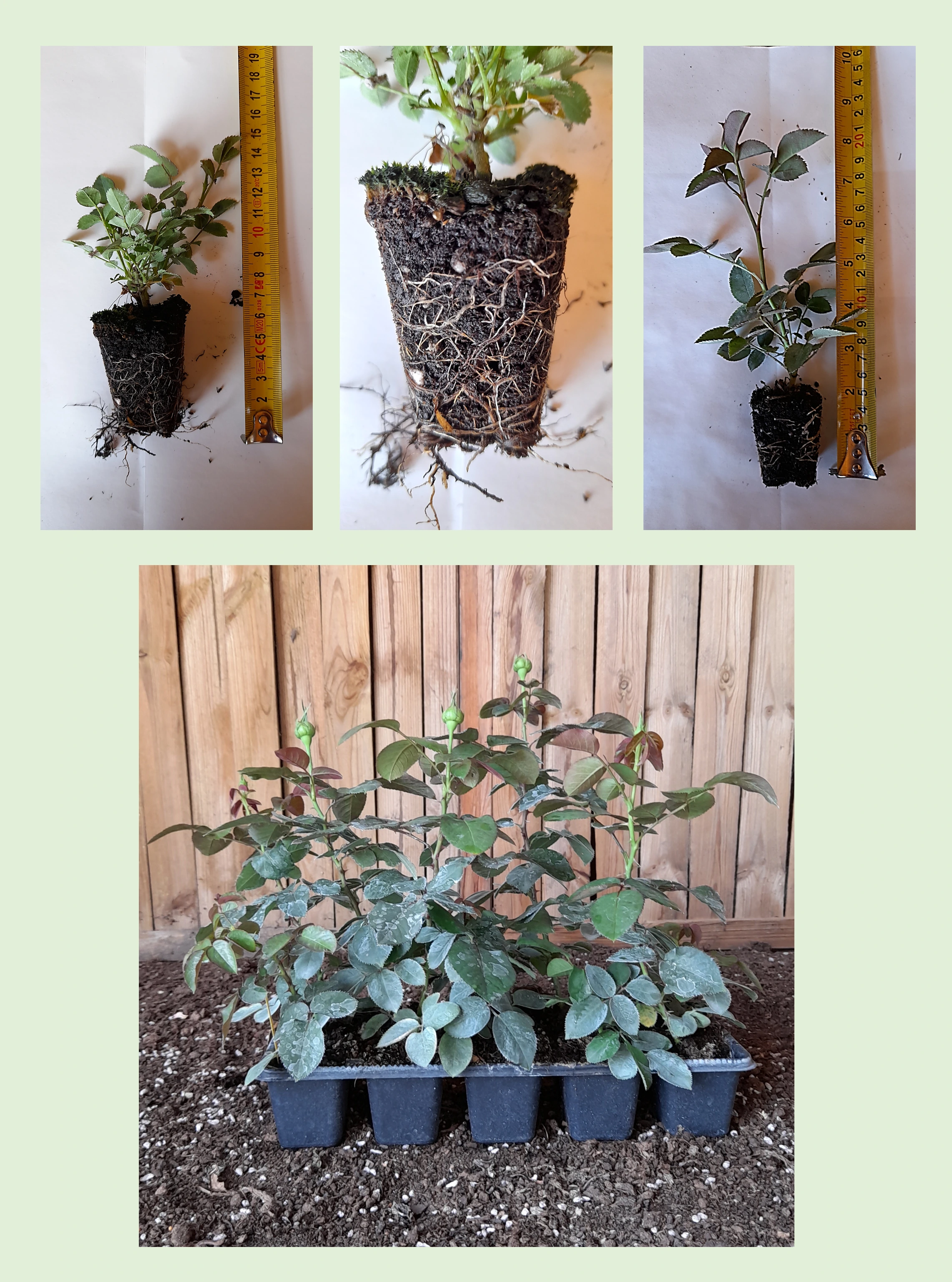
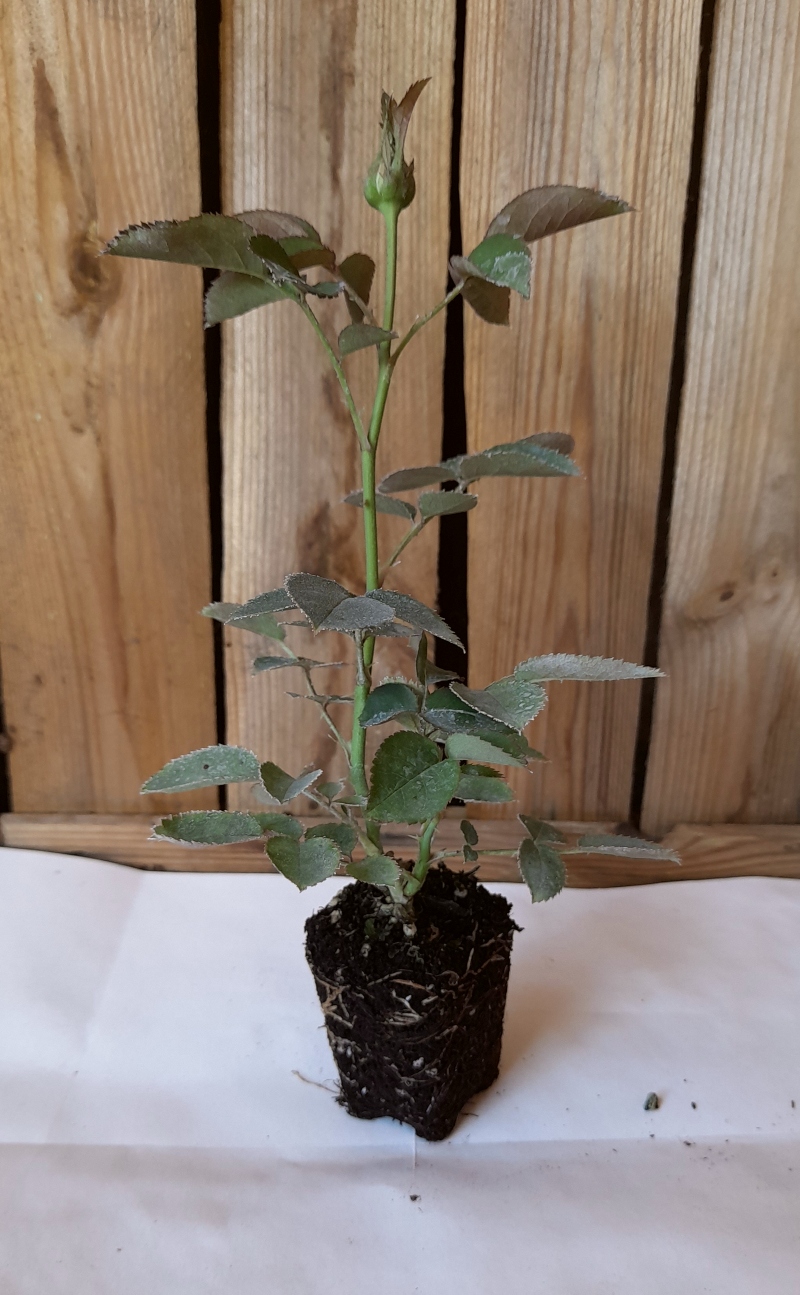
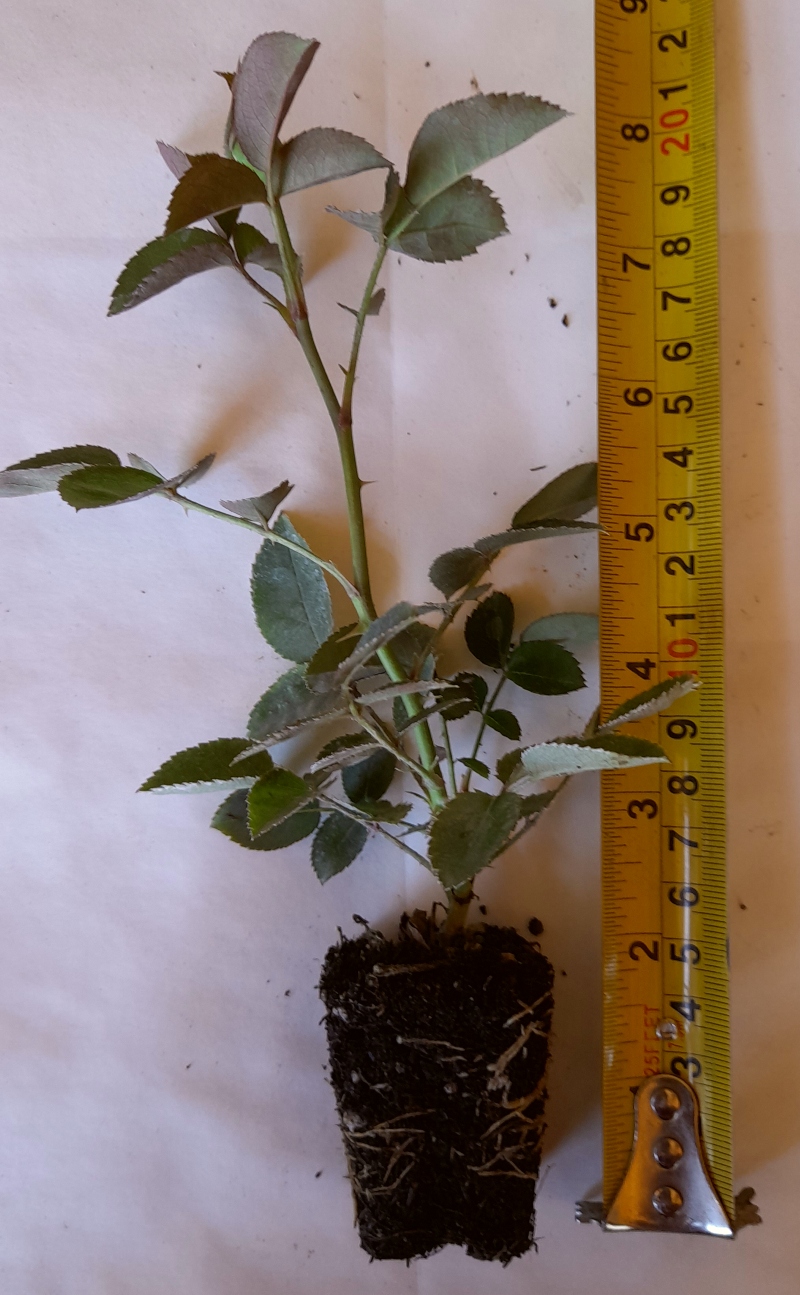
Rooted in trays (rooted), 3–6‑month‑old, own‑rooted rose cutting.
Uniform developmental stage, with a root system that has thoroughly penetrated the plug.
For professional growing‑on.
Tray packaging: 10 pcs/tray.
Quality and varietal identity: production supported by a dedicated identification and traceability logic.
Can be transplanted during frost‑free periods, designed for finished product production.

PharmaRosa® NEONATAL provides a controlled, uniform starting stock for planned growing‑on that can be integrated into your own technology – especially where scheduling and varietal identity are paramount.


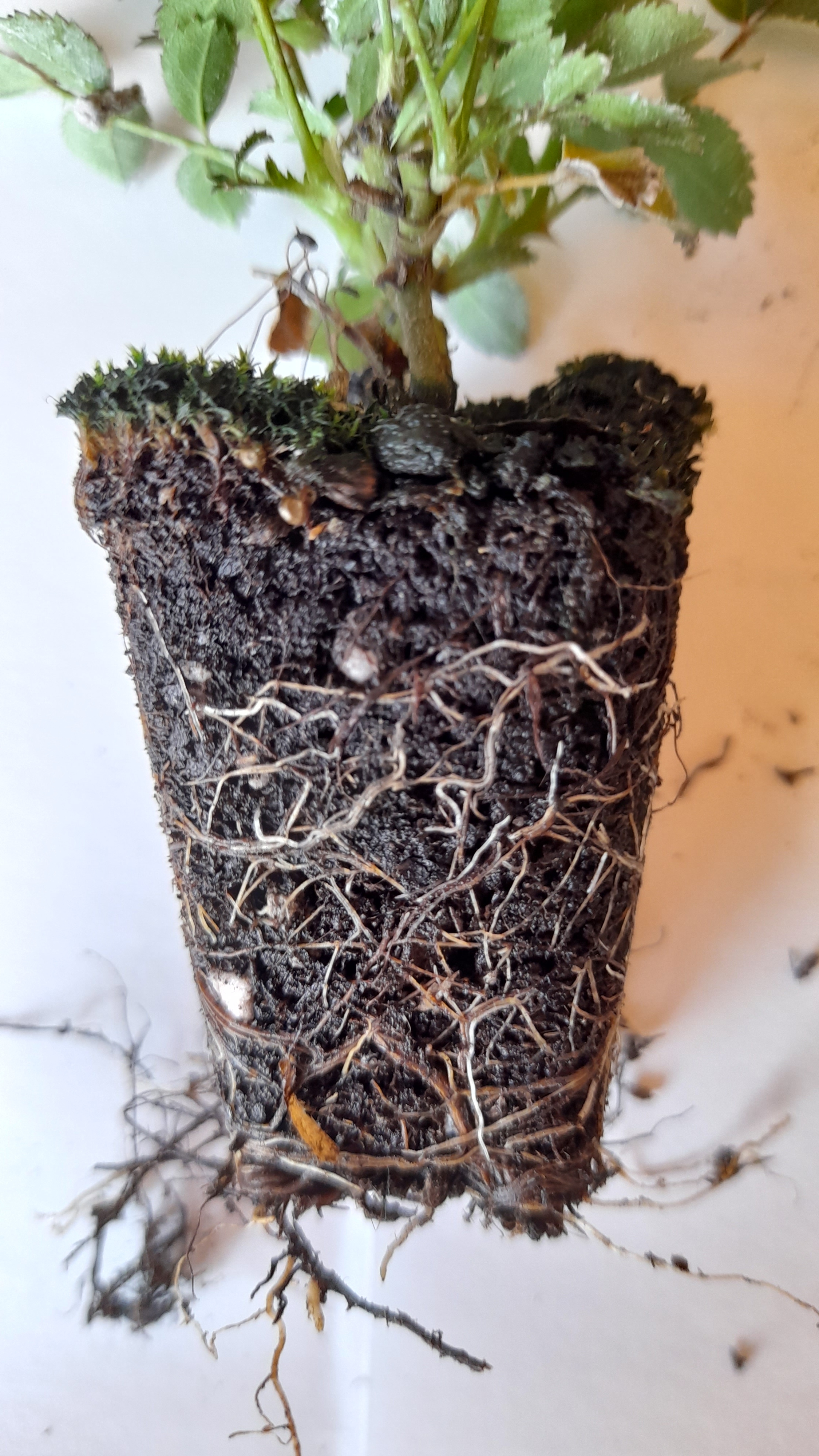
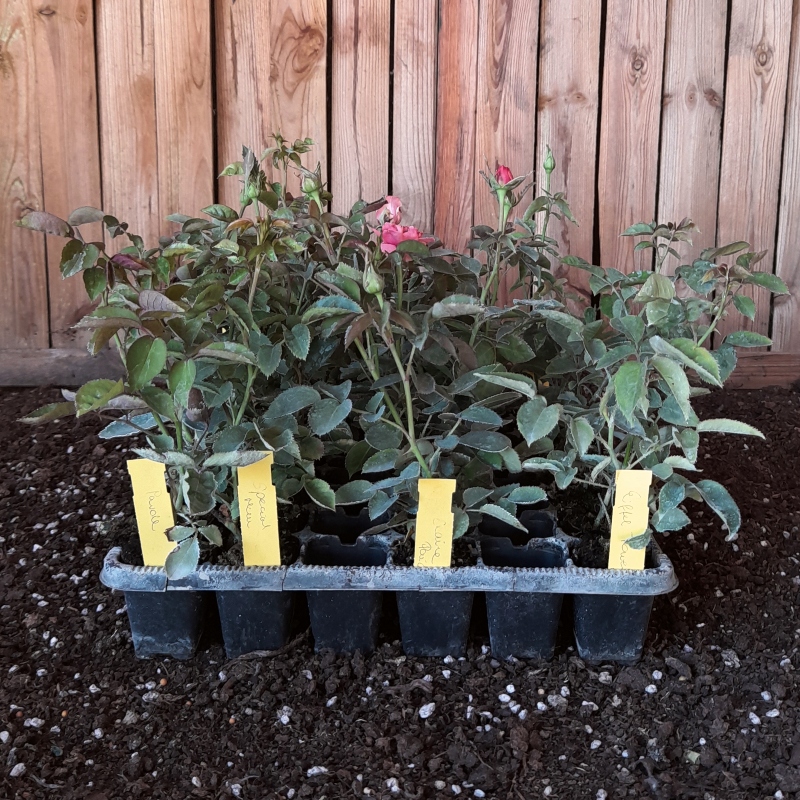
PharmaRosa® NEONATAL own-rooted rose propagation material in a plug, with a root system penetrating the plug (semi-finished product / semi-finished rose). PharmaRosa® NEONATAL rose propagation material size: 3–6‑month‑old, own-rooted cutting with a uniform developmental stage. PharmaRosa® NEONATAL rose propagation material root system: plug densely penetrated by well-developed white roots (root system detail). PharmaRosa® NEONATAL tray stock: own-rooted rose propagation material in trays, uniform developmental stage (10 pcs/tray).

Captions (from left to right): Semi-finished product (NEONATAL own-rooted rose propagation material in a plug with a fully developed root system) • Size demonstration (3–6‑month‑old, uniform cutting) • Root system detail (plug penetrated by the root system) • Tray stock (10 pcs/tray, uniform developmental stage)

pharmarosaneonatal.hupharmarosaneonatal.atpharmarosaneonatal.co.ukpharmarosaneonatal.czpharmarosaneonatal.depharmarosaneonatal.ropharmarosaneonatal.sipharmarosaneonatal.skpharmarosaneonatal.itpharmarosaneonatal.frpharmarosaneonatal.nlpharmarosaneonatal.plpharmarosaneonatal.lupharmarosaneonatal.ptpharmarosaneonatal.espharmarosaneonatal.ltpharmarosaneonatal.sepharmarosaneonatal.lvpharmarosaneonatal.eepharmarosaneonatal.fi

Which product type is right for you?

Pages for private customers
Garden roses for the family garden, with minimal care  → ORIGINAL®
Premium garden roses – instant impact, a truly showpiece garden  → EXTRA®
Pages for professionals and private customers
Roses for public spaces – large areas, sustainable maintenance  → NATURAL®
Roses for projects – hedge and row planting, fast implementation  → RAPID®
For professional partners only
Production – propagation material for garden roses, wholesale  → NEONATAL®

Company details

PharmaRosa Ltd.
Company registration number: 01-09-717479
VAT number: 13075314-2-43
Plant health registration no.: HU130721
Bank account (IBAN):
HU85117631891388688400000000
BIC (SWIFT): OTPVHUHB
Bank name: OTP Bank Nyrt.