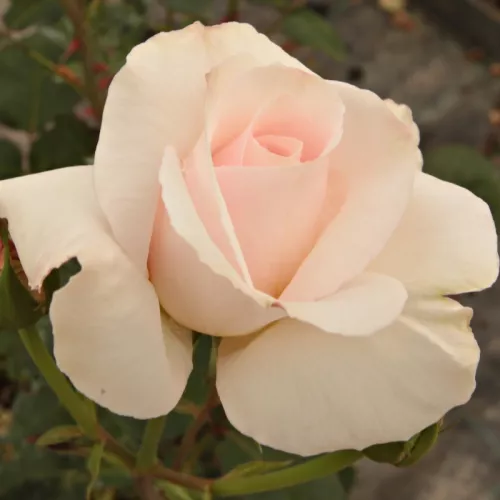
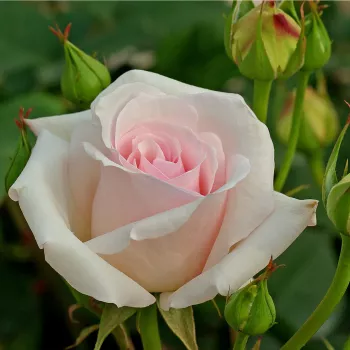
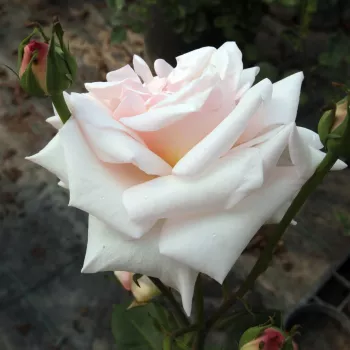
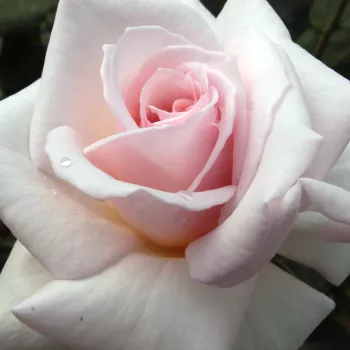
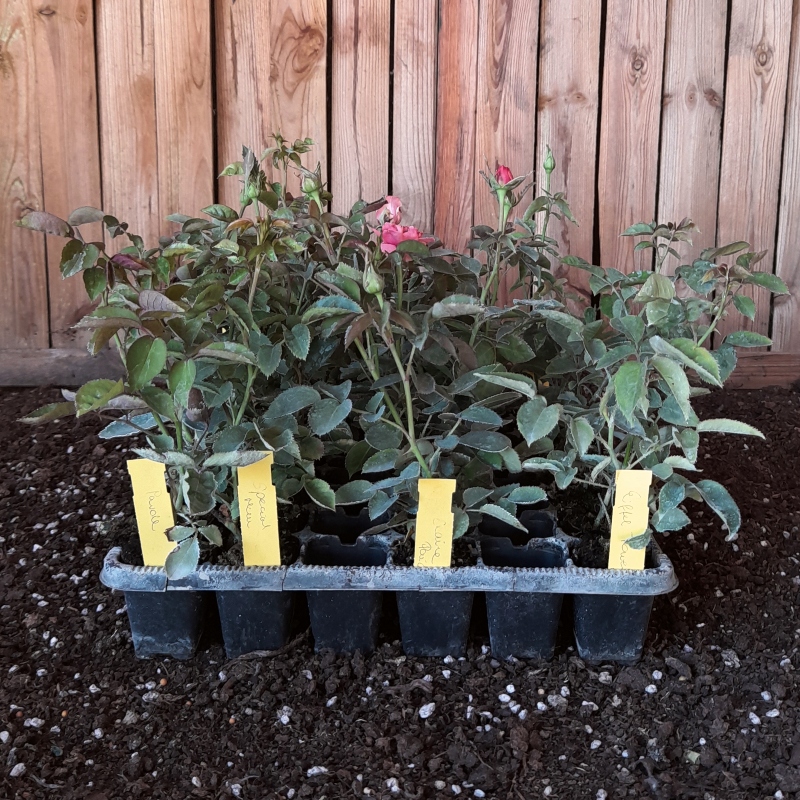
OPHELIA™ – pale pink hybrid tea rose – pharmaROSA® NEONATAL
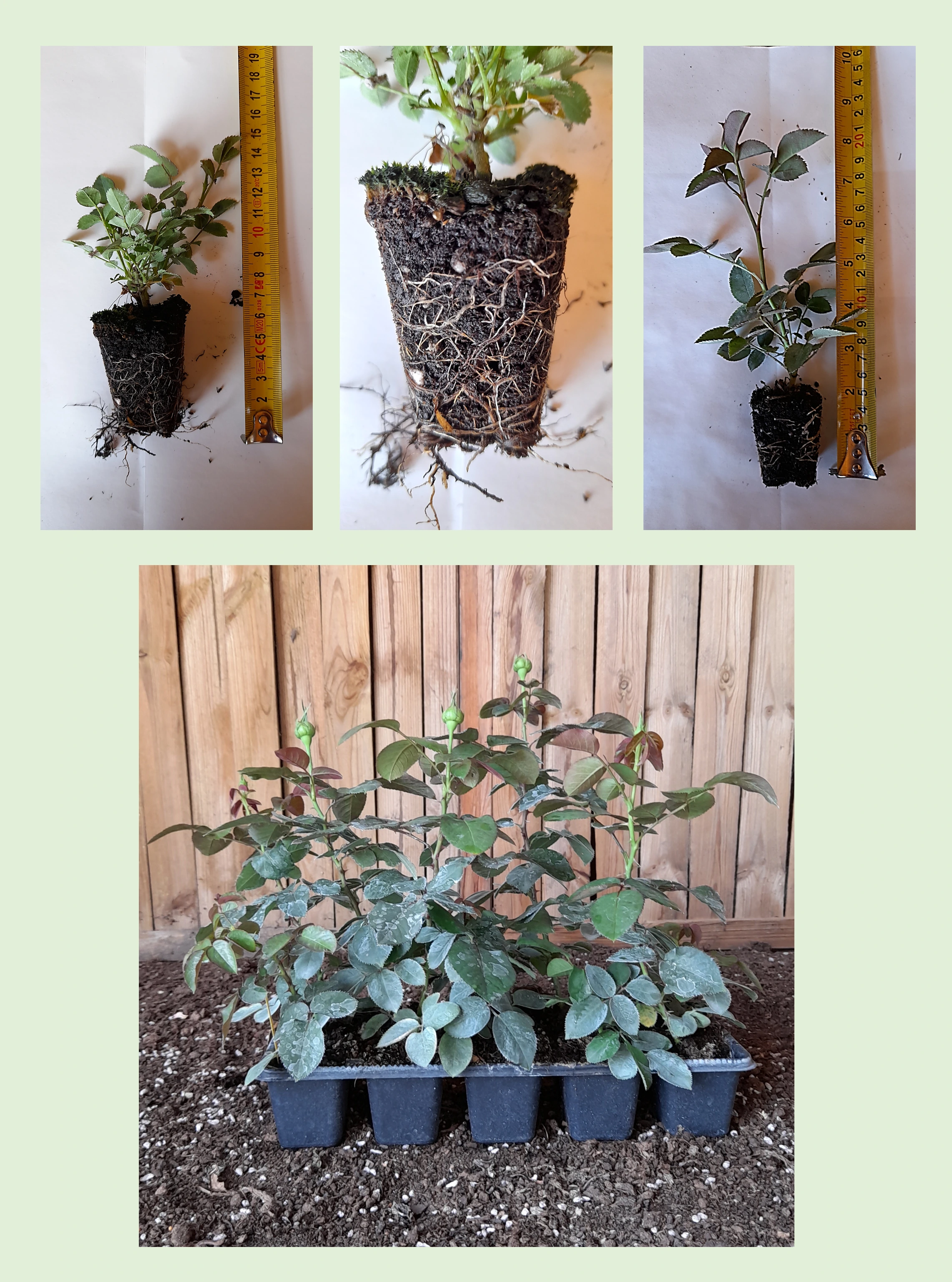
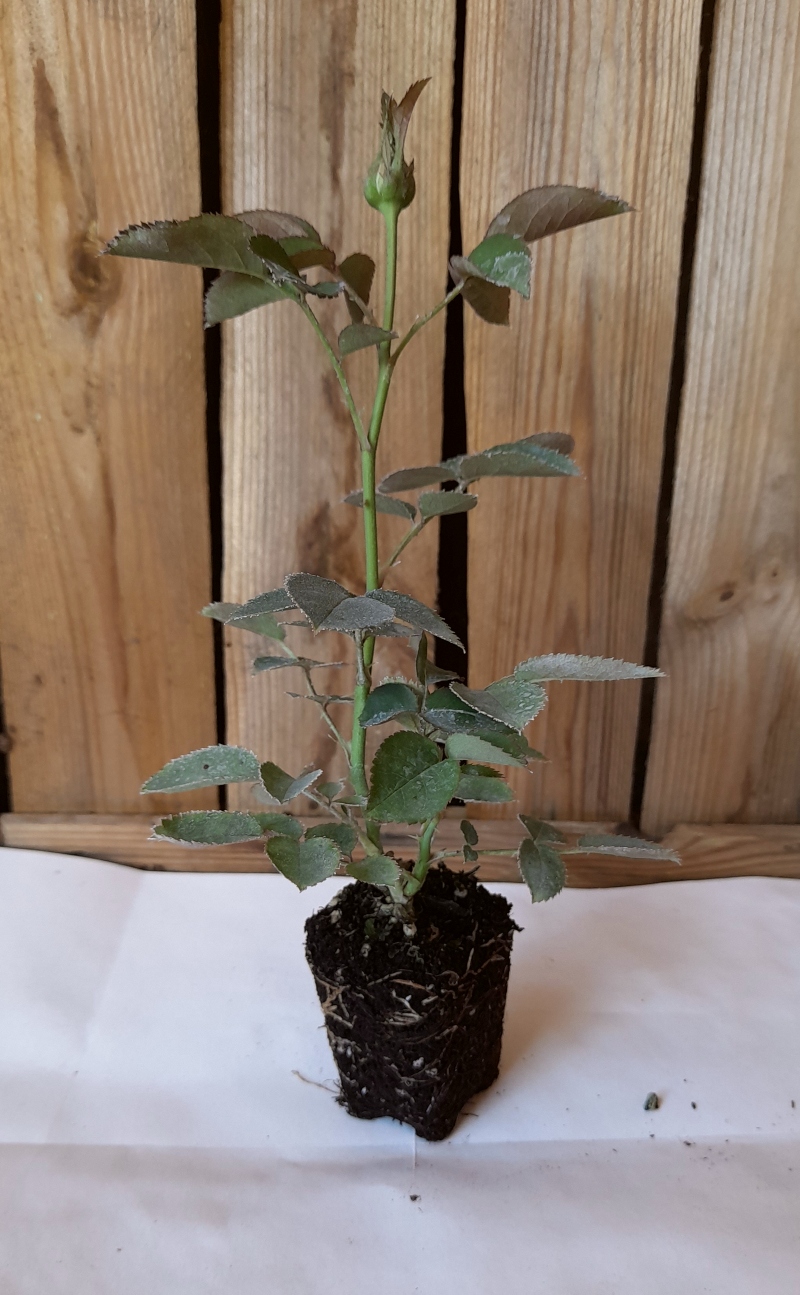
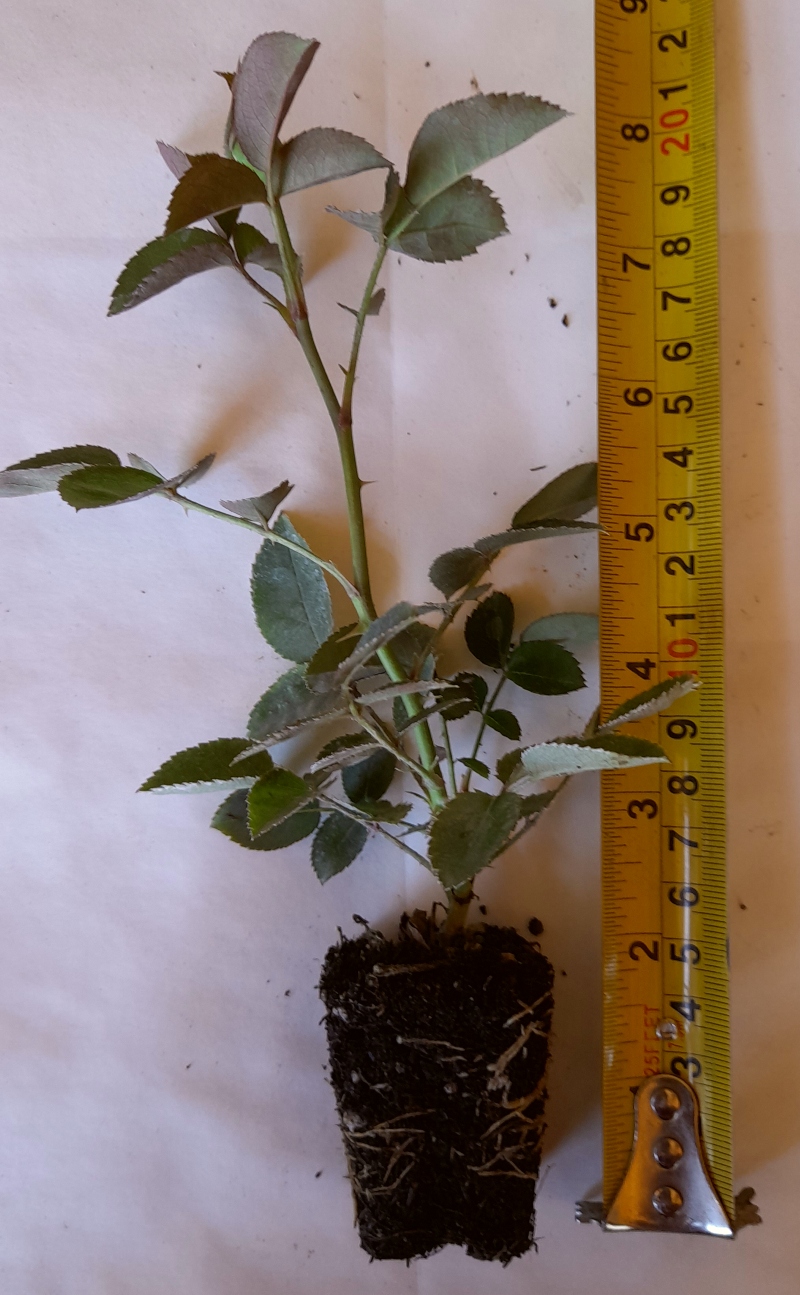
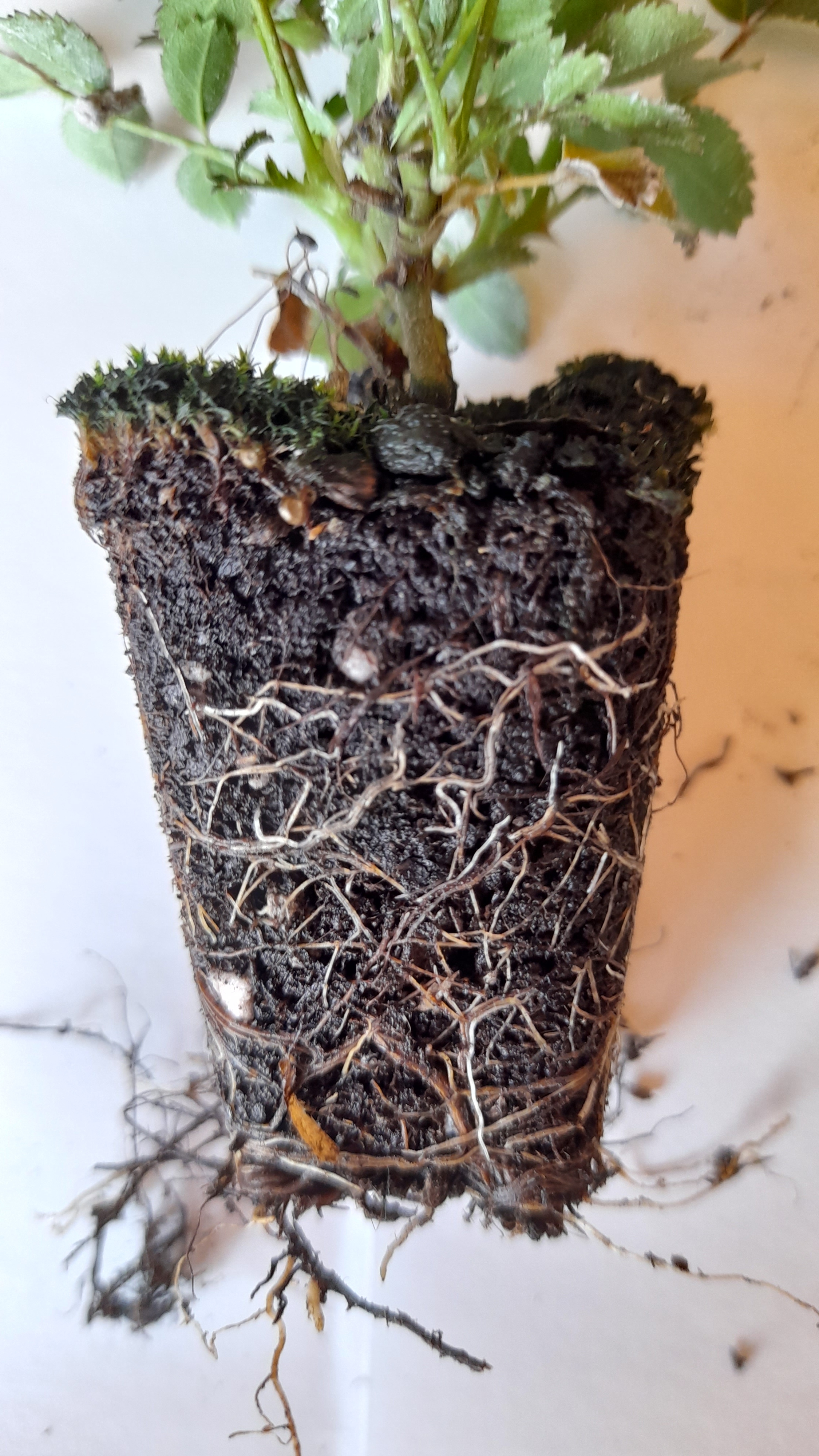
Ophelia has long been valued in professional cut flower production for its refined hybrid tea form, pastel colour stability and strong, long-lasting fragrance, and as pharmaROSA® NEONATAL rooted material it offers nurseries a reliable own-root base for premium container lines and bush-trained, 3–5 cane framework plants. With H7 hardiness and USDA 5b performance it supports UK networks needing dependable winter field and container blocks, well suited to nursery propagation beds and 5–7 L premium routes that underpin exclusive finished-product assortments for retail and reseller partners. The remontant, plentiful second flowering and upright, bushy habit facilitate predictable scheduling of flowering windows in thematic rose gardens and collection projects, while own-root longevity supports low replacement and steady capacity development across propagation cycles, aligning with growers who plan for year 1 root establishment, year 2 structural shoots and year 3 full ornamental value.
Usage options
Finished-product ideas
- Premium scented 5–7 L hybrid tea line – Own-root, bush-trained plants in 5–7 L containers focusing on strong fragrance and refined hybrid tea form, positioned as an exclusive scented series – target audience/channel: retail/reseller partners.
- Historic hybrid tea collector range – Curated 1912-bred heritage hybrid tea, produced as premium containers with 3–5 cane structure, highlighting provenance and colour stability – target audience/channel: collectors and specialist garden centres.
- Cut and exhibition support stock – Bush-trained 5–7 L plants marketed for garden cutting and exhibition use, leveraging solitary, cup-shaped blooms and remontant flowering – target audience/channel: specialist exhibitors and hobbyist cut-flower growers.
- Public-realm specimen selection – Upright, bushy, winter-hardy specimens supplied in larger 40–50 L containers for immediate landscape impact and long-term own-root stability – target audience/channel: municipal and institutional project suppliers.
- Thematic pastel rose collection blocks – Colour-stable pale-pink plants used to anchor pastel-toned collection benches and show-garden schemes, built from uniform 5–7 L own-root stock – target audience/channel: nurseries serving thematic and show-garden projects.
Technical cultivar profile
| Parameter |
Data |
| Name and registration |
Hybrid tea rose cultivar marketed as Ophelia™ Hybrid tea rose Paul, with American Rose Society approved exhibition name Ophelia; unregistered variety used commercially as a classic hybrid tea type. |
| Origin and breeding |
Raised by William Paul & Son, Waltham Cross, United Kingdom, from an ‘Antoine Rivoire’ seedling; introduced in 1912 by William Paul & Son and representing early twentieth-century British hybrid tea breeding. |
| Growth and structural characteristics |
Upright, bushy plants 80–110 cm tall and 50–70 cm spread, with moderately dense, slightly glossy medium to dark green foliage and moderate prickliness; weak self-cleaning, so deadheading is necessary for best performance. |
| Flower morphology |
Medium-sized, double, cup-shaped blooms with 26–39 petals, borne mainly solitary; remontant with a plentiful second flowering flush, supporting repeated ornamental display over the season when properly maintained. |
| Colour data and phenology |
Pale pastel pink with warm peachy mid-tones, ARS code lp, RHS 65C outer and 11D inner; excellent colour retention, lightening in strong sun to creamy-beige, while remaining richer in cooler weather from bud to full fade. |
| Fragrance and aroma |
Strong, long-lasting fragrance with a slightly sweet character; primarily ornamental and not selected for cosmetic extraction, but valued in the trade for its reliable scent profile in both garden and cut flower contexts. |
| Hip characteristics |
Hip set expected to be limited due to double flowers; when formed, produces small spherical orange-red hips about 8–12 mm in diameter, offering minor seasonal interest but not a primary production objective. |
| Resistance and winter hardiness |
Hardy to approximately –26 to –23 °C, RHS H7, Swedish Zone 4, USDA 5b; moderate disease resistance overall, with resistance to powdery mildew and black spot and moderate susceptibility to rust under conducive conditions. |
| Horticultural recommendations |
Recommended for cut flower, flower bed and specimen uses; moderate maintenance with occasional pest and disease control, best presented as bush-trained plants with 3–5 strong framework canes for premium container production. |
OPHELIA™ offers strong fragrance, refined hybrid tea form and robust winter hardiness on a predictable own-root base, supporting stable long-term production blocks—please contact us to discuss scheduling and volume planning for your programmes.