Climbing rose

20-640-1
20-640-2

Phyllis Bide

Climbing rose

- – S. Bide & Sons

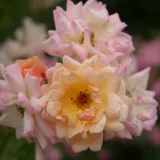
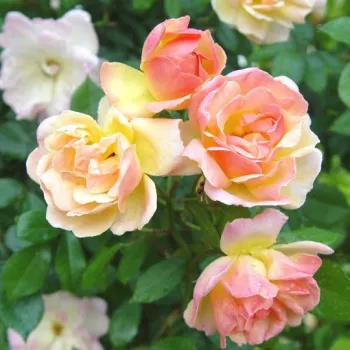
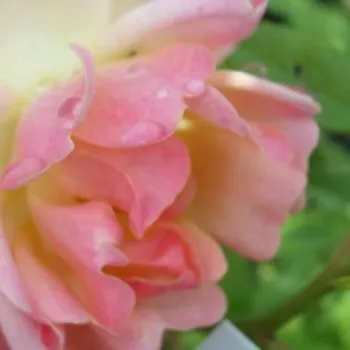
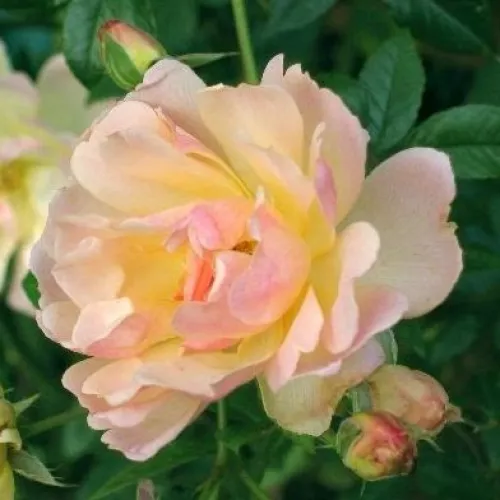
Delicate peach and pink tones with a slight yellowish tint. The outer edges of the petals show a faint pink blush. - climber, climbing rose - very weak, barely noticeable scented rose - soft character

– Charming pastel peach‑pink colour display.
– Abundant second flush extends the flowering.
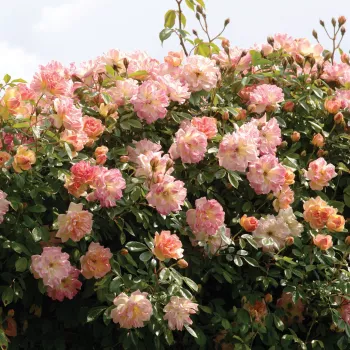
– Elegant climber for arches, walls and pergolas.
– Sparse thorns for easier training and care.
– Good heat and temporary drought tolerance.
– Special feature: Historic 1920s variety with RHS Award of Garden Merit.
Exclusive, space-defining – specialty
Phyllis Bide
pharmaROSA® NEONATAL rooted rose cutting
29,52 £
Due to courier service regulations – and the introduction of customs clearance – delivery to Ireland is temporarily suspended.
5 (7157)
facebook   twitter

PHYLLIS BIDE – apricot-pink climbing rose - Bide

Climbing elegance with compact dimensions makes PHYLLIS BIDE a reliable, own-root base for nurseries building vertical-feature assortments, while its remontant flowering and clustered small blooms support visually dense, sale-ready plants in 5–7 L containers. The sparsely thorned, trained canes handle staking and handling efficiently in professional systems and suit pergola, fence and arch programmes aimed at exclusive, space-defining ranges. Good hardiness and tolerance of heat and temporary drought support dependable national supply, even in exposed schemes where winter and wind can be significant. Moderate maintenance needs align with quality-focused, yet commercially realistic, production lines targeting retail and reseller partners. Within an own-root framework supporting long-term renewal in thematic rose gardens and collections, PHYLLIS BIDE can move from Year 1 root establishment through Year 2 structural build-up to full ornamental expression by Year 3, underpinned by heritage credentials and award-backed market recognition.


Usage options

Target area Reasoning
Trained climber in 5–7 L containers Height to around 2.4–3.8 m on own roots, combined with a 1.4–2.4 m spread, makes PHYLLIS BIDE well suited to the recommended staked, 3–5 cane trained-climber route in 5–7 L pots. The compact yet climbing frame gives growers a controllable, transportable product with clear vertical identity for pergola, fence and arch labelling, aligning neatly with exclusive, space-defining retail / reseller programmes serving thematic rose-garden concepts for the UK market and professional growers.
Vertical feature lines for pergolas and arches The remontant, abundant second flush allows nurseries to schedule flowering windows so finished plants reach the market with a visible vertical display on arches or pergolas. Clustered, small, semi-double blooms provide a soft, pastel effect that communicates “vertical garden feature” at point of sale without needing extreme flower size. This supports trained climber finished lines and specimen-marked units that fit exclusive, space‑defining collections for retailers and resellers who supply curated, thematic rose gardens to integrator networks.
Colour-themed and collection plantings Pastel peach‑pink flowers that fade to creamy white with a gentle blush give PHYLLIS BIDE strong value in colour‑themed ranges and curated collections. The stable, own‑root base suits cultivar‑true maintenance beds and stock lines for nurseries building thematic or show‑garden assortments, with the recommended trained climber route providing a clear SKU definition. This positioning supports vertical garden feature concepts and collection‑grade assortments for wholesale partners.
Exclusive, heritage-labelled climber ranges With pedigree from a 1923 UK breeding and an introduction in 1924, plus RHS Award of Garden Merit status, PHYLLIS BIDE offers heritage credibility that can be emphasised on labels and in catalogues. Using pharmaROSA NEONATAL own‑root cuttings as the base for trained climber 5–7 L lines enables nurseries to anchor premium, story‑driven product groups. This aligns with exclusive, space‑defining positioning for retailers and resellers seeking character cultivars for dedicated rose gardens and collection buyers.
Medium‑maintenance landscape and public‑realm projects Moderate disease resistance with medium maintenance requirements provides a realistic profile for professional operators managing pergolas, walls and fences in public‑realm or institutional settings, provided occasional pest and disease control is accepted. Good heat and temporary drought tolerance, within a hardiness window down to about –21 °C, support use in exposed, multi‑site contracts where winter and wind can be significant. Own‑root material provides regenerative capacity and long‑term structural reliability for vertical garden features supplied via public-realm specialists.
Vertical accents in space‑constrained gardens A climbing habit combined with relatively moderate spread allows PHYLLIS BIDE to give strong vertical effect without overwhelming narrower arches or small fences. This is advantageous for growers targeting urban or compact‑garden schemes where space‑defining climbers are needed but over‑vigorous cultivars are problematic. The staked, 3–5 cane trained product in 5–7 L containers delivers a controlled framework, ideal for retail / reseller channels marketing vertical garden feature solutions to landscape contractors.
Sparsely thorned handling lines Sparse prickliness simplifies staking, training and pruning in nursery beds and container systems, reducing labour risk and making the 3–5 cane training process more efficient. This practical handling advantage supports consistent quality in trained climber finished lines and reduces damage during loading, unloading and retail merchandising. Own‑root cuttings ensure that any renewal growth maintains the same low‑thorn character, beneficial for retailers, resellers and project suppliers managing staff and customer interaction with climbing-ranges.
Specimen climber for walls and facades The combination of glossy mid‑green foliage, pastel flowering, and a climbing habit with a strong vertical line makes PHYLLIS BIDE a convincing specimen choice for walls and facades. Using pharmaROSA NEONATAL material as the base allows nurseries to build uniform batches of trained, staked climbers, with predictable canopy development and colour stability season after season. These attributes support specimen‑grade positioning in exclusive, space‑defining ranges targeted through retail, reseller and project‑oriented channels focused on themed rose gardens and architectural-specifiers.

Finished-product ideas

  • Heritage Climbing Feature 5–7 L – Own‑root trained climber in 5–7 L pots, highlighting 1920s UK origin and RHS AGM on the label for premium, story‑driven pergola and arch displays – specialist retail / reseller assortments.
  • Pastel Vertical Collection – Curated pastel‑themed climber series where PHYLLIS BIDE provides peach‑pink, small‑flowered clusters on compact frames, supplied staked with 3–5 canes – colour‑coordinated thematic rose‑garden ranges.
  • Compact Pergola Line – Medium‑height, sparsely thorned climbers pre‑trained for pergolas and narrow arches, giving defined vertical structure without excessive spread – independent garden centres and landscape‑oriented resellers.
  • Public-Realm Climber Specimen – Medium‑maintenance, heat‑tolerant climber offered as a specimen line for walls, fences and facade schemes, built on own‑root resilience and structural reliability – public‑realm and institutional project suppliers.
  • Architectural Rose Feature – Exclusive, space‑defining climber SKU with glossy foliage and soft, fading pastel blooms, positioned as a structural vertical accent in rose collections – design‑led nurseries and project-focused wholesalers.

Technical cultivar profile
Parameter Data
Name and registration Current trade name PHYLLIS BIDE – apricot‑pink climbing rose – Bide; American Rose Society exhibition name PHYLLIS BIDE; climber / polyantha group; collection and commercial group both classified as climbing rose.
Origin and breeding Bred by S. Bide & Sons, Surrey, United Kingdom, from ‘Perle d’Or’ × ‘Gloire de Dijon’; breeding year 1923, introduced 1924 via Grandes Roseraies du Val de Loire, France; unregistered cultivar name status.
Awards and recognition Recognised with the Royal Horticultural Society Award of Garden Merit (AGM), confirming garden and landscape suitability under tested UK conditions and supporting confidence in professional specification and listing.
Growth and structural characteristics Climbing growth habit to around 240–380 cm in height with 140–240 cm spread; moderately dense, glossy mid‑green foliage with reddish new growth; sparsely thorned canes, advantageous for training and handling in production.
Flower morphology Semi‑double flowers with around 13–25 petals, small size approximately 0.5–1.5 inches; flat, clustered blooms creating a light, textural effect; remontant, with a notably abundant second flowering that extends ornamental value.
Colour data and phenology Peach‑pink overall tonality with creamy yellow centre and soft pink edges; buds deep salmon‑pink with yellowish tip; flowers fade to creamy white with a slight blush; ARS code ab, RHS colour references 18C and 14B; colour retention rated good.
Fragrance and aroma Very weak, barely noticeable scent with a soft fragrance character; not positioned as a fragrance variety; semi‑double flower form offers only limited pollinator value, with reduced stamen accessibility and modest insect attraction.
Hip characteristics Occasional production of small, spherical hips about 8–12 mm in diameter; orange‑red colour, providing a light secondary seasonal interest; not a heavy fruiting cultivar, so hips are typically incidental rather than dominant.
Resistance and winter hardiness Moderate overall disease resistance, with powdery mildew, black spot and rust all in a medium range; hardiness approximately –21 to –18 °C, matching RHS H7, Swedish zone 3 and USDA zone 6b; good tolerance of heat and short droughts.
Horticultural recommendations Recommended for pergolas, fences, arches, walls and specimen use; medium maintenance, with occasional pest and disease control advised; pharmaROSA NEONATAL own‑root cuttings suited to trained climber production in 5–7 L containers.

PHYLLIS BIDE offers a compact climbing framework, pastel cluster flowering and recognised AGM reliability on a long-lived own-root base, giving nurseries predictable vertical-feature lines; we would be pleased to coordinate volumes and scheduling with you.
Detailed product attributes

Product Identification Data

Product Name: PHYLLIS BIDE – apricot-pink climbing rose - Bide
Product Type: pharmaROSA® NEONATAL - rooted rose cutting
Cultivar Authenticity: Verified:08.04.2025
Cultivar Quality Rating: premium silver
Item Number: [634] 20-640 (14.02.2026) pharmarosaneonatal.co.uk

Name and Registration

Meaning of Cultivar Name: The name is a female given name.
Original Trade Name: Phyllis Bide
Current Trade Name: Phyllis Bide Climbing rose Bide
Rose Group: Climber, Polyantha
Commercial Type: climber, climbing rose
Commercial Group: Climbing rose
Exhibition Category: exhibition; cl polyantha
Collection: Climbing rose

Origin and Breeding

Initial Distributor: Grandes Roseraies du Val de Loire (France)
Registration Year: unregistered variety
Breeder: S. Bide & Sons
Breeding Company / Institution: S Bide & Sons Ltd (Surrey, United Kingdom)
Breeding Year: United Kingdom, 1923
Parentage: ‘Perle d’Or’ × ‘Gloire de Dijon’

Awards and Honours

Horticultural Ratings and Recommendations: RHS Award of Garden Merit
Competition and Show Awards: Royal Horticultural Society – Award of Garden Merit (AGM)

Growth and Structural Characteristics

Height: 7.9-12.5ft (240-380 cm)
Spread: 4.6-7.9ft (140-240 cm)
Growth Habit: climbing
Foliage: The variety has moderately dense foliage. The leaves are glossy and mid-green in colour, with a reddish tinge on new shoots.
Prickliness: sparsely thorned
Self-Cleaning Description: No data available on self-cleaning.
Self-Cleaning Intensity: No data on self-cleaning strength.

Flower Morphology

Petal Count: 13-25
Flower Fullness: semi-double flowered
Flower Shape: flat
Flower Size: S (0,5-1,5 in)
Inflorescence Type: clustered
Colour Code: ARS code: ab RHS code: 18C, 14B
Repeat Flowering: Remontant, with an abundant second flowering.

Colour Data and Phenology

Colour: peach-pink
Flower Colour Description: Delicate peach and pink tones with a slight yellowish tint. The outer edges of the petals show a faint pink blush.
Closed Bud: Deep salmon-pink with a slightly yellowish tint at the tip.
Newly Opened Flower: Soft yellowish-peach base, with a pinkish blush appearing on the edges of the outer petals.
Full Bloom: Pastel peach-pink, with a creamy yellow tone in the centre and a delicate pink haze at the edges.
Before Fading: Fading to creamy white, speckled with a barely perceptible pink blush.
Colour Fading Description: The flowers lighten from yellowish–pink to creamy white; in strong sunlight they fade more quickly.

Fragrance and Aroma

Fragrance Strength: very weak, barely noticeable scented rose
Fragrance Character: soft character
Pollinator Attraction: Its flowers attract pollinators only to a limited extent, as double or semi‑double forms reduce stamen accessibility and thus decrease insect attraction.
Pollinator-Friendly Rating: Due to its semi-double blooms, it can be considered at best partially pollinator-friendly.

Hip Characteristics

Hip Shape: spherical
Hip Colour: orange-red
Hip Comment: Occasionally produced, 8–12 mm in diameter, spherical, orange-red rose hips.

Resistance and Hardiness

Hardiness (°C): -21–-18 °C
Heat and Drought Tolerance Description: Tolerates heat and temporary drought well; requires watering during prolonged drought.
Disease Resistance: moderate
  • powdery mildew – moderate
  • black spot – moderate
  • rust – moderate

Horticultural Recommendations

Recommended product path: Trained climber finished product
Release form: Staked, trained (3–5 main canes)
Recommended use: Maintenance requirement medium; occasionally requires pest and disease control.
Primary Uses: pergola, fence, arches, wall, specimen

Comments

Positioning: Exclusive, space-defining – specialty
Target customer/channel: Retail / reseller
Main value proposition: Vertical garden feature, distinctive habit
PHYLLIS BIDE – apricot-pink climbing rose - Bide
Delicate peach and pink tones with a slight yellowish tint. The outer edges of the petals show a faint pink blush. - climber, climbing rose - very weak, barely noticeable scented rose - soft character
Online rose order - peach-pink - very weak, barely noticeable scented rose - Phyllis Bide - climber, climbing rose - (7.9-12.5ft (240-380 cm))
Inflorescence: clustered Height: 7.9-12.5ft (240-380 cm) Flower shape: flat Winter hardiness: 6b peach-pink - Grandes Roseraies du Val de Loire (France) climber, climbing rose - Flower size: S (0,5-1,5 in) Flower size: S (0,5-1,5 in) - Height: 7.9-12.5ft (240-380 cm) Height: 7.9-12.5ft (240-380 cm) - Flower fullness: semi-double flowered Phyllis Bide - Roses in the garden | pharmaROSA® Neonatal - premium silver S. Bide & Sons

We showcase the external appearance of the roses available for online purchase from our webshop.


Which product type is right for you?


PharmaRosa® NEONATAL is the cost‑effective starting point for rose product production.

As a uniform, own‑rooted propagation material, it provides a stable basis for further growing-on and can be integrated flexibly into different finished product production technologies.
Rooted in trays (rooted), 3–6‑month‑old, own‑rooted rose cutting.
Uniform developmental stage, with a root system that has thoroughly penetrated the plug.
For professional growing‑on.
Tray packaging: 10 pcs/tray.
Quality and varietal identity: production supported by a dedicated identification and traceability logic.
Can be transplanted during frost‑free periods, designed for finished product production.

PharmaRosa® NEONATAL provides a controlled, uniform starting stock for planned growing‑on that can be integrated into your own technology – especially where scheduling and varietal identity are paramount.


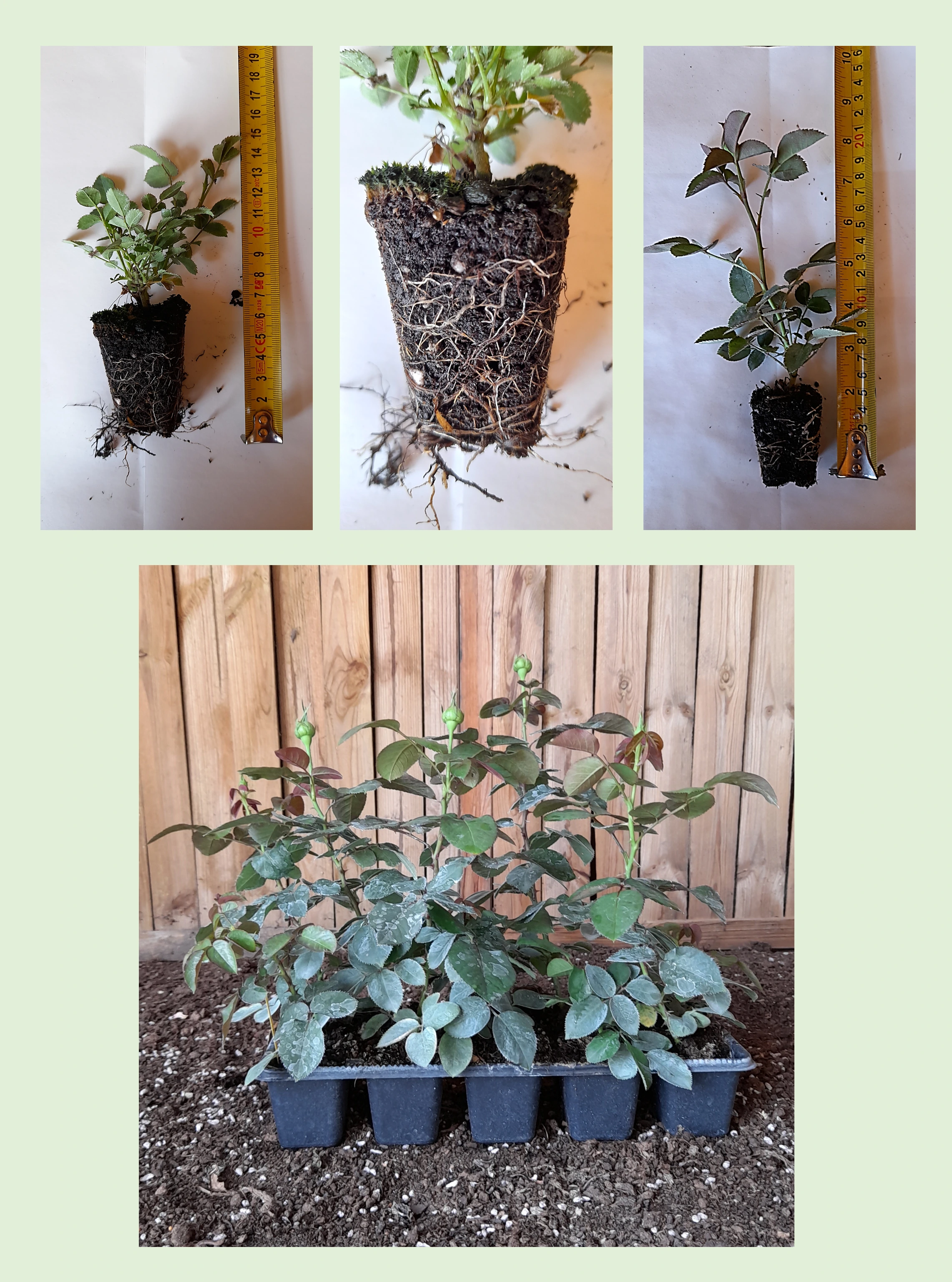
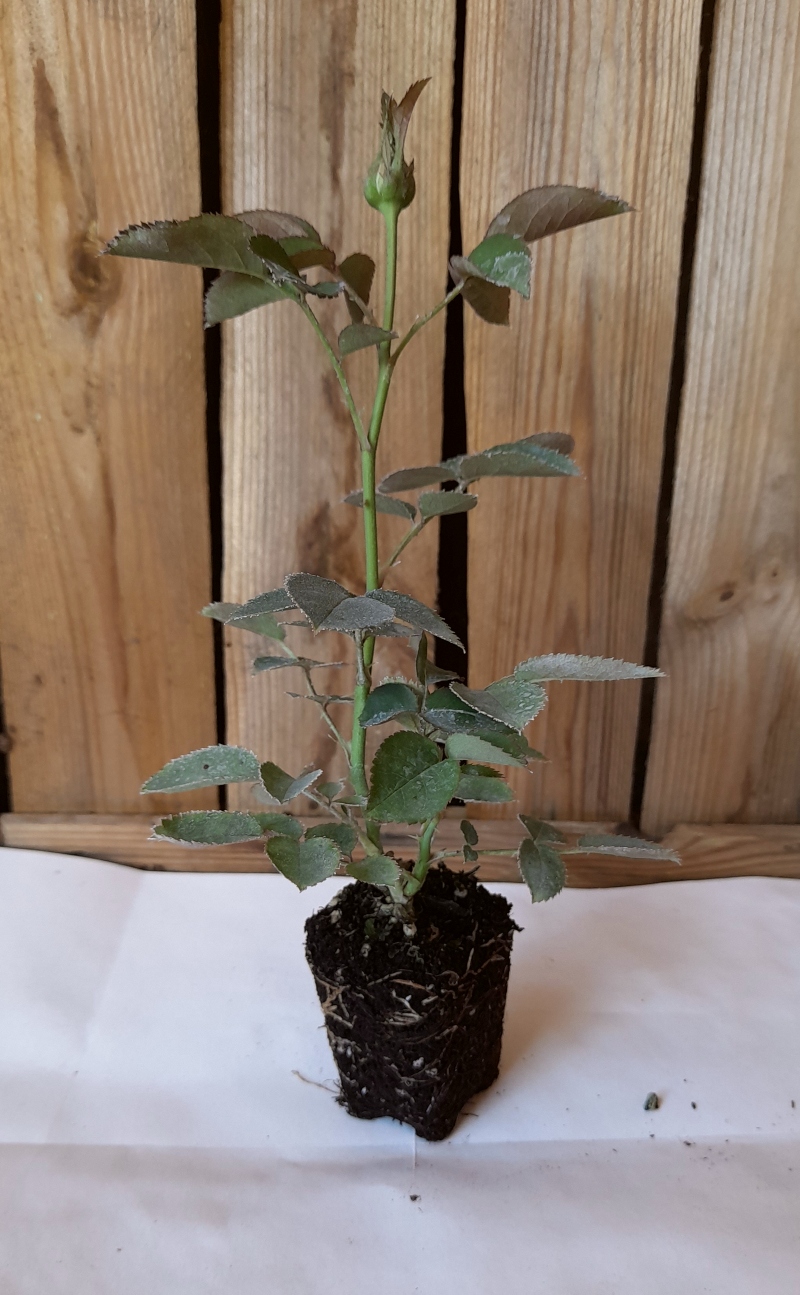
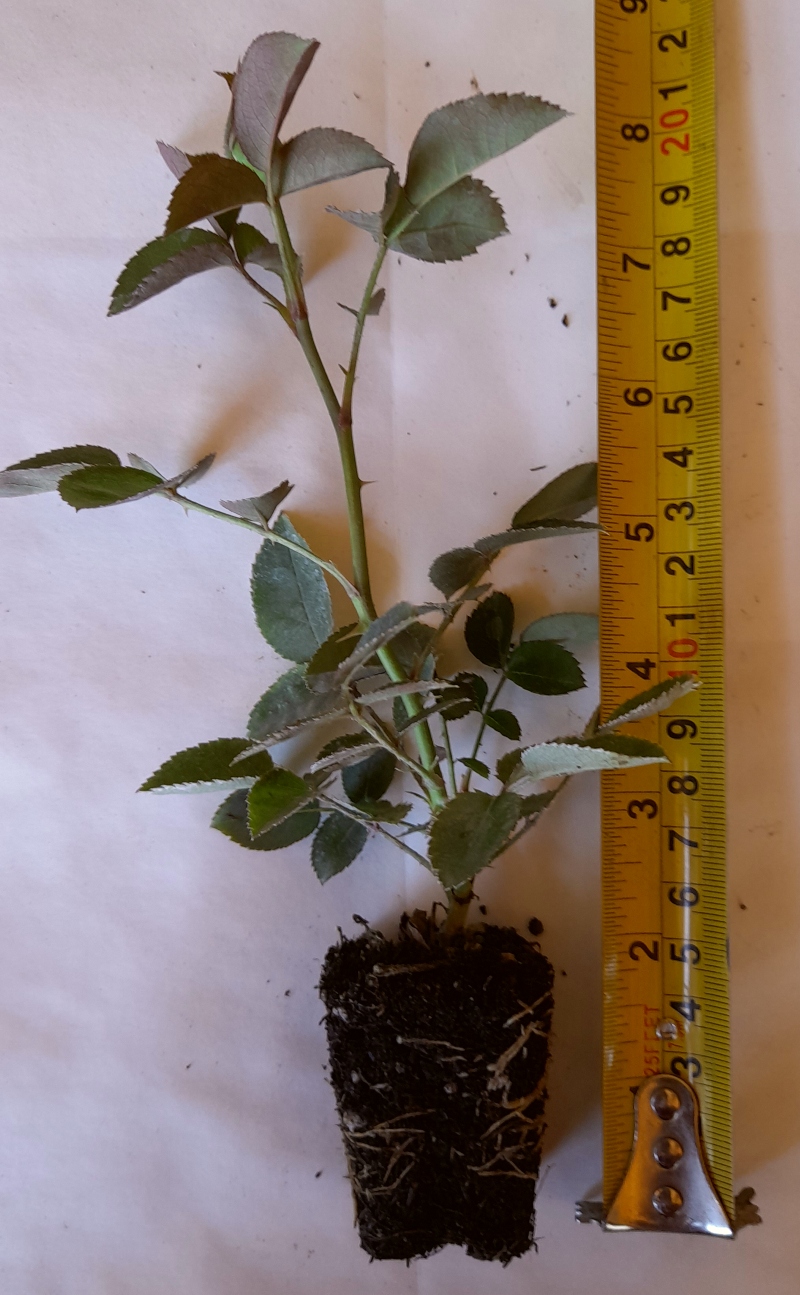
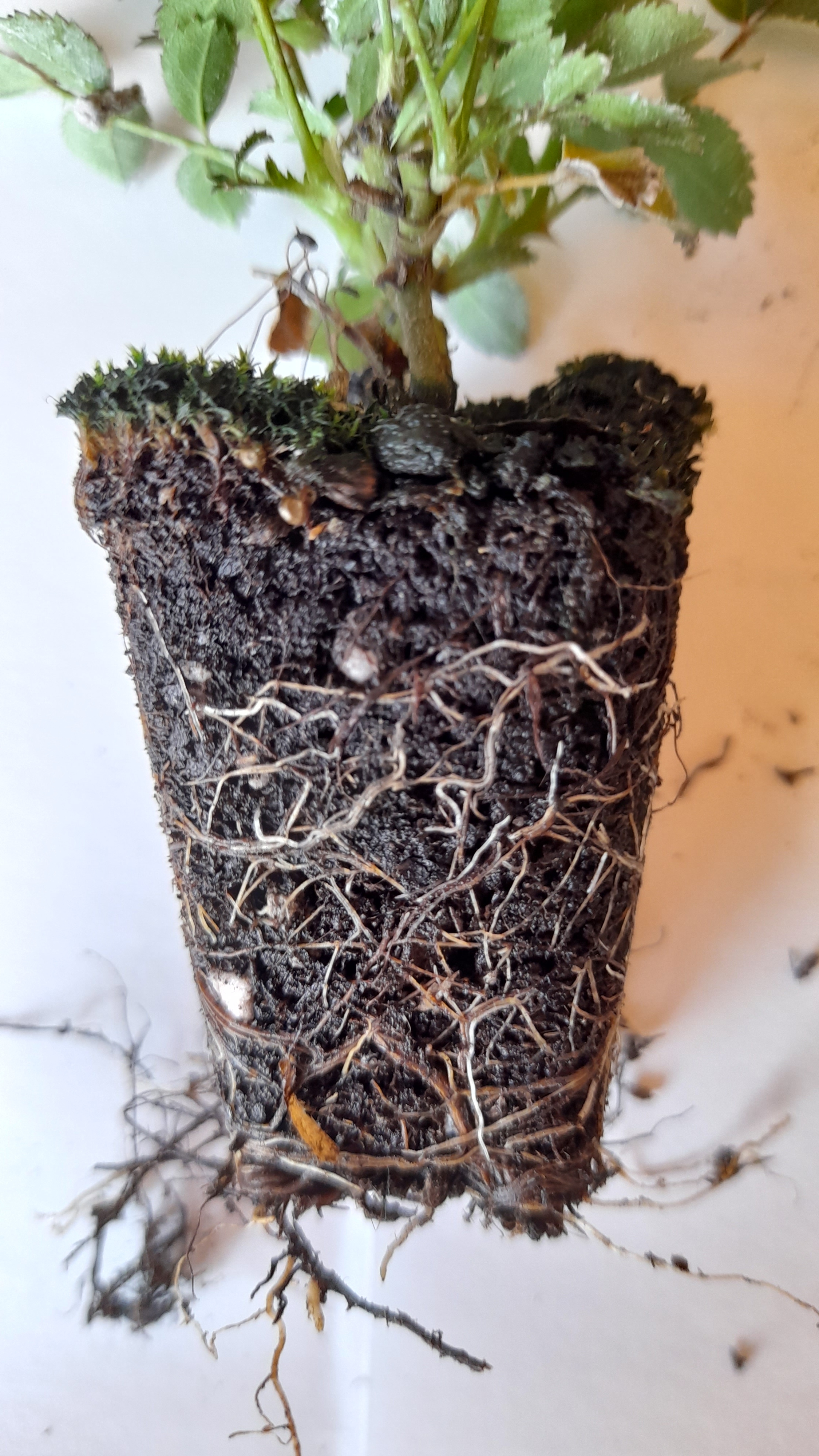
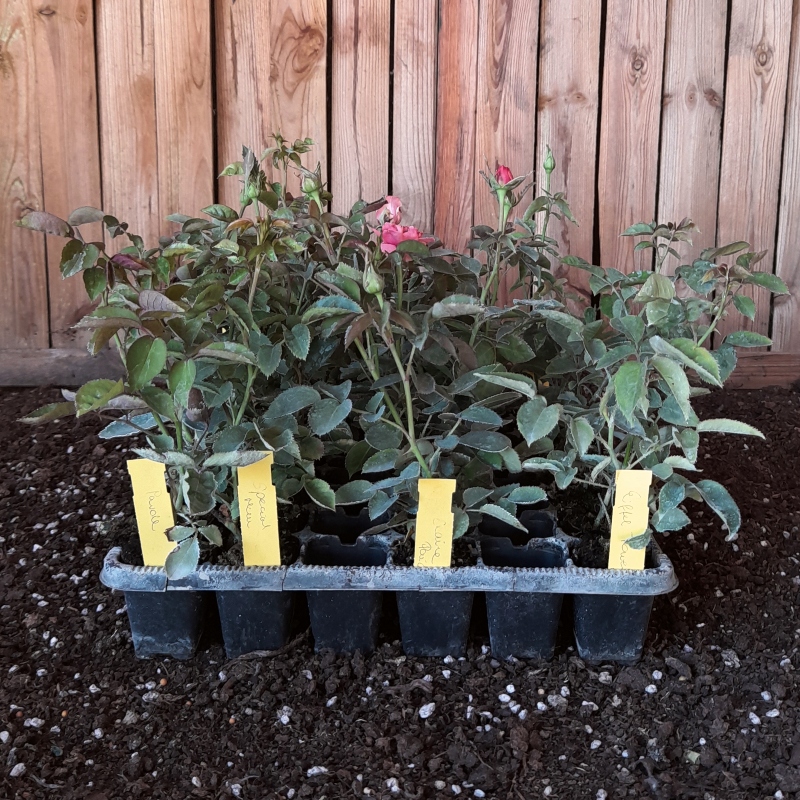
PharmaRosa® NEONATAL own-rooted rose propagation material in a plug, with a root system penetrating the plug (semi-finished product / semi-finished rose). PharmaRosa® NEONATAL rose propagation material size: 3–6‑month‑old, own-rooted cutting with a uniform developmental stage. PharmaRosa® NEONATAL rose propagation material root system: plug densely penetrated by well-developed white roots (root system detail). PharmaRosa® NEONATAL tray stock: own-rooted rose propagation material in trays, uniform developmental stage (10 pcs/tray).

Captions (from left to right): Semi-finished product (NEONATAL own-rooted rose propagation material in a plug with a fully developed root system) • Size demonstration (3–6‑month‑old, uniform cutting) • Root system detail (plug penetrated by the root system) • Tray stock (10 pcs/tray, uniform developmental stage)

pharmarosaneonatal.hupharmarosaneonatal.co.ukpharmarosaneonatal.atpharmarosaneonatal.plpharmarosaneonatal.sipharmarosaneonatal.czpharmarosaneonatal.itpharmarosaneonatal.depharmarosaneonatal.skpharmarosaneonatal.frpharmarosaneonatal.lupharmarosaneonatal.ropharmarosaneonatal.espharmarosaneonatal.nlpharmarosaneonatal.ptpharmarosaneonatal.ltpharmarosaneonatal.sepharmarosaneonatal.lvpharmarosaneonatal.eepharmarosaneonatal.fi

Which product type is right for you?

Pages for private customers
Garden roses for the family garden, with minimal care  → ORIGINAL®
Premium garden roses – instant impact, a truly showpiece garden  → EXTRA®
Pages for professionals and private customers
Roses for public spaces – large areas, sustainable maintenance  → NATURAL®
Roses for projects – hedge and row planting, fast implementation  → RAPID®
For professional partners only
Production – propagation material for garden roses, wholesale  → NEONATAL®

Company details

PharmaRosa Ltd.
Company registration number: 01-09-717479
VAT number: 13075314-2-43
Plant health registration no.: HU130721
Bank account (IBAN):
HU85117631891388688400000000
BIC (SWIFT): OTPVHUHB
Bank name: OTP Bank Nyrt.