Bedding rose

20-967-1
20-967-2

Pomponella®

Märchenrosen®

KORpompan – W. Kordes & Sons

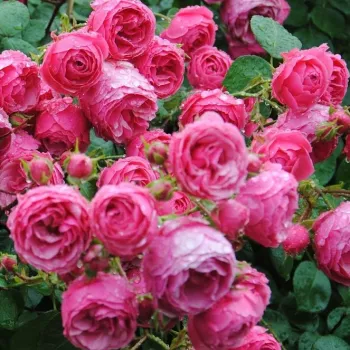
Uniform, rich deep pink shade with a subtle raspberry-red tone. - floribunda bedding rose - very weak, barely noticeable scented rose - delicately rosy character

– Charming pompon blooms in rich deep pink.
– Compact, upright habit for borders and beds.
– Proven ADR and Gold Standard winner.
– Excellent disease resistance for reliable health.
– Hardy to USDA Zone 5b, tolerates cold winters.
Special feature: Forms decorative orange-red hips for added autumn interest.
Standard finished product
Pomponella®
pharmaROSA® NEONATAL rooted rose cutting
30,92 £
Due to courier service regulations – and the introduction of customs clearance – delivery to Ireland is temporarily suspended.
5 (9030)
facebook   twitter

Pomponella® Märchenrosen® KORpompan – pharmaROSA® NEONATAL rooted cutting

Pomponella delivers compact, upright, bushy structure with dense, glossy dark-green foliage, making it a reliable, low-maintenance floribunda bedding rose for nursery borders, edging and container lines. Its deep-pink, ball-shaped, pompon-like clusters are very double, medium-sized and remontant, supporting a consistent exhibition-floribunda finish in standard 2–3 L programmes. Strong overall resistance (ADR, Gold Standard) and H7 hardiness to -26–-23 °C help underpin predictable, homogeneous stands even for multi-site UK networks where winter and wind exposure are significant. As own-root pharmaROSA® NEONATAL material, it offers a stable base for renewable growth, long lifespan and reduced replacement in thematic collections and public-planting supply. Disease tolerance and moderate self-cleaning keep finished products visually uniform at retail, while the award-backed reliability of the cultivar supports retail/reseller confidence and repeat listing. In typical production, roots establish in year one, framework builds in year two and full ornamental value is expressed from year three, fitting planned container and bed-production rotations with scalable capacity and secure wholesale supply.


Usage options

Target area Reasoning
Nursery border and bedding production (2–3 L, standard containers) The compact, upright, bushy habit with dense, glossy foliage converts efficiently into uniform 2–3 L standard container product for border and bedding lines. Using bush-trained NEONATAL cuttings as the release form allows nurseries to plan short, predictable grow-on cycles and low-maintenance crop stands. This supports the “standard finished product” positioning with reliable garden performance as a core promise for retail / reseller.
High-visibility retail collections and branded bench runs The deep-pink, ball-shaped pompon clusters and very double form give a distinctive shelf impact suited to branded Märchenrosen® or story-telling benches. As a floribunda bedding rose with remontant flowering, it supports prolonged sales windows from a single batch of NEONATAL liners grown in standard 2–3 L containers. This aligns with a standard finished product route that emphasises recognisable cultivar identity and reliable performance for retail / reseller.
Low-maintenance park and urban green-space supply High disease resistance (powdery mildew, black spot and rust) combined with low maintenance requirements makes the cultivar well suited for public-realm plantings where ongoing care is limited. Own-root NEONATAL material offers regeneration and long lifespan, reducing replacement costs in park borders, edging and urban green spaces supplied via 2–3 L standard container stock. This supports a reliable garden performance message for framework contracts to public-realm suppliers.
Thematic rose gardens and collection beds Award credentials (ADR, Gold Standard, multiple international medals) and stable deep-pink colour support use in curated collections and Märchenrosen® themed displays. Own-root propagation via pharmaROSA® NEONATAL helps maintain genetic identity and consistent character across borders, hedging and container elements. This fits a standard finished product profile while delivering a solid reliability story for rose collections / show gardens.
Low hedge and edging lines for landscaper channels The 70–95 cm height and 55–85 cm spread are ideal for repeatable low hedge and edging schemes, giving landscapers a predictable structural unit. Bush-trained NEONATAL plants can be blocked into 2–3 L standard containers and later shifted, if required, into 40–50 L units for feature segments, keeping crop handling flexible. This supports a standard finished product offer with reliable garden performance for landscape contractors.
Colour-stable, season-long floribunda massing Excellent colour retention, with raspberry-pink tones fading gently to powder-pink, ensures beds and container groupings retain a coherent colour message over time. Remontant, cluster-flowered performance from NEONATAL material allows nurseries to schedule steady, colour-stable flows into standard 2–3 L production and project-specific runs. This underpins dependable garden performance as expected by project-based resellers.
Container-focused production for patio and small-garden ranges The compact, bushy habit and medium flower size lend themselves to container ranges positioned for small gardens and patios. Starting from bush-trained NEONATAL cuttings, growers can complete 2–3 L standard container cycles efficiently, or upscale selected grades into 40–50 L patio specimens without loss of form. This supports a standard finished product concept that highlights reliable performance for garden-centre assortments.
Own-root stock blocks for nursery networks and integrator systems Own-root technology provides renewable growth and stable stands, useful for building internal stock blocks that feed networked nursery or integrator systems. With H7 hardiness to -26–-23 °C, these stock plantings can manage exposed Scottish and northern English sites where winter and wind can be demanding. Using pharmaROSA® NEONATAL as a propagation base allows planned 2–3 L container output aligned to standard finished product specifications and reliable garden performance for wholesale propagation.

Finished-product ideas

  • Märchenrosen® deep-pink border line (2–3 L) – Own-root NEONATAL liners grown to compact, bushy plants with dense foliage and stable deep-pink pompon clusters in standard 2–3 L containers; positioned as a reliable, branded border/bedding SKU – target audience/channel: retail / reseller.
  • Urban low-maintenance hedge module (2–3 L to 40–50 L) – Bush-trained plants used for low hedges and edging, with high disease resistance and low care needs, supplied primarily in 2–3 L but with selected modules stepped up to 40–50 L for structural features – target audience/channel: landscape contractors / public-realm suppliers.
  • Themed rose-garden collection set – Own-root plants with award backing and stable habit supplied as a uniform batch for Märchenrosen® or floribunda-collection beds, focused on reliable repeat flowering and consistent character – target audience/channel: rose collections / show gardens.
  • Patio floribunda container series – Compact, upright, bushy plants with colour-stable, remontant clusters offered in standard 2–3 L pots for patio and small-garden use, building a dependable repeat-purchase series – target audience/channel: garden-centre assortments.
  • Integrator stock-block starter packs – NEONATAL own-root cuttings allocated to create durable, winter-hardy stock beds with dense foliage and strong health, serving as a propagation base for networked 2–3 L programmes – target audience/channel: wholesale propagation / nursery networks.

Technical cultivar profile
Parameter Data
Name and registration Floribunda bedding rose in the Märchenrosen® collection; registered as KORpompan, marketed as Pomponella® Märchenrosen® KORpompan, with Pomponella™ recognised as the American Rose Society exhibition name.
Origin and breeding Bred by W. Kordes & Sons in Germany and introduced in 2005, with initial distribution by W. Kordes’ Söhne; parentage is not provided, but selection follows modern floribunda breeding standards.
Awards and recognition Holds ADR (Germany, 2006) and Gold Standard (United Kingdom, 2012) status, plus major trial awards including Geneva Gold Medal, Lyon Grande Rose du Siècle and multiple certificates of merit across leading European rose trials.
Growth and structural characteristics Forms a compact, upright, bushy shrub 70–95 cm high and 55–85 cm wide, with moderately thorny shoots and dense, glossy dark-green foliage, providing strong structural definition for borders, low hedges and containers.
Flower morphology Very double, ball-shaped pompon blooms with more than 40 petals, medium flower size on cluster-flowered inflorescences, delivering abundant, remontant flowering with some spent blooms requiring occasional deadheading for best presentation.
Colour data and phenology Deep-pink with subtle raspberry-red tones; ARS code dp, RHS 57B outer and 57C inner, with vivid raspberry-pink in newly opened flowers gradually fading to pale powder-pink under strong light while retaining excellent overall colour coherence.
Fragrance and aroma Fragrance is very weak and barely noticeable, with only a delicate rosy character detectable at close range, so the cultivar is selected primarily for ornamental mass effect, flower form and colour stability rather than for scent-driven applications.
Hip characteristics Produces small spherical orange-red hips, approximately 6–10 mm in diameter and borne in moderate quantities, offering some seasonal interest without significantly impacting flowering continuity or maintenance regimes.
Resistance and winter hardiness Shows strong resistance to powdery mildew, black spot and rust, alongside H7 hardiness to approximately -26 to -23 °C (USDA 5b, Swedish zone 4), with moderate heat tolerance if regular irrigation is maintained during extended droughts.
Horticultural recommendations Recommended for borders, edging, parks, low hedges, containers and urban green spaces, with low maintenance requirements; best produced as bush-trained, compact plants via standard 2–3 L container routes using own-root propagation bases.

Pomponella® Märchenrosen® KORpompan combines compact, bushy structure, strong health and award-backed reliability with the predictable regeneration and long-term stability of own-root production; please contact us to align capacity, scheduling and propagation planning.

Detailed product attributes

Product Identification Data

Product Name: POMPONELLA® – deep pink bedding floribunda rose - Kordes
Product Type: pharmaROSA® NEONATAL - rooted rose cutting
Cultivar Authenticity: Verified:02.03.2025
Cultivar Quality Rating: premium gold
Item Number: [631] 20-967 (14.02.2026) pharmarosaneonatal.co.uk

Name and Registration

Meaning of Cultivar Name: The name 'Pomponella' refers to the flowers' small, globular, pompon-like form.
Cultivar Synonym: Pomponella Fairy Tale®
Original Trade Name: Pomponella®
Current Trade Name: Pomponella® Märchenrosen® KORpompan
Rose Group: Floribunda
Commercial Type: floribunda bedding rose
Commercial Group: Bed rose
Exhibition Category: exhibition floribunda
Collection: Märchenrosen®

Origin and Breeding

Initial Distributor: W. Kordes’ Söhne (Germany)
Breeder: W. Kordes & Sons
Breeding Company / Institution: W. Kordes’ Söhne (Germany)
Breeding Year: Germany, 2005
Parentage: unknown

Awards and Honours

Horticultural Ratings and Recommendations: ADR award (Germany) (2006); Gold Standard certification (United Kingdom) (2012)
Competition and Show Awards: Geneva – Gold Medal (2005); Lyon – Grande Rose du Siècle (2006); Lyon – Certificat de Mérite (2006); Kortrijk (Courtrai) – Silver Medal (2007); Bagatelle (Paris) – Certificat de Mérite (2008); Orléans – Certificat de Mérite (2008); The Hague – Bronze Cert

Growth and Structural Characteristics

Height: 2.3-3.1ft (70-95 cm)
Spread: 1.8-2.8ft (55-85 cm)
Growth Habit: upright, bushy
Foliage: The variety has dense foliage, with leaves that have a glossy surface and a dark green shade.
Prickliness: moderately thorny
Self-Cleaning Description: Some spent blooms remain on the plant and require occasional deadheading.

Self-Cleaning Intensity: Self-cleaning: medium.

Flower Morphology

Flower Fullness: very double-flowered
Flower Shape: ball, pompon
Flower Size: M (1,5-2,75 in)
Inflorescence Type: cluster-flowered
Colour Code: ARS code: dp RHS code: 57B (outer), 57C (inner)
Repeat Flowering: Performs well as a remontant; its second flowering is also abundant.

Colour Data and Phenology

Colour: deep-pink
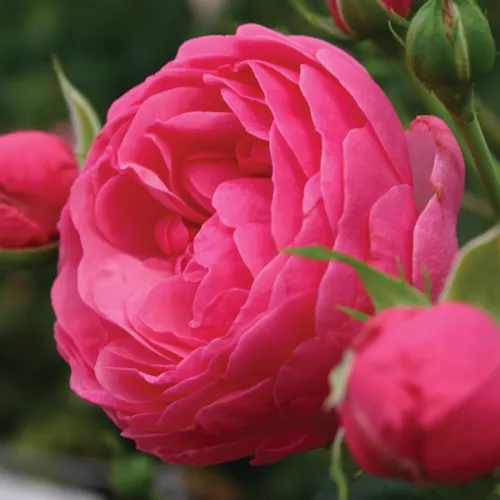
Flower Colour Description: Uniform, rich deep pink shade with a subtle raspberry-red tone.
Closed Bud: Glossy crimson-pink surface with a shade darkening towards the tip.
Newly Opened Flower: Vivid raspberry-pink outer and inner petals, the edge slightly darker.
Full Bloom: Uniform deep pink; the petals in the centre have a slightly lighter pink tint.
Before Fading: Pale base colour fading to powder-pink, with a gentler tonal shift at the edges.
Colour Fading Description: During opening the deep raspberry-pink gradually fades to a pale powder-pink; it lightens noticeably in strong sunlight.

Fragrance and Aroma

Fragrance Strength: very weak, barely noticeable scented rose
Fragrance Character: delicately rosy character
Pollinator Attraction: Its flowers attract pollinators only to a limited extent, as double or full forms often conceal the stamens and reduce insect access.
Pollinator-Friendly Rating: Not pollinator-friendly, rather a variety with high ornamental value.

Hip Characteristics

Hip Shape: spherical
Hip Colour: orange-red
Hip Comment: Spherical, orange-red rose hips, 6–10 mm in diameter, produced in moderate quantities.

Resistance and Hardiness

Hardiness (°C): -26–-23 °C
Heat and Drought Tolerance Description: Tolerates heat well. In prolonged drought it requires regular watering.

Disease Resistance: resistant
  • powdery mildew – resistant
  • black spot – resistant
  • rust – resistant

Horticultural Recommendations

Recommended product path: Standard container
Release form: Bush-trained, compact plant
Recommended use: Maintenance requirement low; requires minimal care.
Primary Uses: border, edging, park, low hedge, container, urban green space

Comments

Positioning: Standard finished product
Target customer/channel: Retail / reseller
Main value proposition: Reliable garden performance
POMPONELLA® – deep pink bedding floribunda rose - Kordes
Uniform, rich deep pink shade with a subtle raspberry-red tone. - floribunda bedding rose - very weak, barely noticeable scented rose - delicately rosy character
Online rose purchase - deep-pink - very weak, barely noticeable scented rose - Pomponella® - floribunda bedding rose - (2.3-3.1ft (70-95 cm))
Inflorescence: cluster-flowered Height: 2.3-3.1ft (70-95 cm) Flower shape: ball, pompon Winter hardiness: 6b deep-pink - W. Kordes’ Söhne (Germany) floribunda bedding rose - Flower size: M (1,5-2,75 in) Flower size: M (1,5-2,75 in) - Height: 2.3-3.1ft (70-95 cm) Height: 2.3-3.1ft (70-95 cm) - Flower fullness: very double-flowered Pomponella® - Roses in the garden | pharmaROSA® Neonatal - premium gold W. Kordes & Sons

We showcase the external appearance of the roses available for online purchase from our webshop.


Which product type is right for you?


PharmaRosa® NEONATAL is the cost‑effective starting point for rose product production.

As a uniform, own‑rooted propagation material, it provides a stable basis for further growing-on and can be integrated flexibly into different finished product production technologies.
Rooted in trays (rooted), 3–6‑month‑old, own‑rooted rose cutting.
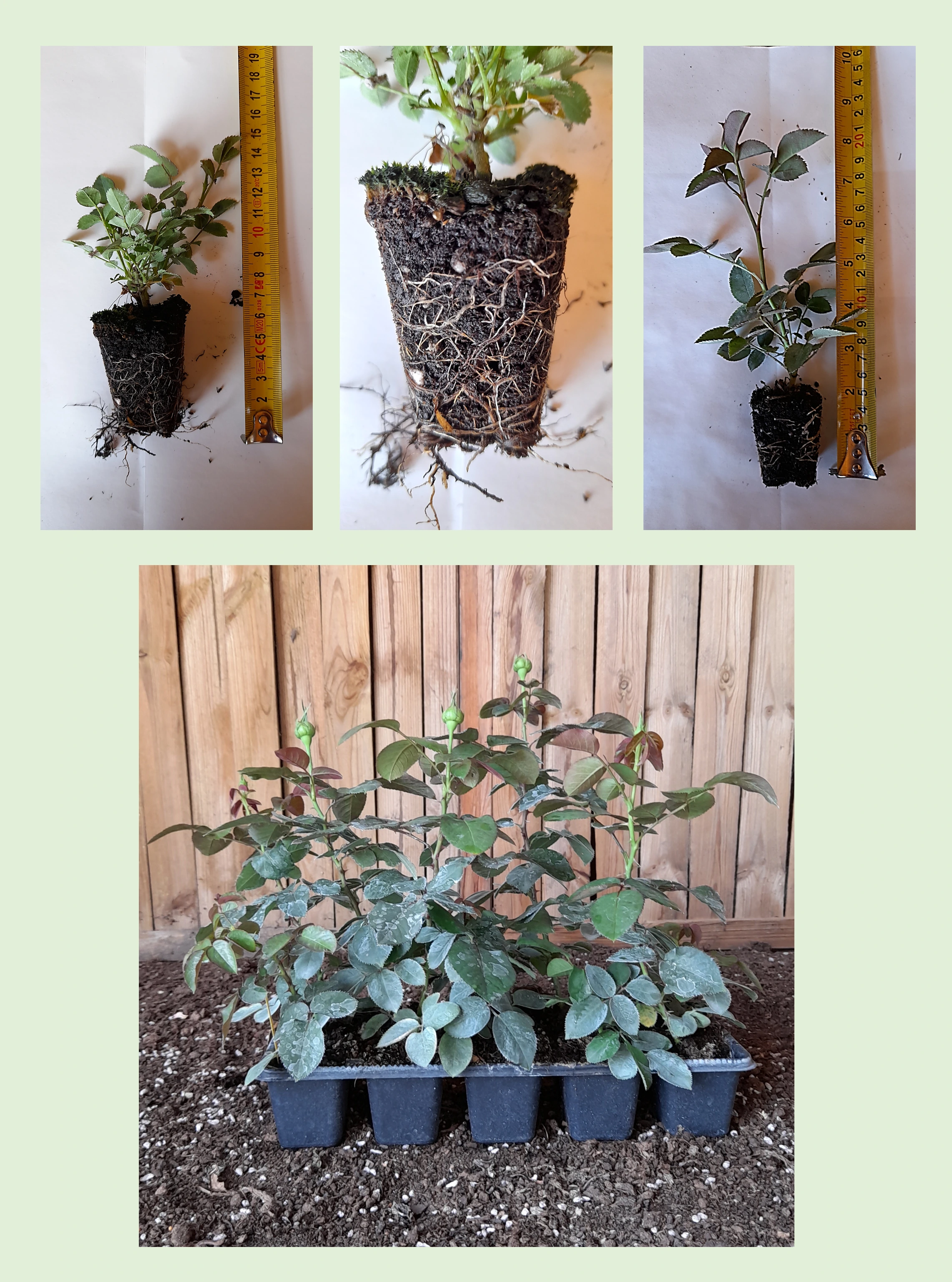
Uniform developmental stage, with a root system that has thoroughly penetrated the plug.
For professional growing‑on.
Tray packaging: 10 pcs/tray.
Quality and varietal identity: production supported by a dedicated identification and traceability logic.
Can be transplanted during frost‑free periods, designed for finished product production.

PharmaRosa® NEONATAL provides a controlled, uniform starting stock for planned growing‑on that can be integrated into your own technology – especially where scheduling and varietal identity are paramount.


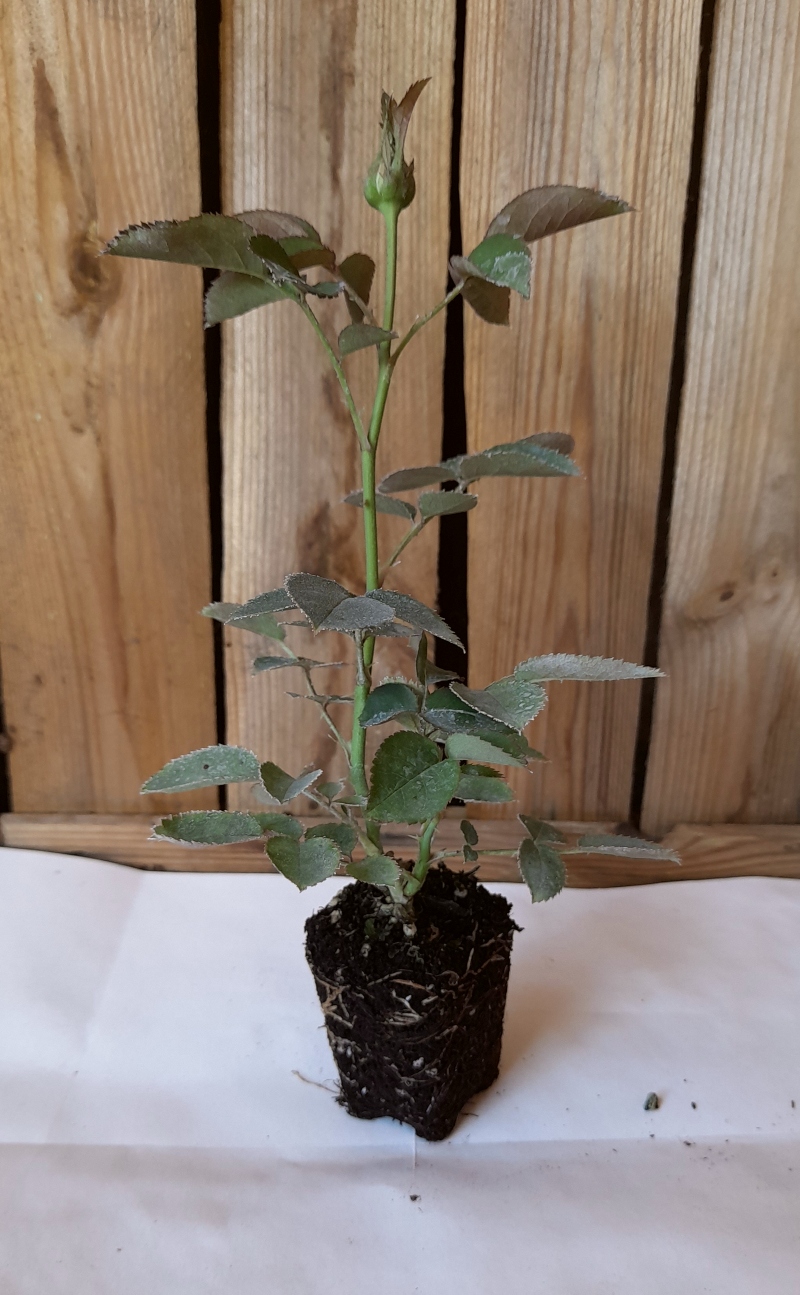
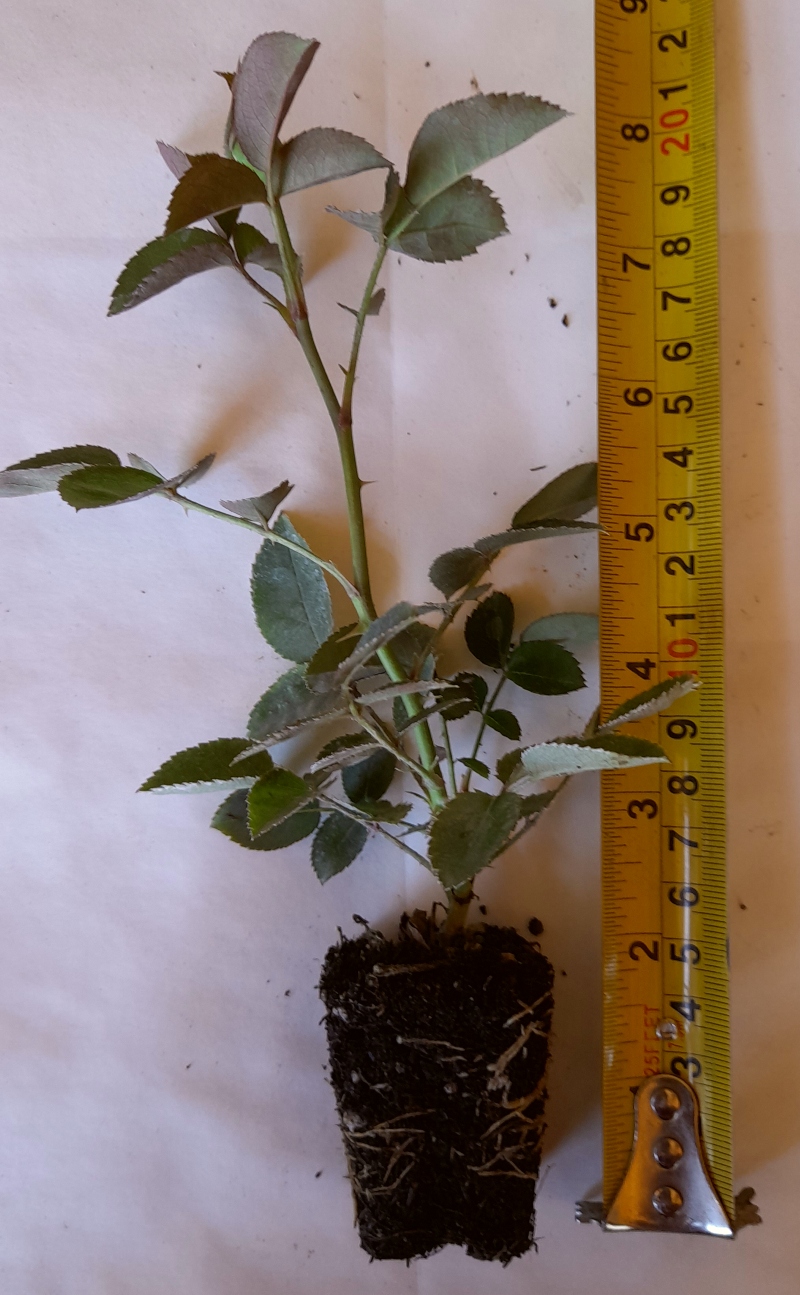
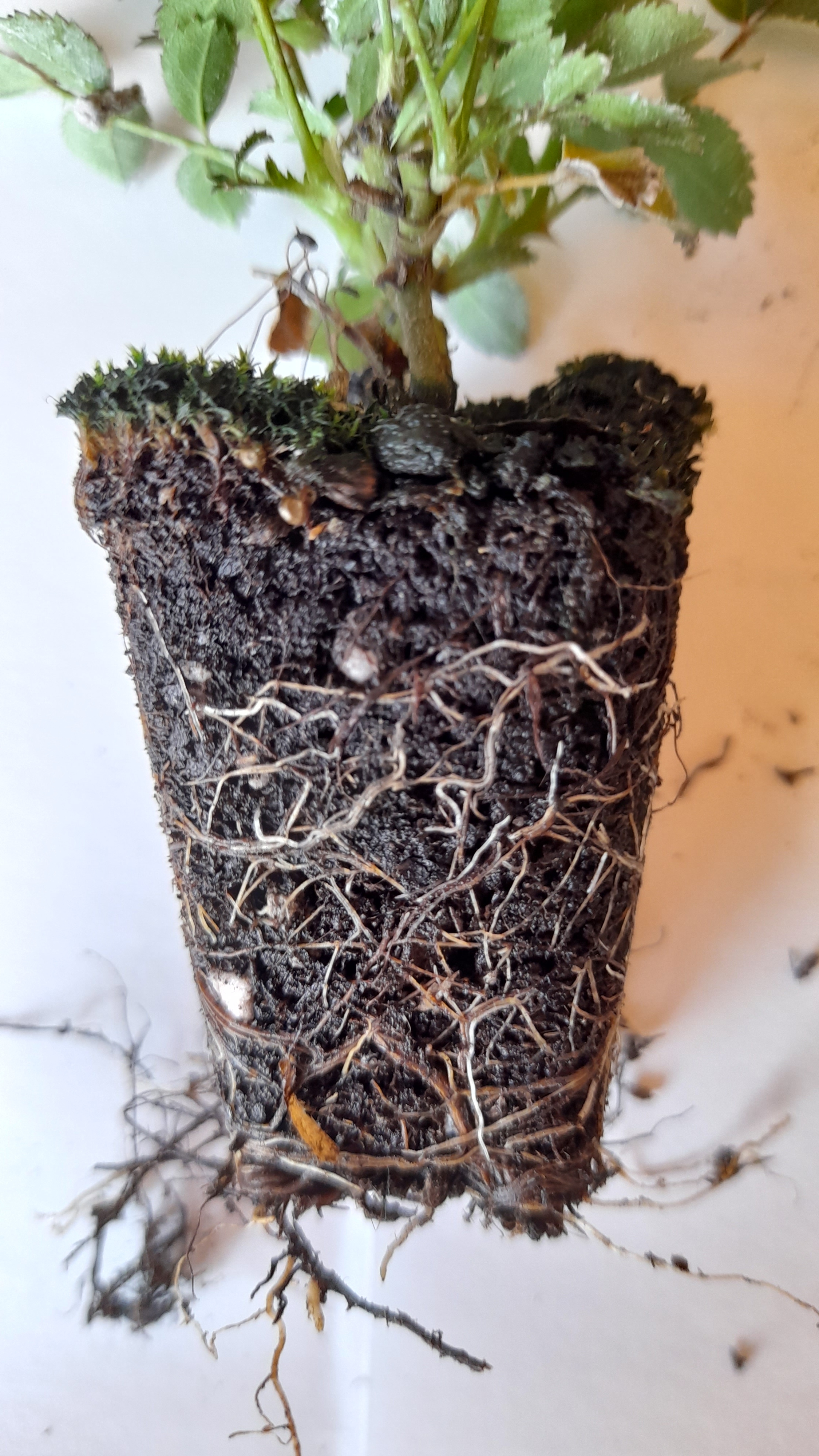
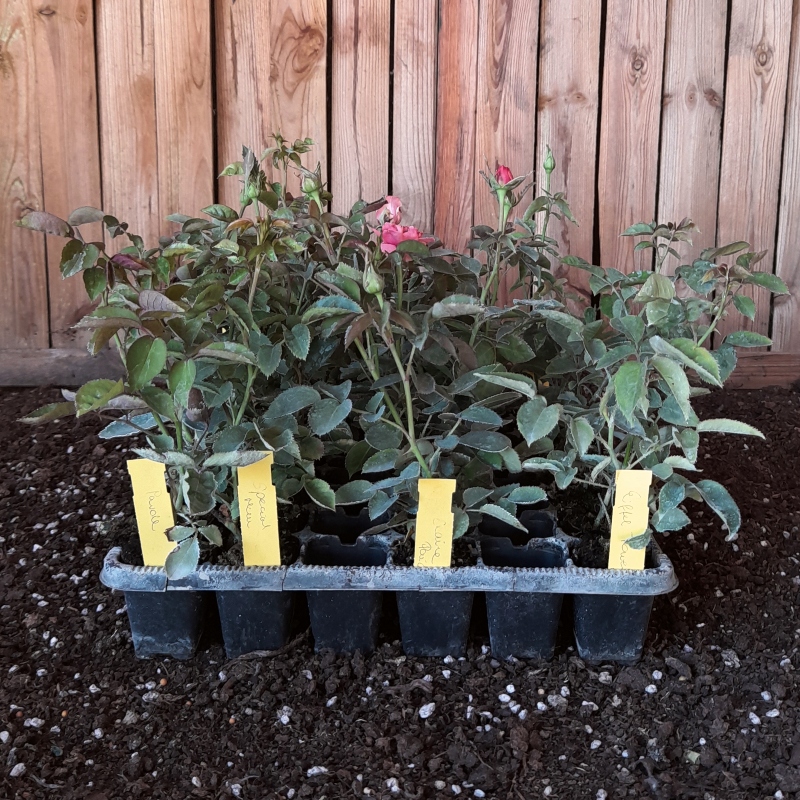
PharmaRosa® NEONATAL own-rooted rose propagation material in a plug, with a root system penetrating the plug (semi-finished product / semi-finished rose). PharmaRosa® NEONATAL rose propagation material size: 3–6‑month‑old, own-rooted cutting with a uniform developmental stage. PharmaRosa® NEONATAL rose propagation material root system: plug densely penetrated by well-developed white roots (root system detail). PharmaRosa® NEONATAL tray stock: own-rooted rose propagation material in trays, uniform developmental stage (10 pcs/tray).

Captions (from left to right): Semi-finished product (NEONATAL own-rooted rose propagation material in a plug with a fully developed root system) • Size demonstration (3–6‑month‑old, uniform cutting) • Root system detail (plug penetrated by the root system) • Tray stock (10 pcs/tray, uniform developmental stage)

pharmarosaneonatal.plpharmarosaneonatal.ropharmarosaneonatal.espharmarosaneonatal.co.ukpharmarosaneonatal.hupharmarosaneonatal.atpharmarosaneonatal.czpharmarosaneonatal.depharmarosaneonatal.sipharmarosaneonatal.skpharmarosaneonatal.itpharmarosaneonatal.frpharmarosaneonatal.nlpharmarosaneonatal.lupharmarosaneonatal.ptpharmarosaneonatal.ltpharmarosaneonatal.sepharmarosaneonatal.lvpharmarosaneonatal.eepharmarosaneonatal.fi

Which product type is right for you?

Pages for private customers
Garden roses for the family garden, with minimal care  → ORIGINAL®
Premium garden roses – instant impact, a truly showpiece garden  → EXTRA®
Pages for professionals and private customers
Roses for public spaces – large areas, sustainable maintenance  → NATURAL®
Roses for projects – hedge and row planting, fast implementation  → RAPID®
For professional partners only
Production – propagation material for garden roses, wholesale  → NEONATAL®

Company details

PharmaRosa Ltd.
Company registration number: 01-09-717479
VAT number: 13075314-2-43
Plant health registration no.: HU130721
Bank account (IBAN):
HU85117631891388688400000000
BIC (SWIFT): OTPVHUHB
Bank name: OTP Bank Nyrt.