| Mass bedding and project blocks in 1.5–2 L |
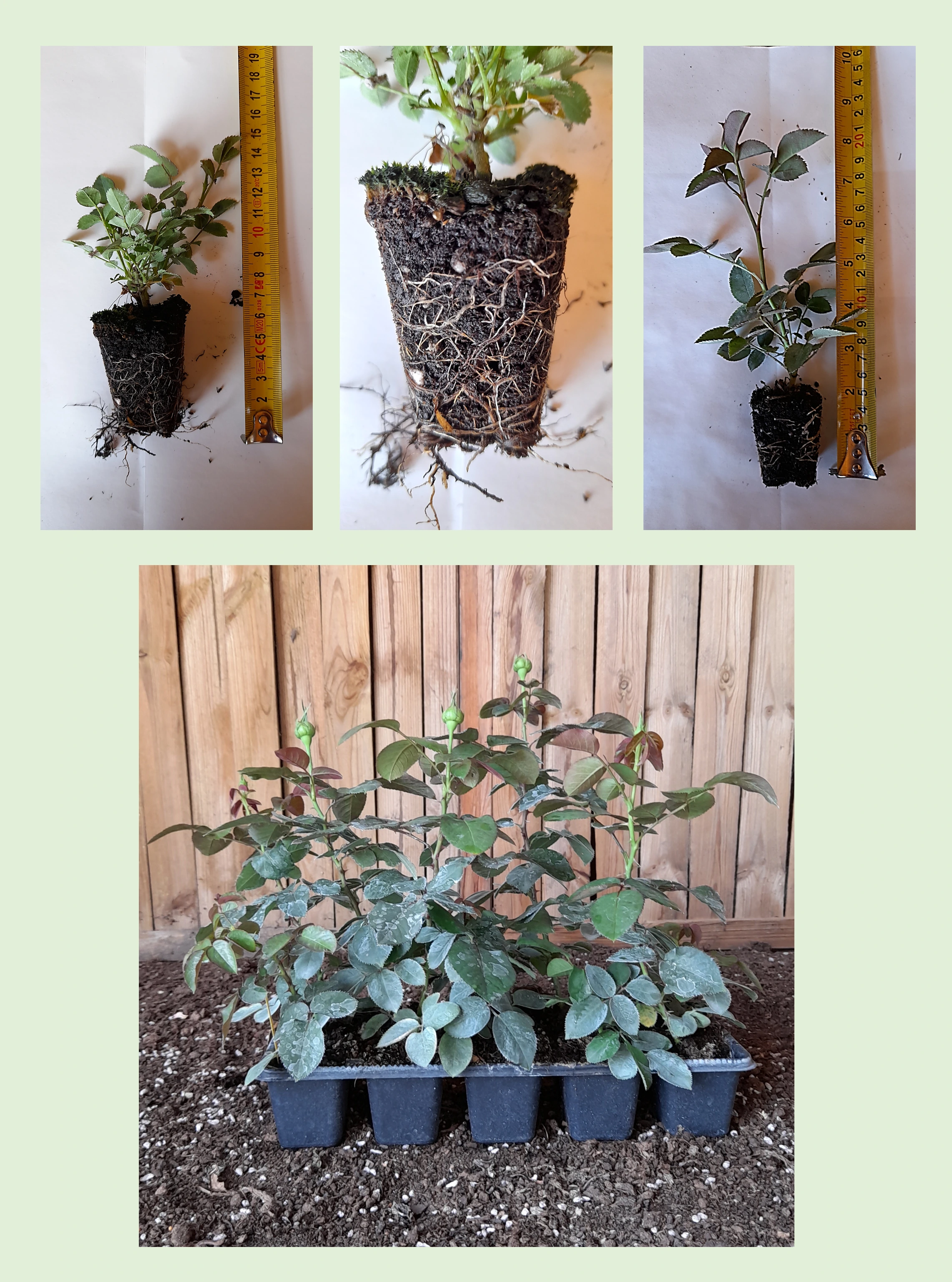
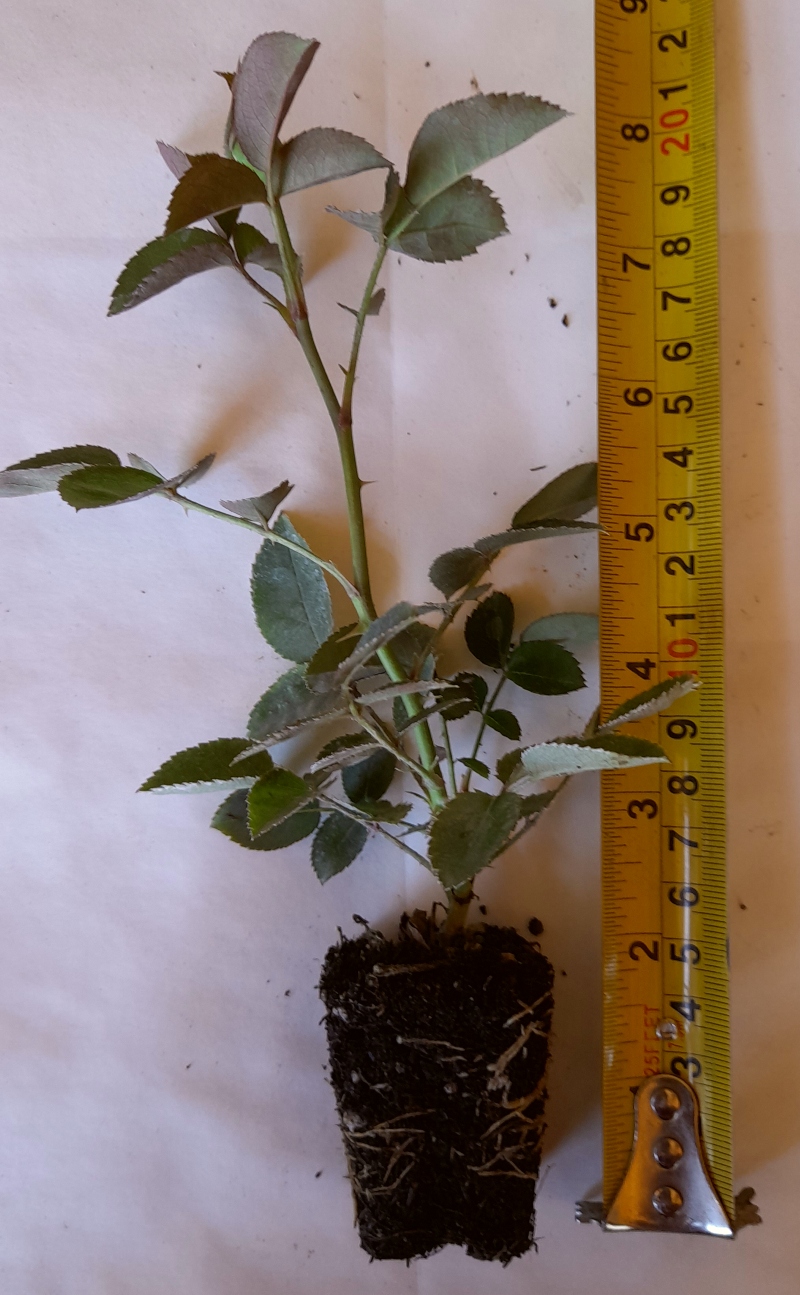
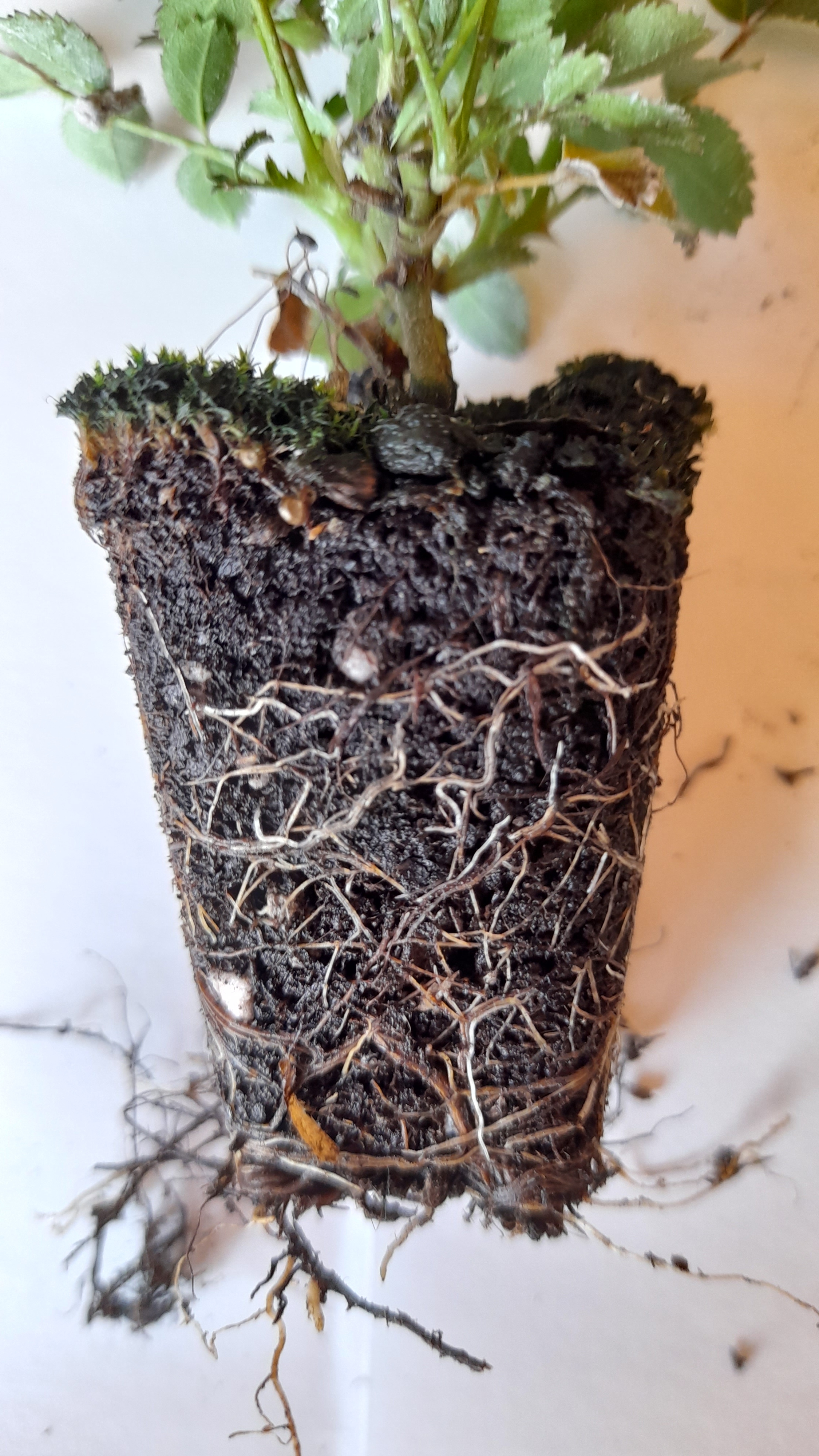
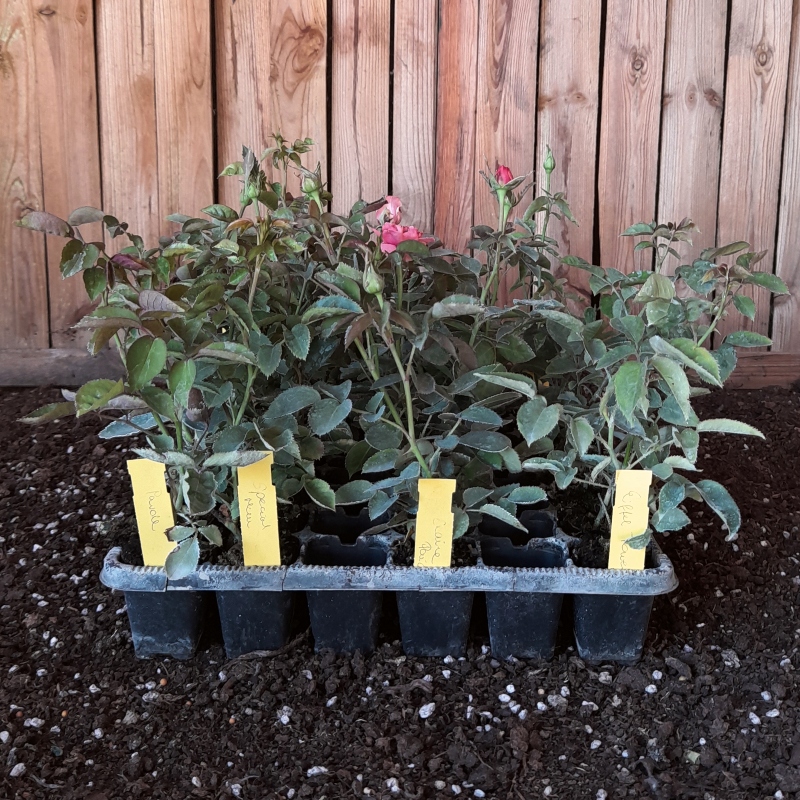
The cultivar’s strong uniformity and upright structure make it well suited to dense, bush-trained finished products for project mass planting in 1.5–2 L containers, matching specifications for fast, even ground coverage. Running it on own roots in nursery propagation beds supports predictable, repeatable crop behaviour, giving landscape contractors dependable colour impact for landscape architecture and mass-use schemes. Year 1 is root establishment, Year 2 brings framework shoots, and by Year 3 the stand shows full ornamental value for project-serving wholesalers and landscape contractor channels – project-serving wholesalers |
| Low-maintenance public-realm hedging and edging |
Low intervention requirements and robust disease performance translate directly into reduced maintenance loads in public-realm hedge and edging roles, where contract budgets and labour availability are tight. The recommended route as a uniform, dense, bush-trained finished product from own-root material ensures homogeneous lines and minimal gaps in hedge-type or edging plantings around parks, campuses and institutional sites, providing landscape contractors with predictable outcomes in project (landscape architecture / mass use) frameworks – landscape contractors |
| Urban green space and streetscape planting |
Prime Time’s hardiness rating and resilient foliage suit exposed urban beds and streetscape schemes that demand durable, visually coherent plantings from compact 1.5–2 L stock. Using own-root, tray-grown propagation material for project mass planting helps nurseries deliver consistent crop timing and shape, while the bush-trained form simplifies specification for repeat blocks along streets, car parks and mixed civic schemes, supporting wholesalers focused on urban green space portfolios – urban project suppliers |
| Park and large landscape colour fields |
The remontant flowering with a generous second flush allows park managers and estate clients to maintain season-long colour blocks from a single, robust landscape shrub line. Propagating this cultivar in volume as own-root NEONATAL cuttings and finishing in 1.5–2 L pots for project mass planting enables wholesalers to supply sizeable, coherent drifts quickly, supporting thematic rose gardens and collection beds within wider landscape architecture projects – landscape architecture partners |
| Slope, bank and difficult-site planting |
Fast coverage and a moderately dense canopy make Prime Time practical for slopes and banks where erosion control and visual cohesion are required from relatively small, easy-to-handle containers. Its recommended use in project mass planting, grown on into uniform bush-trained stock from own-root cuttings, helps nurseries assemble large, consistent batches for infrastructure-adjacent schemes, offering landscape contractors reliable establishment on challenging ground in UK climates where winter and wind exposure must be considered – infrastructure-focused landscapers |
| Thematic and collection rose beds |
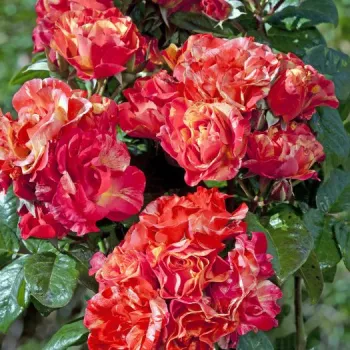
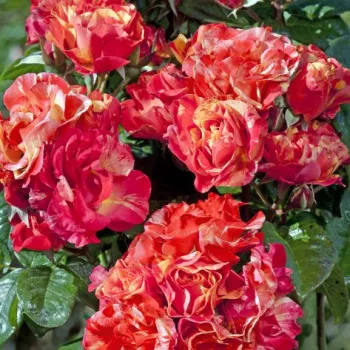
The bright orange-yellow, bicoloured flowers with striped and splashed markings offer distinctive visual identity for curated rose collections and thematic beds in public or private show gardens. When produced as uniform, dense bush forms in 1.5–2 L containers from own-root NEONATAL cutting stock, this cultivar fits seamlessly into labelled cultivar collections and bed-rose assortments, supporting project-serving wholesalers building comprehensive ranges for show-garden and thematic-rose clients – collection-focused nurseries |
| Specimen accents within mixed planting schemes |
The upright habit and mid-height structure enable the cultivar to function as a repeated specimen accent within mixed perennial or shrub schemes, without becoming overly dominant. Owning the production from tray-rooted, own-root material through to dense, bush-trained specimens in 1.5–2 L pots allows nurseries to programme crops for phased project releases, aligning delivery windows to landscape architects’ schedules and maintaining stock continuity for project-serving wholesalers – specimen-oriented wholesalers |
| Own-root mother-stock and collection stands |
The cultivar’s disease resistance and own-root suitability make it straightforward to maintain as nursery mother-stock or as part of longer-term collection beds for cultivar conservation and identity checking. Using the recommended bush-trained architecture, plants in nursery beds or larger 40–50 litre containers can underpin reliable cutting material and demonstration blocks, reinforcing wholesalers’ credibility in project markets that demand consistent, traceable landscape shrub supply – propagation-focused nurseries |