| Standard 2–3 L container production for retail programmes |
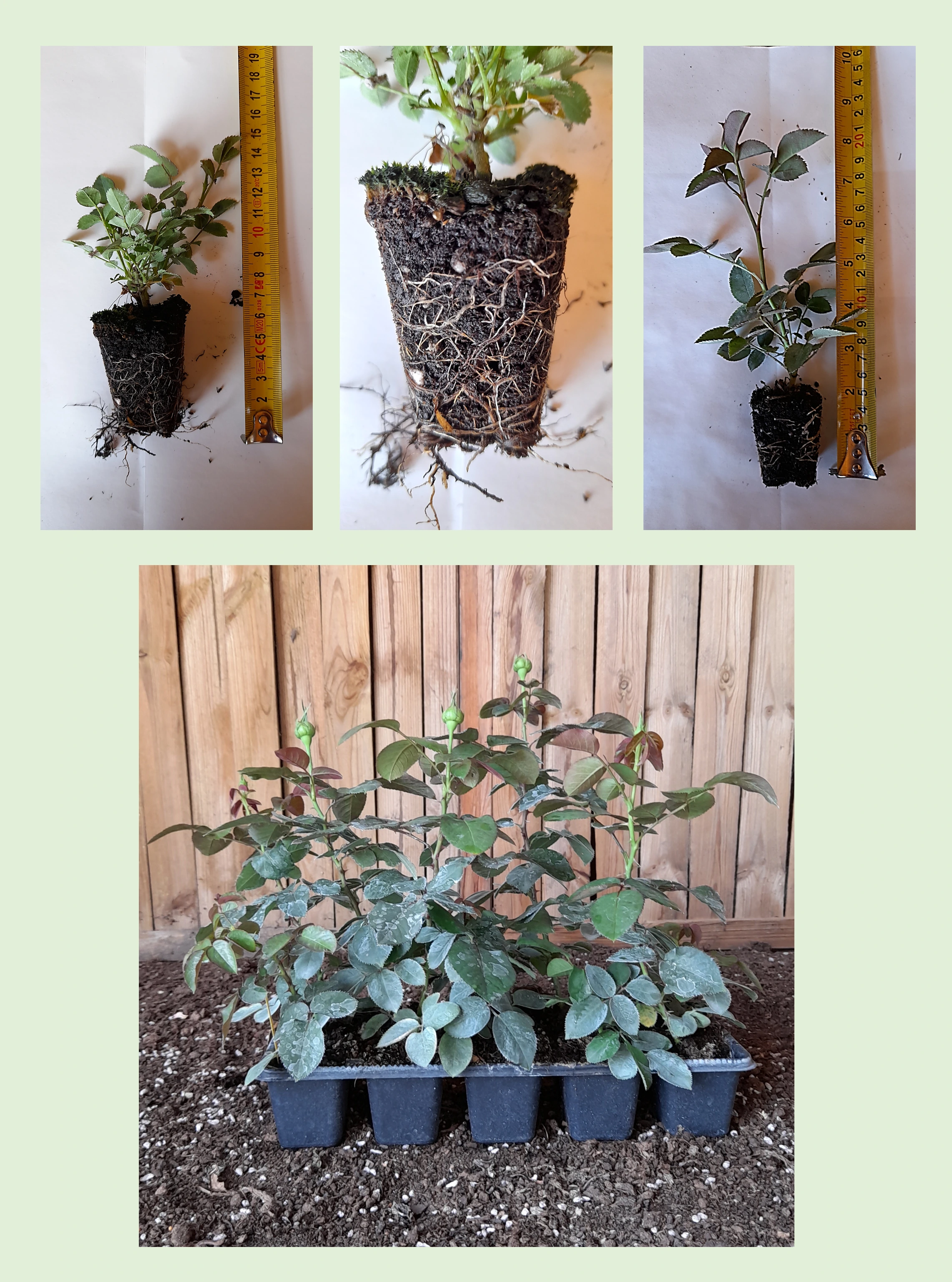
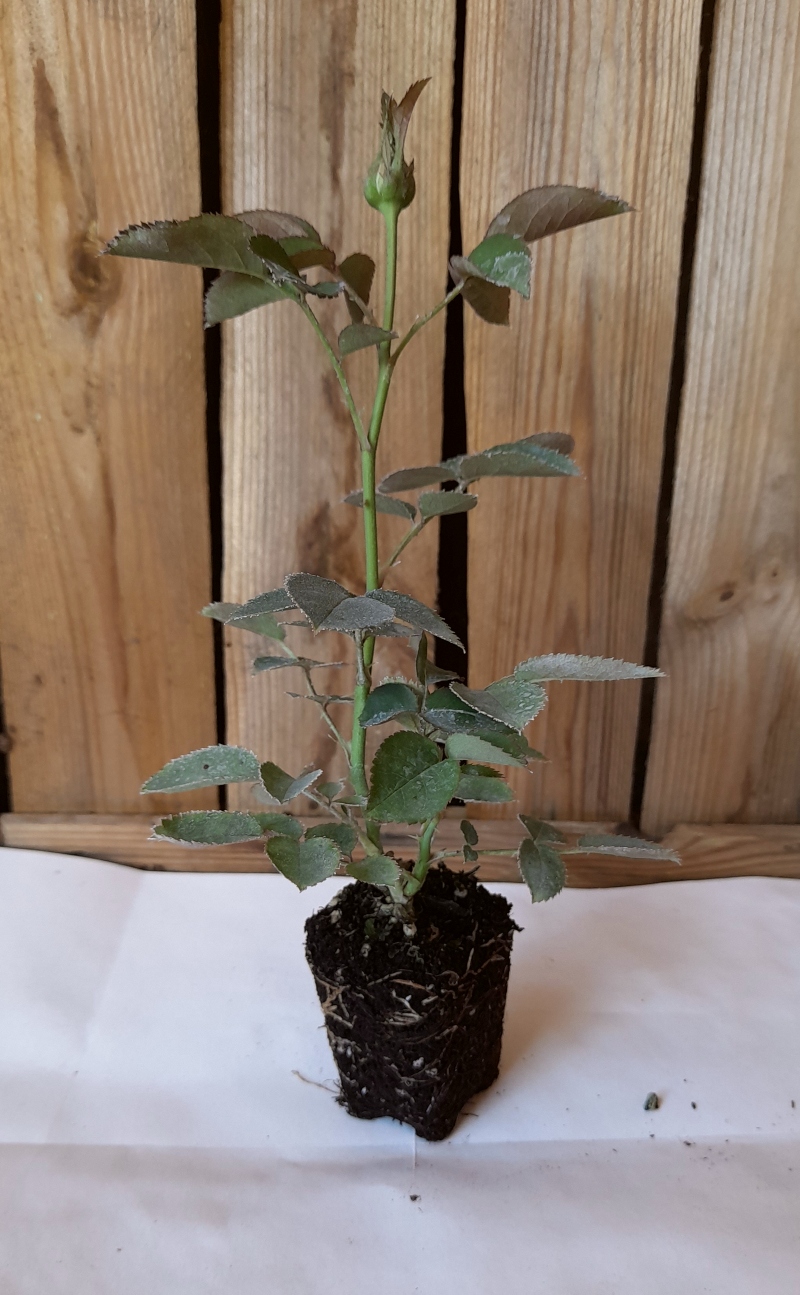
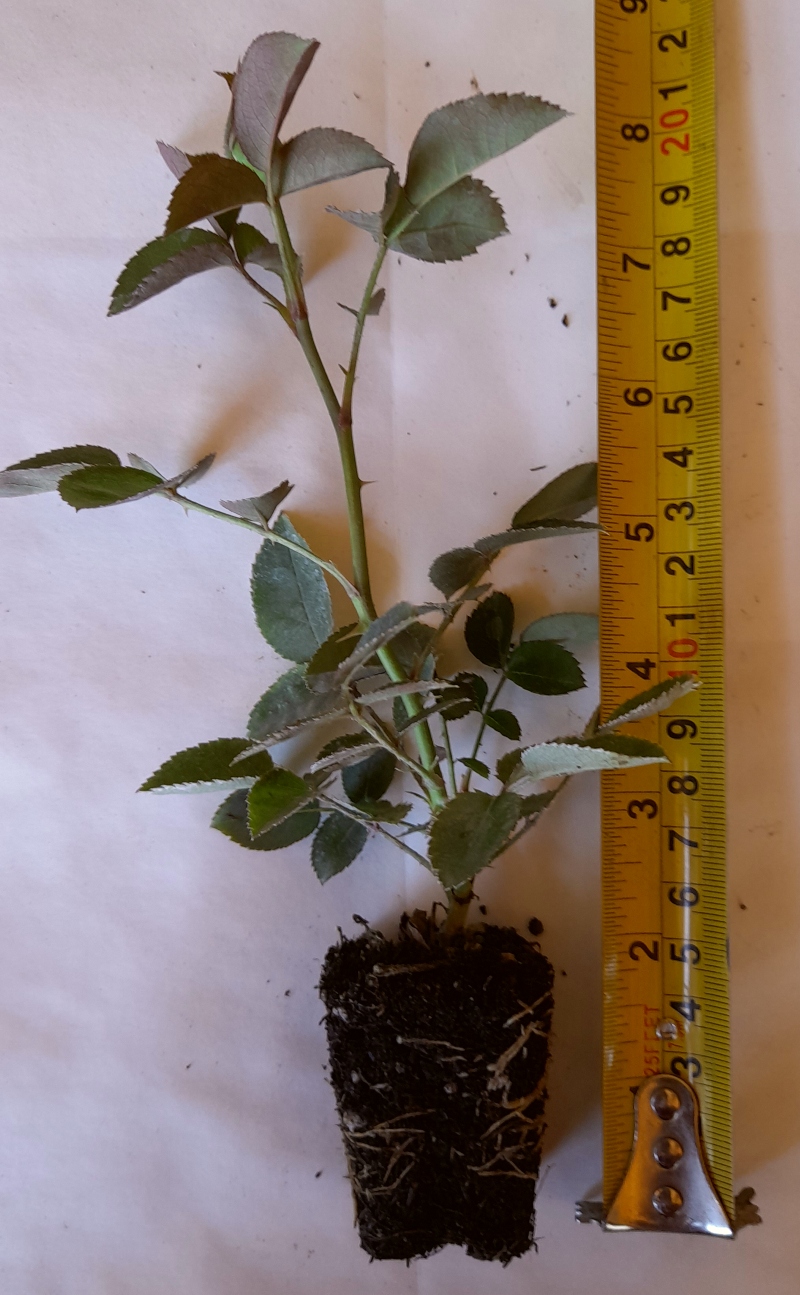
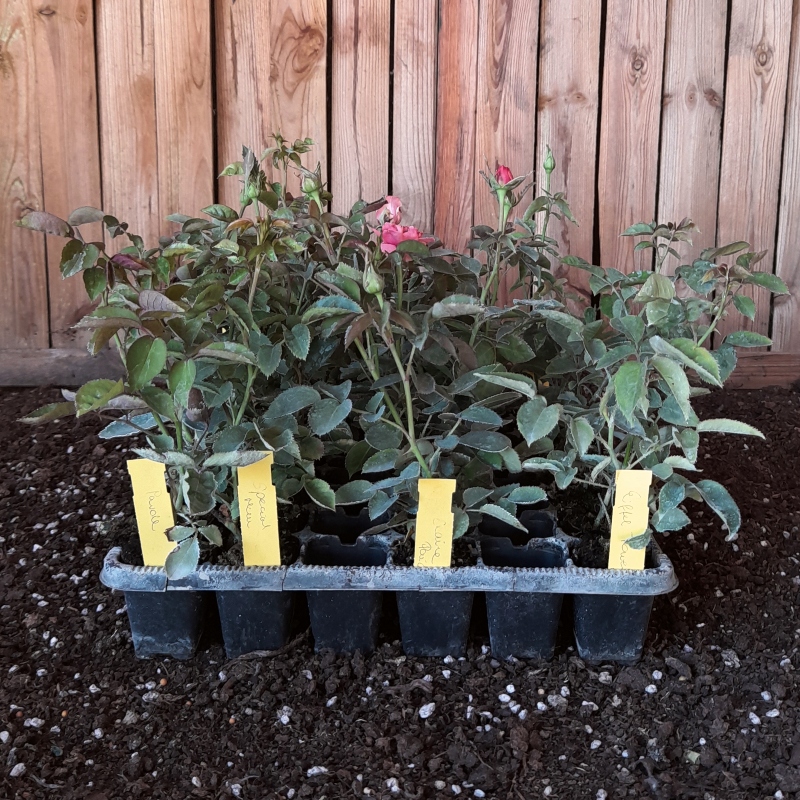
The compact, bushy, upright habit keeps plants in scale for standard-container production and tight spacing, while moderately dense foliage provides an attractive, well-filled structure in 2–3 L pots. Medium maintenance needs with occasional plant protection fit typical nursery crop-care regimes and allow scheduling of treatments across larger batches. As a standard finished product with reliable garden performance, it supports consistent, volume-based retail and reseller assortments aimed at broad consumer appeal in floribunda bedding ranges for retail/reseller assortments |
| Own-root propagation beds and nursery mother blocks |
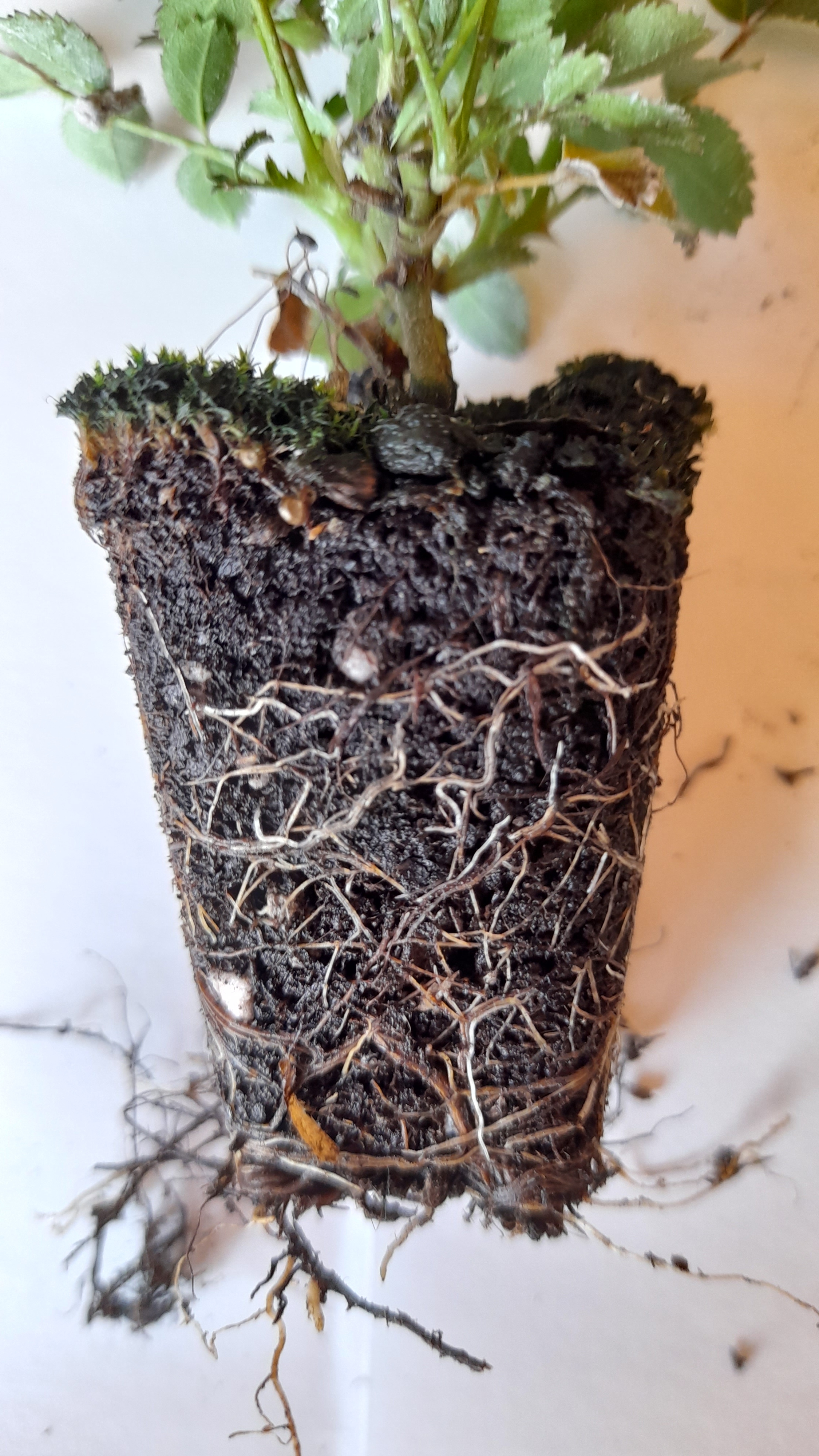
Own-root form offers long-term regenerative capacity and predictable structural stability, giving nurseries a renewable base for ongoing cutting production and stock replenishment. Bush-trained, compact plants are easy to organise in propagation beds, helping maintain clear cultivar identity and uniformity. Standard-container routing allows straightforward lifting and replanting within nursery systems to refresh mother stands when needed. As a standard finished product built on reliability, it supports professional production where stable cultivar identity and repeatable quality are critical for nursery propagation lines |
| Bedding and landscape rose lines for public-realm suppliers |
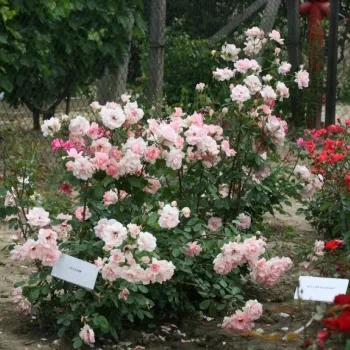
The floribunda bedding character, with medium-height (around 60–90 cm) bushy plants and cluster-flowering habit, lends itself to schemes where uniform blocks of colour are important. Reliable remontant performance with an abundant second flush helps maintain display value through extended project windows. Medium maintenance requirements match typical public-realm service expectations when specified via wholesalers. Positioned as a standard finished product for reliable garden performance, it integrates well into offer lists for public-realm contractors |
| Thematic and collection plantings for rose gardens |
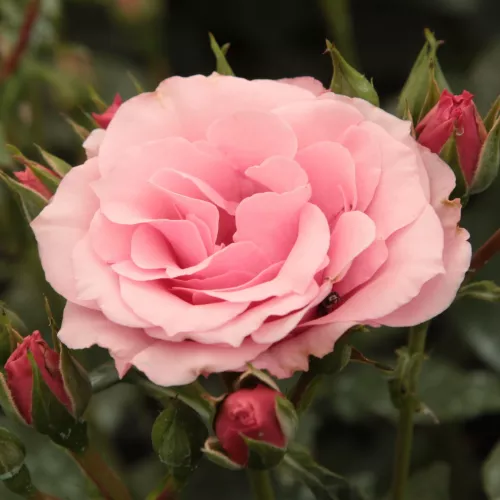
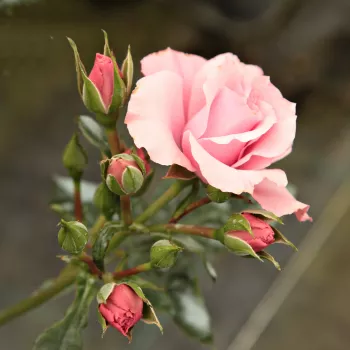
The named Hungarian origin and cultivar story, combined with breeding by Márk Gergely, give this variety interest for thematic collections and curated rose gardens. Semi-double, mid-pink, cup-shaped blooms with a soft silvery fade provide a distinct visual identity within floribunda groupings. Own-root, bush-trained plants suit collection beds where long-term stability and renewal are valued more than rapid turnover. As a standard-finished, reliable performer, it contributes a consistent, story-rich option to curated assortments for collection-focused partners |
| Container lines supporting northern and exposed-site markets |
Hardiness down to approximately -21 – -18 °C (H7, Swedish Zone 3, USDA 6b) supports supply into colder, more exposed UK regions, helping wholesalers and nurseries build lines that tolerate northern and inland conditions. In standard 2–3 L containers, plants can be finished under protection then dispatched into these markets with confidence. Own-root construction underpins stand resilience after winter events. As a standard finished product positioned on reliability, it offers a practical choice for programmes serving Scotland and northern England for cold-region distributors |
| Medium-maintenance floribunda ranges for garden-centre channels |
Moderate disease resistance across powdery mildew, black spot and rust allows growers to manage this cultivar within standard plant-protection programmes without exceptional measures. Medium maintenance need aligns with typical labour and spray budgets for floribunda production. The remontant, cluster-flowering habit supports in-store flowering presence over an extended selling period, enhancing range appeal. As a standard finished product built on reliable garden performance, it suits branded and private-label floribunda lines for garden-centre chains |
| Landscape and collection containers from 5 L up to 40–50 L |
The 60–90 cm height and 60–85 cm spread produce well-proportioned shrubs in larger containers, making this cultivar suitable for 5 L and up to 40–50 L units for show gardens, institutional landscapes and feature planters. Moderately dense, glossy foliage reads well at distance and in formal layouts. Own-root structure favours long-lived container and bed plantings where renewal through basal regrowth is valuable. As a reliable, standard finished product, it provides a stable option for project-based specifiers |
| Gene-bank style and cultivar-maintenance stands |
Verified cultivar authenticity and own-root propagation make this rose suitable for collection beds where genetic and name integrity must be preserved over time. Bush-trained, compact plants are easy to map, label and maintain in structured layouts. Standard-container routing simplifies moving plants between evaluation, display and maintenance areas. With winter tolerance suited to colder and windier northern settings, it can be maintained consistently across UK trial and reference sites. As a standard finished product with reliable performance, it supports long-term collections for botanical and trial partners |