Climbing rose

21-157-1
21-157-2

Reine Lucia

Climbing rose

KORlilub – Reimer Kordes

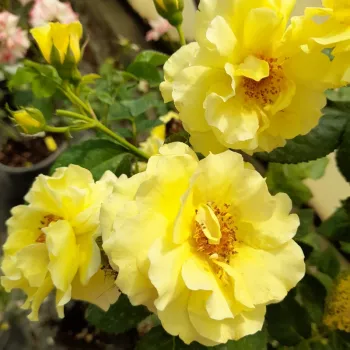
Vivid, deep lemon-yellow shade with a subtle golden sheen. - climber, climbing rose - medium-strength, clearly noticeable scented rose - pleasant character

– Vivid lemon-yellow blooms with golden sheen
– Reliable repeat-flowering with generous second flush
– Upright climbing habit for vertical accents
– Medium, clearly noticeable, pleasant fragrance
– Hardy to USDA 4b / RHS H7 winters
– Special feature: Semi-double, bee-attracting flowers with decorative orange-red hips.
Exclusive, space-defining – specialty
Reine Lucia
pharmaROSA® NEONATAL rooted rose cutting
30,87 £
Due to courier service regulations – and the introduction of customs clearance – delivery to Ireland is temporarily suspended.
4.5 (6753)
facebook   twitter

Reine Lucia Climbing rose KORlilub – pharmaROSA® NEONATAL

Reine Lucia offers vertical impact and a strongly distinctive lemon-yellow colour range that can underpin specialist climber assortments for UK nursery and wholesale programmes. As a pharmaROSA® NEONATAL own-root cutting, it provides a uniform, tray-grown starting point for trained climber production in 5–7 L containers, easy to schedule into staking and training lines for a clear “trained climber finished product” route. Its upright, dense, dark green foliage and moderate prickliness support visually clean, space-defining structures for borders, parks and specimen positions, matching vertical garden feature concepts for retail and reseller partners. Own-root longevity and regenerative capacity help maintain homogeneous stands and stable, low-replacement stock across nursery networks, which is particularly valuable where reliable winter performance is needed in colder, wind-exposed regions of Scotland and northern England. The remontant, cluster-flowering habit delivers a vivid, deep lemon-yellow first flush with a plentiful second flush, supporting timed colour windows for launches or project deliveries. Semi-double, pollinator-attractive blooms, medium-strength fragrance and ADR-backed horticultural credibility create a sound specialty proposition for thematic rose collections. With year 1 focused on root establishment, year 2 on structural cane development and year 3 delivering full ornamental value, Reine Lucia is a robust own-root climber choice for professional capacity planning and long-term range building.


Usage options

Target area Reasoning
Vertical, trained climber in 5–7 L containers The upright, 150–240 cm growth with dense, dark green foliage lends itself to staked, trained production on 3–5 main canes, matching the recommended “trained climber finished product” path. NEONATAL own-root material allows you to build consistent batches aimed at exclusive, space-defining vertical features for retail/reseller assortments, with predictable root systems ready to move efficiently into 5–7 L pots for scheduled market windows. Retail / reseller
Colour-focused thematic and show-garden ranges The vivid, deep lemon-yellow blooms with a golden sheen and good second flush support colour-themed climber groupings in dedicated rose gardens and collections. Using own-root NEONATAL propagation for nursery beds or liner production gives a renewable base for long-term thematic ranges, underpinning private-label or curated collections centred on vertical garden features and distinctive habits. Thematic rose collections
Park and public-realm vertical accents The combination of H7 / USDA 4b hardiness and robust cane framework makes Reine Lucia suitable for colder, exposed park and institutional settings where reliable winter survival is required. Own-root plants regenerate well after pruning or weather damage, supporting stable stands, lower replacement rates and predictable capacity for public-realm suppliers serving municipal clients who value vertical garden feature statements. Public-realm suppliers
Pollinator-conscious climber plantings Semi-double, cup-shaped clusters with exposed stamens offer partial pollinator appeal while retaining a clean, exhibition-quality look. As a trained climber finished product from NEONATAL material, it can be positioned as a visually strong yet pollinator-aware option in border and specimen plantings, backing retail/reseller messaging that balances ornamental value with ecological considerations in vertical garden concepts. Eco-aware retail
Fragrant feature climber on structures and façades The medium-strength, clearly noticeable fragrance combined with large, 2.75–3.95 inch blooms supports premium, experience-focused climber SKUs. Producing own-root, staked plants in 5–7 L containers allows nurseries to offer ready-trained specimens for pergolas and wall structures, aligning with an exclusive, space-defining positioning where fragrance completes the vertical garden feature promise. Premium garden centres
Cut-flower capable border and specimen climber Large, semi-double blooms on clustered stems make Reine Lucia suitable for occasional cutting from border or specimen uses, enhancing perceived value per plant. NEONATAL own-root production supports strong, renewable cane systems that tolerate regular cutting and maintenance, enabling growers to promote dual-purpose climbers in retail/reseller channels focused on distinctive habit and versatile use. Value-added retail
Nursery stock for climate-resilient northern projects The documented hardiness down to approximately -32 to -29 °C with Swedish Zone 5 suitability allows this cultivar to be specified for colder, windier UK regions, supporting project-oriented nursery and integrator pipelines. Using own-root NEONATAL material for propagation beds yields homogeneous, long-lived stock for border, park and specimen climber roles where predictable overwintering and structural stability are key. Integrator networks
Collection and gene-bank style climber stands With named parentage, ADR recognition from 1968 and a clear breeding background, Reine Lucia is a logical candidate for cultivar maintenance and collection plantings. Own-root NEONATAL propagation provides stable identity and long lifespan, helping curators maintain low-replacement, reliable stocks of this classic, lemon-yellow climber in thematic rose gardens and institutional collections. Collection curators

Finished-product ideas

  • ADR Heritage Climber 5–7 L – Trained, staked own-root plants in 5–7 L pots highlighting ADR recognition and hardy cane structure, positioned as an exclusive, space-defining vertical feature for premium retail climber benches – target audience/channel: retail / reseller.
  • Lemon Vertical Feature Line – Uniform NEONATAL-based batches selected for vivid lemon-yellow colour and medium fragrance, finished as trained climbers to give strong vertical impact in border and specimen concepts – target audience/channel: premium garden centres.
  • Pollinator Accent Climber – Semi-double, cluster-flowering plants grown on own roots and supplied as trained climbers for pergolas and arches where partial pollinator appeal and distinctive habit can be communicated together – target audience/channel: eco-aware retail.
  • Hardy Park Climber Stock – Propagated from NEONATAL trays into nursery beds to build hardy, own-root field stock for long-lived park, border and low hedge schemes in colder regions – target audience/channel: public-realm suppliers and integrators.
  • Collection Classic Climber – Curated batches emphasising documented parentage and ADR status, finished in 5–7 L as trained own-root climbers for thematic rose gardens and institutional collections seeking reliable, long-term vertical structure – target audience/channel: collection curators and specialist nurseries.

Technical cultivar profile
Parameter Data
Name and registration Climbing rose from the Climbing rose collection, registered as KORlilub, traded as Reine Lucia Climbing rose KORlilub, with Lichtkönigin Lucia accepted for exhibition; the name Reine Lucia is a female given name.
Origin and breeding Bred by Reimer Kordes at W. Kordes’ Söhne, Germany, from the cross ‘Zitronenfalter’ × ‘Cläre Grammerstorf’; introduced and registered in 1966, forming part of the large-flowered climber group for professional use.
Awards and recognition Awarded ADR (Allgemeine Deutsche Rosenneuheitenprüfung) status in 1968, indicating recognised ornamental and garden performance at the time of testing and supporting its inclusion in heritage and classic climber assortments.
Growth and structural characteristics Upright climber reaching about 150–240 cm in height with 80–140 cm spread; dense, dark green, glossy foliage on moderately thorny canes creates a solid, space-defining framework suitable for structures, borders and specimen roles.
Flower morphology Semi-double, cup-shaped blooms with approximately 13–25 petals and large 2.75–3.95 inch diameter, flowering in clusters; remontant habit provides an initial flush followed by a plentiful second flowering period under appropriate management.
Colour data and phenology Lemon-yellow flowers with ARS dy and RHS 13A outer, 14B inner tones; rich lemon buds open to saturated yellow, then fade to softer creamy yellow while retaining a deeper yellow centre, giving a dynamic but coherent colour presentation over time.
Fragrance and aroma Medium-strength, clearly noticeable fragrance with a pleasant character, providing a distinct scented effect without overpowering nearby plantings, appropriate for paths, entrances and seating areas where climbers are used as vertical accents.
Hip characteristics Produces orange-red, spherical hips in moderate quantities, around 12–17 mm in diameter; hips add seasonal interest and support partial ecological value, though not at a level typically prioritised for fruit-focused ornamental production.
Resistance and winter hardiness Rated to approximately -32 to -29 °C with RHS H7 and Swedish Zone 5 classification; disease resistance is sensitive overall, with moderate susceptibility to powdery mildew and black spot and very high sensitivity to rust, requiring active protection.
Horticultural recommendations Recommended for borders, parks, specimen plantings, low hedges and cut use; best supplied as a staked, trained climber in 5–7 L containers, with high maintenance needs and regular plant protection integral to professional production protocols.

Reine Lucia Climbing rose KORlilub combines vivid lemon-yellow flowering, hardy upright structure and ADR-backed heritage on an own-root base that supports predictable, regenerative, low-replacement climber production; we invite you to discuss volumes, timing and integration into your range.


Detailed product attributes

Product Identification Data

Product Name: REINE LUCIA – lemon-yellow climbing rose - Kordes
Product Type: pharmaROSA® NEONATAL - rooted rose cutting
Cultivar Authenticity: Verified:14.05.2025
Cultivar Quality Rating: premium gold
Item Number: [1221] 21-157 (14.02.2026) pharmarosaneonatal.co.uk

Name and Registration

Meaning of Cultivar Name: The name is a female given name.
Cultivar Synonym: Lichtkönigin Lucia; Königin Lucia; Lucia; Light Queen Lucia
Original Trade Name: Lichtkönigin Lucia®
Current Trade Name: Reine Lucia Climbing rose KORlilub
Rose Group: Climber, Large -Flowered Climber
Commercial Type: climber, climbing rose
Commercial Group: Climbing rose
Exhibition Category: exhibition shrub rose
Collection: Climbing rose

Origin and Breeding

Initial Distributor: W. Kordes’ Söhne (Germany)
Breeder: Reimer Kordes
Breeding Company / Institution: W. Kordes’ Söhne (Germany)
Breeding Year: Germany, 1966
Parentage: ‘Zitronenfalter’ × ‘Cläre Grammerstorf’

Awards and Honours

Horticultural Ratings and Recommendations: ADR (Allgemeine Deutsche Rosenneuheitenprüfung) (1968)

Growth and Structural Characteristics

Height: 4.9-7.9ft (150-240 cm)
Spread: 2.6-4.6ft (80-140 cm)
Growth Habit: upright
Foliage: The variety has dense foliage. The leaves have a glossy surface and a dark green tone.

Prickliness: moderately thorny
Self-Cleaning Description: No data on self-cleaning.
Self-Cleaning Intensity: No data on self‑cleaning strength.

Flower Morphology

Petal Count: 13-25
Flower Fullness: semi-double
Flower Shape: cup-shaped
Flower Size: L (2,75-3,95 in)
Inflorescence Type: clustered
Colour Code: ARS code: dy RHS code: 13A (outer), 14B (inner)
Repeat Flowering: Remonts well, producing a plentiful second flush of flowers.

Colour Data and Phenology

Colour: lemon-yellow
Flower Colour Description: Vivid, deep lemon-yellow shade with a subtle golden sheen.
Closed Bud: Dark lemon yellow, occasionally with a delicate orange flush at the tip.
Newly Opened Flower: Rich, saturated lemon yellow with a paler yellow tone along the edges of the outer petals.
Full Bloom: Deep yellow centre with a lighter, soft lemon-yellow transition towards the outer edges of the petals.
Before Fading: Light, fading to a creamy yellow with a residual lemon-yellow tinge in the centre.
Colour Fading Description: During opening, the saturated lemon yellow gradually fades to a lighter, creamy-yellow shade, with a deeper yellow remaining in the centre.

Fragrance and Aroma

Fragrance Strength: medium-strength, clearly noticeable scented rose
Fragrance Character: pleasant character
Pollinator Attraction: Semi-double, open flowers with exposed stamens attract bees, as the semi-double flower form and readily accessible stamens increase pollinator appeal.
Pollinator-Friendly Rating: Because of its semi-double blooms, it is considered partially pollinator-friendly.

Hip Characteristics

Hip Shape: spherical
Hip Colour: orange-red
Hip Comment: Produced in moderate quantities, a 12–17 mm diameter, spherical, orange-red rose hip.

Resistance and Hardiness

Hardiness (°C): -32–-29 °C
Heat and Drought Tolerance Description: No data are available on heat–drought tolerance.
Disease Resistance: sensitive
  • powdery mildew – moderate
  • black spot – moderate
  • rust – very sensitive

Horticultural Recommendations

Recommended product path: Trained climber finished product
Release form: Staked, trained (3–5 main canes)
Recommended use: Maintenance requirement high; low disease resistance, requires regular plant protection treatments.
Primary Uses: border, park, specimen, low hedge, cut flower

Comments

Positioning: Exclusive, space-defining – specialty
Target customer/channel: Retail / reseller
Main value proposition: Vertical garden feature, distinctive habit
REINE LUCIA – lemon-yellow climbing rose - Kordes
Vivid, deep lemon-yellow shade with a subtle golden sheen. - climber, climbing rose - medium-strength, clearly noticeable scented rose - pleasant character
Online rose purchase - lemon-yellow - medium-strength, clearly noticeable scented rose - Reine Lucia - climber, climbing rose - (4.9-7.9ft (150-240 cm))
Inflorescence: clustered Height: 4.9-7.9ft (150-240 cm) Flower shape: cup-shaped Winter hardiness: 6b lemon-yellow - W. Kordes’ Söhne (Germany) climber, climbing rose - Flower size: L (2,75-3,95 in) Flower size: L (2,75-3,95 in) - Height: 4.9-7.9ft (150-240 cm) Height: 4.9-7.9ft (150-240 cm) - Flower fullness: semi-double Reine Lucia - Roses in the garden | pharmaROSA® Neonatal - premium gold Reimer Kordes

We showcase the external appearance of the roses available for online purchase from our webshop.


Which product type is right for you?


PharmaRosa® NEONATAL is the cost‑effective starting point for rose product production.

As a uniform, own‑rooted propagation material, it provides a stable basis for further growing-on and can be integrated flexibly into different finished product production technologies.
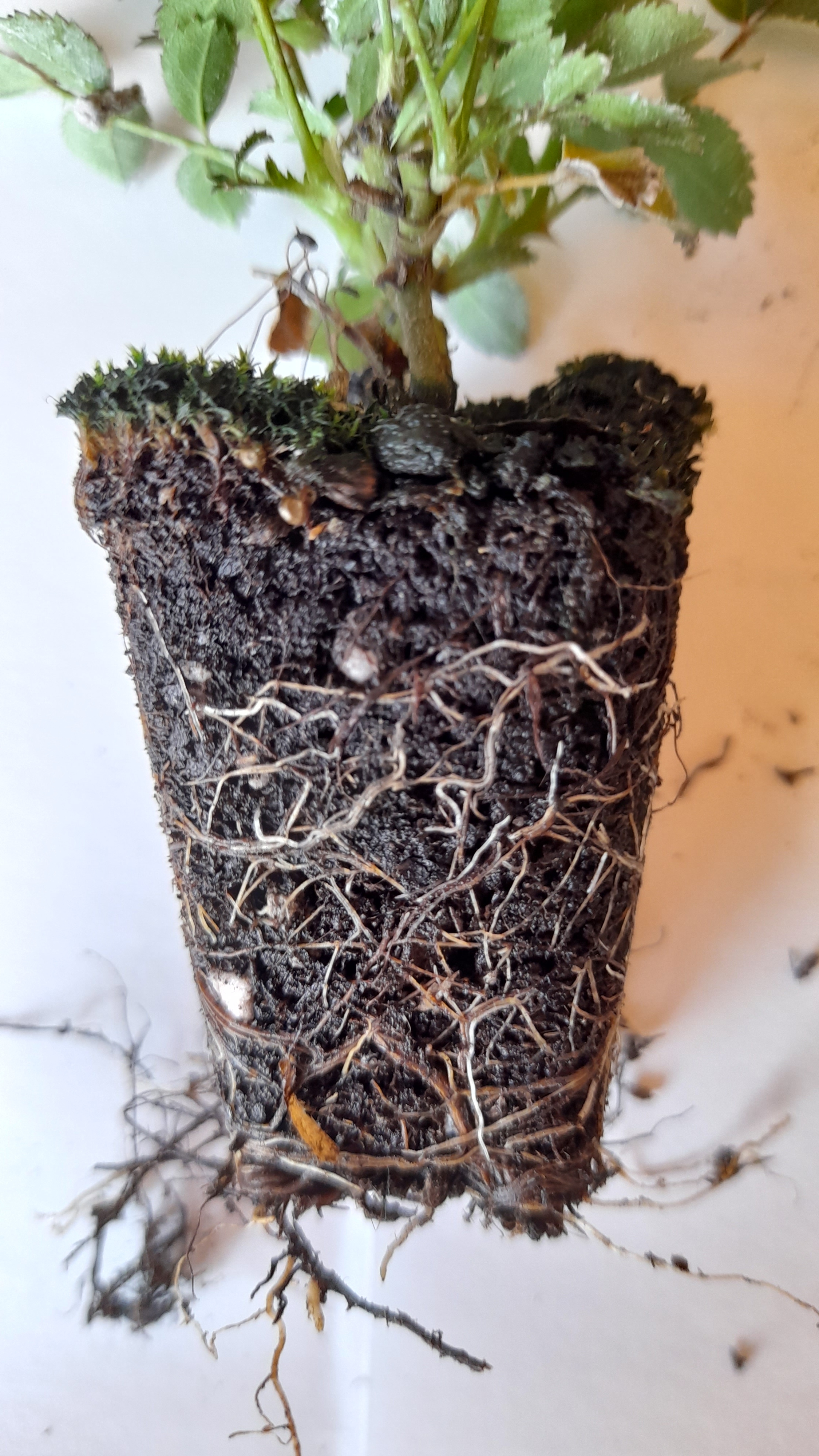
Rooted in trays (rooted), 3–6‑month‑old, own‑rooted rose cutting.
Uniform developmental stage, with a root system that has thoroughly penetrated the plug.
For professional growing‑on.
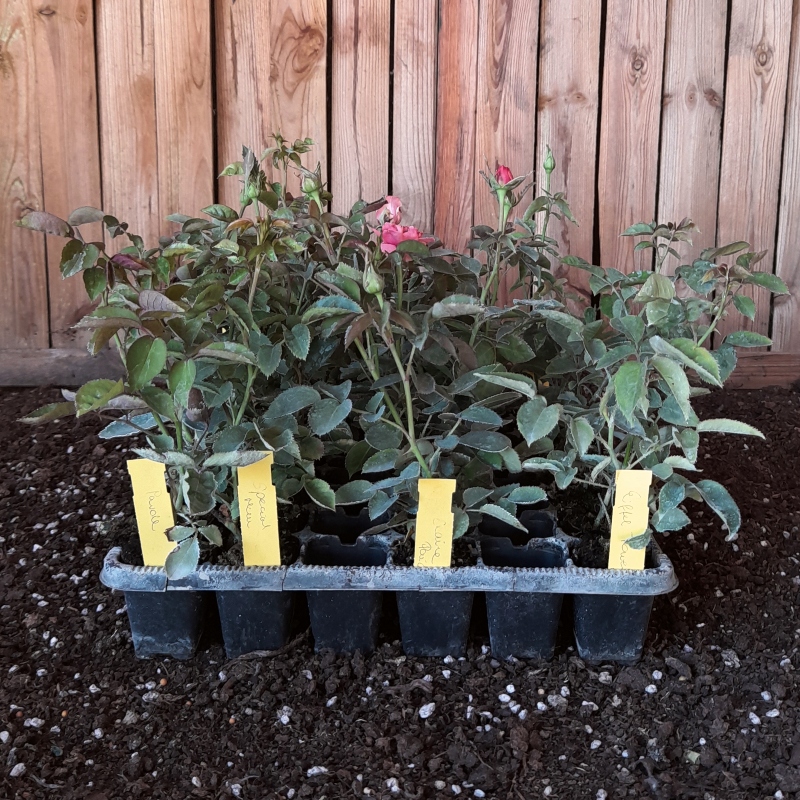
Tray packaging: 10 pcs/tray.
Quality and varietal identity: production supported by a dedicated identification and traceability logic.
Can be transplanted during frost‑free periods, designed for finished product production.

PharmaRosa® NEONATAL provides a controlled, uniform starting stock for planned growing‑on that can be integrated into your own technology – especially where scheduling and varietal identity are paramount.


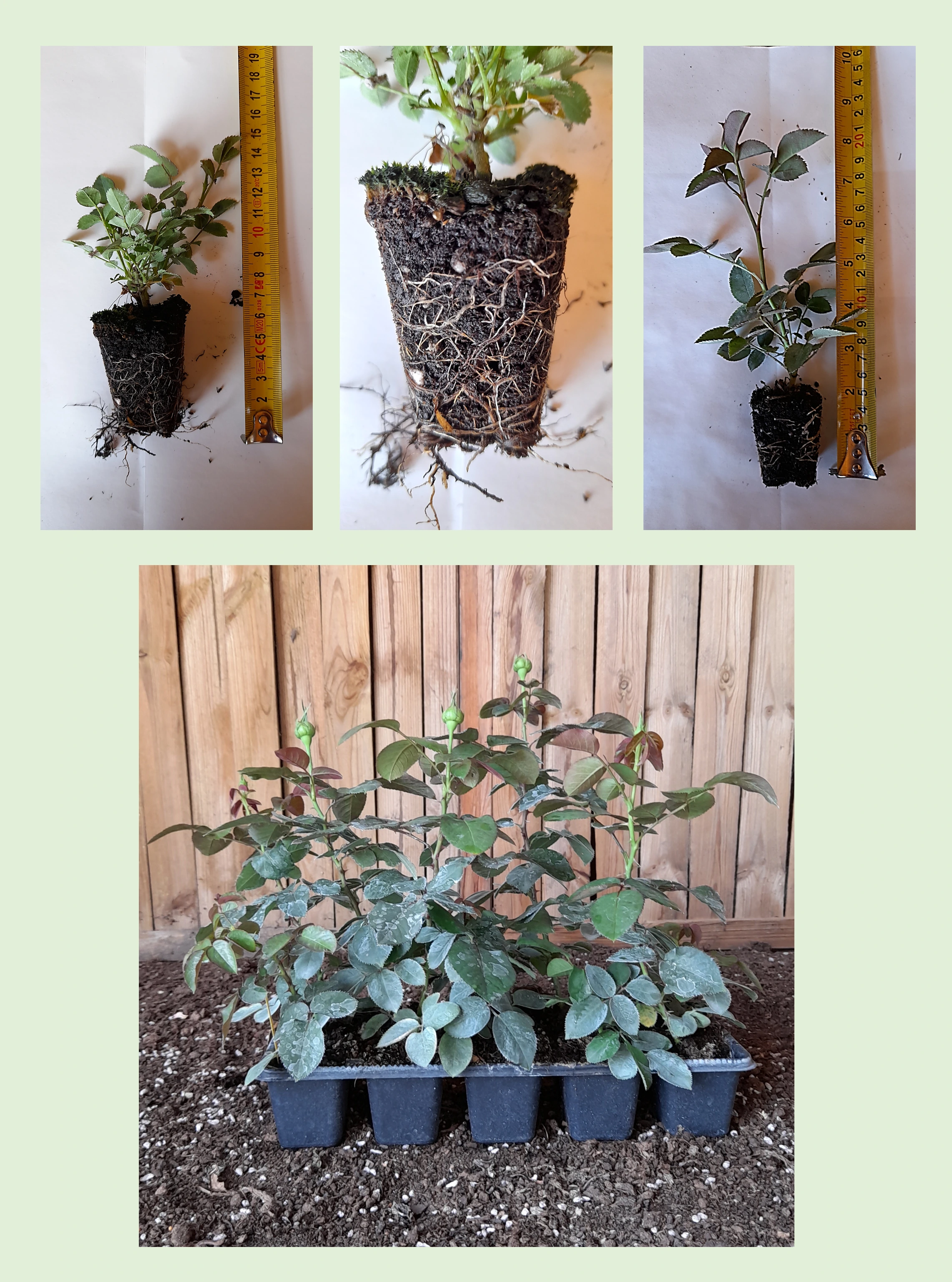
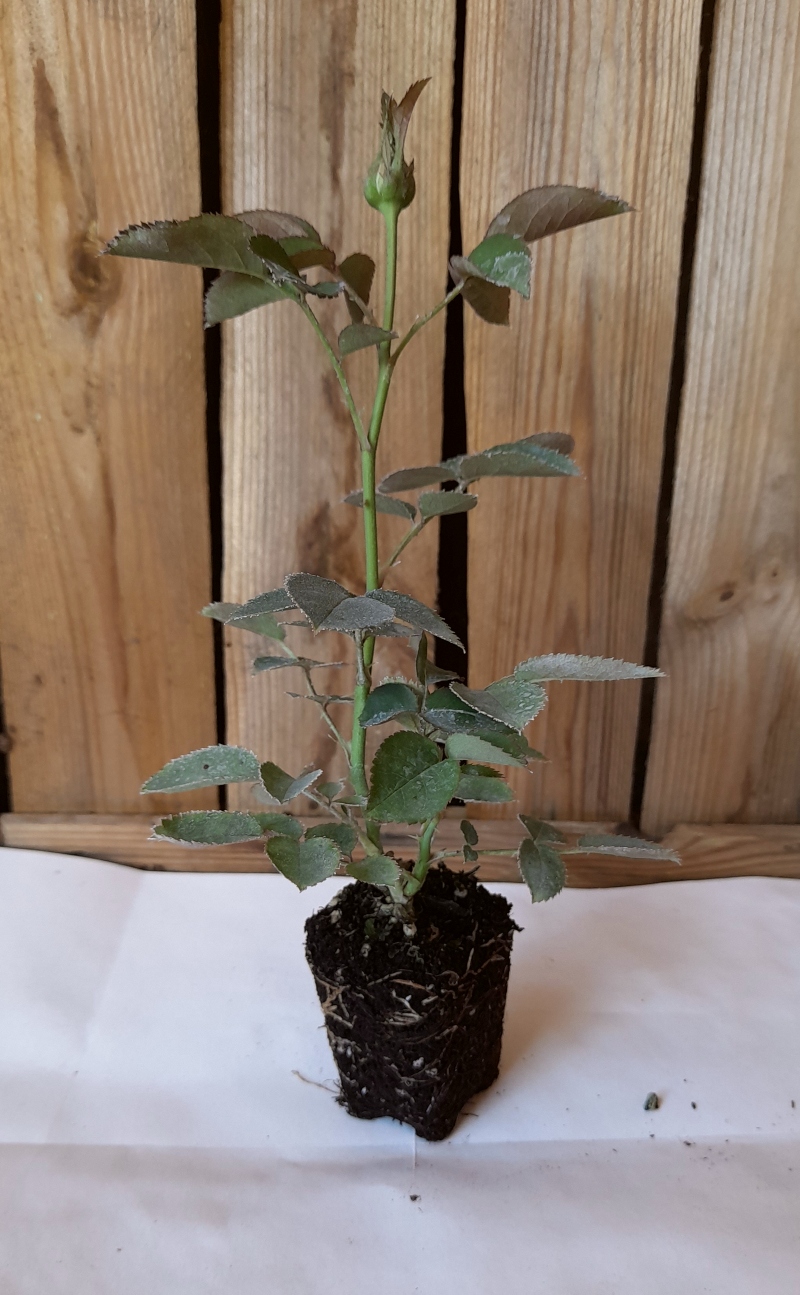
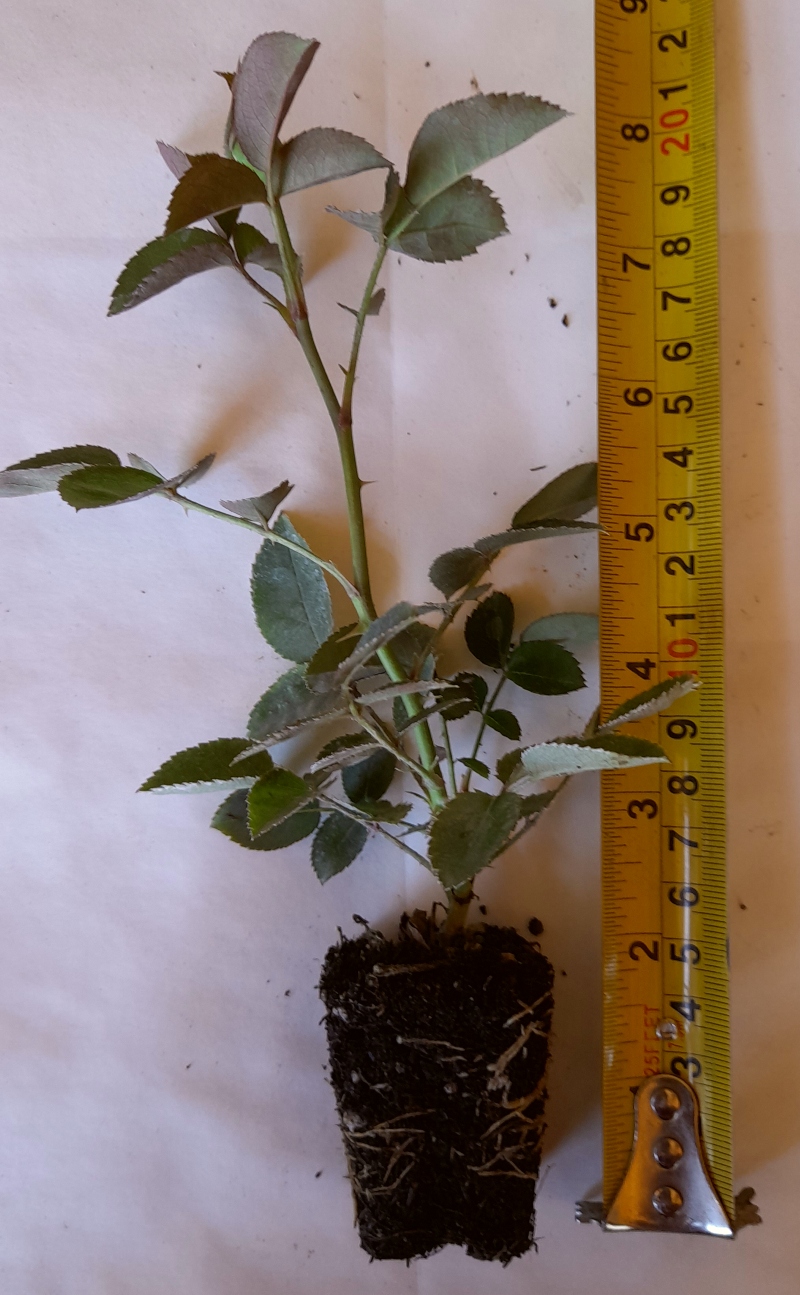
PharmaRosa® NEONATAL own-rooted rose propagation material in a plug, with a root system penetrating the plug (semi-finished product / semi-finished rose). PharmaRosa® NEONATAL rose propagation material size: 3–6‑month‑old, own-rooted cutting with a uniform developmental stage. PharmaRosa® NEONATAL rose propagation material root system: plug densely penetrated by well-developed white roots (root system detail). PharmaRosa® NEONATAL tray stock: own-rooted rose propagation material in trays, uniform developmental stage (10 pcs/tray).

Captions (from left to right): Semi-finished product (NEONATAL own-rooted rose propagation material in a plug with a fully developed root system) • Size demonstration (3–6‑month‑old, uniform cutting) • Root system detail (plug penetrated by the root system) • Tray stock (10 pcs/tray, uniform developmental stage)

pharmarosaneonatal.hupharmarosaneonatal.atpharmarosaneonatal.co.ukpharmarosaneonatal.czpharmarosaneonatal.depharmarosaneonatal.ropharmarosaneonatal.sipharmarosaneonatal.skpharmarosaneonatal.itpharmarosaneonatal.frpharmarosaneonatal.nlpharmarosaneonatal.plpharmarosaneonatal.lupharmarosaneonatal.ptpharmarosaneonatal.espharmarosaneonatal.ltpharmarosaneonatal.sepharmarosaneonatal.lvpharmarosaneonatal.eepharmarosaneonatal.fi

Which product type is right for you?

Pages for private customers
Garden roses for the family garden, with minimal care  → ORIGINAL®
Premium garden roses – instant impact, a truly showpiece garden  → EXTRA®
Pages for professionals and private customers
Roses for public spaces – large areas, sustainable maintenance  → NATURAL®
Roses for projects – hedge and row planting, fast implementation  → RAPID®
For professional partners only
Production – propagation material for garden roses, wholesale  → NEONATAL®

Company details

PharmaRosa Ltd.
Company registration number: 01-09-717479
VAT number: 13075314-2-43
Plant health registration no.: HU130721
Bank account (IBAN):
HU85117631891388688400000000
BIC (SWIFT): OTPVHUHB
Bank name: OTP Bank Nyrt.