Hybrid tea rose

20-474-1
20-474-2

Rose Aimée™

Hybrid tea rose

- – Jean -Marie Gaujard

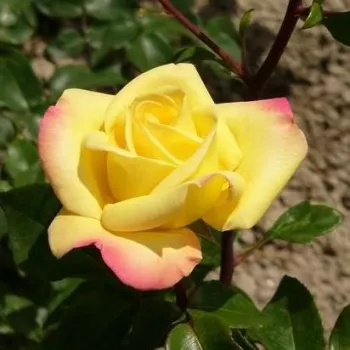
Cream-yellow petals with a delicate pink edging, creating a harmonious bicolour effect. - hybrid tea rose - mild, discreetly scented rose - pleasant, soft character

– Elegant Hybrid Tea with classic form
– Refined cream-yellow blooms with pink edging
– Reliable remontant flowering through the season
– Dense, glossy dark green foliage
– Good hardiness and disease resistance
Special feature: Ideal for premium cut flowers and exhibition use.
Exclusive finished product
Rose Aimée™
pharmaROSA® NEONATAL rooted rose cutting
28,34 £
Due to courier service regulations – and the introduction of customs clearance – delivery to Ireland is temporarily suspended.
3.5 (5478)
facebook   twitter

ROSE AIMÉE™ – cream-yellow-pink hybrid tea rose - Gaujard

Premium own-root pharmaROSA® NEONATAL material of ROSE AIMÉE™ supports exclusive hybrid tea production where flower quality and classic cut-rose form are central for premium container ranges. This upright, bush-trained cultivar with 3–5 strong canes and dense, glossy dark-green foliage offers reliable structure for 5–7 L finishing and specimen-grade beds, while its remontant, double blooms add strong display value in flower beds and park settings. The elegant cream-yellow to pink bicolour and high-centred, pointed buds enable a differentiated cut-flower / exhibition route, particularly where own-root longevity and stable ornamental value back long-term nursery and collection plantings. In typical UK nursery systems it can be integrated into premium container programmes and park-supply chains, benefitting operations in cooler regions with winter-hardy, wind-tolerant performance that suits structured public and thematic rose gardens. Own-root production allows a steady development curve from roots in year one to framework and shoots in year two and full ornamental performance by year three, supporting predictable scheduling and dependable capacity planning across nursery networks.


Usage options

Target area Reasoning
Premium 5–7 L container rose for retail / reseller programmes The upright habit, 3–5 strong framework canes and dense, glossy foliage translate cleanly into a premium container route with excellent bench presentation in 5–7 L pots. Remontant, high-centred blooms with cream-yellow and pink bicolour effect match an exclusive finished product brief focused on flower quality and form. Own-root material supports long-lived plants for retailers and resellers who need predictable replenishment and low replacement in premium container segments, serving retail / reseller.
Cut-flower / exhibition hybrid tea for specialist growers The high-centred, pointed bud and solitary, medium-sized double flowers suit exhibition and small-scale cut-flower production lines. Using bush-trained NEONATAL plants as a propagation base allows specialist growers to push stem quality while retaining the cultivar’s flower form as the core selling point. Own-root plants regenerate well after cutting cycles, giving stable output and helping maintain consistent, exhibition-grade stems for programmes positioned as high-spec, flower-form driven offerings to specialist exhibitors.
Specimen plants for thematic rose gardens and collections The combination of upright structure, glossy dark-green foliage and distinctive cream-yellow to pink bicolour flowers makes this cultivar valuable as a labelled specimen within thematic or collection plantings. Premium container production in 5–7 L sizes allows nurseries to supply curators and public gardens with identity-secure, own-root plants that can be maintained long term. This aligns with exclusive finished-product positioning where distinct cultivar identity and collected hybrid tea forms are central for public collections.
Flower beds and formal mixed borders in public-realm projects Dense foliage, remontant flowering and medium height allow disciplined use in formal beds where a repeated hybrid tea form is desired. Own-root plants give stable stands with reduced risk of graft failure, supporting long-run public planting schemes built from nursery propagation beds. Moderate maintenance needs, with only occasional pest control and some deadheading, suit contractors servicing parks and civic schemes seeking exclusive but manageable rose components for public-realm schemes.
Park and estate plantings with structured hybrid tea lines The clear, upright framework allows tidy rows and groupings in parks and estates where structure must remain legible for many years. Own-root longevity and regeneration help keep planting gaps and replant costs low, while the cultivar’s winter hardiness supports reliable performance even in cooler, exposed sites typical of northern UK parks where strong wind tolerance is valued. This supports exclusive hybrid tea rose lines within differentiated, flower-quality-oriented offers for estate managers.
Nursery propagation beds for sustained premium stock building As a premium bronze-rated cultivar with verified authenticity, ROSE AIMÉE™ is well suited to dedicated nursery beds aimed at building reliable own-root stock. Remontant flowering and limited hip set keep ornamental quality acceptable even in stock blocks, while own-root technology supports clonal continuity over multiple cycles. Using 3–6-month tray-rooted cuttings as the base allows nurseries to grow on into bush-trained field or container mothers focused on exclusive flower-form-driven ranges for wholesale partners.
Private-label exclusive hybrid tea lines for integrator systems The clearly defined colour pattern, classic hybrid tea bloom and exclusive positioning lend themselves to private-label branding where differentiation from mass-market roses is required. A premium container route in 5–7 L pots, backed by own-root stability and medium disease resistance (notably to powdery mildew and black spot), simplifies quality control at scale. Integrators can plan volumes confidently, using predictable development from roots to full ornamental value to support integrator networks.
Show-garden and display plantings for horticultural events The neat, upright habit and exhibition-style flowers allow convincing use in show gardens and demonstration plantings where hybrid tea form and colour gradation must read clearly to visitors. Own-root plants cope well with production loads and subsequent relocation, giving organisers flexibility in scheduling digs and replanting. This supports thematic rose garden narratives and cultivar collections where exclusive finished products underpin the image nurseries present to trade visitors.

Finished-product ideas

  • Premium 5–7 L hybrid tea feature – Bush-trained, own-root ROSE AIMÉE™ finished in 5–7 L pots, highlighting the classic high-centred bicolour blooms as a focal premium bed or patio rose – target audience/channel: retail garden centres.
  • Exhibition hybrid tea bench line – Uniform batches selected for straight, upright stems and high-centred buds, supplied as premium container material ready for cut-flower or show use – target audience/channel: specialist exhibitors and hobbyist societies.
  • Thematic collection specimen – Individually labelled ROSE AIMÉE™ plants for hybrid tea or breeder-focused collections, propagated on own roots for long-term identity security – target audience/channel: public gardens and show-ground collections.
  • Estate border hybrid tea series – Structured lines for formal estate or park borders, using the upright, dense framework to create repeatable rhythm and long-season flower display – target audience/channel: landscape contractors and estate managers.
  • Private-label exclusive hybrid tea – Branded 5–7 L containers presenting ROSE AIMÉE™ as an exclusive, flower-form-led hybrid tea within a curated rose selection – target audience/channel: integrator systems and multiple retail chains.

Technical cultivar profile
Parameter Data
Name and registration Collection hybrid tea rose, commercial type and group hybrid tea rose, current trade name Rose Aimée™ Hybrid tea rose Gaujard; former and registered cultivar names, ARS exhibition name and introduction year not provided.
Origin and breeding Bred in France in 1955 by Jean-Marie Gaujard at Roseraies Gaujard; parentage, initial distributor and precise registration year are not provided, positioning it as a classic mid‑century French hybrid tea selection.
Growth and structural characteristics Upright bush reaching about 100–140 cm high and 70–110 cm spread, moderately thorny with dense, glossy dark-green foliage; bush-trained form with 3–5 strong framework canes, spent blooms generally needing deadheading as self-cleaning is weak.
Flower morphology Medium-sized, double flowers with around 26–39 petals, borne mainly solitary on stems; high-centred, pointed bud of cut-rose type, remontant with a generous second flowering wave supporting repeat ornamental and cut-flower use in season.
Colour data and phenology Cream-yellow petals with delicate pink edging, ARS code RB, RHS 53A and 155D; buds cream-ivory with lemon-yellow centre, opening to sunny yellow centre fading to cream–ivory and soft pink–peach edges, with colour retention generally good though lightening in strong sun.
Fragrance and aroma Pleasant, soft fragrance of mild strength, giving a discreetly scented rose suited to quality-conscious but not strongly fragrance-driven markets; strongly double form limits pollinator access, so it is primarily ornamental rather than ecosystem-service focused.
Hip characteristics Due to double flowers, hip set is generally limited; where formed, hips are ellipsoidal, orange-red, around 12–17 mm in diameter, so fruiting value is minor and usually secondary to flower performance in production planning.
Resistance and winter hardiness Medium overall disease resistance, with resistance to powdery mildew and black spot and medium rust response; winter hardy to about −21 to −18 °C (RHS H7, Swedish zone 3, USDA 6b) with moderate heat tolerance, requiring irrigation during extended drought.
Horticultural recommendations Recommended for flower beds, cut flowers, specimens and parks with moderate maintenance and occasional pest control; marketed as an exclusive finished product for retail and reseller channels, ideally as a premium container line from own-root bush-trained material.

ROSE AIMÉE™ offers classic hybrid tea flower quality, reliable upright structure and winter-hardy own-root longevity, giving predictable, regenerative stands for premium programmes; please contact us to discuss volumes, timing and integration into your ranges.


Detailed product attributes

Product Identification Data

Product Name: ROSE AIMÉE™ – cream-yellow-pink hybrid tea rose - Gaujard
Product Type: pharmaROSA® NEONATAL - rooted rose cutting
Cultivar Authenticity: Verified:12.03.2025
Cultivar Quality Rating: premium bronze
Item Number: [92] 20-474 (14.02.2026) pharmarosaneonatal.co.uk

Name and Registration

Meaning of Cultivar Name: The name is a feminine given name.
Original Trade Name: Aimée™
Current Trade Name: Rose Aimée™ Hybrid tea rose Gaujard
Rose Group: Hybrid Tea
Commercial Type: hybrid tea rose
Commercial Group: Hybrid tea rose
Exhibition Category: cut flower / exhibition tea-hybrid
Collection: Hybrid tea rose

Origin and Breeding

Introduction Year: Information not available
Registration Year: Data not available
Breeder: Jean -Marie Gaujard
Breeding Company / Institution: Roseraies Gaujard (France)
Breeding Year: France, 1955
Parentage: unknown

Growth and Structural Characteristics

Height: 3.3-4.6ft (100-140 cm)
Spread: 2.3-3.6ft (70-110 cm)
Growth Habit: upright
Foliage: The variety has dense foliage; the leaves have a glossy surface and a dark green hue.
Prickliness: moderately thorny
Self-Cleaning Description: Most spent blooms remain on the plant and require subsequent cleaning (deadheading).
Self-Cleaning Intensity: self-cleaning strength: weak

Flower Morphology

Petal Count: 26-39
Flower Fullness: double flowered
Flower Shape: high-centred, pointed bud (cut-rose type)
Flower Size: M (1,5-2,75 in)
Inflorescence Type: solitary
Colour Code: ARS code: RB, RHS code: 53A, 155D
Repeat Flowering: It is remontant, with a generous second flowering.

Colour Data and Phenology

Colour: cream-yellow - pink
Flower Colour Description: Cream-yellow petals with a delicate pink edging, creating a harmonious bicolour effect.
Closed Bud: Cream–ivory based with a pale lemon‑yellow centre and a delicate pink blush at the tips.
Newly Opened Flower: The centre is a warm butter or lemon yellow, the outer petal whorl is creamy white, with a pale pink margin appearing.
Full Bloom: Sunny yellow centre fading outwards to cream–ivory, with a soft pink edging and a subtle salmon tint.
Before Fading: The yellow lightens to straw-yellow cream, the pink edge softens, fading to a soft rose-salmon shade.
Colour Fading Description: During opening the yellow centre fades to straw‑yellow–cream, the creamy outer petal zone remains, the delicate pink edge softens to a gentle pink–peach shade; in strong sunlight it may lighten further.

Fragrance and Aroma

Fragrance Strength: mild, discreetly scented rose
Fragrance Character: pleasant, soft character
Pollinator Attraction: Its strongly double flower form and reduced accessibility of the stamens mean it attracts pollinators poorly.
Pollinator-Friendly Rating: Its double, classic flower form makes the stamens less accessible; primarily an ornamental variety.

Hip Characteristics

Hip Shape: ellipsoidal
Hip Colour: orange-red
Hip Comment: Rose hip formation is expected to be limited due to the double‑flowered blooms; occasionally an ellipsoid, orange‑red rose hip 12–17 mm in diameter is formed.

Resistance and Hardiness

Hardiness (°C): -21–-18 °C
Heat and Drought Tolerance Description: Tolerates heat but requires irrigation during prolonged drought.
Disease Resistance: medium
  • powdery mildew – resistant
  • black spot – resistant
  • rust – medium

Horticultural Recommendations

Recommended product path: Premium container
Release form: Bush-trained, with 3–5 strong framework canes
Recommended use: Maintenance requirement moderate; occasionally requires pest control.
Primary Uses: flower bed, cut flower, specimen, park

Comments

Positioning: Exclusive finished product
Target customer/channel: Retail / reseller
Main value proposition: Flower quality, form
ROSE AIMÉE™ – cream-yellow-pink hybrid tea rose - Gaujard
Cream-yellow petals with a delicate pink edging, creating a harmonious bicolour effect. - hybrid tea rose - mild, discreetly scented rose - pleasant, soft character
Rose Shopping Online - cream-yellow - pink - mild, discreetly scented rose - Rose Aimée™ - hybrid tea rose - (3.3-4.6ft (100-140 cm))
Inflorescence: solitary Height: 3.3-4.6ft (100-140 cm) Flower shape: high-centred, pointed bud (cut-rose type) Winter hardiness: 5b cream-yellow - pink - - hybrid tea rose - Flower size: M (1,5-2,75 in) Flower size: M (1,5-2,75 in) - Height: 3.3-4.6ft (100-140 cm) Height: 3.3-4.6ft (100-140 cm) - Flower fullness: double flowered Rose Aimée™ - Roses in the garden | pharmaROSA® Neonatal - premium bronze Jean -Marie Gaujard

We showcase the external appearance of the roses available for online purchase from our webshop.


Which product type is right for you?


PharmaRosa® NEONATAL is the cost‑effective starting point for rose product production.

As a uniform, own‑rooted propagation material, it provides a stable basis for further growing-on and can be integrated flexibly into different finished product production technologies.

Rooted in trays (rooted), 3–6‑month‑old, own‑rooted rose cutting.
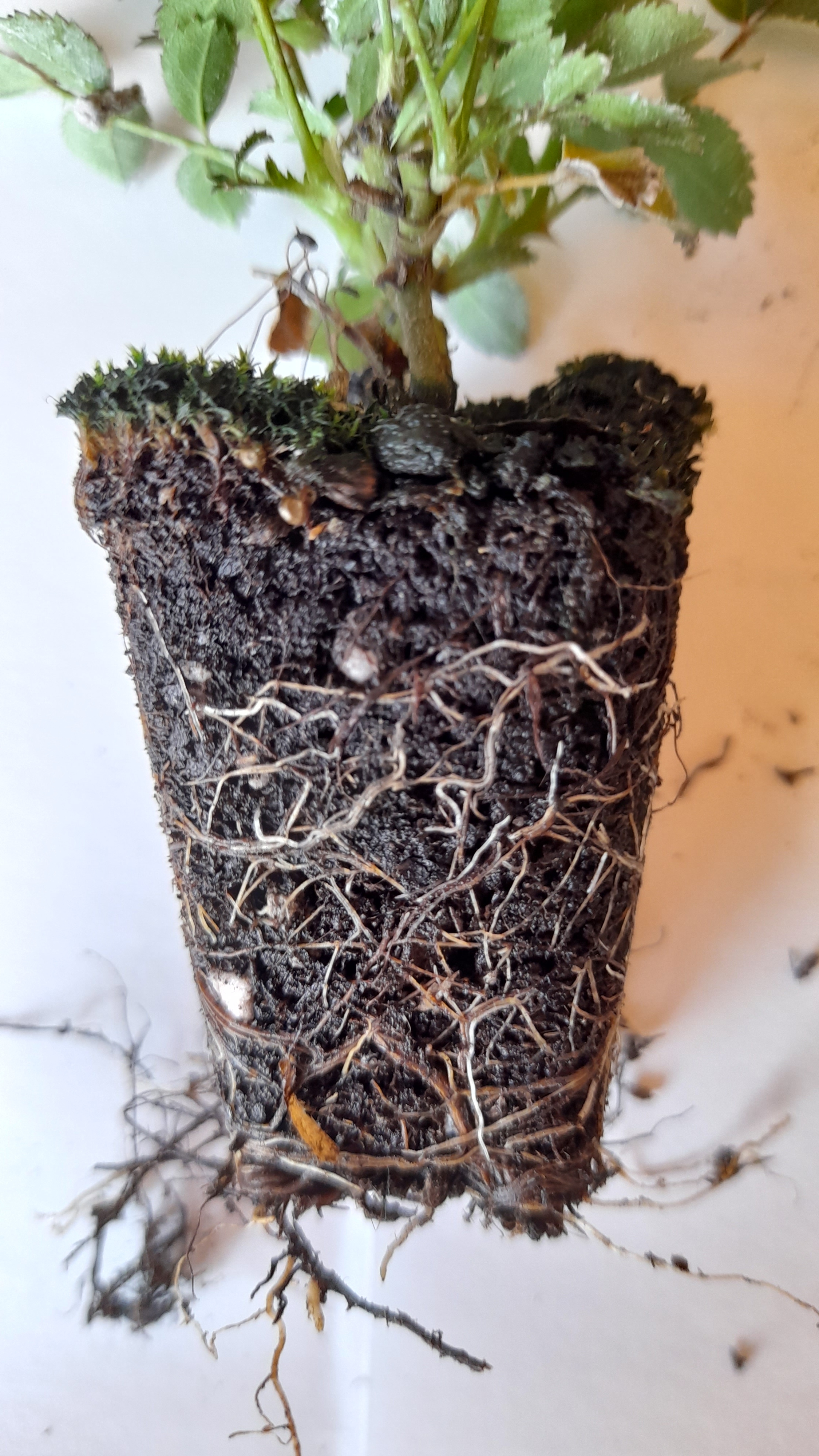
Uniform developmental stage, with a root system that has thoroughly penetrated the plug.
For professional growing‑on.
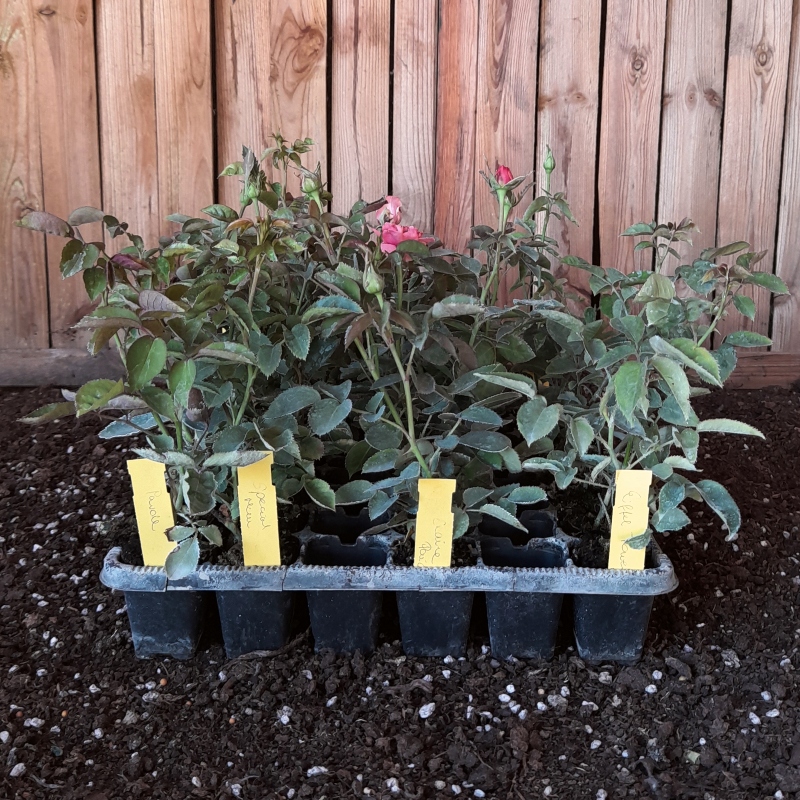
Tray packaging: 10 pcs/tray.
Quality and varietal identity: production supported by a dedicated identification and traceability logic.
Can be transplanted during frost‑free periods, designed for finished product production.

PharmaRosa® NEONATAL provides a controlled, uniform starting stock for planned growing‑on that can be integrated into your own technology – especially where scheduling and varietal identity are paramount.


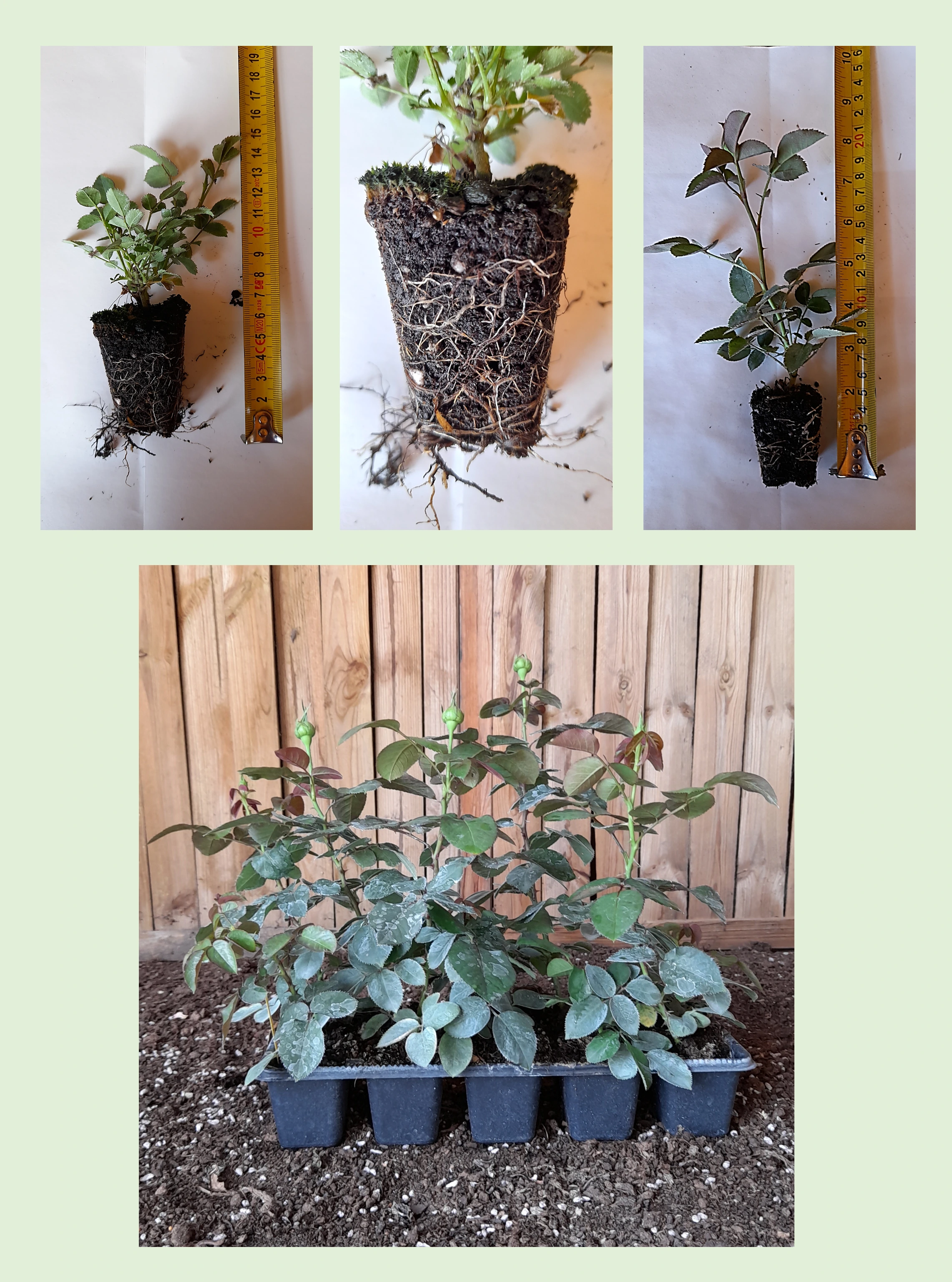
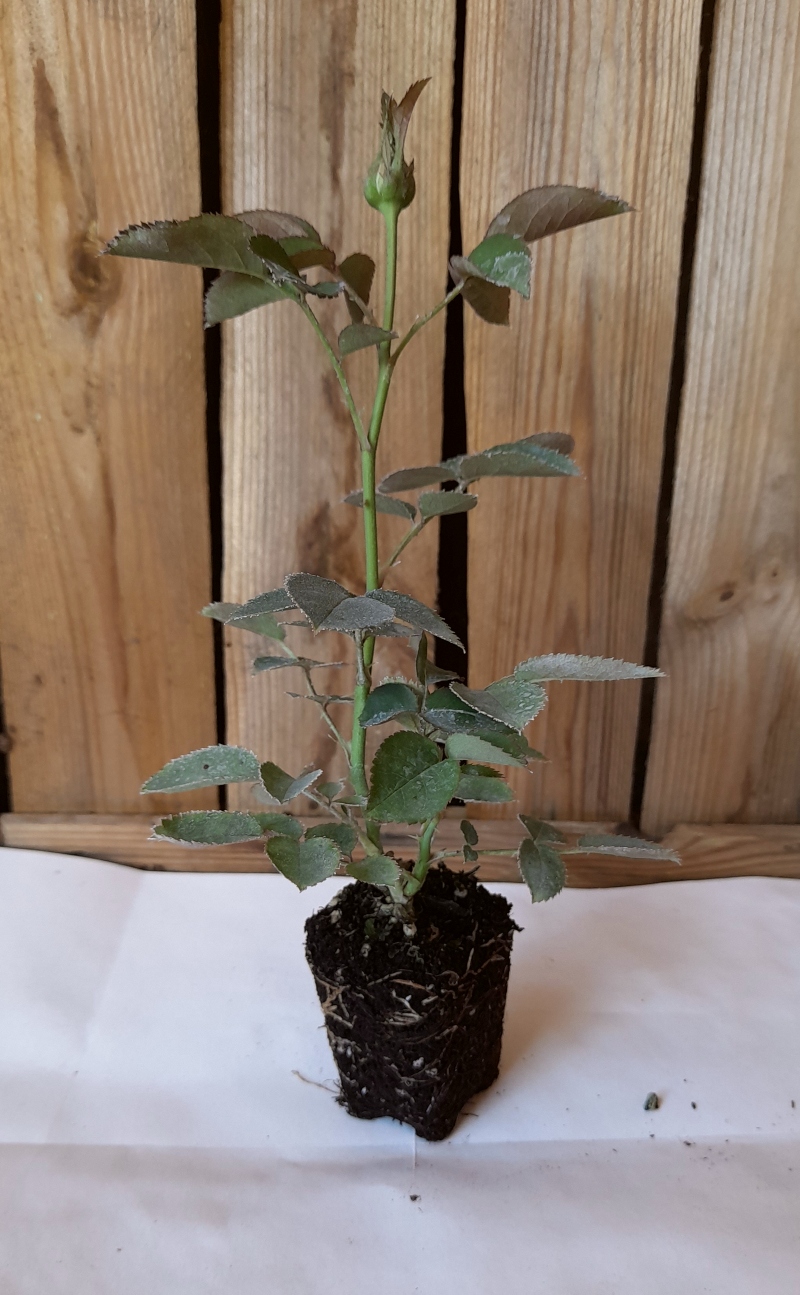
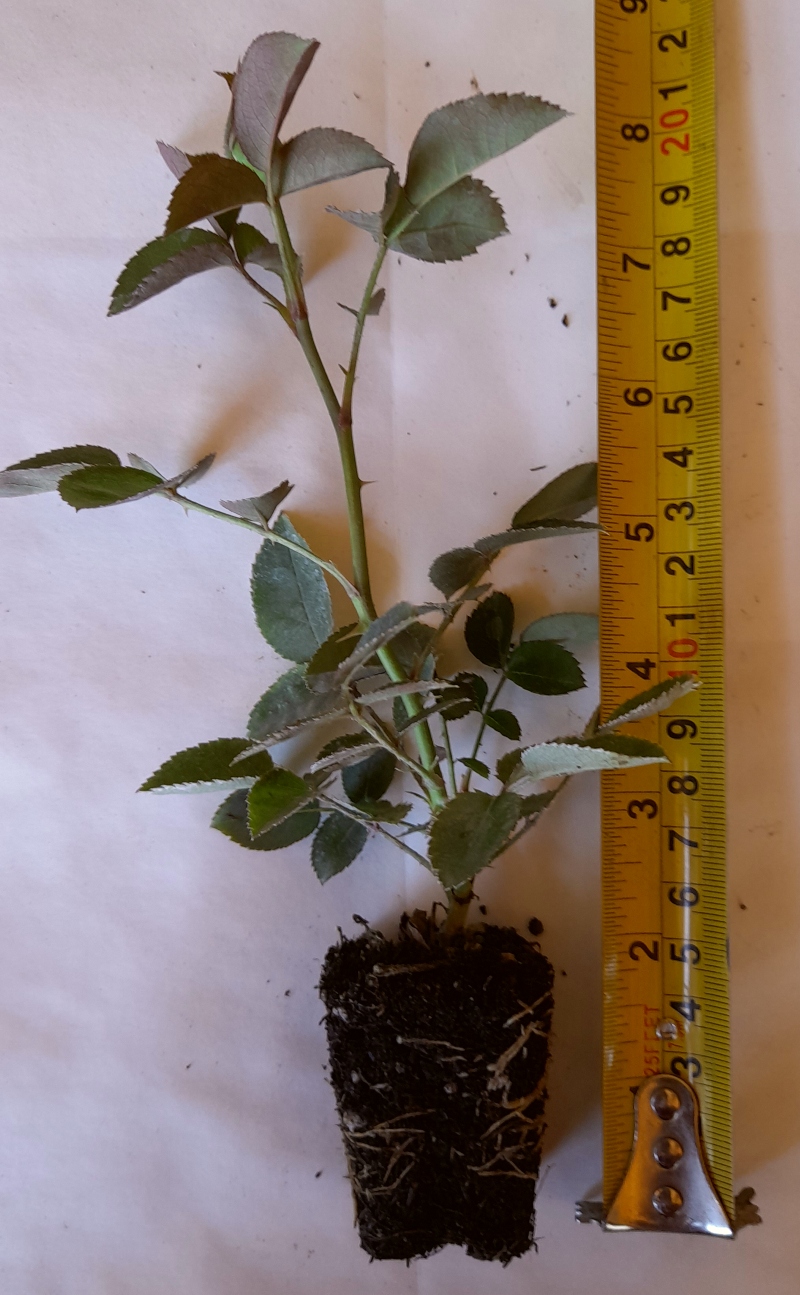
PharmaRosa® NEONATAL own-rooted rose propagation material in a plug, with a root system penetrating the plug (semi-finished product / semi-finished rose). PharmaRosa® NEONATAL rose propagation material size: 3–6‑month‑old, own-rooted cutting with a uniform developmental stage. PharmaRosa® NEONATAL rose propagation material root system: plug densely penetrated by well-developed white roots (root system detail). PharmaRosa® NEONATAL tray stock: own-rooted rose propagation material in trays, uniform developmental stage (10 pcs/tray).

Captions (from left to right): Semi-finished product (NEONATAL own-rooted rose propagation material in a plug with a fully developed root system) • Size demonstration (3–6‑month‑old, uniform cutting) • Root system detail (plug penetrated by the root system) • Tray stock (10 pcs/tray, uniform developmental stage)

pharmarosaneonatal.hupharmarosaneonatal.atpharmarosaneonatal.co.ukpharmarosaneonatal.czpharmarosaneonatal.depharmarosaneonatal.ropharmarosaneonatal.sipharmarosaneonatal.skpharmarosaneonatal.itpharmarosaneonatal.frpharmarosaneonatal.nlpharmarosaneonatal.plpharmarosaneonatal.lupharmarosaneonatal.ptpharmarosaneonatal.espharmarosaneonatal.ltpharmarosaneonatal.sepharmarosaneonatal.lvpharmarosaneonatal.eepharmarosaneonatal.fi

Which product type is right for you?

Pages for private customers
Garden roses for the family garden, with minimal care  → ORIGINAL®
Premium garden roses – instant impact, a truly showpiece garden  → EXTRA®
Pages for professionals and private customers
Roses for public spaces – large areas, sustainable maintenance  → NATURAL®
Roses for projects – hedge and row planting, fast implementation  → RAPID®
For professional partners only
Production – propagation material for garden roses, wholesale  → NEONATAL®

Company details

PharmaRosa Ltd.
Company registration number: 01-09-717479
VAT number: 13075314-2-43
Plant health registration no.: HU130721
Bank account (IBAN):
HU85117631891388688400000000
BIC (SWIFT): OTPVHUHB
Bank name: OTP Bank Nyrt.