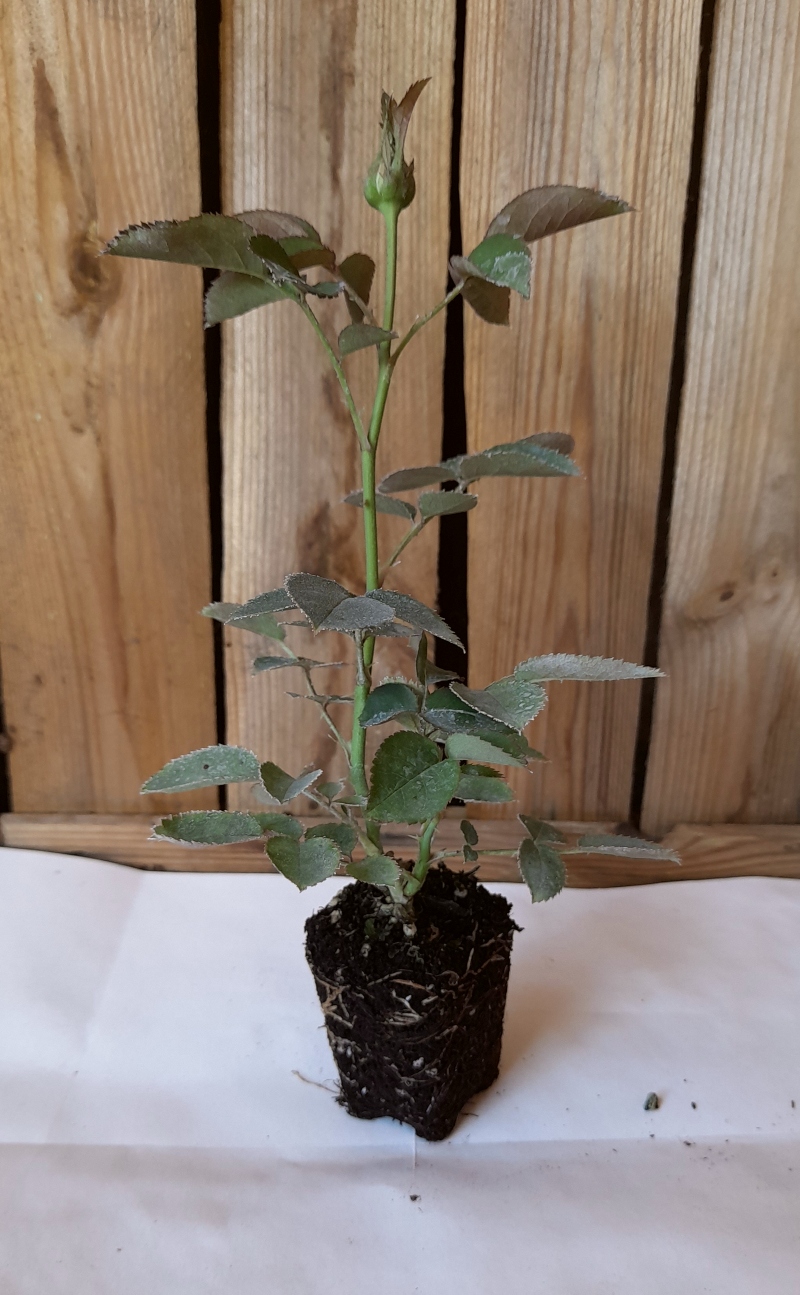
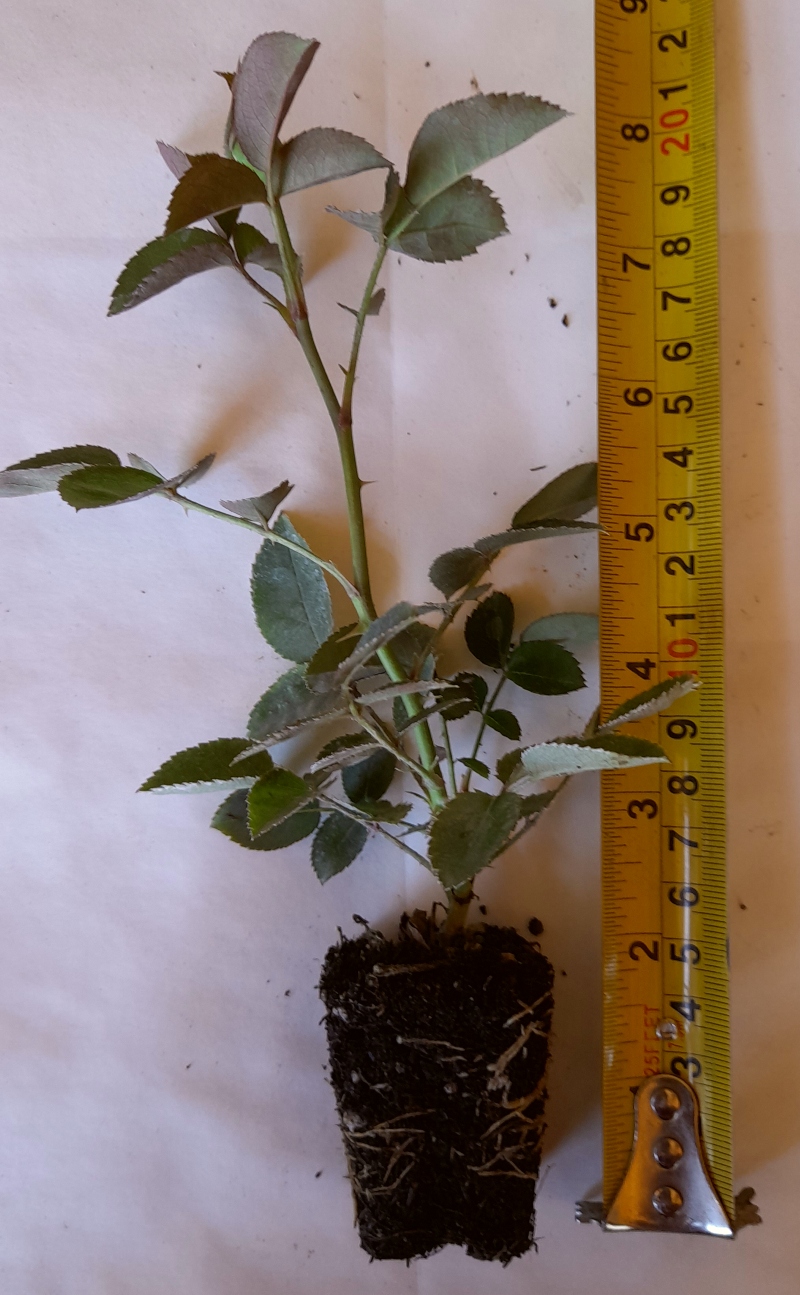
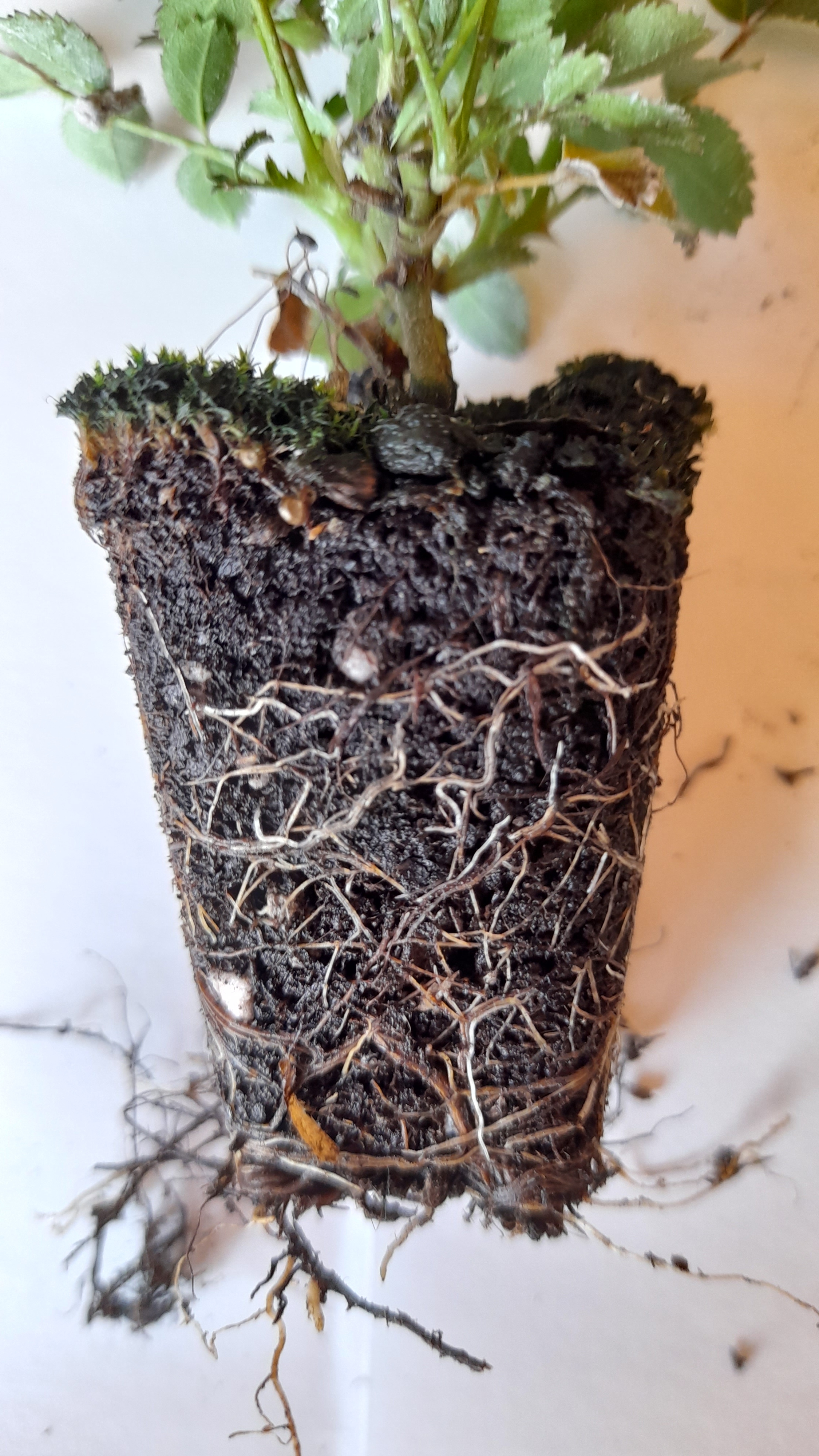
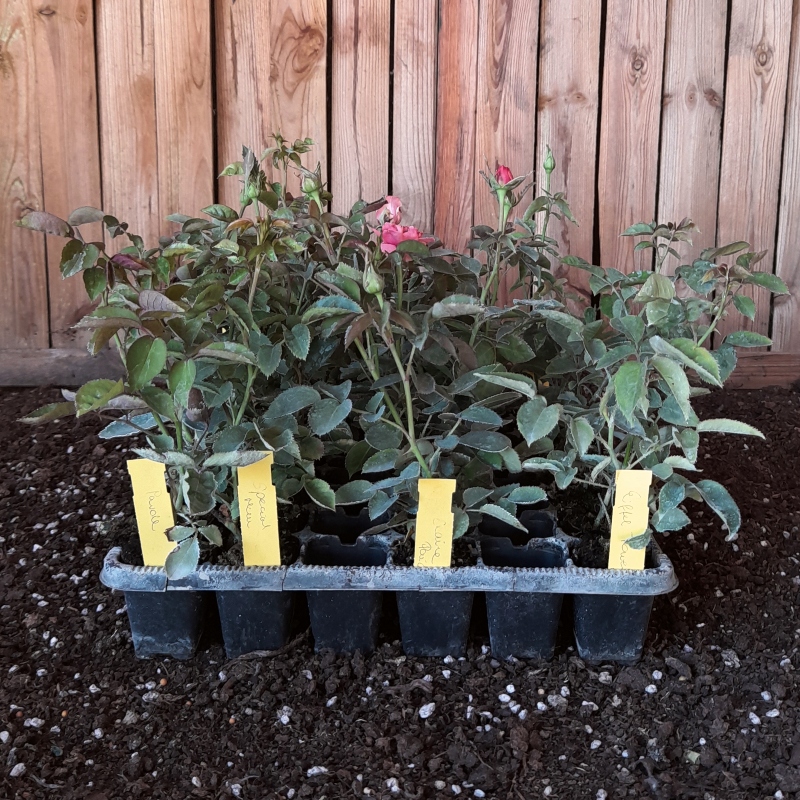
ROSE DE TOLBIAC® – pharmaROSA® NEONATAL own‑root climbing rose propagation material
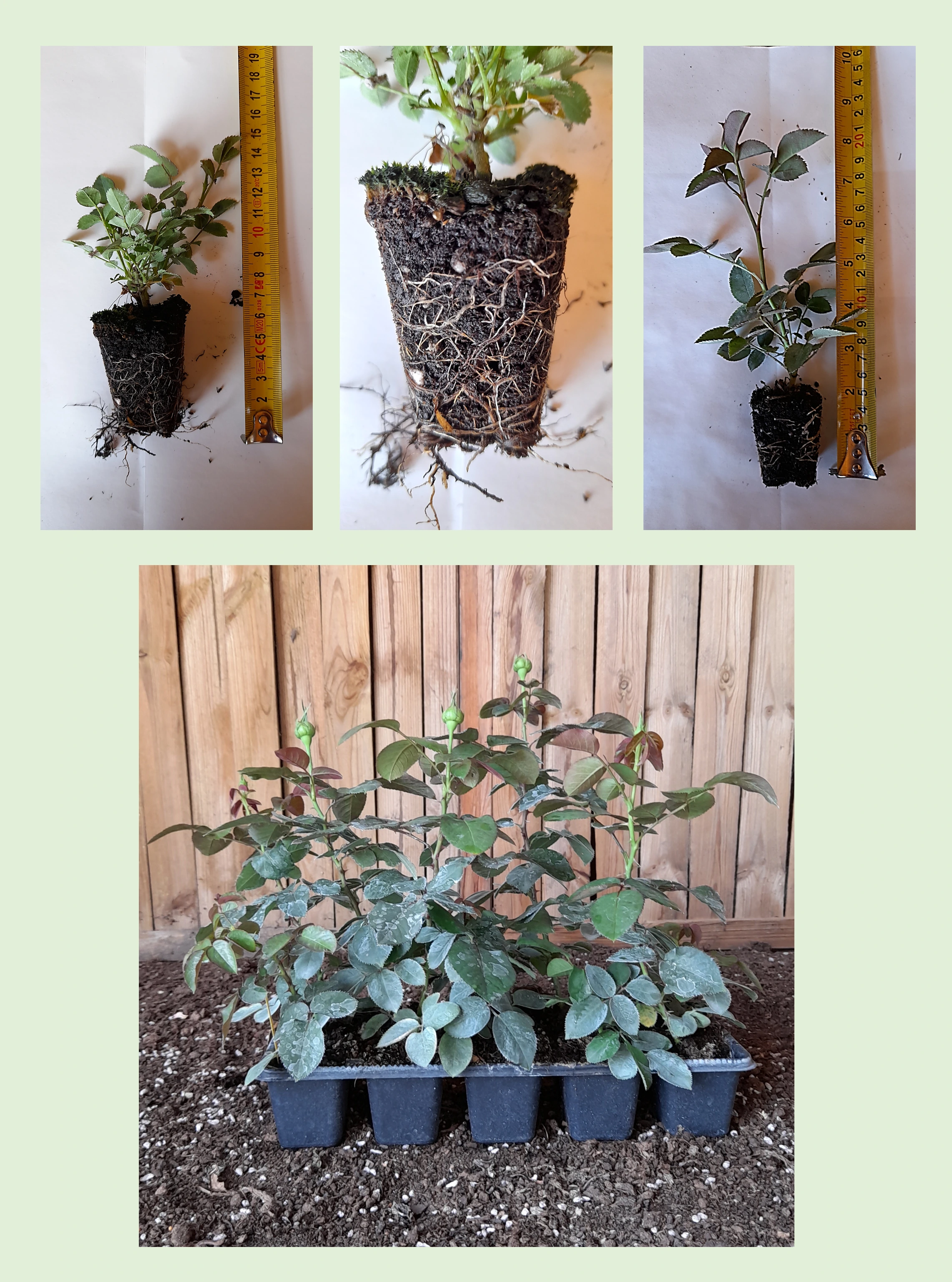
Climbing own‑root NEONATAL material of ROSE DE TOLBIAC® offers a stable base for trained vertical features in nursery and wholesale production, with remontant flowering and very full rosette blooms that retain an exclusive, exhibition‑grade appearance. The cultivar’s height range of 180–280 cm and 60–100 cm spread supports pergolas, arches, fences and wall lines, fitting UK project specifications where reliable vertical coverage and clear structure are essential. Own‑root technology supports long‑term regeneration and predictable, homogeneous stands, reducing replacement risk in integrated supply chains and cultivar collections. Recommended as a staked, trained climber (3–5 main canes) in 5–7 L for onward production, it aligns with professional routes into premium retail/reseller channels needing space‑defining, exclusive feature plants. With good heat tolerance and hardiness to −23 °C, it adapts well from public‑realm schemes to collection gardens in cooler regions, supporting nursery networks in Scotland and North England where winter and wind resilience are a routine planning factor for capacity and stock security over multi‑year rotations.
Usage options
Finished-product ideas
- 5–7 L trained climber arch line – NEONATAL staked plants with 3–5 main canes, built to 180–220 cm for pergolas and arches, using the cultivar’s structured climbing habit and strongly remontant bloom for continuous visual impact – retail/reseller pergola and arch ranges
- Exhibition‑grade collection climber – Curated series element in thematic rose gardens, exploiting the exhibition climbing rose status and historical name story, supplied as uniform own‑root liners for stock beds and collection rows – public and show‑garden operators
- Heat‑tolerant wall and fence series – Line of climbers specifically tagged for heat‑exposed walls and urban fences, using the good heat tolerance and own‑root durability, finished from NEONATAL cuttings in 7 L pots – southern/urban landscape contractors
- Hardy vertical feature containers – 40–50 L terrace and entrance container climbers, using the combination of winter hardiness and very full pastel blooms to create reliable statement pieces from own‑root material – design‑oriented garden centres
- Moderate‑maintenance project climber – Specification‑ready climber with moderate care profile, based on black spot resistance and manageable other diseases, supplied as trained finished climbers from NEONATAL stock – municipal and institutional framework tenders
Technical cultivar profile
| Parameter |
Data |
| Name and registration |
Climbing rose cultivar KORcaseipp, marketed as Rose de Tolbiac® Klettermaxe®; ARS exhibition name Rose de Tolbiac; belongs to the Klettermaxe® collection, registered in 2014. |
| Origin and breeding |
Bred in Germany by Tim‑Hermann Kordes (W. Kordes’ Söhne), cross of ‘KORkinteral’ × ‘KORpastato’; breeding year 1998, introduced after 2014 via W. Kordes’ Söhne. |
| Awards and recognition |
Gold Medal and City of Zweibrücken Award at the Baden‑Baden International New Rose Competition 2013, underlining exhibition quality and proven performance in formal trial settings. |
| Growth and structural characteristics |
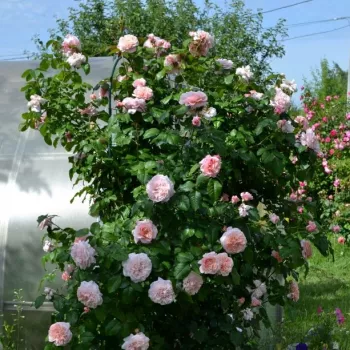
Large‑flowered climber with 180–280 cm height and 60–100 cm spread; moderately dense, dark green, slightly glossy foliage; climbing habit with moderate prickliness, structurally suited to arches, fences and walls. |
| Flower morphology |
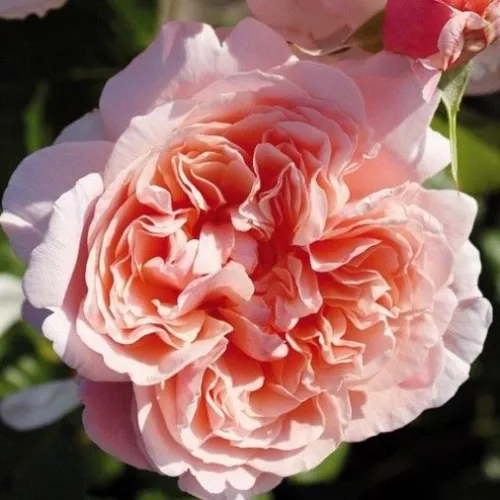
Very full, rosette‑shaped, XL solitary blooms with 40+ petals; strongly remontant with abundant second flush, delivering repeated high‑impact flowering on trained structures and exhibition‑style displays. |
| Colour data and phenology |
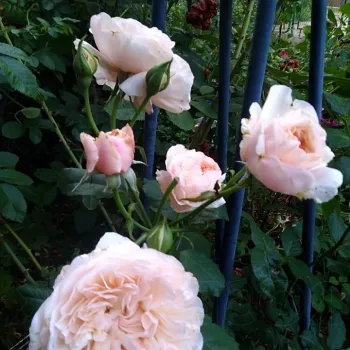
Soft pale pink with a delicate peach undertone; buds powder pink with peach tips, opening to pastel pink‑peach then fading towards cream, with moderate colour retention and faster fading under strong sunlight. |
| Fragrance and aroma |
Rose‑scented character but very weak overall fragrance; highly double, globose flowers mainly serve an ornamental role rather than for fragrance‑led or pollinator‑oriented plantings in professional schemes. |
| Hip characteristics |
Limited hip set due to very double blooms; occasionally forms spherical greyish‑purple (RHS 183A) hips 20–30 mm wide, with minimal impact on ornamental use or commercial production scheduling. |
| Resistance and winter hardiness |
Good heat tolerance with moderate drought tolerance when regularly watered; hardy to about −23 to −21 °C (H7, USDA 6a, Swedish zone 3); black spot resistant, moderate for powdery mildew and rust. |
| Horticultural recommendations |
Best used as a climbing rose for pergolas, arches, fences and walls; moderate maintenance with occasional plant protection; recommended as trained climber finished product from 5–7 L own‑root NEONATAL stock. |
ROSE DE TOLBIAC® KORcaseipp, as an own‑root NEONATAL climber with strong remontancy, winter resilience and exhibition‑grade, very full blooms, offers predictable long‑term vertical structure for professional programmes; please contact us to align capacity and scheduling.