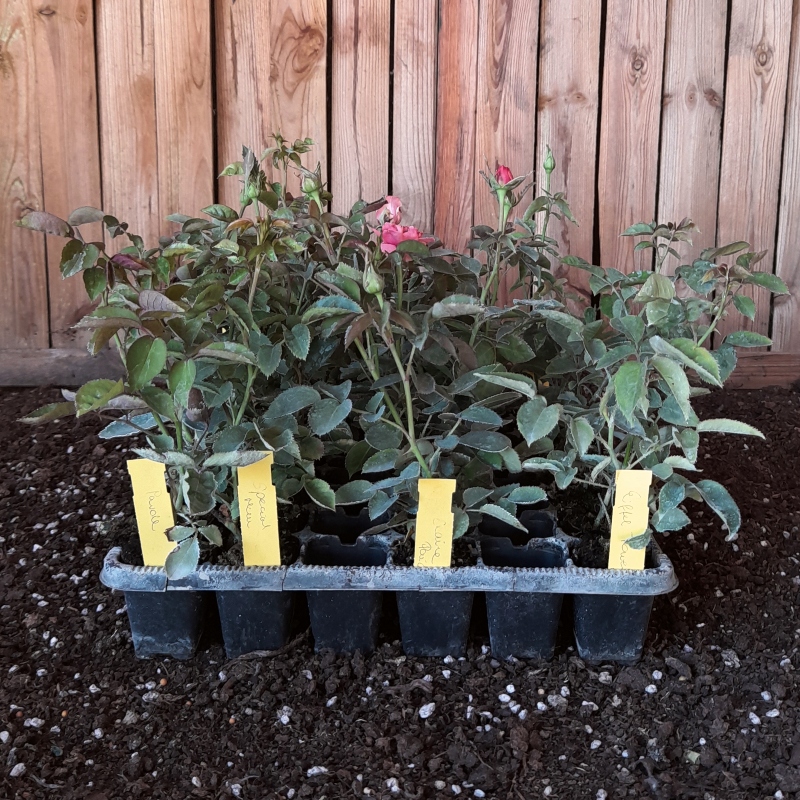
| Premium 5–7 L exhibition-style container rose |
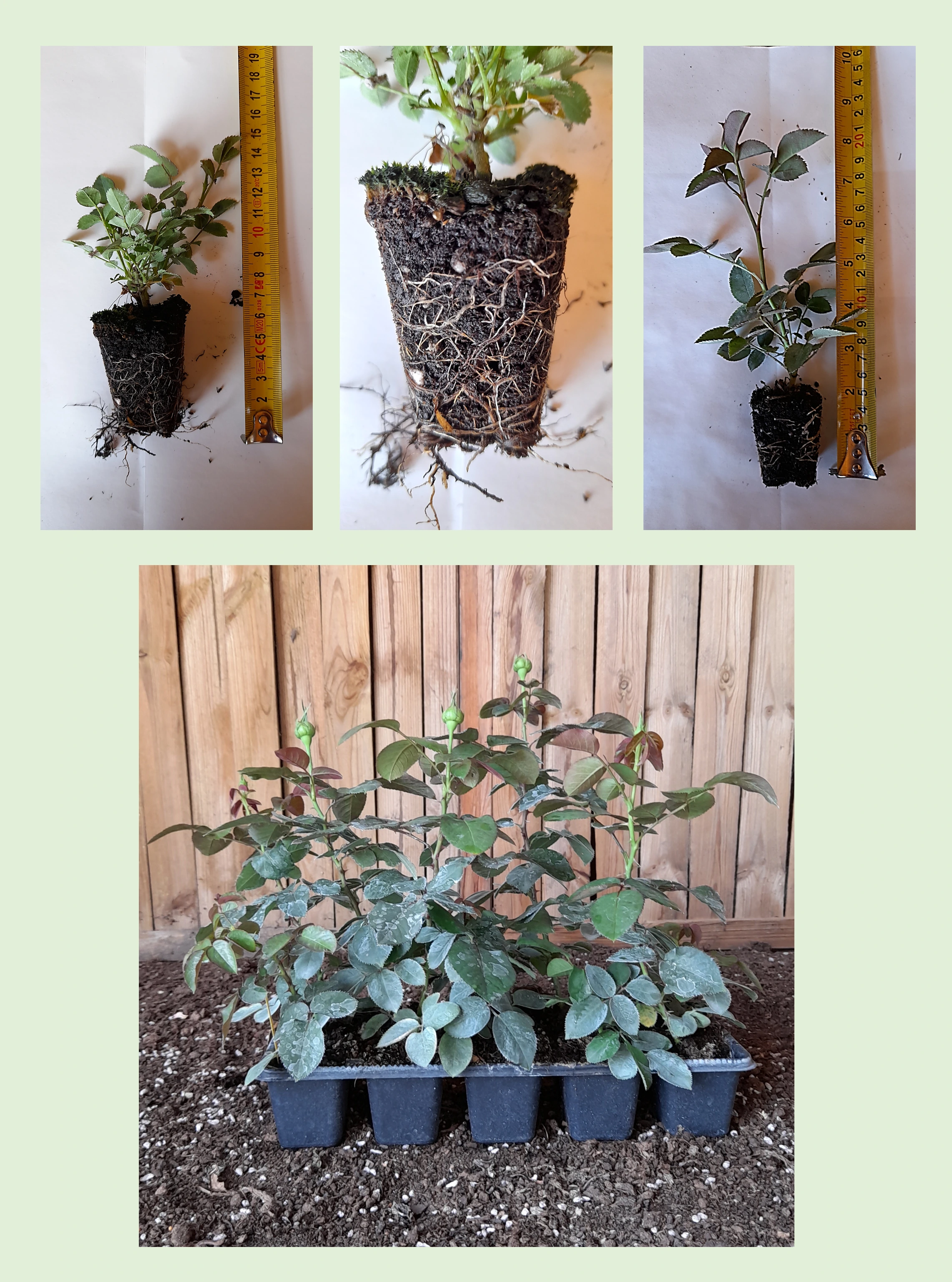
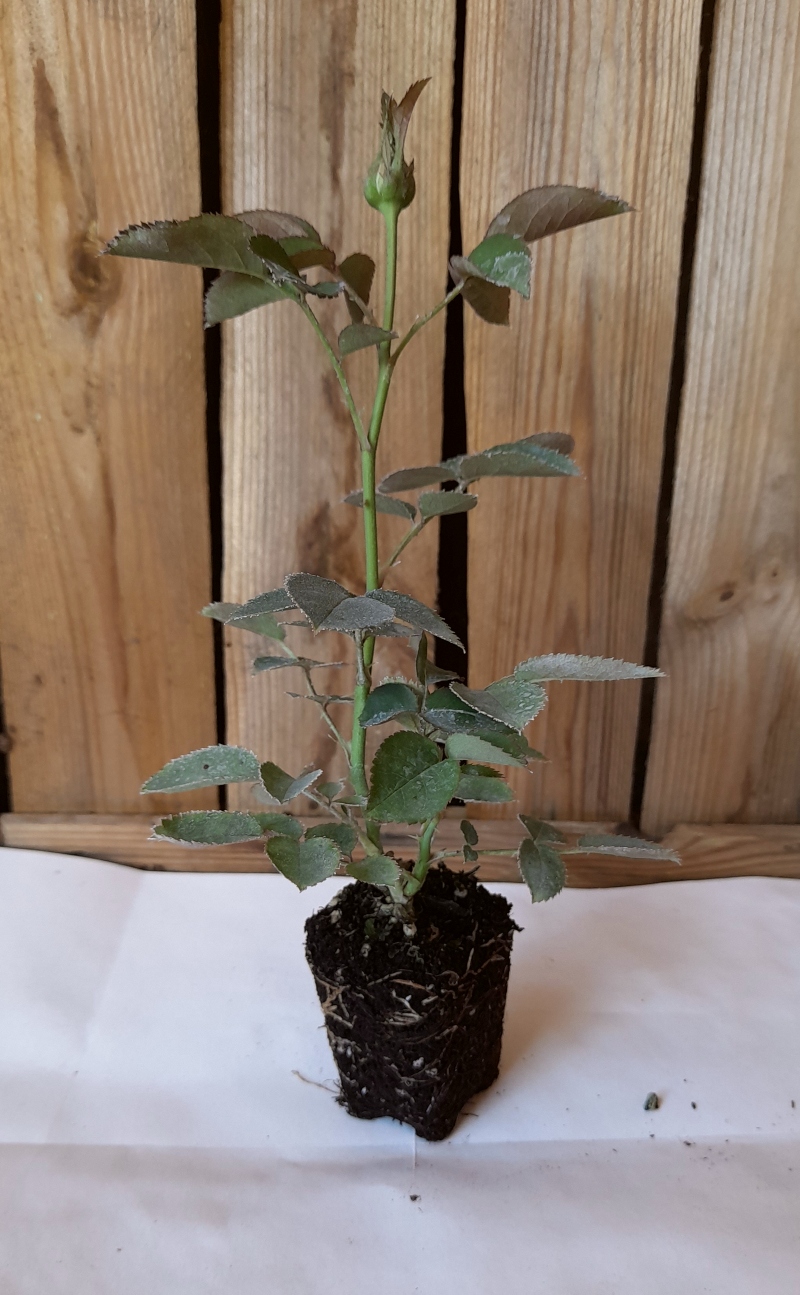
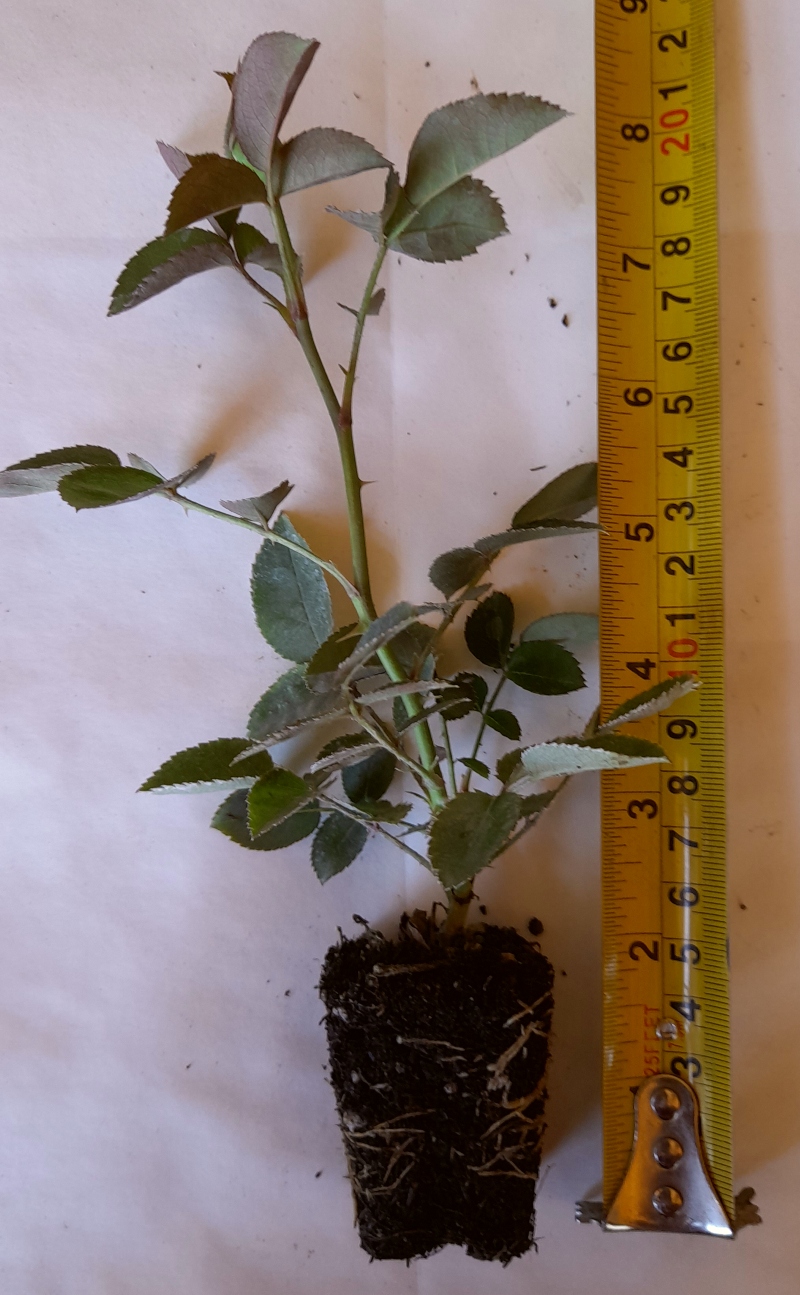
The high-centred, solitary blooms and large flower size translate directly into a premium container line when grown on in 5–7 L as recommended, with the bush-trained 3–5 cane structure giving a clean, upright framework for point-of-sale presentation. Own-root stability supports predictable flowering performance and uniformity across batches, valuable where flower form is the core retail promise and the product is positioned as an exclusive finished item for exhibition-oriented retail. |
| Cut-flower oriented garden rose for florist supply |
The hybrid tea, cut-rose type buds and medium-strength perfumed fragrance allow growers to position this cultivar as a garden-based cut-flower source, using 5–7 L premium containers to feed short-chain florist and reseller channels. Bush-trained NEONATAL material simplifies framework establishment, and own-root regeneration ensures stands can be maintained over several cutting seasons with reduced replanting pressure, supporting reliable volumes and an exclusive, flower-quality focused reseller offer. |
| Specimen bushes for thematic and collection gardens |
The compact, bushy habit with dense, glossy dark green foliage fits well into curated beds and themed hybrid tea collections, where individual specimens must read clearly yet remain manageable in structure. Using the premium container route creates robust, sale-ready plants that can be slotted into show gardens and public-realm style collections, while own-root longevity helps maintain identity-true, stable accessions for long-term thematic ranges aimed at discerning collectors. |
| Own-root mother stock for nursery propagation beds |
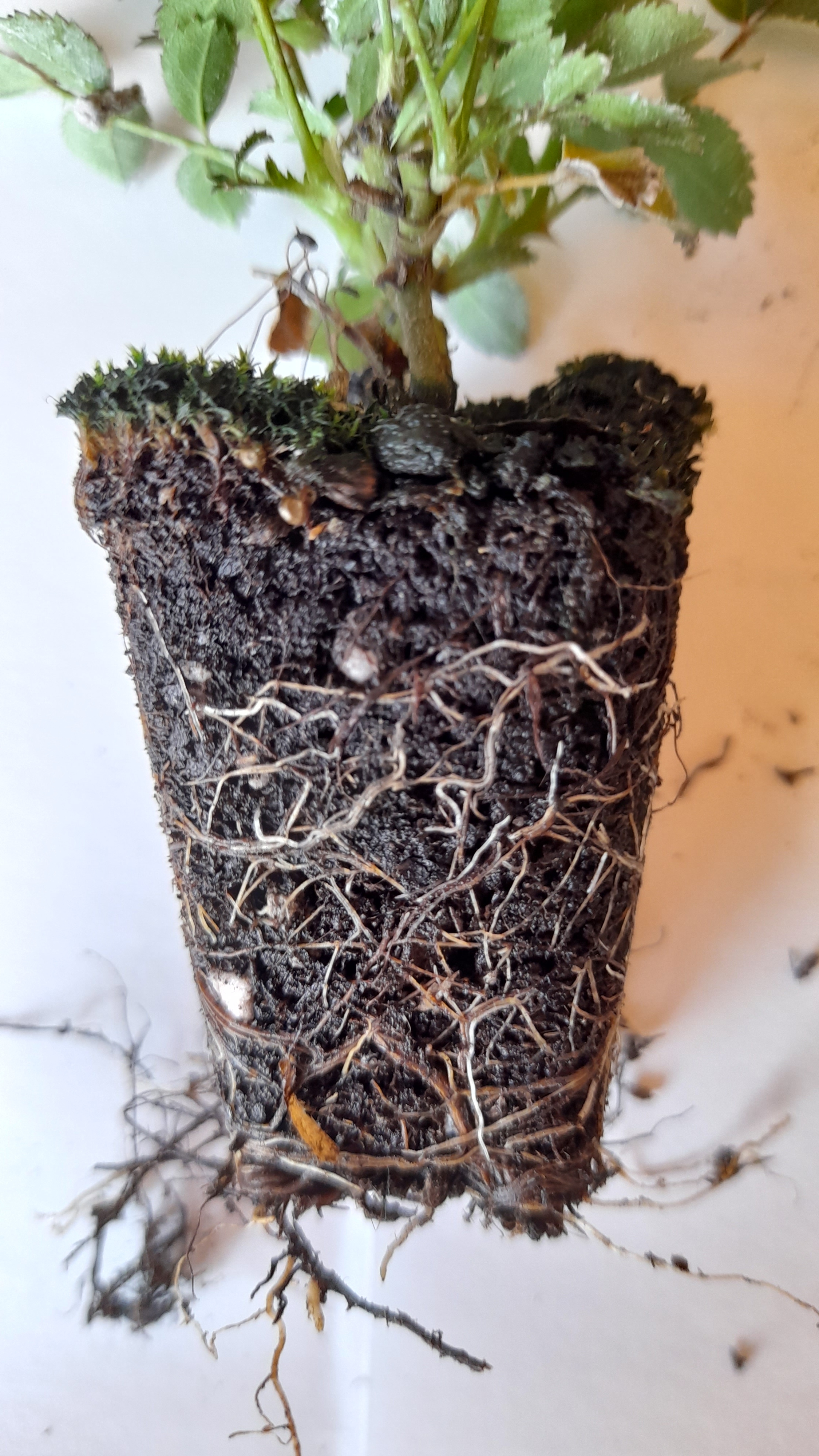
As a premium silver-rated cultivar, this selection can underpin nursery propagation beds where reliable, cultivar-true cutting material is needed for ongoing production. NEONATAL own-root cuttings establish quickly into stock rows, and the moderate disease profile is manageable under standard UK nursery protection regimes. Long-lived own-root clumps with regenerative capacity reduce turnover and support planned output for exclusive, flower-form centred ranges supplied into specialist nurseries. |
| Feature plants for public-facing institutional plantings |
The clear, cream-white to almost snow-white colour progression and uniform blooms give a tidy, formal look suited to representative beds at institutions, where visual clarity and repeat flowering are important. Premium 5–7 L plants are easy to specify and install, and own-root robustness supports long-term schemes with stable ornamental value, aligning with institutional buyers who expect consistent, high-quality displays from professional suppliers. |
| Compact lines for space-efficient nursery benching |
The 70–95 cm height and 50–70 cm spread produce a compact, bench-efficient hybrid tea that fits tightly spaced container layouts without sacrificing visual impact. The NEONATAL bush-trained form accelerates canopy build-up in 5–7 L, supporting dense, homogeneous batches that are easy to grade and allocate across nursery networks, matching the needs of operators looking to stabilise cream-white, exclusive-positioned SKUs for volume-oriented wholesalers. |
| Collection-grade rose for specialist retail ranges |
The combination of exhibition-category hybrid tea status, perfumed medium-strength fragrance and refined cream-white colouring allows positioning as a named, collection-grade variety within specialist retailer assortments. Own-root production enhances brand credibility through long lifespan and reliable regrowth, while the recommended premium container path supports a higher ticket price in curated, flower-quality led ranges. |
| Larger feature containers for show and entrance areas |
Where growers service show gardens or corporate entrances, this cultivar scales well into larger 40–50 litre feature containers, using the bush-trained framework to build a structured, repeatedly flowering focal point. Own-root resilience and moderate disease tolerance lend themselves to demanding, often exposed locations across the UK, including sites where winter and wind exposure must be taken in stride, supporting contract work for higher-specification projects. |