Sandringham Centenary™ – pharmaROSA® NEONATAL rooted cutting for premium hybrid tea production
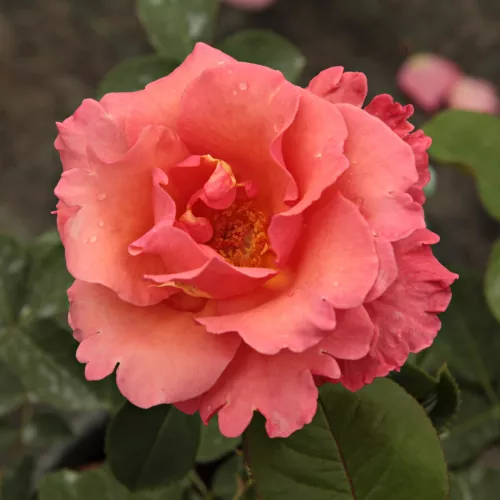
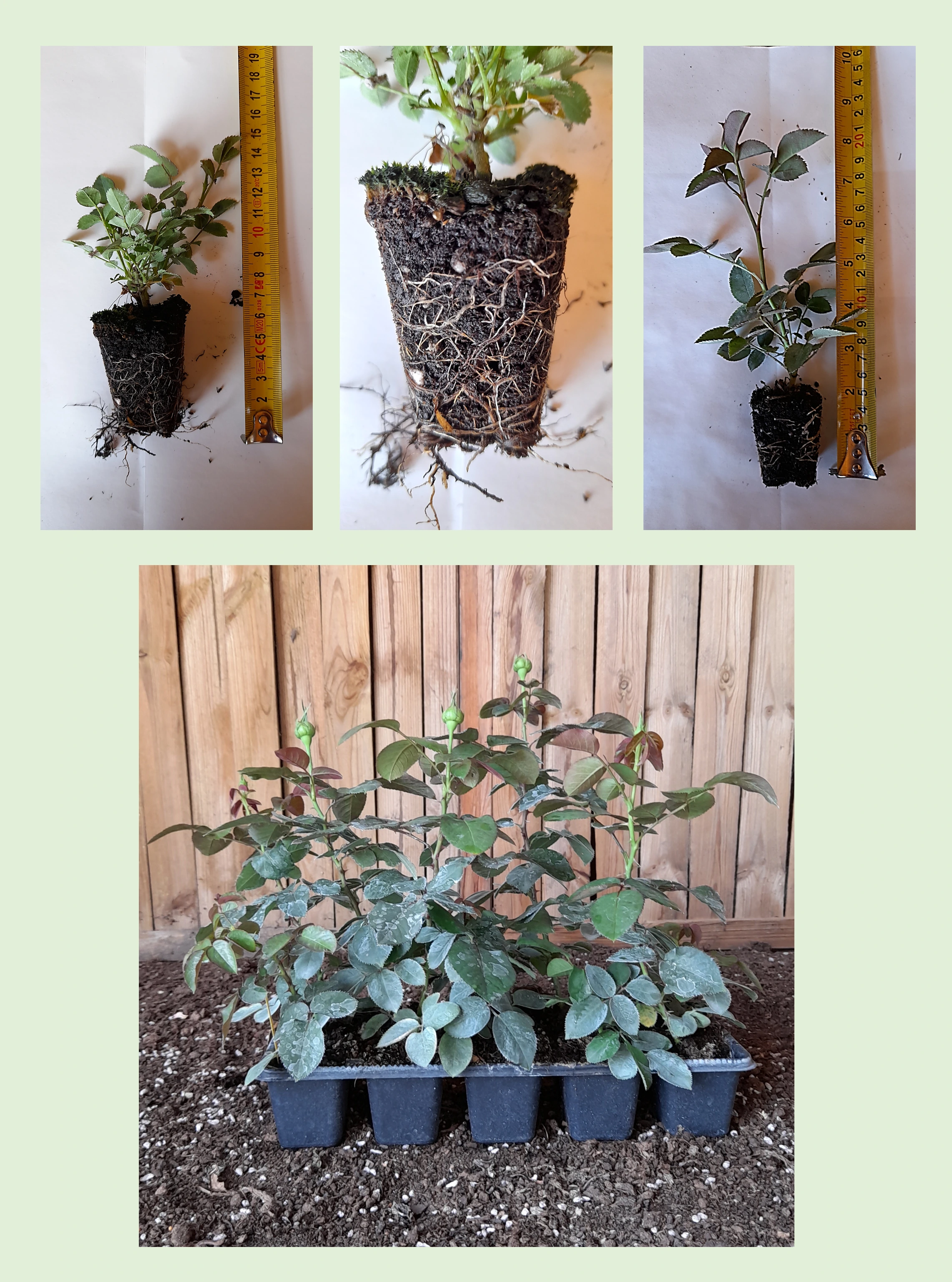
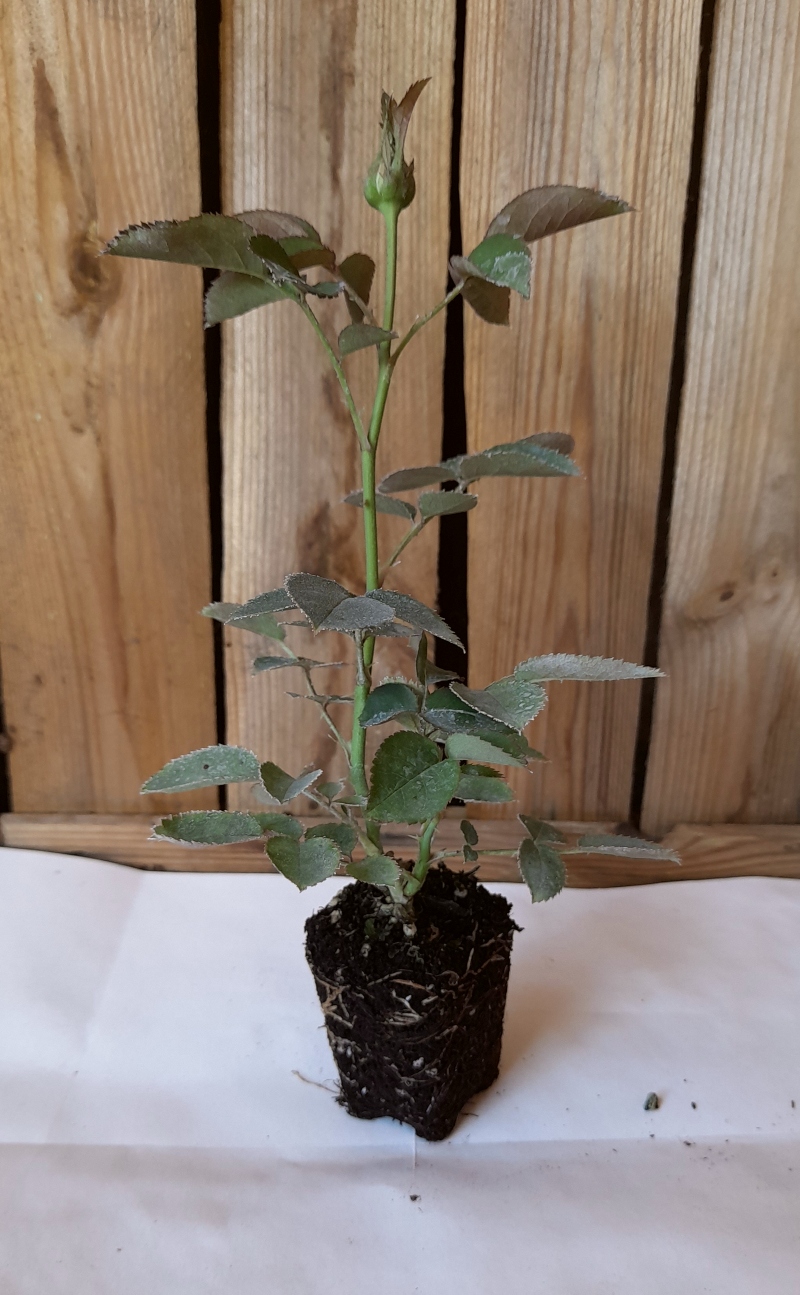
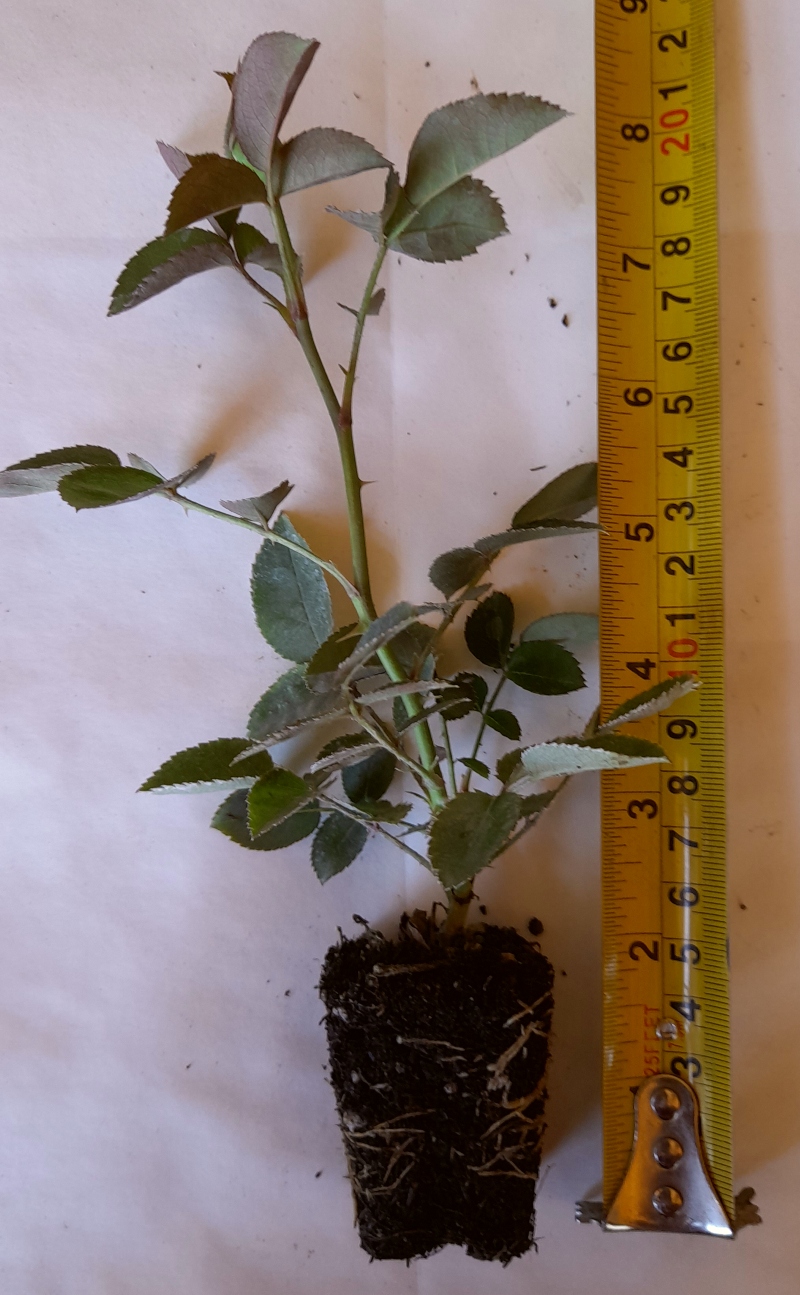
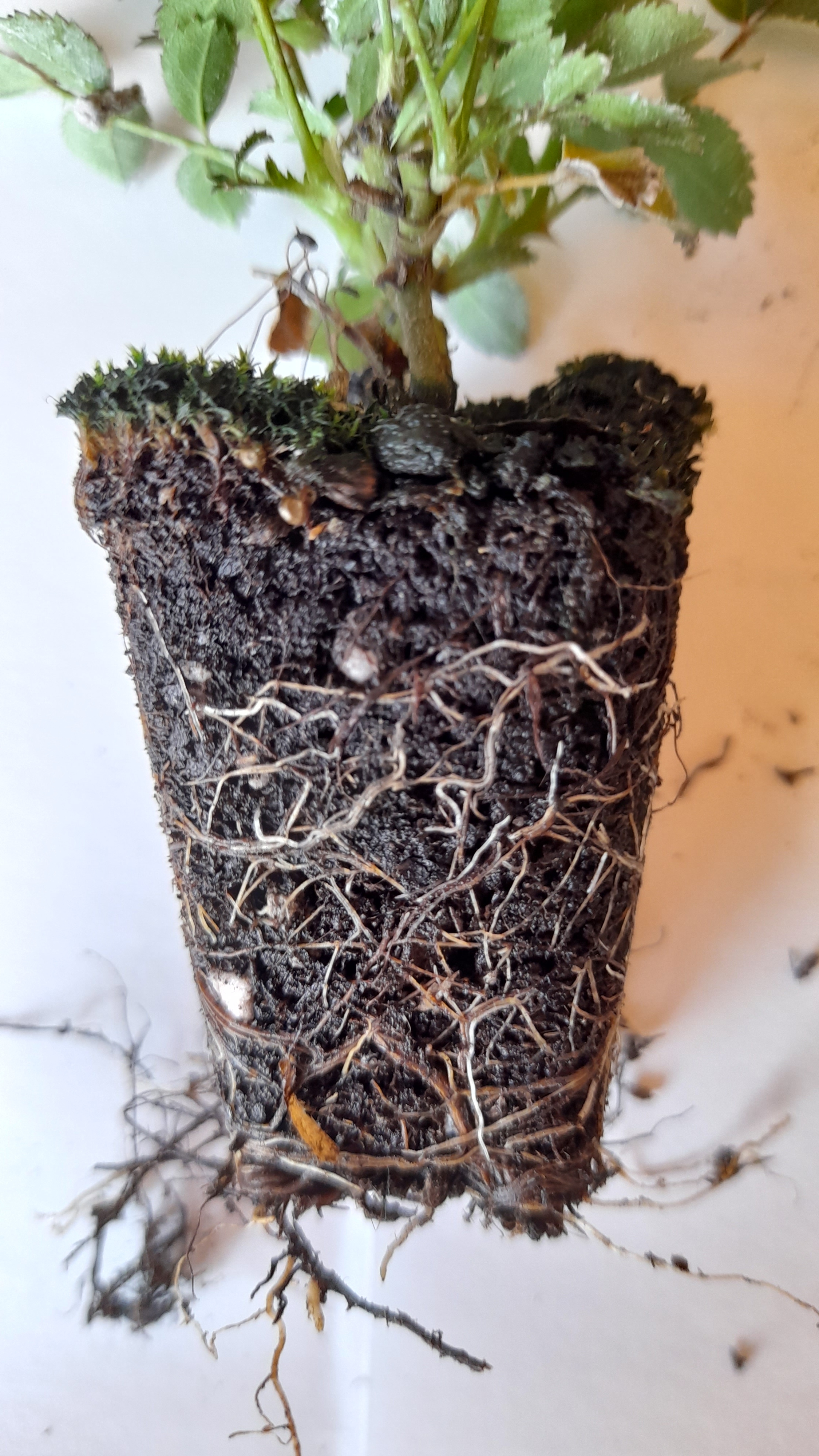
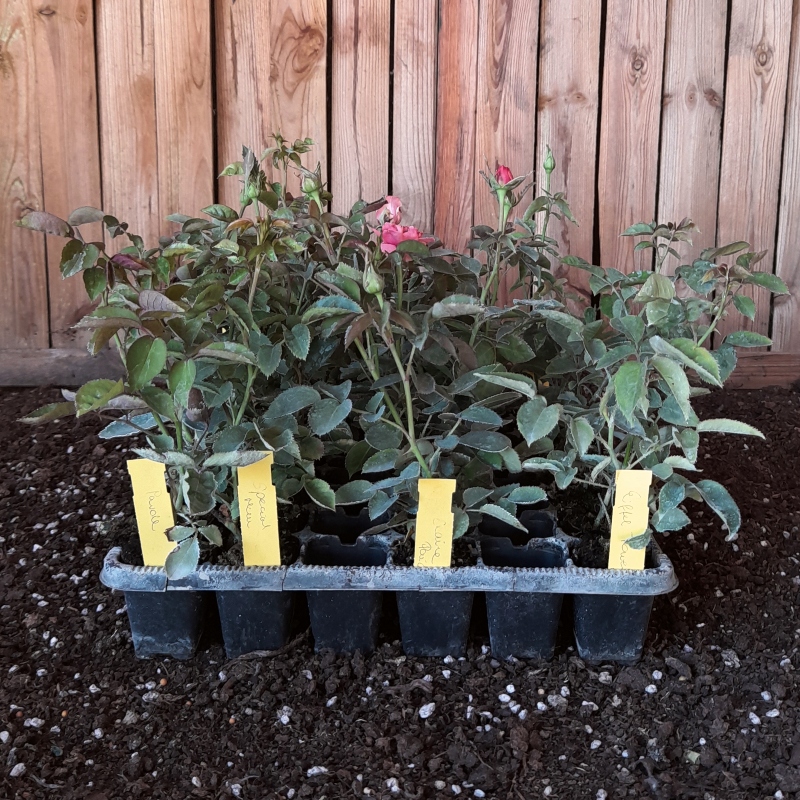
Sandringham Centenary™ offers premium own-root propagation material for growers targeting an exclusive hybrid tea rose finish, with a focus on flower quality and exhibition-grade form. As a tray-grown NEONATAL cutting, it integrates smoothly into nursery-scale propagation beds and container production, supporting predictable scheduling and homogeneous batches for high-value, 5–7 L premium container lines. The upright, bushy habit, glossy dark-green foliage and remontant, orange-pink blooms provide a reliable basis for cut-flower and show-bench oriented ranges, while own-root longevity underpins stock blocks for thematic and collection gardens. In typical UK nursery conditions it performs reliably even in colder, exposed garden projects, offering a good answer where winter and wind tolerant planting is required, and the natural development arc from root establishment through shoot build-up to full ornamental expression over three seasons supports long-term, low-replacement production planning.
Usage options
Finished-product ideas
- Premium 5–7 L hybrid tea feature – Upright, bushy plants in 5–7 L containers, showcasing large, orange-pink blooms as an exclusive finished product line for display benches – target audience/channel: retail / reseller.
- Exhibition and cut-stem mother stock – NEONATAL own-root bushes trained with 3–5 framework canes for dedicated cutting beds feeding exhibition hybrid tea and cut-flower programmes – target audience/channel: specialist show growers and cut-rose producers.
- Royal-themed collection element – Branded Sandringham Centenary™ units within curated “heritage/royal” collections, finished in premium containers for thematic rose gardens and commemorative schemes – target audience/channel: public-realm and project suppliers.
- Court-yard border premium mix – Mixed trolleys of 5–7 L plants selected for upright habit and strong flower form, positioned as a ready-made courtyard and border solution – target audience/channel: independent garden centres and quality retailers.
- Cold-climate hybrid tea line – A regional assortment built around H7-hardy hybrid teas, including Sandringham Centenary™, supplied as premium containers for northern and exposed sites – target audience/channel: northern nurseries and landscaper-focused wholesalers.
Technical cultivar profile
| Parameter |
Data |
| Name and registration |
Sandringham Centenary™ hybrid tea rose; registered as Sandringham Centenary, ARS exhibition name Sandringham Centenary; commercial type and group: hybrid tea rose; no former name recorded. |
| Origin and breeding |
Bred by Wisbech Plant Co. Ltd. (United Kingdom) from ‘Queen Elizabeth’ × ‘Baccará’; introduced and registered in 1981 by Wisbech Plant Co. Ltd.; breeding year not provided; selection oriented to hybrid tea quality. |
| Awards and recognition |
not provided |
| Growth and structural characteristics |
Upright, bushy habit reaching around 100–140 cm in height with a 60–90 cm spread; moderately dense, glossy dark-green foliage; moderately thorny shoots; self-cleaning behaviour not provided in current data. |
| Flower morphology |
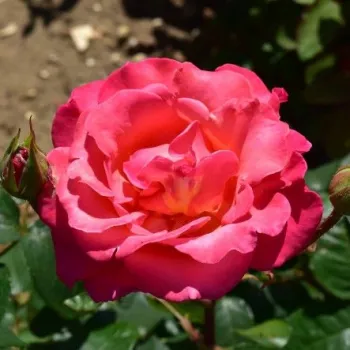
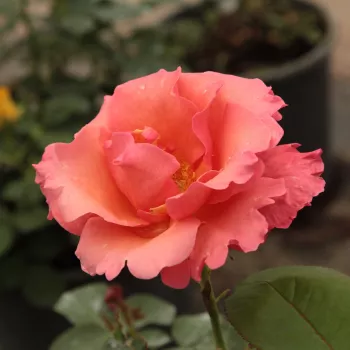
Hybrid tea blooms are large (approximately 2.75–3.95 in), double-flowered with 26–39 petals, solitary on stems, cup-shaped with slightly ruffled petal edges; repeat-flowering with a plentiful second flush of blooms. |
| Colour data and phenology |
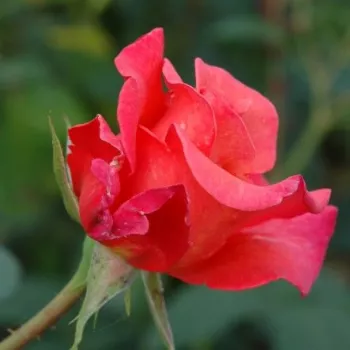
Warm orange-pink with a subtle salmon hue; buds vibrant orange-pink; newly opened flowers deep salmon-orange with rosier centres; colour fades through orange-pink and pink-peach to a light creamy cast; colour retention moderate. |
| Fragrance and aroma |
Mild, subtly scented rose with a rose-like fragrance character; fragrance strength is present but not dominant, supporting cut-flower and exhibition uses without overwhelming adjacent plantings or display environments. |
| Hip characteristics |
Produces rose hips in small quantities; hips are spherical, bright red, approximately 8–12 mm in diameter; hip set is incidental rather than a primary ornamental or production feature for this hybrid tea cultivar. |
| Resistance and winter hardiness |
Moderate resistance to powdery mildew, black spot and rust; requires occasional pest and disease control in production; hardy approximately to -21 to -18 °C, classified RHS H7, Swedish zone 3, USDA zone 6b, suiting colder temperate regions. |
| Horticultural recommendations |
Recommended for borders, cut-flower use, courtyard and home gardens; medium maintenance with periodic health interventions; supplied bush-trained with 3–5 framework canes; recommended route is premium container production, typically 5–7 L pots. |
Sandringham Centenary™ combines premium flower form, upright bushy structure and reliable winter hardiness on an own-root base that supports predictable, long-lived stock stands; please feel free to contact us to align on volumes and scheduling.