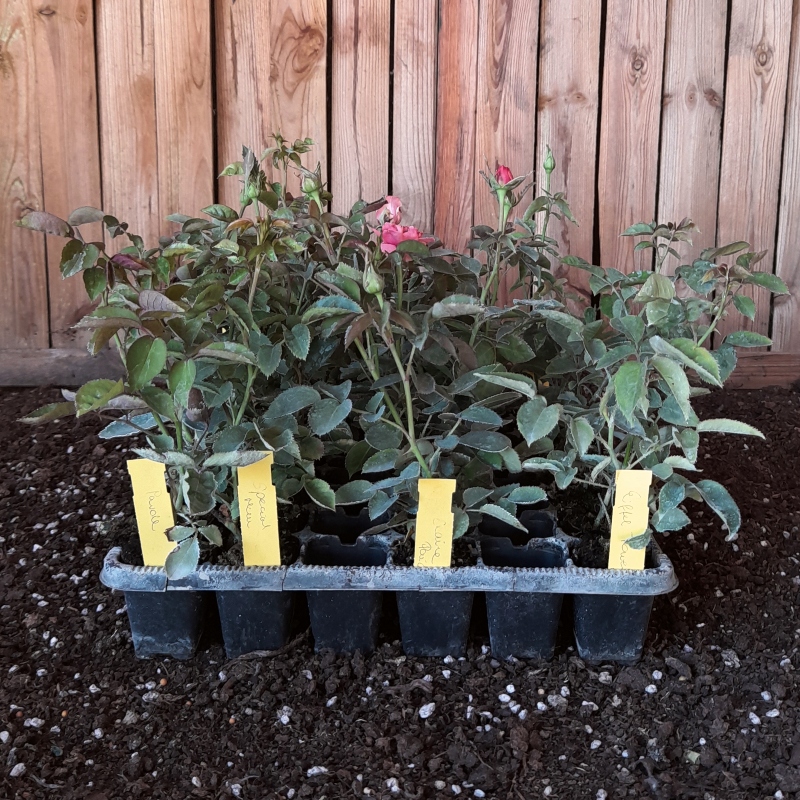
SEÑORA DE BORNAS™ – pharmaROSA® NEONATAL own-root propagation material
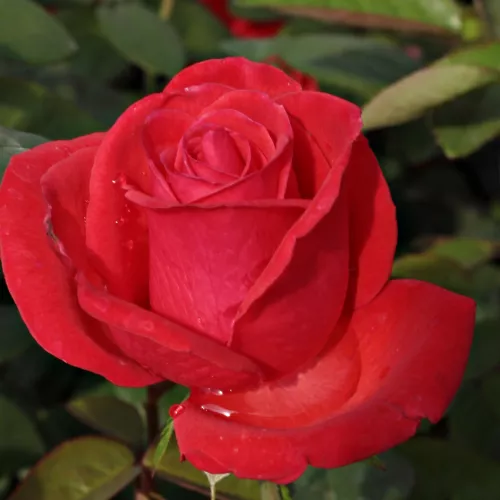
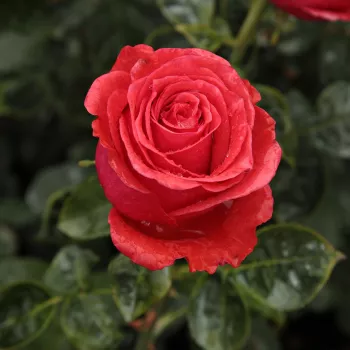
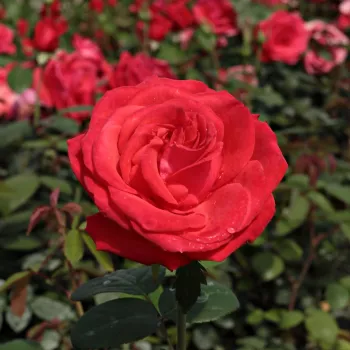
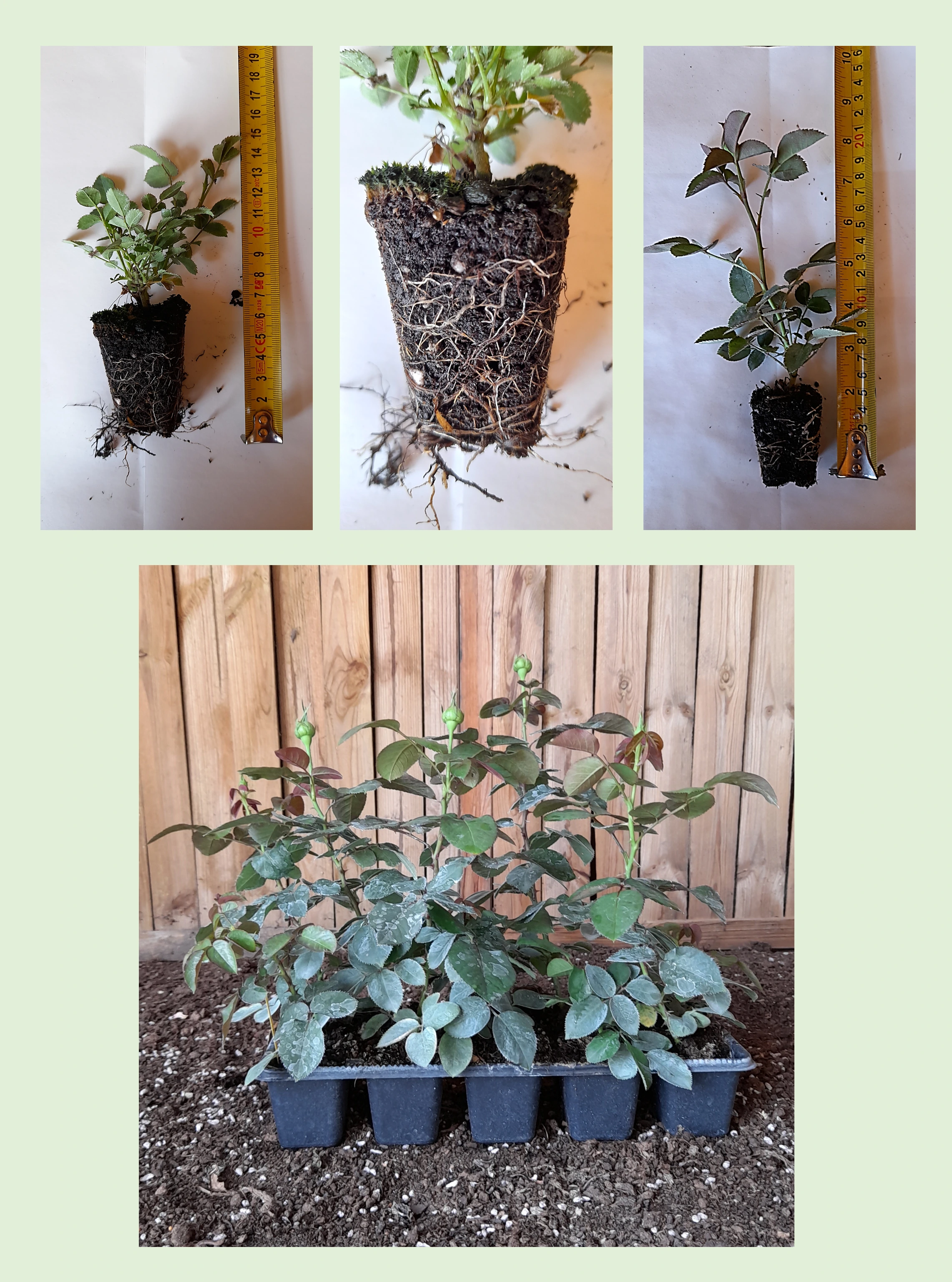
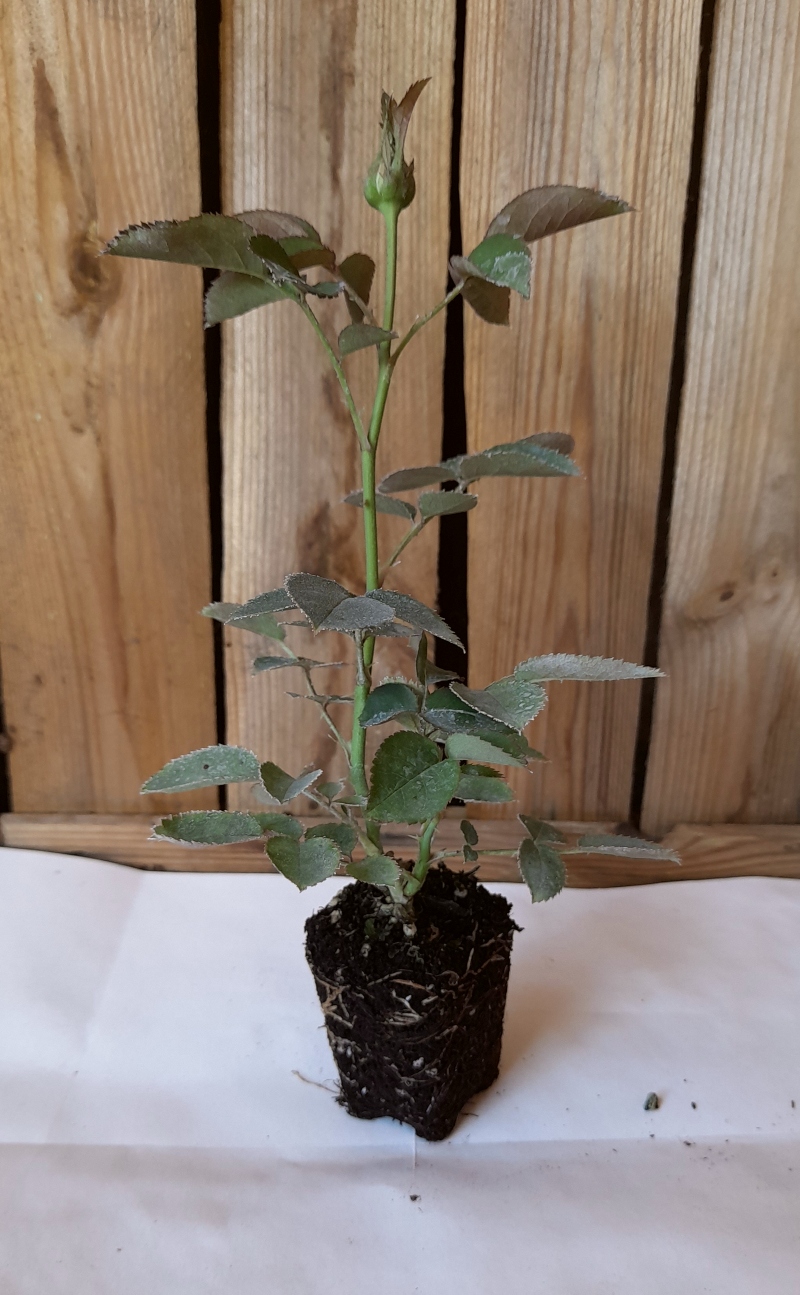
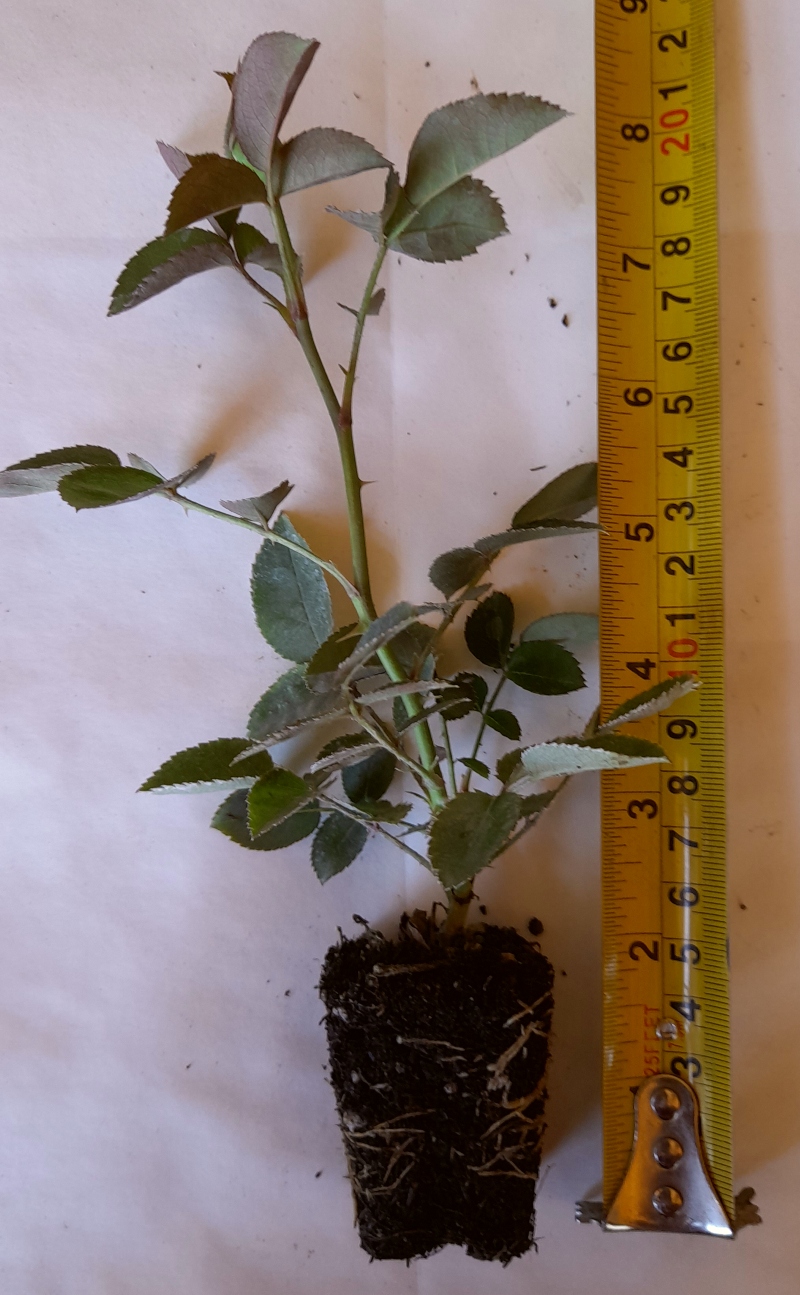
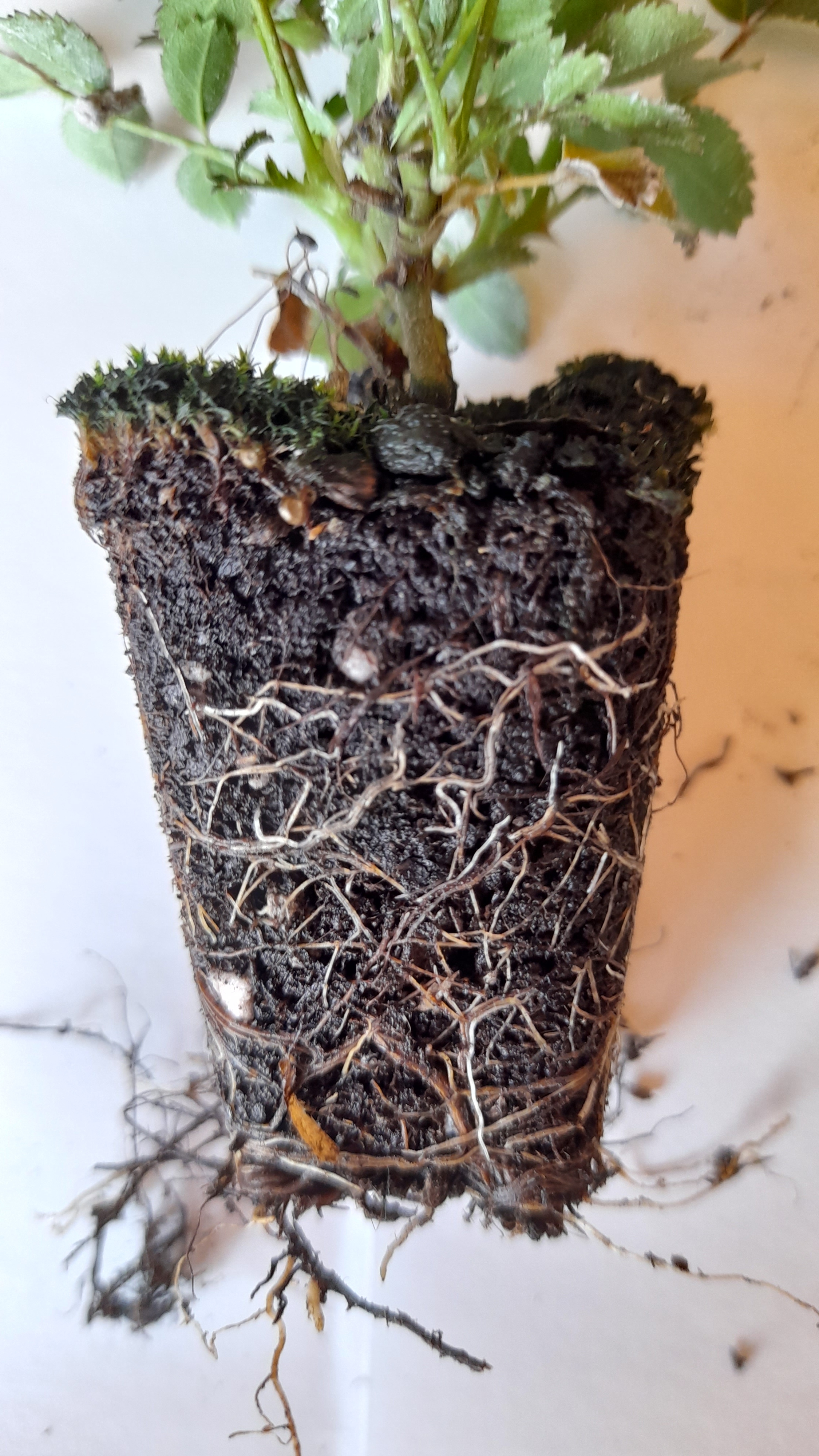
Premium own-root NEONATAL cuttings of SEÑORA DE BORNAS™ offer a reliably upright hybrid tea framework for nursery beds, 5–7 L container routes and exclusive, flower-quality-led ranges, with a remontant high-centred bloom form that suits exhibition-type cut-flower and specimen concepts. The cultivar’s medium-sized, velvety, orange-red flowers on bush-trained plants with 3–5 strong canes provide a clear cut-flower style signal in sales, while its resistant foliage and low maintenance needs help You stabilise labour and crop-care inputs. Own-root production supports long-lived, regenerating plants that maintain structure and colour for collection and show gardens, and can underpin private-label offers where identity and continuity matter, including projects in cooler UK regions where winter and wind exposure are relevant. With NEONATAL’s tray-rooted format, You can integrate predictable batches into nursery networks and public-realm supply chains, building homogeneous stands and planning capacity as Year 1 focuses on roots, Year 2 on structural shoots, and Year 3 on full ornamental effect in premium container production. The medium fragrance, classic tea-scent character and good colour retention further support a differentiated, exclusive exhibition-oriented positioning for professional partners.
Usage options
Finished-product ideas
- Premium 5–7 L exhibition hybrid tea line – Bush-trained SEÑORA DE BORNAS™ in 5–7 L containers, emphasising high-centred bloom form, colour retention and low disease pressure, positioned as an exclusive hybrid tea reference – retail/reseller and specialist rose outlets
- Cut-flower style patio specimen – Own-root plants shaped with 3–5 strong canes, marketed for repeated flowering and classic tea-scent fragrance, using NEONATAL material for consistent height and structure – premium garden-centre customers via reseller partners
- Collection-garden signature block – Uniform batches for thematic or historic rose collections, leveraging good health, stable colour and own-root longevity to secure long-term planting schemes – show gardens, estates and public-realm programmes
- Colour-focused flower-bed concept – Medium-height, upright plants in grouped 5–7 L units for fast establishment of velvety orange-red beds with reliable remontant flowering and manageable maintenance – landscape contractors and project suppliers
- Fragrance-accent hybrid tea selection – Curated assortment where SEÑORA DE BORNAS™ contributes classic tea fragrance and exhibition-style flower quality from predictable NEONATAL stock – branded premium ranges for integrated nursery-retail chains
Technical cultivar profile
| Name and registration |
SEÑORA DE BORNAS™ hybrid tea rose (Nadal), commercial hybrid tea type; collection: Hybrid tea rose; registered cultivar name not provided; ARS exhibition name not provided. |
| Origin and breeding |
Hybrid Tea group bred in Spain in 1955 by Cebrià Camprubí Nadal; parentage, breeding institution, introduction and registration years are not provided or listed as data not available. |
| Growth and structural characteristics |
Upright bush 105–135 cm high, 70–90 cm spread; moderately dense, mid-green, slightly glossy foliage; moderately thorny shoots; spent flowers persist and generally require manual removal for best presentation. |
| Flower morphology |
Large, double flowers (26–39 petals), solitary, high-centred and pointed-budded with pronounced hybrid tea, cut-rose style form; remontant with abundant second flush providing repeated display. |
| Colour data and phenology |
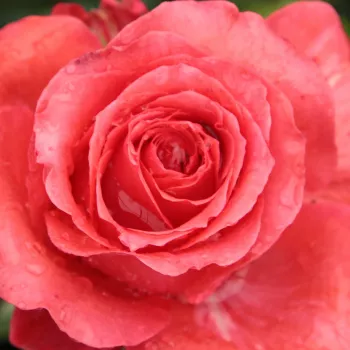
Velvety, full-bodied orange-red base; buds coral-scarlet with orange flush; blooms open fiery red–coral, then soften to brick–peach pink with powdery creamy edges; overall good colour retention in full sun. |
| Fragrance and aroma |
Classic tea-hybrid fragrance character with medium, clearly perceptible strength; double flowers moderately attract pollinators due to reduced stamen accessibility and dense petal formation. |
| Hip characteristics |
Occasional ellipsoidal hips, 10–14 mm diameter, orange-red (RHS 40A); hips may appear after flowering if deadheading is not carried out, offering minor seasonal interest in some plantings. |
| Resistance and winter hardiness |
Good disease resistance with noted resistance to powdery mildew, black spot and rust; hardy to approximately −21 to −18 °C, RHS H7, Swedish zone 3, USDA zone 6b, with moderate heat and drought tolerance. |
| Horticultural recommendations |
Suited to flower beds, cut-flower style use and specimen planting; recommended as a low-maintenance, bush-trained form with 3–5 strong canes, premium container path in 5–7 L pots, requiring deadheading where tidy finish is critical. |
SEÑORA DE BORNAS™ offers exhibition-style hybrid tea flowers, good disease resistance and durable own-root performance that supports predictable, long-lived stands, making it a sound candidate to discuss for future capacity and scheduling.