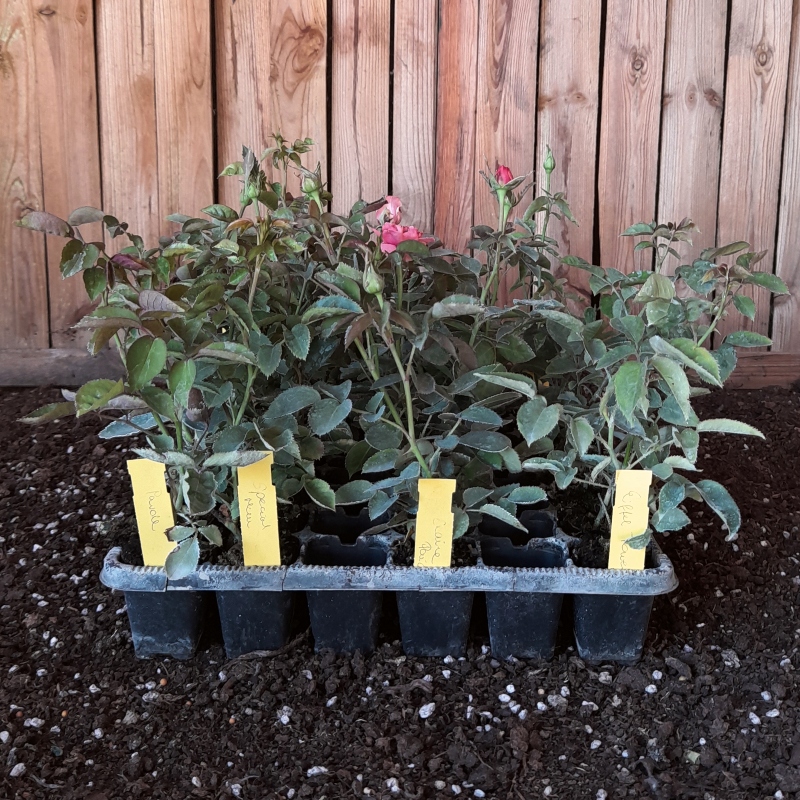
| Premium 5–7 L container line for retail/reseller |
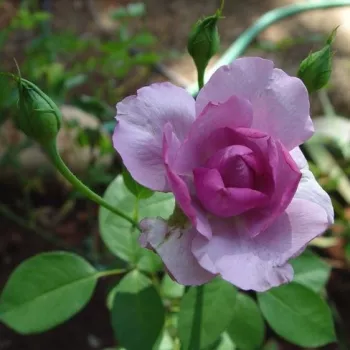
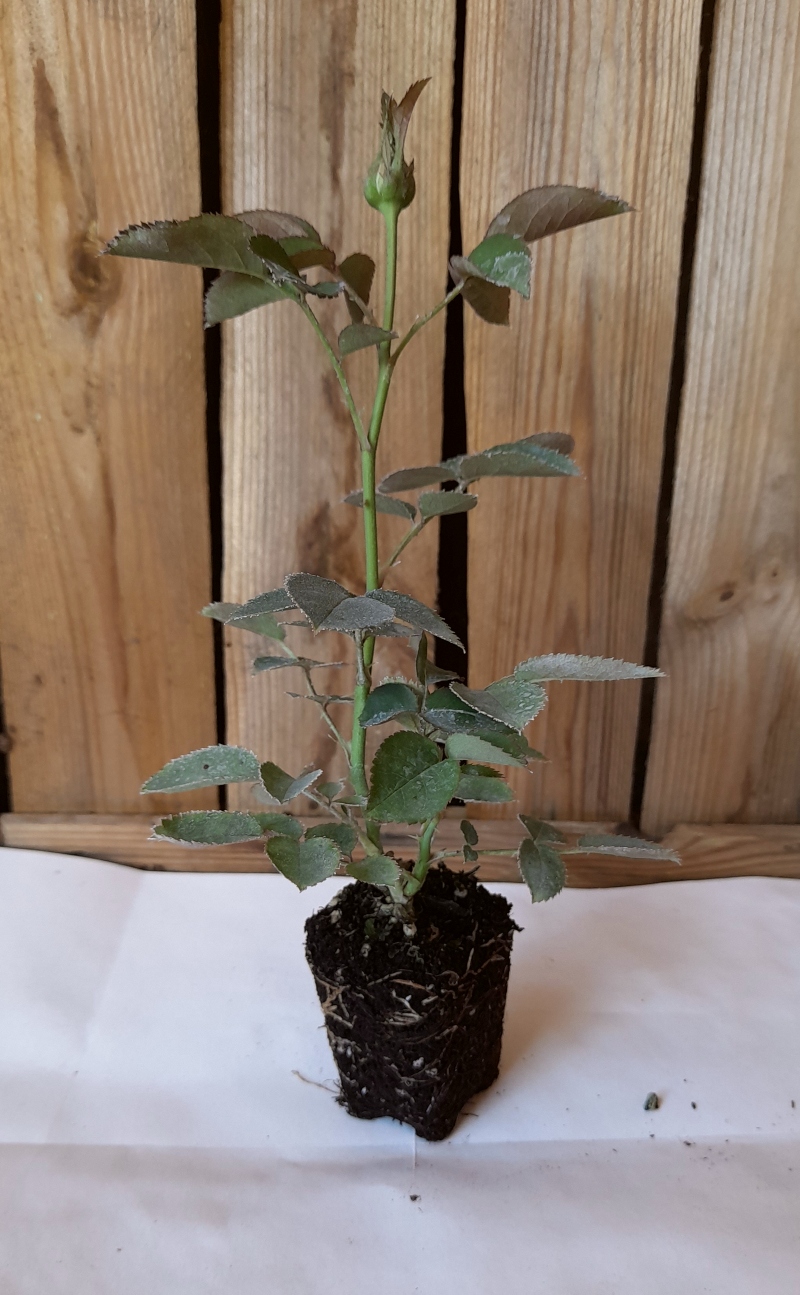
The upright, bush-trained habit with 3–5 strong framework canes is well suited to the recommended premium container route in 5–7 L pots, giving a clean structure and good height for bench presentation. The remontant, high‑centred hybrid tea flowers underline the exclusive finished product positioning promised to retail and reseller partners, while the UK’s colder and more exposed areas also benefit from its reliable winter hardiness, supporting national assortment planning for the nursery/wholesale. |
| Cut-flower orientated garden rose for specialist ranges |
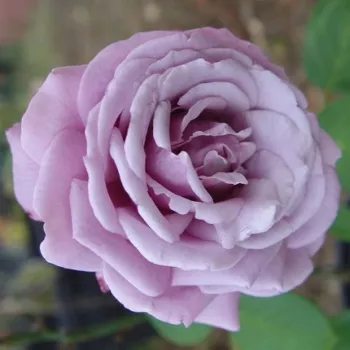
The large, high‑centred, cut‑rose type blooms with abundant second flowering allow growers to create garden roses with a recognisable cut‑flower look in a premium 5–7 L bush format. This aligns with low‑maintenance, high‑impact borders and specimens that retailers can position as exclusive novelties. Own‑root propagation material gives predictable regrowth and long lifespan under repeated cutting, which helps safeguard the core promise of flower quality and form to the retail/reseller. |
| Specimen plants for thematic rose gardens and show collections |
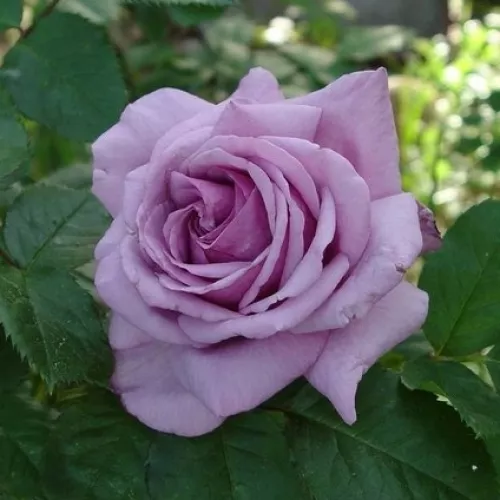
The refined lavender‑purple with silvery sheen and very full flowers create strong visual identity for named specimens in thematic rose gardens or curated collections. Using the premium container route, growers can supply well‑branched, visually mature bushes for installation projects. Own‑root material supports long‑term stability and regeneration in collection beds, giving public‑realm suppliers confidence in maintaining named cultivars for the project/collection. |
| Borders and mixed planting schemes in public and private projects |
The height and spread (around 100–140 cm by 65–95 cm) work well in border plantings where an upright, moderately dense shrub is required. Low maintenance requirements and good disease resistance reduce follow‑up service loads for landscapers and institutional clients. Growers can use 5–7 L containers as the main dispatch format, with own‑root stands providing homogeneous batches and low replacement rates for the landscape/contract. |
| Exclusive lavender colour line within rose assortments |
The stable lavender‑purple base colour with a delicate silvery tint offers a distinctive shade for colour‑themed product lines. In premium containers this differentiates the assortment on retail benches and in catalogue offers. Own‑root propagation makes it easier to maintain colour‑true stock blocks over years, supporting private‑label or branded lavender collections aimed at the premium-retail. |
| Fragrance-focused feature plants for high-value customers |
The medium-strength, mallowy, fruity fragrance gives added value beyond flower form, ideal for premium 5–7 L specimens marketed on sensory appeal. Using the recommended bush-trained release form, growers can ensure multiple flowering stems at sale, enhancing perceived value. Own‑root plants, building from strong roots in year one and developing ornamental top growth in later years, give long-lived, repeat-purchase satisfaction in the high-end-retail. |
| Low-maintenance, high-reliability lines for networked nurseries |
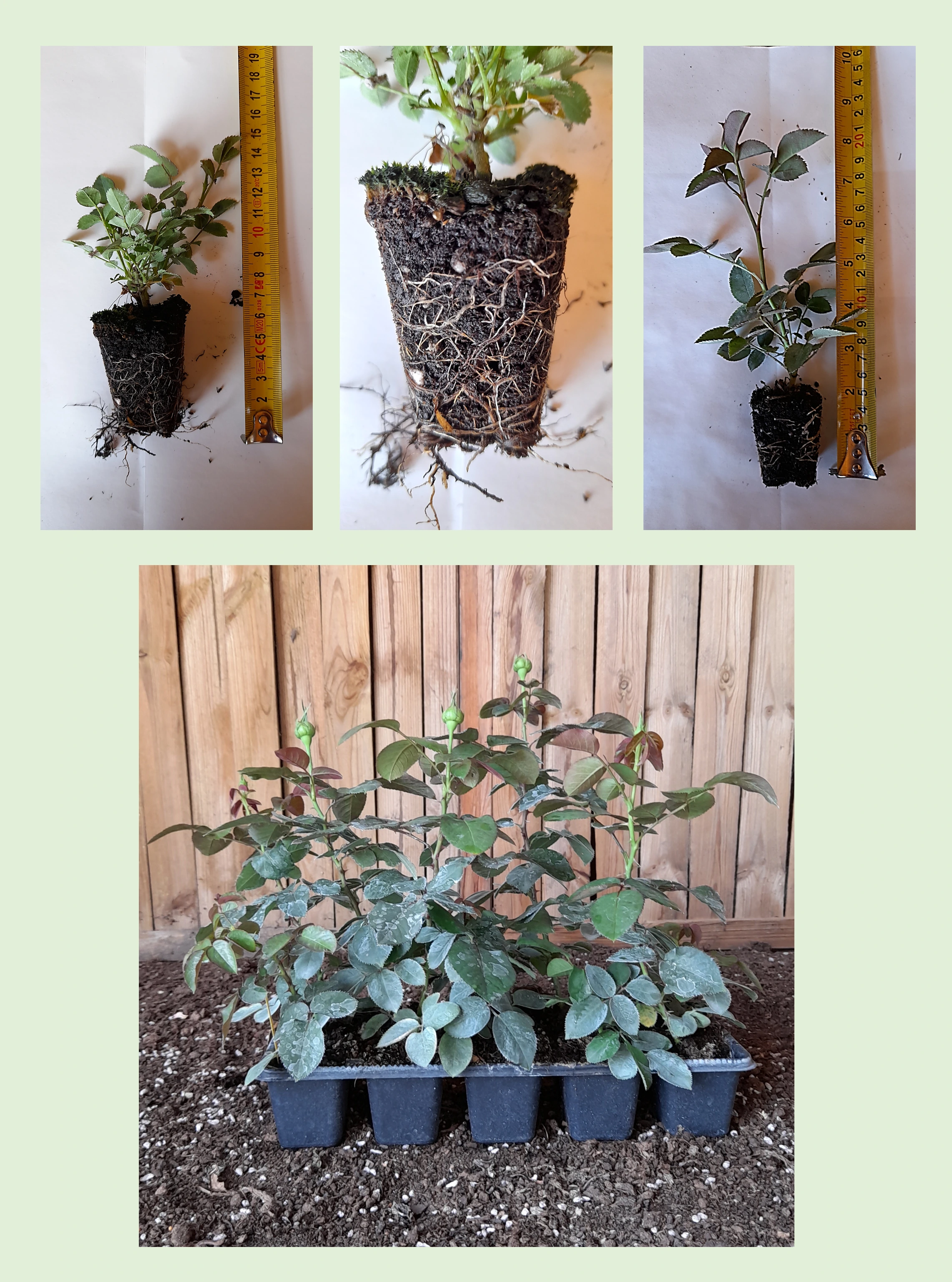
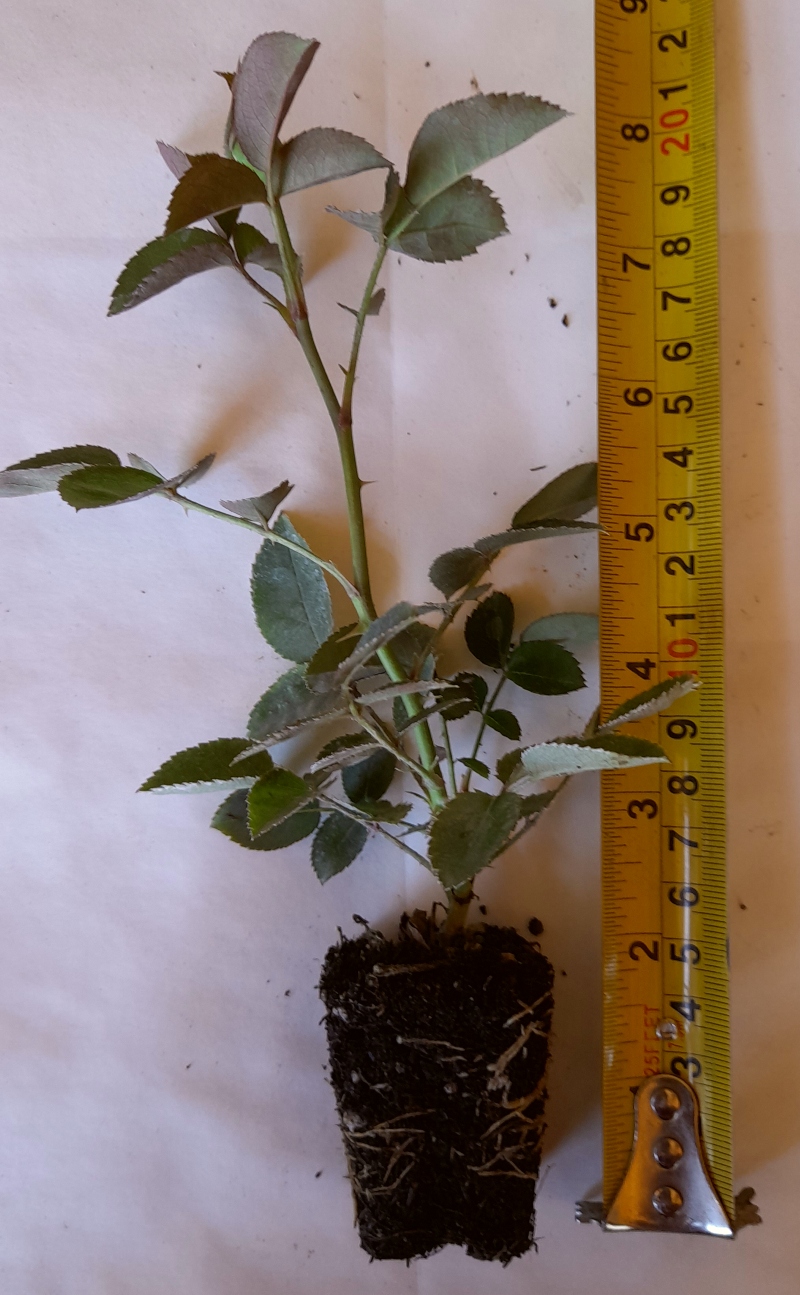
Good resistance to powdery mildew, black spot and rust, combined with generally minimal intervention needs, fits production systems seeking predictable, low-input cultivars. Propagating on own roots in a standardised 3–6 month tray stage gives homogeneous blocks ready for potting into 5–7 L as a premium route. This supports stable, exclusive finished product promises to channel partners in the integrator-supply. |
| Own-root stock plants for internal cutting and collection maintenance |
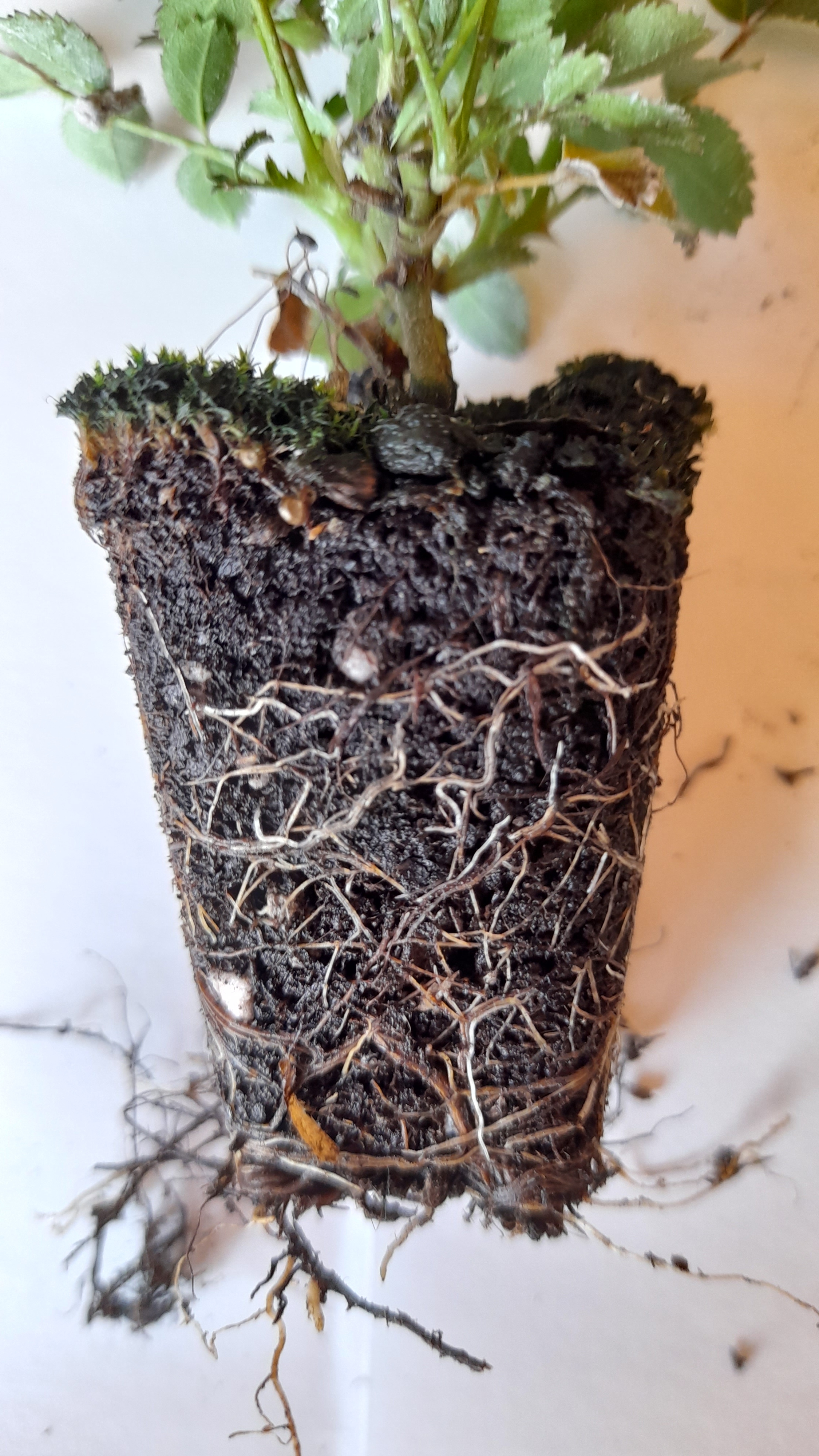
Limited hip set due to very double flowers keeps energy focused on vegetative and floral performance, useful for maintaining vigorous, long-term stock plants in nursery beds for further propagation. Own‑root structure helps collections recover from hard pruning or propagation loads with predictable shoot development. Planted in larger 40–50 L containers or open‑ground stock rows, it underpins reliable, named material for the propagation/nursery. |