Botanical rose

20-531-1
20-531-2

Stanwell Perpetual

Botanical rose

- – C. Brown

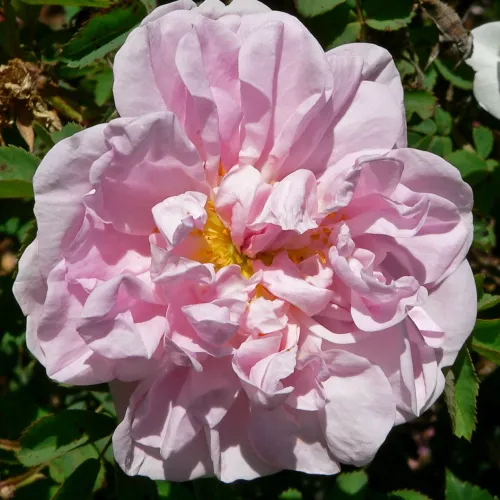
Uniform soft pastel pink with a tone leaning towards white. - wild rose - very strong, garden-filling fragrance rose - deep, damask-scented

– Very strong, deep damask fragrance.
– Continuous flowering from early summer.
– Dense, bushy habit for hedges and beds.
– Extremely hardy down to USDA 3b.
– Soft pastel pink, very double blooms.
– Special feature: Historic 1838 rose with RHS Award of Garden Merit, prized in many heritage gardens.
Eco garden/landscape
Stanwell Perpetual
pharmaROSA® NEONATAL rooted rose cutting
28,30 £
Due to courier service regulations – and the introduction of customs clearance – delivery to Ireland is temporarily suspended.
3.5 (4837)
facebook   twitter

STANWELL PERPETUAL – pale pink wild rose – Brown

Historic yet highly adaptable, STANWELL PERPETUAL offers professional growers a vigorous, bush‑forming botanical rose for nursery beds, 2–3 L container lines and landscape‑grade production, combining hardiness to H7 with a dense, spreading habit well suited to UK park and urban green schemes that must perform reliably in winter‑exposed northern sites and windy schemes; its remontant flowering with very double, rosette blooms in soft pale pink, coupled with a fragrant, deep damask scent and good self‑cleaning, underpins efficient crop finishing for specimen, hedge and eco‑garden ranges, while own‑root NEONATAL material builds a long‑lived, renewable stock base that moves from root development in year one, through structural shoot build‑up in year two, to full ornamental effect in year three, allowing You to plan predictable volumes and consistent quality for specialist botanical and historic rose collections, and to extend Your landscape and eco‑themed offer with a cultivar recognised by leading historic rose gardens.


Usage options

Target area Reasoning
Nursery bed stock for own-root multiplication The combination of vigorous, bushy, spreading growth and dense foliage supports stable mother‑plant stands for cutting production, with own‑root NEONATAL material regenerating well after harvest. Using the recommended botanical/standard container production path and 2–3 L finishing gives a clear framework for building internal stock. This aligns with a thematic rose garden and collection positioning where reliable cultivar identity and long‑term eco‑garden value are central for professional nurseries.
2–3 L botanical container programme The medium height and 120–200 cm spread lend themselves to compact, marketable plants in the recommended 2–3 L containers, finished as vigorous bush‑trained units. Aligning crop timing with its remontant, though lighter second flush, enables repeat‑flowering interest at dispatch. The standard/botanical container route supports a coherent botanical rose line for eco garden/landscape ranges aimed at wholesale container growers.
Landscape hedge and park planting supply Dense, matt grey‑green foliage and a well‑armed, densely thorned structure create visually solid, functional hedging and park plantings with medium maintenance needs. Own‑root plants give durable stands with low replacement, suitable for public‑realm contracts. Producing vigorous bush‑trained finished plants from 2–3 L step‑up supports park and urban green space schemes where landscape effect and eco value are specified by landscape contractors.
Cold-climate and exposed-site projects With H7 hardiness, USDA 3b and Swedish zone 6 ratings, this cultivar fits northern UK and exposed schemes where winter resilience is a key specification. Growing on from NEONATAL trays via the standard/botanical container route into strong, bush‑trained units allows dependable installation in sites facing wind and low temperatures, supporting public‑realm programmes in winter‑exposed northern regions and windy urban corridors for municipal suppliers.
Eco-garden and low-input landscape ranges Good self‑cleaning reduces the need for dead‑heading in finished hedge, specimen and park plantings, and medium disease resistance with moderate maintenance suits realistic municipal care levels. Own‑root longevity supports sustainable, low‑input eco gardens. A 2–3 L container start, followed by planting into larger beds or 40–50 L landscape containers, dovetails with eco garden/landscape positioning for public-realm projects.
Heritage and botanical collection programmes The 1838 introduction, Hybrid Perpetual–Damask–Spinosissima background and RHS Award of Garden Merit make it a strong candidate for heritage and botanical collections. Producing uniform bush‑trained plants in the recommended 2–3 L format simplifies curation of thematic rose gardens. Own‑root NEONATAL propagation supports long‑term, identifiable clones in collection beds serving historic rose gardens.
Fragrance-focused feature planting Very strong, garden‑filling damask scent and very double rosette blooms provide high fragrance value despite reduced pollinator access, making it ideal for scented specimen and park beds. Crop scheduling around the remontant flush allows finished products with strong sensory impact. The standard/botanical container route with 2–3 L targets curated fragrance and eco‑garden ranges for specialist retailers.
Large-container statement specimens The bushy, spreading habit and 120–200 cm width justify step‑up into 40–50 L or larger containers for statement pieces at destinations or institutional entrances, starting from NEONATAL rooted cuttings via 2–3 L liners. Although colour fades in strong sun, the pale pastel palette reads well in large‑scale compositions, supporting eco garden/landscape concepts and thematic collections for integrator networks.

Finished-product ideas

  • 2–3 L botanical heritage line – Own‑root, bush‑trained 2–3 L plants emphasising historic origin and RHS AGM status, using the standard/botanical container route for uniform batches – target: specialist nurseries and heritage-focused wholesalers
  • Eco-hedge landscape modules – Pre‑branched, vigorous hedge units from 2–3 L starters, promoted for low-input eco garden and urban green space hedging where self‑cleaning and hardiness reduce maintenance – target: landscape contractors and municipal frameworks
  • Fragrance garden feature pots – Strongly scented, bush‑trained plants stepped into 40–50 L containers for high-impact entrances and scented corners, built from NEONATAL rooted cuttings via 2–3 L liners – target: public-realm and institutional projects
  • Botanical collection specimens – Clearly labelled, own-root stock in 2–3 L for thematic rose gardens, emphasising Hybrid Perpetual–Damask–Spinosissima background and reliable landscape effect – target: botanic gardens and collection curators
  • Park and urban bed fillers – Medium-maintenance, dense, spreading bushes supplied from 2–3 L production for parks and mixed shrub beds, leveraging hardiness and landscape presence – target: integrator systems serving local authorities

Technical cultivar profile
Parameter Data
Name and registration Current trade name STANWELL PERPETUAL – pale pink wild rose – Brown; American Rose Society exhibition name STANWELL PERPETUAL; unregistered cultivar with verified authenticity for professional production.
Origin and breeding Old British cultivar bred by C. Brown at Lee Nursery, Hammersmith–Stanwell, from Rosa spinosissima × ‘Quatre Saisons’, bred circa 1834 and introduced commercially in England in 1838.
Awards and recognition Holds the RHS Award of Garden Merit and is recommended by multiple historic rose gardens, underlining proven garden and landscape performance in long-term trials and collection plantings.
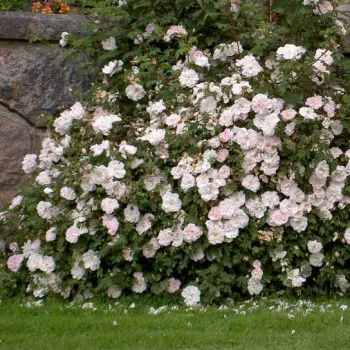
Growth and structural characteristics Bushy, spreading habit 80–130 cm high and 120–200 cm wide with dense, matt grey‑green foliage and heavy prickling; forms solid, structurally reliable bushes suitable for hedging and specimen use.
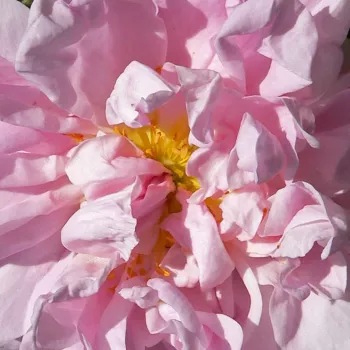
Flower morphology Medium-sized, clustered, very double rosette flowers with more than 40 petals; remontant, although the second flush is lighter than the first, giving a traditional old-rose flowering pattern over the season.
Colour data and phenology Pale pastel pink tending to white; ARS lp, RHS 65D inner and outer; buds creamy pink, opening powder‑pink, then milky white with faint rim, finally fading to porcelain white, with weaker colour in strong sun.
Fragrance and aroma Very strong, deep damask fragrance with garden‑filling intensity; highly ornamental but reduced pollen access due to very double form, making it mainly a scent and visual feature rather than a pollinator plant.
Hip characteristics Rose-hip set is generally limited because of the very double blooms; where formed, hips are small spherical fruits about 10–16 mm across, in dark purplish to dark-crimson-black shades on mature plants.
Resistance and winter hardiness Rated H7 with hardiness around –37 to –34 °C, USDA 3b and Swedish zone 6; medium resistance to powdery mildew, black spot and rust, with realistic medium maintenance and occasional plant protection needs.
Horticultural recommendations Suited to specimen, hedge, park, flower bed and urban green space use; recommended as a vigorous bush‑trained finished product from standard/botanical container routes with medium maintenance inputs.

STANWELL PERPETUAL combines historic credibility, strong hardiness and vigorous bushy growth in a predictable own-root form that supports long-lived, regenerative stands; please contact us to align on propagation capacity and delivery scheduling.
Detailed product attributes

Product Identification Data

Product Name: STANWELL PERPETUAL – pale pink wild rose - Brown
Product Type: pharmaROSA® NEONATAL - rooted rose cutting
Cultivar Authenticity: Verified:22.04.2025
Cultivar Quality Rating: premium bronze
Item Number: [198] 20-531 (14.02.2026) pharmarosaneonatal.co.uk

Name and Registration

Meaning of Cultivar Name: The name combines the village name Stanwell and the meaning of the word "Perpetual", namely that it is continuously flowering.

Cultivar Synonym: Rosa pimpinellifolia ’Stanwell Perpetual’; Rosa spinosissima ’Stanwell Perpetual’
Original Trade Name: Stanwell Perpetual
Current Trade Name: Stanwell Perpetual Botanical rose Brown
Rose Group: Hybrid Perpetual, Damask, Spinosissima
Commercial Type: wild rose
Commercial Group: Botanical rose
Exhibition Category: bush rose; old garden rose (OGRS)
Collection: Botanical rose

Origin and Breeding

Initial Distributor: Lee Nursery (England)
Registration Year: unregistered cultivar
Breeder: C. Brown
Breeding Company / Institution: Lee Nursery, Hammersmith–Stanwell (United Kingdom)
Breeding Year: United Kingdom, 1834
Parentage: Rosa spinosissima × ‘Quatre Saisons’

Awards and Honours

Horticultural Ratings and Recommendations: RHS AGM; Variety recommended by multiple historic rose gardens
Competition and Show Awards: RHS Award of Garden Merit; Variety recommended by several historic rose gardens

Growth and Structural Characteristics

Height: 2.6-4.3ft (80-130 cm)
Spread: 3.9-6.6ft (120-200 cm)
Growth Habit: bushy, spreading
Foliage: The variety has dense foliage. The leaves have a matt surface and a grey‑green hue.
Prickliness: densely thorned
Self-Cleaning Description: Most spent blooms fall off naturally, so post-bloom cleaning is generally not necessary.
Self-Cleaning Intensity: Self-cleaning: good.

Flower Morphology

Flower Fullness: very double-flowered
Flower Shape: rosette
Flower Size: M (1,5-2,75 in)
Inflorescence Type: clustered
Colour Code: ARS code: lp RHS code: 65D (outer), 65D (inner)
Repeat Flowering: Remontant; its second flush of flowers is not as abundant.

Colour Data and Phenology

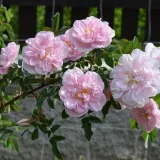
Colour: pale pink
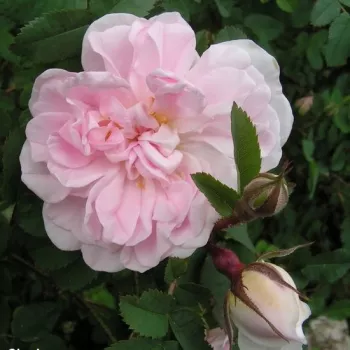
Flower Colour Description: Uniform soft pastel pink with a tone leaning towards white.
Closed Bud: Creamy pink hue with a subtle pearlescent finish.
Newly Opened Flower: Silky, delicate powder-pink overlay with a cool undertone.
Full Bloom: Fading to porcelain white, with a subtle pink centre.
Before Fading: Milky white with a barely perceptible pale pink rim.
Colour Fading Description: In strong sunlight it fades quickly to a paler colour, while in cooler conditions it retains a more pink hue.

Fragrance and Aroma

Fragrance Strength: very strong, garden-filling fragrance rose
Fragrance Character: deep, damask-scented
Pollinator Attraction: Its strongly double flower form and reduced stamen accessibility make it poorly attractive to pollinators.
Pollinator-Friendly Rating: Its very double flowers conceal the stamens, making it more of an ornamental cultivar.

Hip Characteristics

Hip Shape: spherical
Hip Colour: dark-crimson-black
Hip Comment: Rose‑hip formation is expected to be limited due to the double flowers; occasionally spherical, dark purplish‑black hips 10–16 mm in diameter may appear.

Resistance and Hardiness

Hardiness (°C): -37–-34 °C
Heat and Drought Tolerance Description: Tolerates heat and moderate drought well; requires watering during prolonged droughts.
Disease Resistance: medium
  • powdery mildew – medium
  • black spot – medium
  • rust – medium

Horticultural Recommendations

Recommended product path: Standard/botanical container
Release form: Vigorous, bush-trained finished product
Recommended use: Maintenance requirement medium; occasionally requires pest control.
Primary Uses: specimen, hedge, park, flower bed, urban green space

Comments

Positioning: Eco garden/landscape
Target customer/channel: Landscape contractor, maintenance + collector
Main value proposition: Landscape effect and eco-garden value
STANWELL PERPETUAL – pale pink wild rose - Brown
Uniform soft pastel pink with a tone leaning towards white. - wild rose - very strong, garden-filling fragrance rose - deep, damask-scented
The rose webshop. - pale pink - very strong, garden-filling fragrance rose - Stanwell Perpetual - wild rose - (2.6-4.3ft (80-130 cm))
Inflorescence: clustered Height: 2.6-4.3ft (80-130 cm) Flower shape: rosette Winter hardiness: 4b pale pink - Lee Nursery (England) wild rose - Flower size: M (1,5-2,75 in) Flower size: M (1,5-2,75 in) - Height: 2.6-4.3ft (80-130 cm) Height: 2.6-4.3ft (80-130 cm) - Flower fullness: very double-flowered Stanwell Perpetual - Roses in the garden | pharmaROSA® Neonatal - premium bronze C. Brown

We showcase the external appearance of the roses available for online purchase from our webshop.


Which product type is right for you?


PharmaRosa® NEONATAL is the cost‑effective starting point for rose product production.

As a uniform, own‑rooted propagation material, it provides a stable basis for further growing-on and can be integrated flexibly into different finished product production technologies.
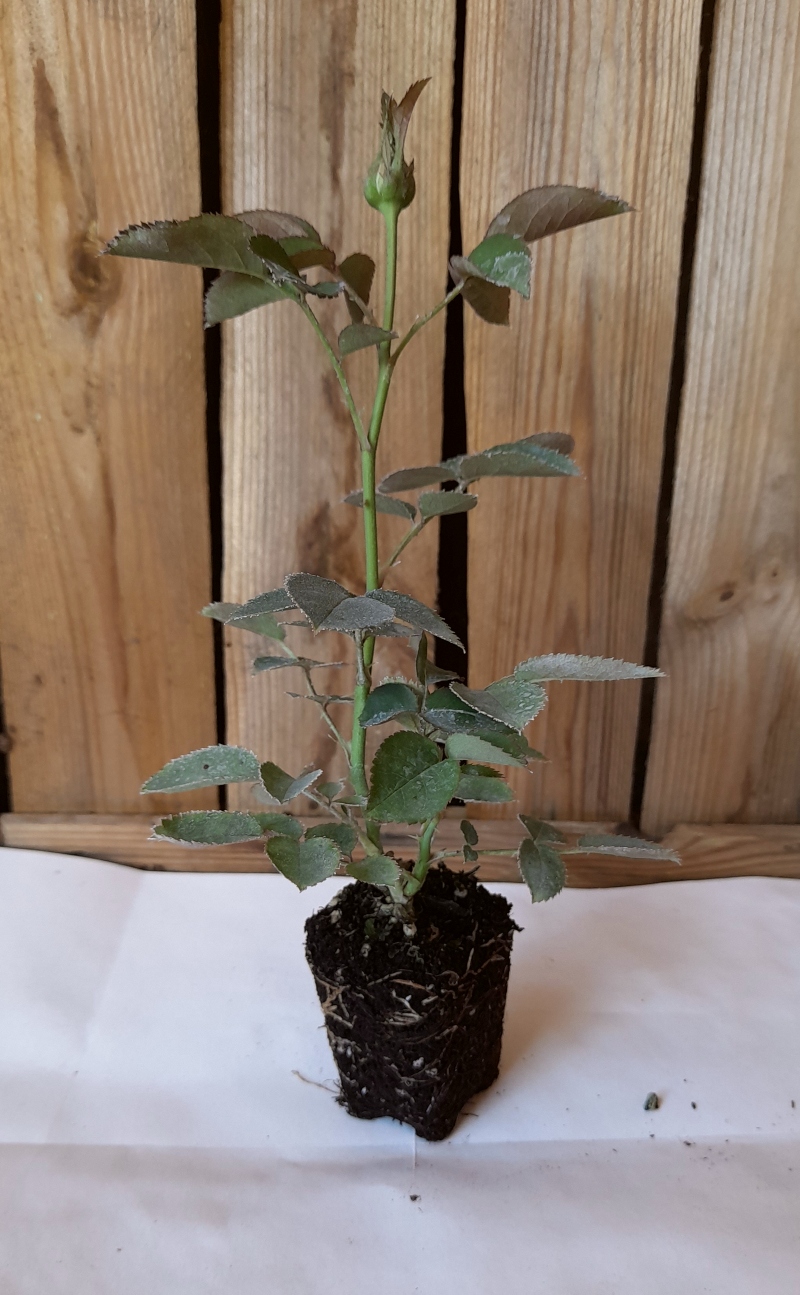
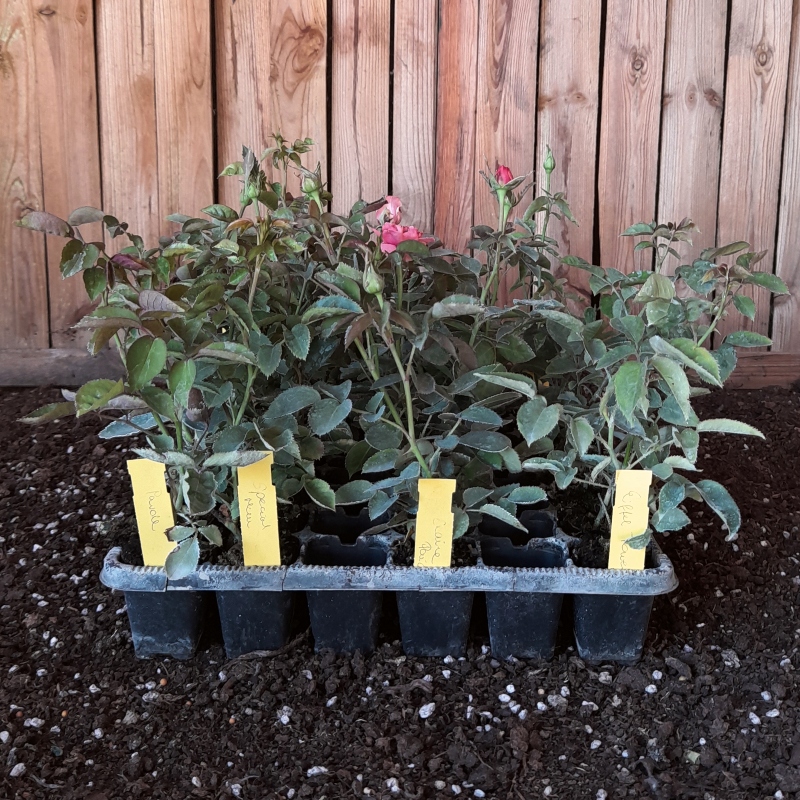
Rooted in trays (rooted), 3–6‑month‑old, own‑rooted rose cutting.

Uniform developmental stage, with a root system that has thoroughly penetrated the plug.
For professional growing‑on.
Tray packaging: 10 pcs/tray.
Quality and varietal identity: production supported by a dedicated identification and traceability logic.
Can be transplanted during frost‑free periods, designed for finished product production.

PharmaRosa® NEONATAL provides a controlled, uniform starting stock for planned growing‑on that can be integrated into your own technology – especially where scheduling and varietal identity are paramount.


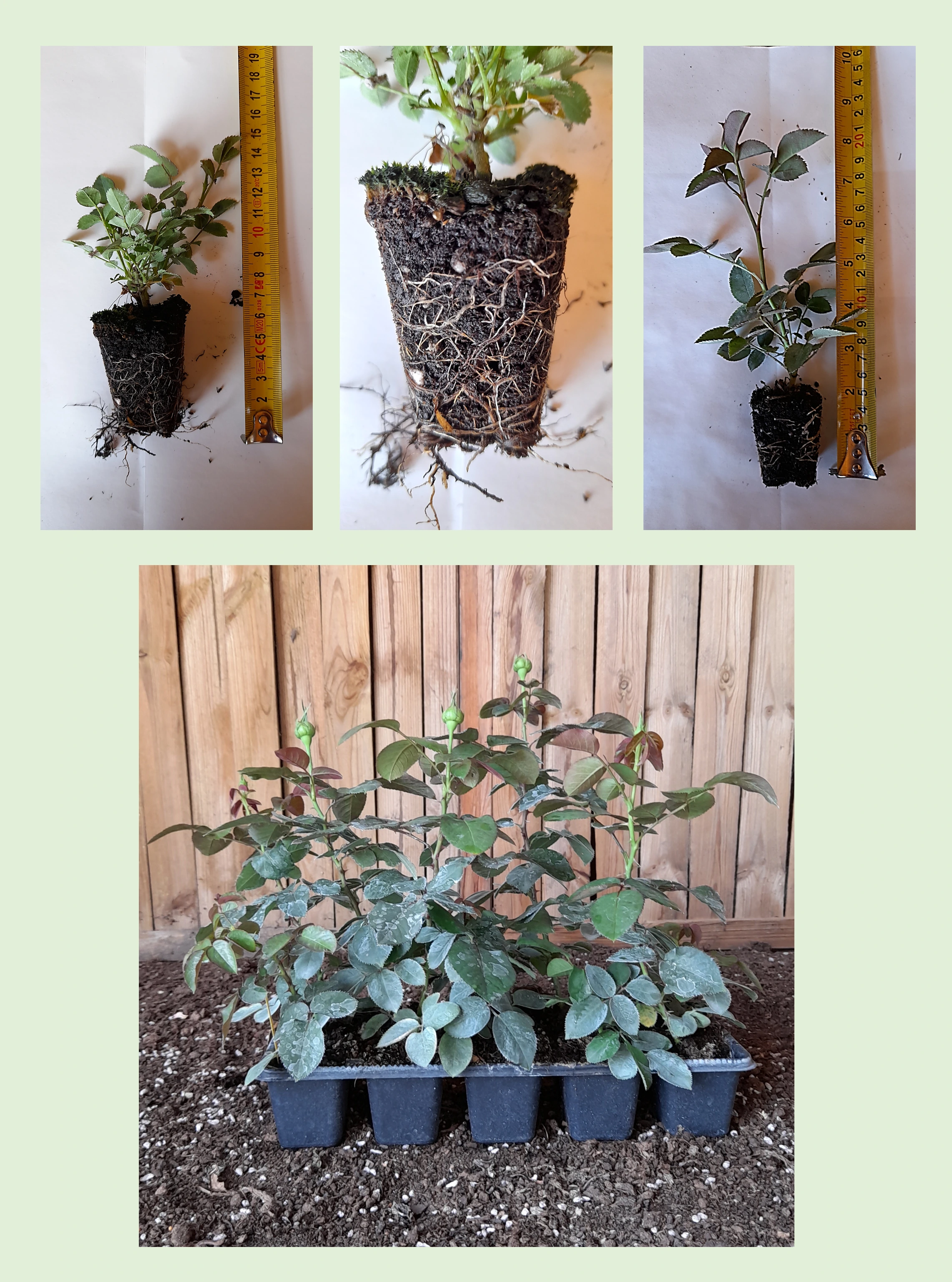
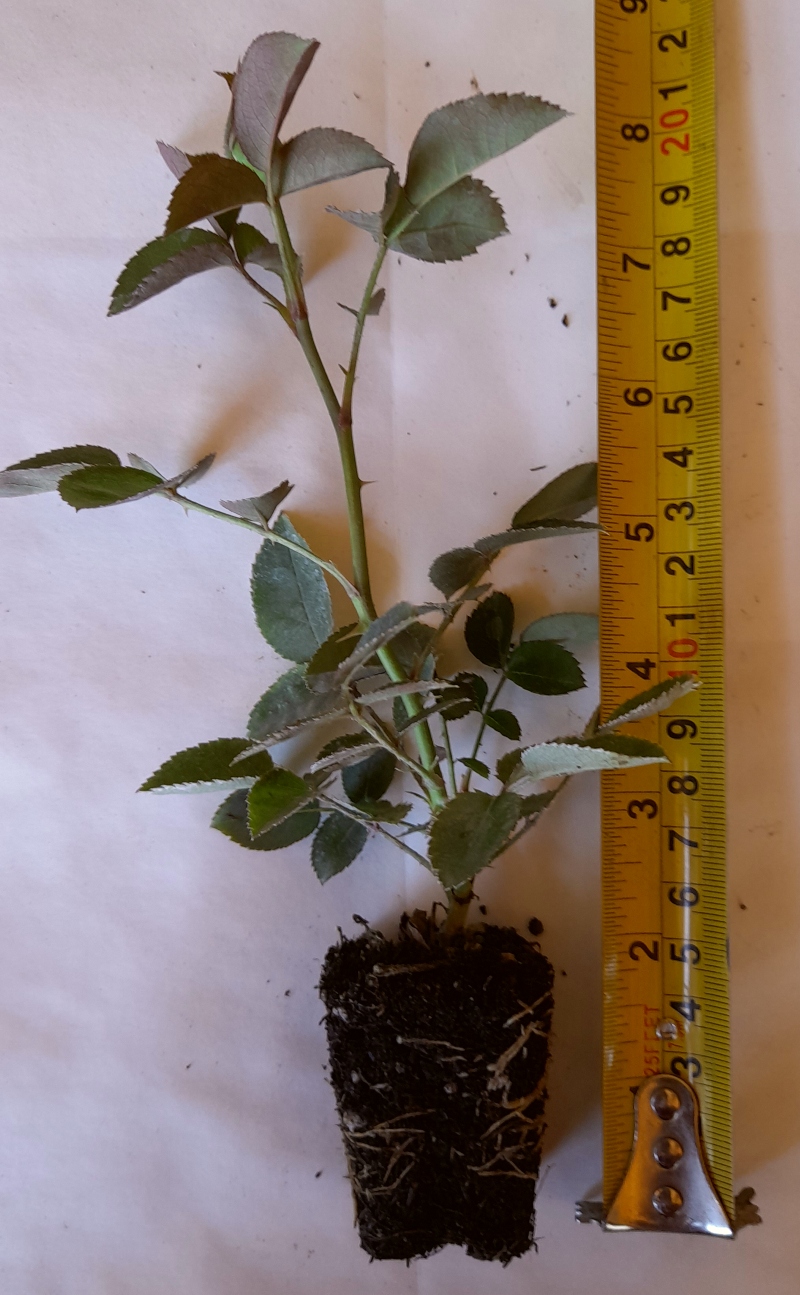
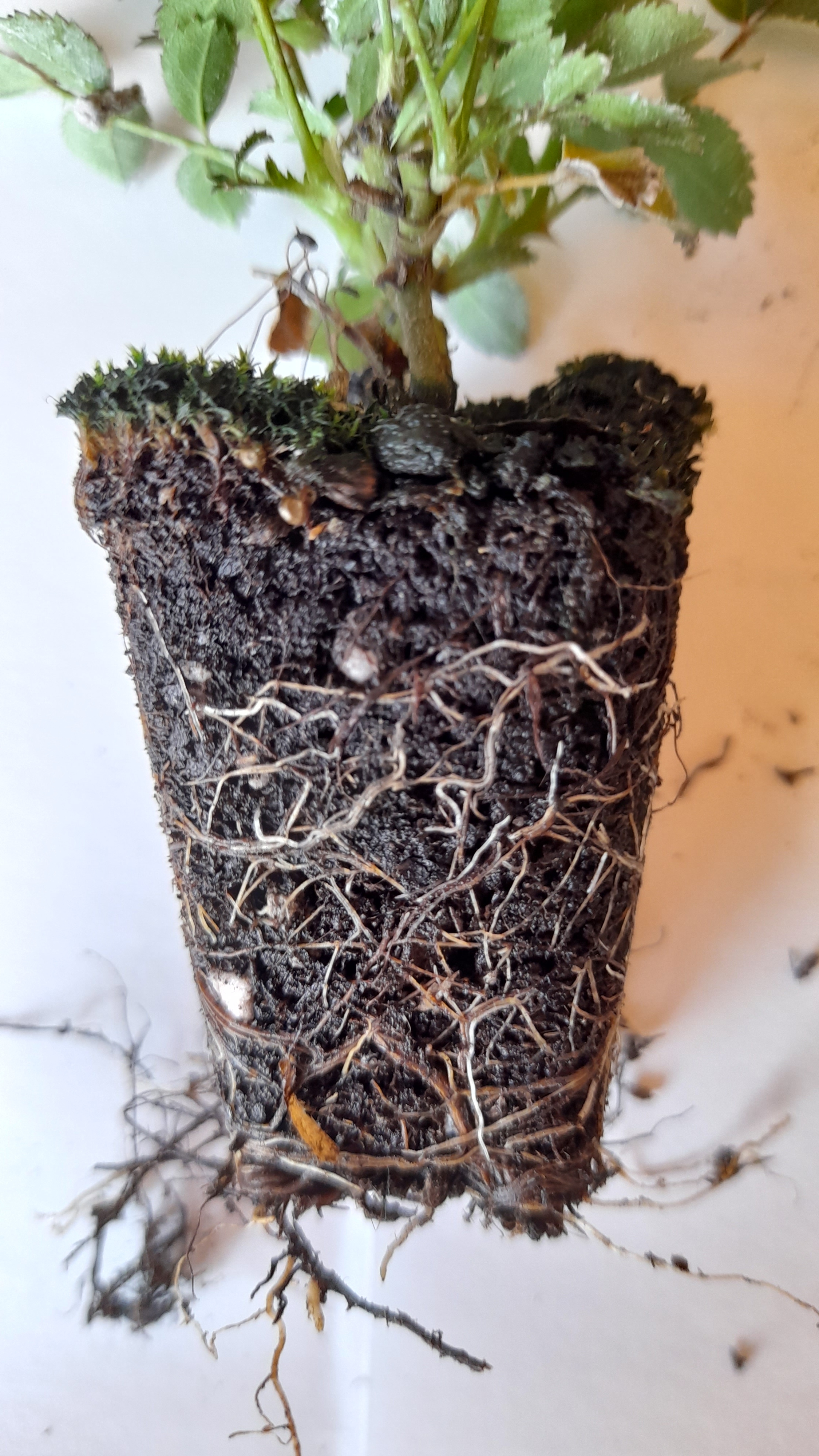
PharmaRosa® NEONATAL own-rooted rose propagation material in a plug, with a root system penetrating the plug (semi-finished product / semi-finished rose). PharmaRosa® NEONATAL rose propagation material size: 3–6‑month‑old, own-rooted cutting with a uniform developmental stage. PharmaRosa® NEONATAL rose propagation material root system: plug densely penetrated by well-developed white roots (root system detail). PharmaRosa® NEONATAL tray stock: own-rooted rose propagation material in trays, uniform developmental stage (10 pcs/tray).

Captions (from left to right): Semi-finished product (NEONATAL own-rooted rose propagation material in a plug with a fully developed root system) • Size demonstration (3–6‑month‑old, uniform cutting) • Root system detail (plug penetrated by the root system) • Tray stock (10 pcs/tray, uniform developmental stage)

pharmarosaneonatal.hupharmarosaneonatal.atpharmarosaneonatal.co.ukpharmarosaneonatal.czpharmarosaneonatal.depharmarosaneonatal.ropharmarosaneonatal.sipharmarosaneonatal.skpharmarosaneonatal.itpharmarosaneonatal.frpharmarosaneonatal.nlpharmarosaneonatal.plpharmarosaneonatal.lupharmarosaneonatal.ptpharmarosaneonatal.espharmarosaneonatal.ltpharmarosaneonatal.sepharmarosaneonatal.lvpharmarosaneonatal.eepharmarosaneonatal.fi

Which product type is right for you?

Pages for private customers
Garden roses for the family garden, with minimal care  → ORIGINAL®
Premium garden roses – instant impact, a truly showpiece garden  → EXTRA®
Pages for professionals and private customers
Roses for public spaces – large areas, sustainable maintenance  → NATURAL®
Roses for projects – hedge and row planting, fast implementation  → RAPID®
For professional partners only
Production – propagation material for garden roses, wholesale  → NEONATAL®

Company details

PharmaRosa Ltd.
Company registration number: 01-09-717479
VAT number: 13075314-2-43
Plant health registration no.: HU130721
Bank account (IBAN):
HU85117631891388688400000000
BIC (SWIFT): OTPVHUHB
Bank name: OTP Bank Nyrt.